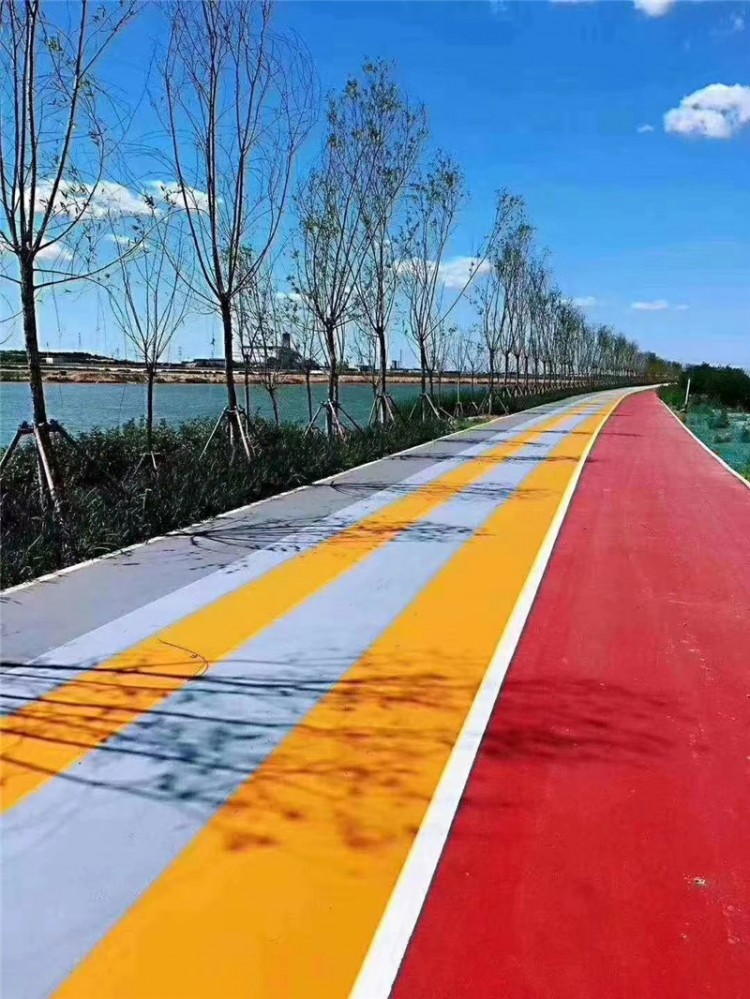

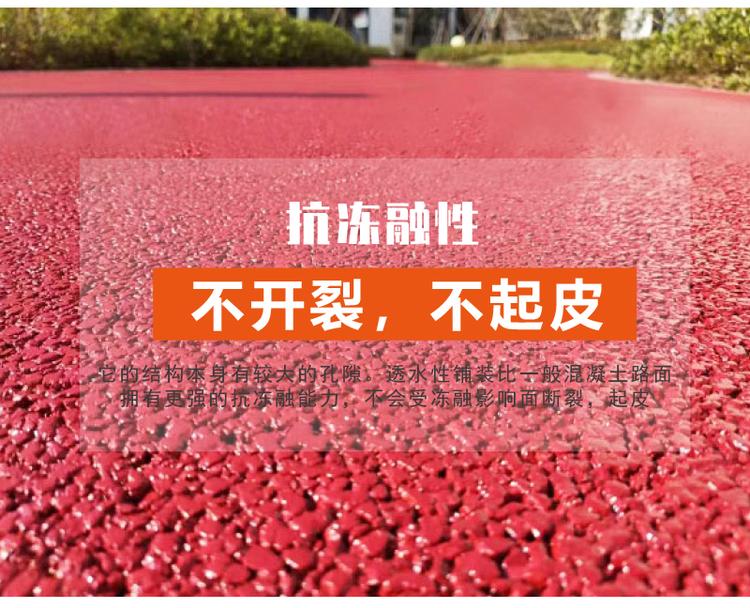


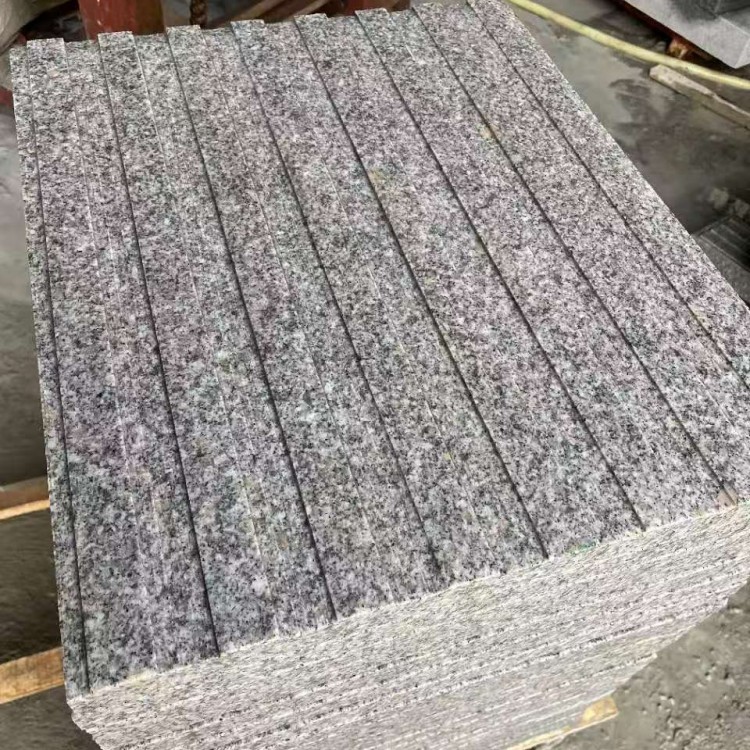







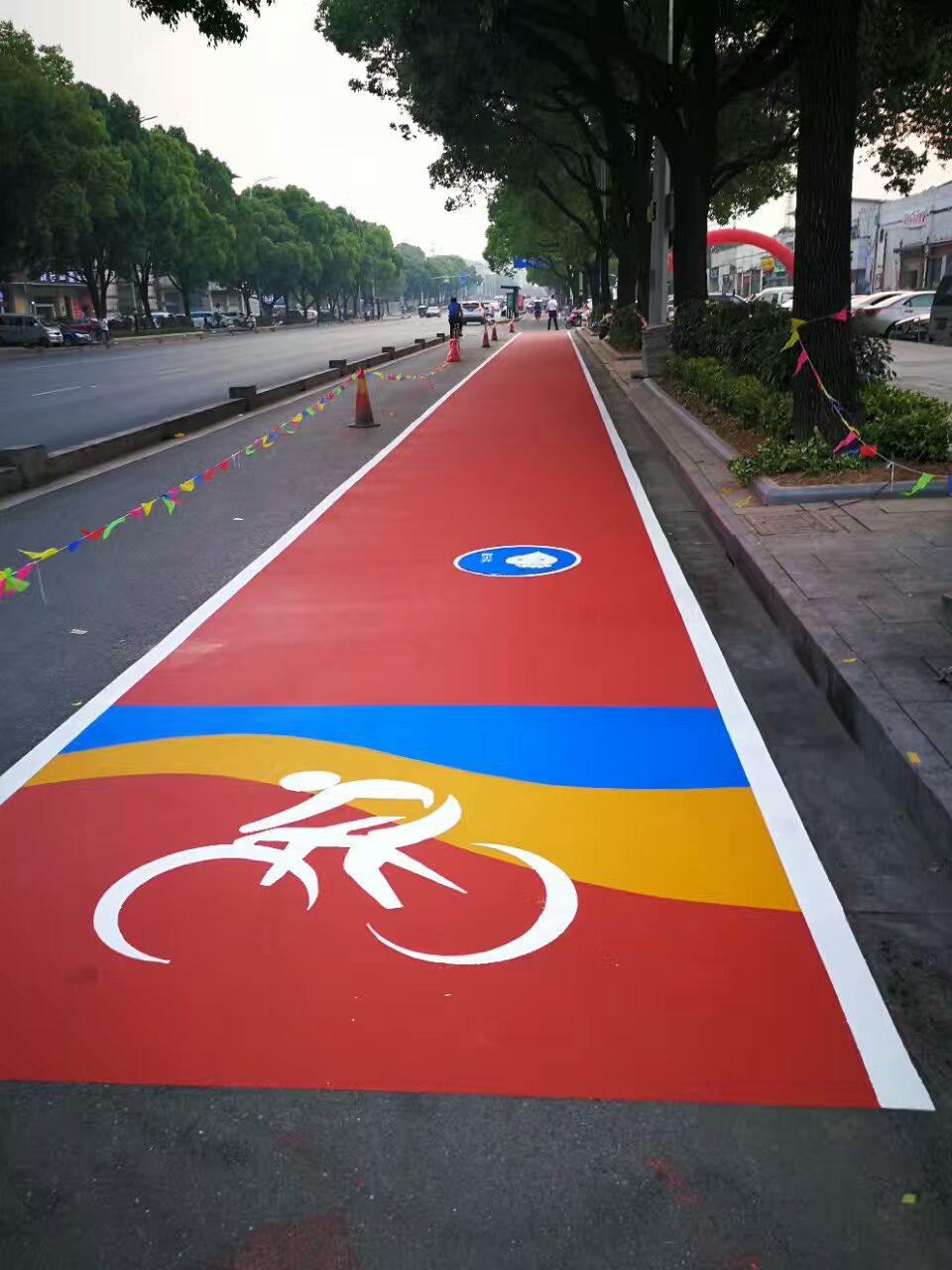
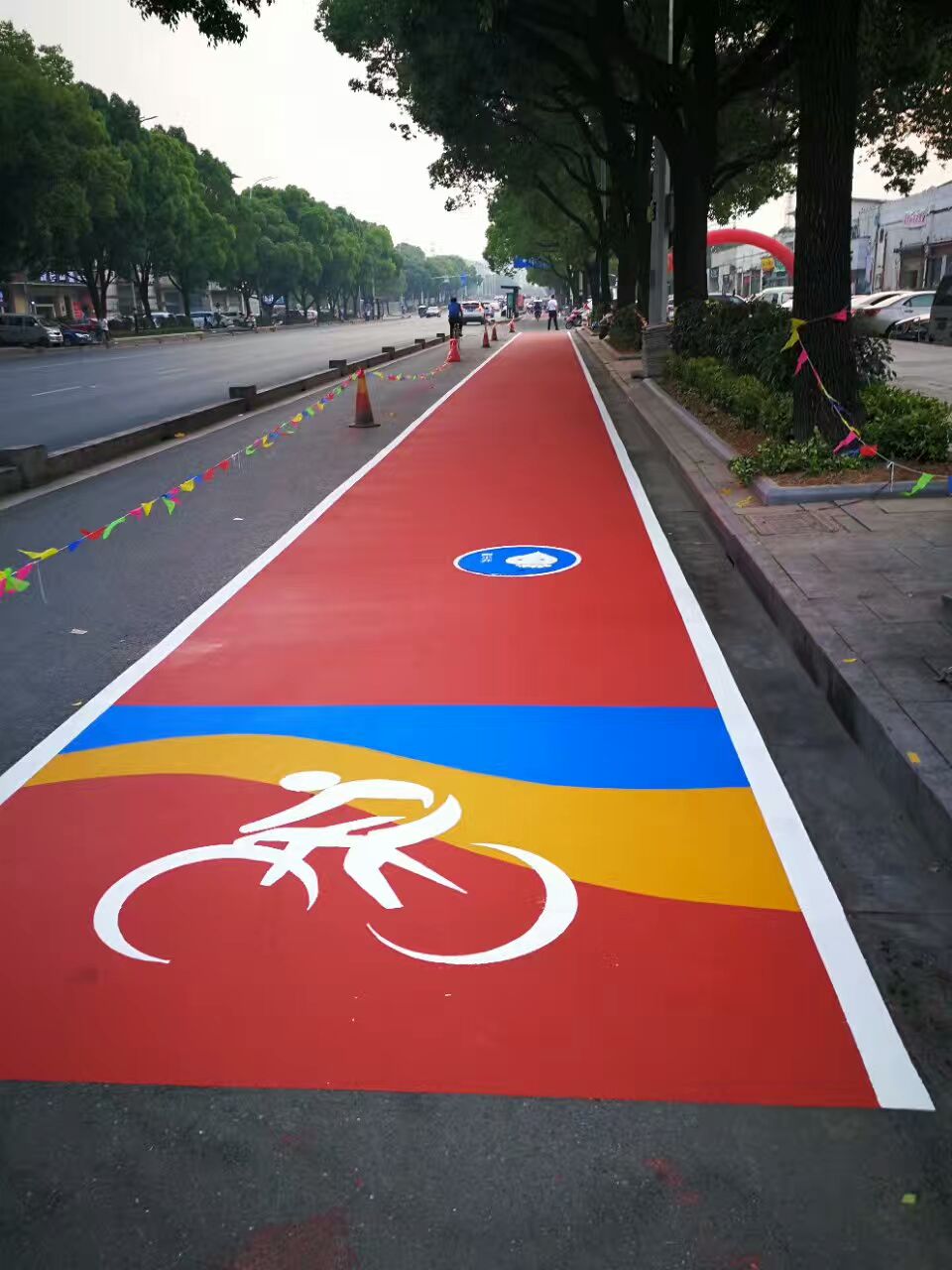
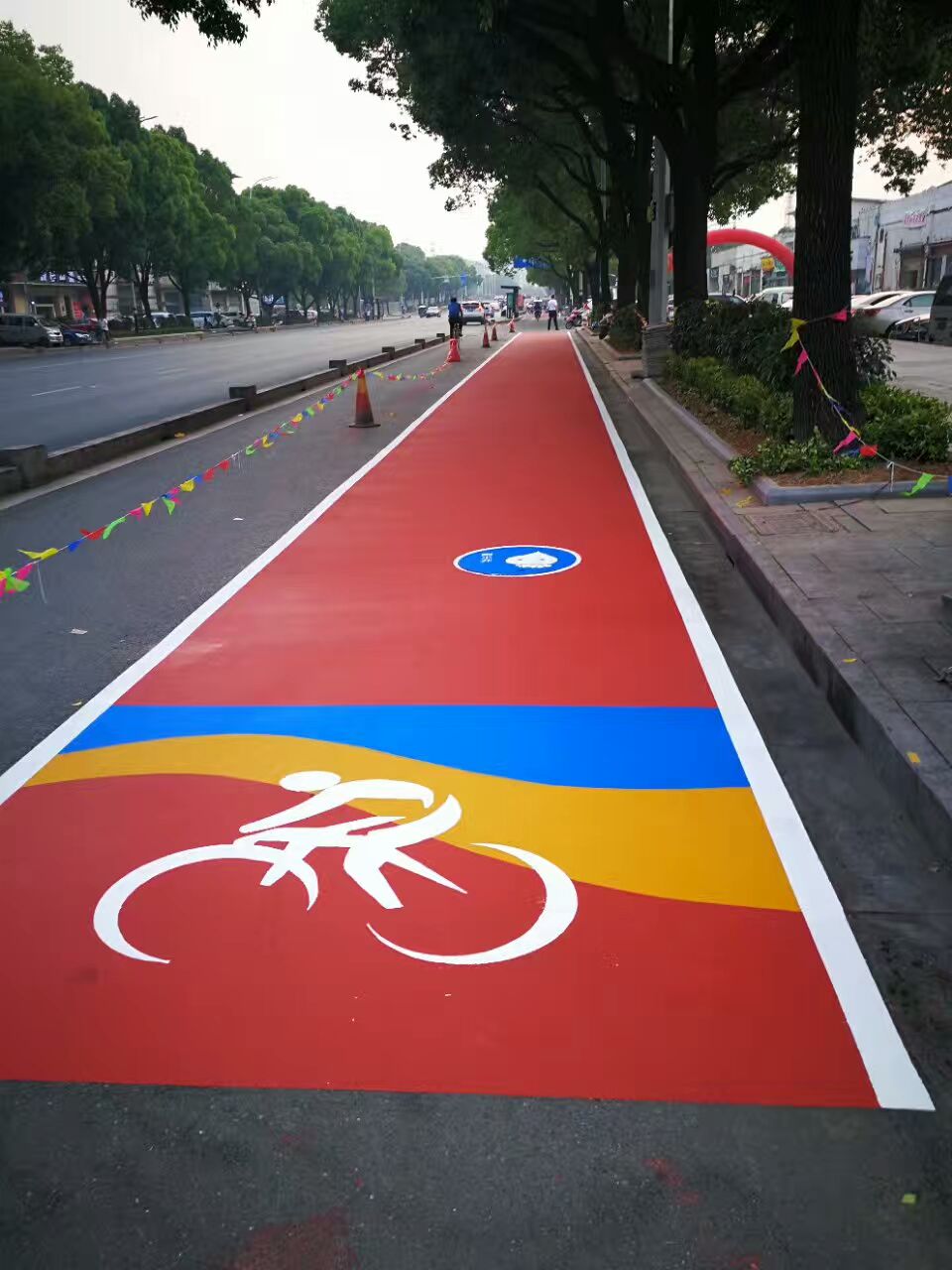
1. Harvesting rainwater for infiltration into the ground to replenish groundwater and alleviate the rapid decline of groundwater levels, a critical urban ecological issue.
2. Offering a rich array of color schemes to cater to the diverse preferences and pursuits of owners, achieving personalized decorative creative requirements.
3. Increase the breathable area in cities, regulate urban climate and surface temperature, which is beneficial to alleviate the urban "heat island effect."
4. Absorbs some mall noise, creating a quiet and comfortable commercial environment, enhancing the quality of the community and commercial plazas.
5. Prevents road surface water accumulation during rainy days and road reflection at night, enhancing the comfort and safety of vehicle and pedestrian traffic.
6. Easier to maintain than regular concrete; offers better overall integrity, a smooth surface, and stronger compressive strength compared to permeable pavers.

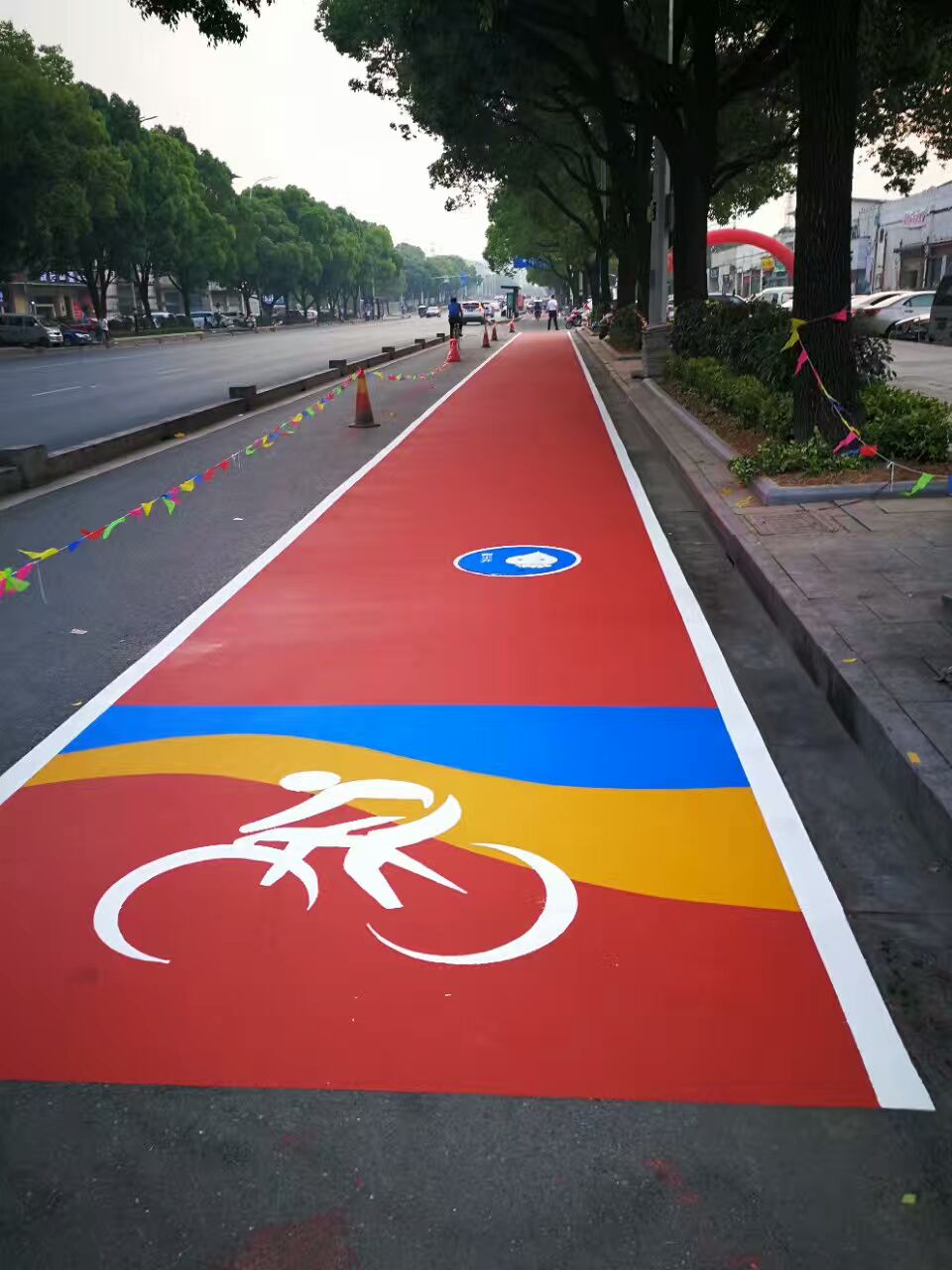
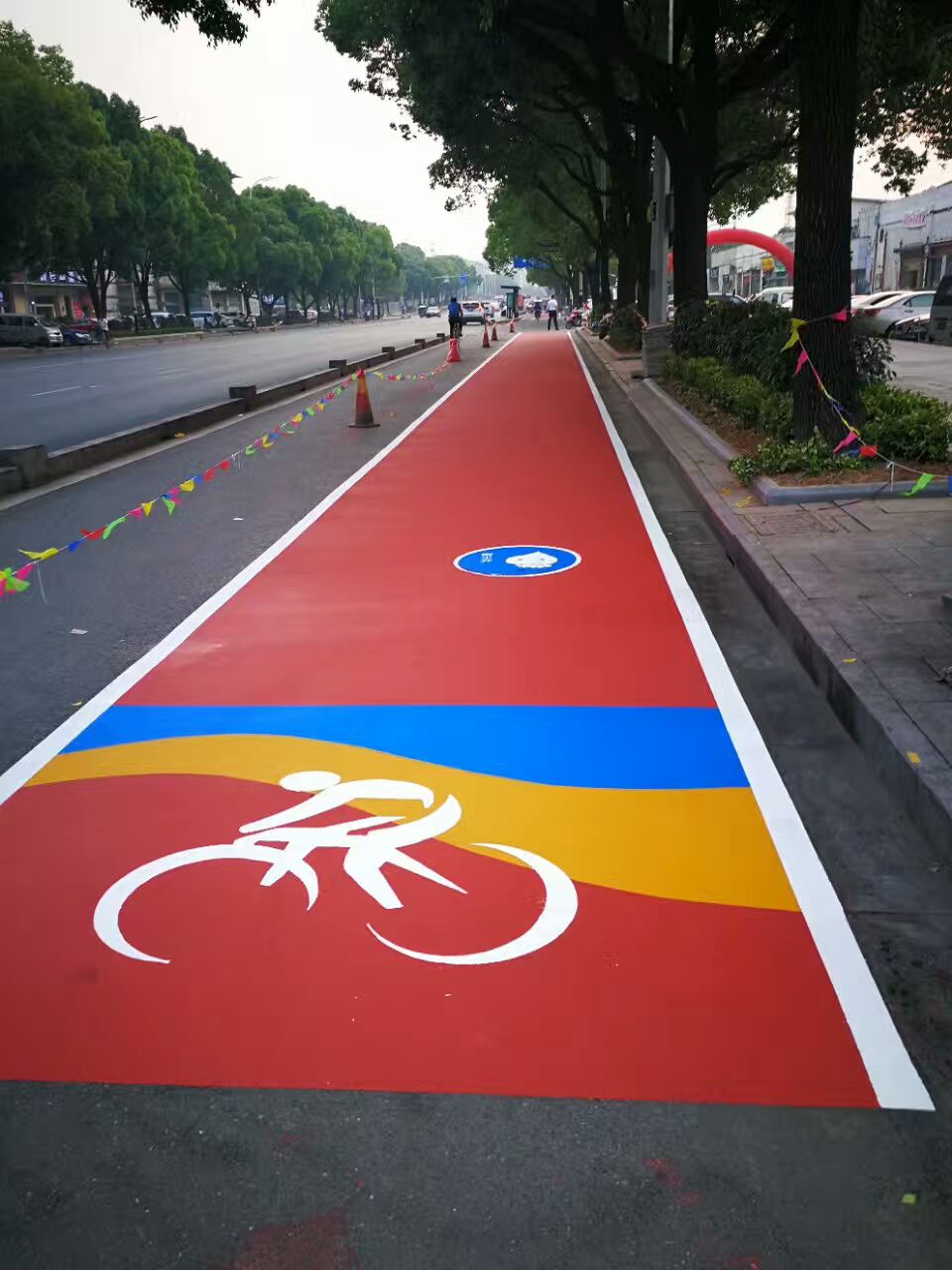
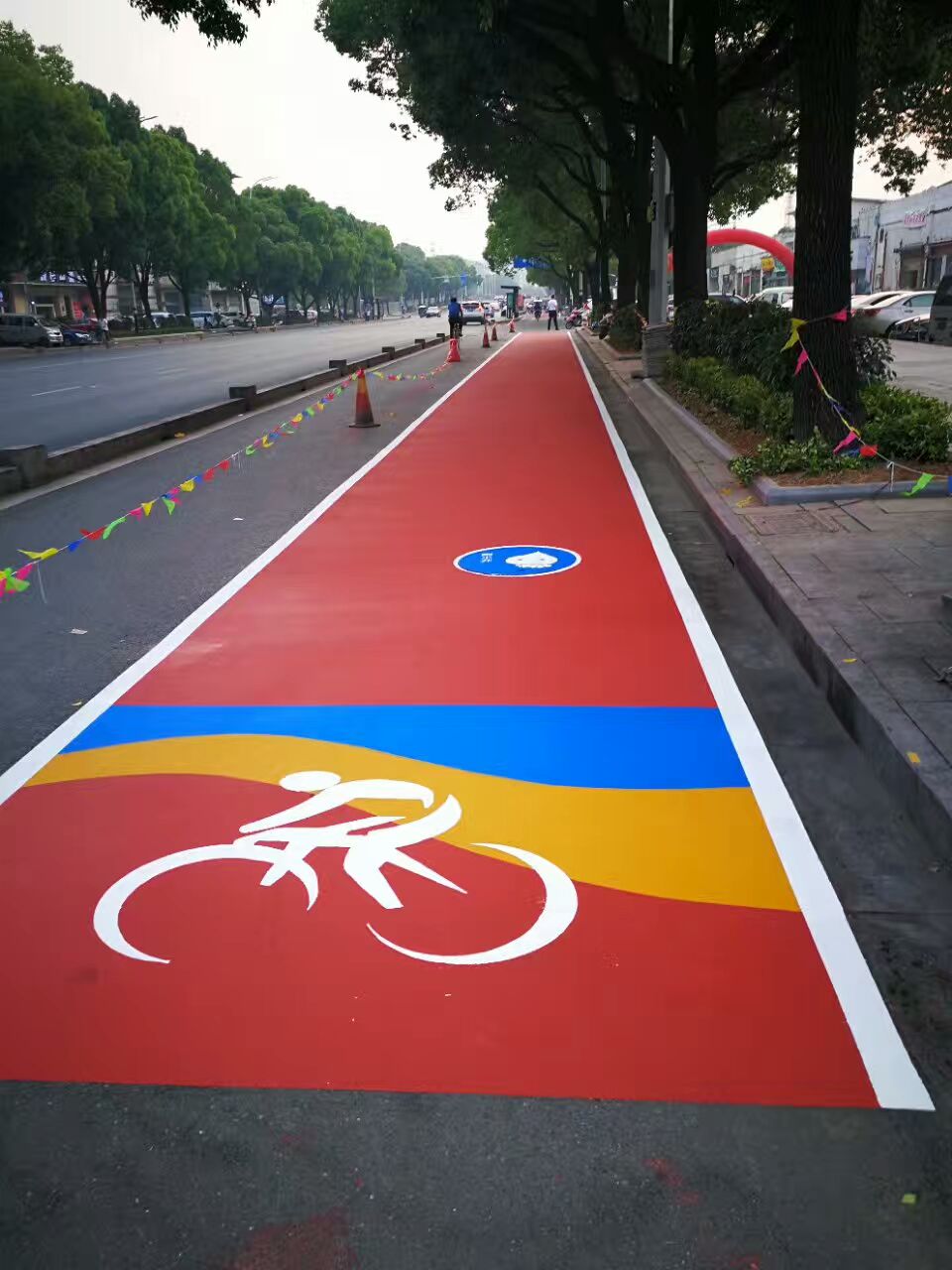
Porous concrete flooring has a wide range of applications: suitable for sidewalks, bike paths, public squares, outdoor parking lots, light vehicle lanes, roads within parks and along both sides and central dividers, urban pedestrian walkways, lightweight vehicle roads, ecological gardens, public green spaces, river景观walkways, and more.

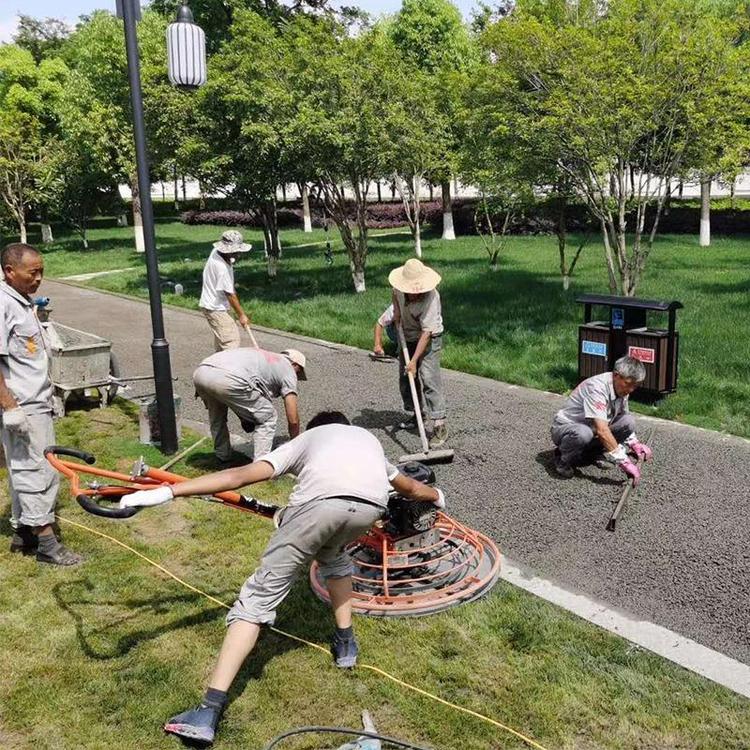
Specific construction steps for permeable concrete:
Porous concrete is based on the construction of permeable concrete roads. After the permeable concrete paving is flat, an admixture is sprayed, and simply washing it can clean the cement paste on the surface, showcasing the natural color, shape, and luster of the stone, achieving a naturally non-artificially carved paving effect for the surface aggregates.Porous concrete paving is constructed based on the application of porous concrete, with the addition of a step to wash out aggregates. Briefly, it involves laying a crushed stone base, mixing aggregates, pouring a smooth layer, applying a cleaning agent, washing off surface sludge, curing, applying a protective agent, and cutting expansion joints. The link points between the aggregate in exposed aggregate concrete are fewer, with stricter details than required for porous concrete. The key process in exposed aggregate porous concrete is the application of a cleaning agent, which helps to reduce the solidification time of the surface sludge, allowing for surface cleaning with water the next day, thus revealing the aggregates.