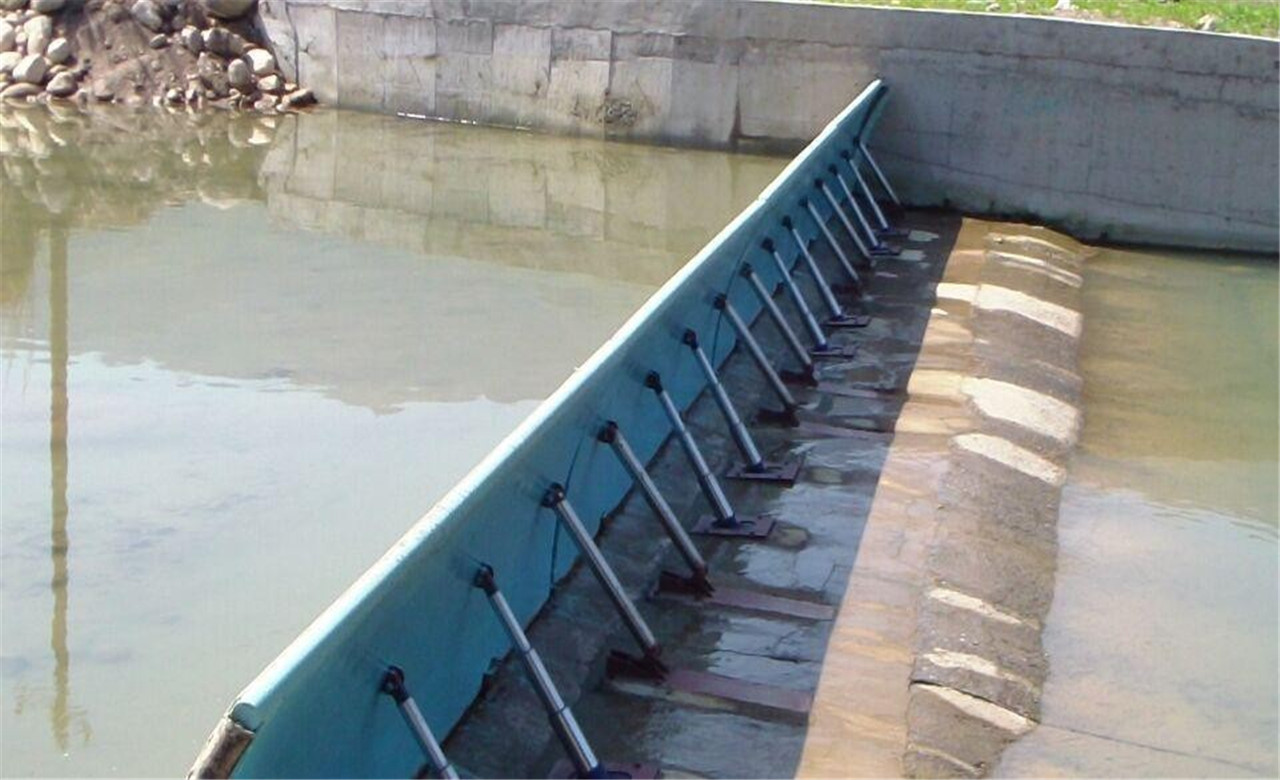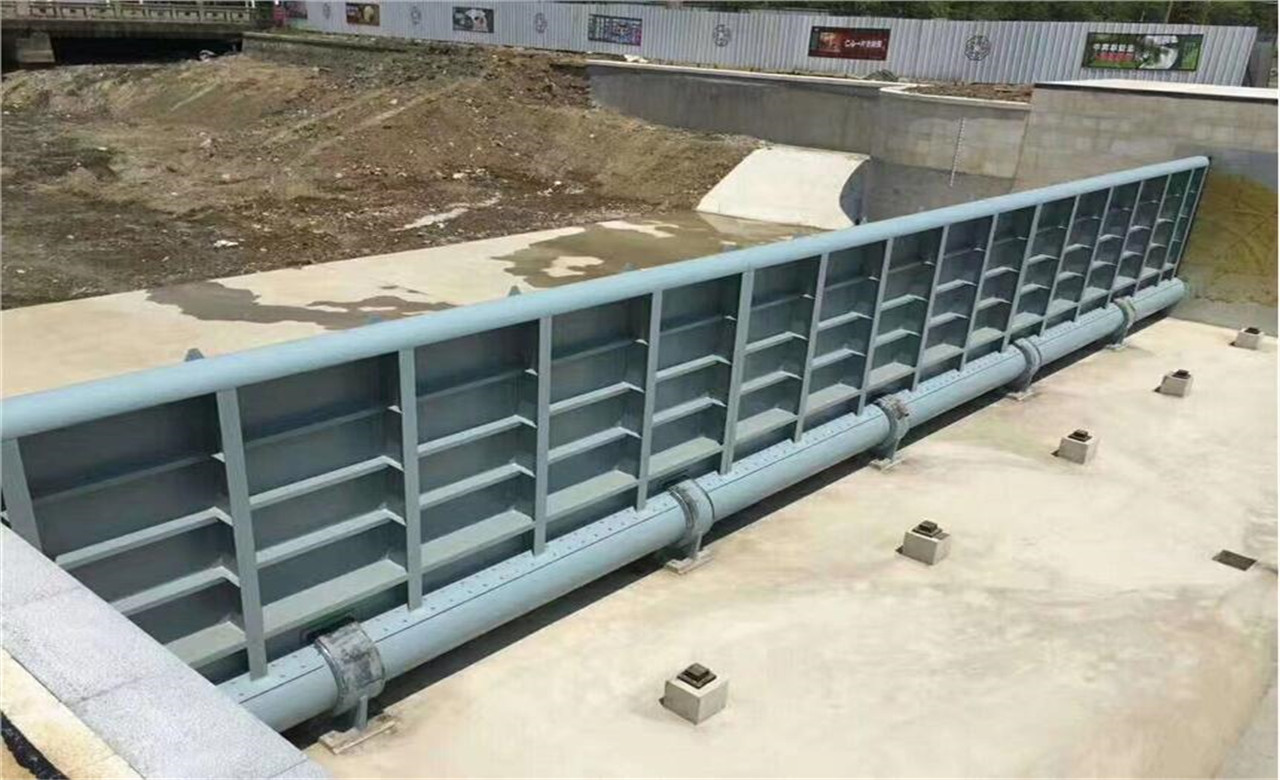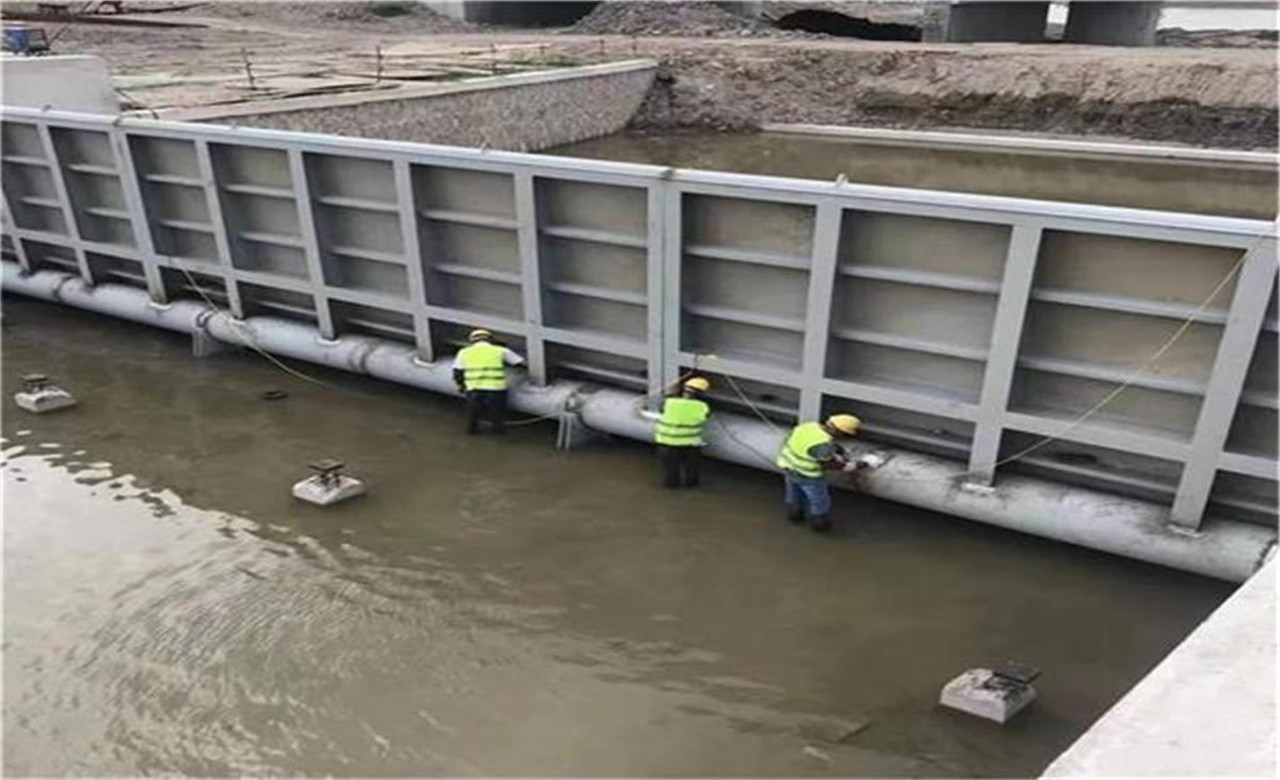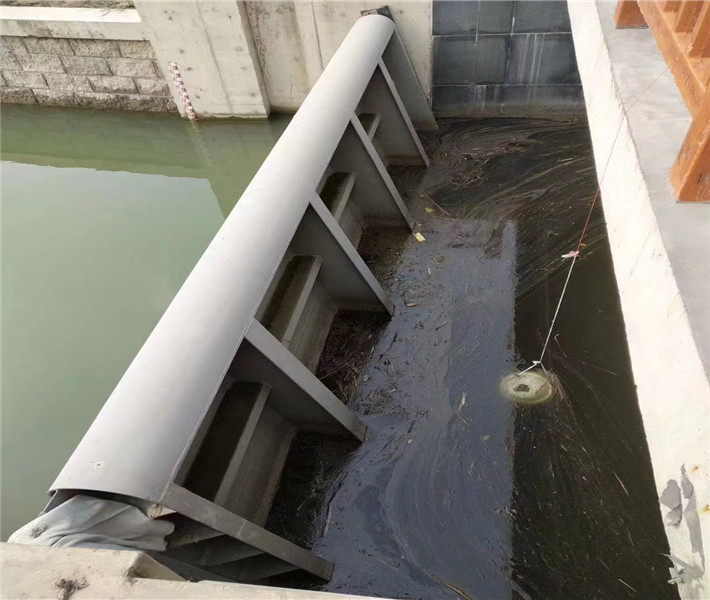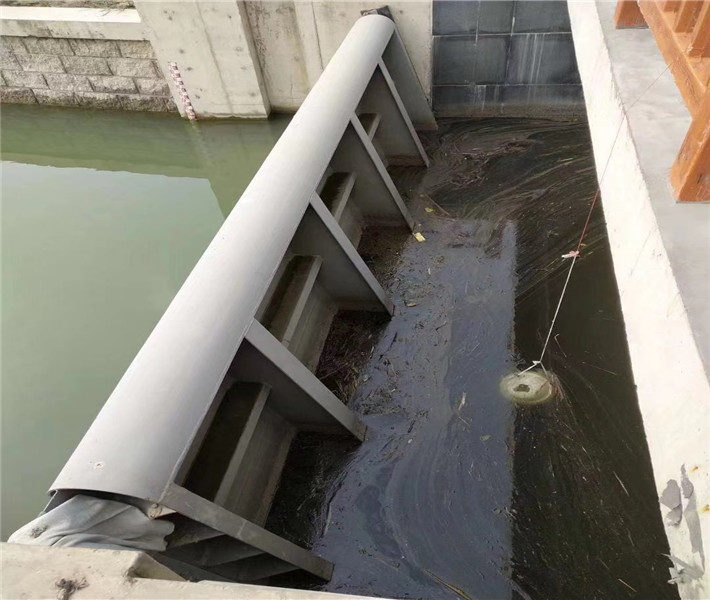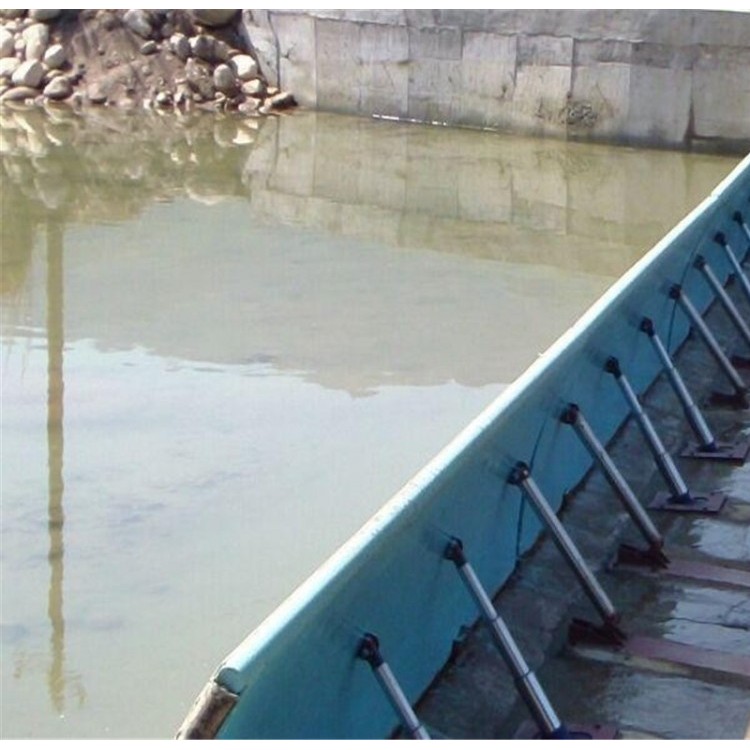

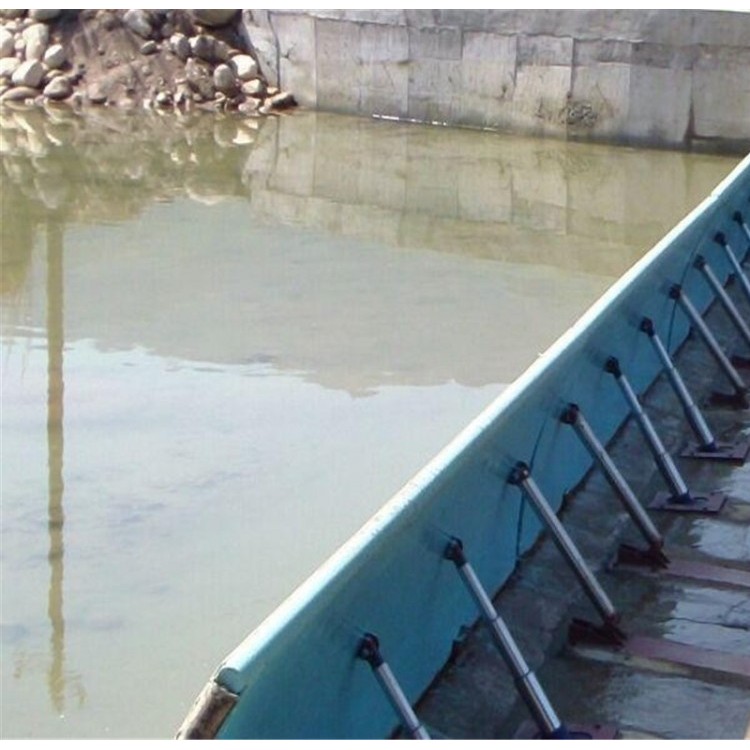
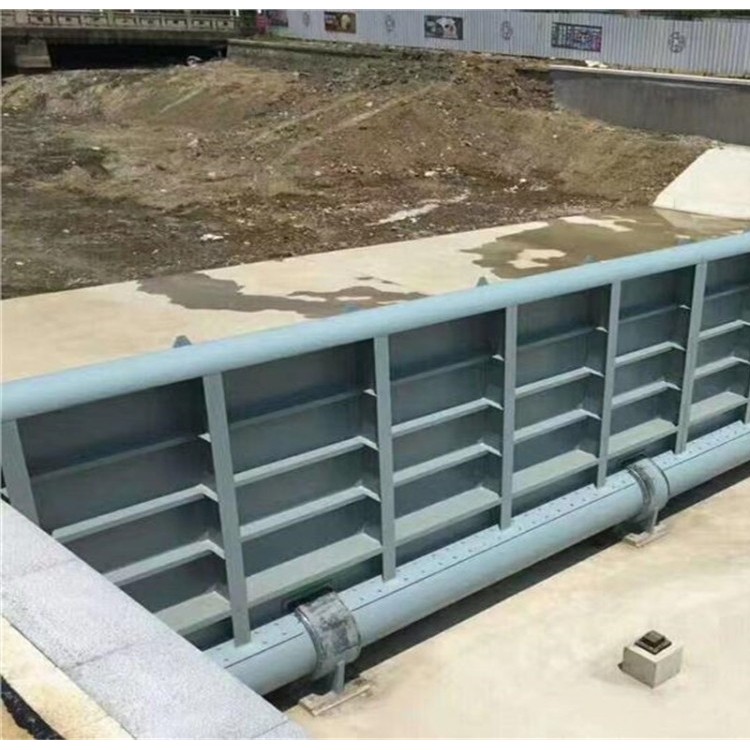
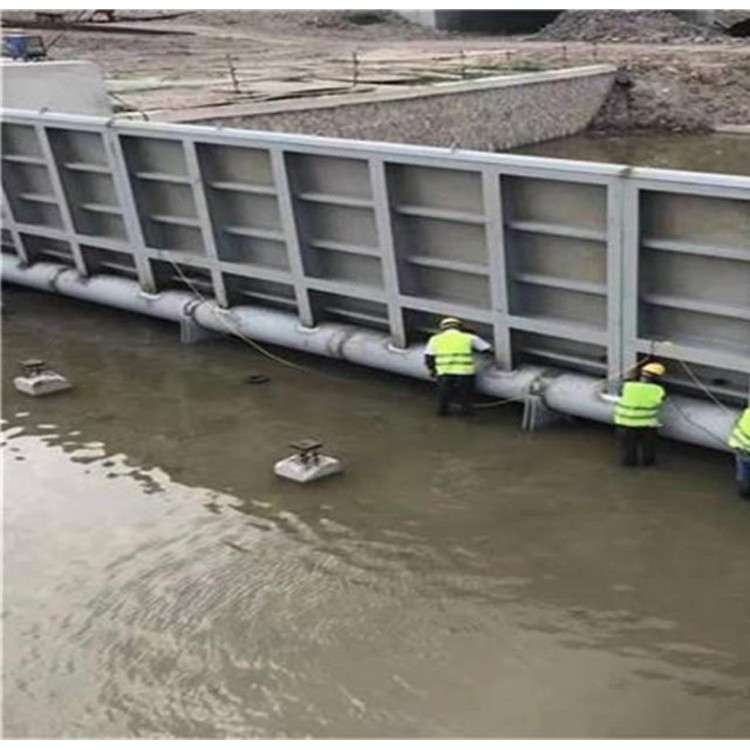







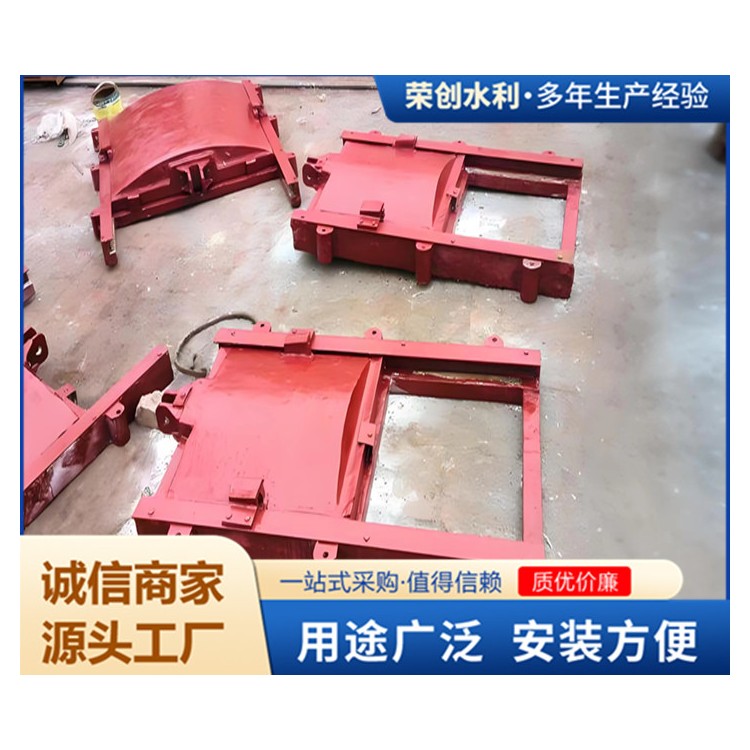
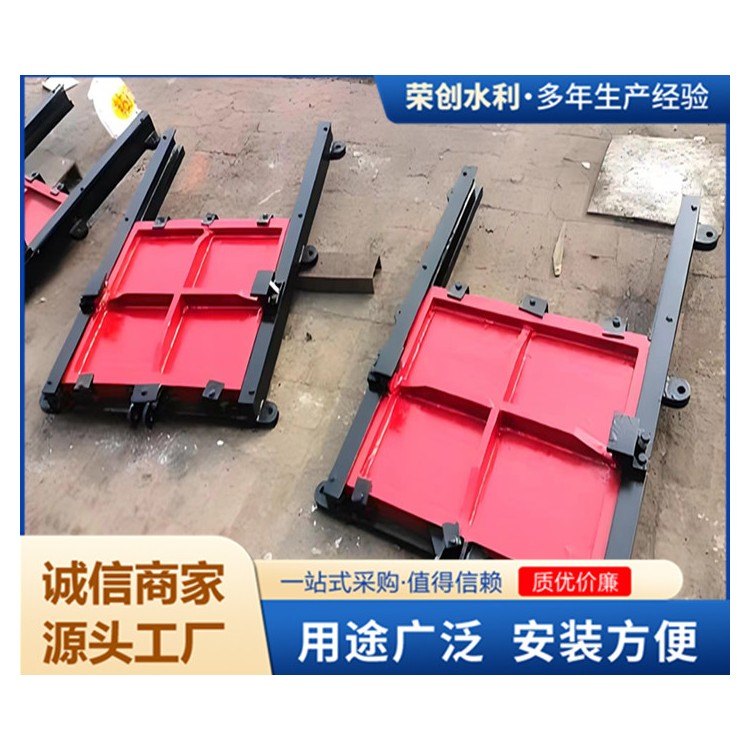
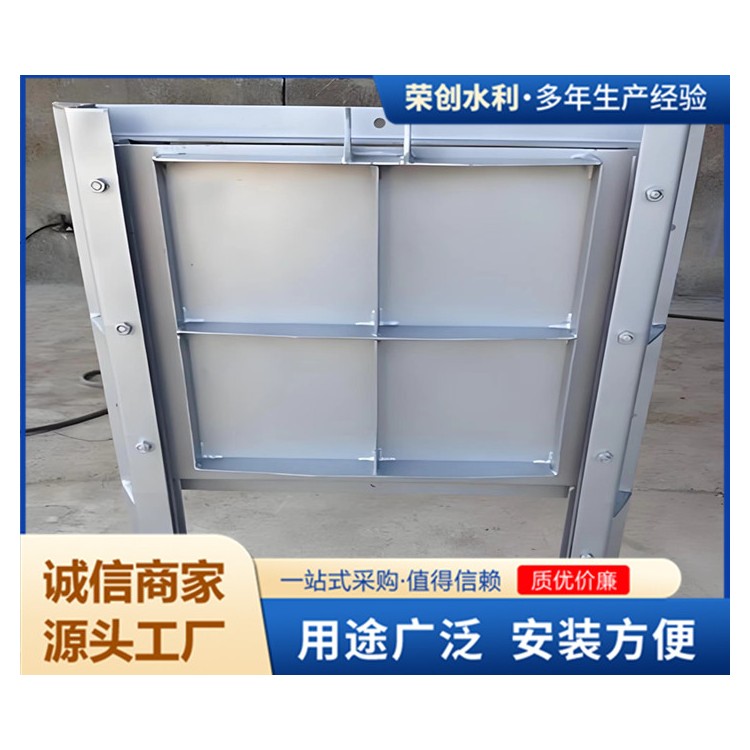
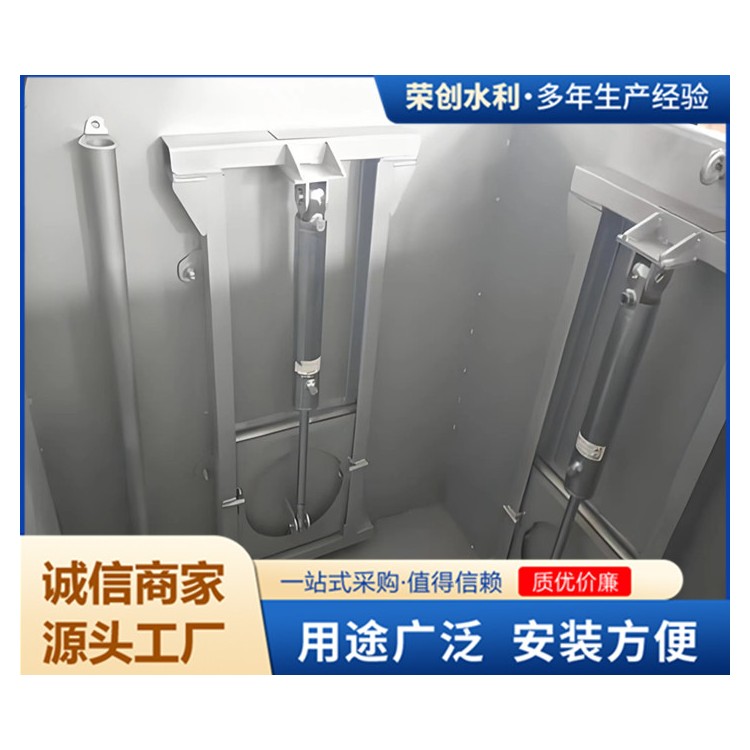
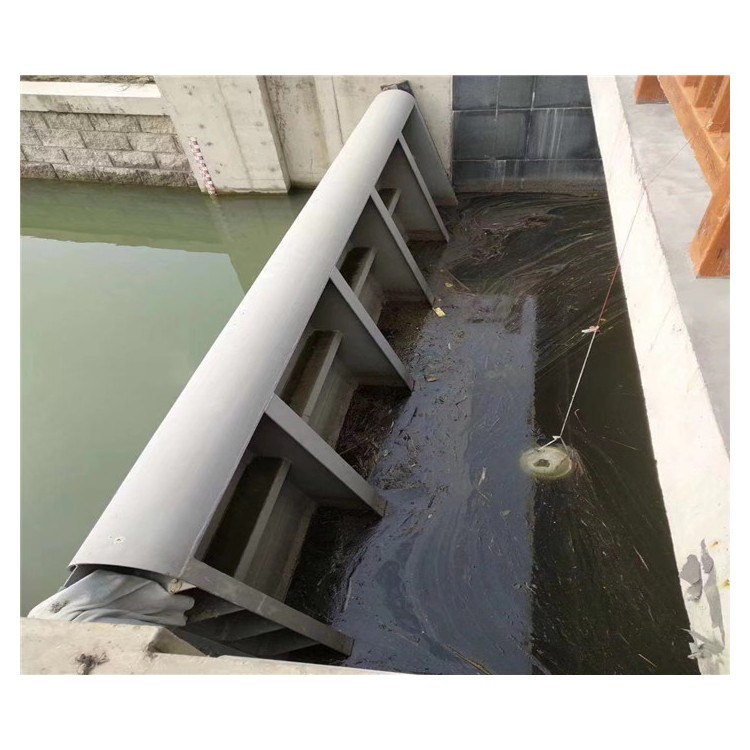
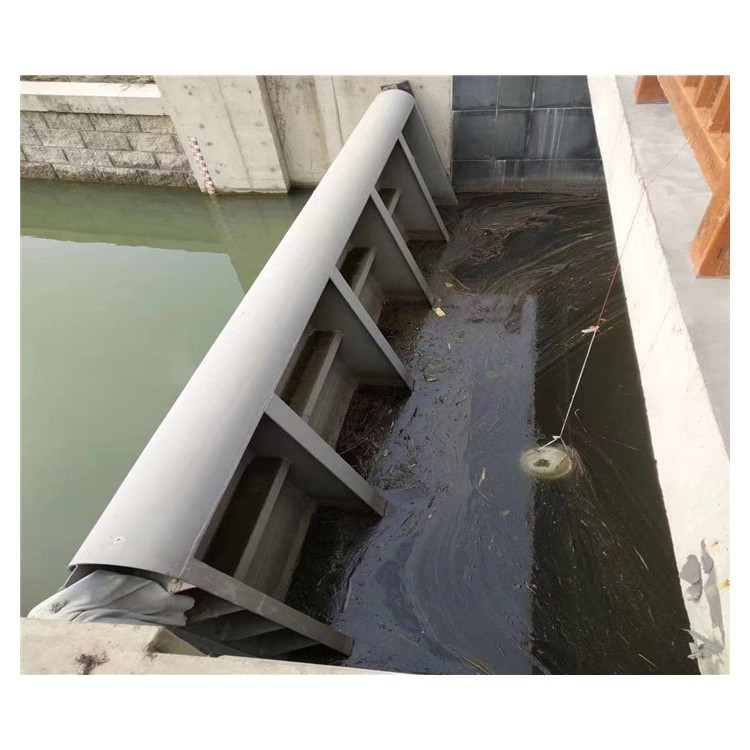
Hydraulic dams refer to hydraulic concrete lifting dams, which are relatively simple active dam technologies in hydraulic engineering. They are widely used in agricultural irrigation, fisheries, lock gates, sea tide prevention, urban river landscape projects, and small hydroelectric power stations.
Hydraulic dams, hydraulic landscape movable dams, hydraulic lifting dams, hinge-type movable dams, collectively known as movable dams, possess an unmatched advantage in large-span design that conventional water gates cannot match.
Hydraulic steel damFeatures
1. The dam face is constructed with reinforced concrete, with the width above the foundation only requiring to match the height of the movable dam. Additionally, the hydraulic system is relatively complex, resulting in a lower cost for the dam face section. The total cost is only about one-tenth of that for an equivalent-sized air shielded water gate.
2. Applicable Range: The water拦height is typically around 3 meters, with the width limited by hydraulic pipeline pressure loss, not exceeding 50m. Suitable for riverbeds with gentle slopes, moderate sedimentation, and minimal settlement; generally unaffected by floating debris; dam release is relatively quick.
3. The structure is robust and reliable with strong resistance to flood impacts. Once the dam surface is raised, it forms a stable pier dam structure with a scientifically designed mechanical structure. No supporting piers or any water-blocking objects are placed in the river. After the movable dam surface is lowered, the dam body is only elevated 500 centimeters above the original dam crest. It has a good effect on discharging floating debris.
4. Maintenance and management costs are lower than those of rubber dams.
5. Arc-shaped design for artificial waterfall dam body (reinforced concrete dam surface used for heights under 5 meters, no engineering practice for heights above 5 meters); forms a waterfall景观 when upstream water volume is substantial.
Hydraulic steel dam features
1. The hydraulic steel dam gate has a large span, simple structure, and is easy to construct.
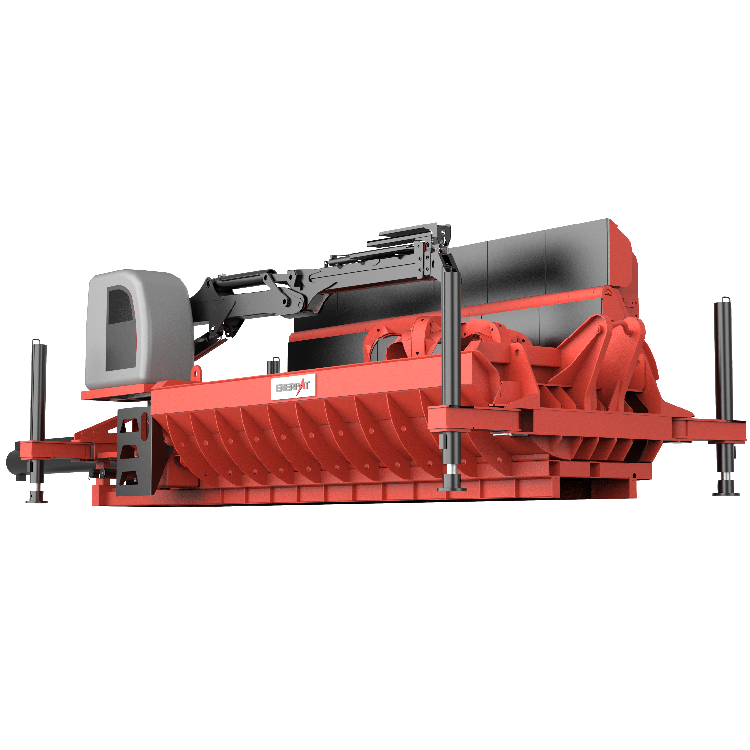
2. The hydraulic steel dam gate hydraulic system operates flexibly and can be controlled by manual switches.
3. The hydraulic dam has superior conditions with low water head. The dam can largely maintain the original riverbed, allowing for the free passage of floods, upstream sediment, cobblestones, and debris without blocking the water flow. Compared to traditional sluice gates and similar rubber dams, it has a greater capacity for water passage and discharge. It is particularly suitable for rivers in sandy, rocky, wooded, bamboo-rich areas where rubber dams are not advisable. It can regulate the dam height and overflow, controlling upstream water levels and discharge rates.
4. The construction of hydraulic lifting dams is simple and the construction period is short. Compared to traditional water gates, it reduces the need for pier structures, a large amount of embedded metal components, and gate opening and closing equipment. However, the concrete engineering work is complex, resulting in initial savings on equipment costs but higher maintenance expenses in the long run.
5. Hydraulic dams are low-head water-retaining structures, widely used in irrigation, urban beautification, and can create expansive water surfaces.