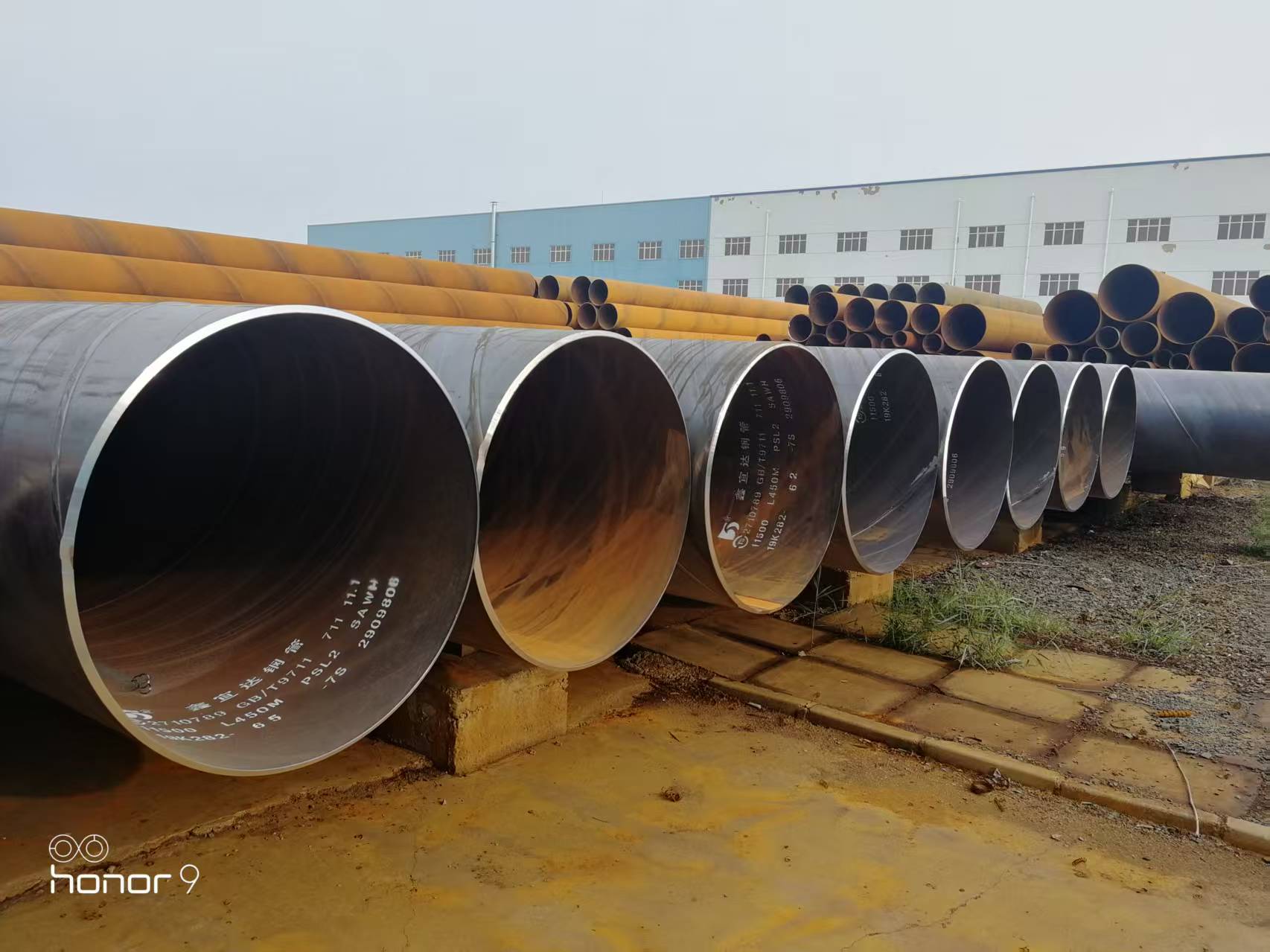

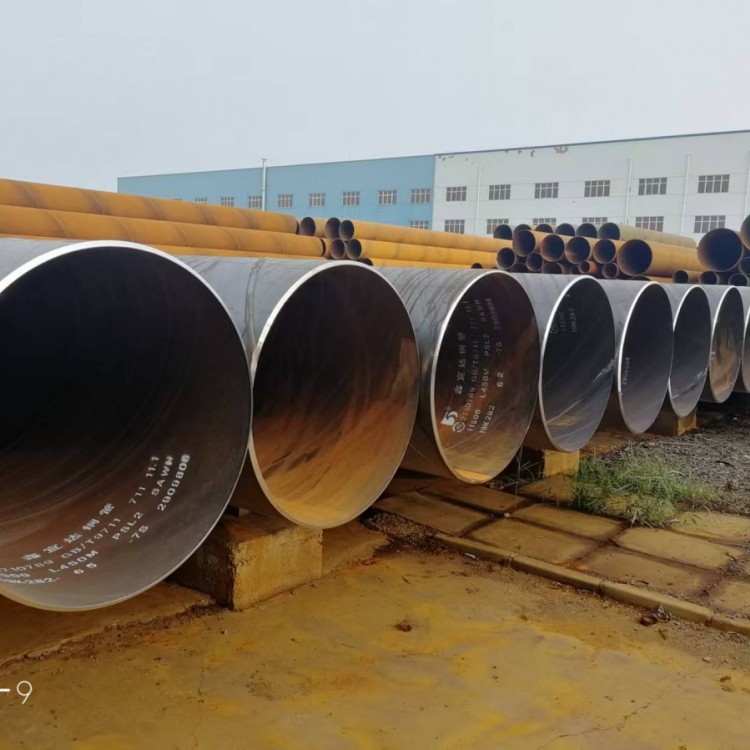

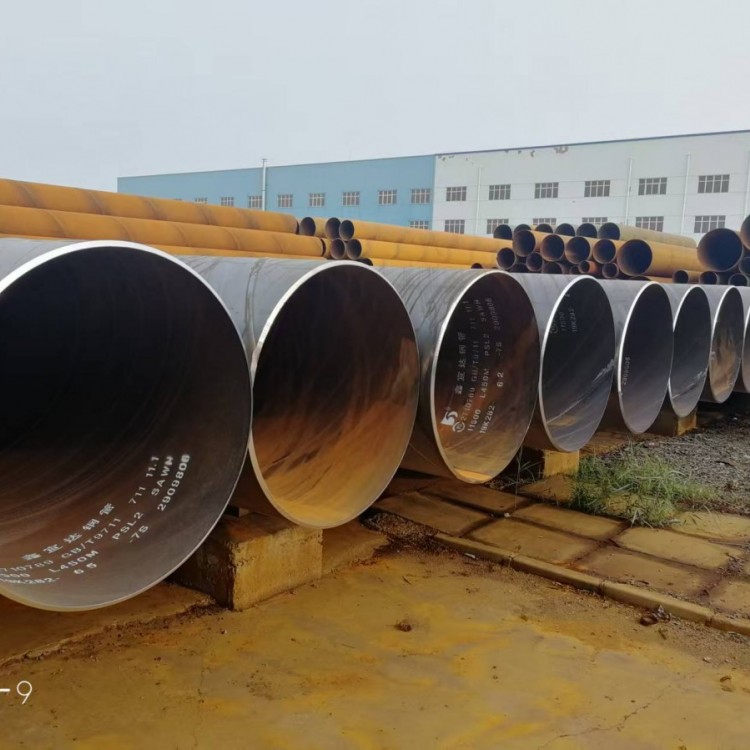
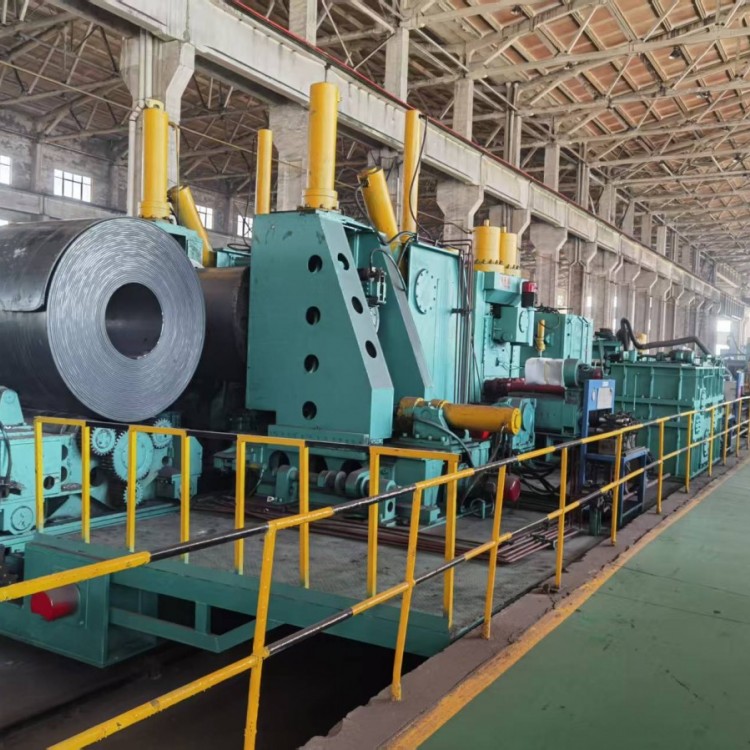












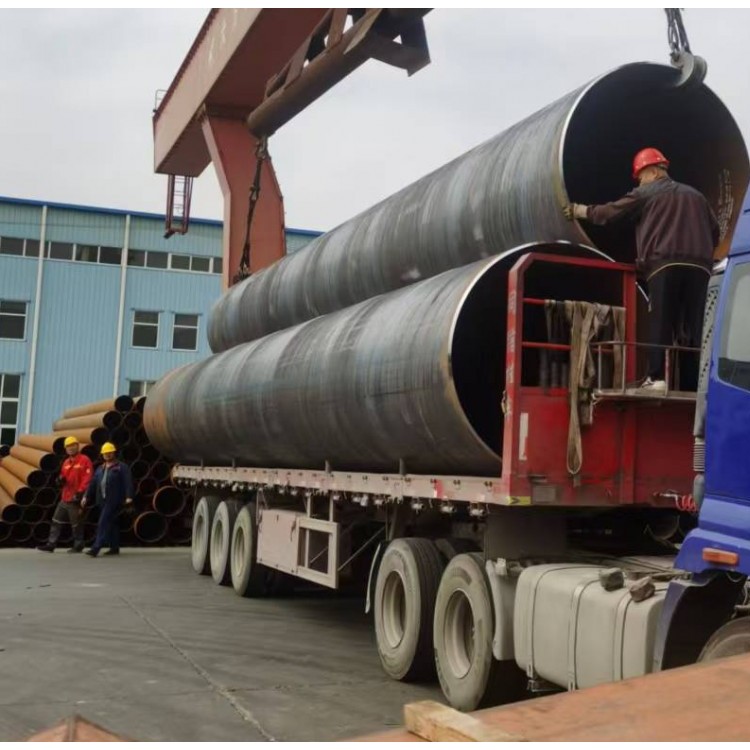
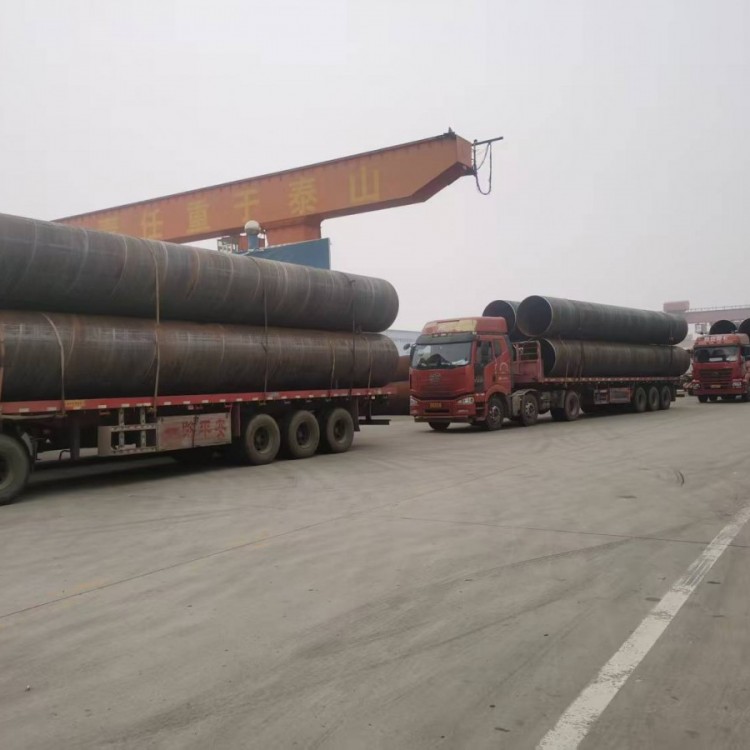
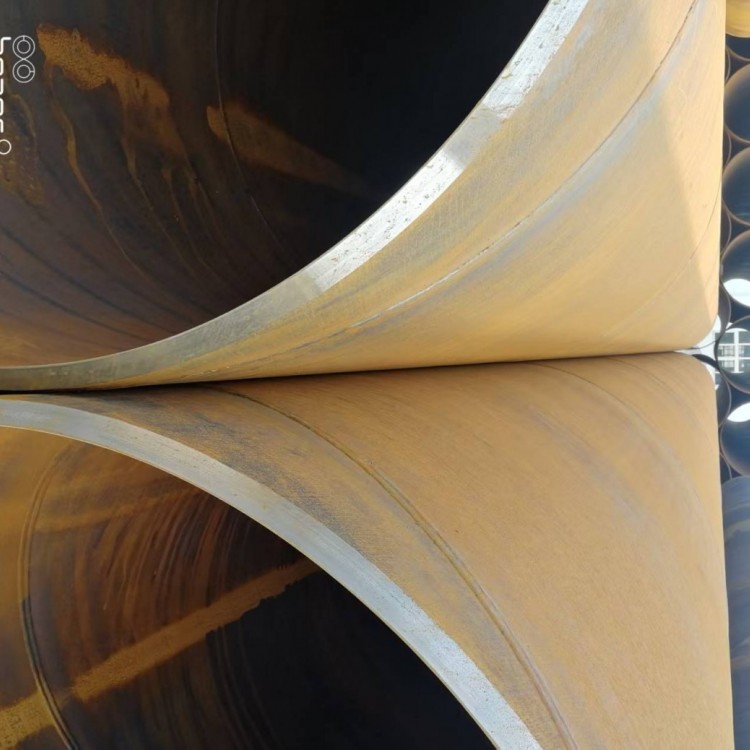
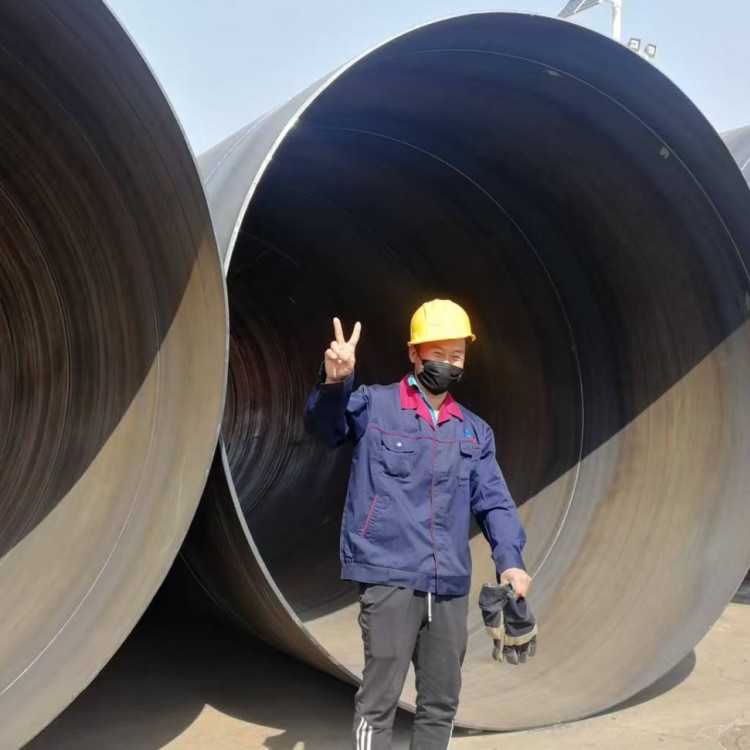
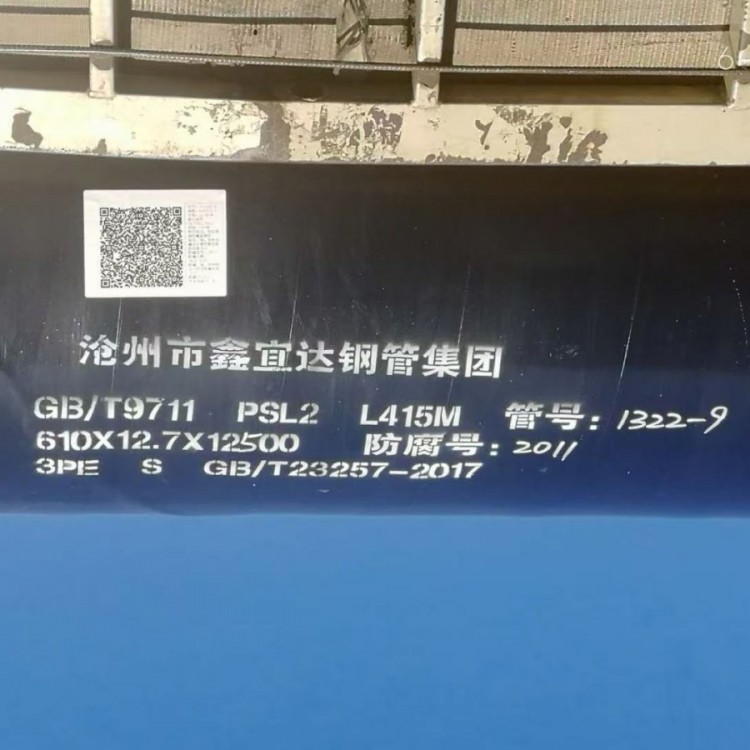

Spiral-welded steel pipes for pressure fluid conveyance, using GB/T9711-2023 spiral seam submerged arc welding steel pipes, mainly used for pipeline transportation of oil and natural gas.
General low-pressure fluid transmission uses spiral-welded steel pipes in accordance with GB/T3091-2015 and SY/T5037-2023, manufactured by double-sided automatic submerged arc welding for the transmission of fluids like water, coal gas, air, and steam via submerged arc welded steel pipes.
Common standards for spiral steel pipes generally include: SY/T5037-2023 (Ministry Standard, also known as Spiral Submerged Arc Welded Steel Pipe for Ordinary Fluid Conveyance), GB/T3091-2015, GB/T9711-2023 PSL1 and PSL2 (National Standard, also known as Steel Pipe for Oil and Gas Industry Conveyance, API-5L [American Petroleum Institute, also known as Line Pipe]; which is divided into PSL1 and PSL2 levels), and SY/T5040-2008 (Spiral Welded Steel Pipe for Piling).
SY/T5037-2023 is commonly referred to as a Ministry Standard set by the Petroleum Department.
GB/T9711-2023 PSL1/2 Standard Spiral Steel Pipe, for oil and gas industry transportation.
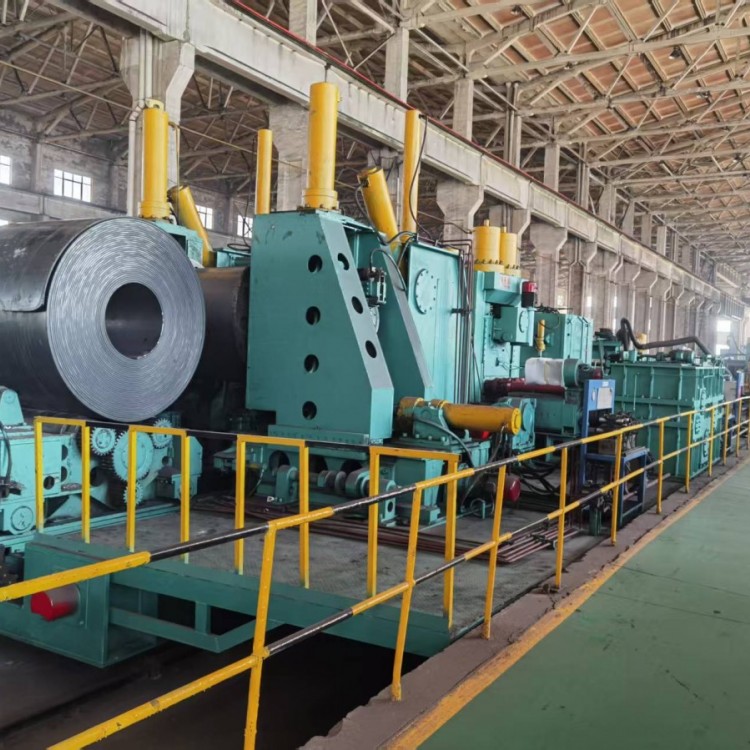
Piling spiral-welded steel pipes (SY5040-2008) are made from hot-rolled steel strip coils as billets, formed by normal temperature spiral rolling, and produced through double-sided submerged arc welding or high-frequency welding. They are used for steel pipes in civil engineering structures, docks, bridges, and other foundation piles.