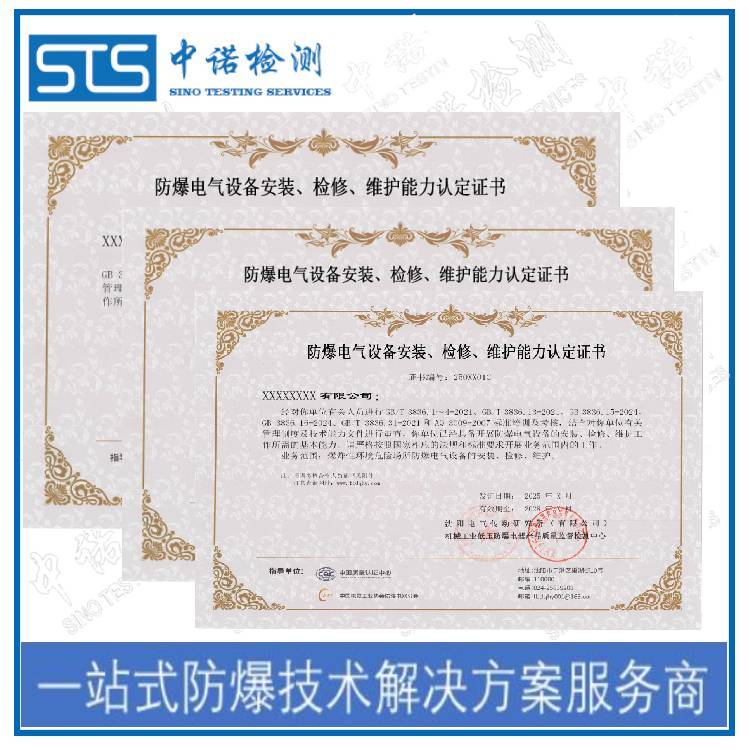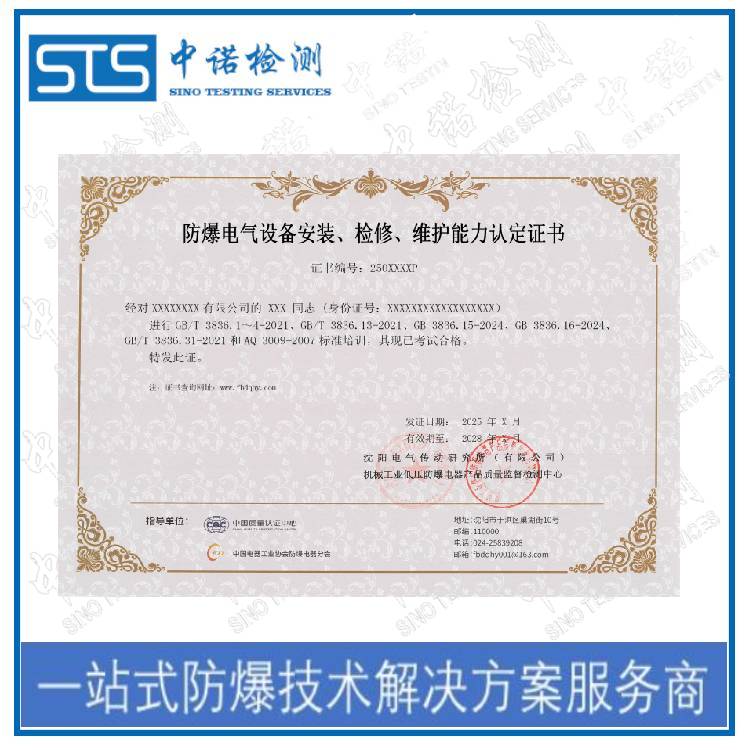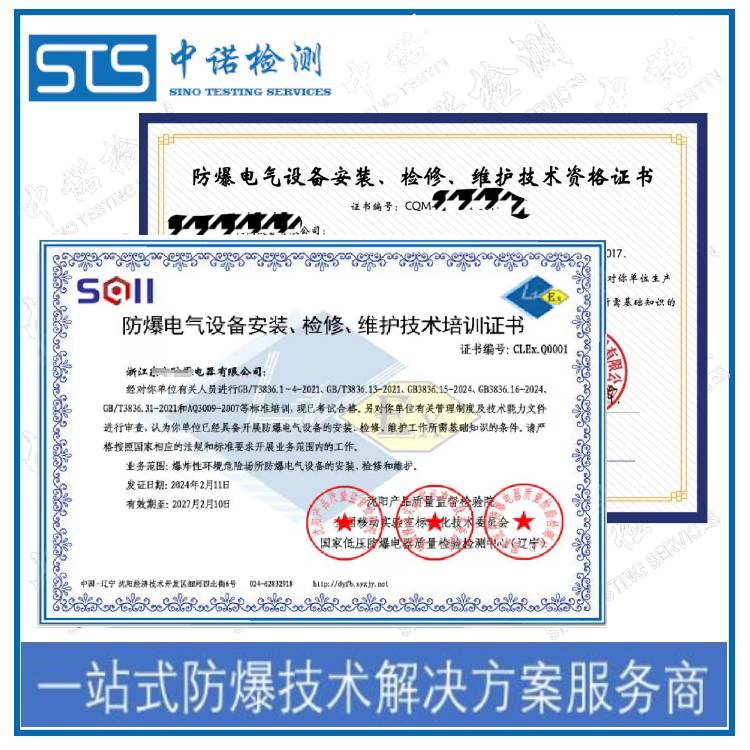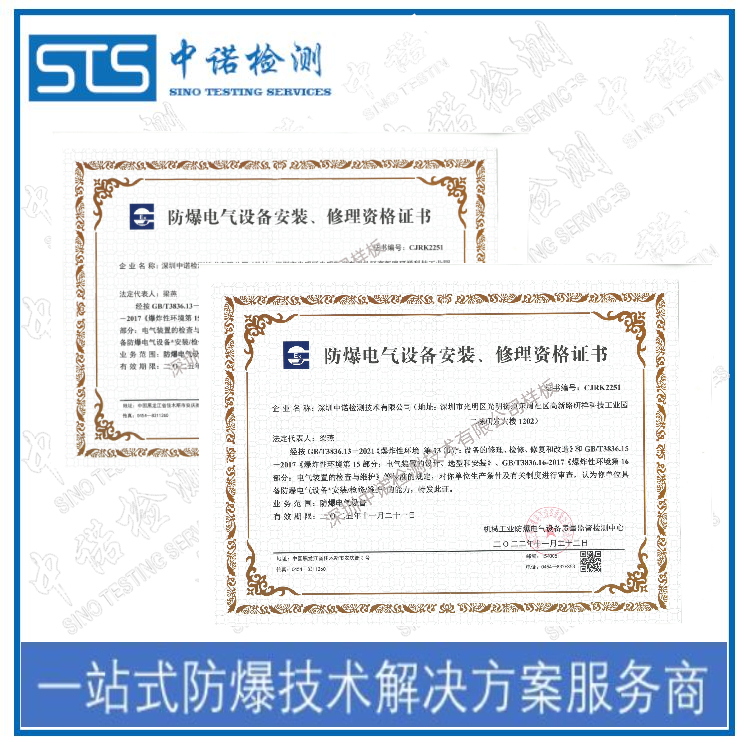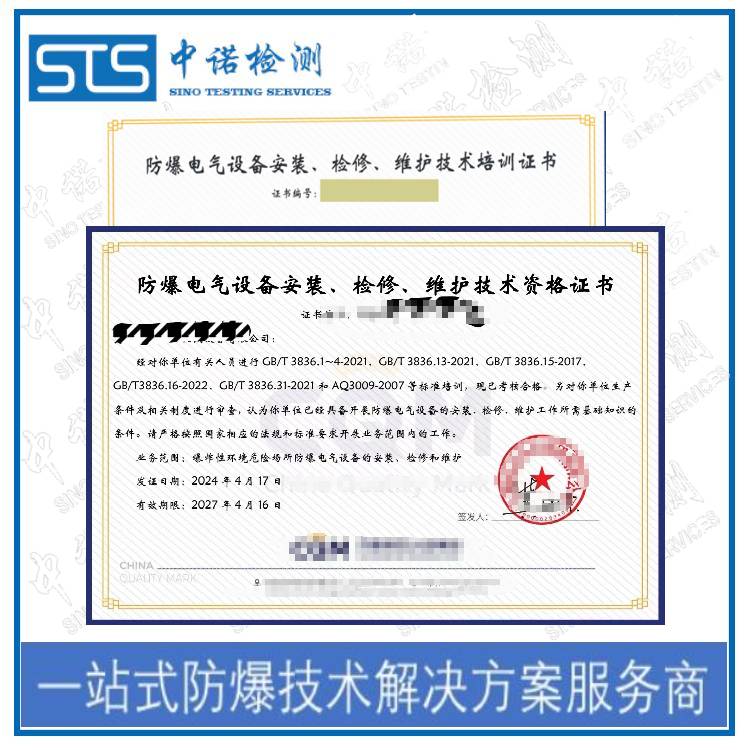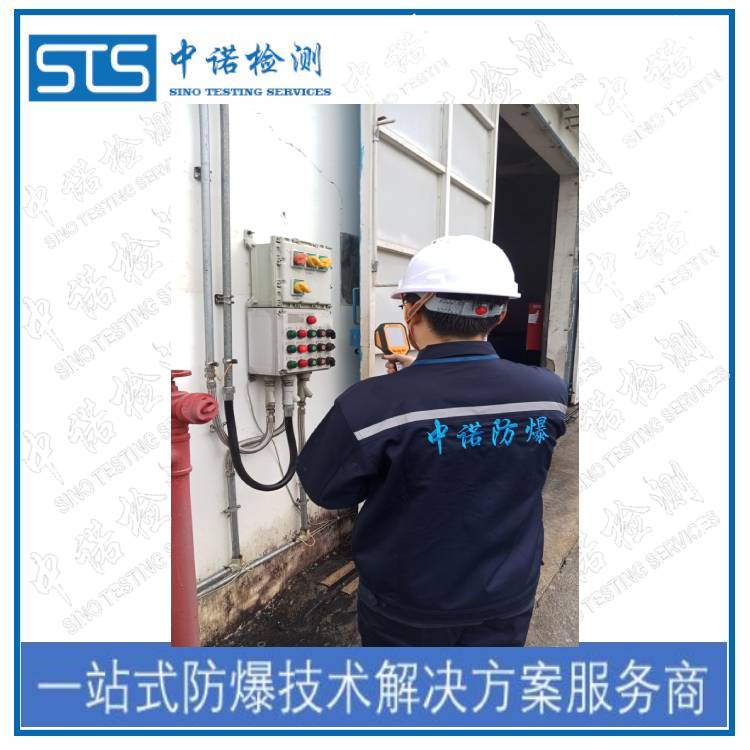


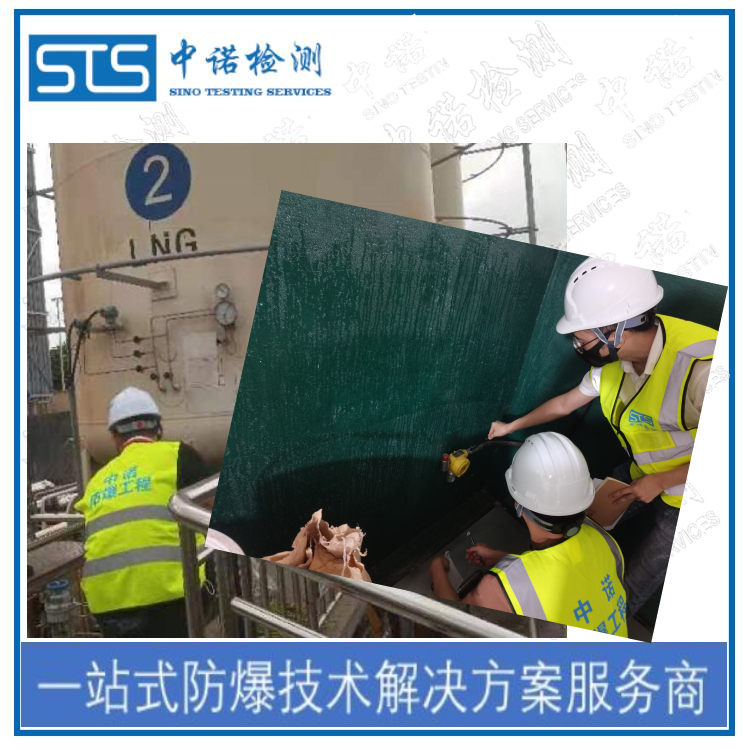


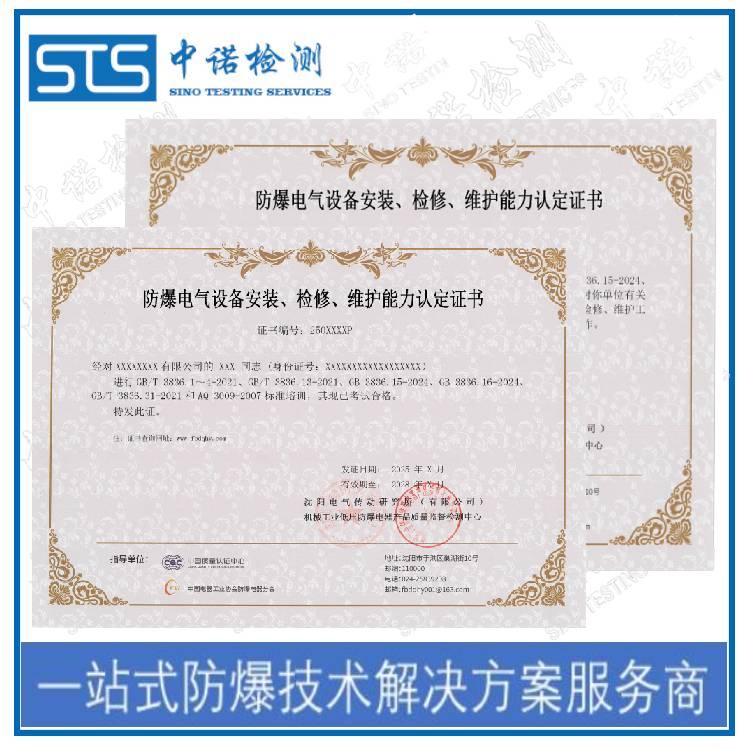
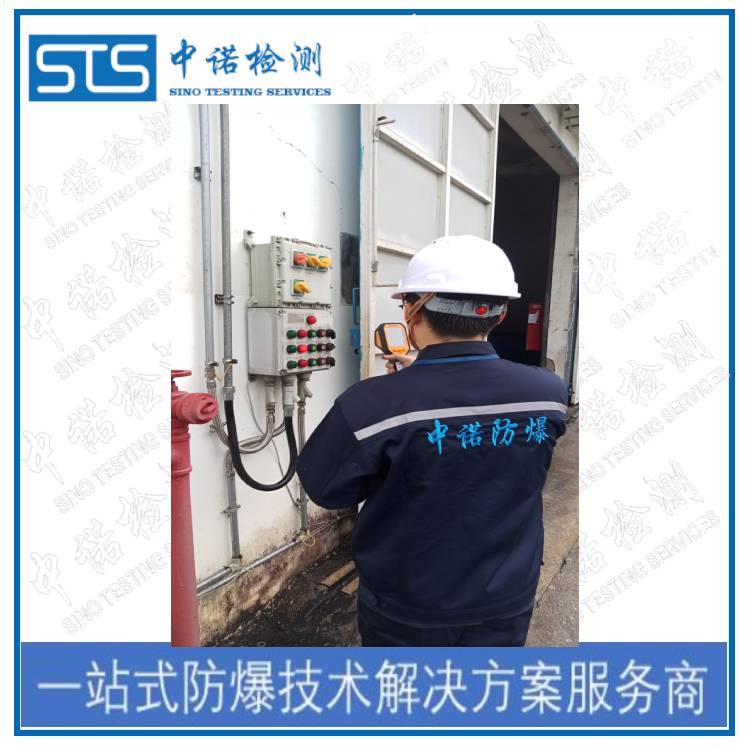
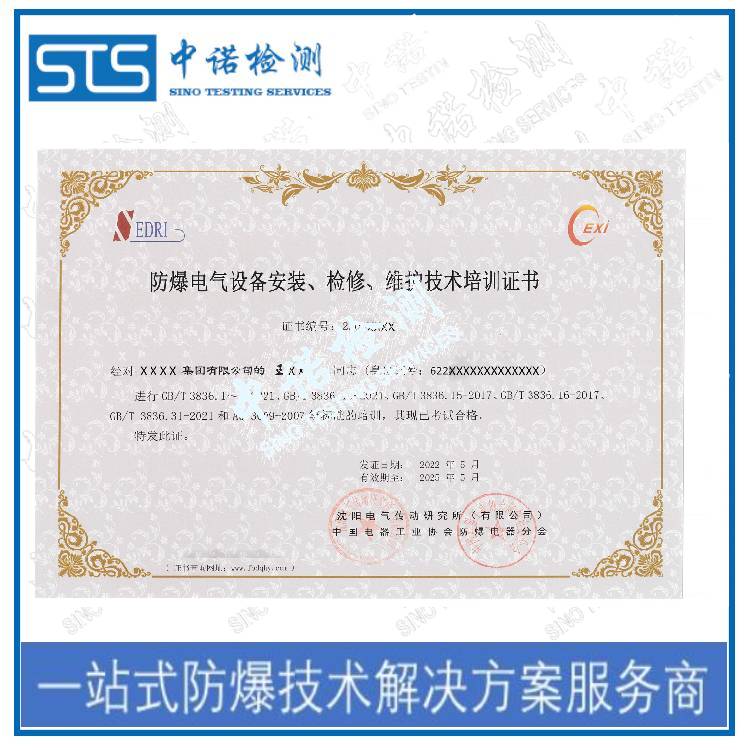
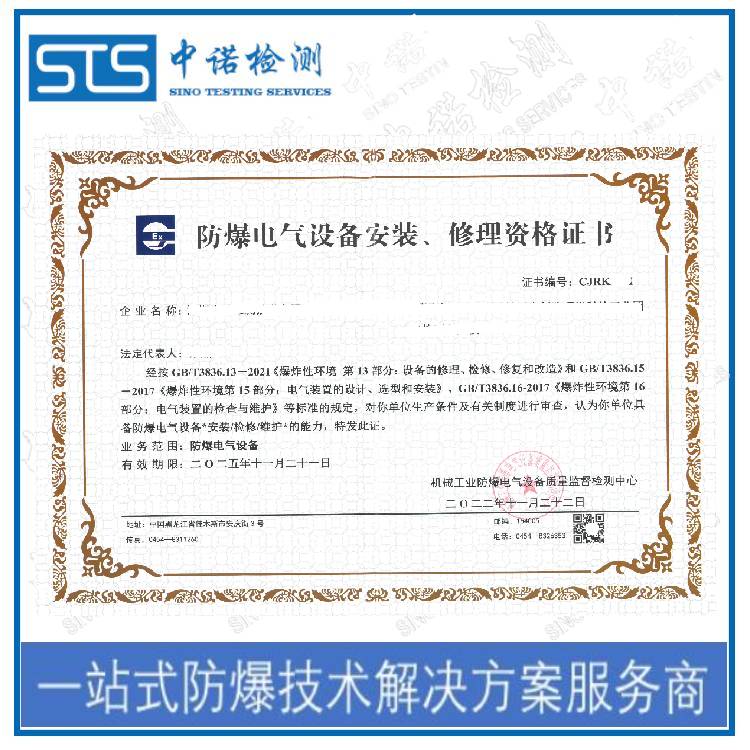
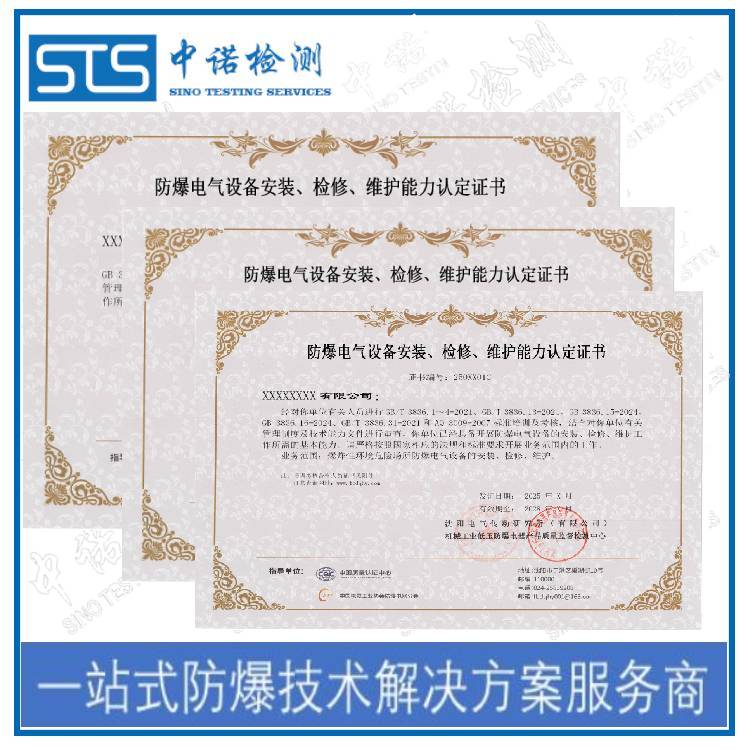





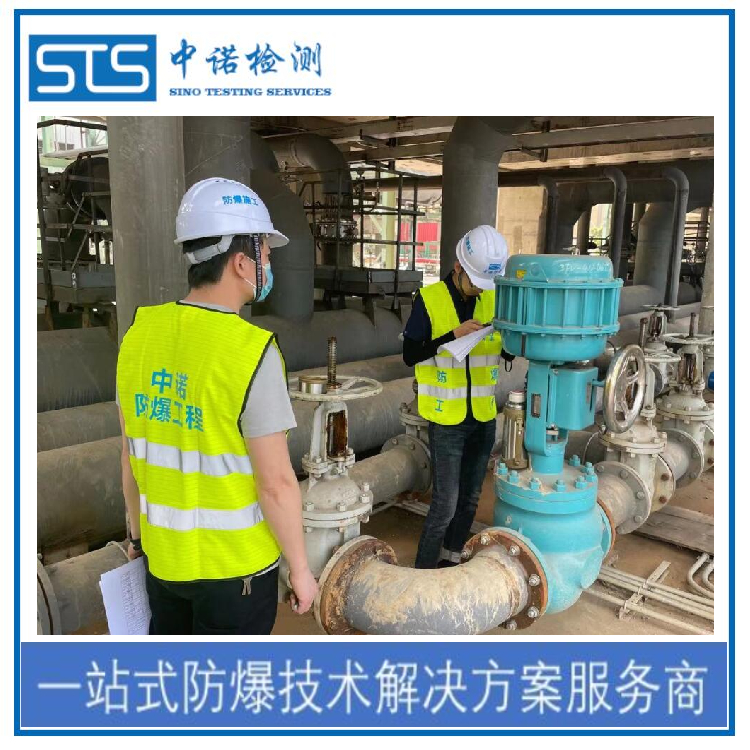
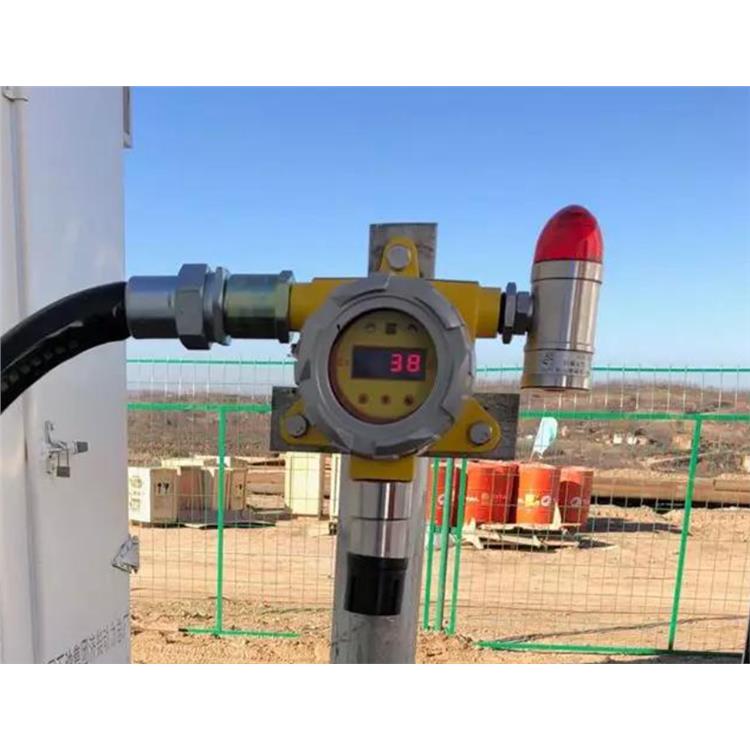

Shenzhen ZhongNuo Testing Technology Co., Ltd. offers on-site explosion-proof electrical inspection, explosion-proof project acceptance services, and can provide explosion-proof rectification and construction services for items not meeting inspection standards.
After the explosion-proof project is completed, it must undergo a third-party inspection by an institution with explosion-proof inspection qualifications (Shenzhen ZhongNuo Inspection Technology Co., Ltd.) for project acceptance. Only upon passing the acceptance can the project be put into use.
Exterior Explosion-Proof Project Acceptance Criteria
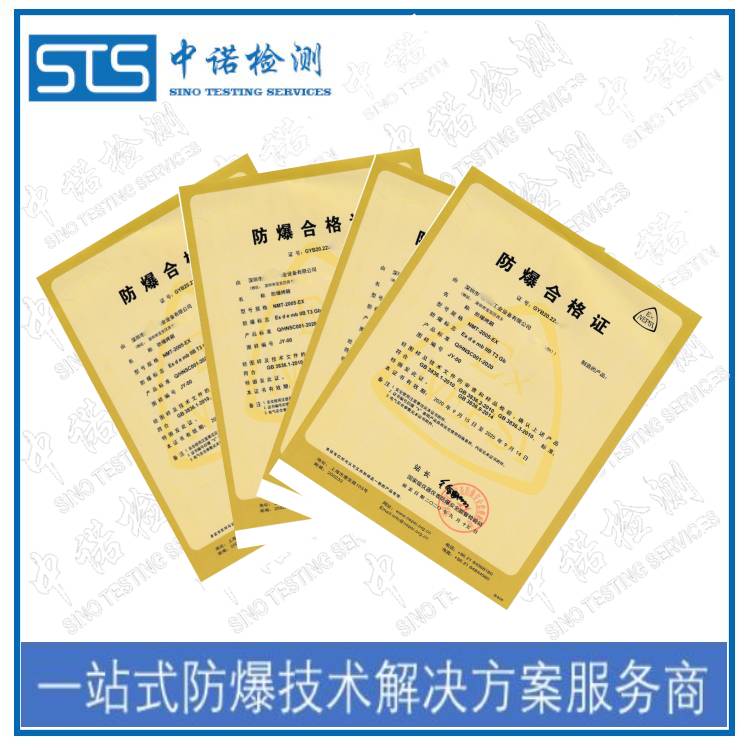
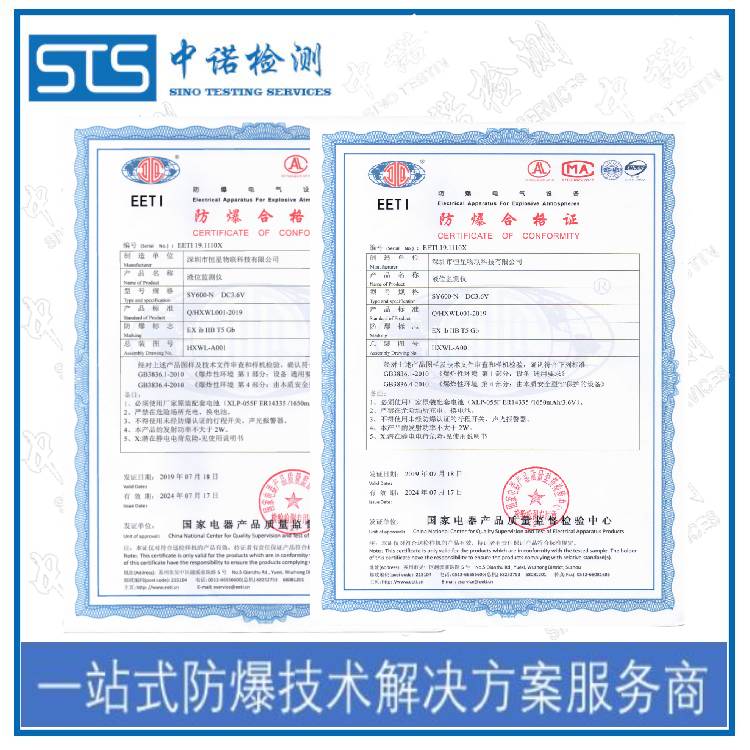
1. The explosion-proof certificate number issued by the inspection unit must be marked on the label of explosion-proof electrical equipment.
2. Types, levels, and groups of explosion-proof electrical equipment should comply with the design.
3. The housing of explosion-proof electrical equipment should be free from cracks or damage; the paint should be intact. The cover of the junction box should be securely fastened, with the fixing bolts and anti-loosening devices in place.
4. The ventilation and exhaust systems of positive pressure electrical equipment should be unobstructed, properly connected, and the import and export installation locations should meet the requirements.
5. Excess entry ports for electrical equipment should be sealed as per regulations.
6. The installation of sealed devices in electrical circuits should comply with regulations.
7. Wiring engineering for inherently safe electrical equipment shall comply with the design; the wiring should be marked with a sky blue sign.
8. Electrical equipment grounding or neutral bonding, and anti-static wiring should meet design requirements, with firm and reliable grounding.
Application Institution for Explosion-Proof Electrical Construction Completion and Acceptance Report
It's widely known that after electrical work in explosive hazardous areas is completed, a third-party organization must conduct a post-completion inspection. Only upon passing the inspection can the facility be put into use. Additionally, beyond the company's regular checks, a facility with explosion-proof inspection qualifications must conduct inspections every three years.
Here, we first share what the main acceptance items are after completion?
1. Inspect if the explosion-proof electrical equipment has a label, Ex marking, and clear identification of the type, class, and group of the explosion-proof equipment. Does the label indicate the explosion-proof certificate number issued by the inspection unit?
2. Verify that the type, classification, group, environmental conditions, and special markings of explosion-proof electrical equipment comply with regulations.
3. Inspect the casing of explosion-proof electrical equipment for cracks or damage; ensure the paint is intact, that the junction box cover is securely fastened, and that the fixing bolts and anti-loosening devices are in place.
4. Check for oil leakage and seepage in oil-filled electrical equipment, and ensure the oil level meets the requirements.
5. Ventilation and exhaust systems for explosion-proof electrical equipment with positive pressure should be unobstructed, connections should be correct, and the installation positions of the inlets and outlets should meet the requirements.
6. Are the extra entry ports of explosion-proof electrical equipment properly sealed in accordance with regulations?
7. The installation of sealed or insulated devices in electrical circuits should comply with regulations.
8. Wiring engineering for intrinsically safe explosion-proof electrical equipment should comply with design requirements in terms of routing and elevation; the lines should be marked with a sky blue sign.
9. The grounding or earthing of explosion-proof electrical equipment, as well as static electricity grounding, should meet the design requirements and be firm and reliable.
10. At the time of completion inspection, submit the corresponding documents, materials, the manufacturer's product user manual, test records, qualification certificates, and installation drawings, among other technical documents.
11. At the time of inspection, the following measurement records should also be submitted:
Record of single-side air gap measurement for explosion-proof motor stator and rotor with increased safety type.
(2) Adjustment records for pressure-relief devices in explosion-proof electrical equipment, such as wind pressure and air pressure relays; high-temperature records of the equipment's housing during trial operation; and test records of static-dissipative grounding resistance values.
12. Record of explosion-proof electrical equipment operation
The shell temperature of explosion-proof electrical equipment, including intrinsically safe and non-sparking explosion-proof electrical equipment, should not exceed the specified value.
(2) After the internal wiring of the junction box is securely fastened, the electrical clearances and creepage distances between live parts and the metal housing should comply with the regulations.
(3) Exhaust outlets of explosion-proof electrical equipment with positive pressure should not blow out sparks. When reducing wind pressure and air pressure, the micro-pressure relay should operate reliably.
(4) The protective and interlock devices of explosion-proof electrical equipment should operate correctly and reliably.
Major contents of regular inspection for explosion-proof electrical equipment
1. Model Inspection
In strict accordance with relevant laws, explosion-proof electrical equipment must have standardized explosion-proof markings, and can only be implemented after passing the corresponding explosion-proof standard inspection and being deemed qualified. The explosion-proof type, level, and temperature group information of the electrical equipment should be designed according to the specific working environment.
2. Installation Inspection
During electrical equipment installation, any oversight can potentially lead to losses. For instance, if the ventilation and exhaust system is not properly installed and is not adequately ventilated, as well as the possibility of explosion with the electrical equipment's casing during electrical operations, it is crucial to install with the utmost precision and adhere to relevant standards.
3. Wire inspection
Electrical equipment is often composed of a large number of interconnected wires, which can be particularly complex. If not securely connected, or if there are incorrect connections, or due to the insulation layer of the wires coming off, it may cause short circuits or overloads, leading to arcs or sparks. Therefore, it is crucial to strengthen inspections of the circuit, especially the wire sealing, to ensure the connections meet requirements.
4. Grounding Inspection
Electrical equipment generates static electricity during operation. When there's an excessive amount of static, sparks may occur upon discharge. Therefore, proper grounding protection is essential to promptly dissipate static electricity and prevent explosions. Common grounding methods include working grounding, static grounding, and lightning protection grounding, etc. Engineers must select the appropriate grounding method based on the specific working environment and ensure it is safe and secure.
ZhongNuo Inspection offers a range of explosion-proof site safety inspection services:
1. Explosion-proof electrical equipment safety inspections in hazardous areas
2. Explosive Dust Explosion Proof Testing
3. On-Site Assessment of Electrical Equipment in Dust Explosive Areas
4. Explosion-proof quality inspections in hazardous explosive areas and explosion-proof safety acceptance inspections.
5. Explosion-proof electrical and non-electrical equipment, as well as explosion-proof engineering consulting, renovation, construction, and acceptance.
6. Explosion-proof technology consulting services.
On-Site Explosion-Proof Electrical Equipment Regular Inspection Consultancy Service - Shenzhen ZhongNuo Inspection Technology Co., Ltd.
WeChat Official Account

Scan to follow Official Account