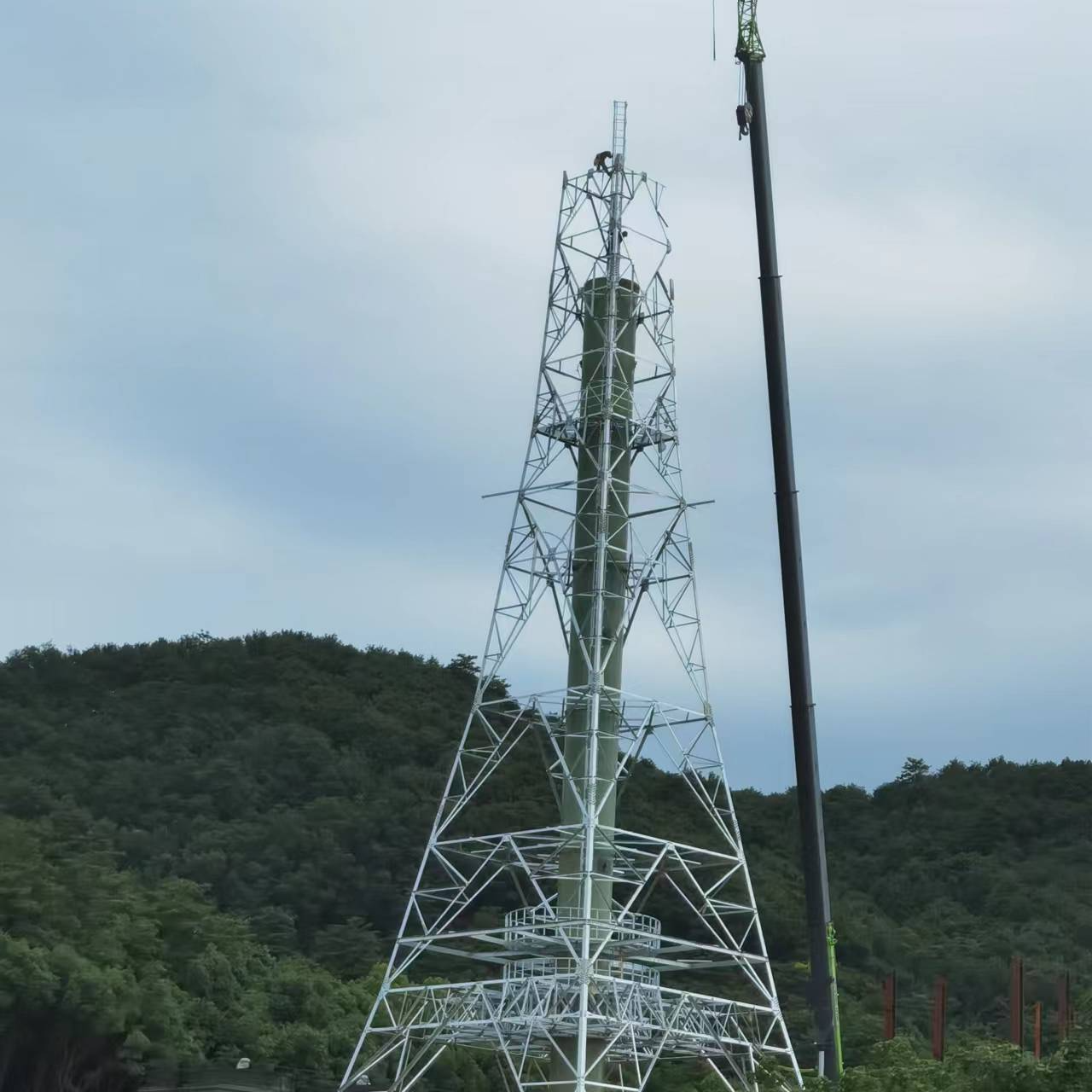


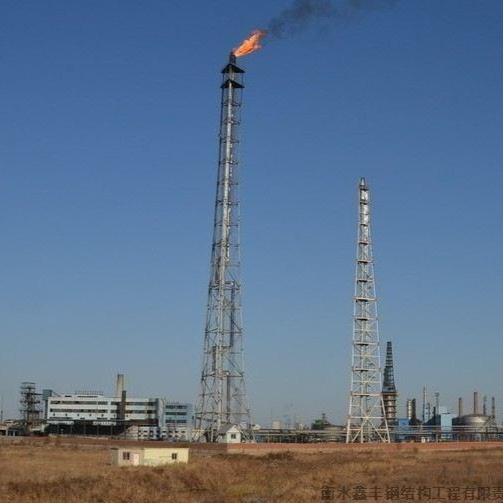







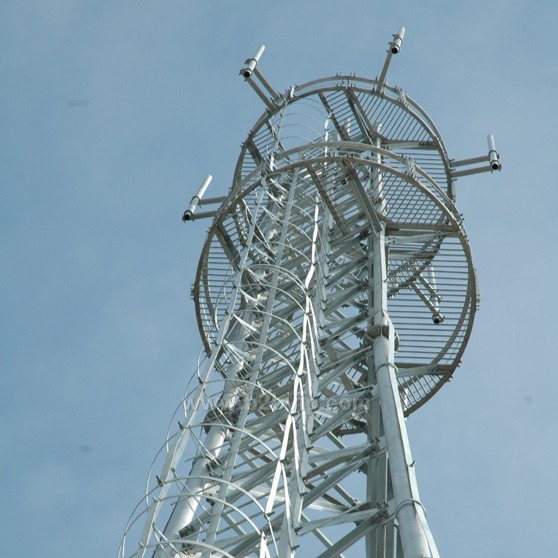
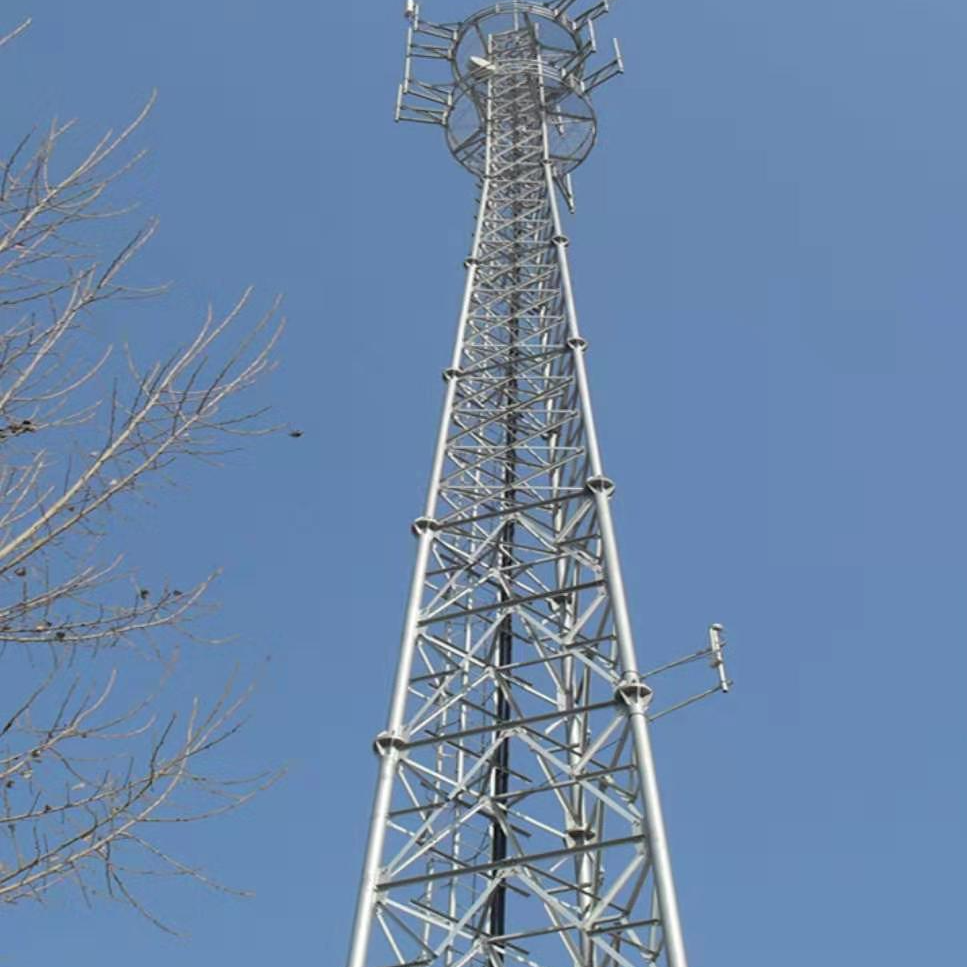
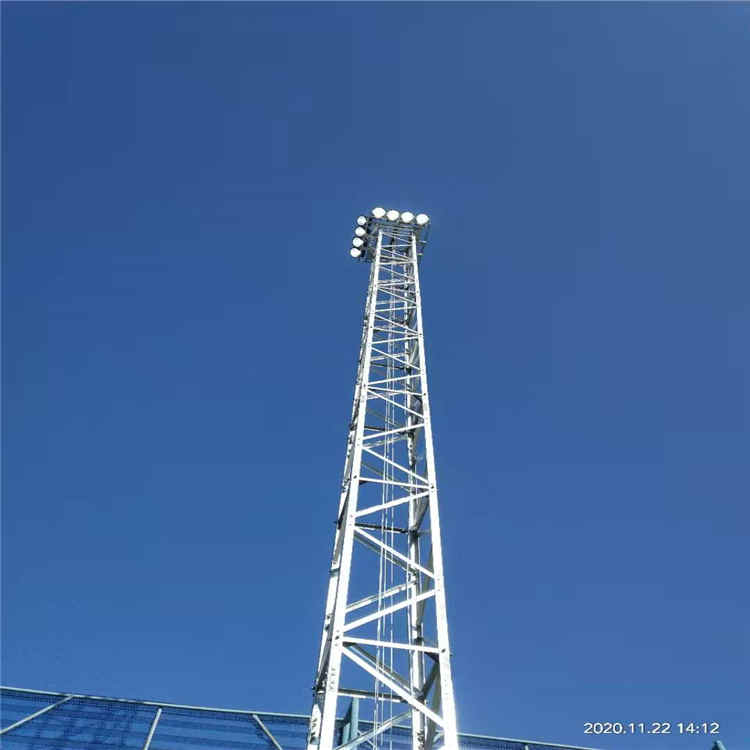
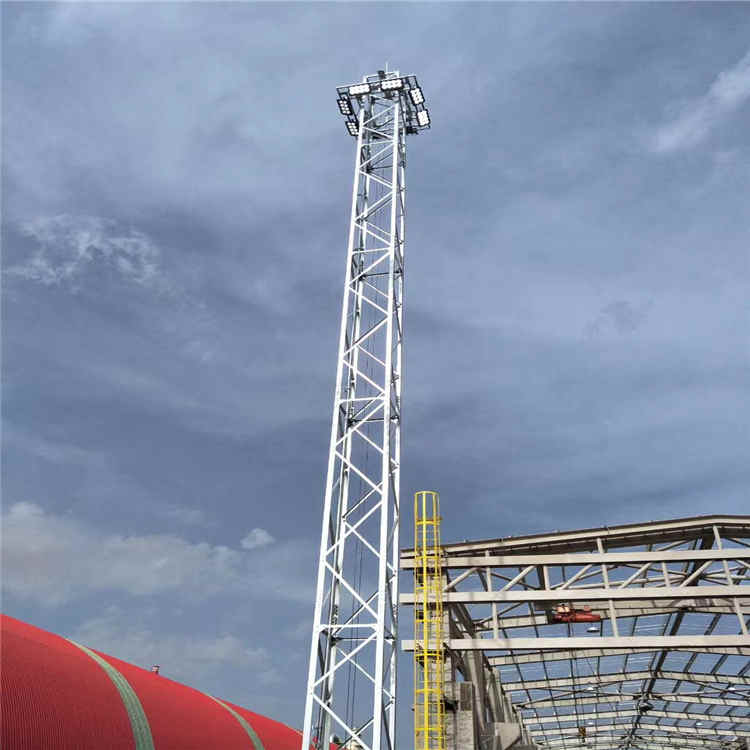
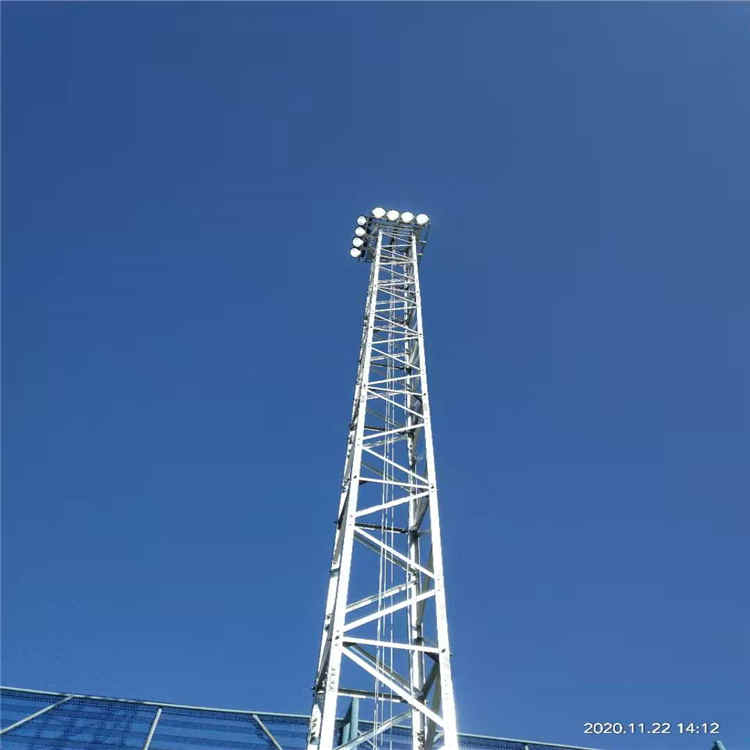
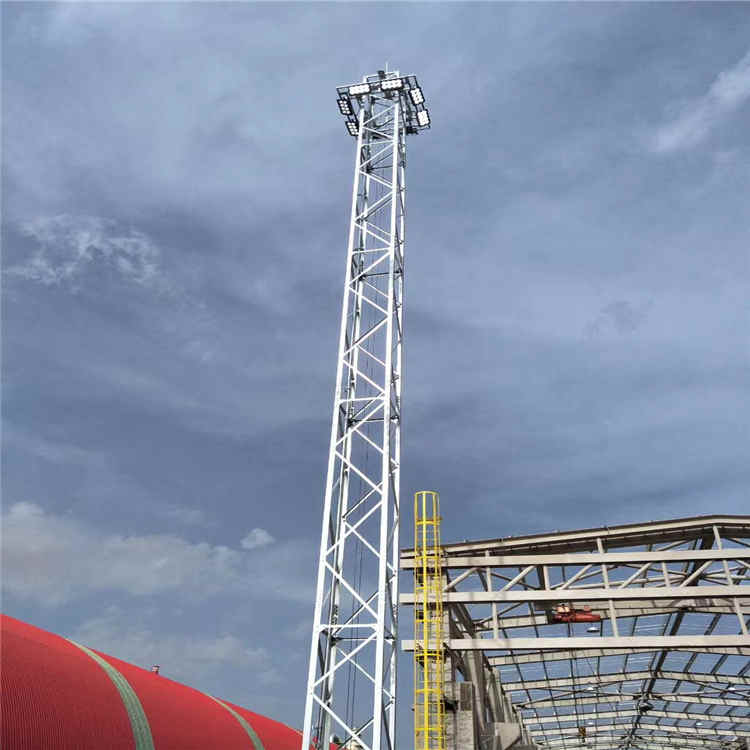
Chimney towers are tall structures used for industrial exhaust emissions, widely applied in industries such as oil, chemicals, power, and metallurgy. Their primary function is to discharge waste gases produced during the production process to high altitudes through the towers, utilizing atmospheric diffusion to reduce the concentration of pollutants and minimize environmental pollution on the ground.
I. Structural Features
Towering Design: Chimney towers are generally over tens to hundreds of meters tall to increase the height of exhaust emissions and facilitate dispersion.
Material Selection: The main structure is predominantly made of steel or concrete, featuring high strength and corrosion resistance to accommodate harsh industrial environments.
Auxiliary Facilities: The tower may be equipped with ladders, platforms, inspection doors, monitoring equipment, etc., for ease of maintenance and safe operation.
Section II: Application Fields
Petroleum & Chemicals: Used for combustion and treatment of waste gases from refining and chemical production.
Power Industry: Coal-fired power plants emit flue gas, requiring the installation of denitrification and other environmental protection facilities.
Metallurgy Industry: Steel mills and smelting plants emit high-temperature waste gases and dust.
Waste Incineration: Emissions of flue gases produced during the incineration of domestic or industrial waste.
III. Environmental Significance
Chimney stacks release exhaust gases at high altitudes, reducing low-altitude pollution concentrations and minimizing impact on surrounding environments and communities. Additionally, paired with exhaust treatment equipment (such as denitrification and dust removal devices), further pollution emissions can be reduced, meeting environmental protection regulations.
IV. Technical Requirements
Structural Design: Consider factors such as wind load, earthquakes, and corrosion to ensure the tower's stability and safety.
Corrosion Treatment: The tower surface requires anti-corrosion coating or the use of corrosion-resistant materials to extend service life.
Emission Standards: Exhaust emissions must comply with national and local environmental protection standards, such as the "Comprehensive Emission Standard for Air Pollutants."
V. Trending Developments
With the increased environmental protection requirements, the design and construction of chimney towers are gradually evolving towards high efficiency, energy-saving, and intelligentization. For example:
Integrated environmental protection equipment: integrated design of denitrification, dust removal equipment, and chimney tower, reducing land occupation.
Smart Monitoring: Install an online monitoring system to real-time monitor exhaust emission standards, ensuring compliance with emission requirements.
New Material Application: Utilizes advanced corrosion-resistant materials to extend the tower's lifespan and reduce maintenance costs.
Six: Cautionary Notes
Safety Standards: The design, construction, and operation of the chimney tower must comply with relevant safety regulations to ensure personnel and equipment safety.
Regular Maintenance: Regular inspections of the tower structure, anti-corrosion coating, auxiliary facilities, etc., are required to promptly identify and address potential hazards.
Environmental Impact Assessment: An environmental impact assessment is required when constructing or modifying a chimney stack to ensure the impact on the surrounding environment is manageable.
Chimney stacks are essential facilities for industrial exhaust emissions, and their design, construction, and operation must consider multiple factors such as technology, environmental protection, and safety to achieve a unified benefit of economic and environmental efficiency.
Below are videos related to chimney towers, which provide information on their definition, functions, structure, applications, and more for your reference: