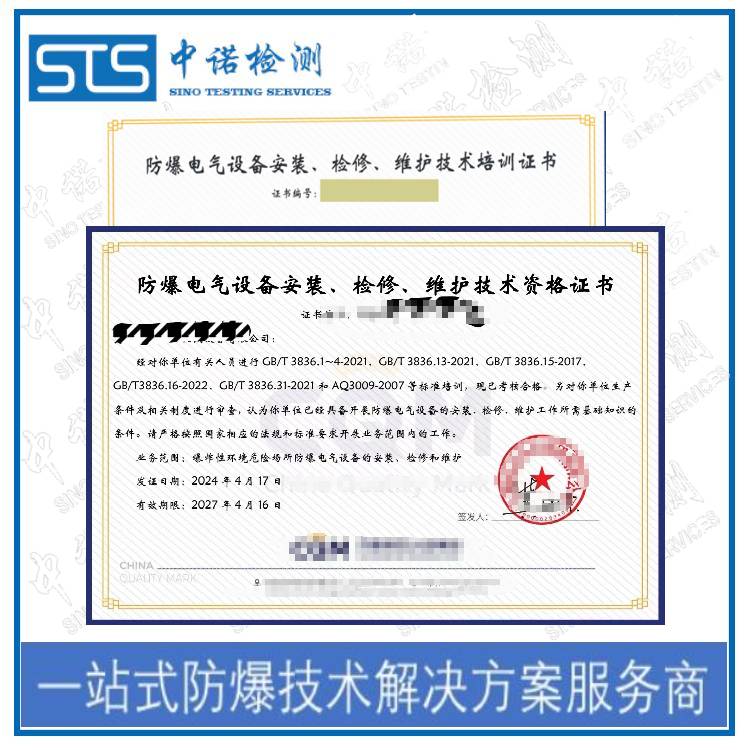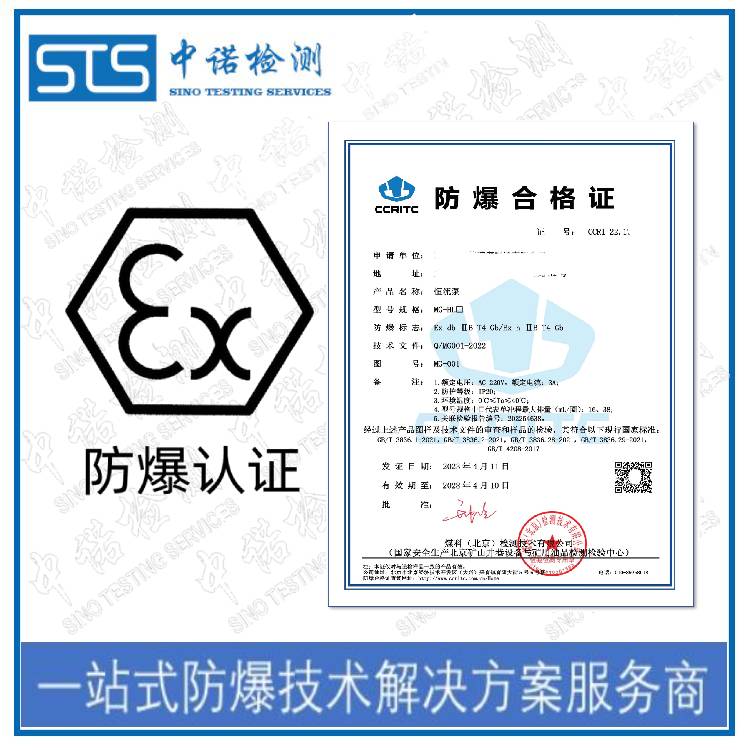

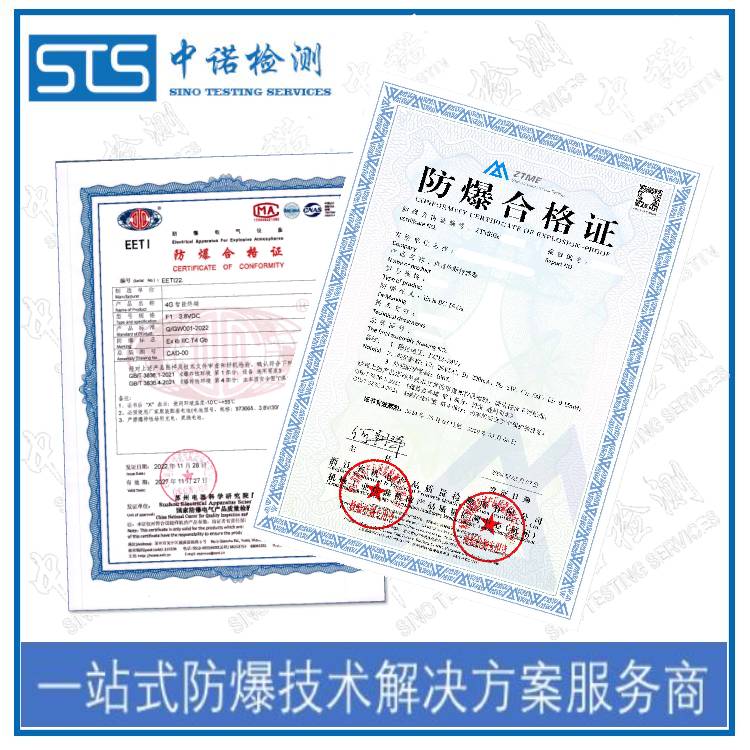
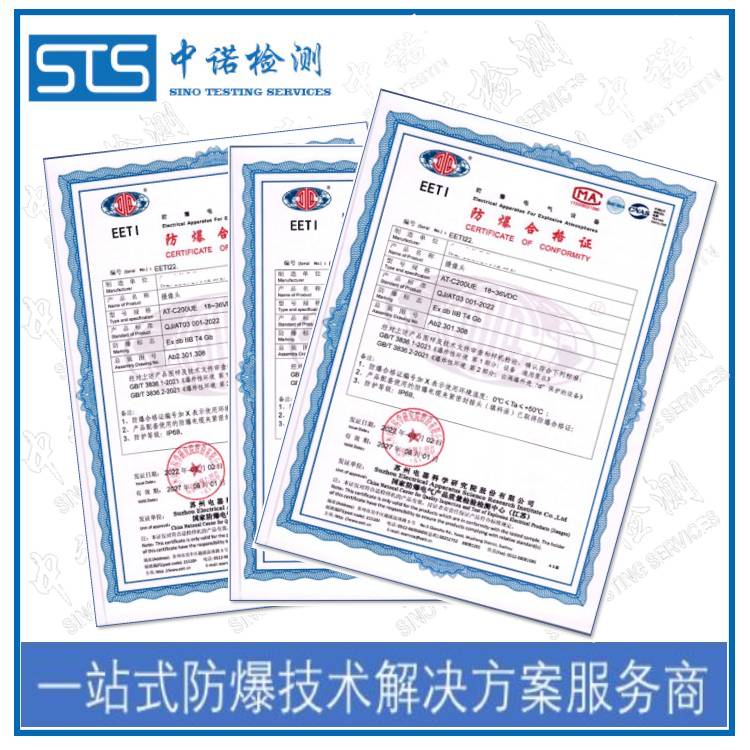


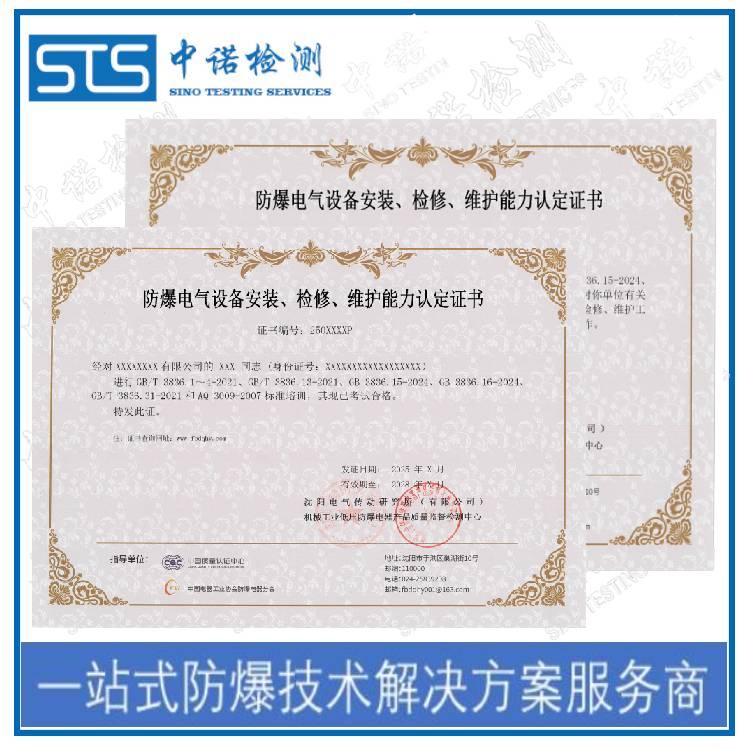
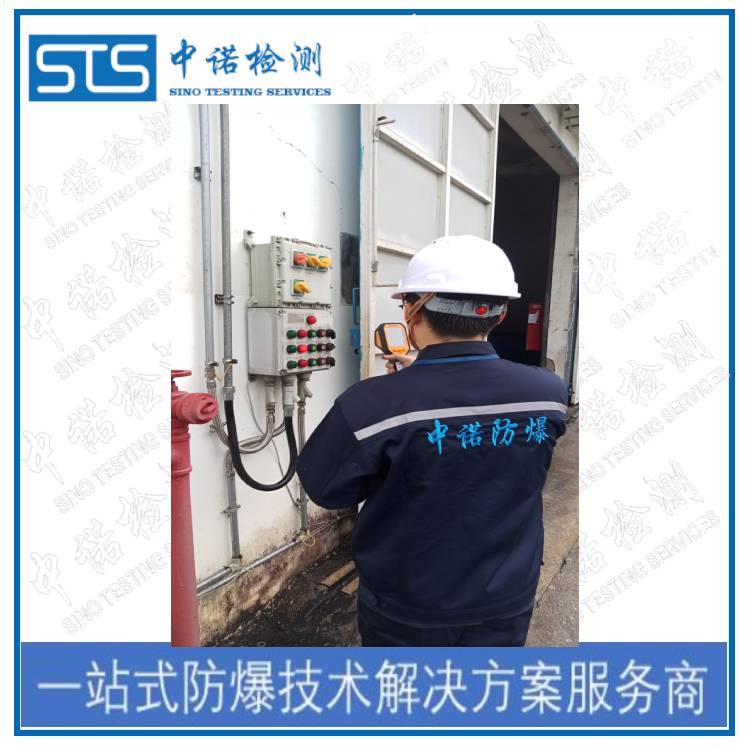
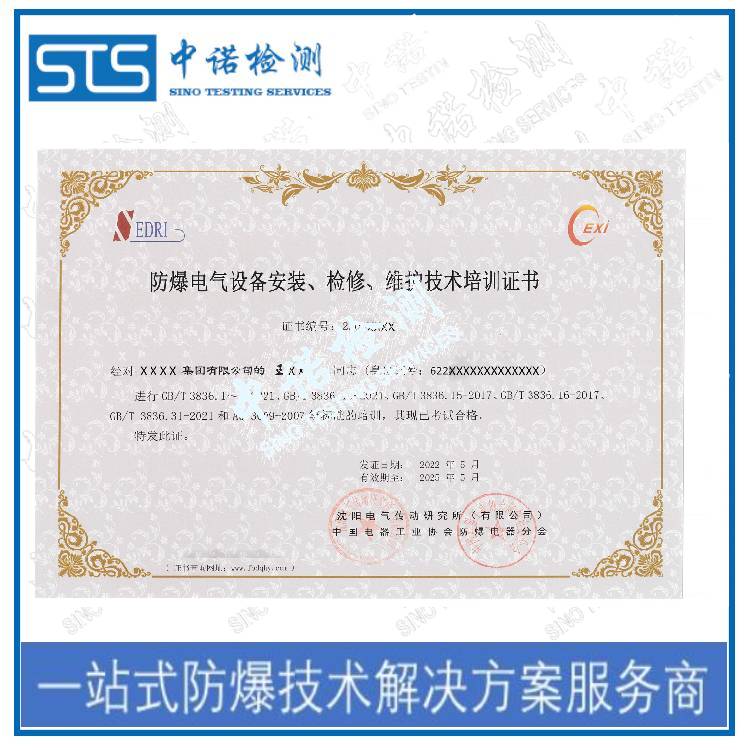
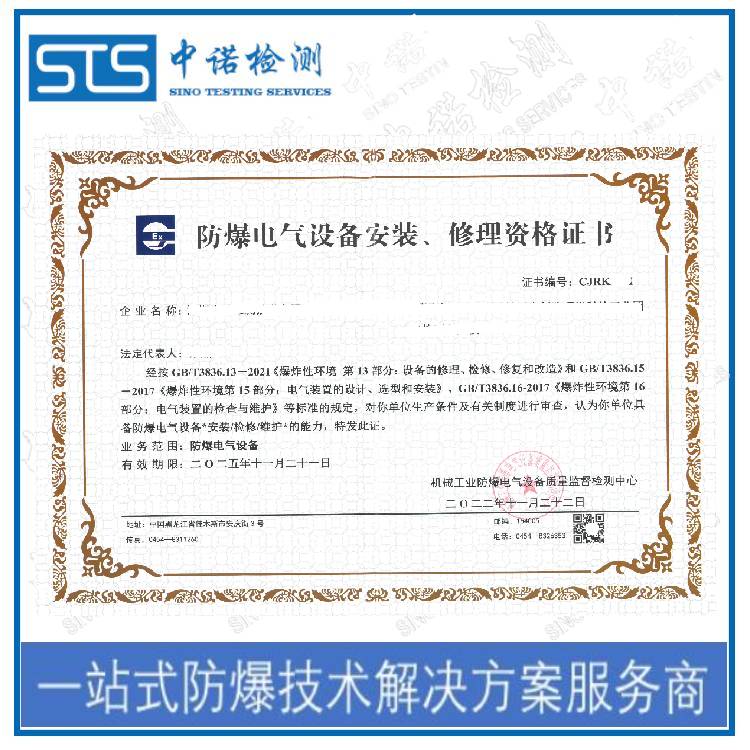
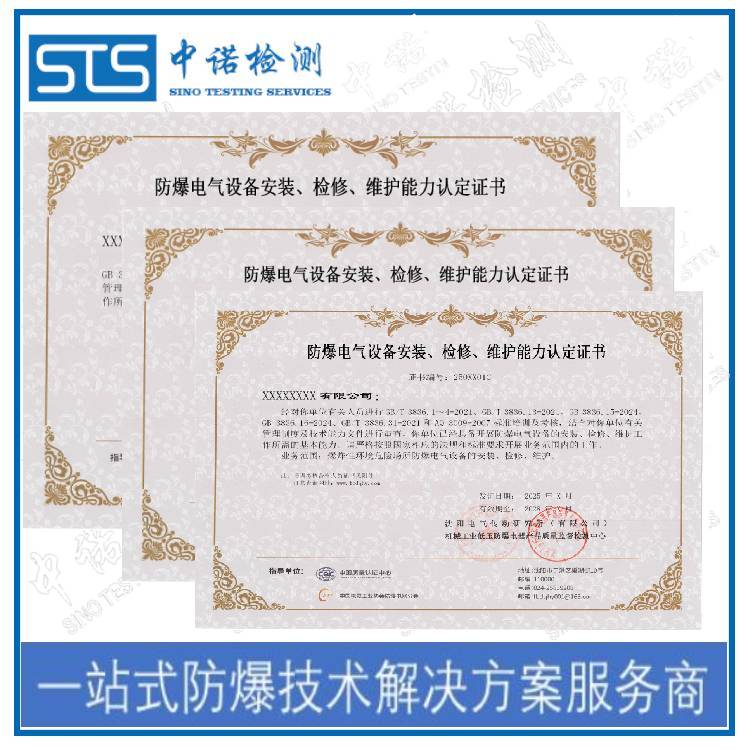





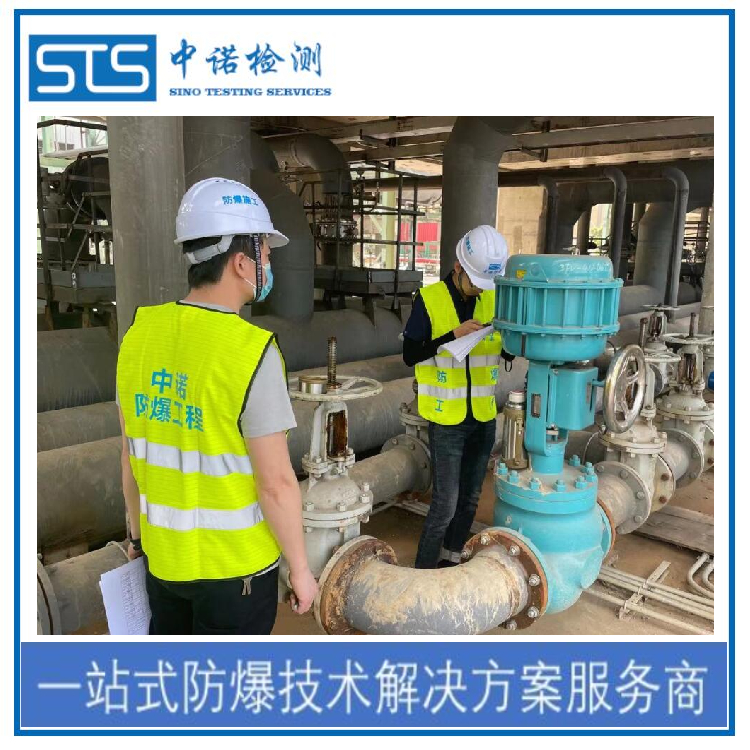
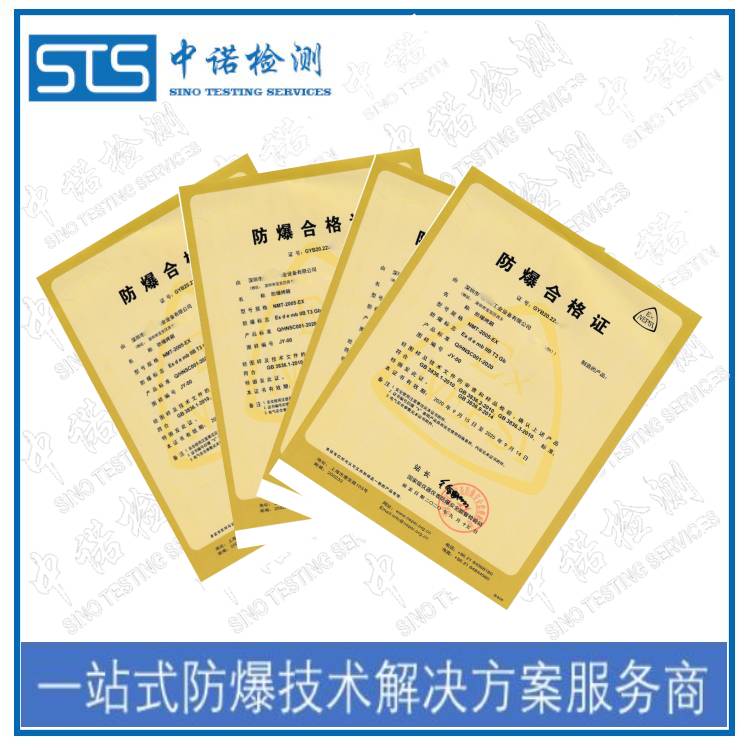
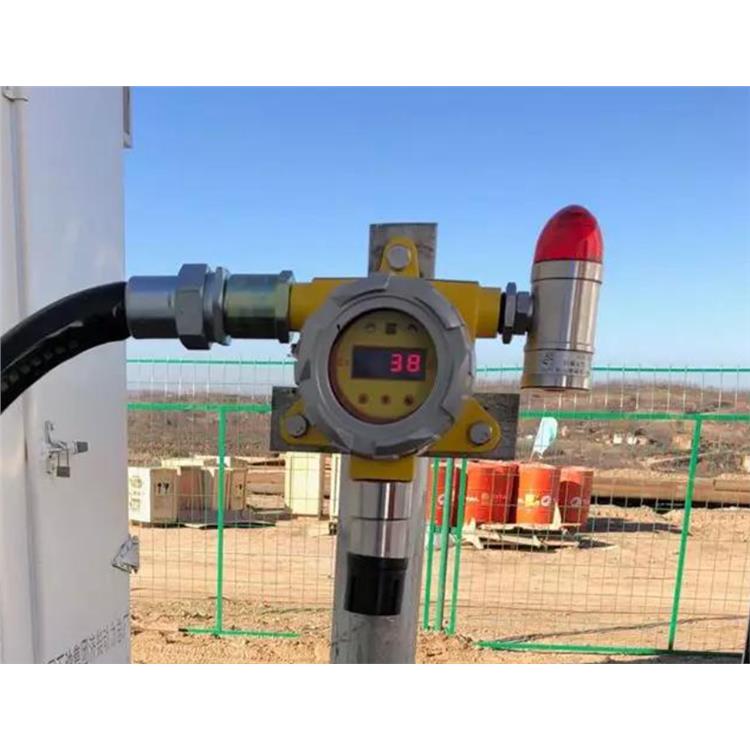
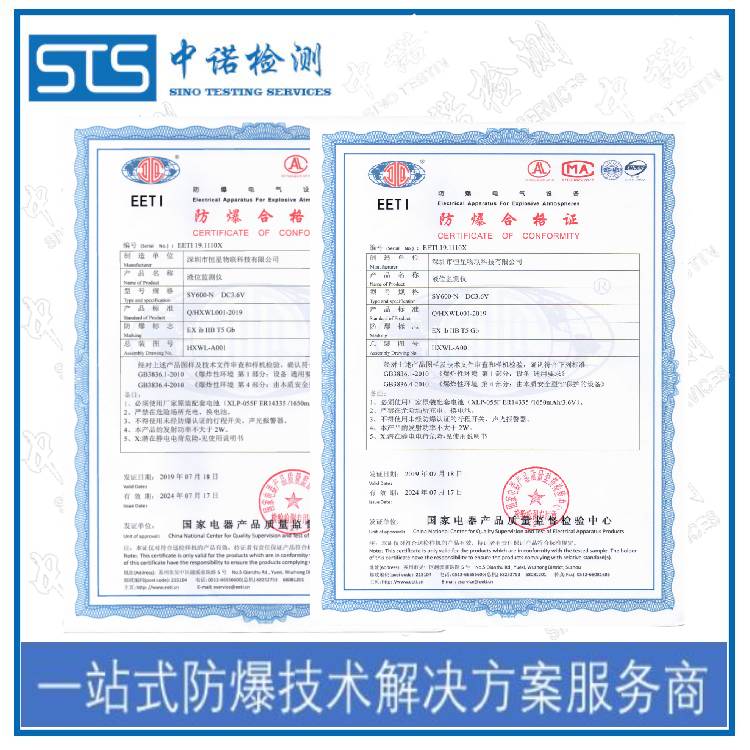
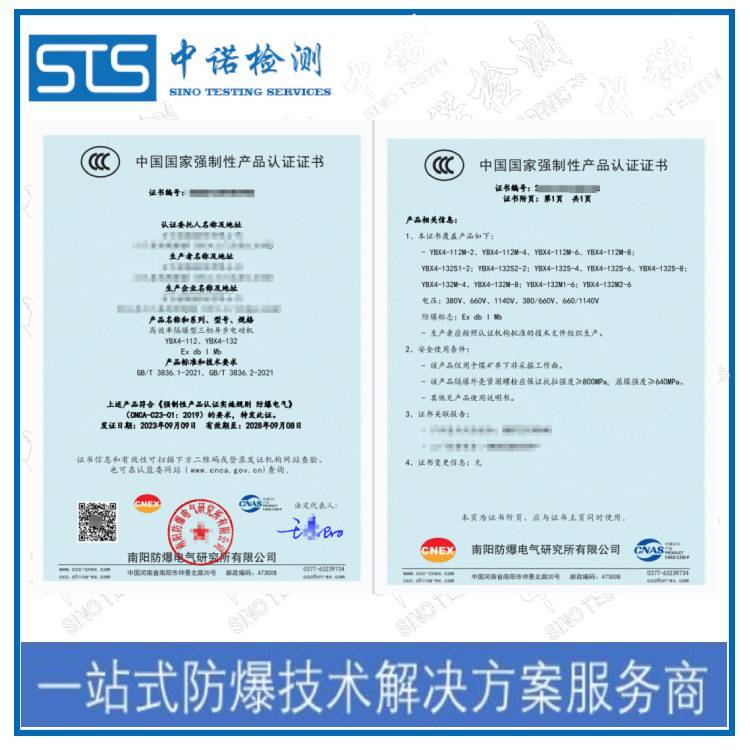
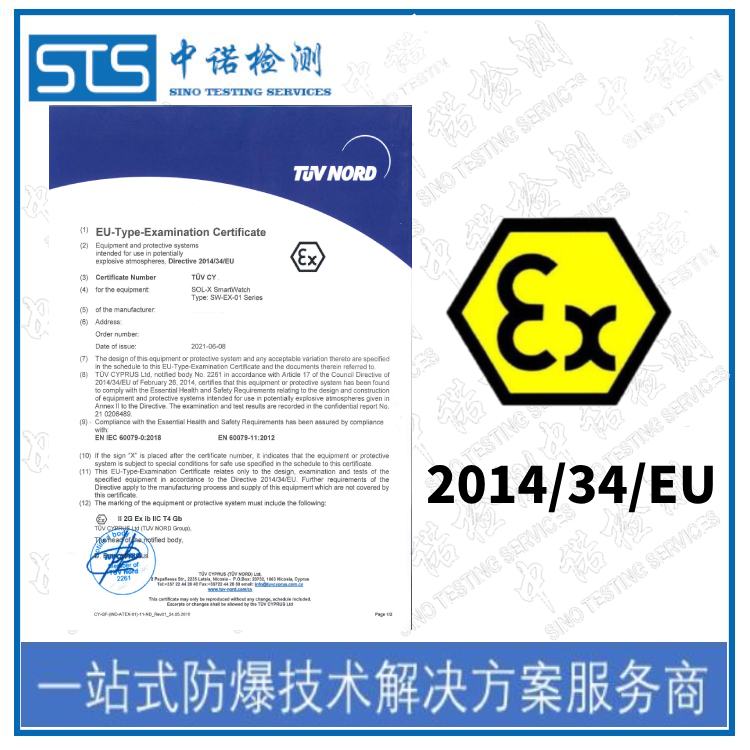
Shenzhen Zhongnuo Inspection & Technology Co., Ltd. is based in South China and specializes in explosion-proof and coal safety certification application consulting services, offering a one-stop consulting solution for explosion-proof technology.
How to Apply for Explosion-Proof Certification for Enterprises:
1. Self-Application: The company applies to the certification body independently, prepares relevant documents on its own, assists in the debugging of the prototype machine, and modifies the parts of the documents that are not in standard format. The process is relatively longer, with higher overall costs and more time and effort involved.
2. Agent Application: Refers to the entire process of consultation and application to Shenzhen ZhongNuo Testing Technology Co., Ltd., including material modifications, prototype debugging, and progress coordination, which are entrusted to the consulting agency. Progress is well-ensured. Fast certification, manageable overall costs, time and labor-saving.
Sample requirements for explosion-proof certification application:
The sample machines submitted by the company for inspection must match the approved drawings and be fully assembled; the number of units inspected should meet the requirements.
If special disassembly tools are required, they should be sent along as well.
For encapsulated electrical equipment, a set of both encapsulated and non-encapsulated products should be submitted.
Observing windows' transparent parts should be separately sent with at least 3 pieces, additional 5 pieces required.
The transparent parts of the lighting fixtures should be separately delivered in at least 8 pieces.
Rubber aging tests should provide 3 to 5 pieces of 35156 rubber blocks.
Insulate resistance measurement of plastic enclosures requires two plastic sheets with a diameter of 150.60mm. If dimensions permit, the measurement can be directly conducted on the plastic enclosure.
1-2 finished products are generally required.
What are common misconceptions about applying for explosion-proof certification for products?
1. The explosion-proof grade is not the higher, the better.
Explosion-proof ratings are related to product structure, installation methods, and usage locations; choose the appropriate one. Of course, as long as the product structure meets the requirements, the higher the explosion-proof rating, the wider the range of applicability.
2. Explosion-proof rating is not the same as protection rating.
The protection grade, commonly referred to as the IP rating, is different from the explosion-proof grade.
3. The lower the temperature range, the safer it is, rather than the higher the better.
The temperature category indicates the high surface temperature reached by the equipment under adverse conditions. In explosive hazardous areas, of course, the lower the high surface temperature of the equipment, the safer it is.
4. Gas explosion-proof certificates cannot be used in dust areas, and conversely, dust explosion-proof certificates cannot be used in gas areas.
5. Explosion-proof is safer than intrinsic safety. Many clients believe that having an explosion-proof housing is safer than intrinsic safety, which is incorrect. These are different explosion-proof types, both can achieve explosion-proofing; the suitability for the product structure and environment determines its safety.
Welcome to DM Shenzhen ZhongNuo Inspection Technology Co., Ltd. for detailed communication.
Is intrinsic safety certification the same as explosion-proof certification? What are the differences between them?
Explosion-proof certification refers to a type of safety certification for equipment and products used in explosive hazardous areas.
Products must take certain measures to meet the requirements of explosion-proof certification standards; we refer to these as explosion-proof protection types.
Currently common explosion-proof protection types include intrinsic safety, flameproof, positive pressure, and increased safety, etc.
Clearly, intrinsic safety is just one type of explosion-proof protection.
Different explosion-proof protection types have varying design requirements for the product.
intrinsic safety is a type of explosion-proof protection that limits electrical energy, ensuring that even in the event of a fault, the energy produced is not enough to ignite the surrounding explosive environment.
Therefore, intrinsic safety requirements limit the current, voltage, capacitance, inductance, etc., of electrical equipment, and are generally suitable for low-power devices.
Additionally, there are specific requirements for the power supply method of intrinsically safe equipment, the material of the housing, and wireless transmission.
As a third-party consulting agency specializing in explosion-proof certification for many years, ZhongNuo Testing boasts dedicated engineers in intrinsically safe circuit and structural design. We offer technical consultation on explosion-proof circuit design, drafting, and rectification, and have extensive experience in designing and obtaining certifications for intrinsically safe ia, ib, and ic classifications.
If you require certifications in this area, feel free to send us a private message!
Explosion-proof Certification Application Consultancy Services - Shenzhen ZhongNuo Testing Technology Co., Ltd.
WeChat Official Account

Scan to follow Official Account