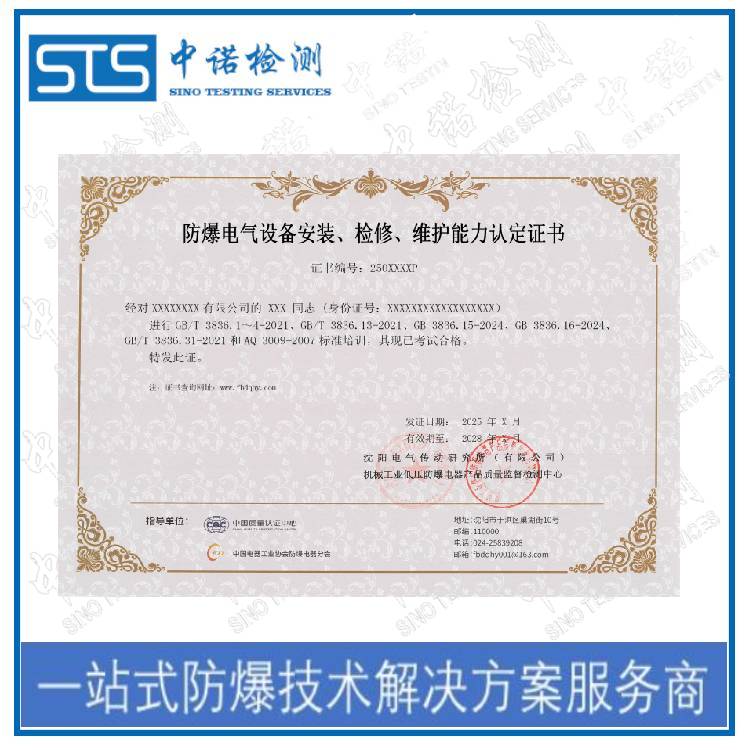

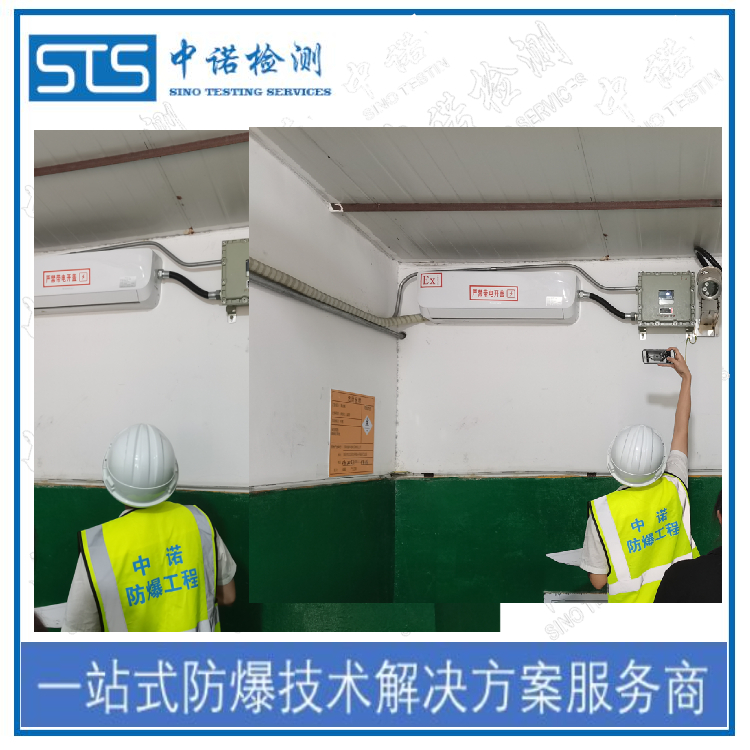
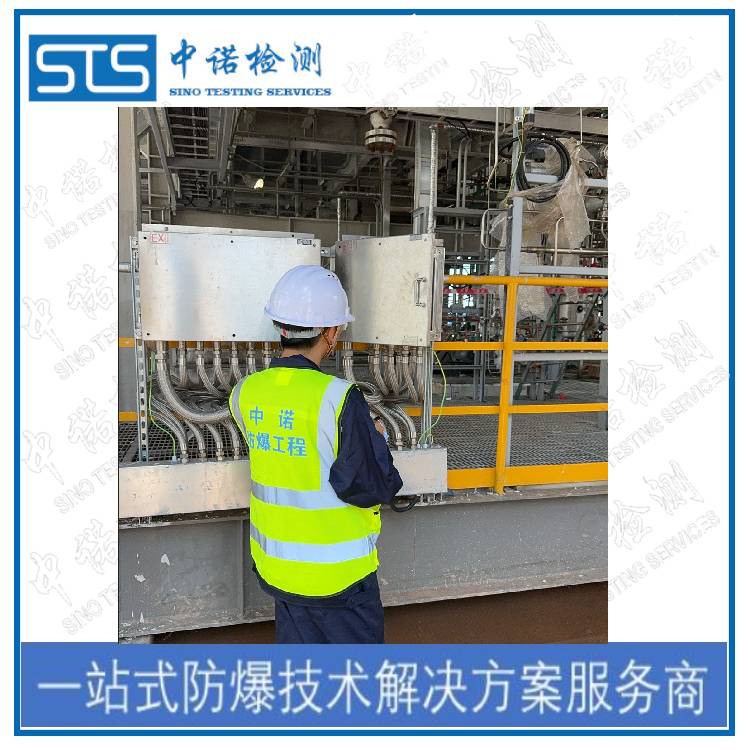



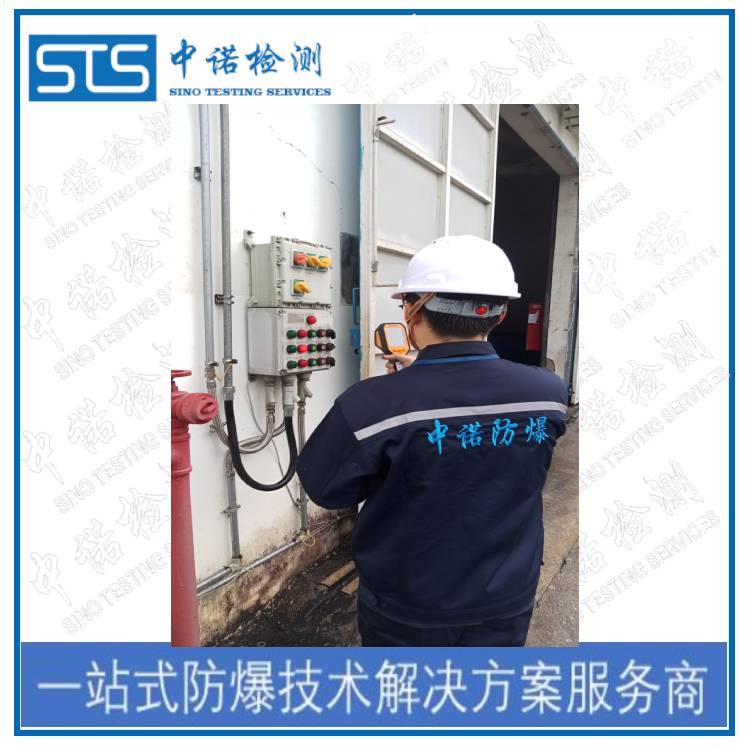

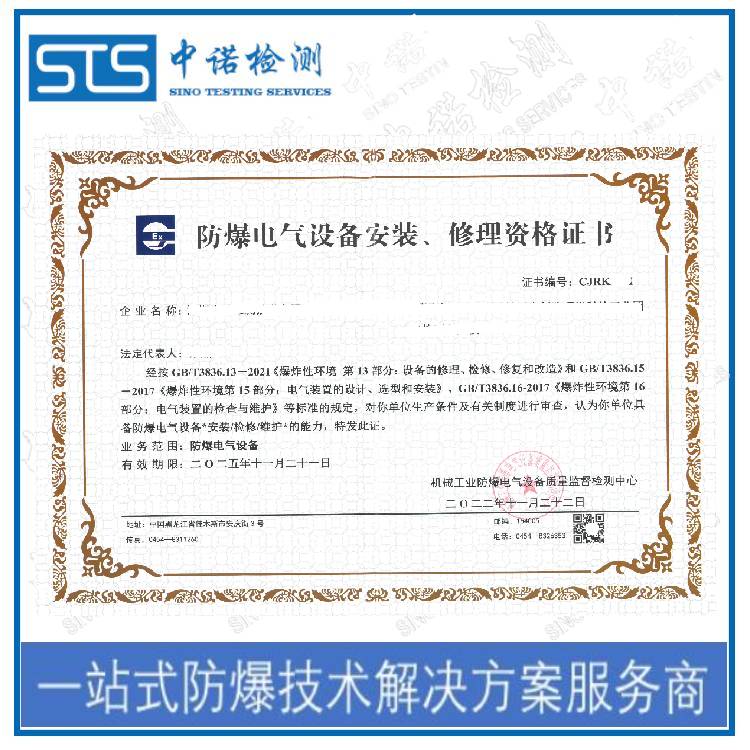






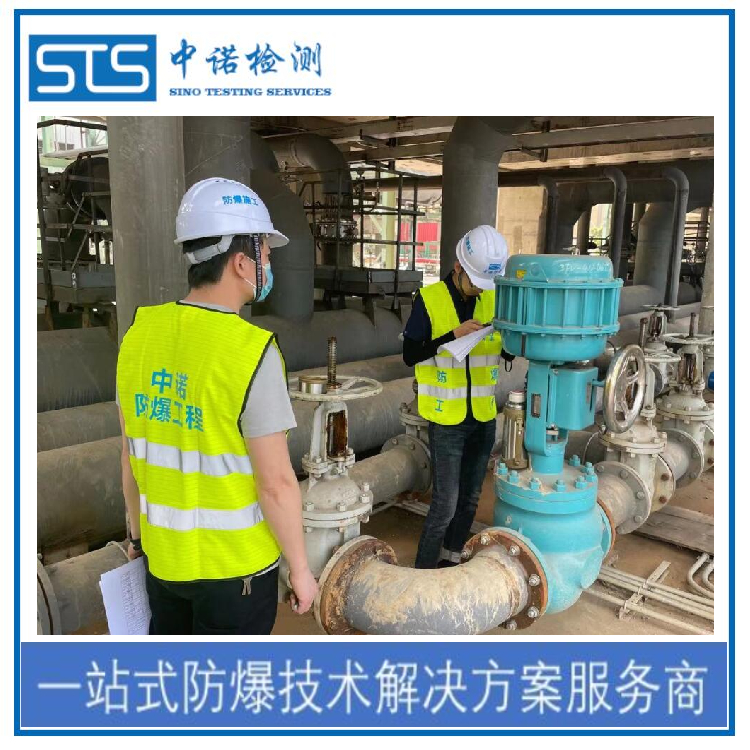
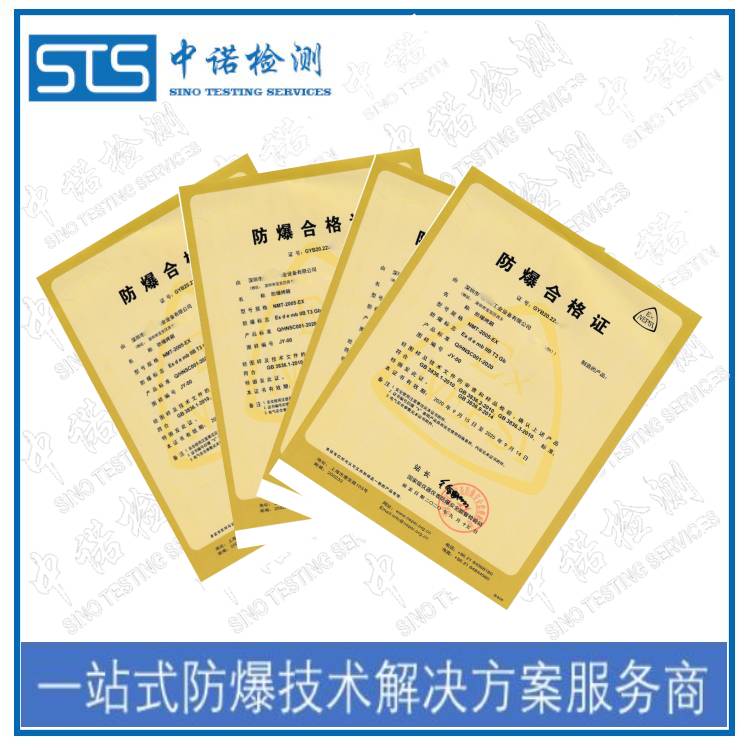
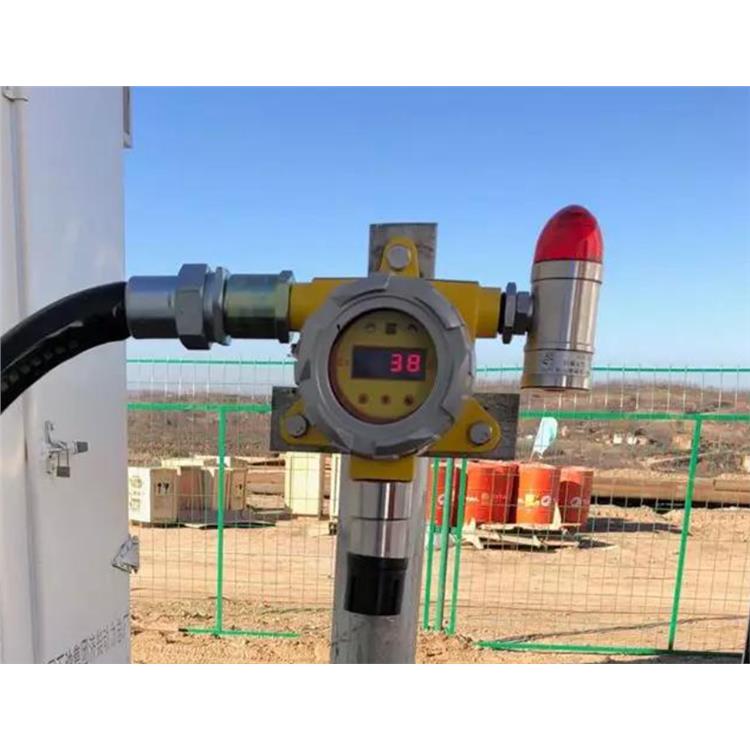
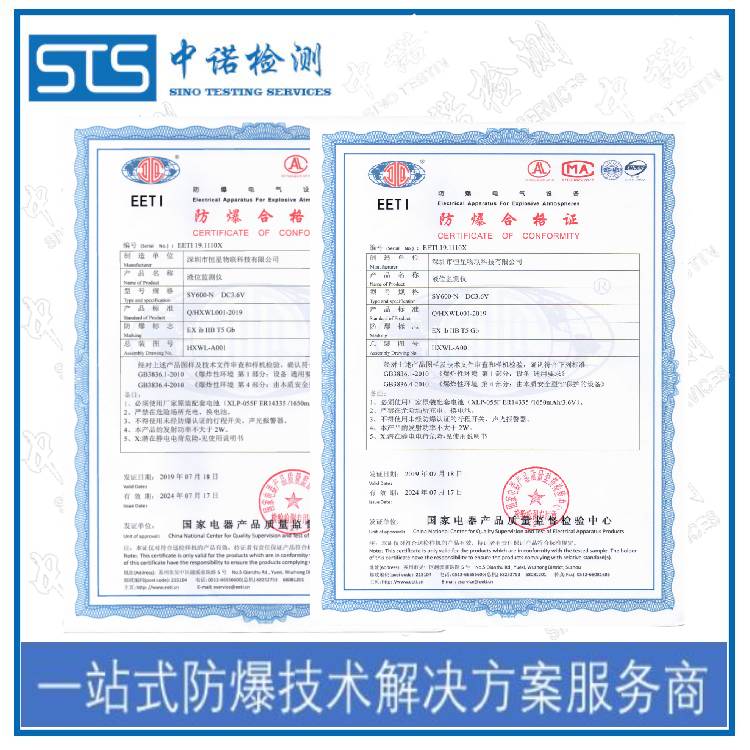
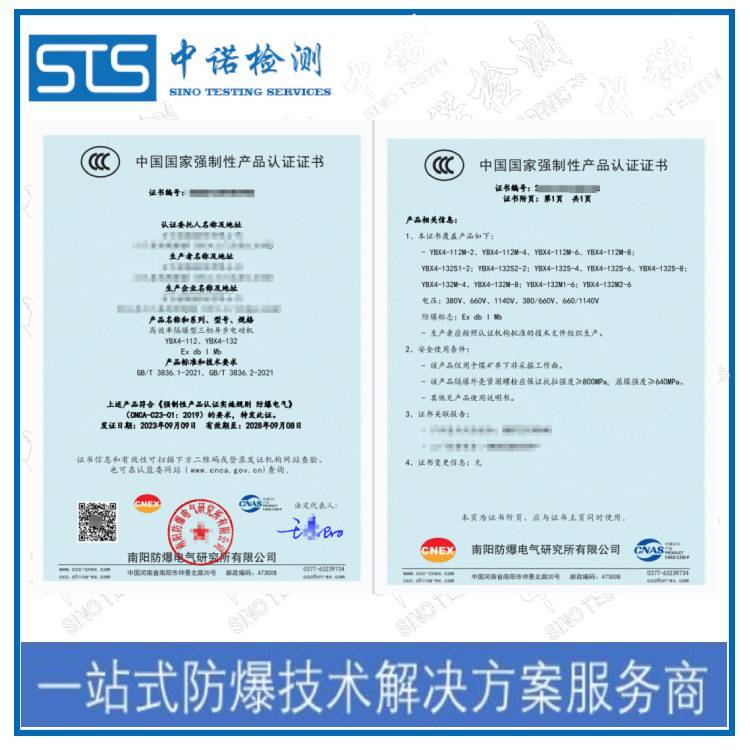

Shenzhen ZhongNuo Inspection Technology Co., Ltd. offers on-site explosion-proof electrical inspection, explosion-proof project acceptance services, and can provide explosion-proof rectification and construction services for non-compliant items.
Application Institution for Explosion-Proof Electrical Construction Completion Inspection Report
It's widely known that after electrical work is completed in explosive hazard areas, a third-party organization must conduct a post-completion inspection. Only after passing the inspection can the facility be put into use. Additionally, beyond the company's regular checks, a facility with explosion-proof inspection qualifications must carry out periodic inspections every three years.
Here, we first share what the main content of the acceptance inspection after completion includes?
1. Inspect the explosion-proof electrical equipment for the presence of a label, Ex marking, and clear identification of the type, class, and group of the explosion-proof equipment. Is the label marked with the explosion-proof certification number issued by the inspection unit?
2. Inspect the type, class, group, environmental conditions, and special markings of explosion-proof electrical equipment to ensure compliance with regulations.
3. Inspect the shell of explosion-proof electrical equipment for cracks or damage; check if the paint is intact, if the junction box cover is securely fastened, and if the fixing bolts and anti-loosening devices are in place.
4. Check for oil leakage and seepage in oil-filled electrical equipment, and ensure the oil level meets the specified requirements.
5. The ventilation and exhaust system of explosion-proof electrical equipment with positive pressure should be unobstructed, connections should be proper, and the installation positions of the inlet and outlet should meet the requirements.
6. Are the excess entry ports of the explosion-proof electrical equipment properly sealed in accordance with regulations?
7. Installation of sealed or insulated devices in electrical circuits should comply with regulations.
8. The wiring engineering of intrinsic safety explosion-proof electrical equipment shall comply with design requirements for its route and elevation; the lines should be marked with a sky blue sign.
9. The grounding or earthing of explosion-proof electrical equipment, as well as static electricity grounding, should comply with design requirements and be firm and reliable.
10. Upon completion and acceptance, submit the relevant documents, materials, manufacturer's product user manuals, test records, certificates of compliance, and installation drawings, as well as other technical files.
11. At the time of acceptance, the following measurement records should also be submitted:
Record of measurement for the single-side air gap of the stator and rotor in explosion-proof motors of increased safety type.
(2) Adjustment records for pressure-relief devices protecting explosion-proof electrical equipment, such as wind and pressure relays, along with high-temperature records of the equipment's housing during trial operation and test records of static-dissipative grounding resistance values.
12. Explosion-proof electrical equipment operation records
The shell temperature of explosion-proof electrical equipment, including intrinsically safe and non-sparking explosion-proof electrical equipment, should not exceed the specified value.
(2) After the internal wiring of the junction box is securely fastened, the electrical clearances and creepage distances between the live parts and the metal casing should comply with regulations.
(3) The exhaust of explosion-proof electrical equipment with positive pressure should not emit sparks. The micro-pressure relay should operate reliably when reducing wind pressure and air pressure.
(4) The protective devices and interlock devices of explosion-proof electrical equipment should operate correctly and reliably.
Regular inspection main contents of explosion-proof electrical equipment
1. Model Inspection
In strict accordance with relevant laws, the explosion-proof marking of explosion-proof electrical equipment must be standardized, and it can only be implemented after passing the relevant explosion-proof standard inspection and being deemed qualified. The explosion-proof type, level, and temperature class of electrical equipment should be designed appropriately for the specific working environment.
2. Installation Inspection
During electrical equipment installation, any oversight can lead to potential losses. For instance, if the ventilation and exhaust system is not properly installed, it may not be adequately ventilated, and the outer shell of electrical equipment can pose an explosion risk during operation. Therefore, precision is crucial during installation, and it must be carried out according to relevant standards.
3. Line Check
Electrical equipment is often composed of numerous wiring connections, which can be particularly complex. If not securely connected, or if there are incorrect connections, or due to insulation layer peeling off from the wires, it may cause short circuits or overloads, leading to arcs or sparks. Therefore, it is crucial to enhance inspections of the circuit, especially the sealing of the wiring, to ensure the connections meet the requirements.
4. Grounding Inspection
Electrical equipment generates static electricity during operation. If there's too much static, sparks can occur upon discharge, which may lead to explosions. Therefore, proper grounding protection is crucial to promptly dissipate static electricity. Common grounding methods include working grounding, static grounding, and lightning protection grounding, etc. Engineers must select the appropriate grounding method based on the specific working environment and ensure it is safe and secure.
explosion-proof site safety inspection standards
1. GB 50058-2014 "Code for Design of Electrical Installations in Explosive Hazardous Environments"
2. GB 3836.14-2014 "Part 14: Classification of Explosive Atmospheres - Explosive Gas Atmospheres"
3. AQ 3009-2007 "Electrical Explosion Protection Safety Code for Hazardous Areas"
4. GB 50257-2014 "Electrical Installation Engineering, Construction and Acceptance of Electrical Installations in Explosive and Fire Hazardous Environments"
5. GB15577-2018 "Safety Code for Dust Explosion Prevention"
Regulatory requirements for regular inspections of explosion-proof electrical equipment:
Explosion-proof equipment used in hazardous areas must undergo a series of life cycle stages, including production, installation, operation, inspection, maintenance, and withdrawal from the market.
Regular inspections ensure the effective monitoring of their usage status and explosion-proof safety performance. Relevant laws and regulations in our country also stipulate corresponding provisions.
There is a clear stipulation in the standard AQ3009-2007 "Electrical Safety and Explosion-proof Regulations for Hazardous Areas":
Inspections should be conducted by a qualified safety inspection agency specializing in explosion-proof services, with intervals generally not exceeding three years.
The company should take corrective actions promptly based on the inspection results and file the inspection report and the rectification status with the安全生产监督管理部门.
The preface of AQ3009-2007 "Electrical Safety and Explosion Proof Regulations for Hazardous Areas" also explicitly states that Chapter 4, Chapter 5, Chapter 6, and Chapter 7 are mandatory and must be strictly enforced. Therefore, similar safety regulations are part of the legal and regulatory framework and must be enforced mandatorily!
On-Site Explosion-Proof Electrical Equipment Regular Inspection Consulting Service - Shenzhen Zhongnuo Inspection Technology Co., Ltd.
WeChat Official Account

Scan to follow Official Account