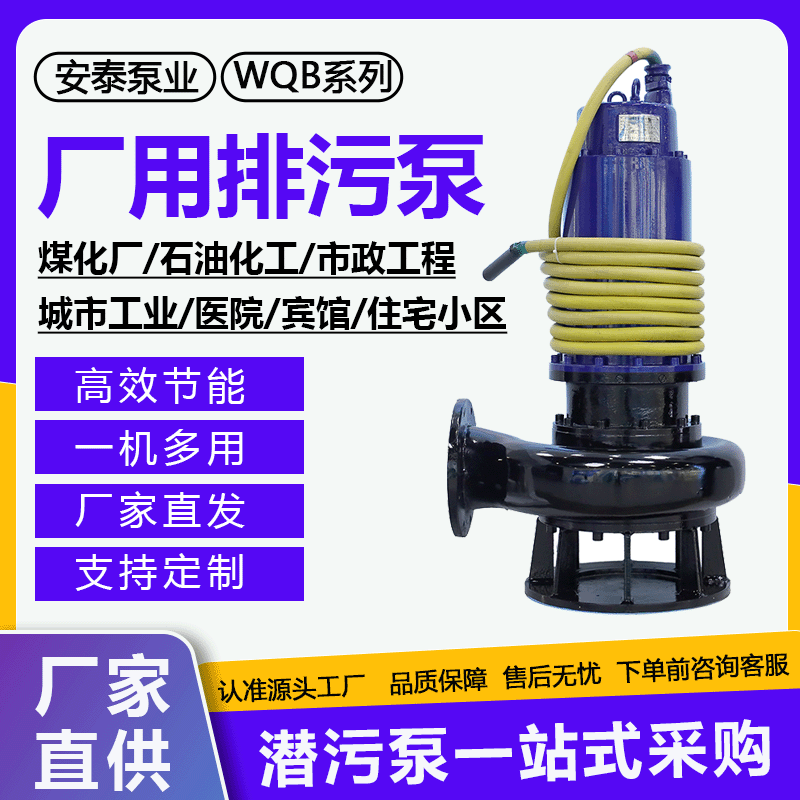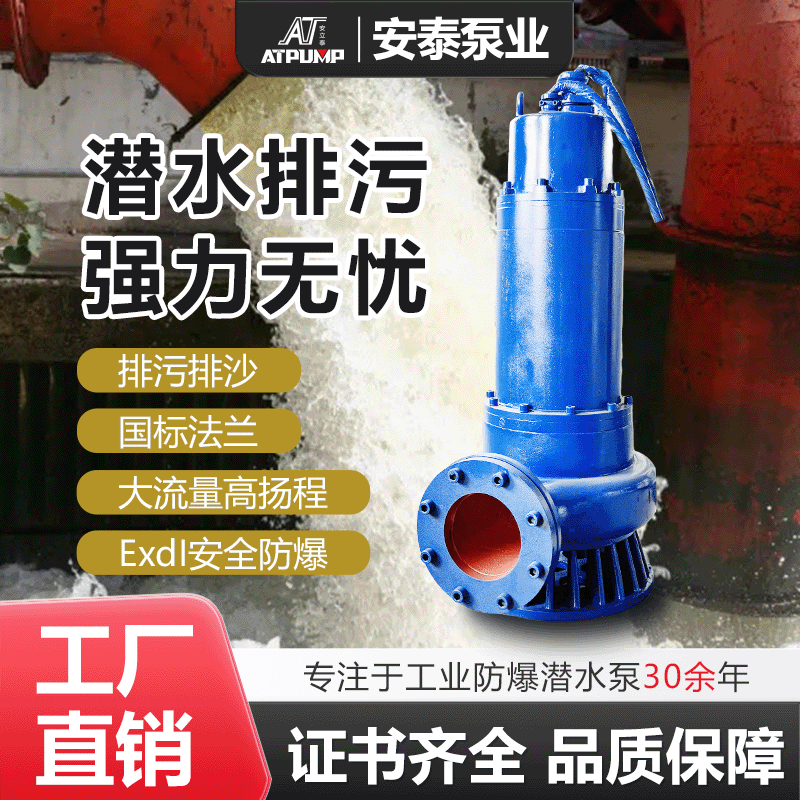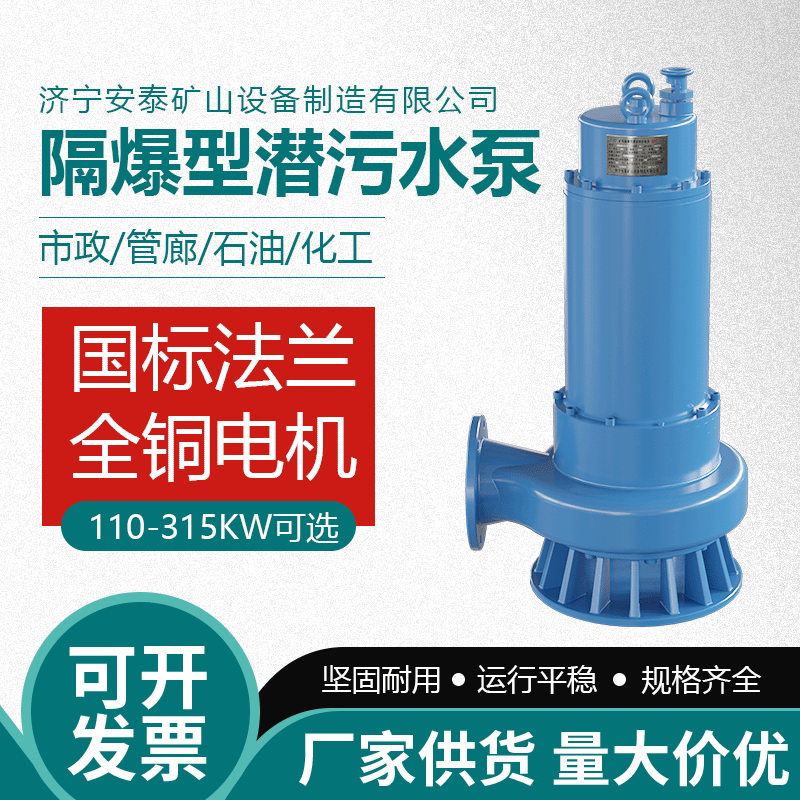









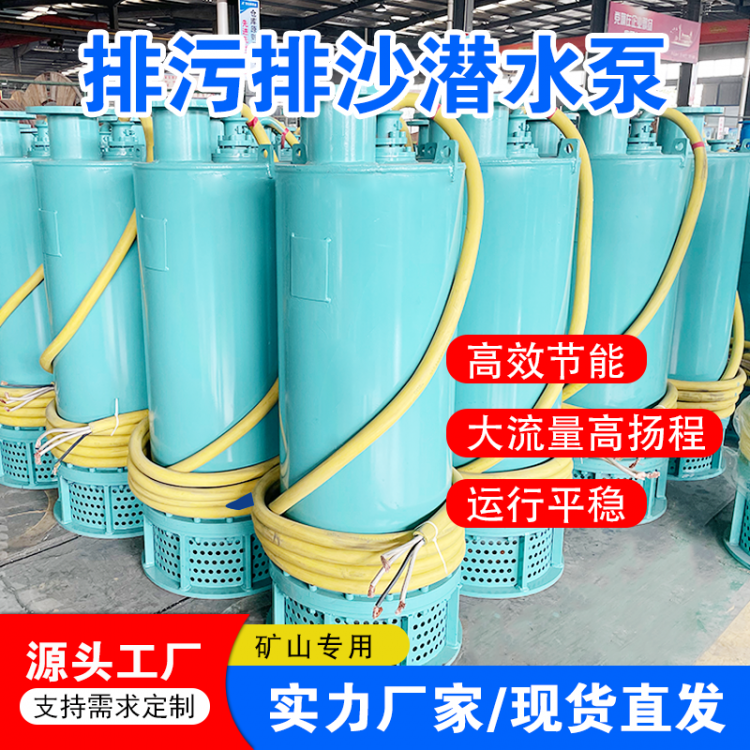
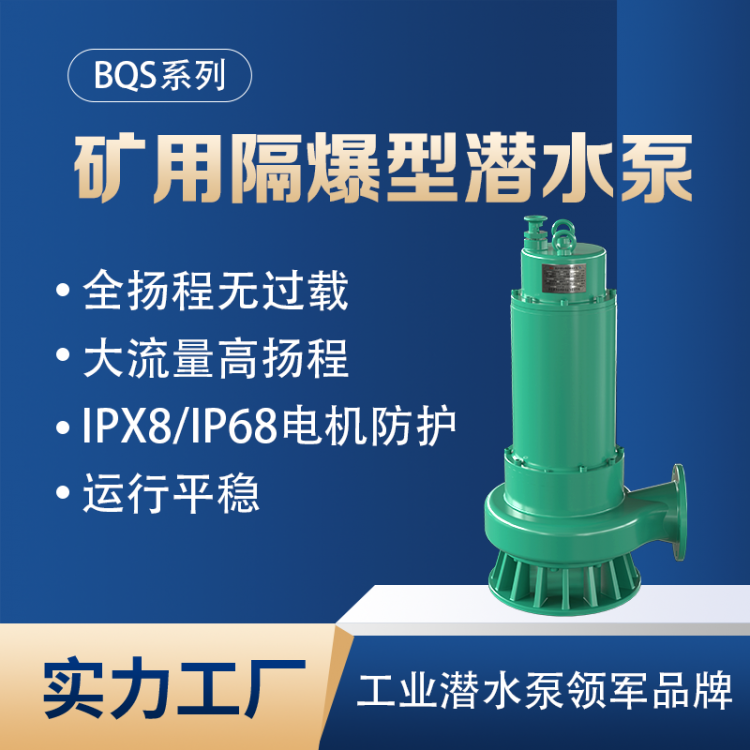
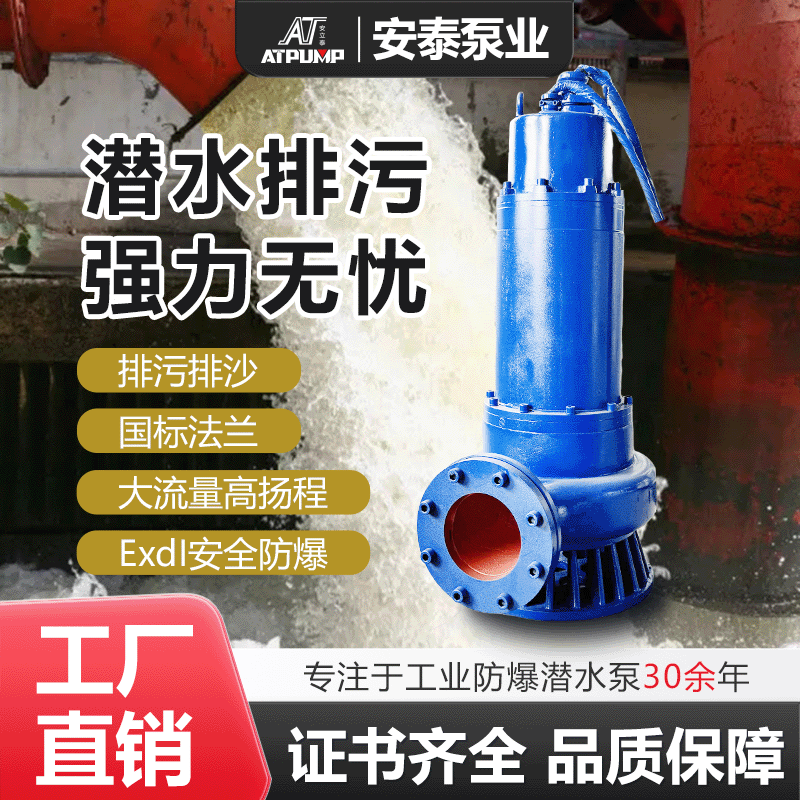
Preparation Before Installation**
Environmental Inspection
- Confirm that the installation environment meets explosion-proof requirements (such as gas concentration, dust grade), ensuring no accumulation of flammable or explosive gases.
- Verify that the well or pond's depth and diameter match the pump size to prevent inadequate heat dissipation or mechanical collisions due to insufficient space.
-Clear out silt, gravel, and other debris from the well bottom to prevent clogging of the inlet or wearing of the pump body.
2. **Equipment and Accessories Inspection
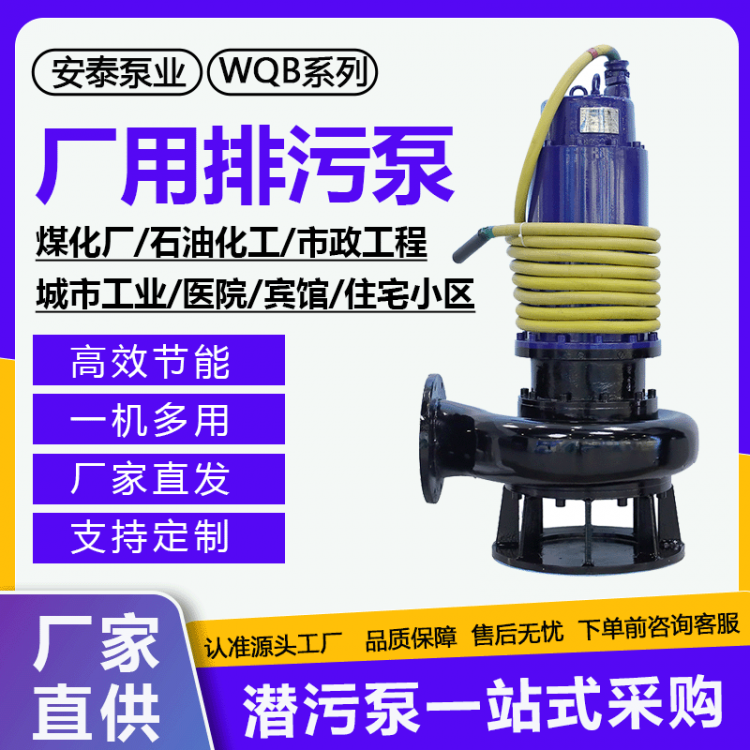
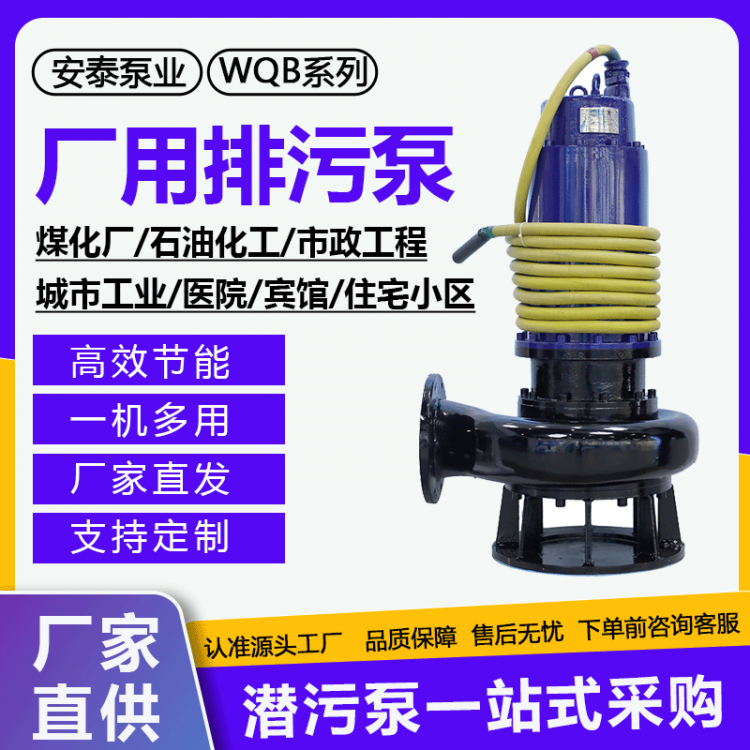
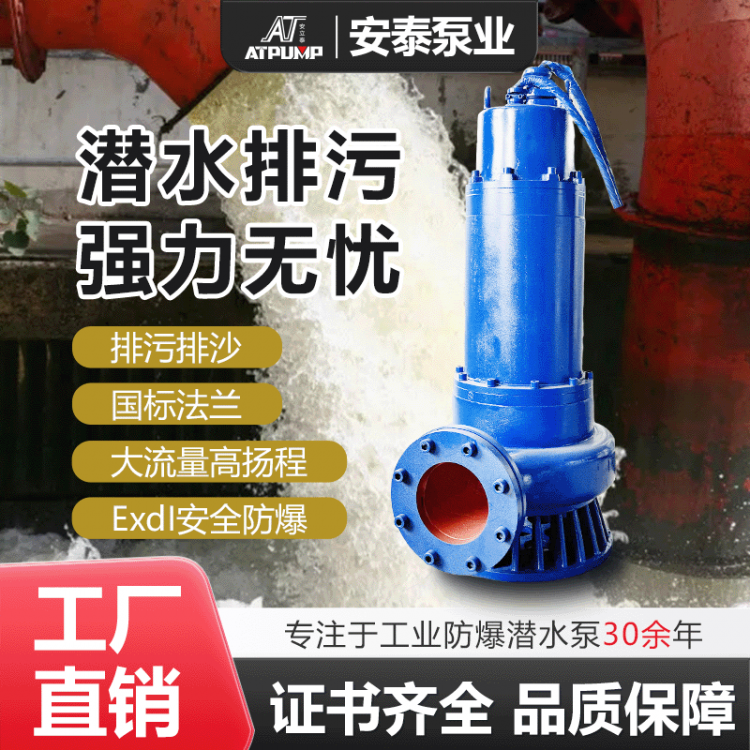
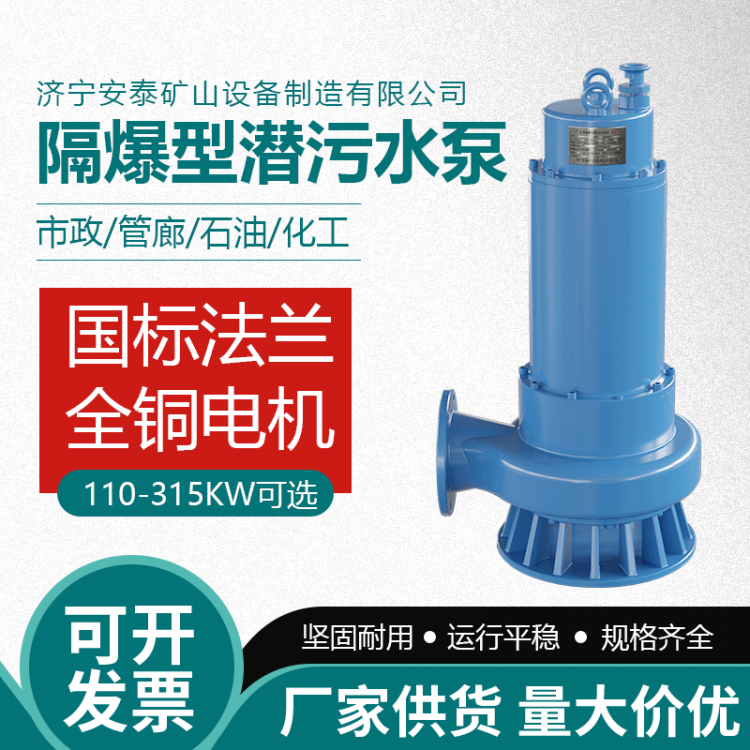
- Verify the pump nameplate parameters (voltage, power, explosion-proof grade, etc.) match the application scenario, ensuring the equipment complies with national explosion-proof certification (e.g., Ex d I Mb).
- Inspect that all accessories such as cables, seals, and bolts are complete and undamaged, and that the explosion-proof joints are free of scratches or rust.
---
### **Section II: Key Points During Installation**
Power and Cable Handling
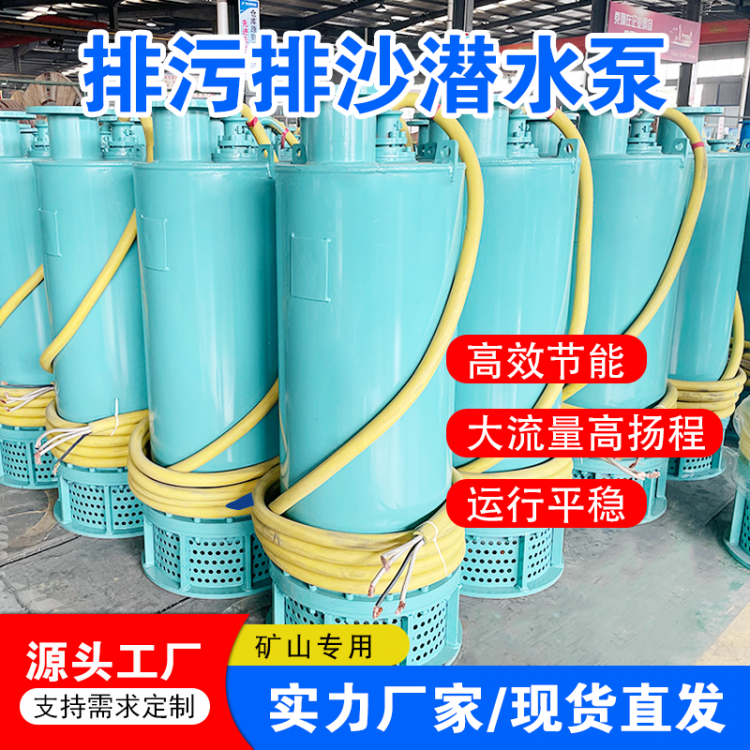
- Utilize dedicated explosion-proof cables; the outer sheath of the cables must possess tensile strength, wear resistance, and corrosion resistance.
- Cable connections must be completed through a ** explosion-proof junction box ** to ensure a tight seal of the joints, preventing moisture or gas from渗入.
- The grounding wire must be connected separately to a reliable grounding device, with a grounding resistance ≤ 4Ω to avoid the risk of leakage.
2. **Pump Mounting and Sealing**
- Vertical lifting of pump using stainless steel chains or corrosion-resistant slings, with an inclination angle ≤ 3° to prevent impeller eccentric wear.
- The outlet and pipe connection is sealed with a ** explosion-proof flange + rubber gasket**, bolts are symmetrically and evenly tightened to prevent leakage.
- Install a **anti-clogging filter** (pore size ≤ particle diameter that the pump can pass through) at the inlet, and regularly clean and maintain it.