
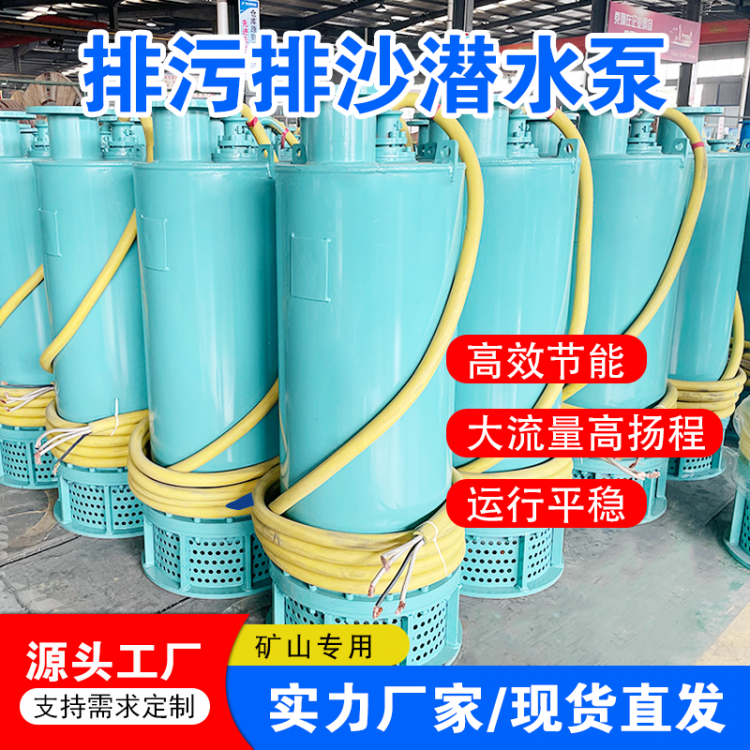
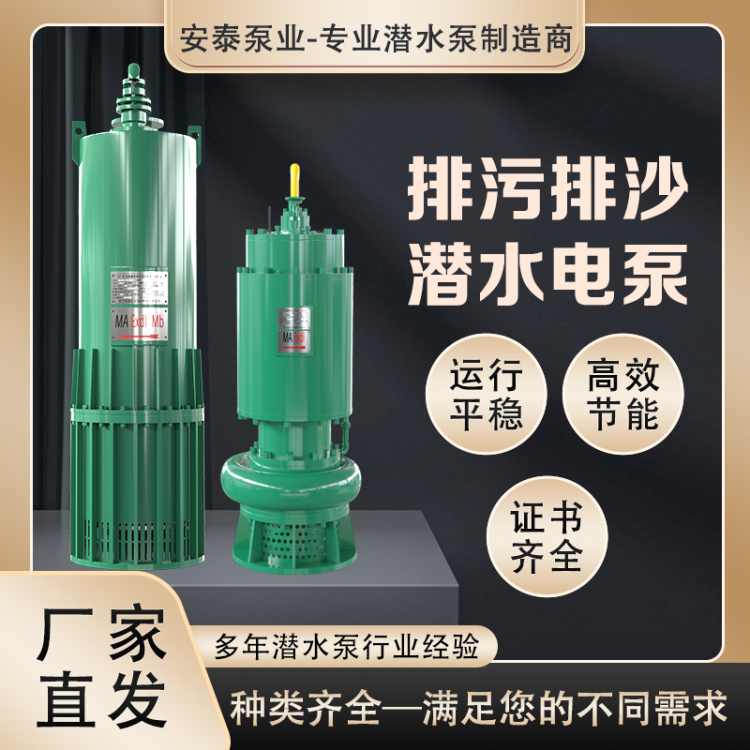
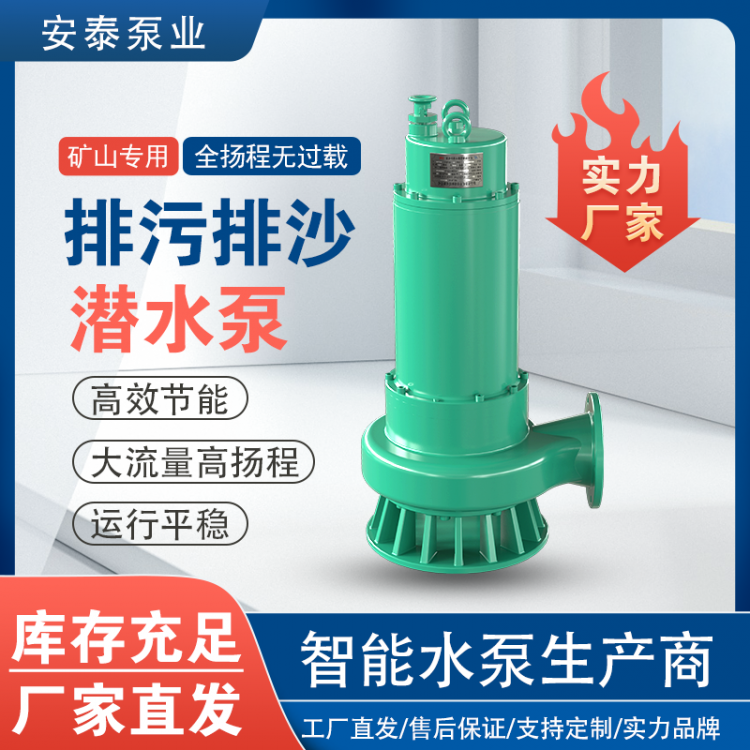












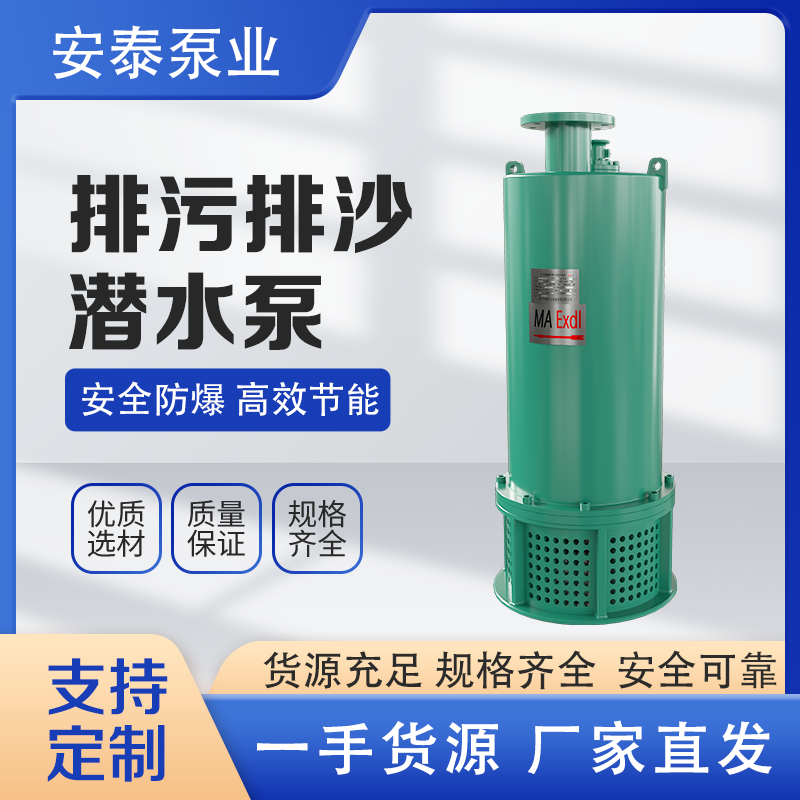
In high-risk fields such as petroleum, chemical, mining, and emergency rescue, every piece of equipment must be a reliable warrior. Explosion proof submersible pumps, as the core equipment for pumping critical liquids in flammable and explosive environments, have a direct impact on the safety of life and property. You may be concerned about its flow rate, head, and explosion-proof rating, but there is a crucial "invisible" indicator that determines whether it can become a trusted partner - that is, airtightness.
Today, let's delve into the testing center of explosion-proof submersible pumps and unveil the mysterious veil of rigorous airtightness experiments for you. Let's see how we create a "leak proof" diamond body for every pump.
Why is airtightness its' lifeline '?
The explosion-proof performance of explosion-proof submersible pumps relies on their special structural design to completely isolate potential electrical sparks, high temperatures, and external hazardous environments. Once the pump body leaks due to poor sealing, the consequences are unimaginable:
·External liquid intrusion: Corrosive media or clean water seeps into the interior of the motor, causing insulation damage, short circuit, and even motor burnout.
·Internal spark leakage: If the internal explosive gas leaks to the outside due to sealing failure and mixes with air, it is highly likely to cause a secondary explosion, resulting in catastrophic accidents.
·Sharp performance decline: Leakage can cause unstable pump pressure, a sharp drop in efficiency, and inability to complete critical drainage tasks.
Therefore, airtightness is not an ordinary quality inspection process, but a lifeline for safeguarding explosion-proof safety and ensuring the core performance of equipment.
Our commitment: Beyond the rigorous test of national standards
We deeply understand that 'safety is no small matter'. We will never compromise on air tightness testing,