








I. Pre-Installation Preparation**
Environmental Inspection
- Confirm that the installation environment meets explosion-proof requirements (such as gas concentration, dust grade), ensuring there is no accumulation of flammable and explosive gases.
Ensure the well or pond's depth and diameter are compatible with the pump size to prevent inadequate heat dissipation or mechanical collisions due to insufficient space.
- Clear out silt, gravel, and other debris from the well bottom to prevent blockage of the water intake or wear on the pump body.
2. **Equipment and Accessories Inspection
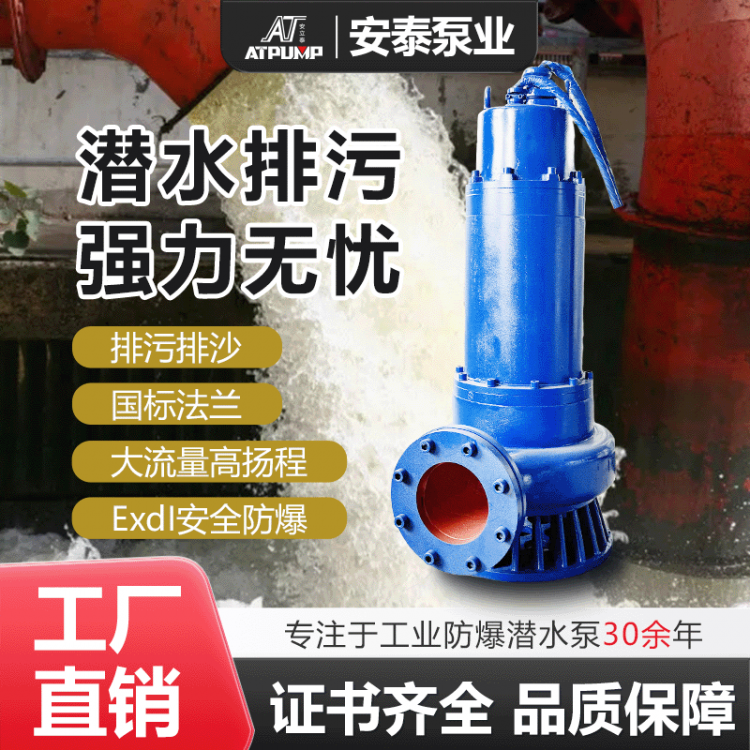
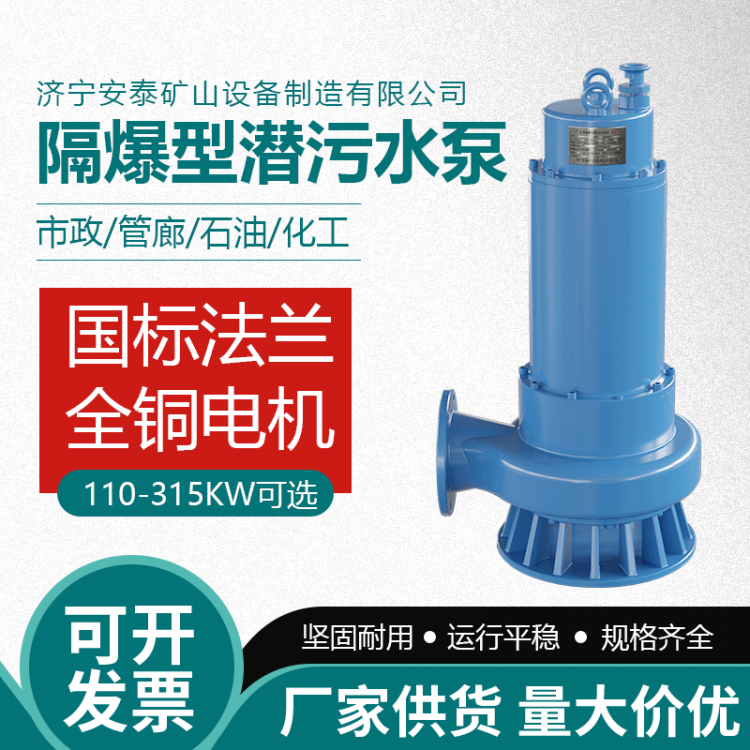
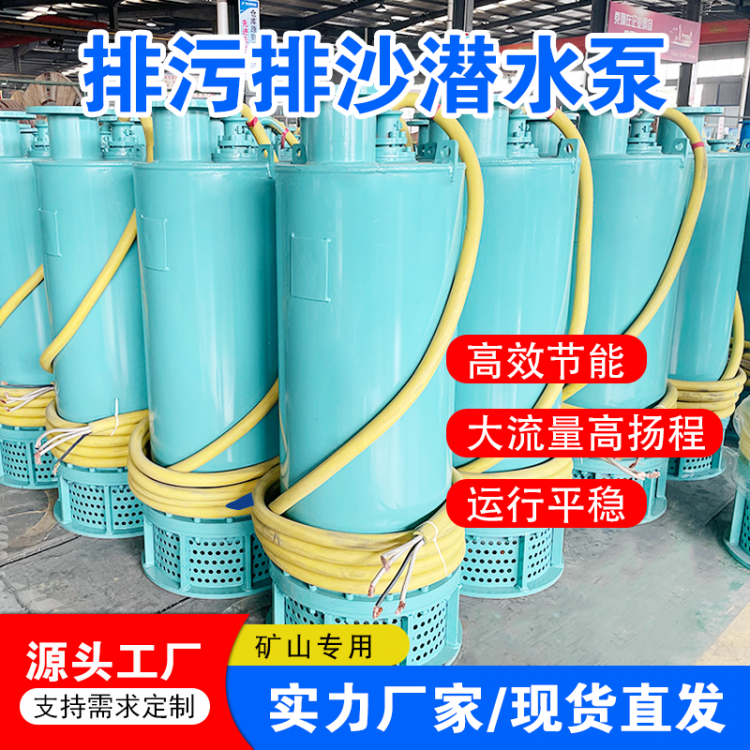
- Verify that the pump nameplate parameters (voltage, power, explosion-proof grade, etc.) match the application scenario and ensure the equipment passes the national explosion-proof certification (e.g., Ex d I Mb).
- Check that all accessories such as cables, seals, and bolts are complete and undamaged, and that the explosion-proof joints are free of scratches or rust.
---
### **II. Key Points During Installation**
1. Power and Cable Processing
- Utilize explosion-proof cables with a sheath that is resistant to tensile forces, abrasion, and corrosion.
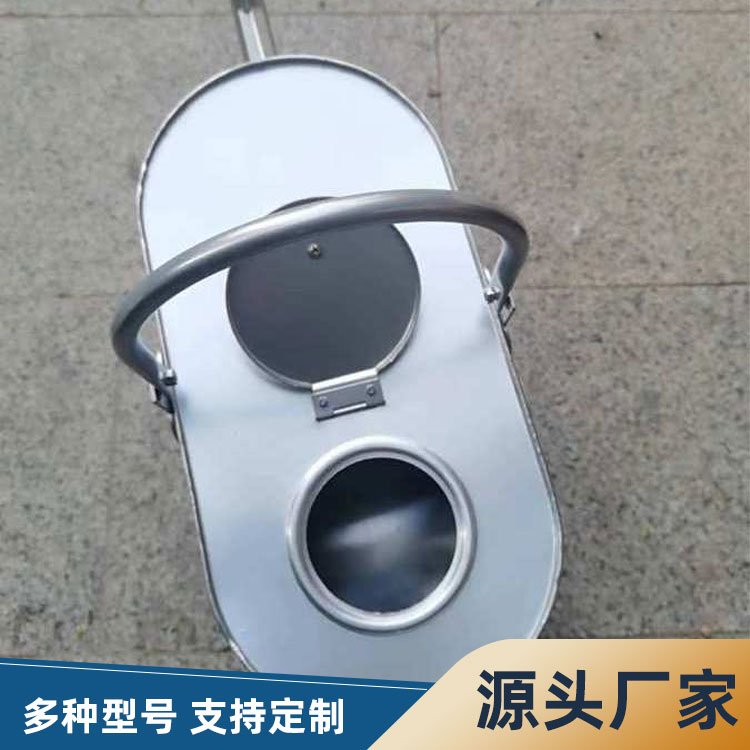
Cable connections must be completed through a ** explosion-proof junction box ** to ensure the joints are sealed tightly, preventing the infiltration of moisture or gas.
- The grounding wire must be connected separately to a reliable grounding device, with a grounding resistance ≤ 4Ω to avoid the risk of leakage.
2. **Pump Mounting and Sealing**
- Vertical lifting of pump with stainless steel chains or corrosion-resistant slings, incline angle ≤ 3° to prevent impeller eccentric wear.
- The outlet and pipe connection is sealed with a ** explosion-proof flange + rubber gasket**, bolts are evenly and symmetrically tightened to prevent leakage.
- Install a **clog-resistant filter** (pore size ≤ particle diameter allowed by pump) at the water inlet, and perform regular cleaning and maintenance.