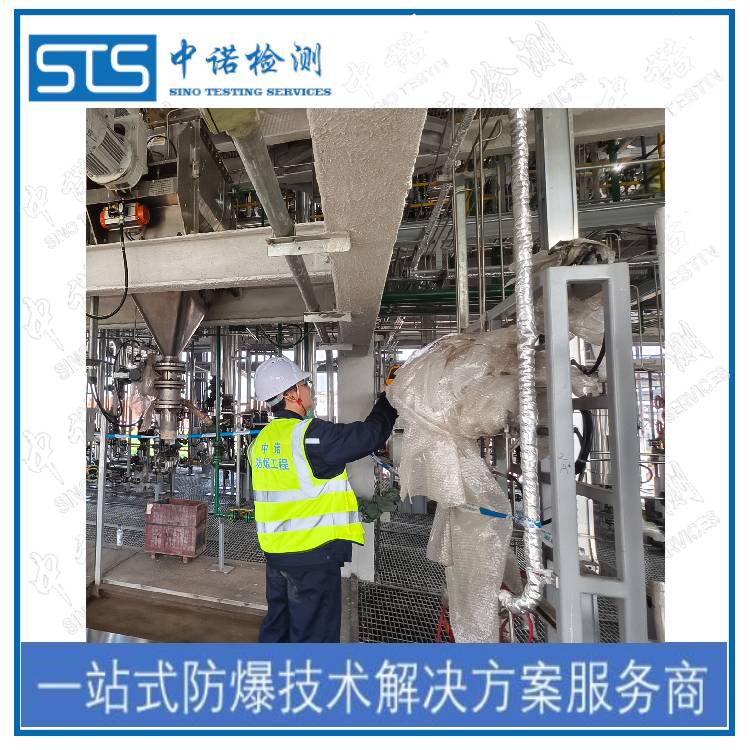

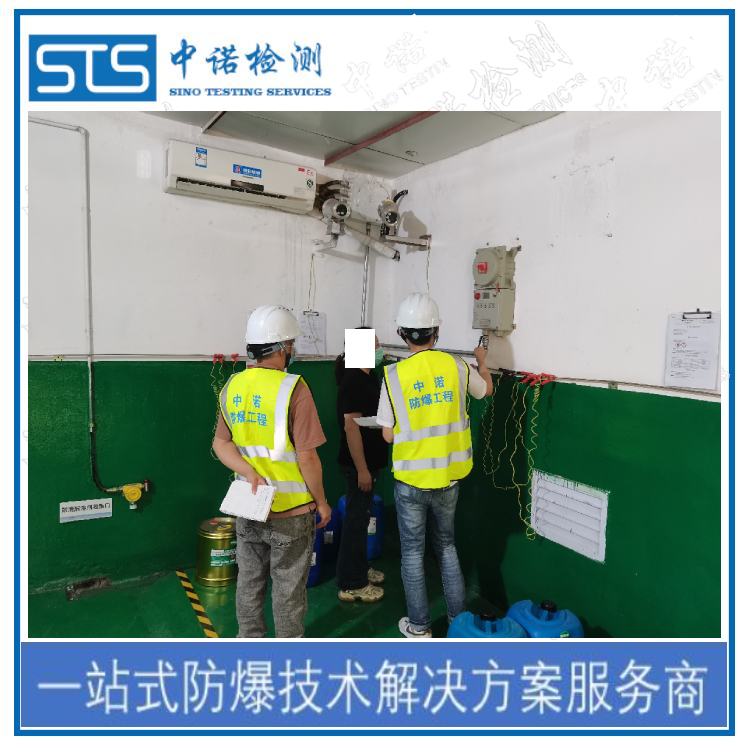
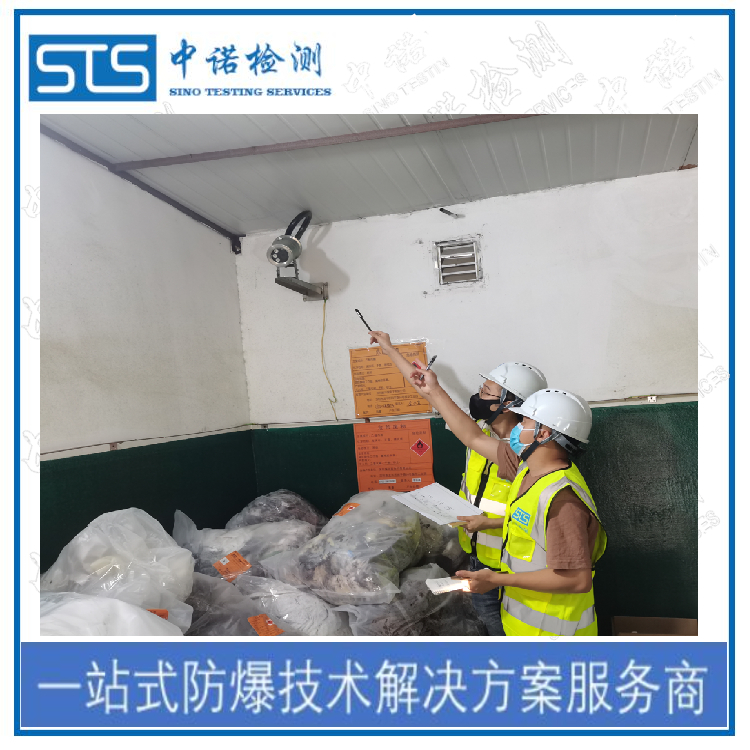



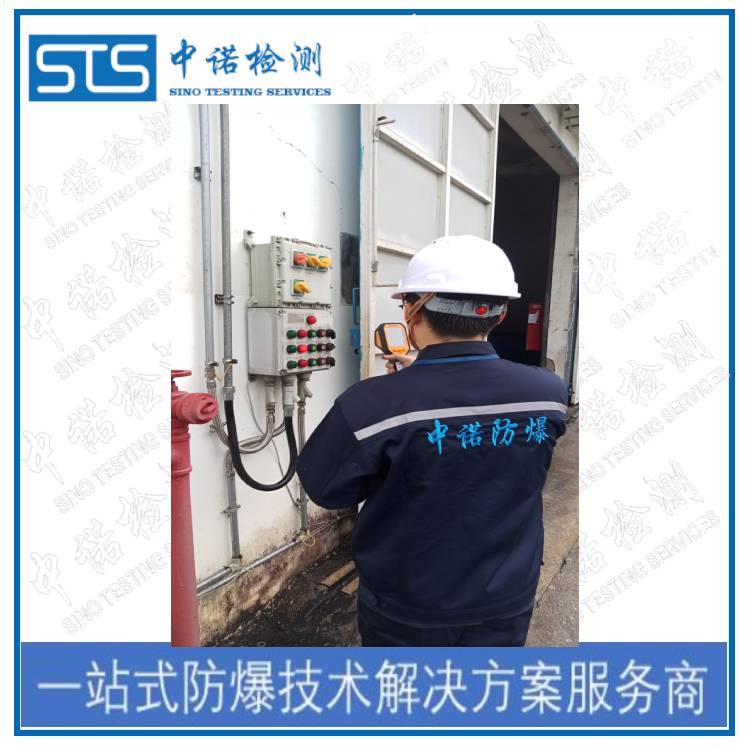








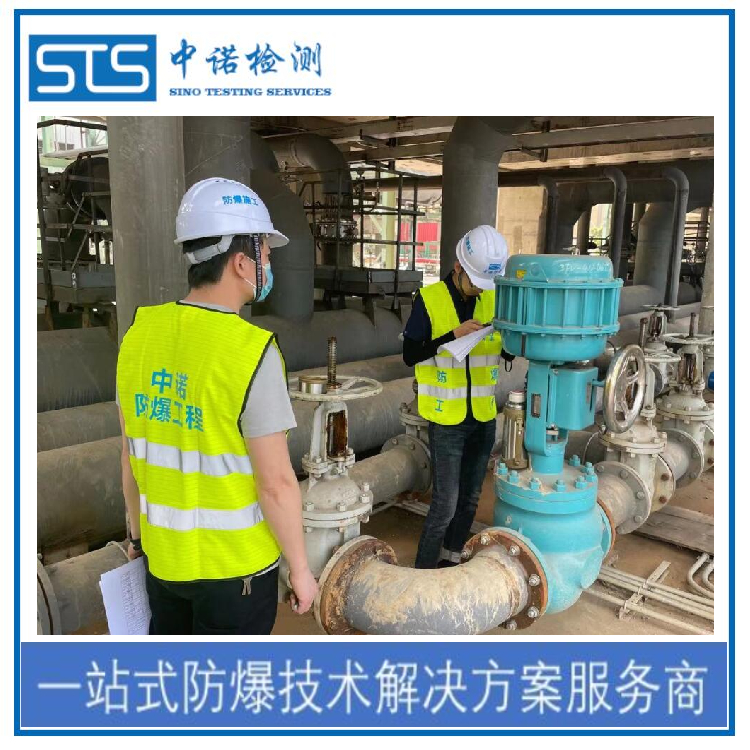
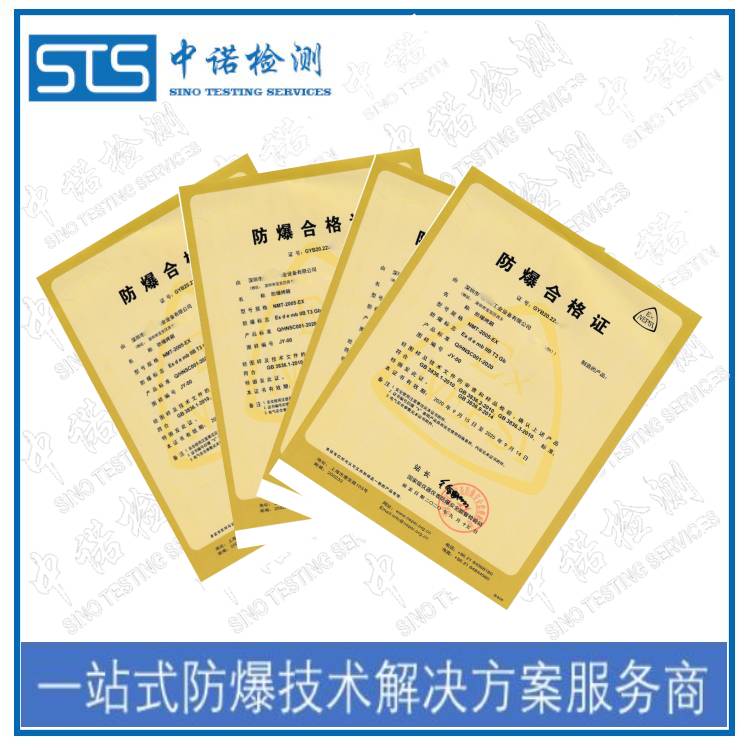
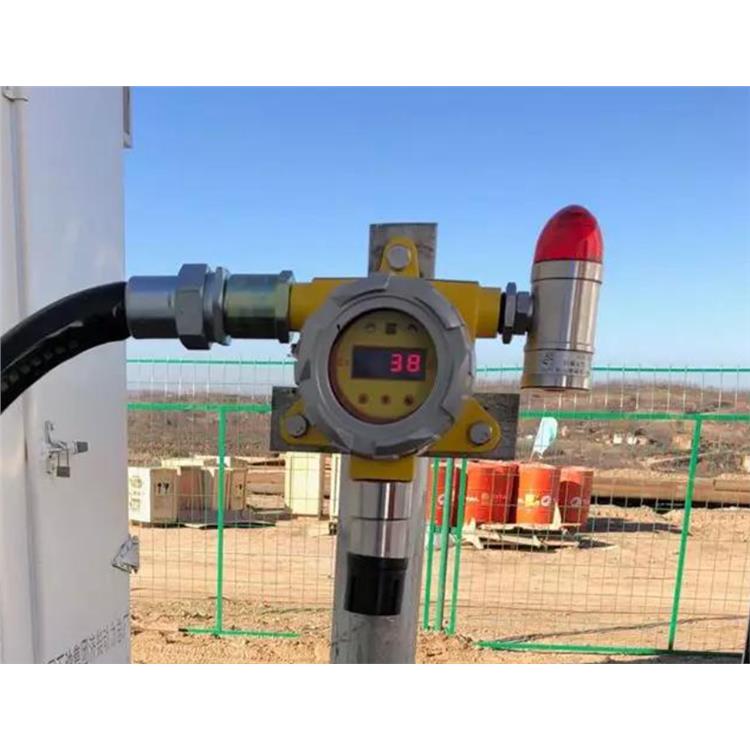
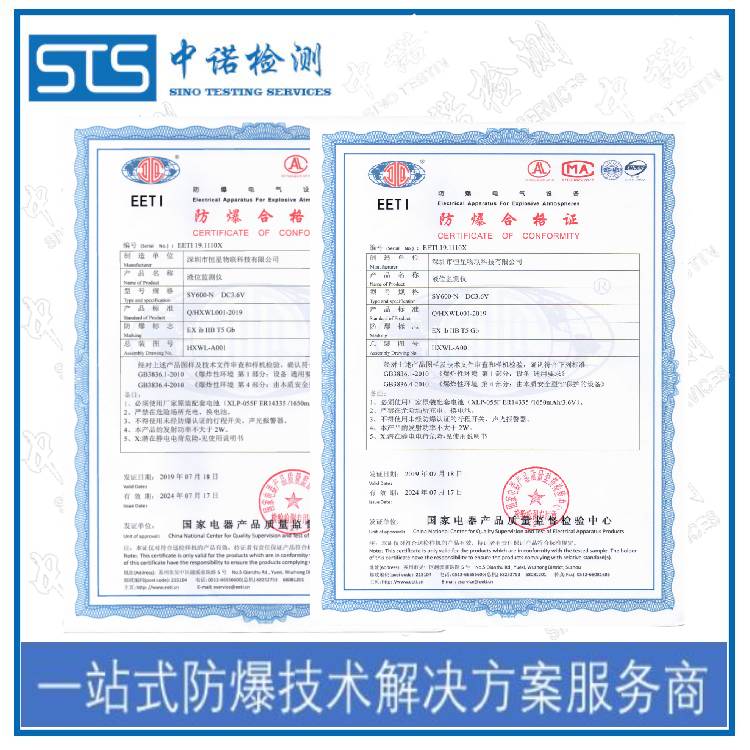
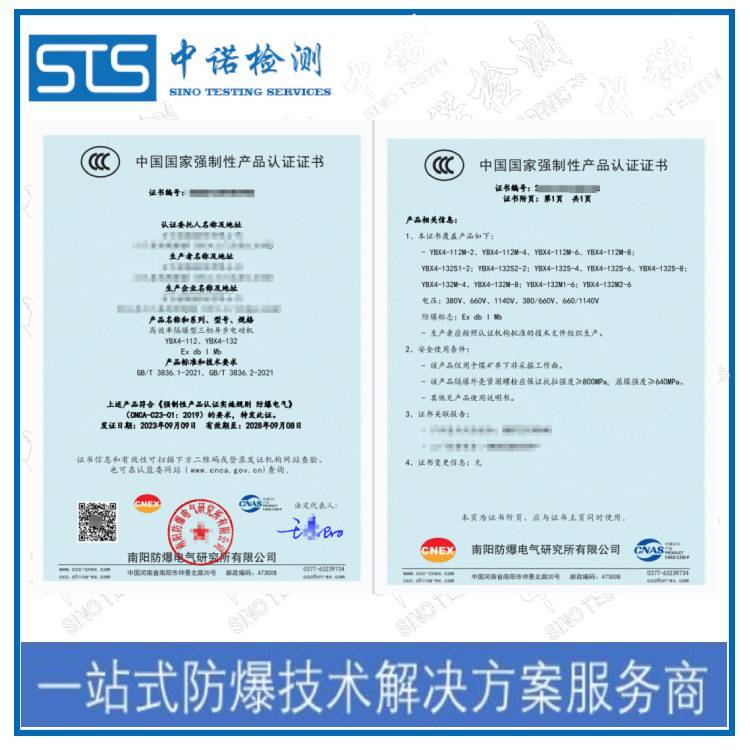

Shenzhen ZhongNuo Inspection & Technology Co., Ltd. offers on-site explosion-proof electrical inspection, explosion-proof project acceptance services, and can provide explosion-proof rectification and construction services for items not meeting inspection standards.
Shenzhen Zhongnuo Testing Technology Co., Ltd. summarizes past experience in explosion-proof electrical inspections. The main items and contents of AQ3009 explosion-proof electrical inspection include:
In accordance with Section 7 of AQ3009-2007 "Safety Code for Electrical Explosion-Proof in Hazardous Areas" (effective as of January 1, 2008): Electrical equipment used in hazardous areas must undergo initial and periodic inspections. These inspections must be conducted by a qualified explosion-proof inspection agency, with intervals generally not exceeding 3 years. Enterprises should take corrective actions based on the inspection results and report the Report and the rectification status to the安全生产监督管理 department.
The "AQ 3009-2007 Electrical Safety and Explosion-proof Regulations for Hazardous Areas" serves as a Chinese industry standard, with the preface clearly stating that Chapters 4, 5, 6, and 7 are mandatory and must be strictly enforced. Therefore, similar safety regulations are part of the legal and regulatory framework and must be strictly enforced!
Shenzhen ZhongNuo Inspection Technology Co., Ltd. summarizes the experience from previous explosion-proof electrical inspections, common non-conformities found during on-site explosion-proof electrical inspections:
Currently, our country's hazardous chemical production enterprises often experience frequent accidents, thus necessitating a high level of emphasis on safety production inspections. We should gradually explore the safety performance of products and equipment involving personal safety, gradually forming a significant role in safety production inspections. Now, safety inspections can provide technical support to hazardous chemical enterprises, especially the electrical explosion-proof safety inspections, which should be widely promoted, continuously guiding and serving the enterprises' safety production.
1. Improper design within the hazardous area
Many businesses are constrained by their company history, and at the same time, their production materials are continuously evolving, which makes the demarcation of hazardous areas less orderly and somewhat chaotic. The layout of equipment and facilities does not meet explosion-proof requirements.
2. Understanding of explosion-proof knowledge is relatively weak.
In many hazardous chemical enterprises, there is a lack of distinction between electrical explosion-proof safety inspections and fire protection electrical and building electrical inspections. In aspects such as temporary electrical use, firework operations, equipment replacement, and electrical management systems, the practices are highly irregular.
3. Improper installation of explosion-proof electrical equipment
Although many companies now have explosion-proof features in electrical equipment, there are still many issues with installation, such as direct wiring connections, missing explosion-proof face screws, and using PVC pipes for wiring through incoming and outgoing pipelines. Additionally, the installation of switches and outlets, wiring terminals, power and lighting distribution boxes, grounding systems, and electrical wiring systems is not very reasonable, with many safety concerns.
4. Explosion-proof electrical wiring routing does not meet specifications
In explosive environments, many companies currently do not pay enough attention to explosion-proof electrical wiring, fail to correctly understand the technical parameters of hazardous materials in dangerous areas, and often install wiring arbitrarily.
5. Inadequate grounding of explosion-proof electrical equipment
For explosion-proof electrical equipment grounding, there are mainly internal neutral grounding, housing protective grounding, and static-dissipative grounding. The grounding of uncharged metal housing is often poorly done, with frequent occurrences of grounding wires being connected to material pipelines.
6. Lacking comprehensive overall planning for explosion-proof zones in the selection of power distribution and control rooms.
Many control rooms and operation rooms are located within explosion-proof zones but lack adequate explosion-proof measures.
7. Inadequate explosion-proof selection and requirements for explosion-proof electrical equipment
In electrical explosion-proof equipment, there is no distinction between environments with combustible dust and those with explosive gases; they are used interchangeably. In different hazardous areas, there are specific electrical explosion-proof regulations, markings, and types, along with varying levels and temperature classes. However, many enterprises mix and match explosion-proof electrical equipment without distinguishing these differences.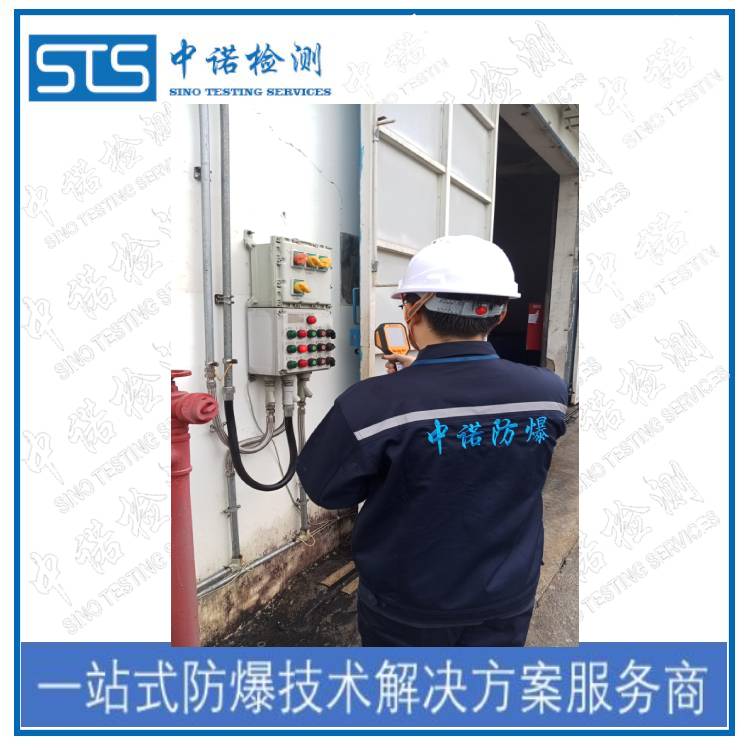
Shenzhen Zhongnuo Inspection Technology Co., Ltd. summarizes the experience from previous explosion-proof electrical inspections and lists the following common non-compliance items observed during on-site inspections for reference.
Common phenomena include:
1. Corrosion and damage to explosion-proof casings. The protective casings of explosion-proof electrical equipment suffer damage due to corrosion from surrounding media, leading to rusting through the casing and structural degradation, thus losing their original strength and rendering the explosion-proof electrical equipment ineffective in preventing explosions.
2. Explosion-proof protective casing subjected to electrochemical corrosion and damage. The metallic casing becomes electrically charged in situations like electrical leakage or potential drift, and when this charged metal contacts the air medium, it acts like a battery, causing corrosion of the metallic casing. This leads to the loss of the electrical appliance's explosion-proof capability.
3. Damage due to external forces and mechanical impacts. Includes damage to the protective casing caused by collisions with other equipment or machinery on the work site, as well as casing damage resulting from excessive force during installation.
4. Shell damage due to overtemperature, caused by material structural shrinkage deformation due to climate adaptation issues in cold regions, leading to shell cracking and subsequent protective shell damage.
5. Damage due to improper installation. Damage, loss, and failure of protective functions caused by not following the installation requirements during the installation of explosion-proof electrical equipment.
6. Inadequate sealing, including the improper handling of sealing materials during installation and maintenance, loose fitting of sealing surfaces, damaged sealing components, and unsuitable or missing fastening elements, result in inadequate or weak explosion-proof performance.
7. Explosion-proof electrical equipment quality issues: Inadequate material for explosion-proof housing and unreasonable structural design result in insufficient load-bearing capacity; internal wiring facilities are prone to loosen, and an irrational internal circuit can easily cause sparks or overheating; unreasonable mechanical structure components, excessive equipment temperature, and internal water accumulation may lead to malfunctions in explosion-proof electrical equipment.
8. Due to actual changes in hazardous areas caused by changes in production facilities, the electrical equipment in the area has not been promptly updated to explosion-proof equipment.
9. Incorrect selection of explosion-proof electrical equipment; intrinsic safety electrical equipment used with non-intrinsic safety voltage, and increased safety enclosures used for lighting, heating, and other circuit equipment.
As an end-user of explosion-proof electrical equipment, it is necessary to conduct regular explosion-proof inspections even when explosion-proof electrical equipment is installed and used in explosive hazard areas. This is both a requirement of various departments and a high level of attention to personnel and property safety.
We understand that places involving explosive gases and dust need regular explosion-proof electrical inspections. What exactly is checked during these inspections?
Electrical Explosion-Proof Safety Inspections for Hazardous Areas
1. Model Inspection
In strict accordance with relevant laws, the explosion-proof markings on explosion-proof electrical equipment must be standardized, and the equipment must pass the corresponding explosion-proof standard inspections and be deemed qualified before implementation. It is necessary to design the appropriate explosion-proof type, level, and temperature class for electrical equipment based on the specific working environment.
2. Installation Inspection
During electrical equipment installation, any oversight can potentially lead to losses. For instance, if the ventilation and exhaust system is not properly installed and is not sufficiently unobstructed, or if the electrical equipment's casing has the potential to explode during operation, these are risks to be taken seriously. Therefore, meticulous attention must be given to the installation process, and it must be carried out according to relevant standards.
3. Line Check
Electrical equipment is often composed of a large number of interconnected wires, which can be particularly complex. If not properly connected, or if there are incorrect connections, or if the insulation of the wires peels off, it may lead to short circuits or overloads, resulting in arcs or sparks. Therefore, it is crucial to strengthen the inspection of circuit connections, especially the sealing of the wires, to ensure that the connections meet the required standards.
4. Grounding Inspection
Electrical equipment generates static electricity during operation. If there's an excessive amount of static, sparks may occur upon discharge. Therefore, proper grounding protection is essential to promptly dissipate static electricity and prevent explosions. Common grounding methods include working grounding, static grounding, and lightning protection grounding, etc. Engineers must select the appropriate grounding method based on the specific working environment and ensure the grounding is safe and secure.
Chemical companies must regularly maintain and inspect explosion-proof electrical and anti-static equipment in hazardous areas, ensuring they operate in a normal state at all times. For hazardous locations, electrical explosion-proof safety inspections should evolve with scientific development and keep pace with the times. Strengthen the discovery and invention of new inspection methods and means, continuously apply new knowledge and technology, as well as management methods, to prevent latent dangers and eliminate unsafe factors.
On-site Explosion-proof Electrical Equipment Regular Inspection Consulting Service - Shenzhen ZhongNuo Testing Technology Co., Ltd.
WeChat Official Account

Scan to follow Official Account