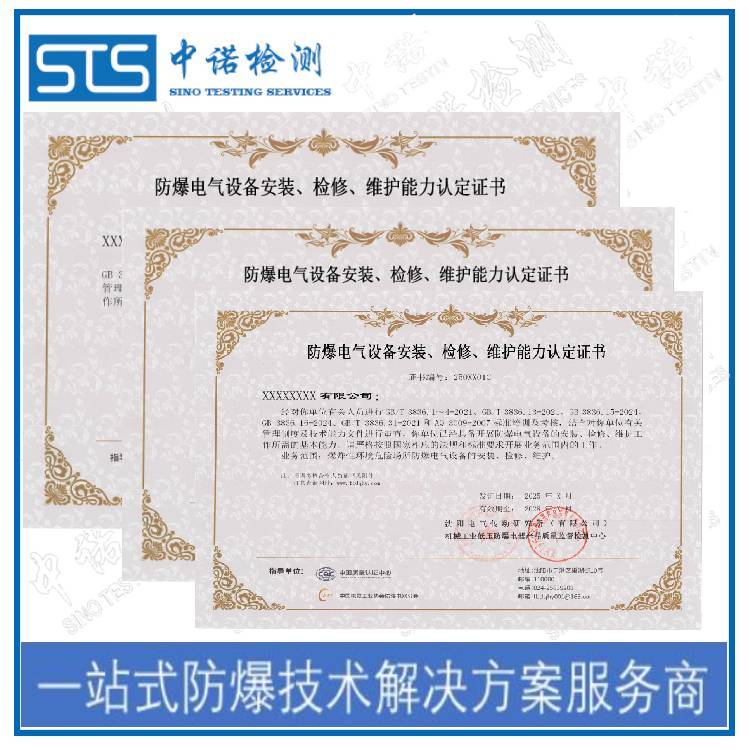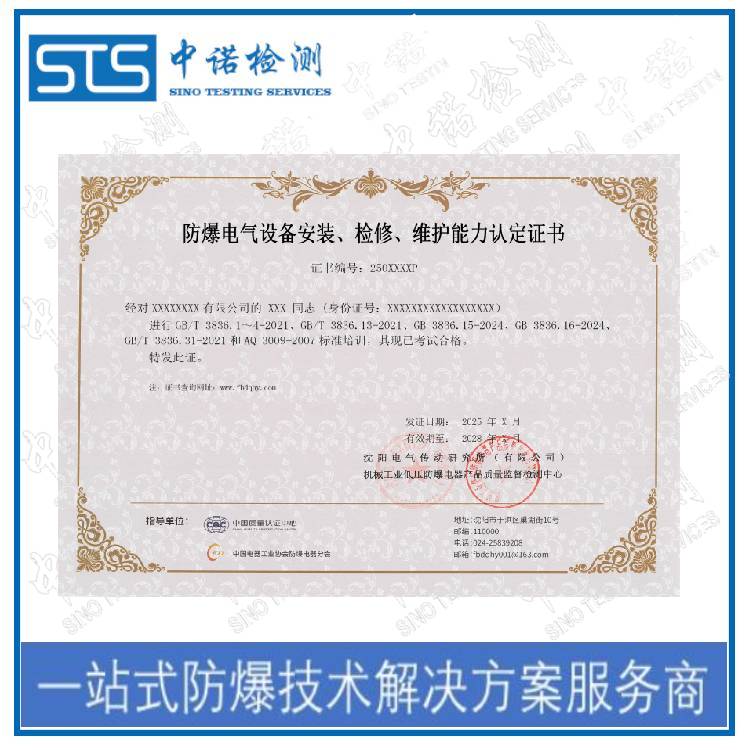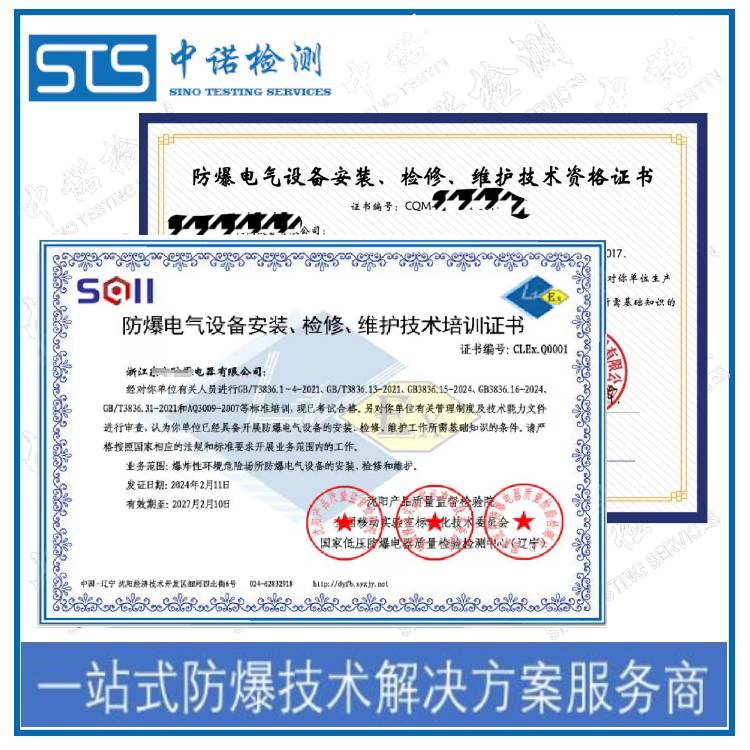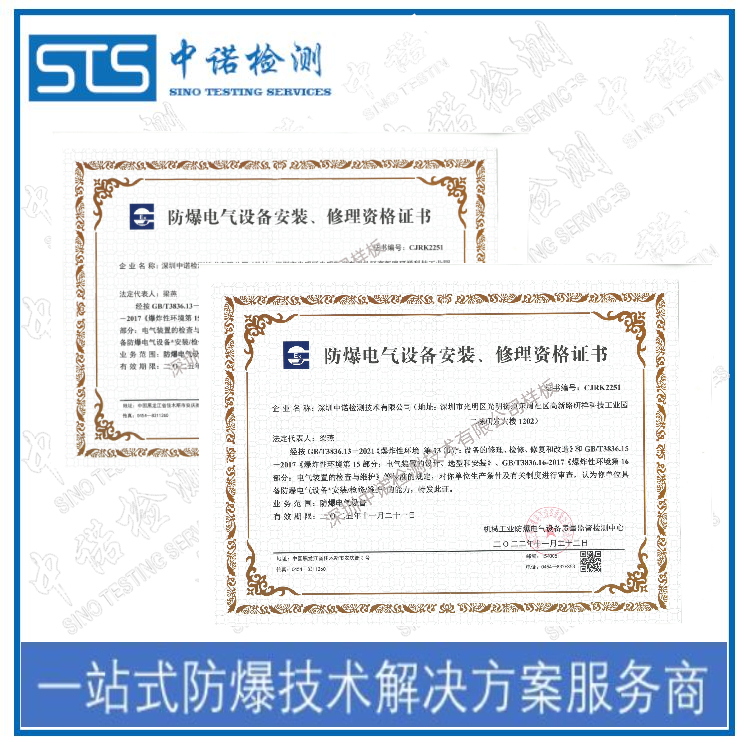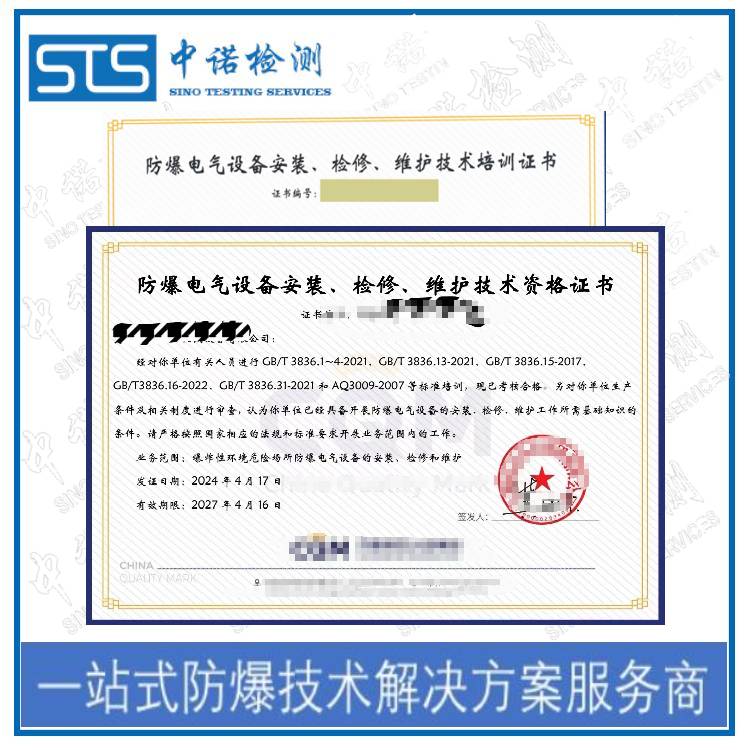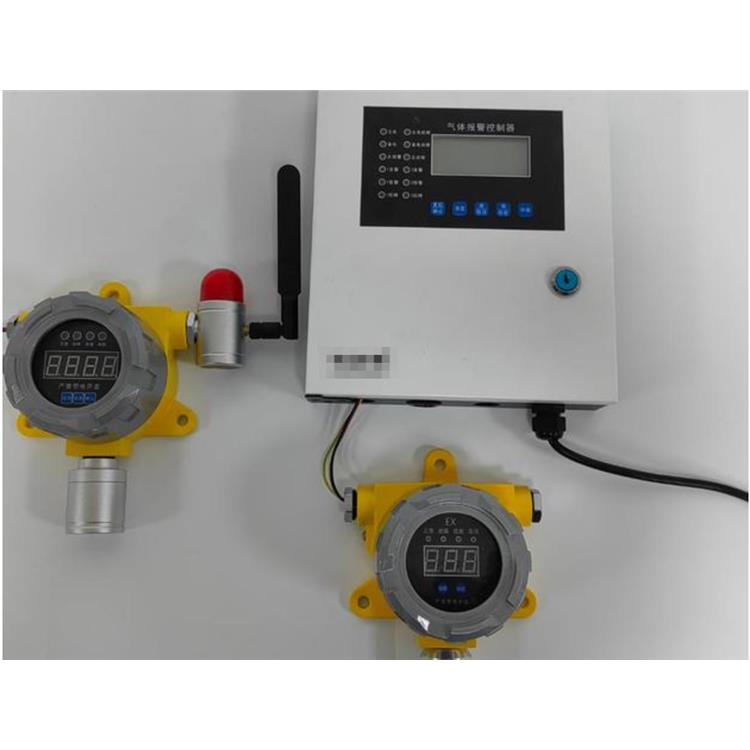

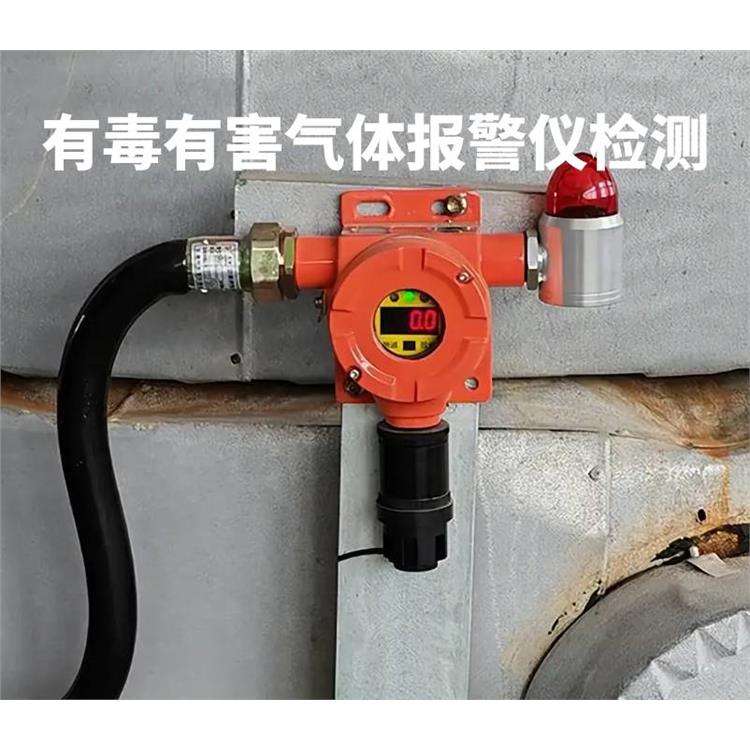
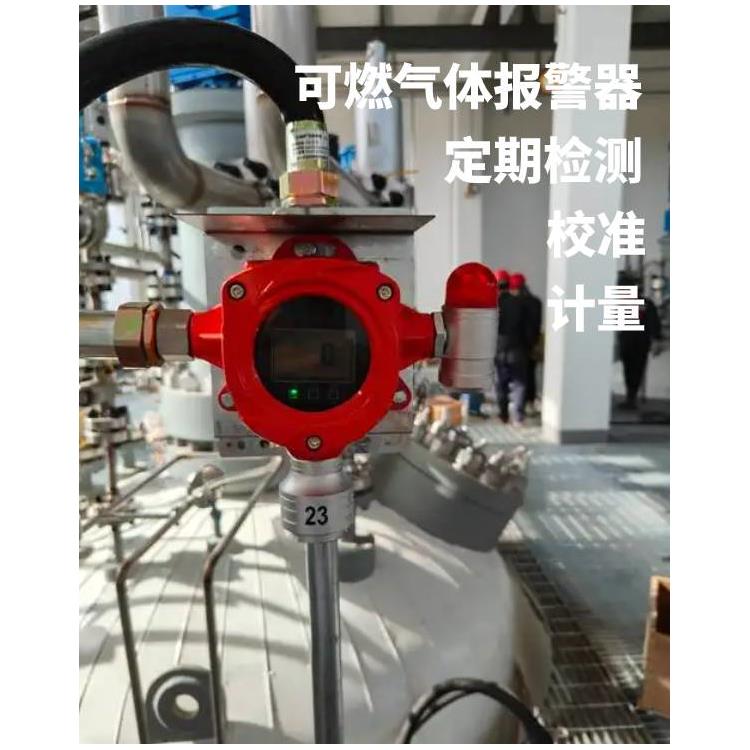


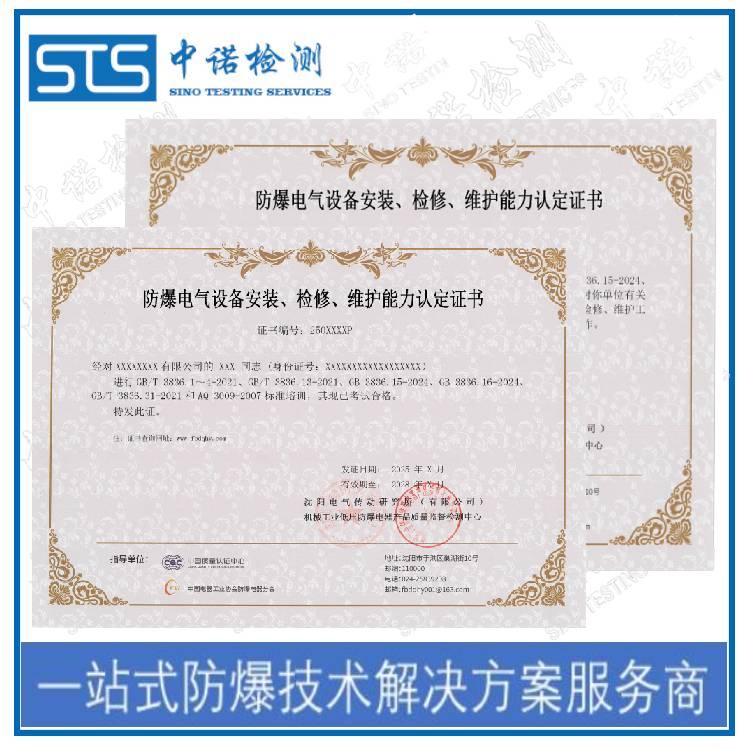
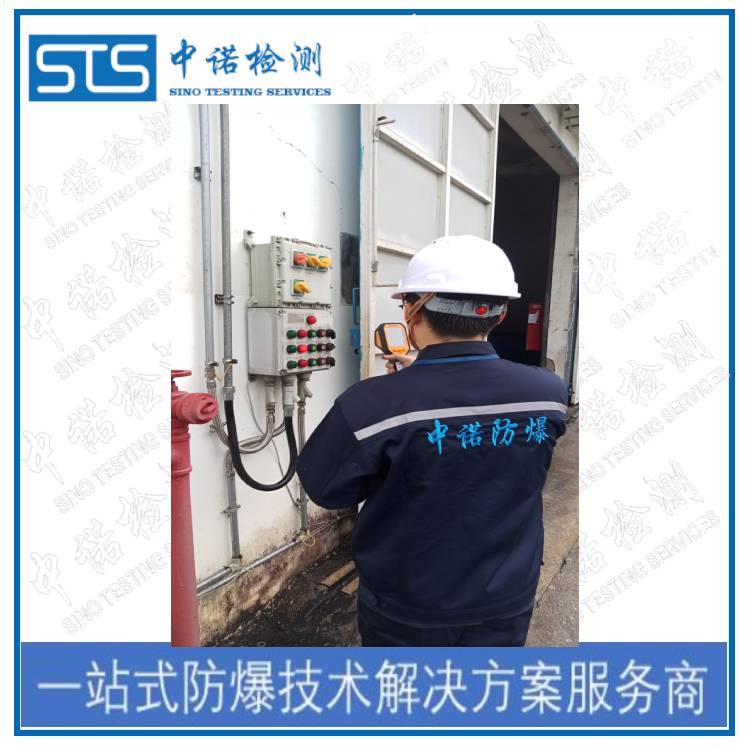
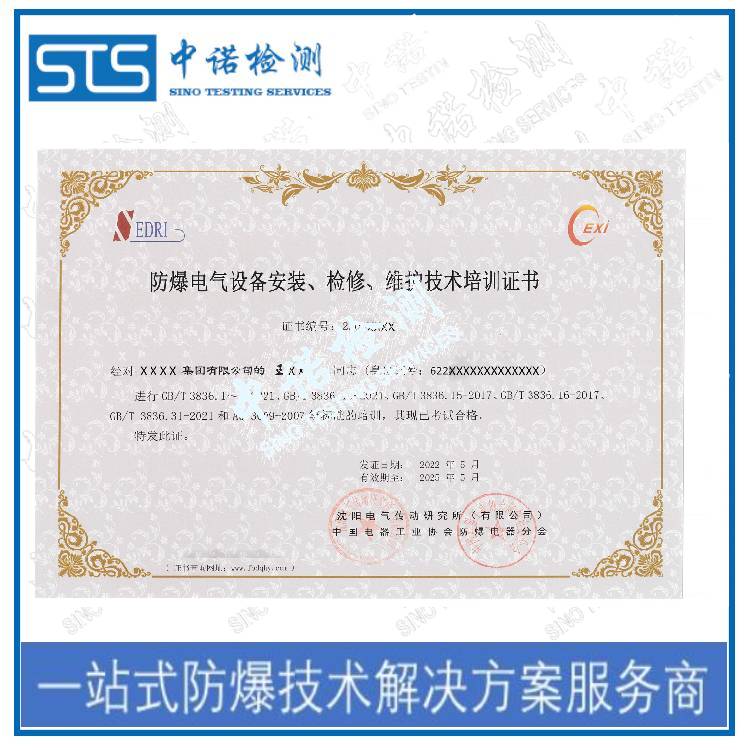
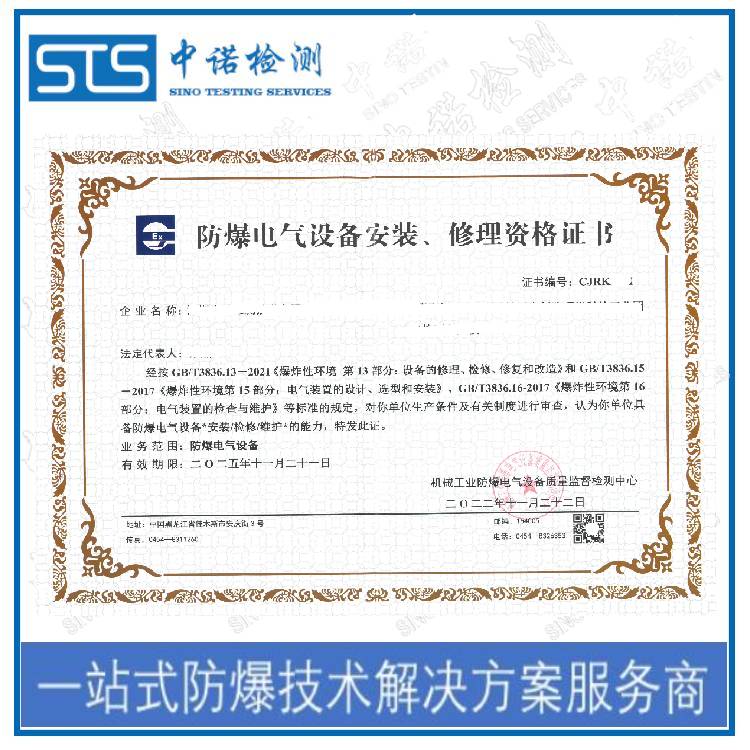
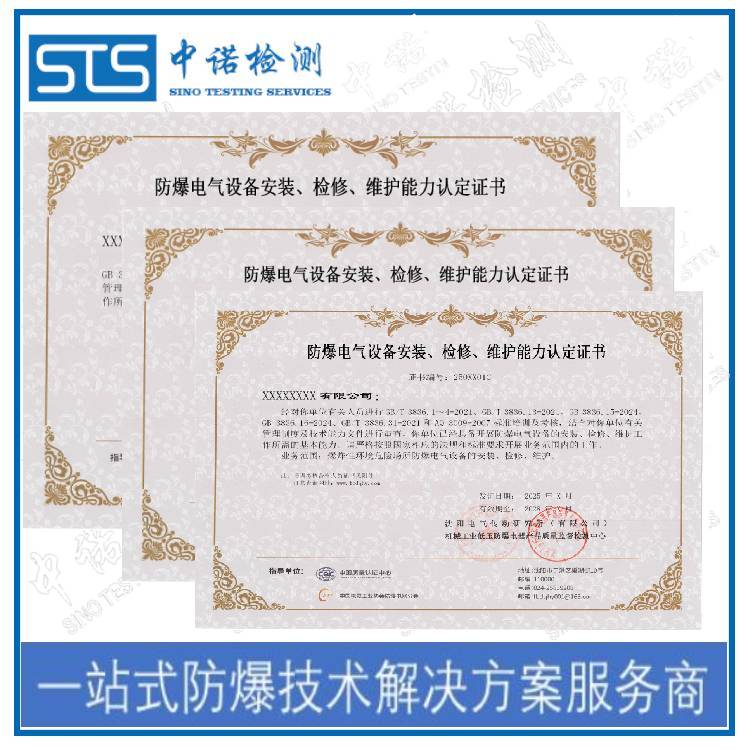





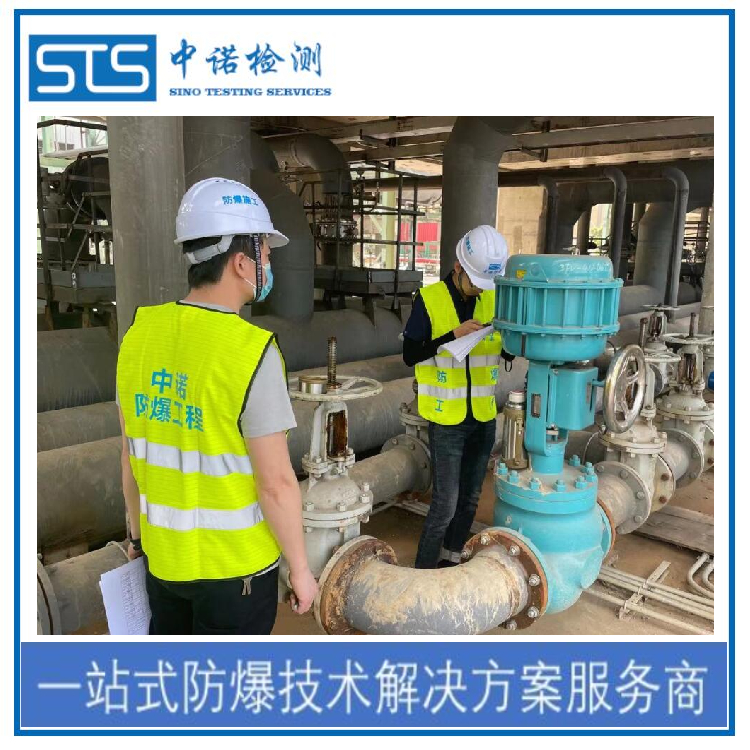
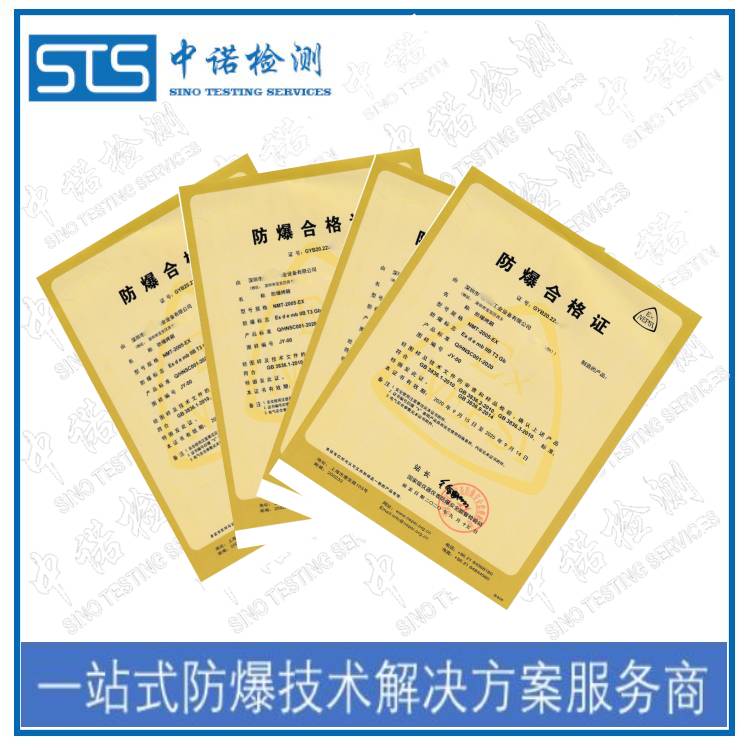
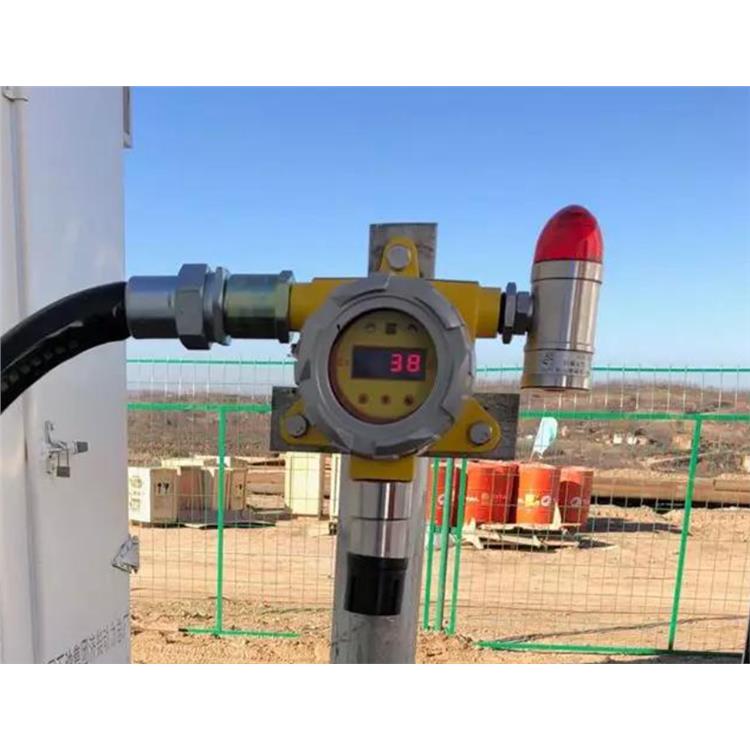
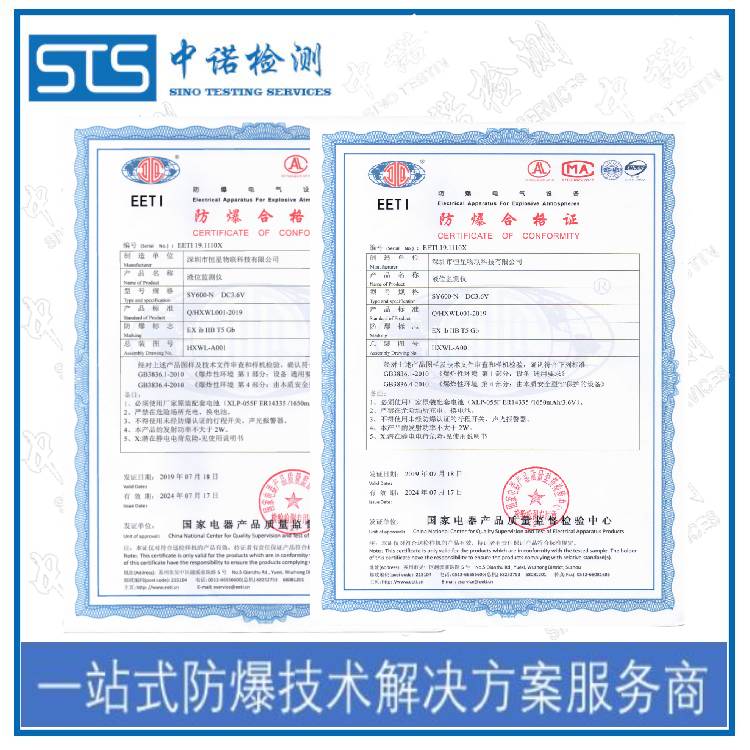
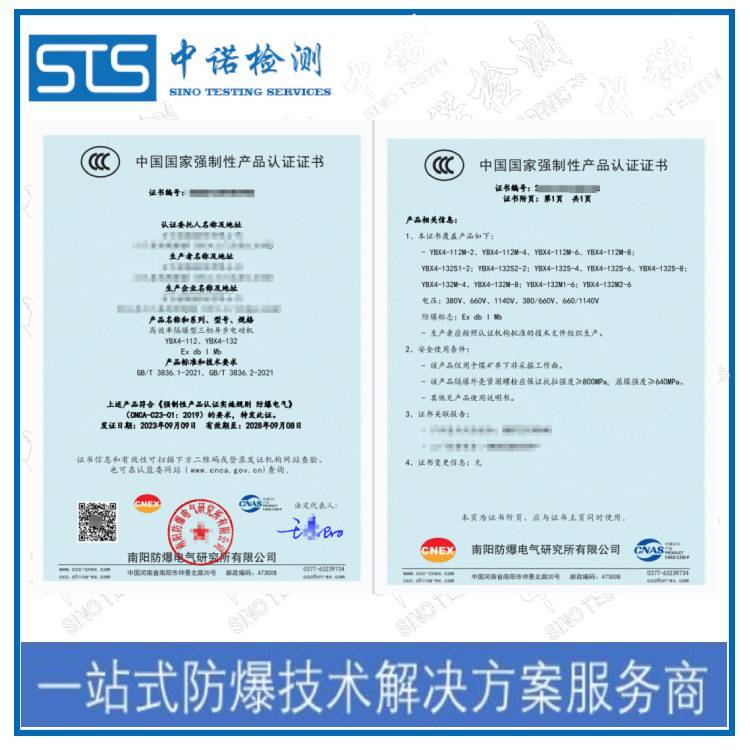
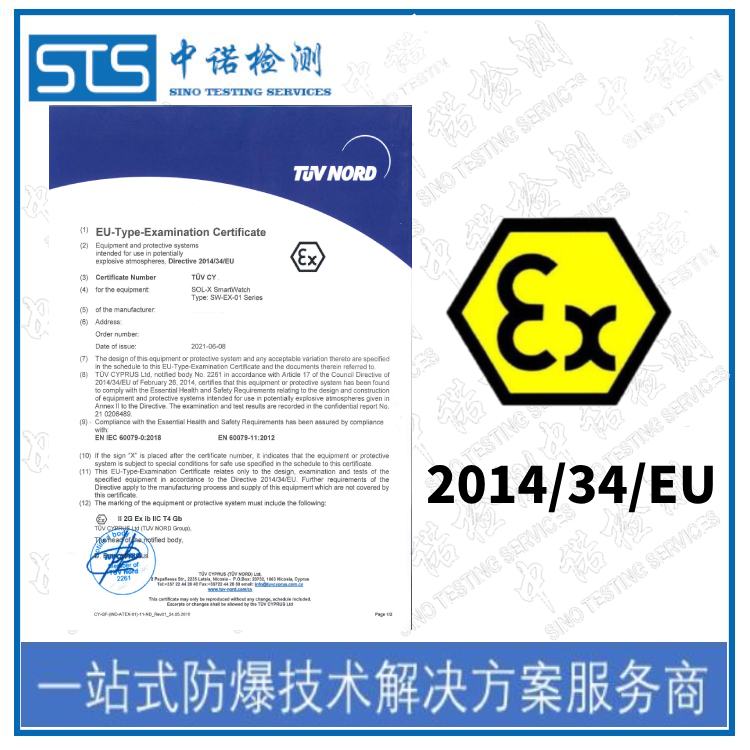
Shenzhen ZhongNuo Testing Technology Co., Ltd. specializes in the calibration, verification, and measurement services for gas alarms, combustible gas detectors, toxic and harmful gas detectors, and other equipment in various locations. We hold the necessary qualifications to serve nationwide, addressing clients' electrical safety and explosion-proof fire prevention issues, and contributing to safe production.
How often should various gas detectors be periodically calibrated and tested?
Instrument recalibration is typically every 1 year, determined by the submitting unit based on actual usage. During the secondary calibration process, if there are doubts about the instrument's test data, or if the main components of the instrument are replaced, or if recalibration is required after repairs.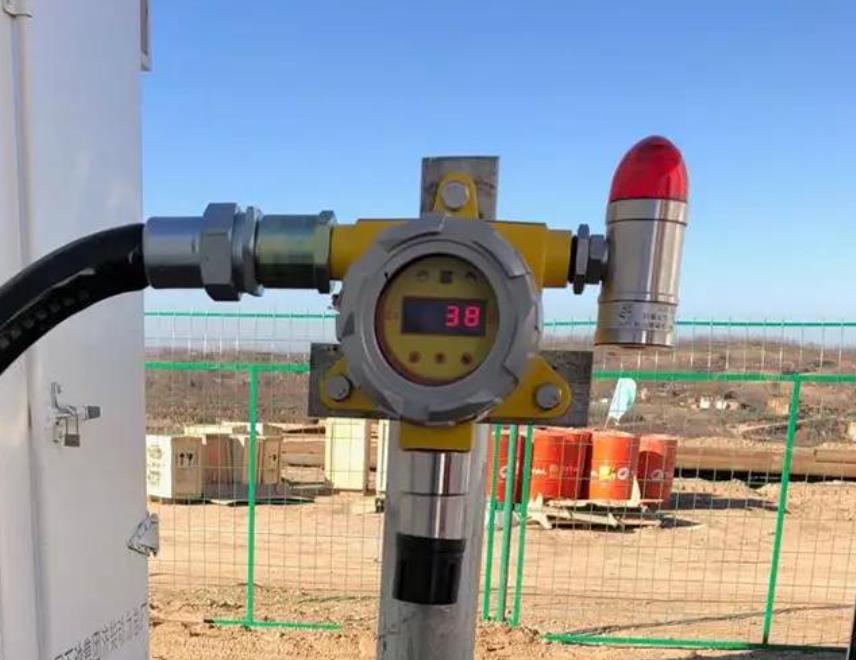
Gaseous Alarm Detector Calibration Conditions and Requirements
Environmental Conditions
Ambient Temperature: 0~40℃.
2. Relative Humidity: ≤85%
3. The working environment should not affect the normal operation of the instrument with electromagnetic fields and interfering gases.
Calibration Tools and Instruments
1) Certified Reference Materials for Gases
The relative expanded uncertainty of the gas standard material does not exceed 2% (k=2).
2) Standard Gas Dilution Unit: Dilution Error of 1%.
3) Stopwatch: Graduation not greater than 0.1s.
4) Flow Control: Flow range not less than 500 mL/min, flow grade not less than level 4.
5) Zero Point Gas: Purified compressed air.
6) Pressure Reducing Valve: A pressure reducing valve that matches with the calibrated cylinder.
7) Gas Pipeline: Tubing made of materials like polytetrafluoroethylene or stainless steel that do not affect the concentration of the measured gas.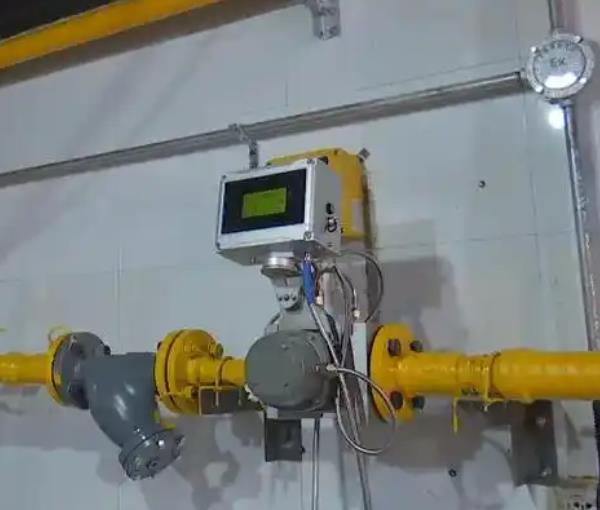
Gas alarm regular inspection content
Installation spacing of inspection (testing) points
2. Installation Height of the Detector
3. Indicated Error (Concentration)
4. Repetition (Concentration)
5. Alarm Error (Concentration)
6. Response Time (seconds)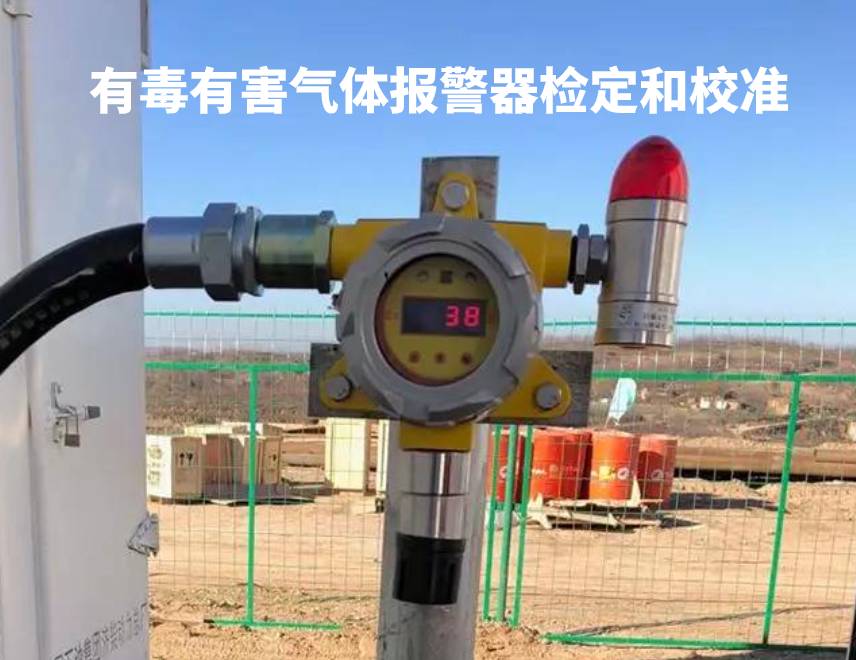
The detection principle of the instrument mainly includes catalytic combustion, infrared absorption, and thermal conductivity types. The sampling methods include diffusion and aspiration. The instrument is mainly composed of detection elements, amplification circuits, alarm systems, and displays, used for monitoring the concentration of combustible gases in the environment.
Shenzhen ZhongNuo Testing Technology Co., Ltd. is a third-party institution providing regular verification, measurement, and calibration services for electrical safety, electrical explosion-proofing, gas detectors, and toxic and harmful gas alarm instruments. We hold the necessary qualifications to address fire and explosion prevention issues for our clients.
WeChat Official Account

Scan to follow Official Account