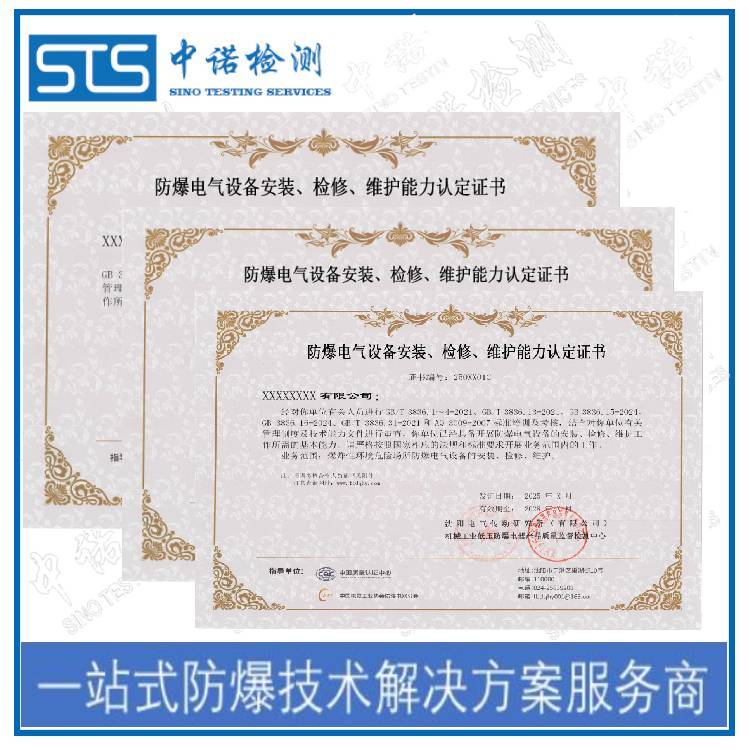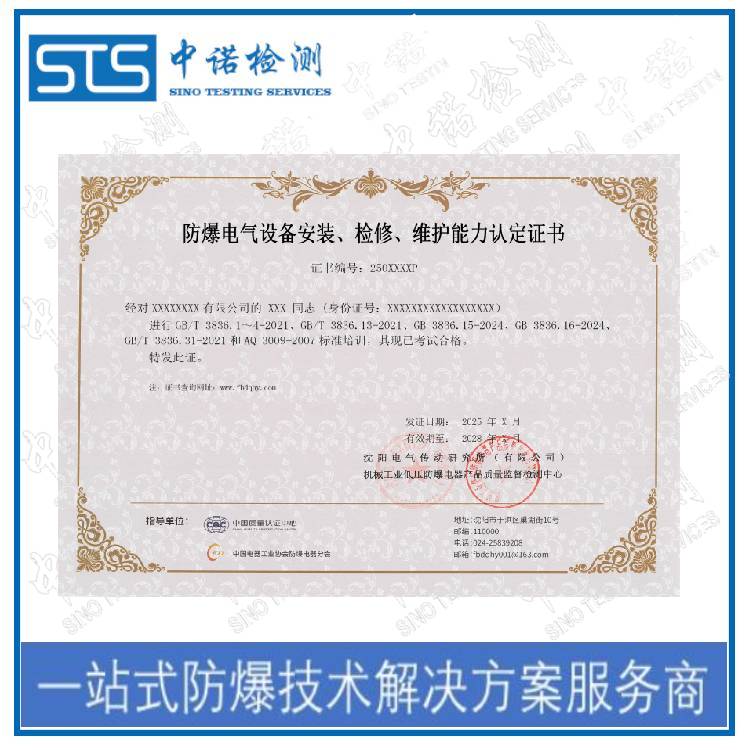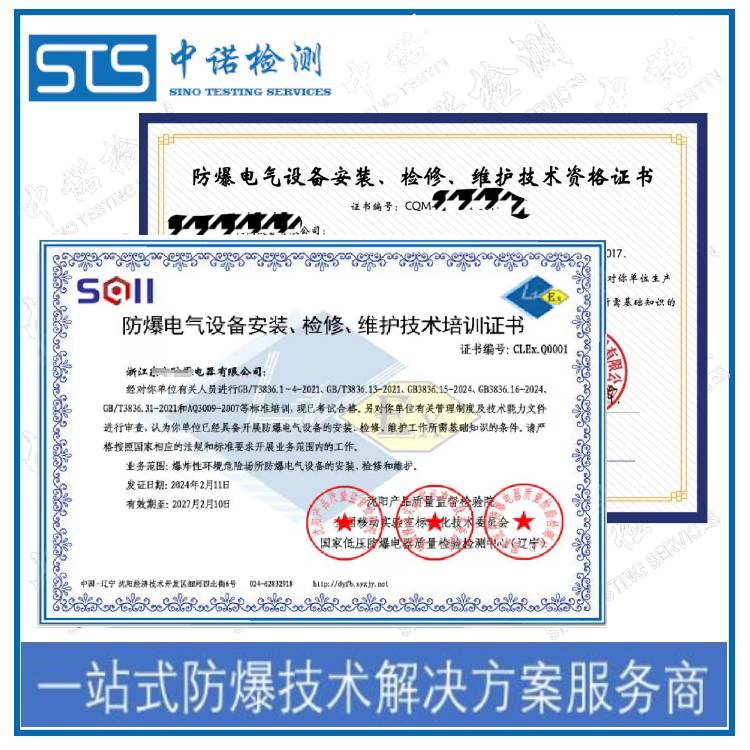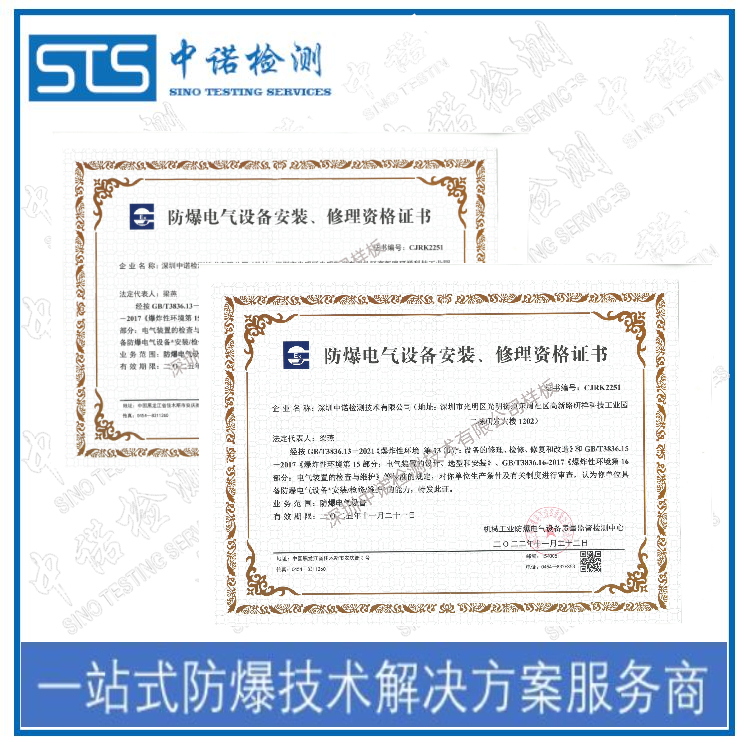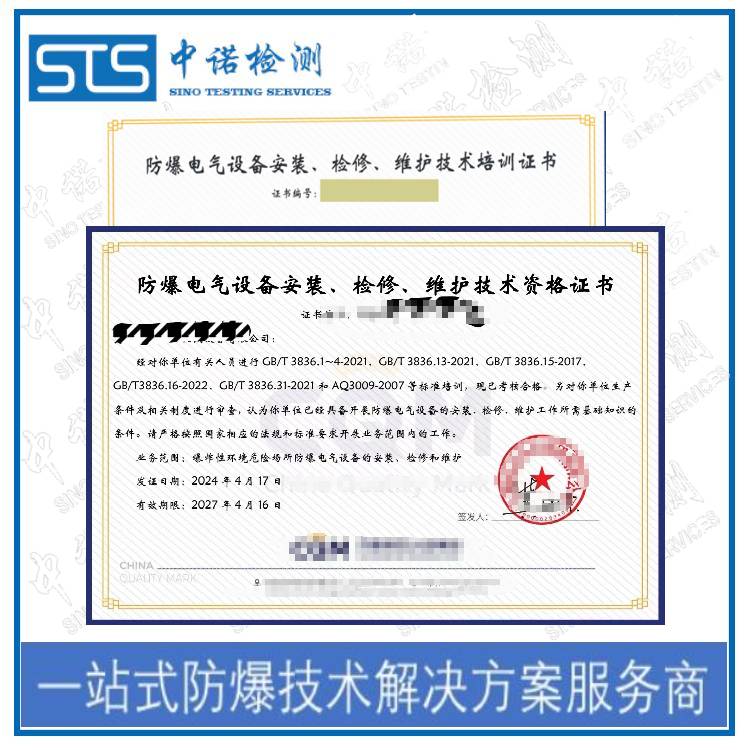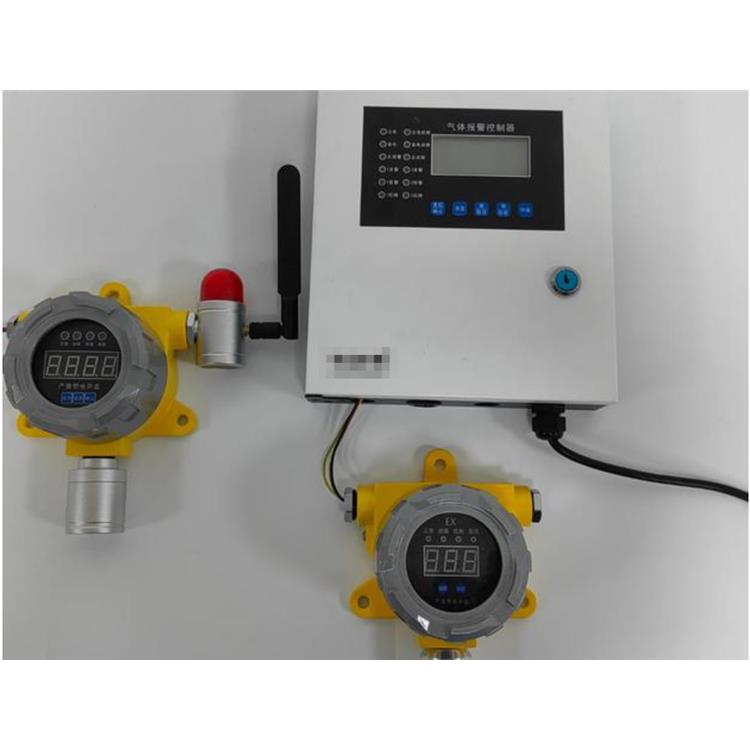

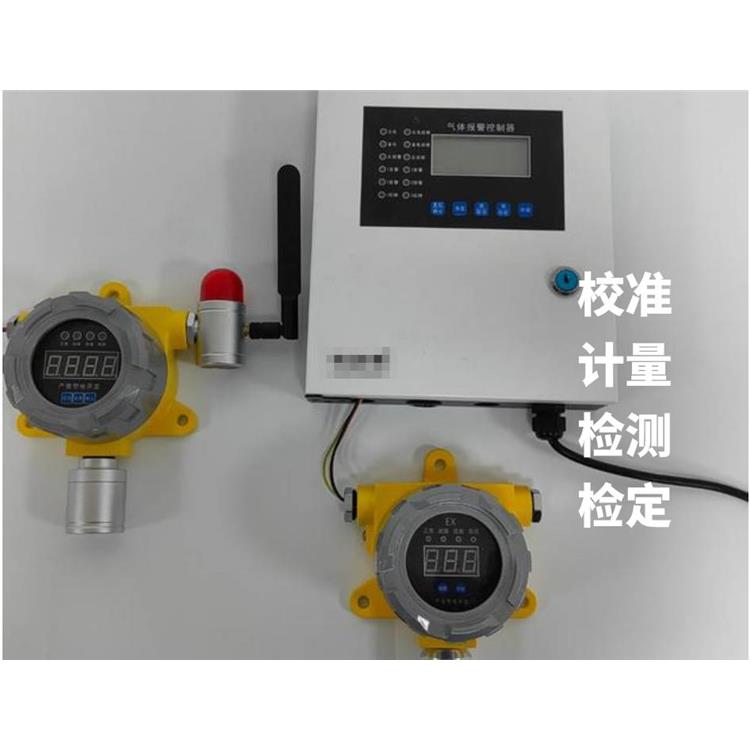
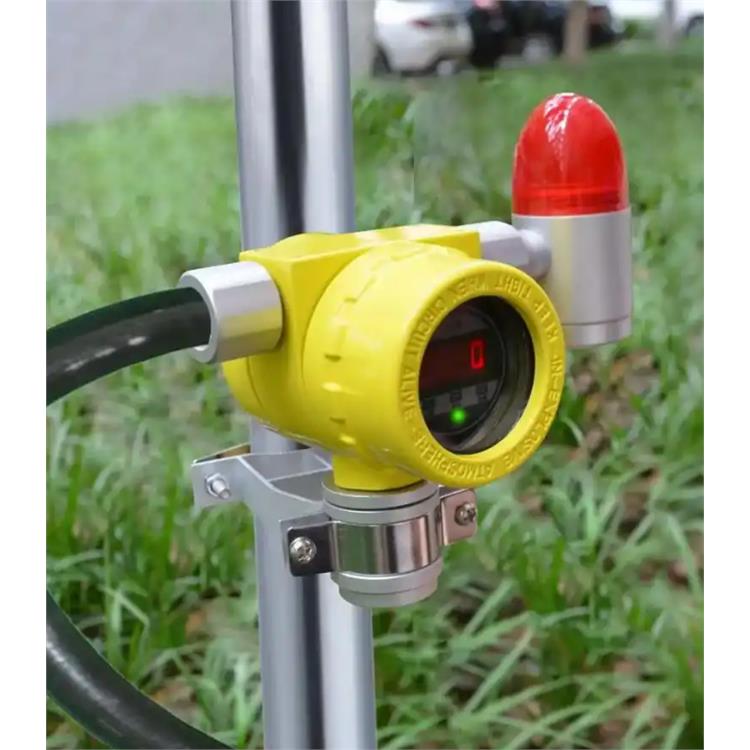


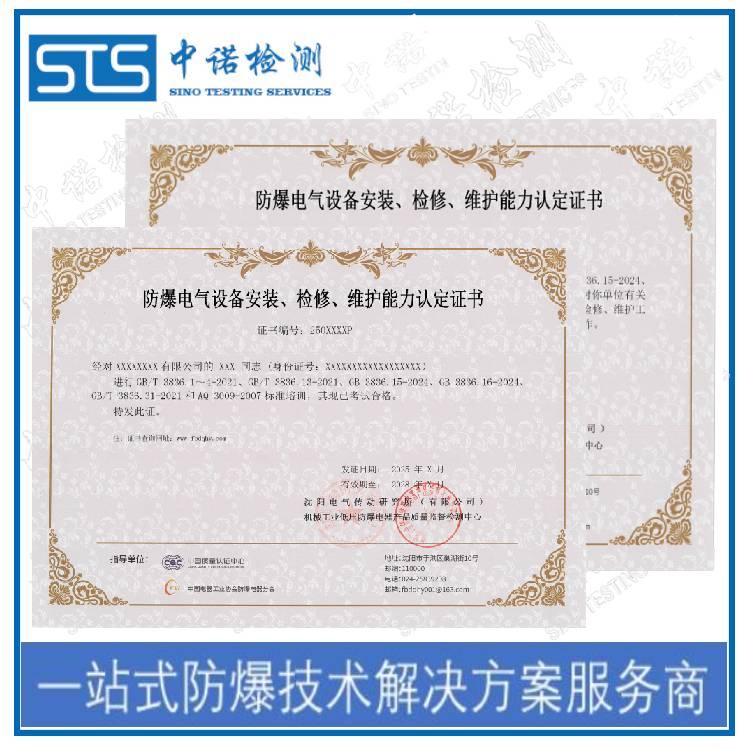
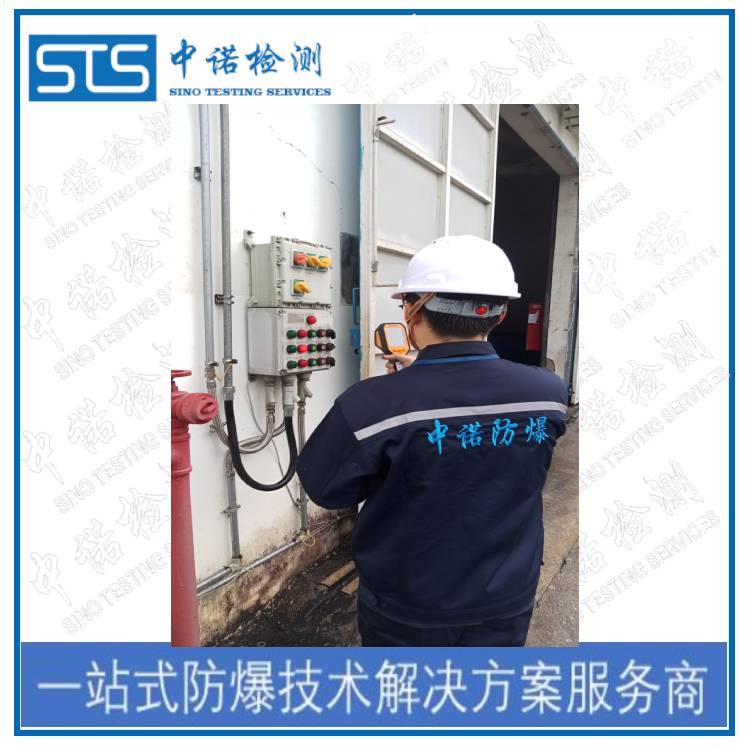
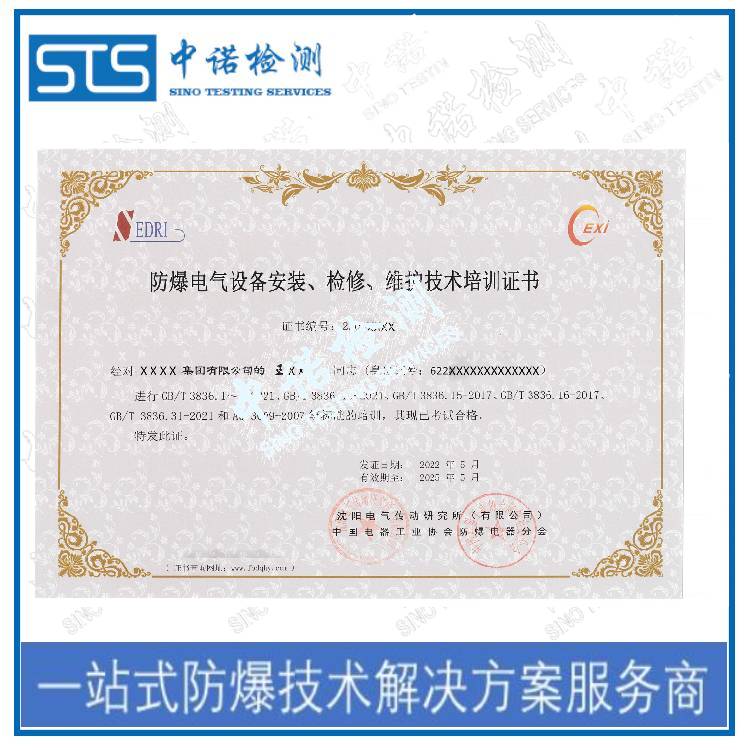
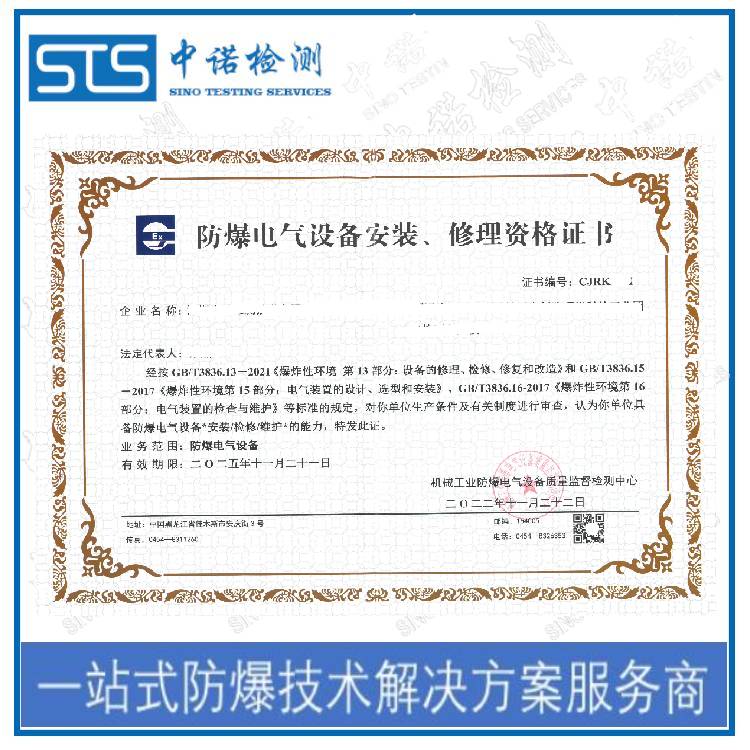
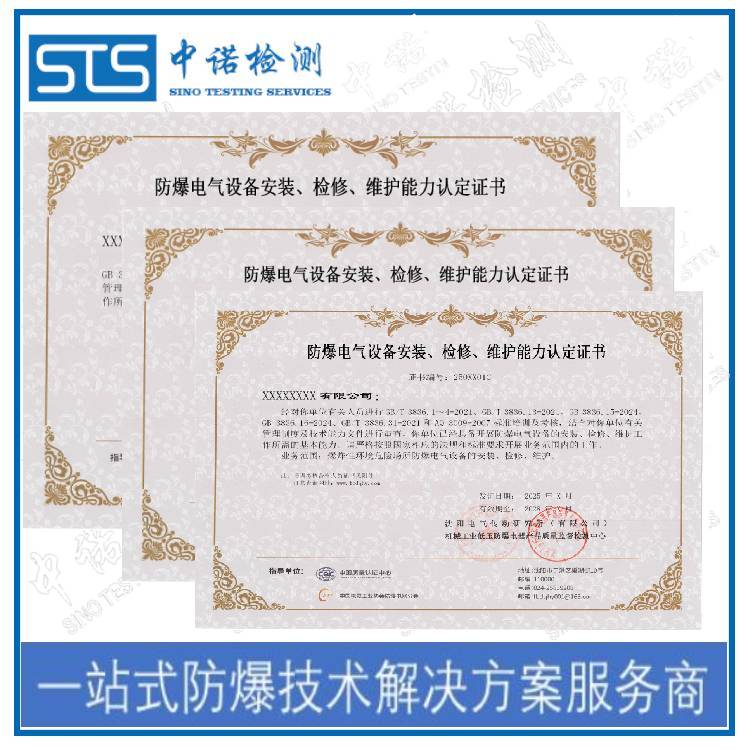





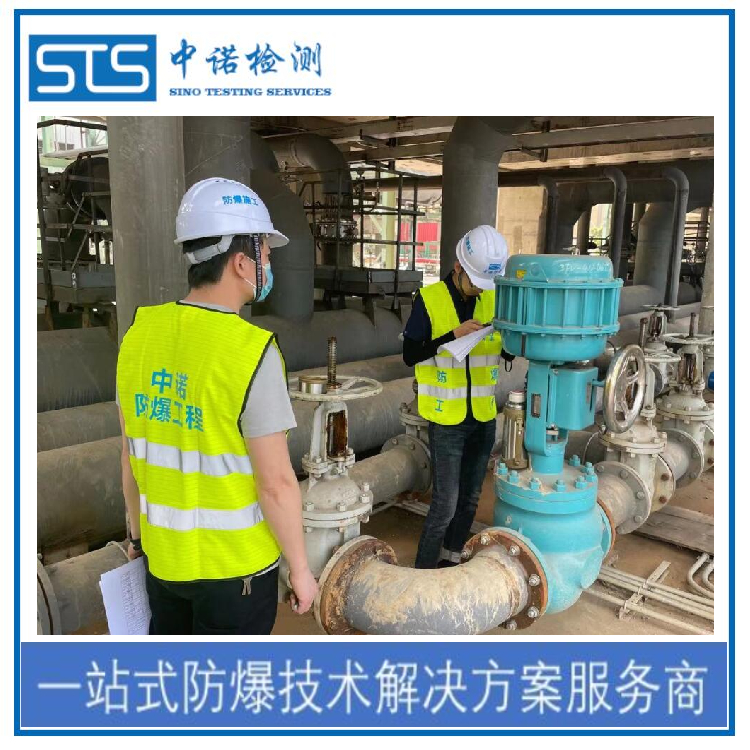
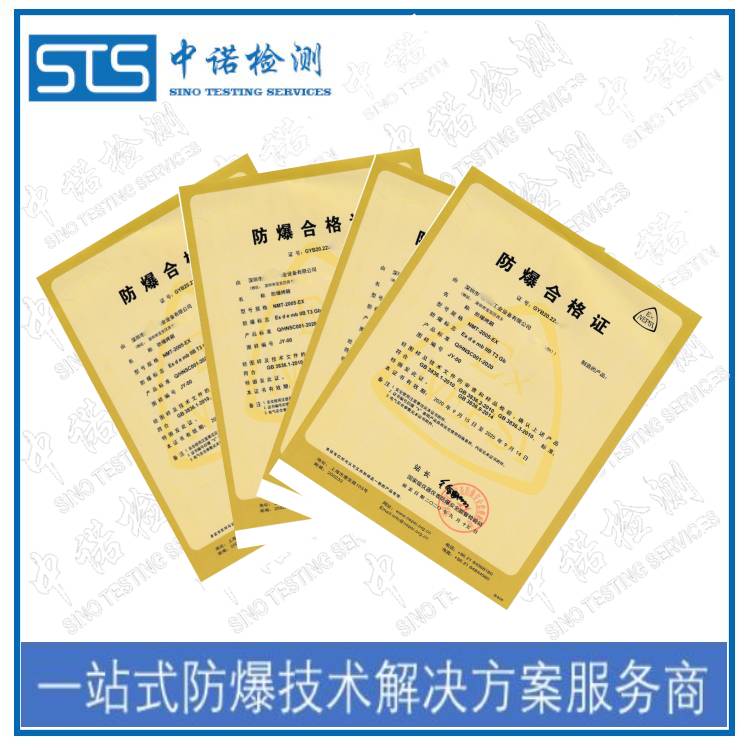
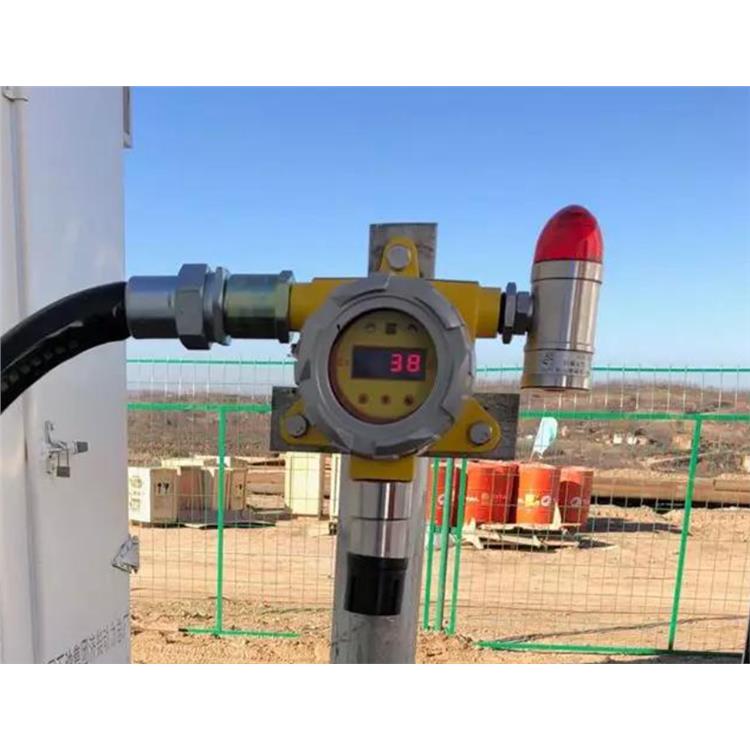
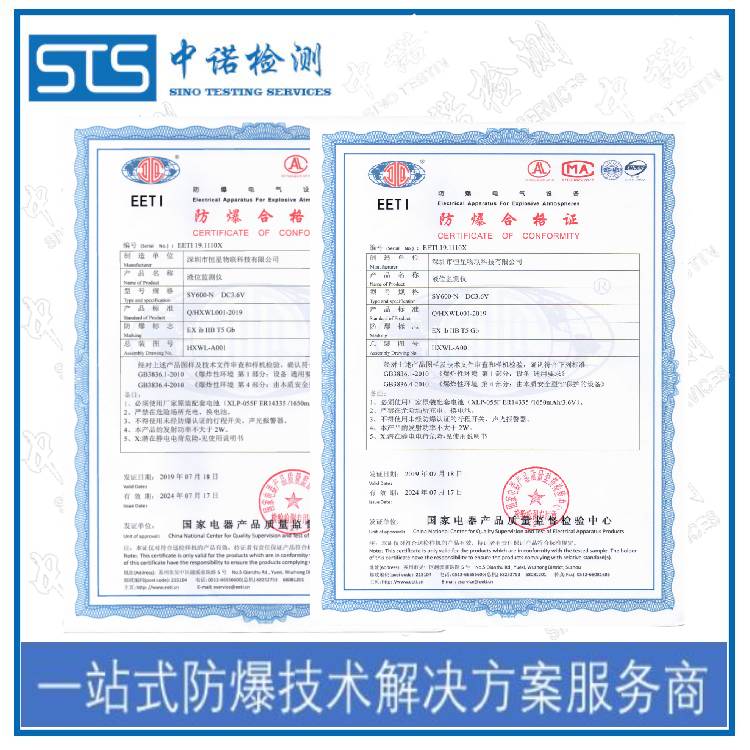
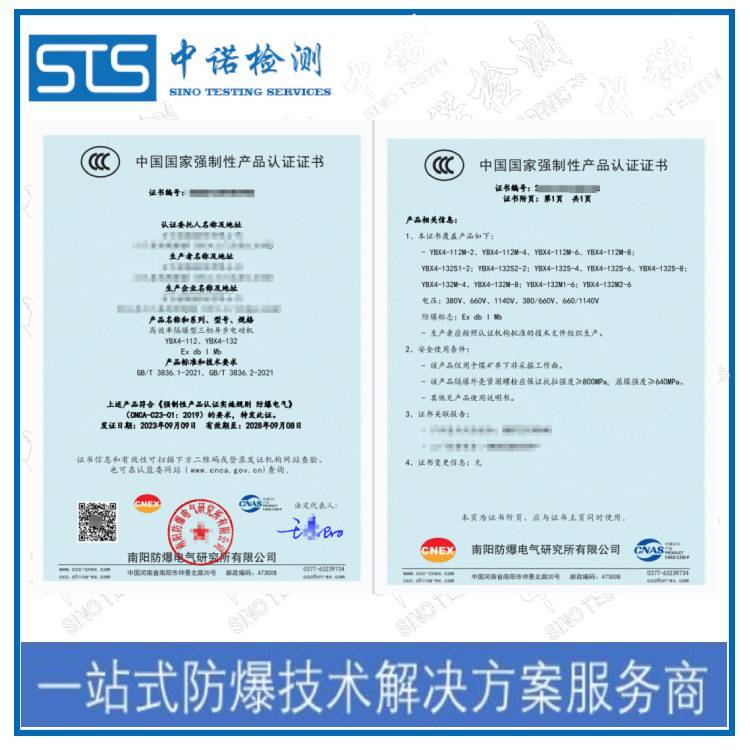
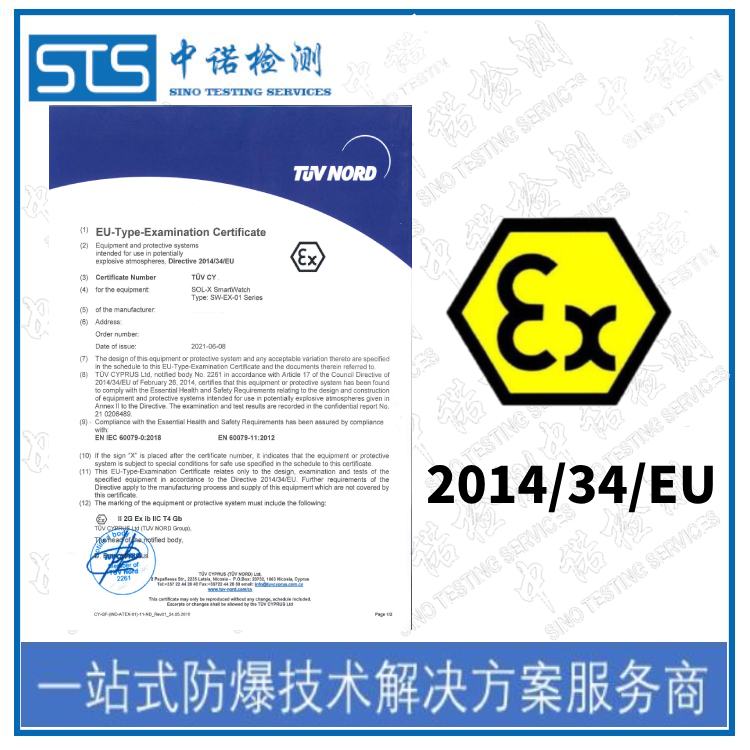
Shenzhen Zhongnuo Testing Technology Co., Ltd. specializes in the calibration, verification, and metrological services for gas alarms, combustible gas detectors, toxic and harmful gas detectors, and other equipment at various sites. We are fully licensed, serving nationwide, and committed to solving clients' electrical safety and explosion-proof fire prevention issues, supporting safe production.
Regular Inspection Content for Gas Detectors
Installation spacing of inspection (testing) points
2. Installation Height of the Detector
3. Indication Error (Concentration)
4. Repeatability (Concentration)
5. Alarm Error (Concentration)
6. Response Time (Seconds)
How often should various gas detectors be calibrated and tested?
Instrument recalibration is typically every 1 year, determined by the sending unit based on actual usage. During the secondary calibration process, recalibrate the instrument if there are questions about the test data, if the main components of the instrument are replaced, or if the instrument needs to be recalibrated after repairs.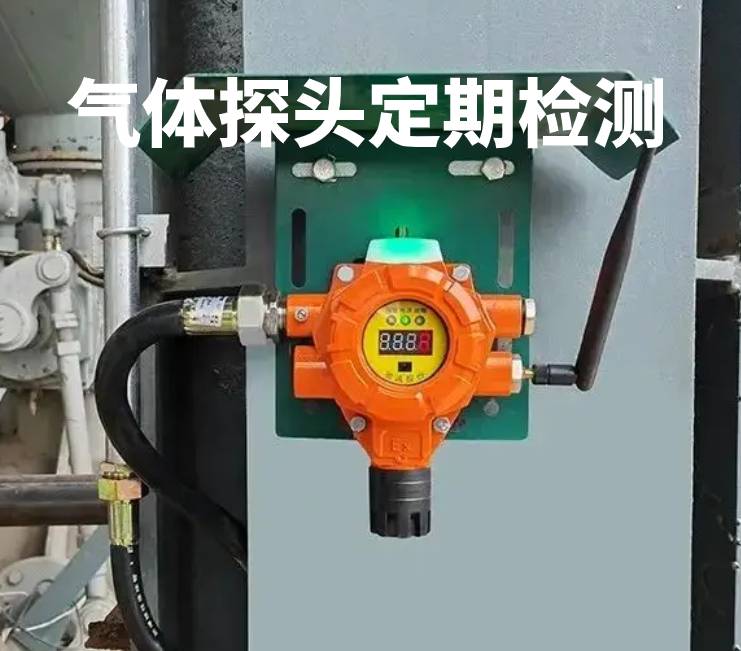
What factors can influence the calibration cycle of a combustible gas detector alarm?
Manufacturer Requirements: Different manufacturers may have varying inspection cycle requirements for their flammable gas detectors. Therefore, when purchasing equipment, carefully review the product manual to understand the specific requirements of the manufacturer.
Equipment Operating Environment: The operating environment of the alarm directly affects its inspection cycle. If the equipment is continuously exposed to high concentrations of harmful gases, high humidity, or extreme temperatures (either high or low), its inspection cycle may be accordingly shortened.
Equipment Maintenance Status: The condition of equipment maintenance is also a significant factor affecting the inspection cycle. If the equipment faces issues like battery depletion and sensor aging over a long period, the inspection cycle will accordingly be shortened.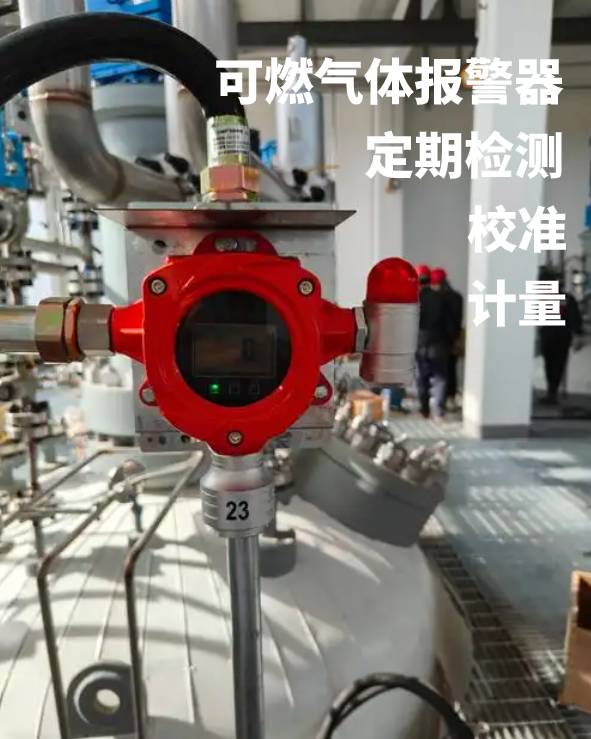
Gas Alarm Meters Calibration Conditions and Requirements
Environmental Conditions
Ambient Temperature: 0~40℃.
2. Relative Humidity: ≤85%
3. The working environment should not interfere with the electromagnetic fields and disturbance gases that affect the normal operation of the instruments.
Inspection Gauges and Instruments
1) Certified Reference Materials for Gases
The relative expanded uncertainty of the gas standard material does not exceed 2% (k=2).
2) Standard Gas Dilution Device: Dilution error of 1%.
3) Stopwatch: Graduation not greater than 0.1s.
4) Flow Control: Flow range not less than 500 mL/min, flow grade not less than level 4.
5) Zero Point Gas: Purified compressed air.
6) Pressure Reducing Valve: A pressure reducing valve that matches with the calibrated cylinder.
7) Gas Pipeline: Tubing made of materials like polytetrafluoroethylene or stainless steel that do not affect the concentration of the tested gas.
Shenzhen Zhongnuo Testing Technology Co., Ltd. is a third-party institution specializing in electrical safety, electrical explosion-proofing, gas alarm systems, and toxic and harmful gas detection instruments for regular inspections, metrological measurements, and calibration services. We are qualified to provide solutions for fire and explosion prevention issues for our clients.
WeChat Official Account

Scan to follow Official Account