














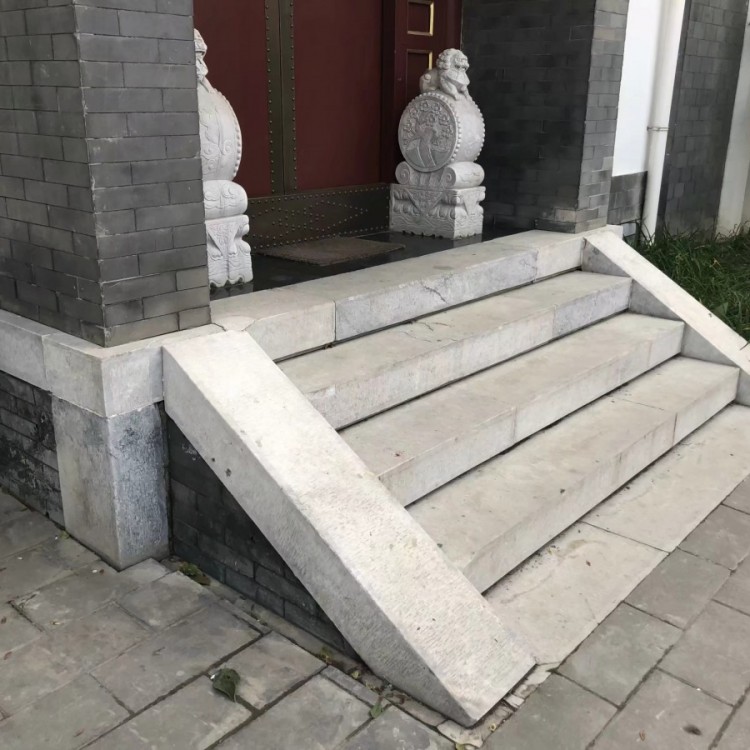

Stone carving is a traditional craft that uses stone as the raw material to shape various artistic images through carving techniques. It leverages the hardness and weather-resistant properties of stone to create art pieces with a sense of three-dimensional space and texture. Widely applied in architecture, gardens, tombs, and decorations, it carries rich cultural connotations and symbolic meanings. Below is a detailed introduction to stone carving:
I. History of Stone Carving
The history of stone carving dates back to ancient times. During the mid-Paleolithic Age, humans began using simple stone tools for carving. Although these primitive stone carvings were simple and rough, they already displayed humans' pursuit and expression of beauty. As history progressed, the art of stone carving continually improved, leading to more complex stone carvings during the Neolithic Age, such as the stone millstones and pestles from the Peilianggang culture.
2. As we entered the Qin and Han dynasties, the art of stone carving further flourished. Large human stone sculptures and tombstones from the Qin Dynasty, such as...The Terracotta Army of Emperor Qin Shi Huang showcases exquisite sculpting skills and majestic grandeur. Han Dynasty stone carvings are even more diverse, applied not only in architectural decorations and tomb sculptures but also in numerous garden ornaments and stone craft sculptures.
3. Subsequently, the art of stone carving has been passed down and developed through generations in China. During the Wei, Jin, Southern and Northern dynasties, the popularity of Buddhism led to the prominence of stone-carved Buddha statues. In the Sui and Tang dynasties, stone carving art reached a new zenith, leaving behind numerous exquisite cave sculptures and temple figurines. During the Ming and Qing dynasties, stone carving was more commonly used in folk architecture and garden decorations.
Section II: Techniques of Stone Carving
A variety of stone carving techniques are available, mainly including the following:
Relief Carving: A technique where images or patterns are carved into a stone block, with the main part of the design protruding and the background relatively smooth. Relief carving is commonly used in architectural decoration and tombstone engraving, showcasing the texture and grain of the stone. Depending on the depth of the image's design from the stone surface, relief carvings can be further categorized into low relief and high relief.
Round Sculpture: Carving the entire stone to create a three-dimensional sculpture. Round sculptures are vivid and lifelike, offering a striking visual impact, commonly used in public art and garden landscapes.
Engraved Carving: Carving within the stone to create sculptures that are transparent or semi-transparent. Engraved carving demands exceptional skill, requiring control over the force and depth of the carving to allow light to pass through the work from various angles, showcasing rich layers of texture.
Thread Carving: Utilizing carvingEtch lines on the stone surface to create patterns or images through different line combinations. The line carving is delicate and refined, capable of showcasing rich details and textures.
Inlow Relief: Carving patterns or images into stone blocks in a recessed manner, the opposite of bas-relief. Inlow relief works highlight the three-dimensional effect of the patterns through shadowing, creating a profound artistic atmosphere.
Engraving: A technique of carving on stone to create a well-defined relief pattern. Engraving can be categorized into two types: incised and sunken. Incised engraving involves removing the patterned parts to make them lower than the background surface, while sunken engraving retains the patterned parts to make them higher than the background surface.
Additionally, there are techniques such as hollow carving and silhouette engraving, each with its unique characteristics and ability to create different artistic effects.
Section 3: Applications of Stone Carving
Stone carvings are widely used in various fields:
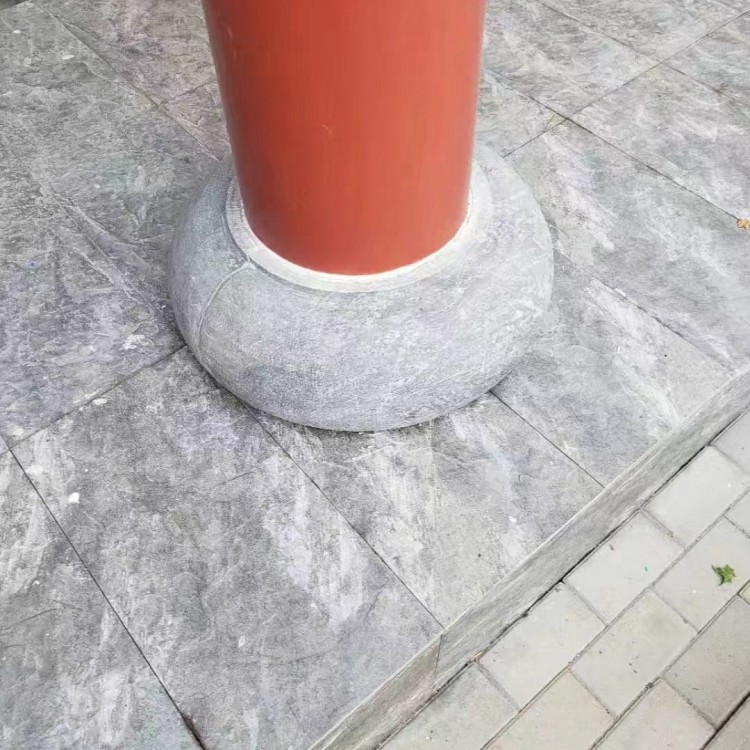
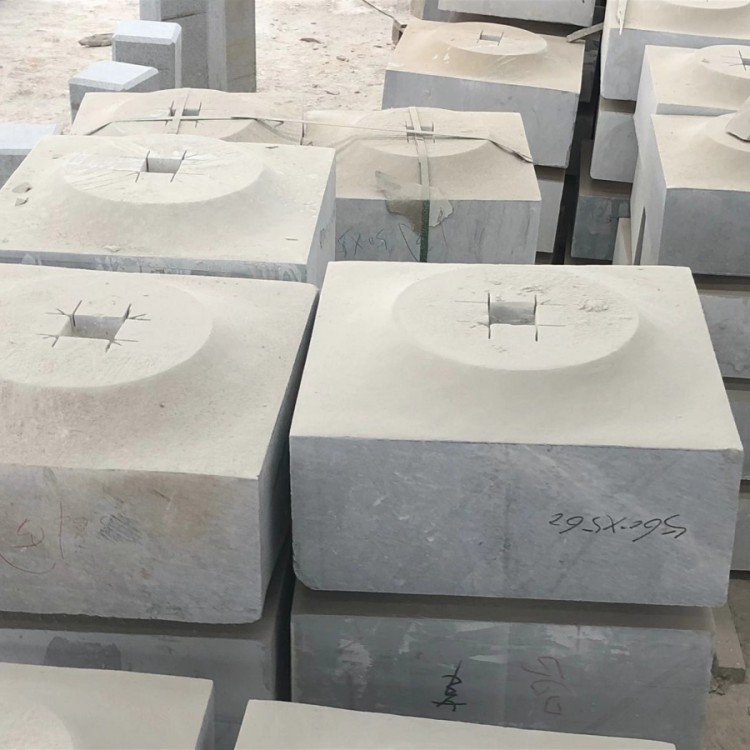
1. Architectural Decoration: Stone carving is commonly used on building facades, gate towers, column bases, railings, etc., to beautify structures and create an atmosphere. For instance, ancient temples and palaces often feature stone carvings to highlight their solemnity and nobility.
2. Garden Landscaping: In gardens, stone carvings are often used as landscape decorations, sculptures, seating, etc., enhancing the harmony between nature and culture.
3. Tomb Carvings: Tomb carvings are a significant application field of stone carving, expressing memories and reverence for the departed through the carving of stone figures, epitaphs, and the like.
4. Handicrafts: Stone carvings can be crafted into various items such as ornaments, seals, and jewelry, for appreciation and collection.
Section 4: Cultural Implications of Stone Carving
Stone carving works often carry rich cultural connotations and symbolic meanings. For example, the lion symbolizes majesty and good fortune, commonly used on either side of gates or in front of tombs; the dragon and phoenix symbolize imperial power and auspiciousness, often appearing in...In architecture and gardens; peonies symbolize wealth and prosperity, and are common motifs in garden and residential carvings.
Additionally, stone carving is often combined with folk legends and historical tales, conveying people's yearning and pursuit of a better life through artistic imagery.
V. Modern Development of Stone Carving
As technology advances and society progresses, the art of stone carving continues to innovate and evolve. Modern stone carvings, while preserving traditional techniques, incorporate more contemporary elements and innovative ideas, showcasing greater diversity and personalization. At the same time, modern stone carving places a greater emphasis on environmental protection and sustainable development, using more eco-friendly materials and processes to minimize environmental impact.
Section 6: Stone CarvingOrigin and Genre
China is one of the significant birthplaces of stone carving art, boasting numerousOrigin and school of the product. For example:
Fujian Hui'an: Renowned for its exquisite stone carving craftsmanship and unique style, its works are predominantly used in architectural decoration and garden landscapes.
2. Shandong Jiaxiang: With a long history and exquisite craftsmanship, Jiaxiang Stone Carvings feature a wide range of subjects and vivid designs.
3. Zhejiang Qingtian: Known for its fine stone texture and rich colors, Qingtian Stone Carvings produce mainly seals, ornamental items, and other craftworks.
Additionally, there are stone carvings from Liuyang, Hunan, and Dazu Stone Carvings from Chongqing, all of which are treasures in Chinese stone carving art.
Section 7: Appreciation and Collection of Stone Carvings
Stone carvings offer high artistic and collectible value. When appreciating stone carvings, consider the following aspects:
1. Observe the design: Check if the artwork's shape is vivid, proportions are harmonious, and lines are smooth.
2. Feel the Texture: Touch the surface of the piece to experience the texture of the stone and the intricacy of the carving.
3. Appreciate Cultural Flavors: Understand the cultural implications and symbolic meanings of the works, and experience the humanistic spirit embedded within them.
For collectors, choosing stone carvings with unique styles, exquisite craftsmanship, and rich cultural connotations not only allows you to appreciate the beauty of art but also to gain。
In summary, stone carving is a profound and traditional handicraft, carrying rich historical, cultural, and artistic value. It plays a significant role in people's lives with its unique artistic charm and practical value.
WeChat Official Account

Scan to follow Official Account