

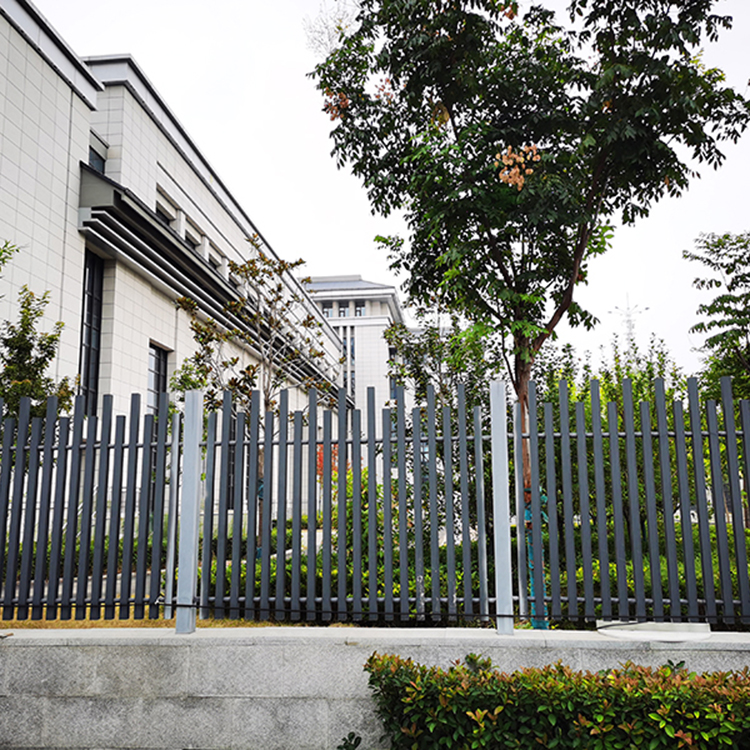








Iron Art FenceThe meaning:
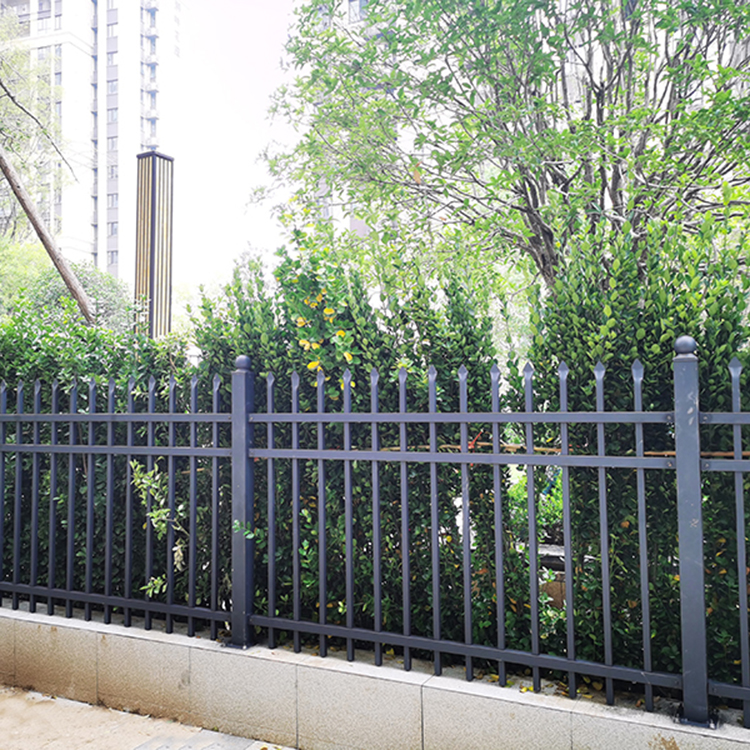
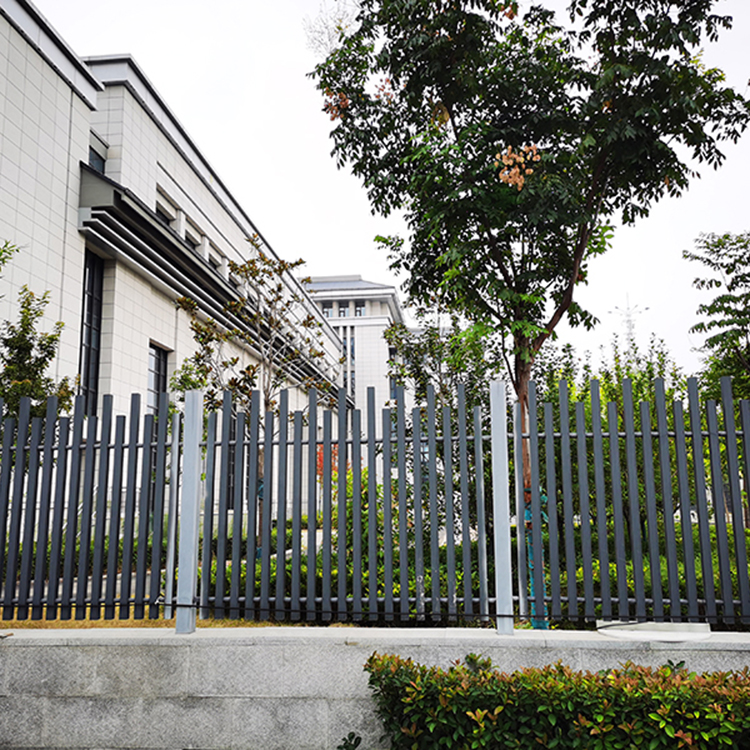
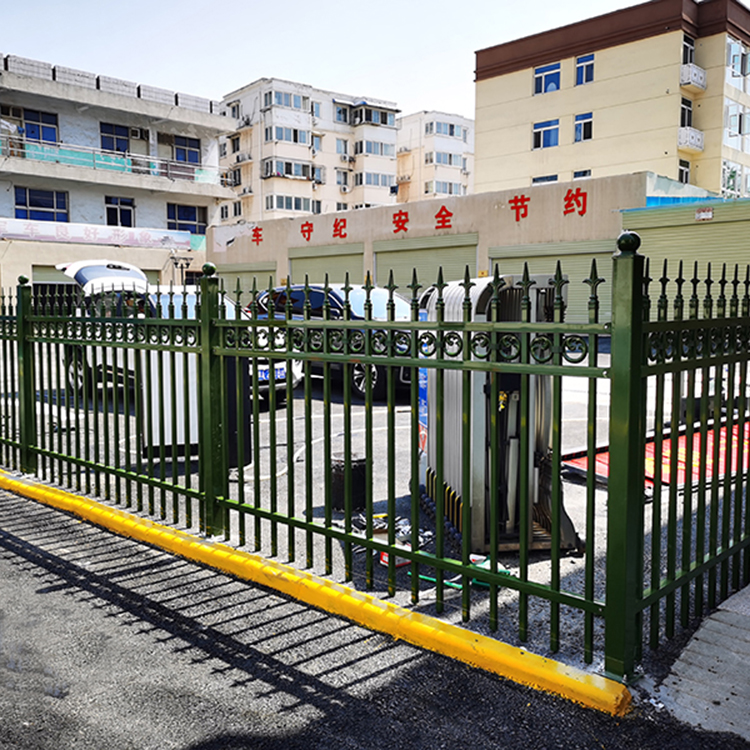
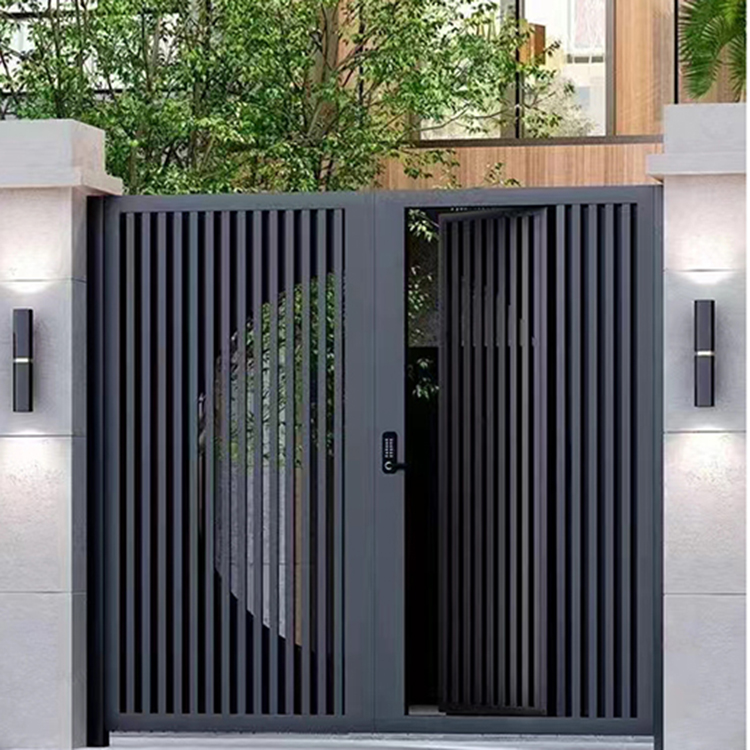
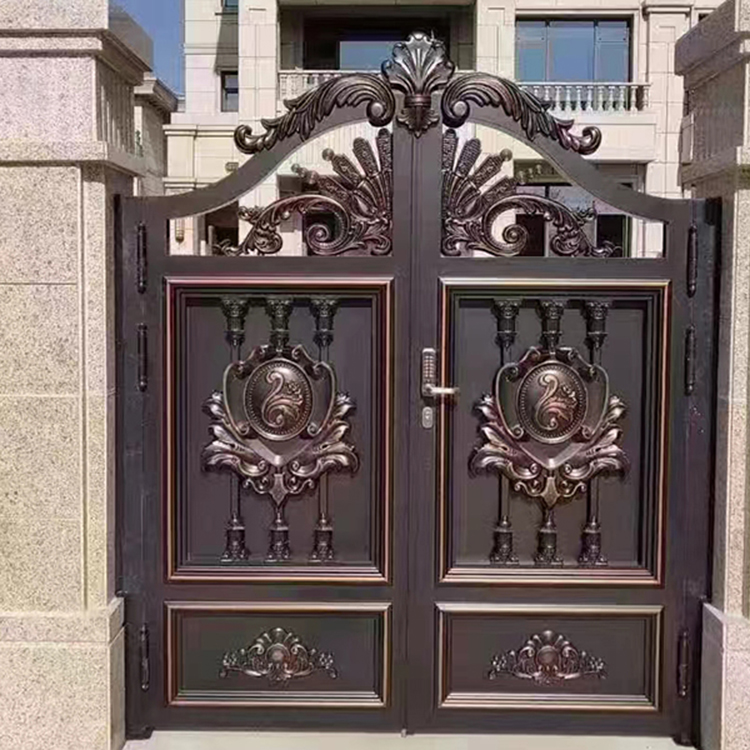
Ironwork fencing has a long history of application. In the 13th century, Europe crafted exquisite ironwork. During the Renaissance, ironwork incorporated simplicity, elegance, and brightness, reaching its peak. In the 19th century, ironwork fencing began to serve as decorative architectural elements and gained widespread popularity. A century ago, it entered China, and with its unique artistic charm and environmentally friendly, safe features, it is increasingly being accepted and cherished by the public. In cities and countryside, in public buildings and private homes, whether modern or classical, beautifully crafted metal ironwork fencing can be seen everywhere in a variety of forms.
Iron Art FencingFeatures and classifications:
Iron Art Fence Features:
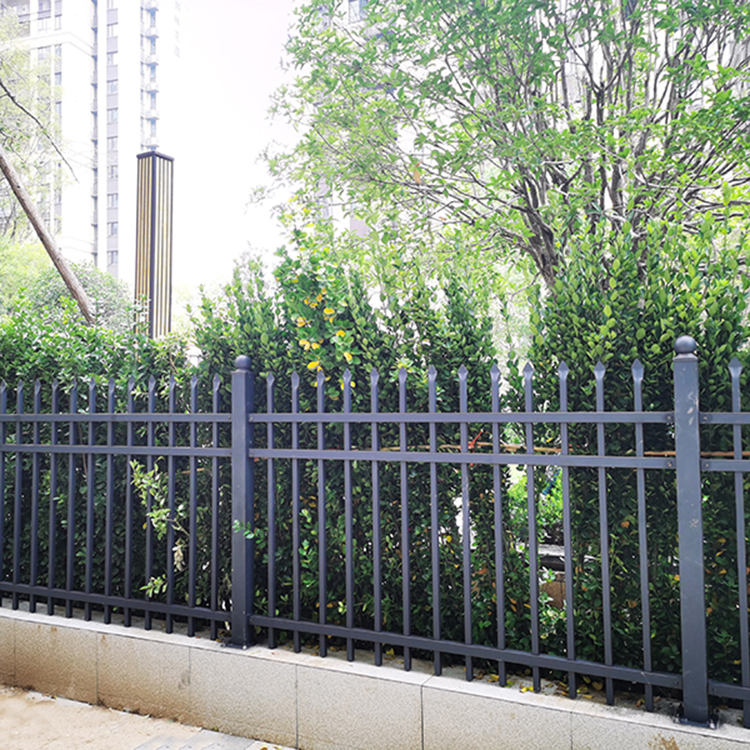
1. Various exquisite iron railing: sturdy, durable, securely connected, and well-structured. 2. Natural aesthetic appeal: substantial, rustic, and bright. 3. Highly malleable, capable of creating various sizes and styles of iron railing to meet customer requirements. 4. Easy to install, not restricted by terrain, suitable for large-scale applications. 5. Reasonably priced. 6. Iron railing categories: classified by function and application, including iron balcony railing, iron staircase railing, iron air conditioner railing, and iron exterior...Fence railingIron art security fences, etc. Craft classification of iron art fences: Forged iron art fences, cast iron art fences, welded iron art fences, assembled iron art fences, etc. Style classification of iron art fences: European-style iron art fences, Chinese-style iron art fences, etc. Practicality classification of iron art: Home decorative iron art, engineering construction iron art, sculpture iron art, iron art crafts, enclosure iron art, etc. Product classification of iron art: Generally divided into indoor and outdoor products.