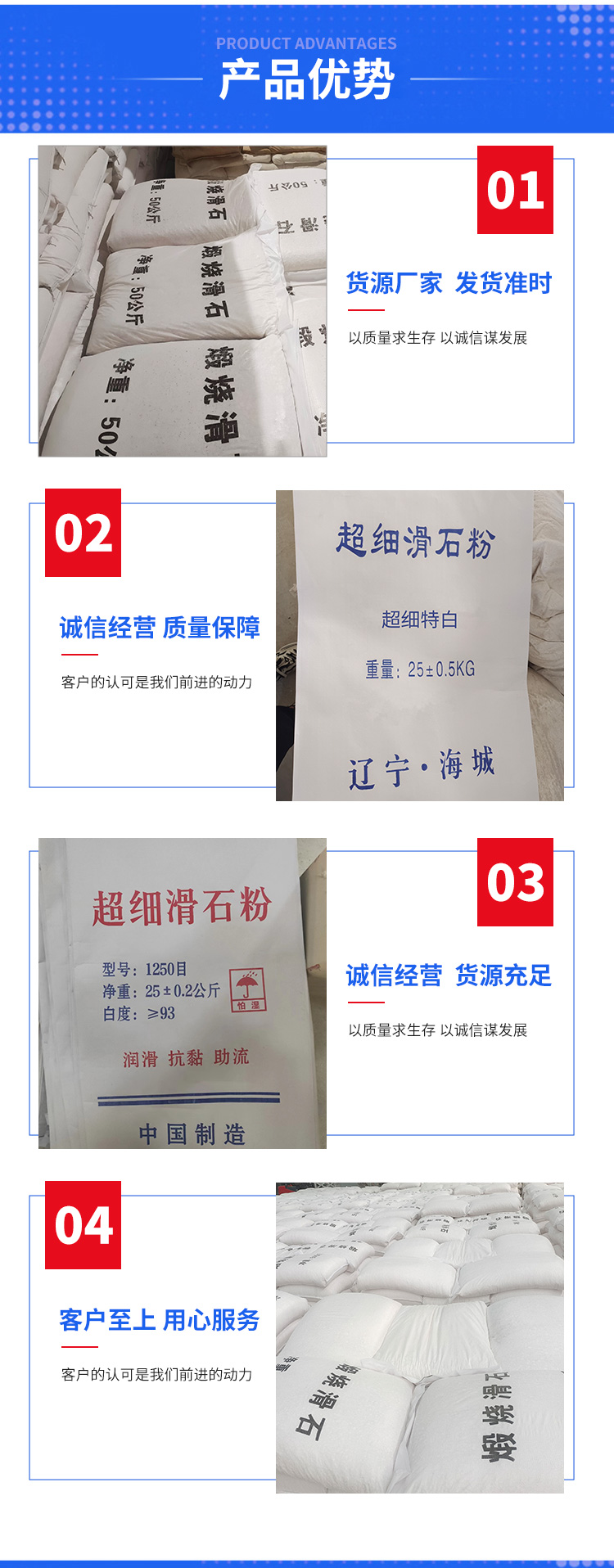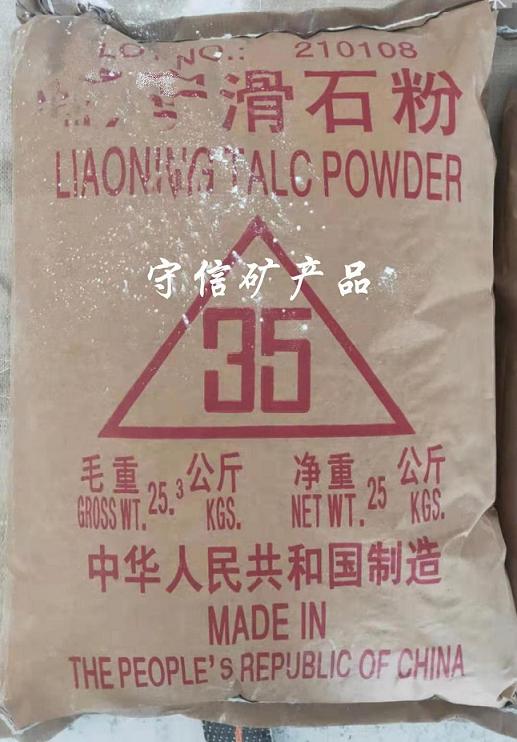

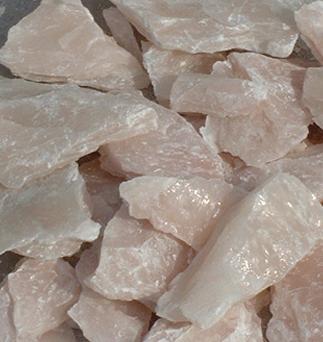









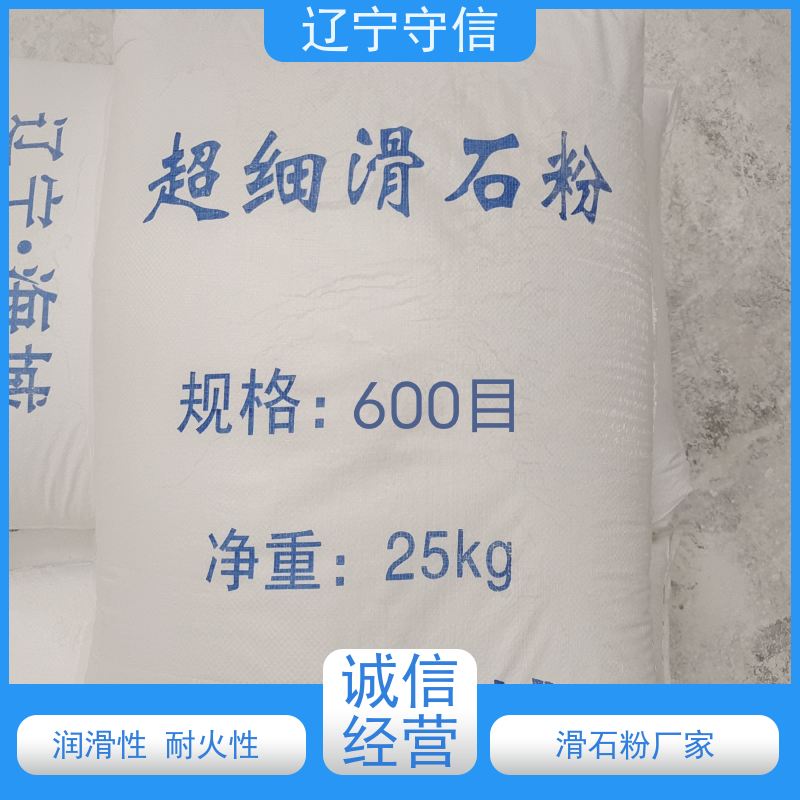
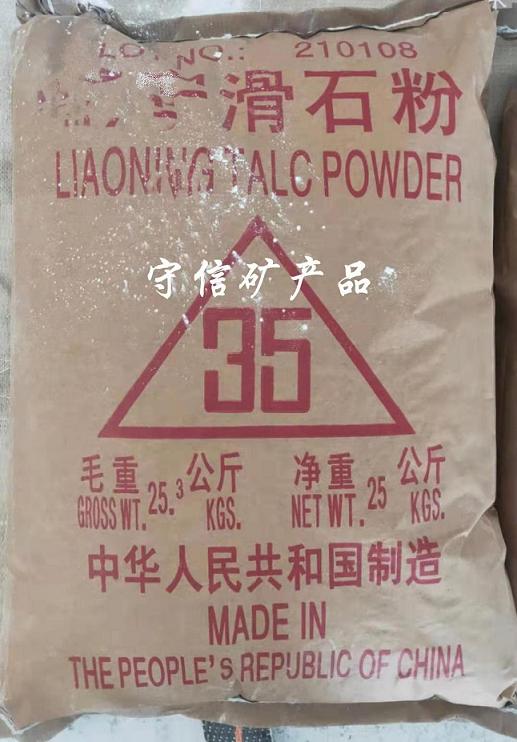
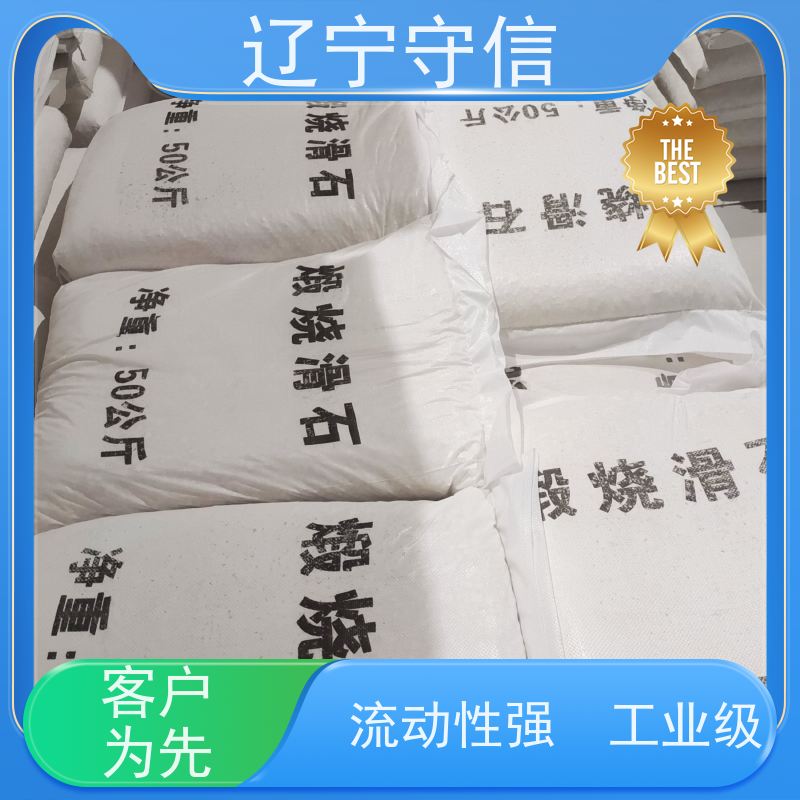
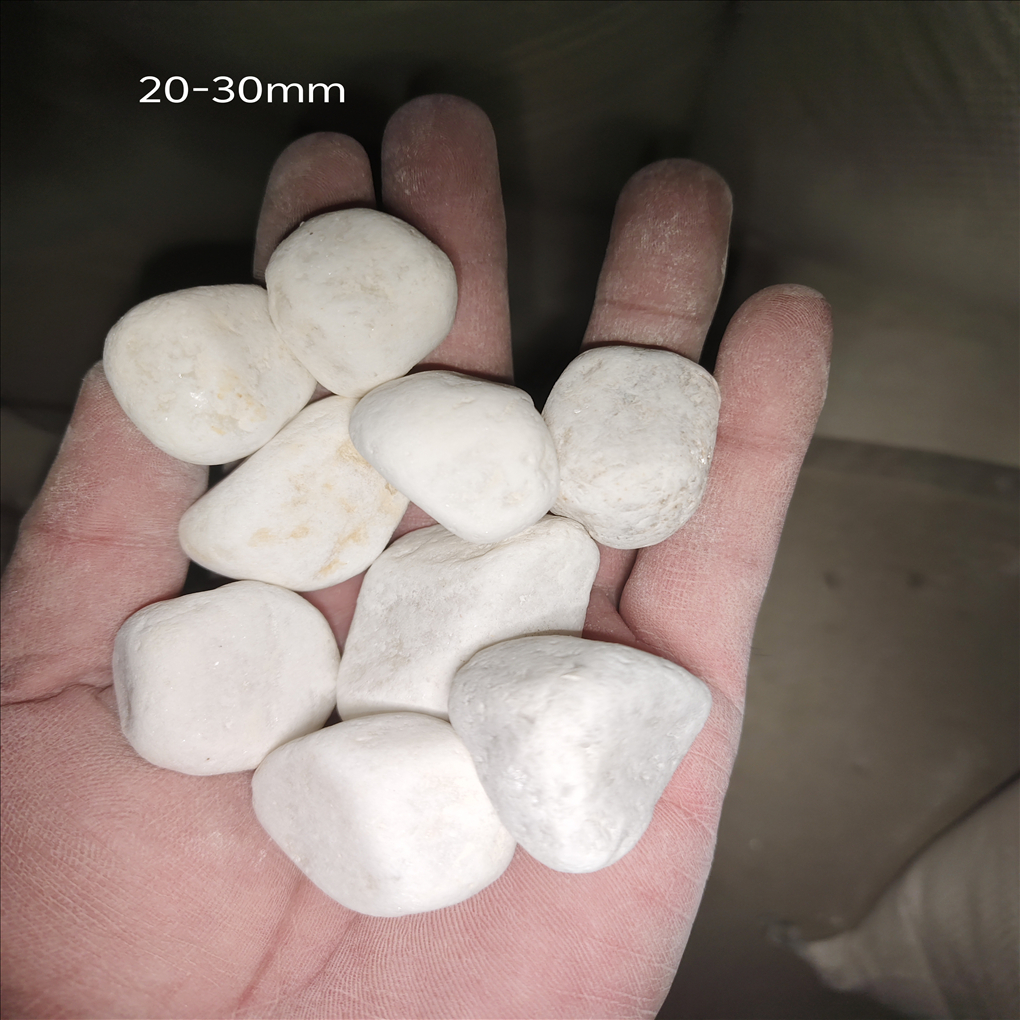
Talc powder is a mineral powder material widely used in various industries, primarily manufactured through processes such as crushing, grinding, and classification of talc ore. The fineness and applications of talc powder vary depending on the mesh size. Below is a detailed introduction to talc powder:
1. Range of talc particle sizes
**325 Mesh**: Coarser particles, suitable for industries that do not have high fineness requirements, such as plastics, rubber, etc.
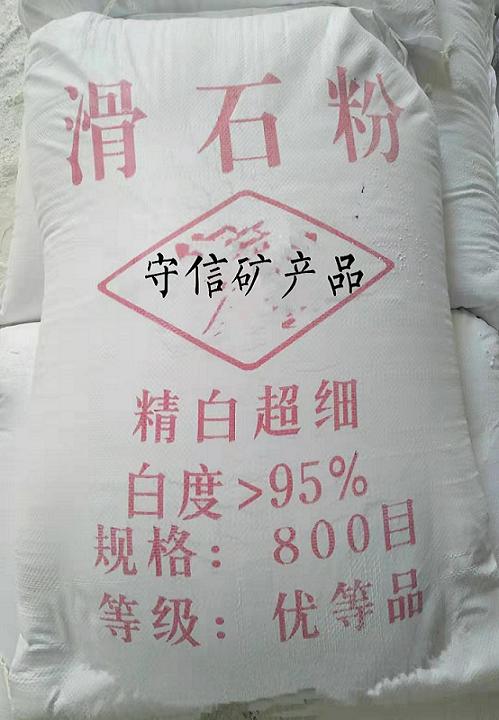
800 Mesh: Medium fineness, suitable for paint, varnish, papermaking, and other industries.
1250 mesh: Finer talcum powder, suitable for cosmetics, pharmaceuticals, and food industries.
2500 mesh: Ultra-fine talcum powder, suitable for industries that demand high fineness and purity, such as cosmetics, pharmaceuticals, and food additives.
2. Main Uses of Talc Powder
**Plastic Industry**: Enhance the hardness, heat resistance, and dimensional stability of plastic products.
Rubber Industry: Enhance the wear resistance, aging resistance, and mechanical properties of rubber products.
Paints and Coatings: As a filler, improve the leveling, hiding, and weather resistance of the paint.
Pulp and Paper Industry: As a filler and coating material, it enhances the luster, smoothness, and printability of paper.
Cosmetics: Used as a powder ingredient in products such as foundations, loose powders, and eyeshadows, offering a smooth texture and excellent adsorption properties.
Pharmaceutical Industry: Used as excipients, for and as lubricants.
Food Industry: Used as food additives, for anti-caking agents, thickeners, etc.
3. Whiteness of talcum powder
Whiteness is a key quality indicator for talcum powder, with higher whiteness talcum powder offering advantages in industries such as coatings, cosmetics, and papermaking.
Whiteness is typically measured by a whiteness meter; the higher the value, the whiter the talc powder's color, indicating better quality.
4. Considerations When Choosing a Talcum Powder Manufacturer**
**Product Quality**: Ensuring the talc powder meets industry standards in terms of mesh count, whiteness, purity, and other indicators.
Production Capacity: Select manufacturers with stable production capabilities to ensure timely supply.
Environmental Certification: Choose manufacturers with environmental certifications to ensure the production process meets environmental requirements.
After-Sales Service: Choose manufacturers that offer comprehensive after-sales service to ensure timely resolution of any issues encountered during use.
5. Market Trends of Talcum Powder
With the enhancement of environmental protection requirements, the demand for high purity, low impurity talcum powder is gradually increasing.
Ultra-fine talcum powder has broad application prospects in the cosmetics and pharmaceutical industries.
Contact Information
If you require talcum powder, please contact the talcum powder manufacturer for detailed product information and quotations.
We hope the above information is helpful to you! Should you have any further questions or require additional consultation, please feel free to contact us at any time.