








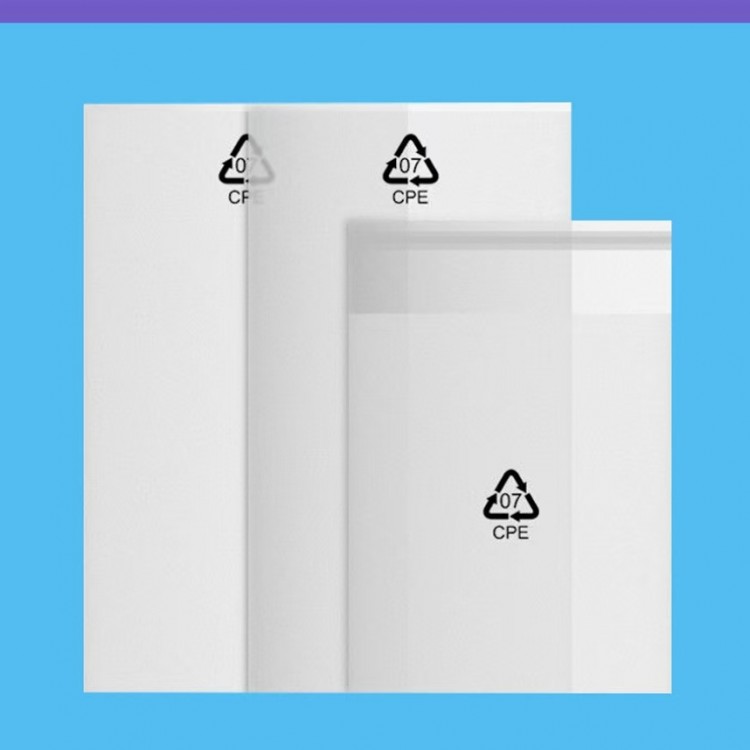
Polyethylene foam and bubble bags have the following distinctions in the packaging industry:
Material and Structure
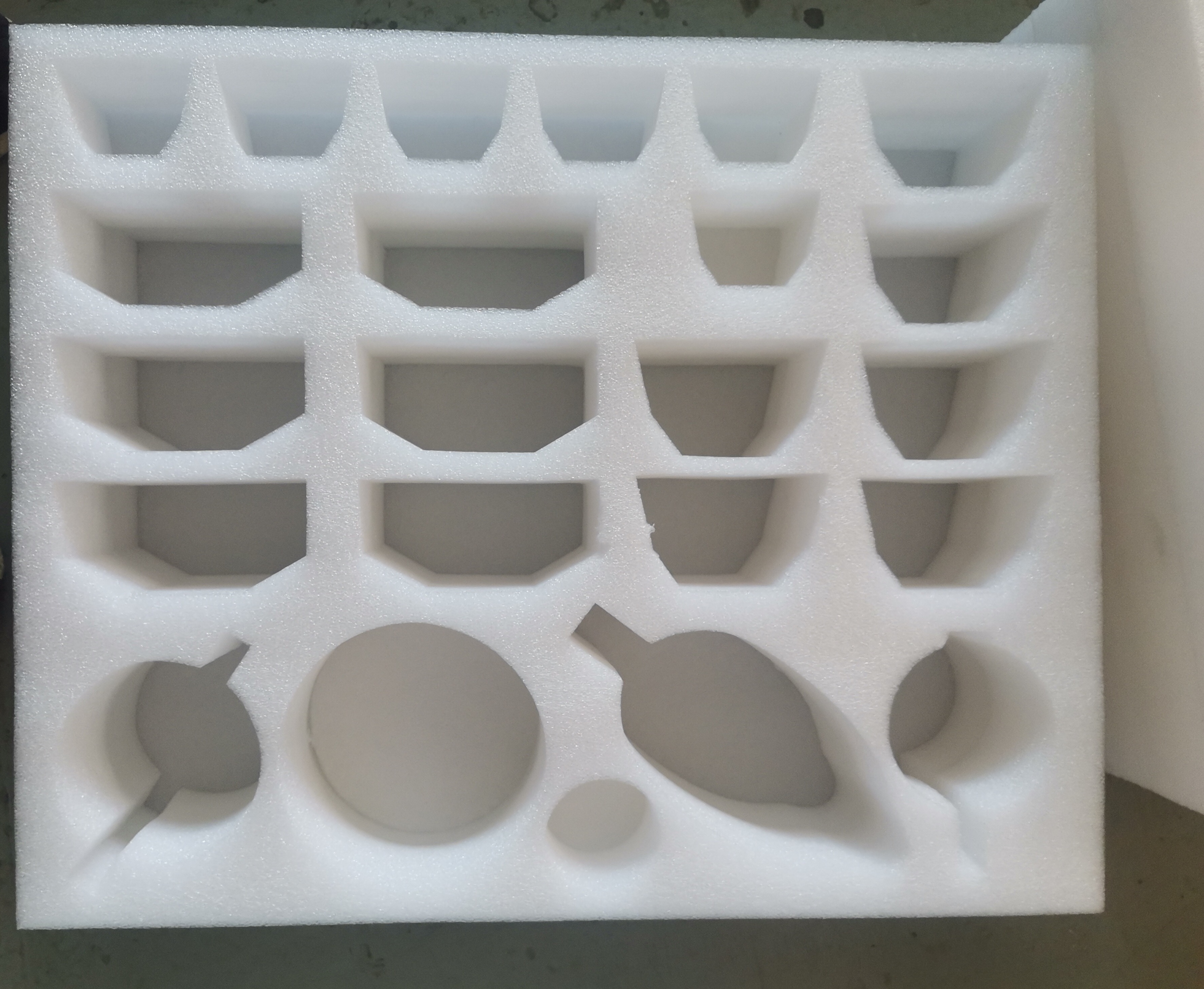
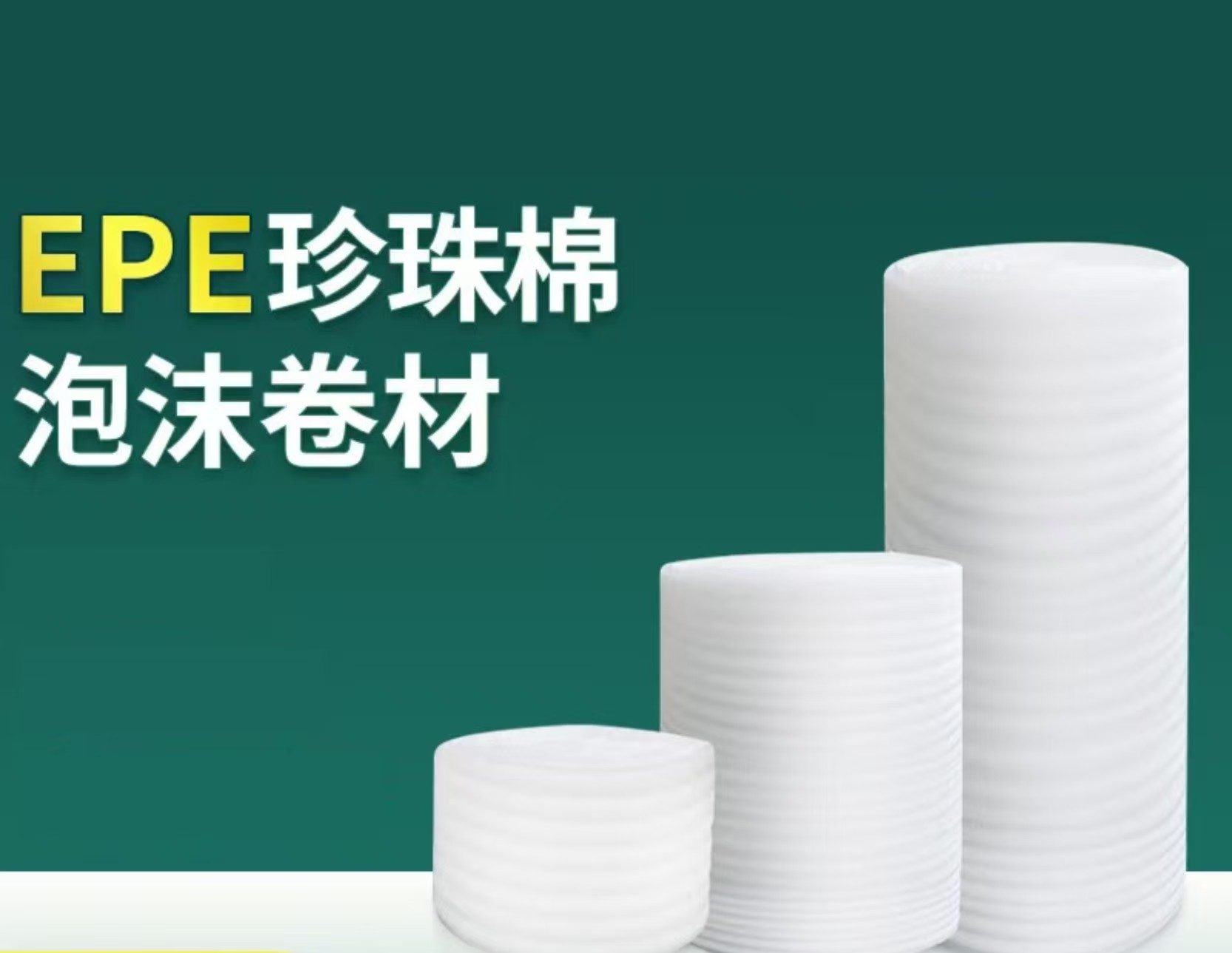
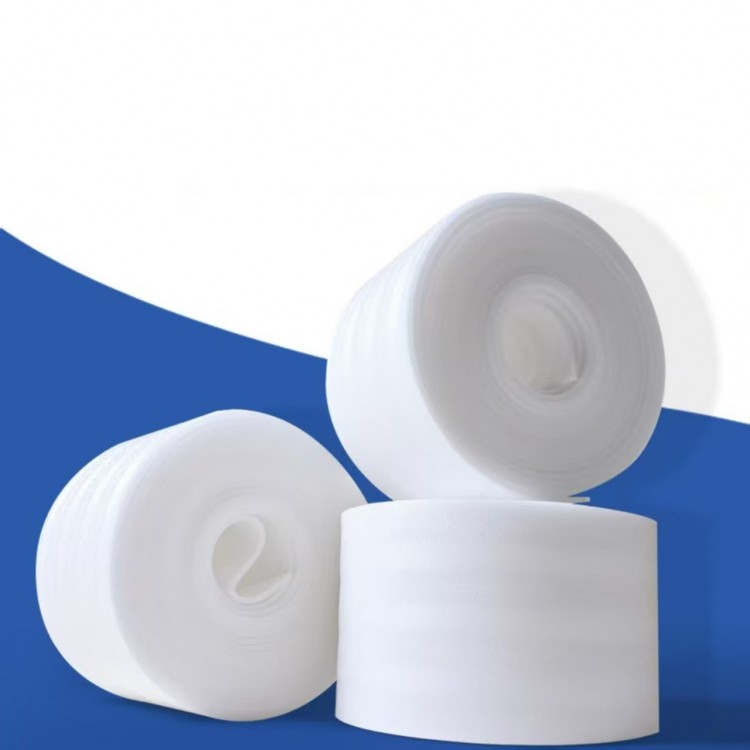
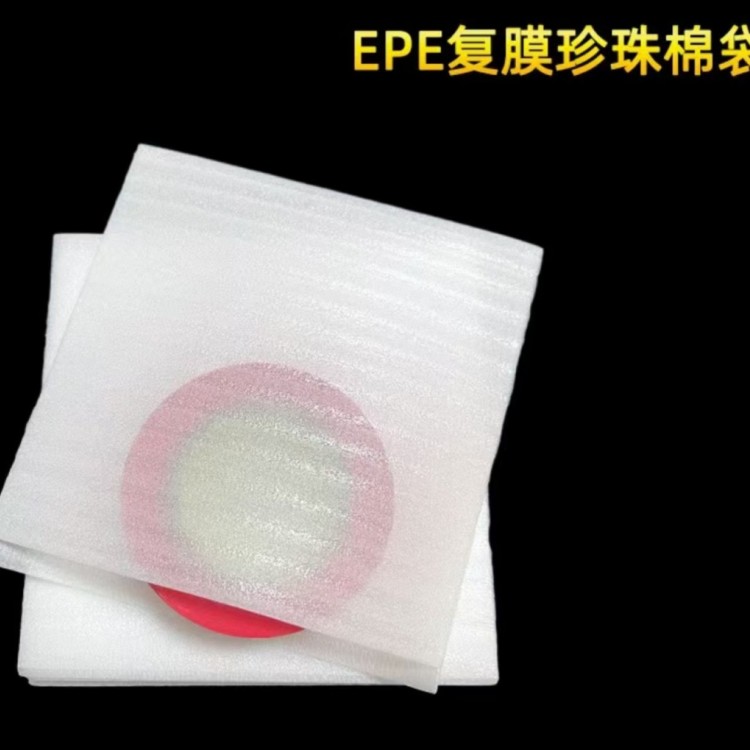
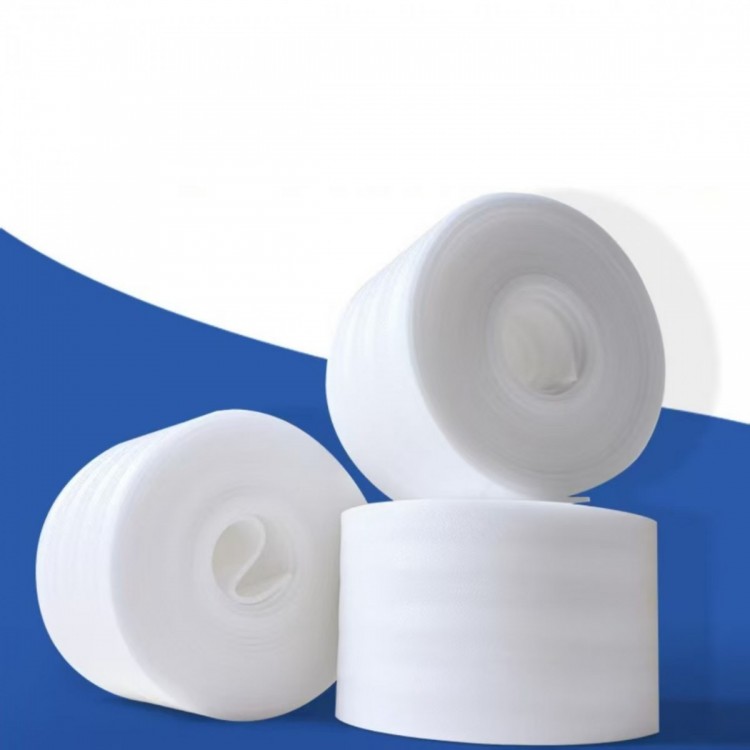
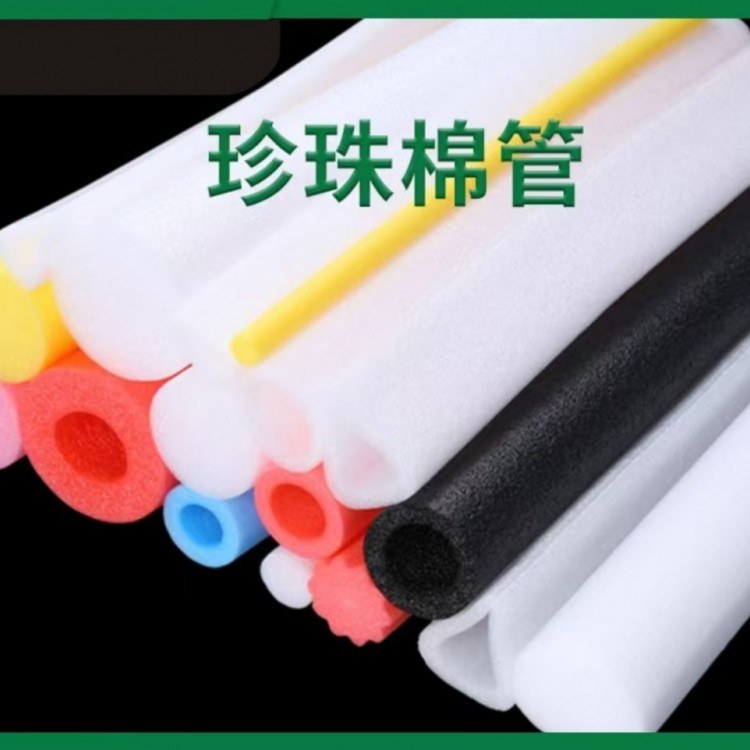
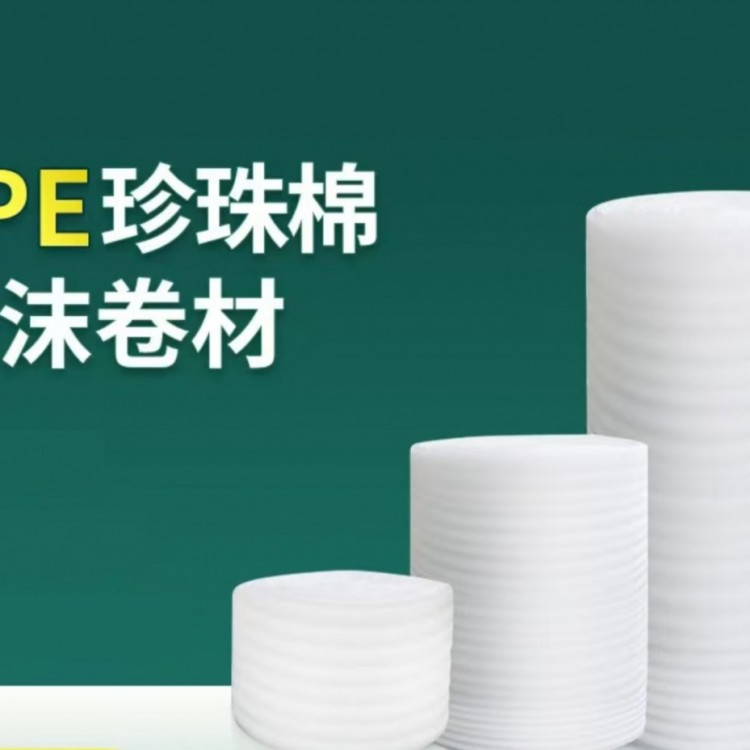
Pearl cotton is a non-crosslinked closed-cell material formed by physical foaming of low-density polyethylene resin, characterized by its soft texture and good elasticity.
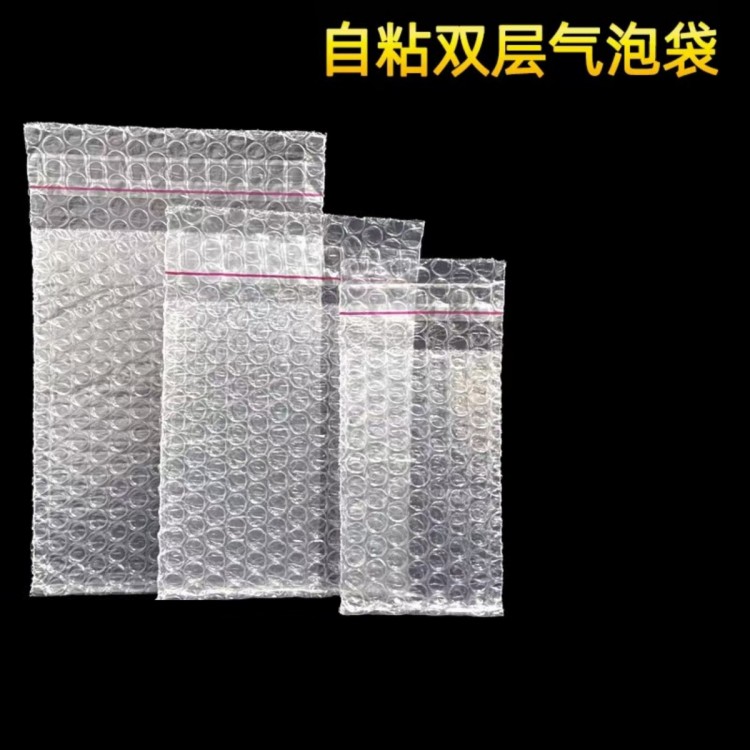
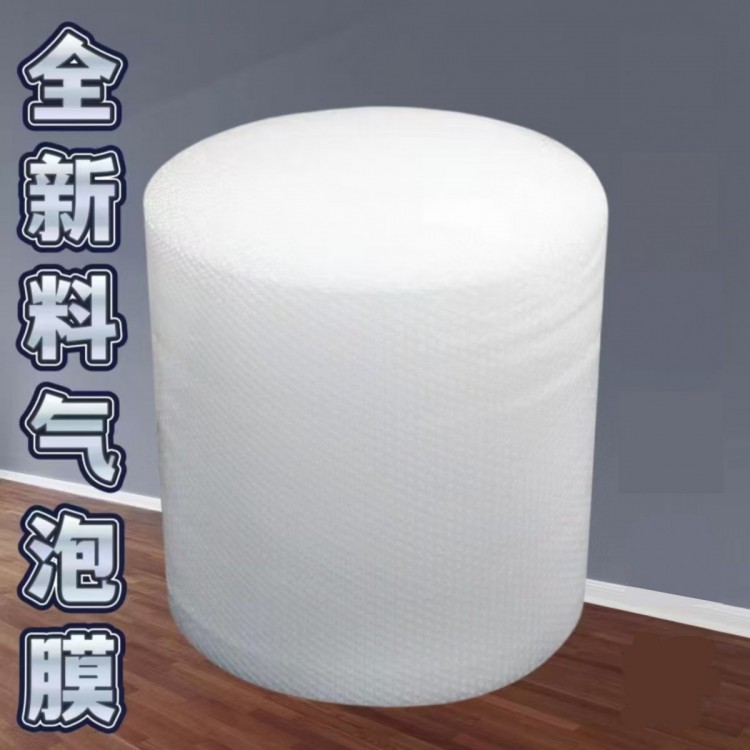
Bubble bags are primarily made from high-pressure, low-density polyethylene, featuring a structure where air is trapped within a thin film to form bubbles. They come in single-sided and double-sided varieties, with bubbles of varying diameters and heights.
Buffering performance
Pearl cotton boasts superior shock-absorbing properties. Its independent bubble structure effectively absorbs and disperses external impact forces, providing better protection for fragile and delicate items. It is suitable for packaging precision instruments, fragile gifts, and more.
Bubble bags can also provide some cushioning, but relatively speaking, their cushioning effect is not as good as pearl cotton. They are usually used for general protective purposes of products with less stringent cushioning requirements, such as common electronic products and ceramic items.
Waterproof and moisture-proof properties
The closed-cell structure of Pearl Cotton provides excellent moisture and water resistance, blocking moisture vapor, and is suitable for packaging products requiring moisture protection, such as fruits and wines.
Bubble bags also offer some waterproof properties, preventing products from getting wet, but in terms of moisture resistance, pearl cotton performs better.
Applicable Products
Expanded Pearl棉 is widely used for packaging electronic appliances, instruments, medical equipment, automotive parts, precision instruments, glassware, ceramics, and more. It is also suitable for thermal insulation packaging in fresh produce cold chain transportation.
Bubble bags are primarily used for the protective transportation of electronic products, plastic products, metal products, ceramic products, glass products, etc., as well as for packaging light items for postal delivery.
Processing capabilities
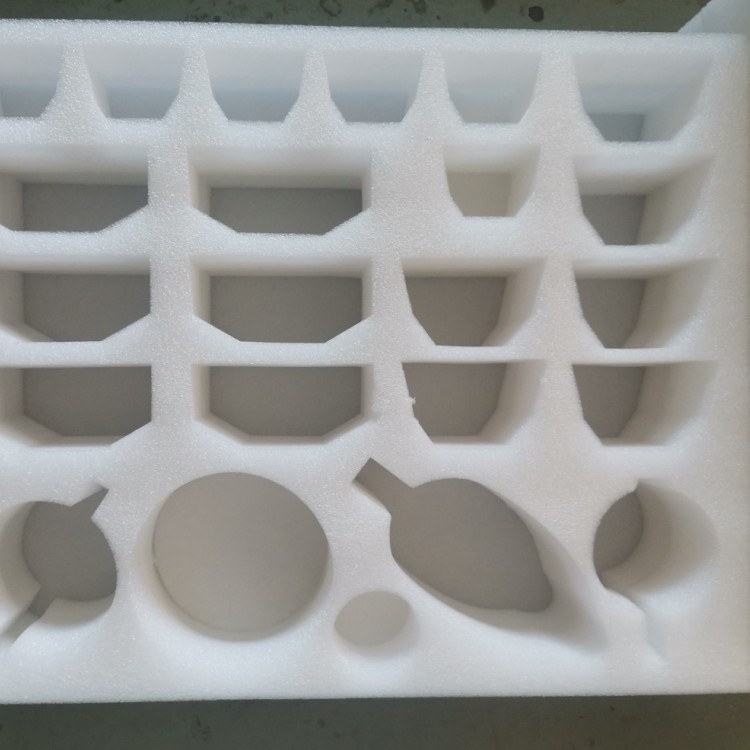
EPE foam is easy to process, and can be shaped and sized into various packaging materials through methods like cutting, stamping, bonding, and hot lamination. It can also be combined with other materials, such as foil or aluminum-coated film, to enhance its properties.
Bubble bags can be processed into bags of various specifications and sizes by cutting film, and can also be printed and laminated, such as with expanded polyethylene foam or aluminum foil, to enhance their protective and aesthetic properties.
Environmental Performance
Pearl cotton is a new type of environmentally friendly packaging material that is recyclable and meets environmental protection requirements.
Bubble bags are typically made of polyethylene, some of which are recyclable, but in terms of environmental protection, the recyclability and eco-friendly advantages of pearl cotton are more prominent.
Cost
The production process of expanded polyethylene is relatively complex, with high labor costs, low material utilization rates, and high logistics and warehousing expenses, resulting in higher production costs.
Bubble bags have relatively low production costs and are priced affordably, making them widely used in areas sensitive to packaging costs.