
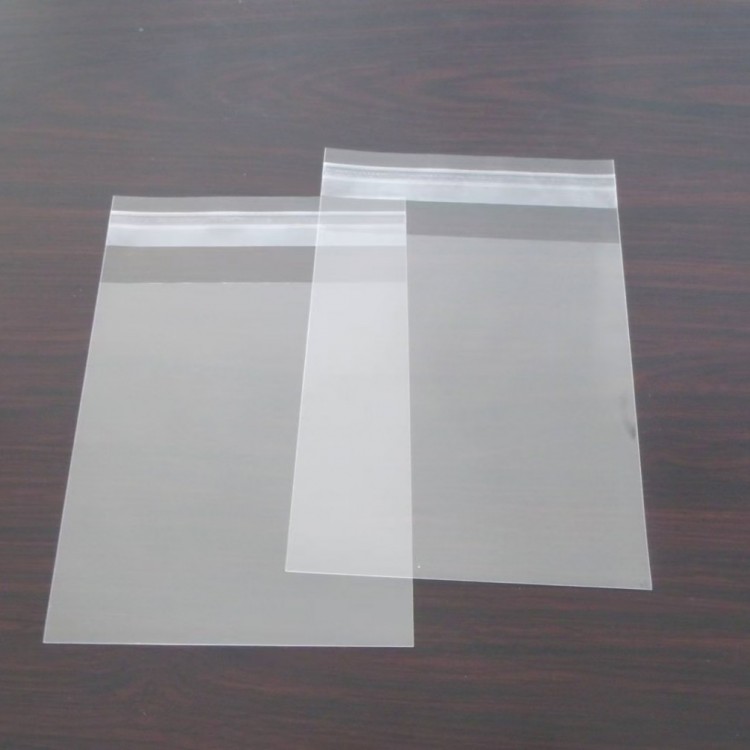

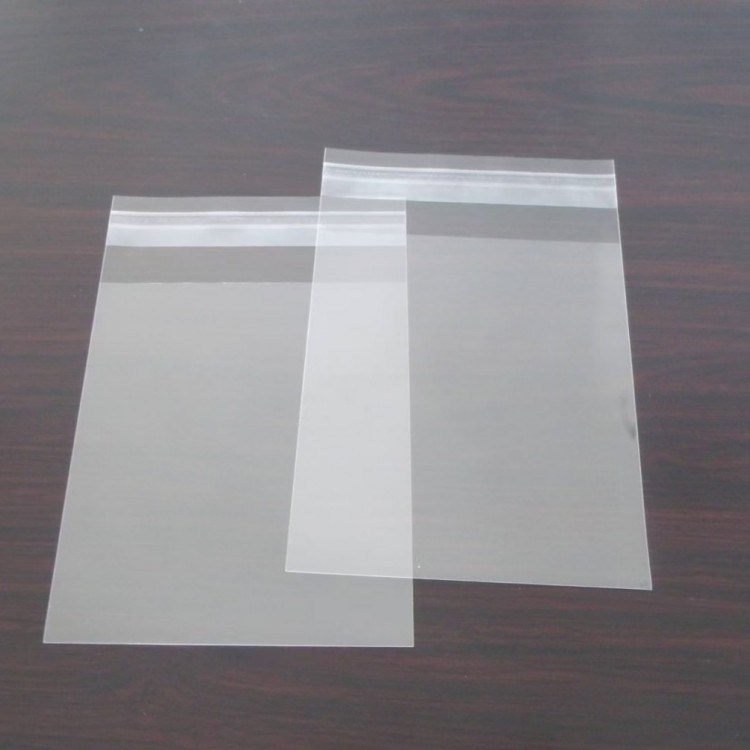
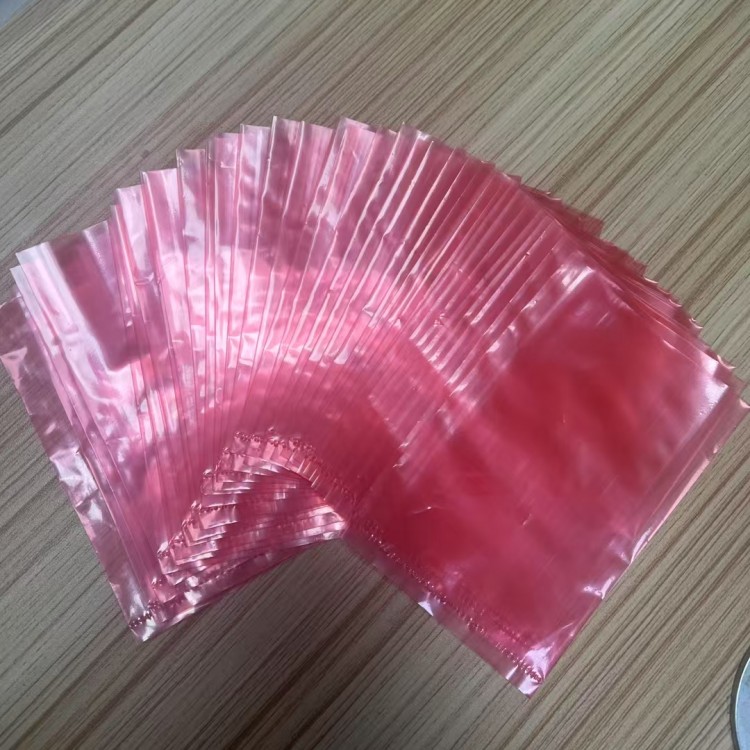







Pouches (commonly referred to as plastic bags) are widely used packaging materials in daily life, characterized by...Material characteristics, functionality, environmental friendliness, application scenariosAfter a comprehensive summary, the following is a detailed analysis:
Material diversity
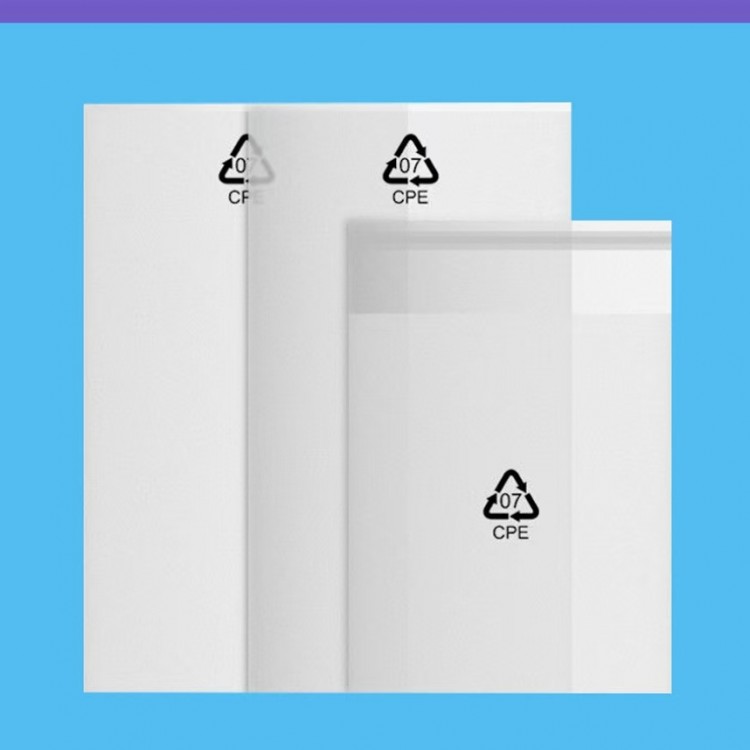
Common MaterialsPolyethylene (PE), Polypropylene (PP), Polyvinyl Chloride (PVC), Polyester (PET), and other materials determine the flexibility, transparency, and load-bearing capacity of the bags.
Polyethylene bagsSoft and highly extensible, commonly used for shopping bags and food packaging.
Polypropylene (PP) bagsHigh hardness and strong temperature resistance, suitable for making file folders or frozen food packaging.
Biodegradable materialsStarch-based plastics (PLA), PBAT, and others can decompose under specific conditions, reducing environmental pollution.

2. Outstanding physical properties
Lightweight & WaterproofLow density for easy portability; strong hydrophobic properties to protect items from moisture.
Durable and tear-resistantEspecially for thick or cross-membrane structure pouches, they offer superior load-bearing and wear resistance.
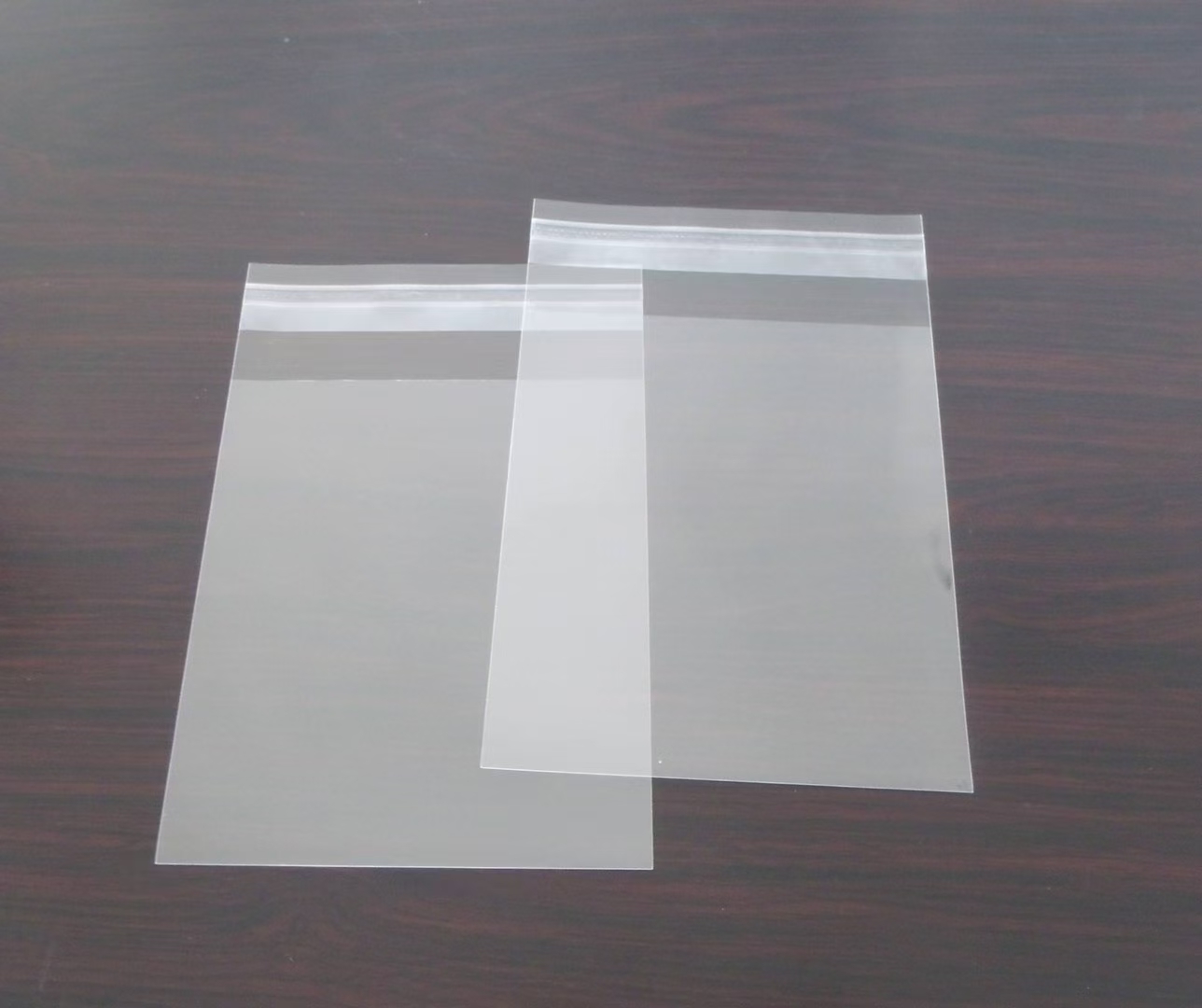
Transparent and visibleSome pouches (such as PE, PP) have high transparency, making it easy to display products.
3. Strong functionality extensibility
Print-compatibleEasy to print patterns and text on the surface, ideal for brand promotion or identification marking.
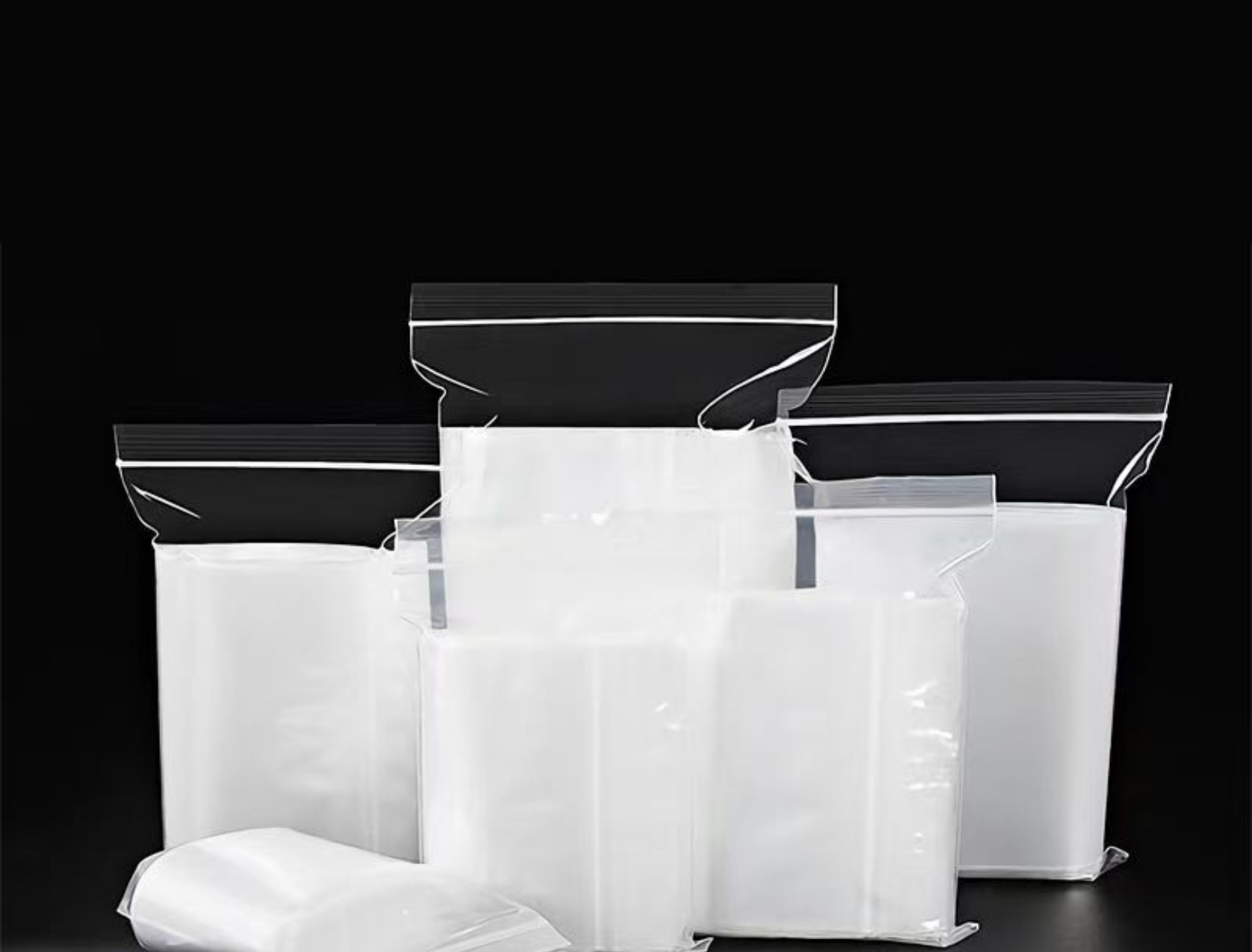
Sealed designSelf-sealing bags, zip bags, etc., achieve repeated opening and closing through structures like creases and sliders, enhancing practicality.
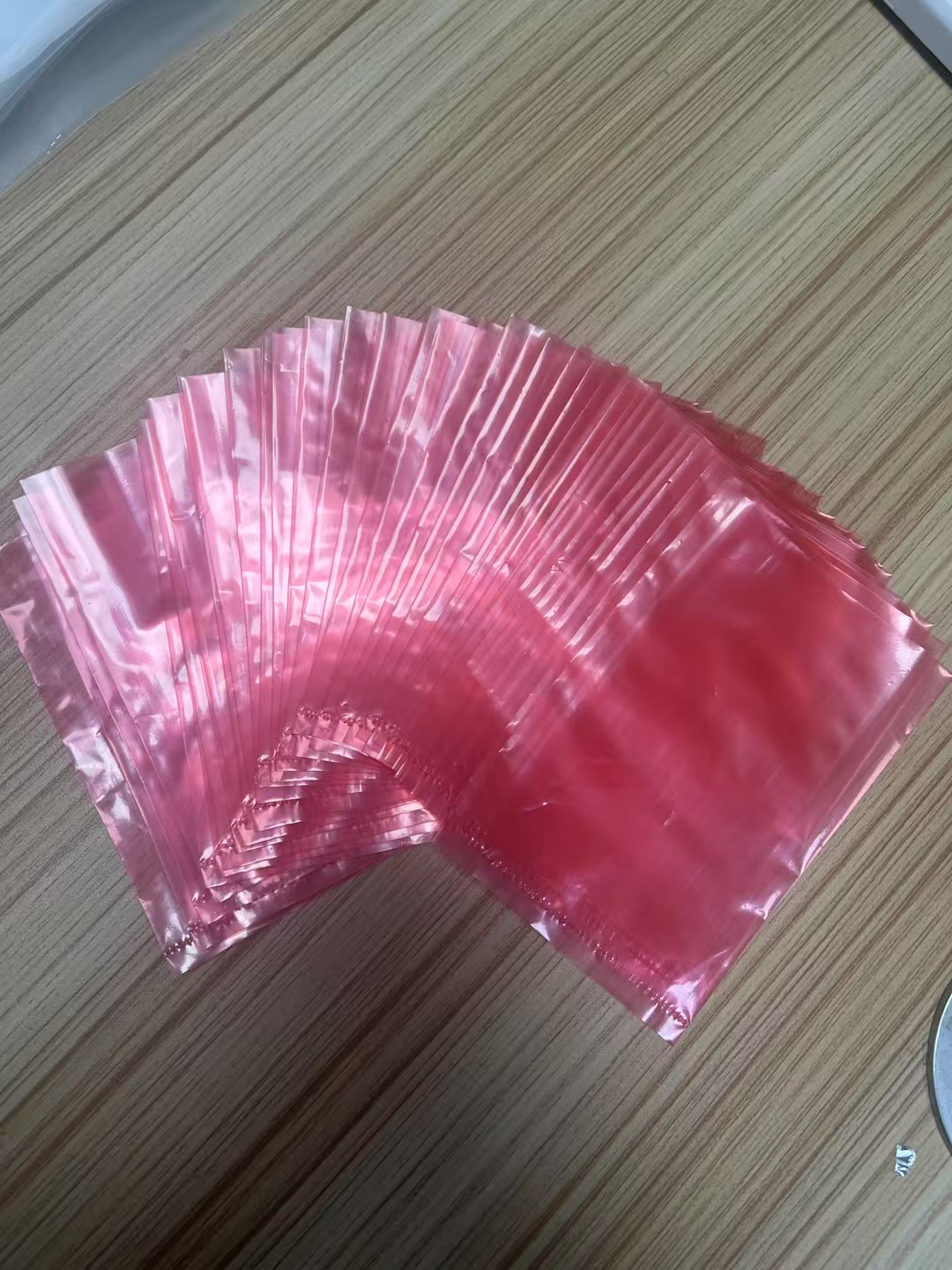
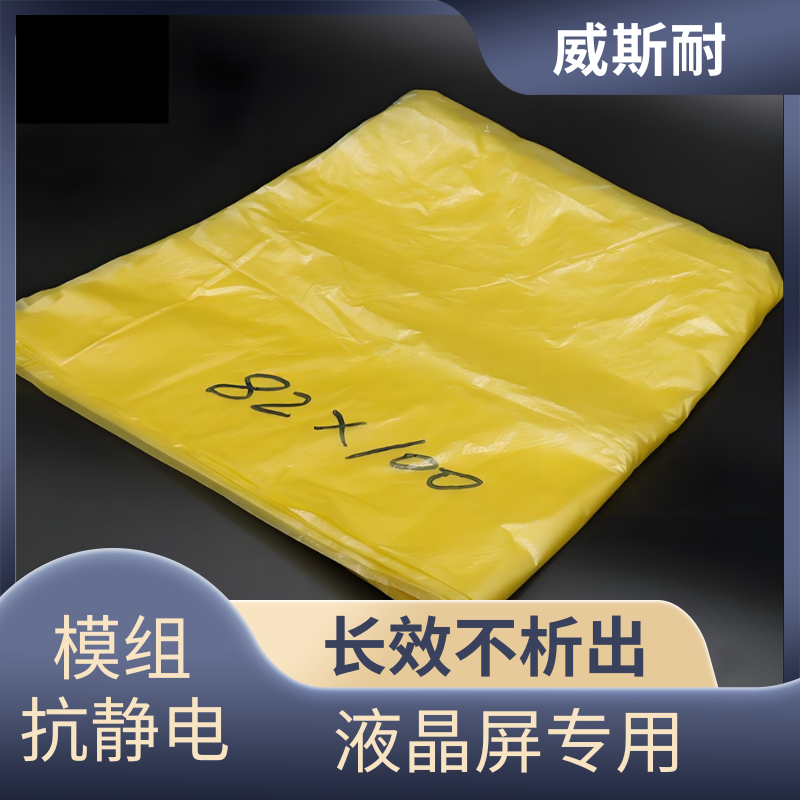
Special FeaturesAnti-static bags (for protecting electronic products), vacuum-sealed bags (space-saving), aluminum foil composite bags (shading and heat insulation), etc., meet specific needs.
Low cost with potential disputes
EconomicHighly efficient production, low raw material costs, suitable for large-scale use.
Environmental issuesTraditional plastic bags take hundreds of years to degrade, easily causing white pollution; burning them releases toxic gases.
Policy ImpactUnder the Plastic Bag Ban, biodegradable plastic bags and reusable fabric bags have emerged as alternative solutions.
5. Broad Application Scenarios
Retail PackagingSupermarket shopping bags, product outer packaging.
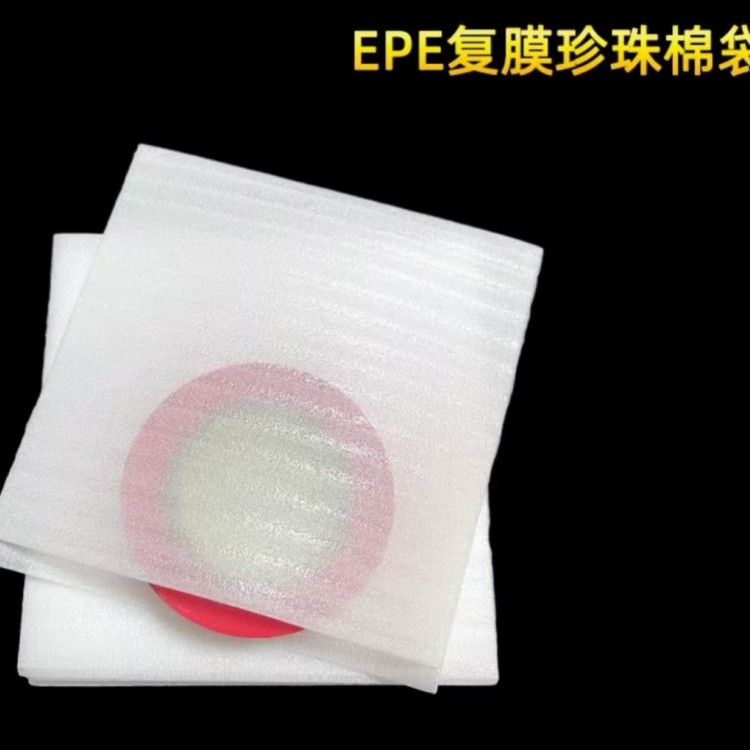
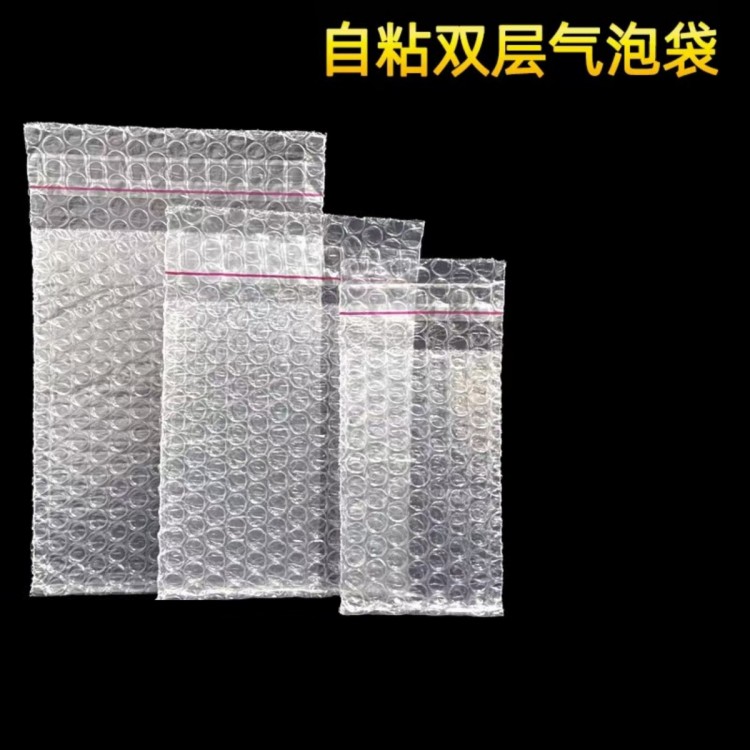
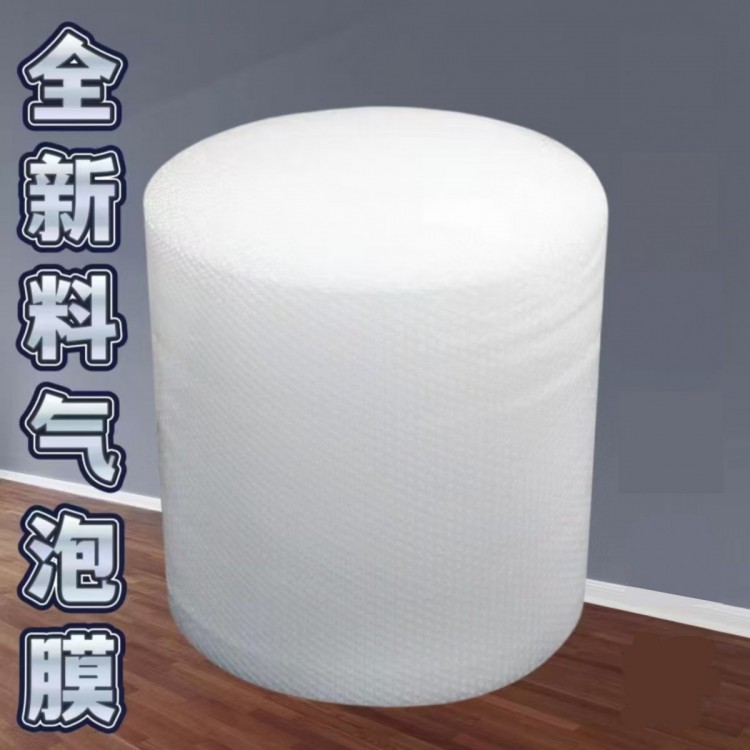
Logistics TransportationExpress bags, bubble mailer envelopes (shock-proof and cushioning).
Lifestyle scenariosGarbage bags, food storage bags, utility bags, etc.
Industrial SectorMedical waste bags (sterilization standard required), chemical raw material bags (corrosion-resistant).
Summary and Trends
The core advantage of the plastic bags lies inLow cost, multi-functionality, and convenienceBut its environmental sustainability remains a primary challenge. In the future, as material technology advances,Biodegradable plastic bagsAndRecycled Plastic BagsLikely to become mainstream, balancing practicality with sustainability. At the same time, environmental protection policies from various countries will promote the evolution of plastic bags towards a greener, more efficient direction.