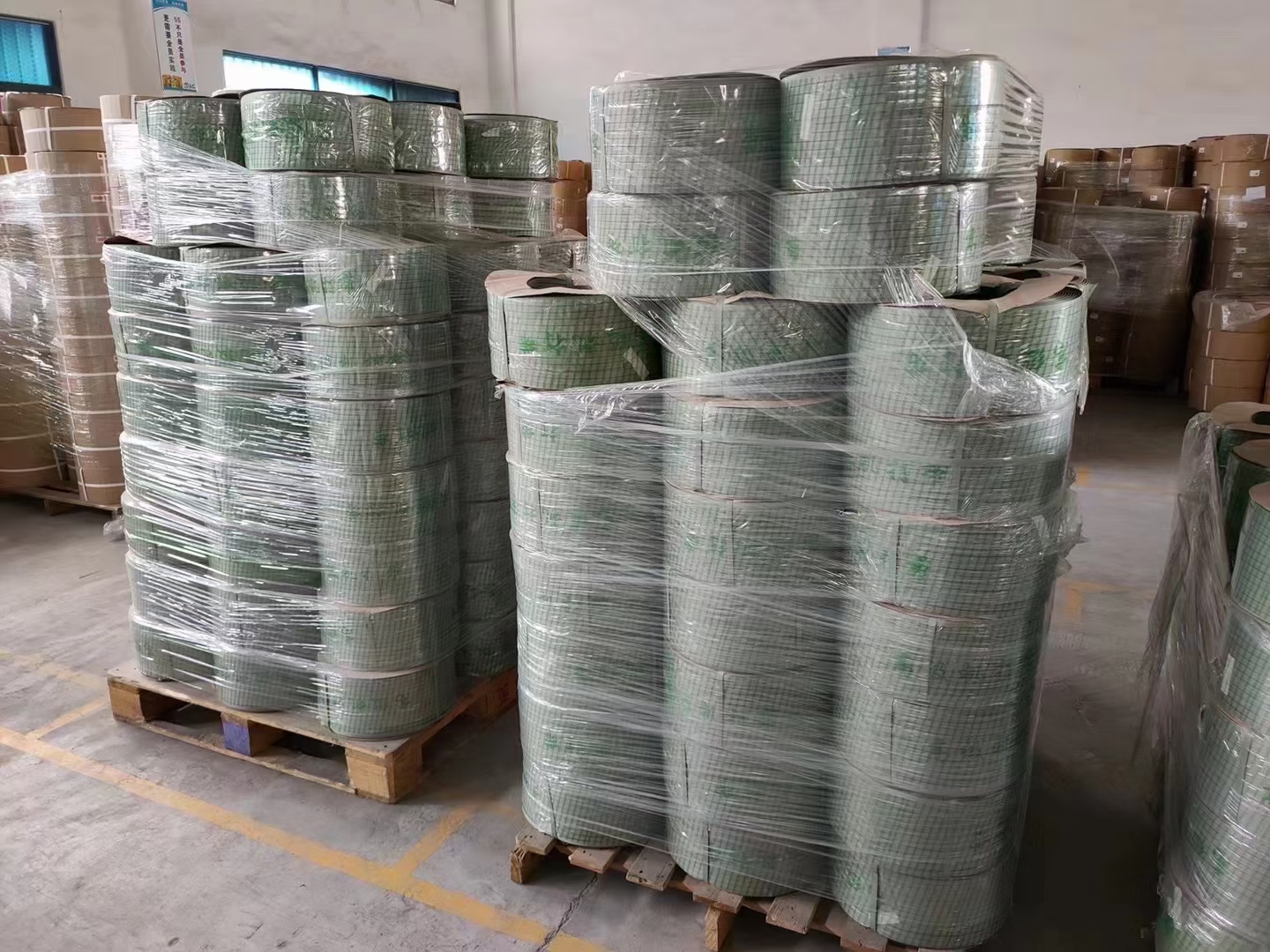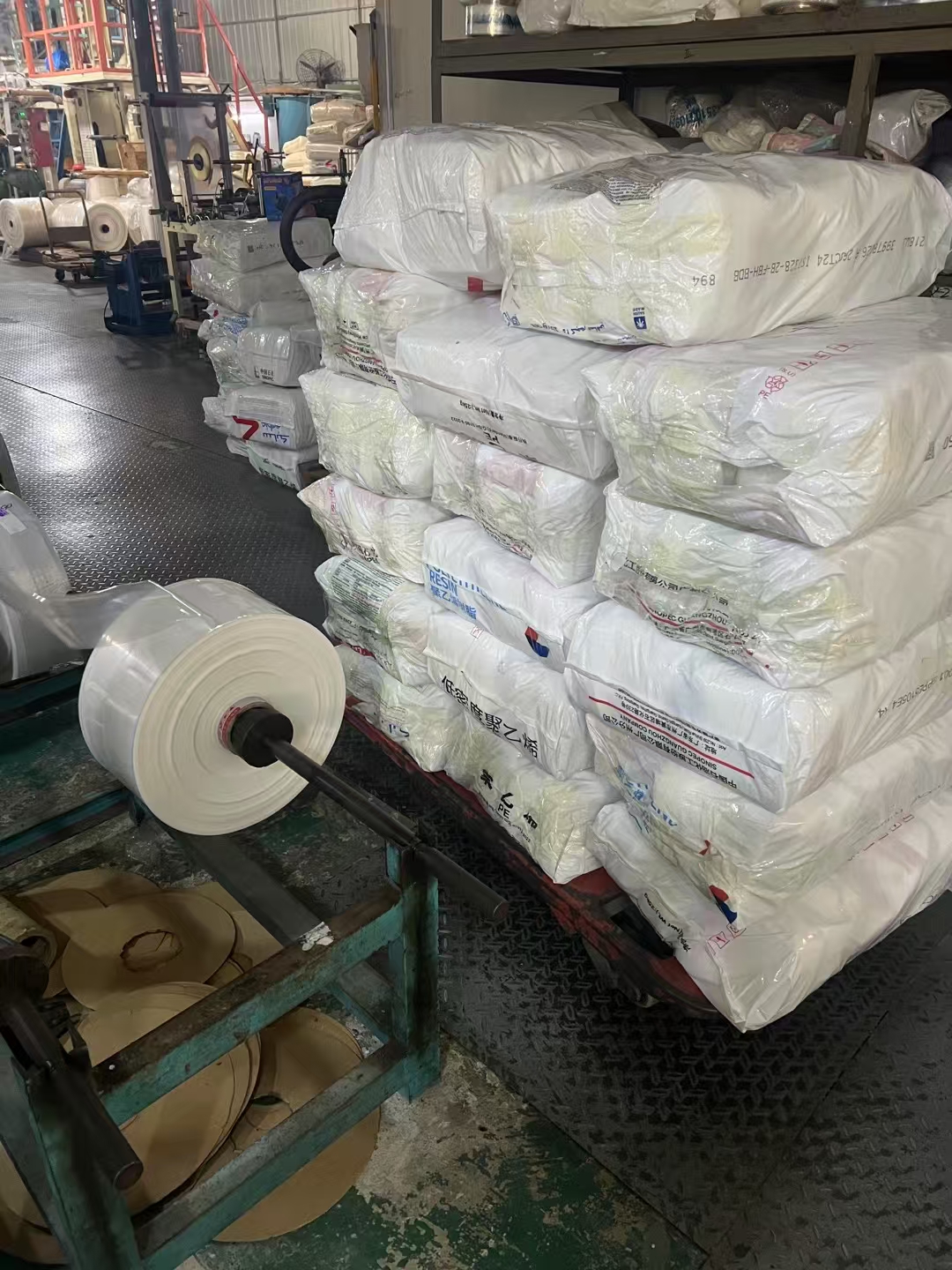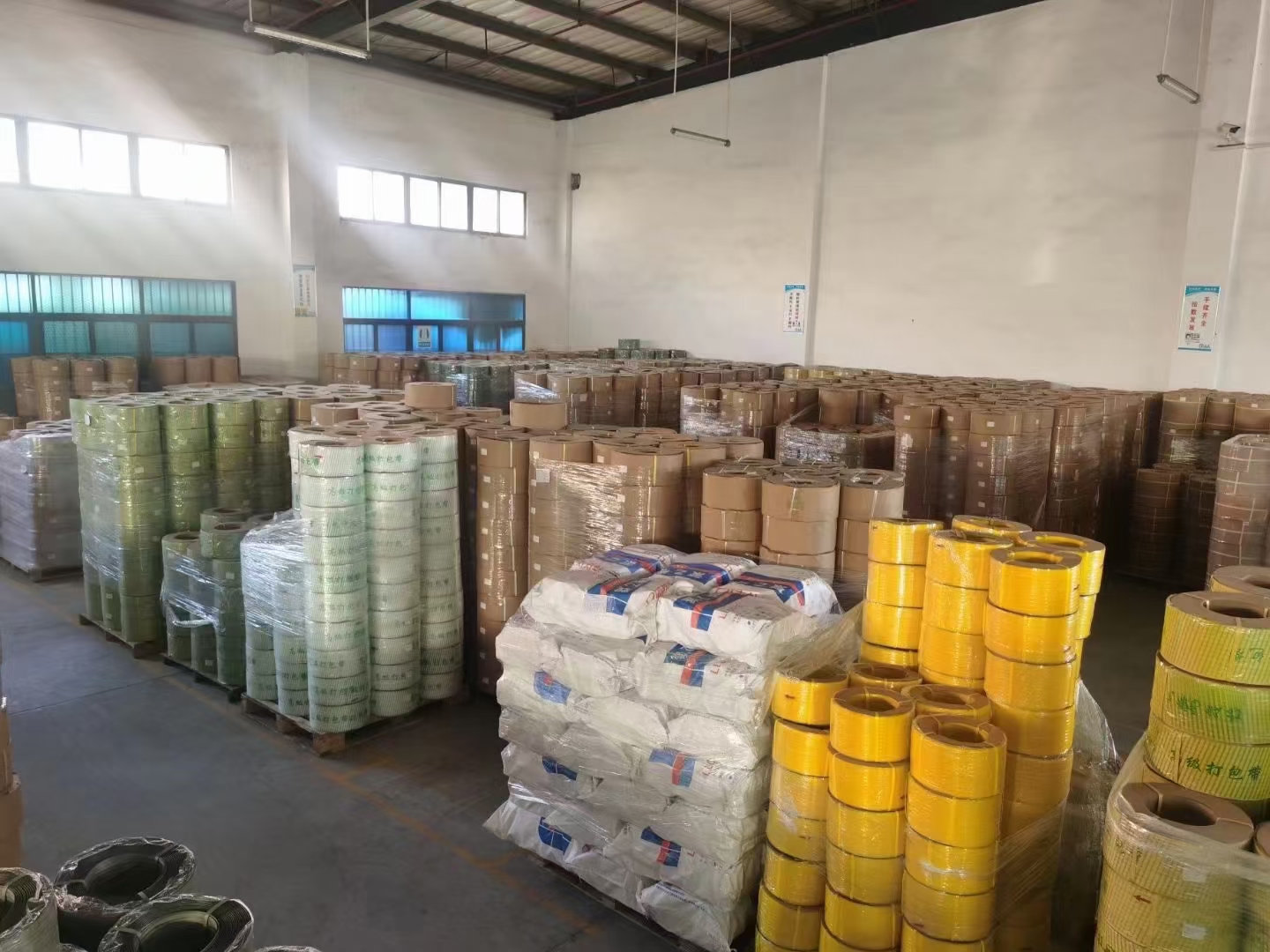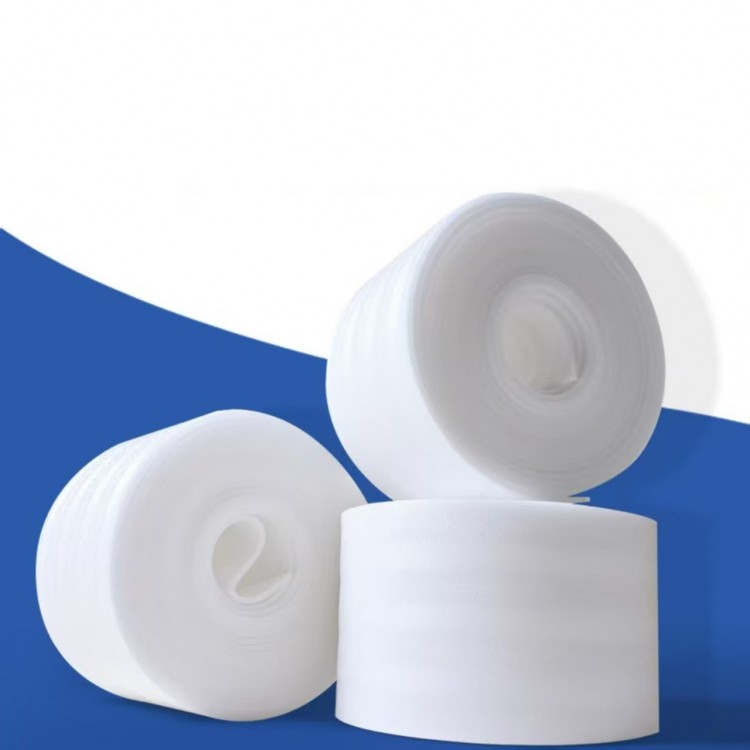


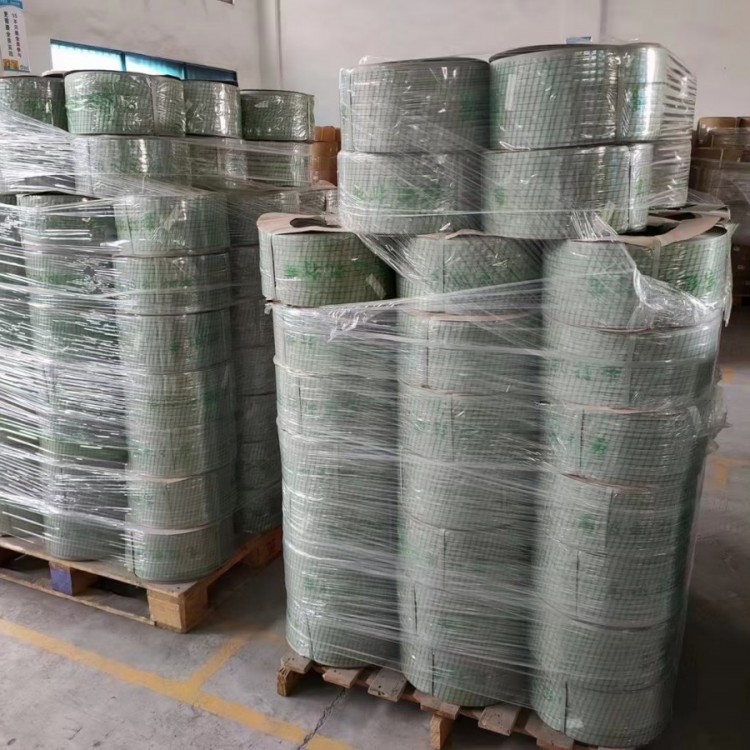
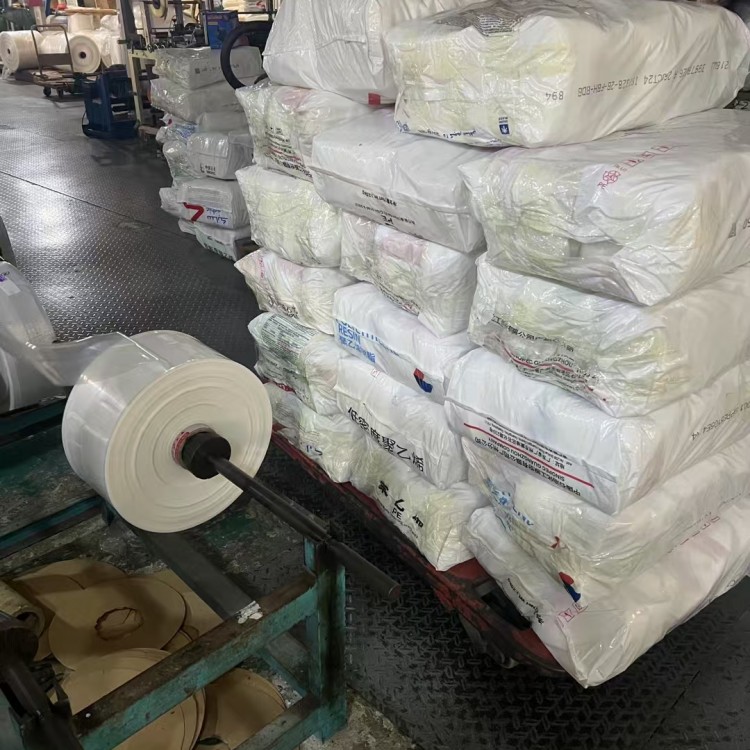
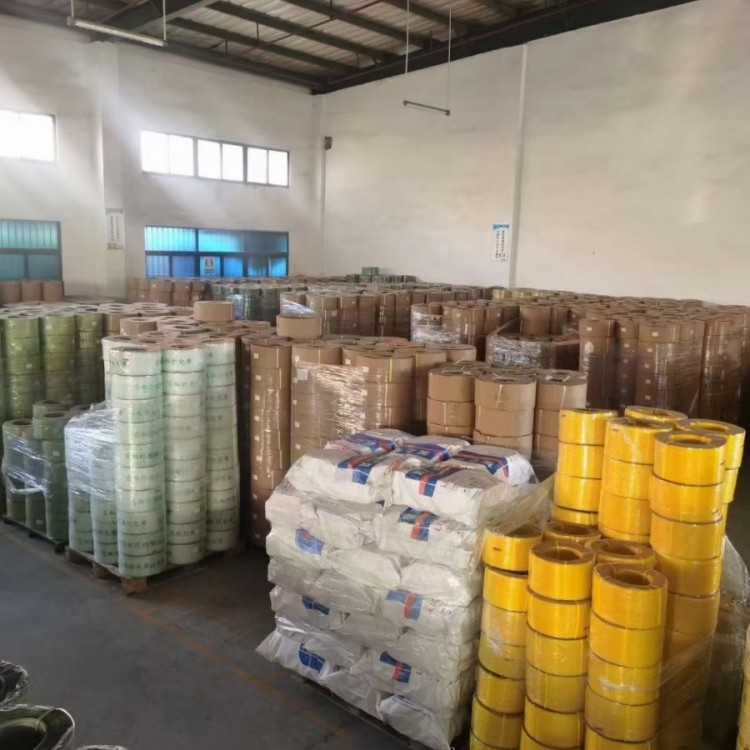


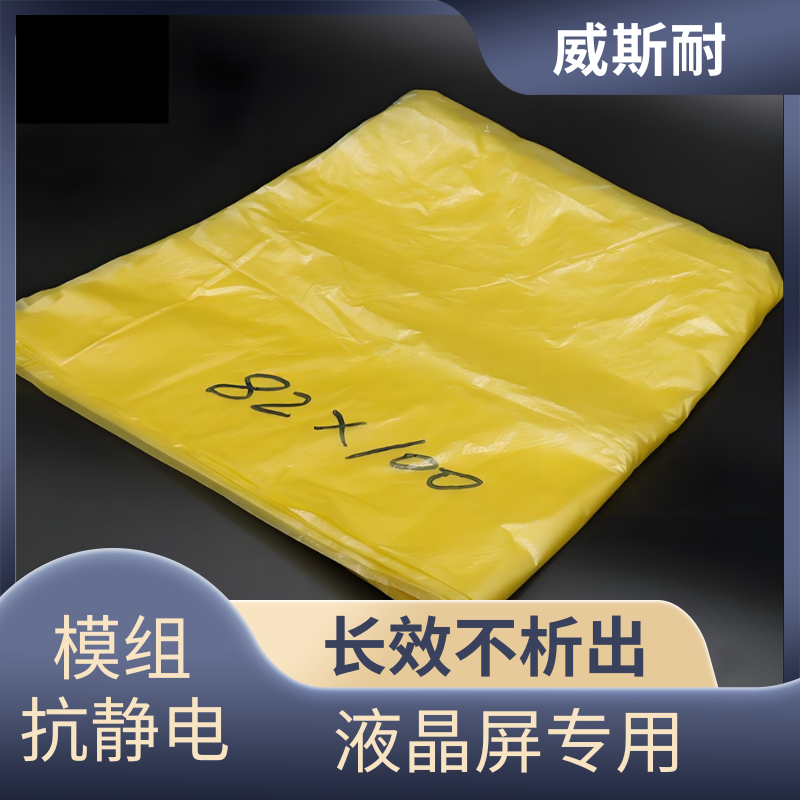









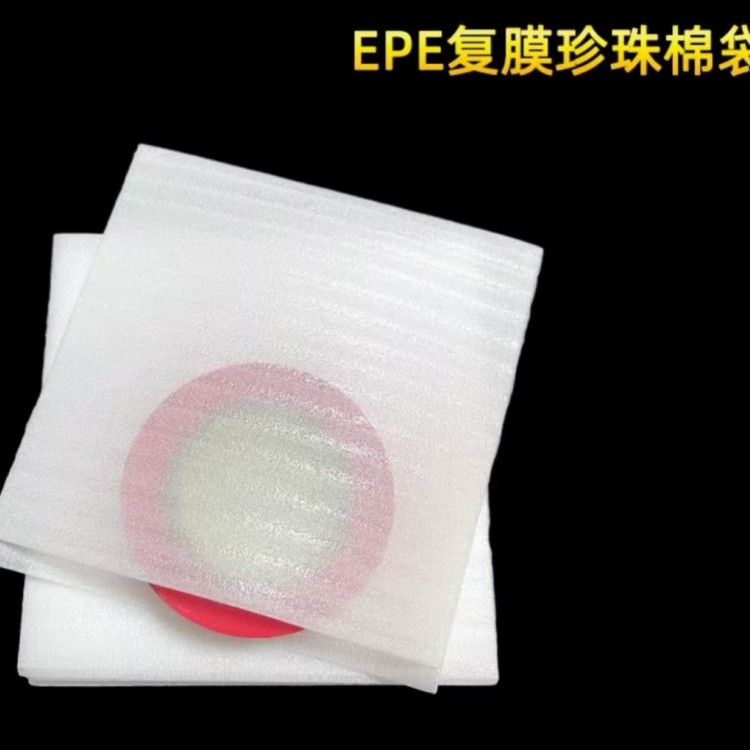
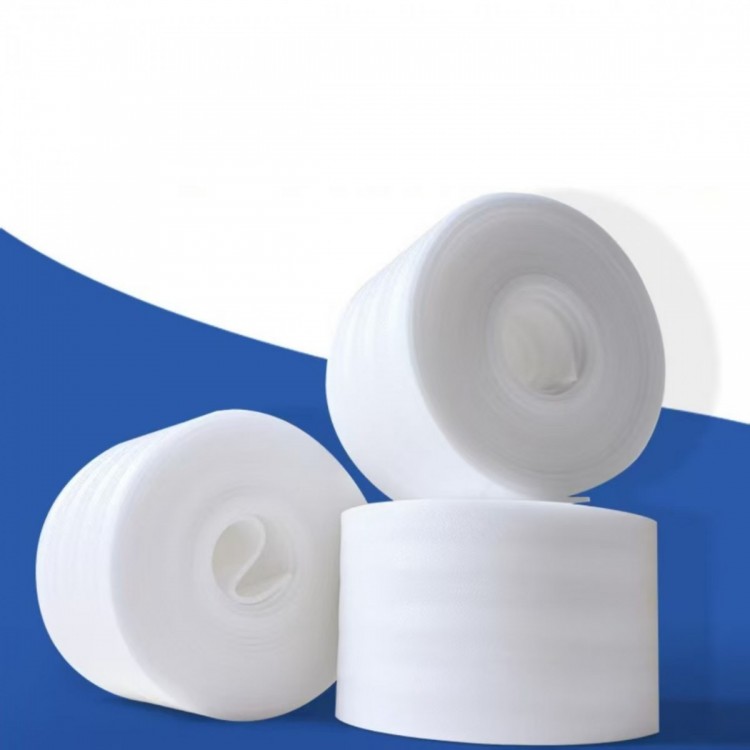
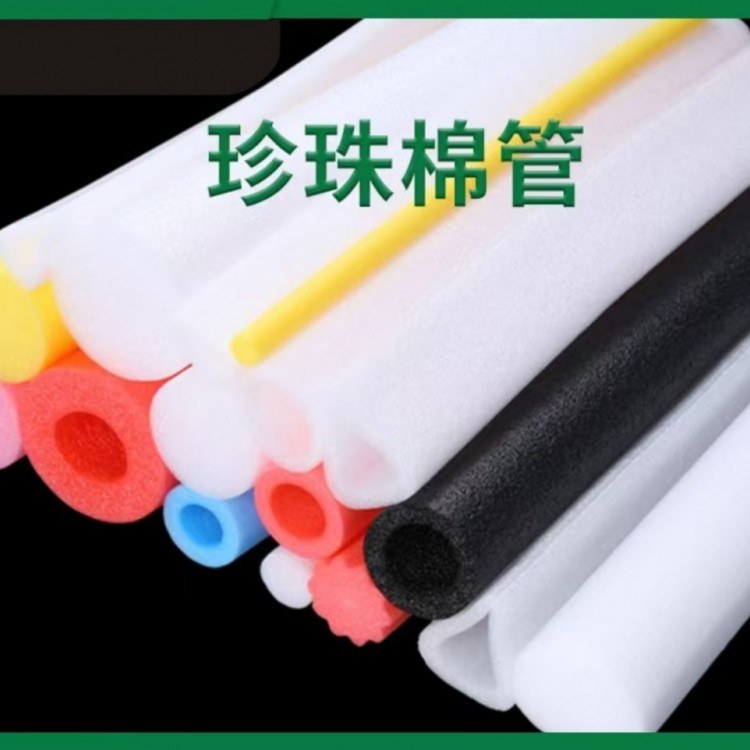
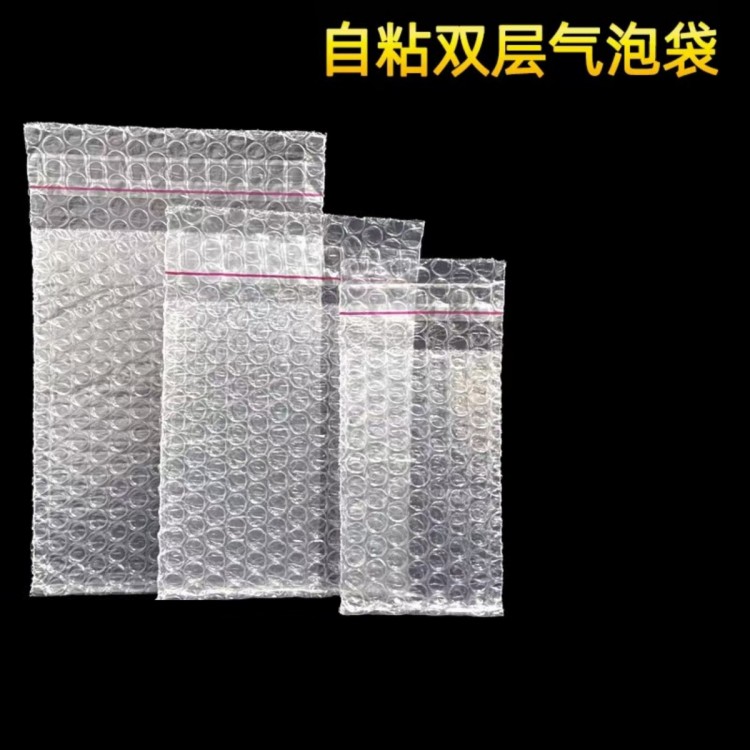
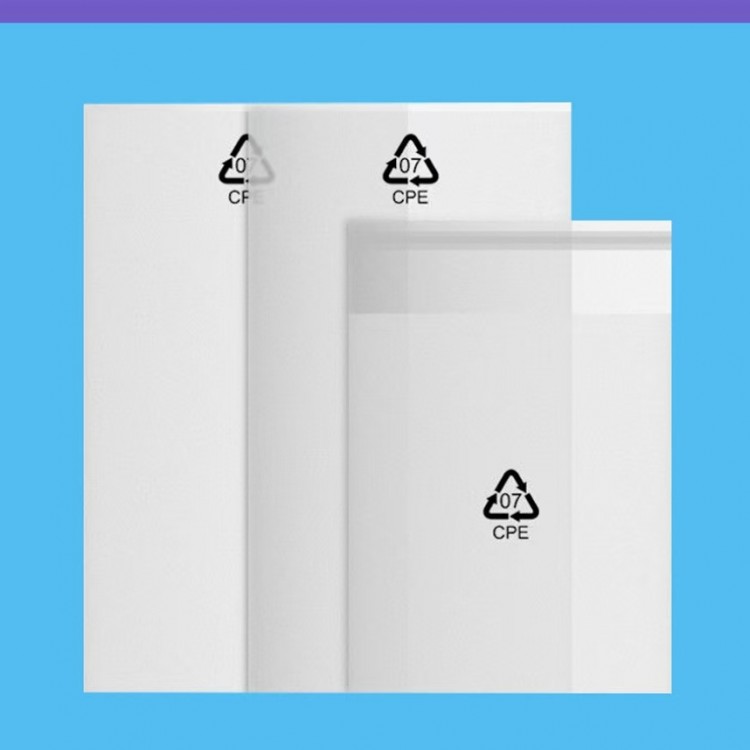

Eco-friendly packaging bags offer significant advantages. Environmentally, biodegradable materials prevent long-term pollution from traditional plastic bags, reducing white pollution and lessening ecological damage to soil and water bodies; recyclable and reusable materials reduce resource consumption and promote circular economy. In terms of performance, they maintain strength and durability, capable of withstanding weight and external forces, similar to fiber strapping in tensile strength, suitable for pallets and heavy items. Some materials also possess good flexibility and waterproofing, protecting the items. Cost-wise, mass production of eco-friendly materials reduces costs, and in the long run, reduces environmental pollution control costs, offering economic benefits.
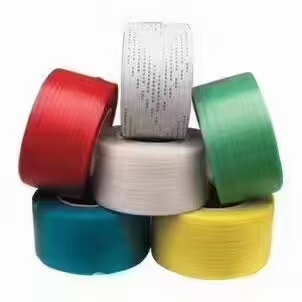
Its applications are diverse, with shopping bags in supermarkets and roll-type cling film often made from eco-friendly materials, ensuring convenience in shopping while reducing environmental impact; in the food industry, whether it's for takeout containers or food packaging bags, eco-friendly materials are being promoted to ensure food safety; in courier packaging, eco-friendly packaging bags are also becoming increasingly popular, reducing pollution from courier waste.