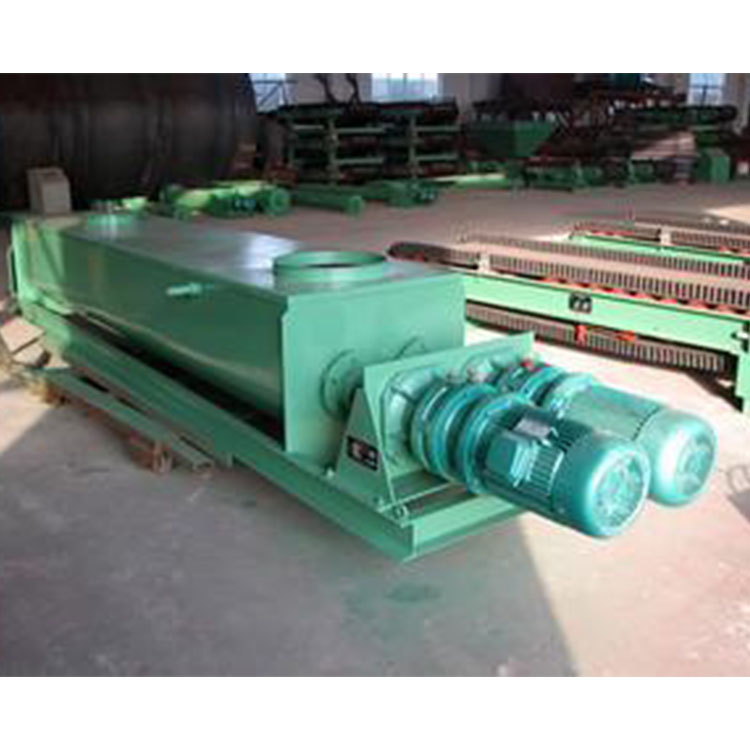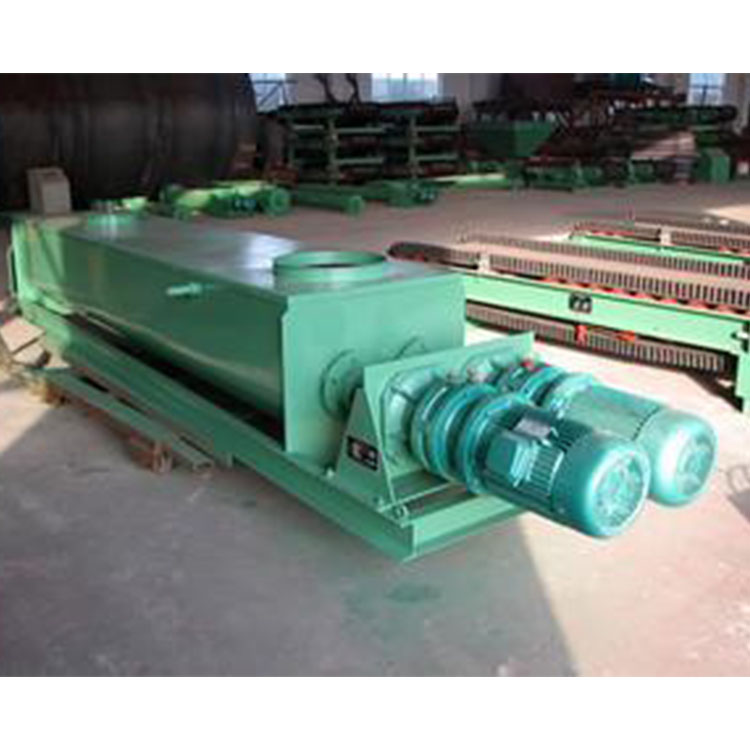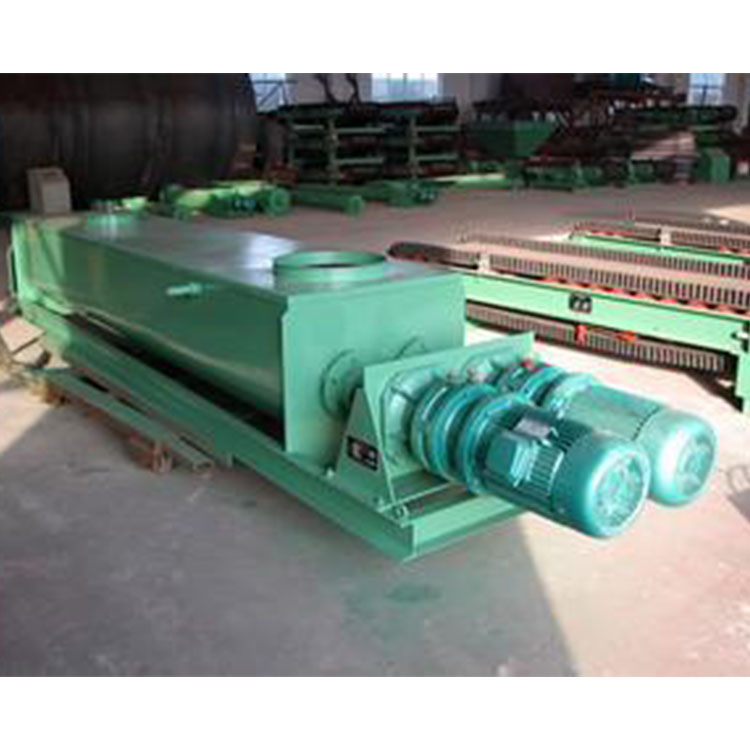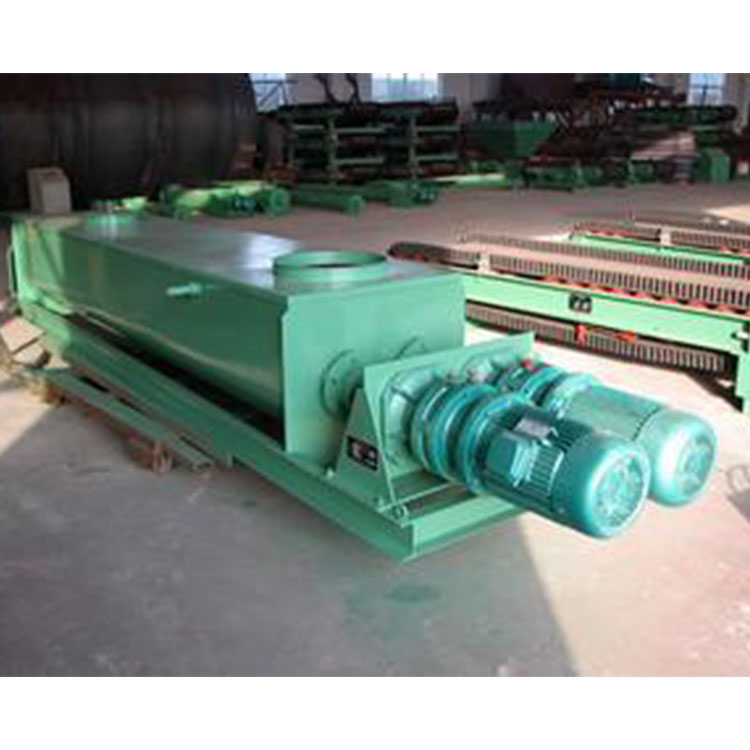

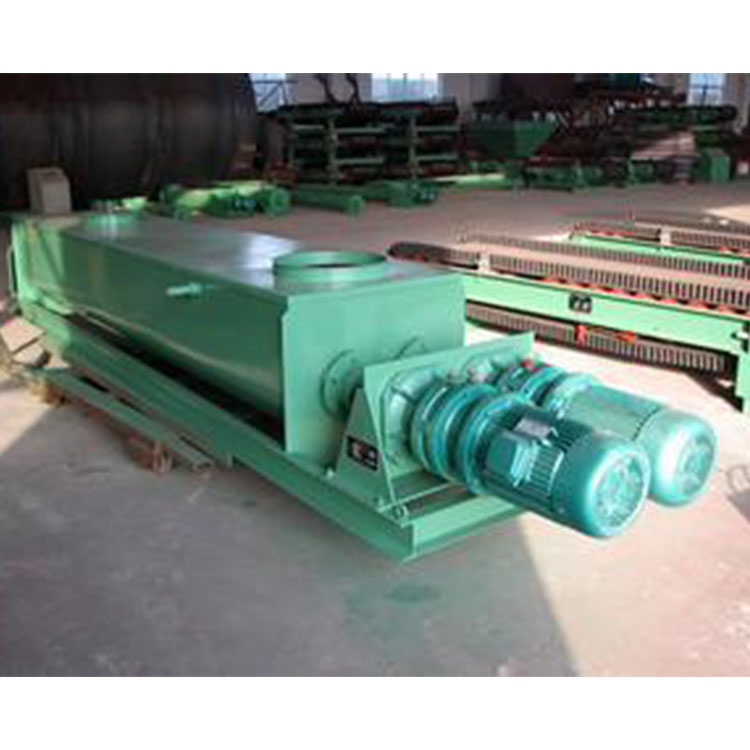
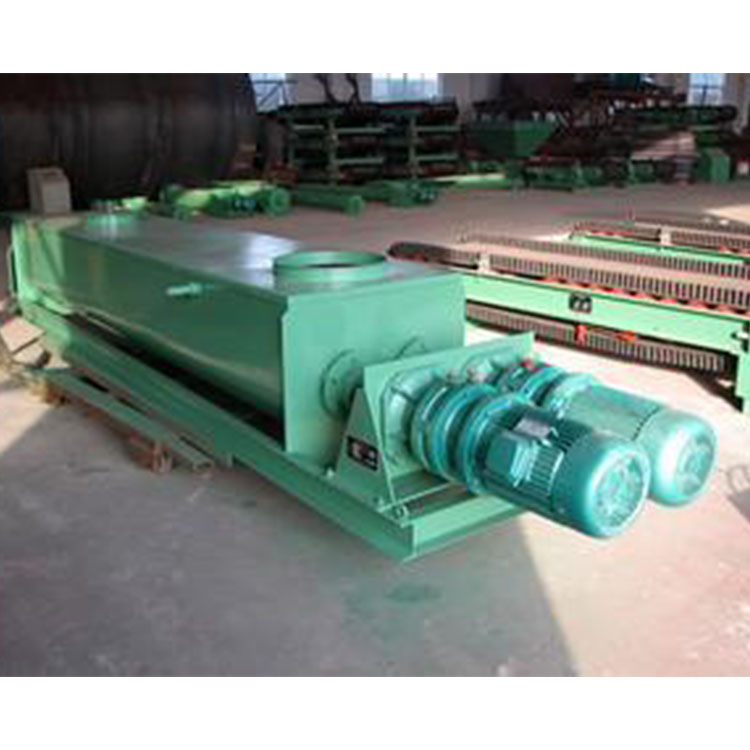
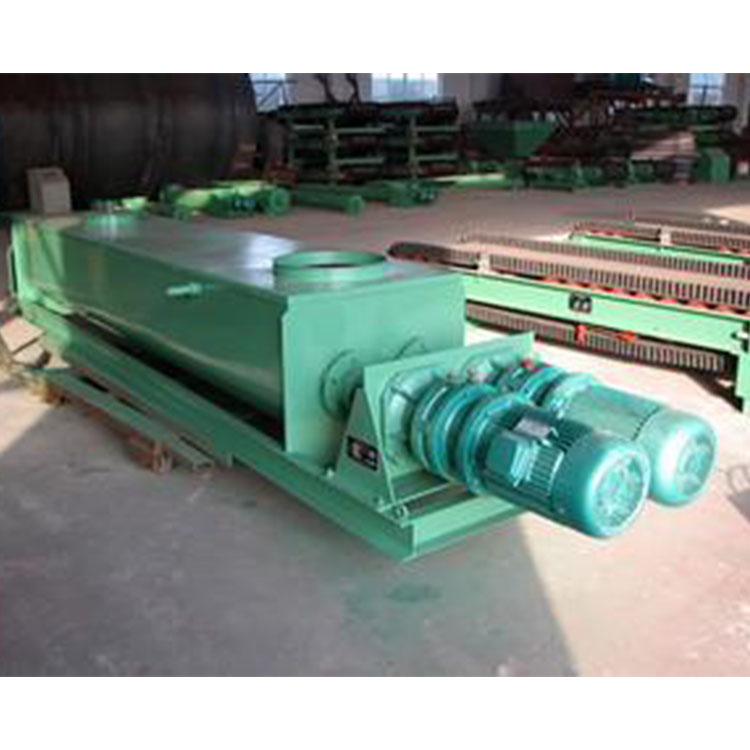


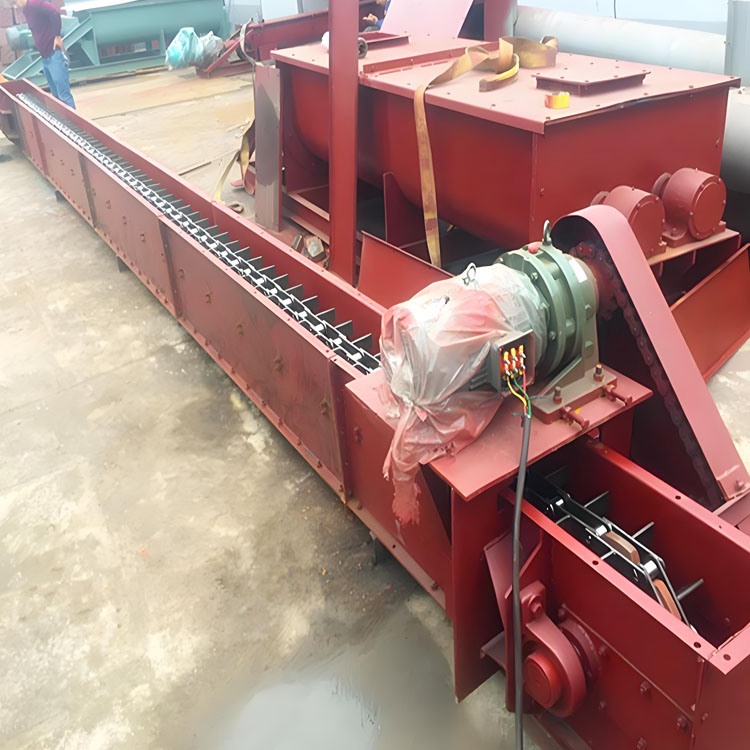

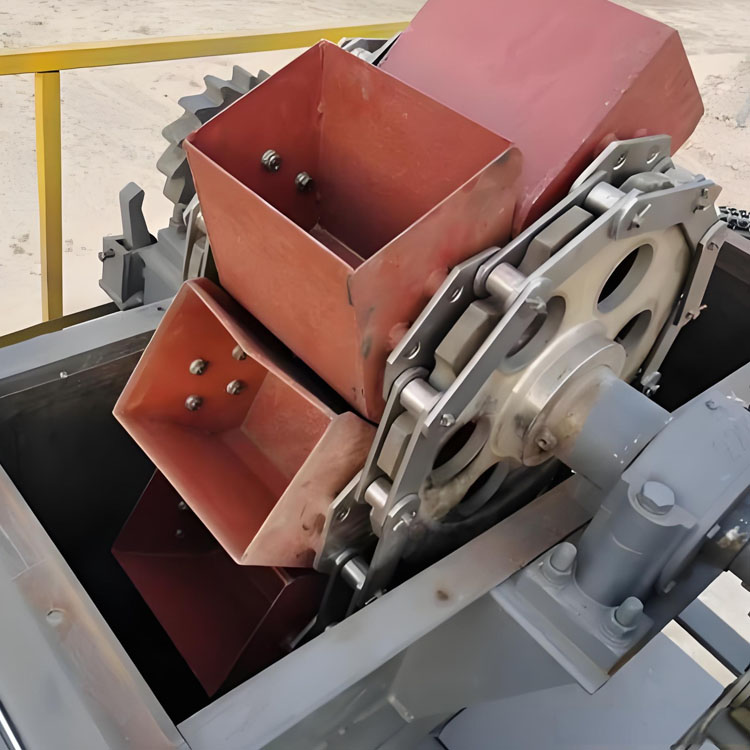
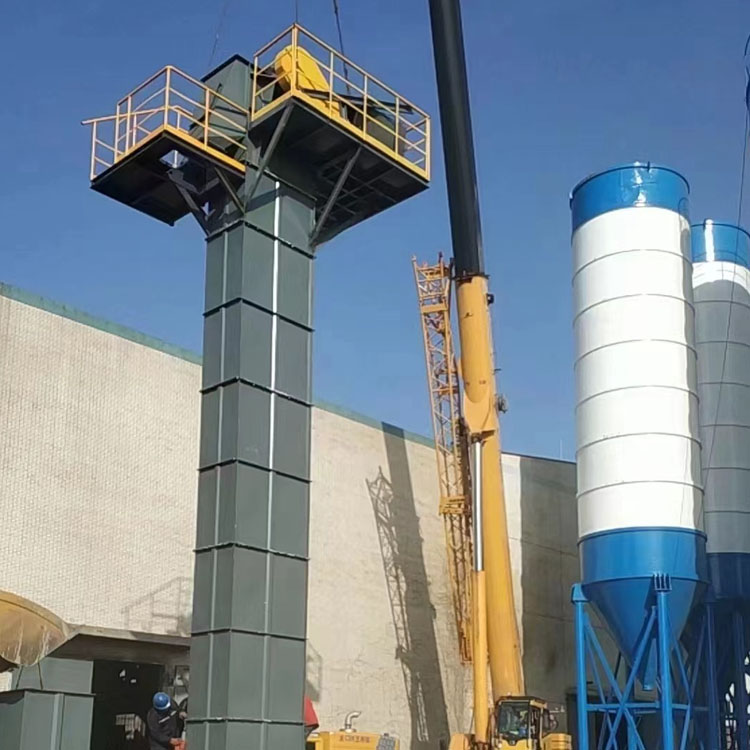





The SJ-type double-axis dust humidifying mixer utilizes the advantages of a double-axis structure, offering high mixing efficiency, tight system sealing, and no dust emission. The reducer has a compact design, occupies less space, operates smoothly with low noise, ensures even mixing, features wear-resistant blades, is easy to operate and maintain, and is reliable in operation. The blades are made of high-wear-resistant manganese steel, resulting in a longer service life and greater durability compared to traditional equipment.
The twin-shaft dust humidifying mixer consists of a quantitative and uniform feeding system, double-row blade striking and mixing conveying, water supply and humidification, driving unit, electrical control, and fixed bracket. During operation, the rotating feeding machine provides uniform feeding, and the material entering the mixing tank is forcibly mixed and stirred with the water supplied by the feeding unit through the spiral blades arranged on the conveying mixing shaft rotating at medium speed, while also discharging the material that meets the requirements.
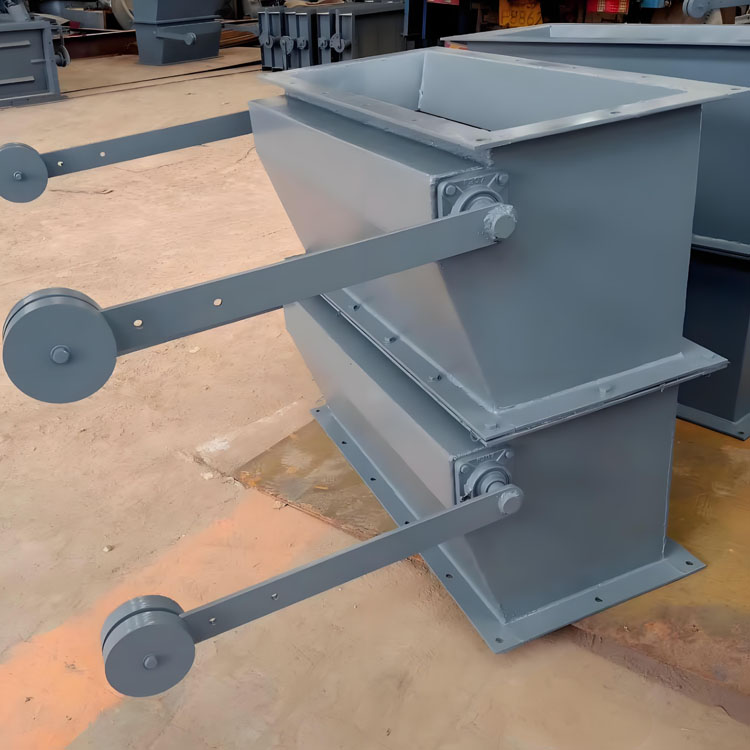
The twin-shaft dust humidifying mixer is a new type of dry ash humidifying equipment. Materials are introduced into the housing through an electric lock-gas feeding machine at the feed port. The two shafts, equipped with blades arranged in left and right helical patterns, rotate synchronously and continuously discharge the humidified material through the outlet. The twin-shaft dust humidifier utilizes a multi-slot labyrinth and packed gland combination shaft seal for reliable sealing and minimal shaft wear. The specially designed atomizing nozzles and adjustable water supply system ensure uniform material humidification and moderate water volume. The twin-shaft dust humidifier's shafts offer two types of blades: iron-based wear-resistant alloy and composite ceramic. The electric lock-gas feeding machine's impeller and housing lining of the twin-shaft dust humidifier are made of iron-based wear-resistant alloy, ensuring high wear resistance and preventing excessive gaps caused by wear, thereby guaranteeing uniform feeding!
Features of the two-axis dust humidifying mixer:
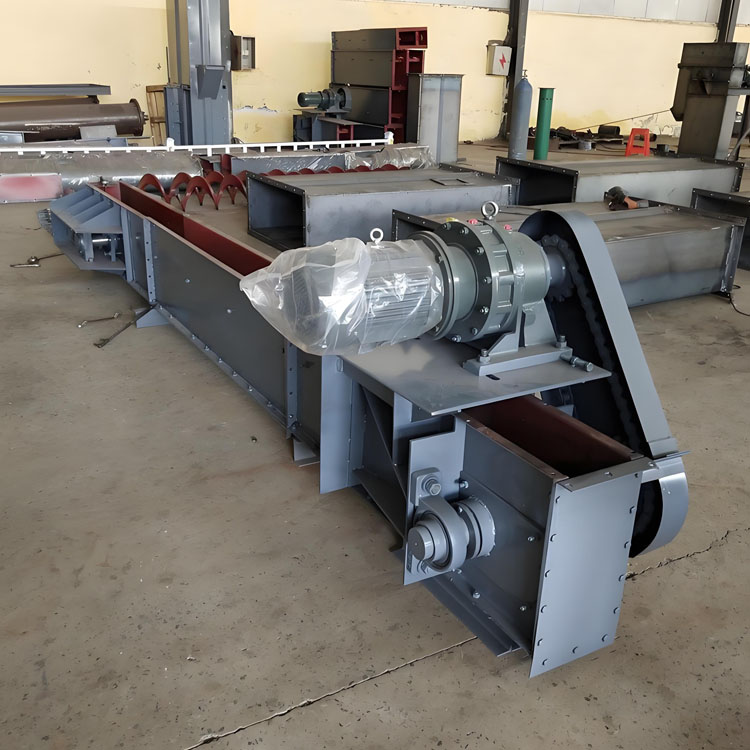
The Dust Mist Blender is mainly composed of the housing, spiral shaft assembly, drive unit, piping, cover plate, chain guard, and other components. Its specific structural and performance characteristics are as follows:
1. The housing is primarily constructed of sheets and steel sections, welded into shape at the manufacturing facility and assembled with other components, serving as the support for the twin-axis agitator. The housing is tightly sealed, preventing any fly ash from escaping or leakage.
2. The helical shaft assembly is a major component of the twin-shaft mixer, consisting primarily of left and right-handed helical shafts, bearing seats, bearing bushes, bearing caps, gears, sprockets, oil cups, and blades. The left and right-handed helical shafts require high manufacturing precision and good process performance, with strict fit requirements for the bearing seats, bushes, and caps. The gear module is 8, with 60 teeth and a 20° tooth angle; the sprocket pitch is 50.8mm, with 25 teeth, following GB1224-85 specifications. Both gears and sprockets are protected by guards for safe and effective operation. The oil cup is a press-fitted injection type, making it convenient and effective to add lubricating oil. The blades of the twin-shaft mixer are made of a wear-resistant and non-sticky composite ceramic. The blade structure is designed to be simple and reasonable, easy to replace after wear, and has a long service life.
3. The wetting and mixing pipeline is mainly composed of joints, connectors, and nozzles. The nozzles are made of stainless steel atomizing cones and are arranged inside the mixer housing above, aligned axially along the helical shaft to form a water curtain for effective wetting and mixing of materials. The nozzle structure is simple and easy to replace, made of stainless steel for corrosion resistance and durability. The moisture content of the wet slurry can be adjusted by operating the manual regulating valve on the water supply pipeline.
4. The cover plate includes the left cover, center cover, right cover, hole cover, and inspection hole cover, among others. The twin-shaft mixer is equipped with six inspection holes on both sides for convenient maintenance and daily checks by operators.