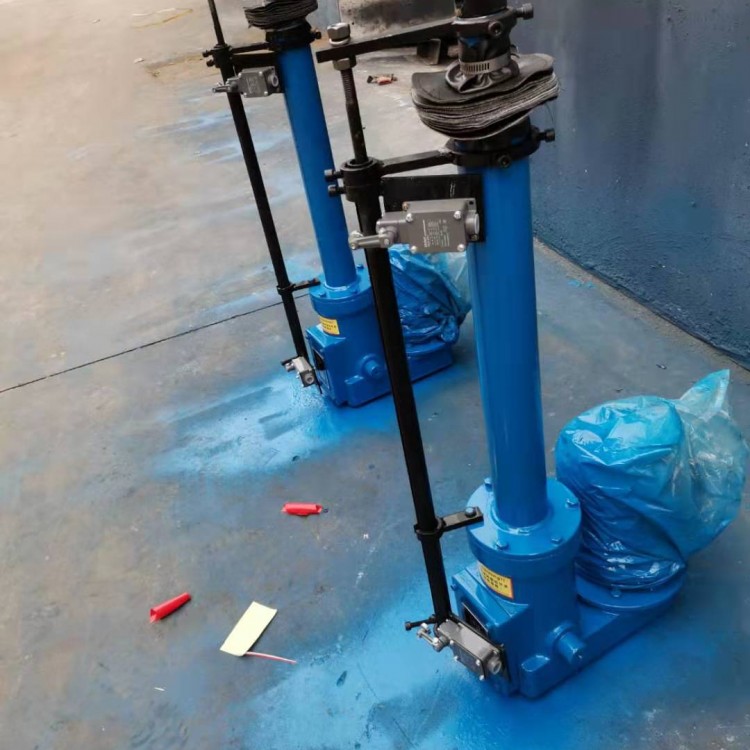

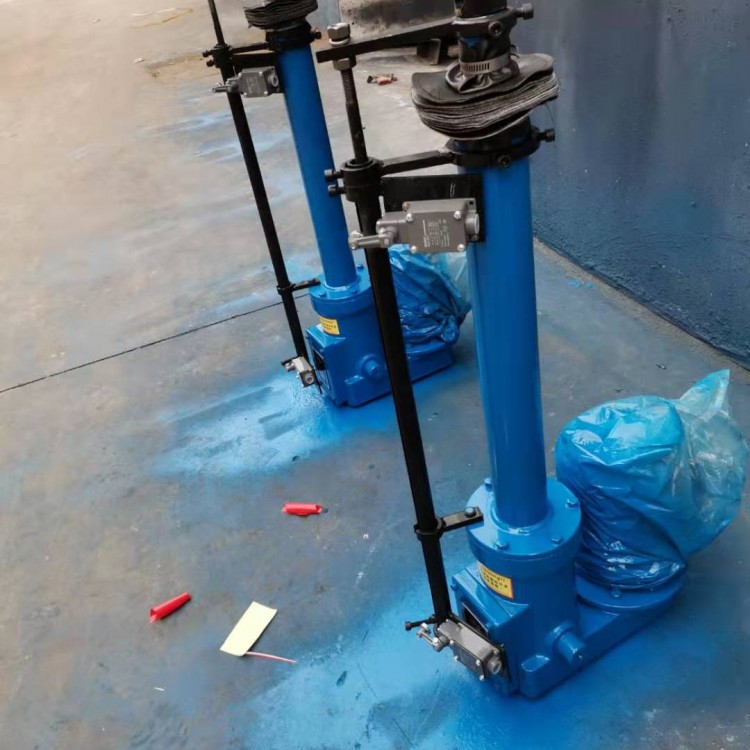
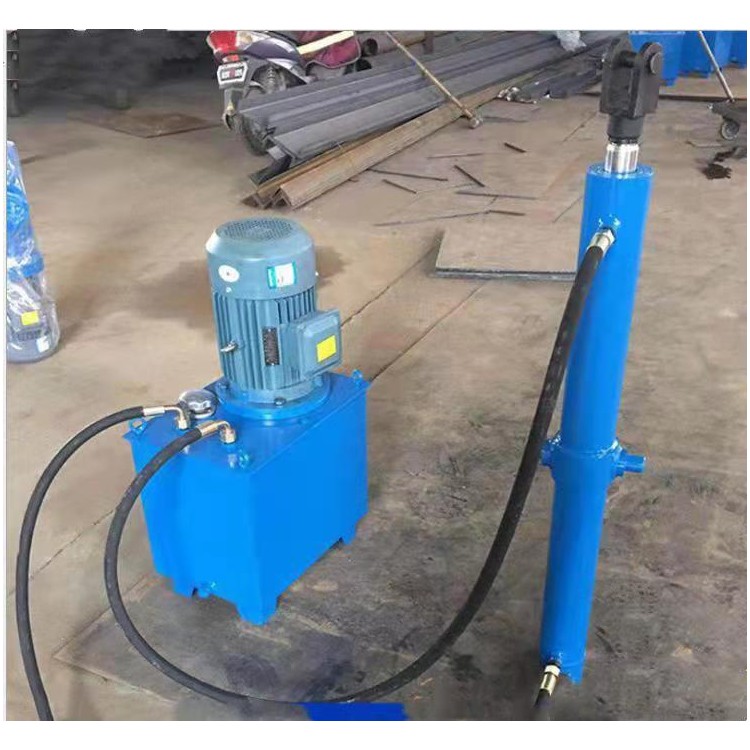
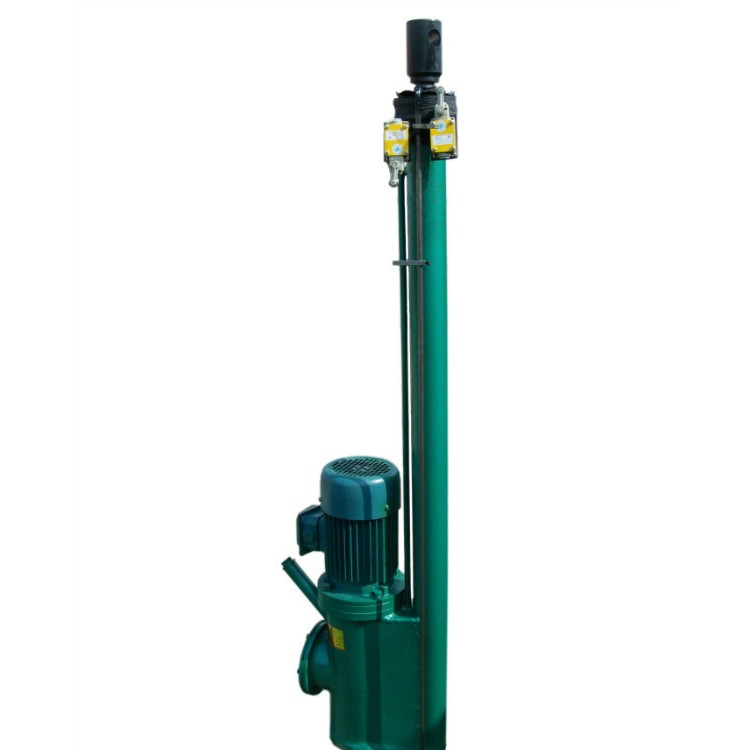







DYTP Electro-hydraulic Push Rod, High-tonnage Hydraulic Pull Rod, Electric Actuator
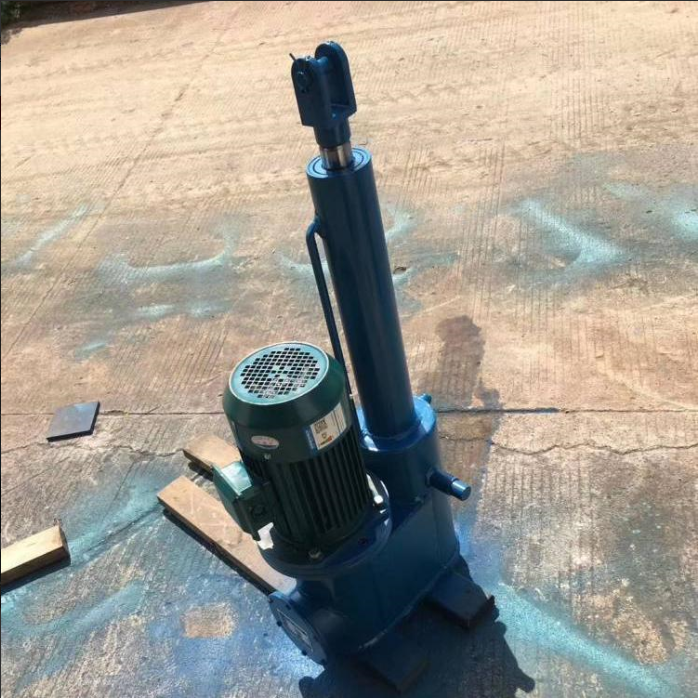
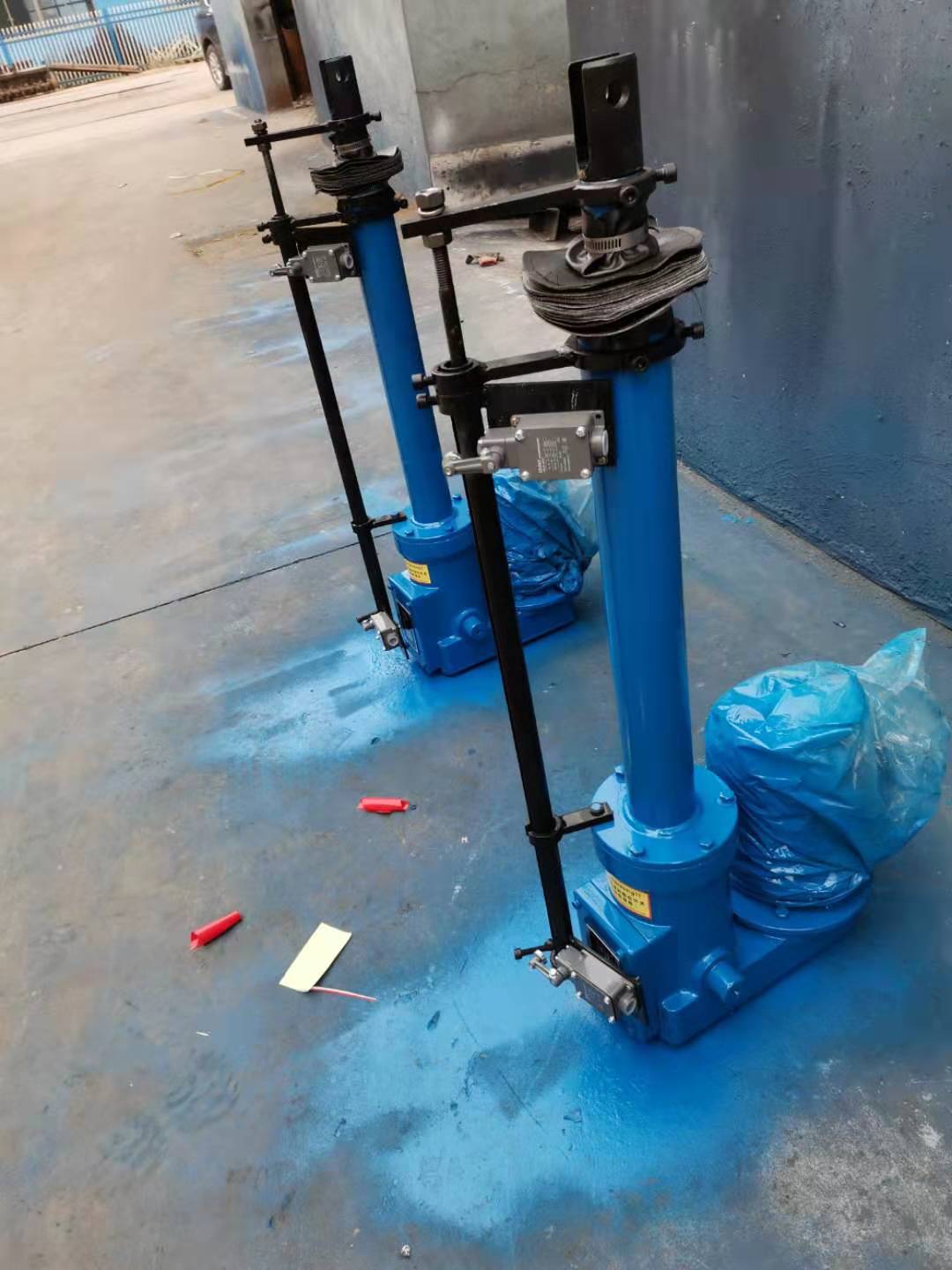
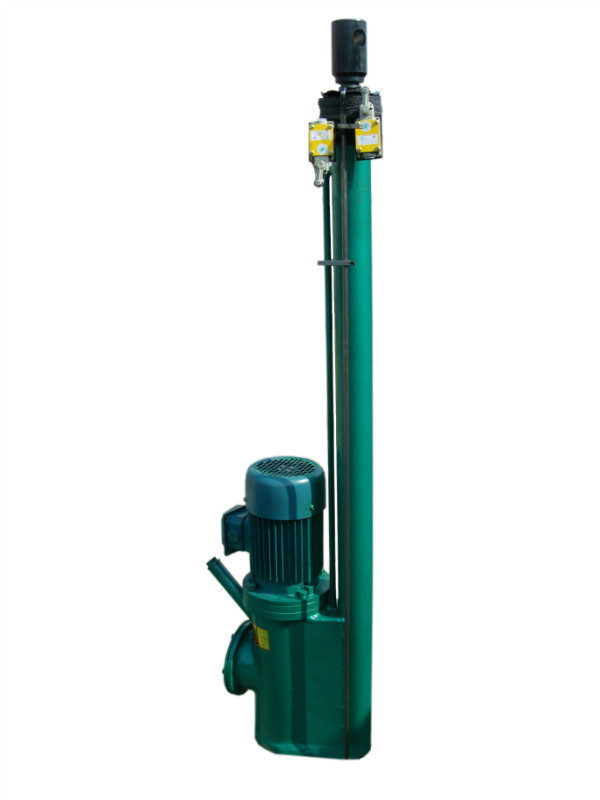
The electric push rod is composed of components such as the motor, reduction gears, screw, copper nut, guide sleeve, piston rod, bearing housing, bearing housing, spring, cylinder base, connecting fork, and photoelectric proximity switch unit (optional by the customer).
2. Working Principle:
Motor, after being stepped down by a first or second gear, drives the lead screw nut assembly, converting the motor's rotational Dynamic transformation to linear motion, advantageous The push rod performs reciprocating motion through forward and reverse motor operation. The output thrust and pull force are equal. The stroke can be increased by varying the lever arm lengths.
3. Overload Automatic Protection Feature
Electromagnetic overload protection device inside the actuator, when the actuator stroke reaches Position or load exceeds rated thrust When it comes to figures, the push rod.
The power supply will automatically shut off, serving as a protective measure to prevent damage to the motor and other components; however, this should not be used as a limitation during normal operation.
Position switch is used. Therefore, an additional external travel limit switch device must be configured on this machine. Our factory can provide photoelectric proximity switch configurations for the user.
1. Ensure adequate space for the electro-hydraulic push rod installation; operating temperature should be between 10-60 degrees Celsius (special order required for high-temperature environments).
2. Users can configure journey switches according to control requirements.
3. Prior to installation, the electric hydraulic push rod should be placed flat on the ground and filled with hydraulic oil (HM brand, accuracy grade 46-68). The oil level should be below the observation port, and the oil surface of the split rod should be within 50mm from the box.
4. Prior to use, turn the exhaust screw of the exhaust hole on DYDTZ, DYTP, and DYTF counterclockwise 2 turns to loosen it.
5. Test power-on during installation.
a. Overall push rod, plug in the power and it's ready to operate
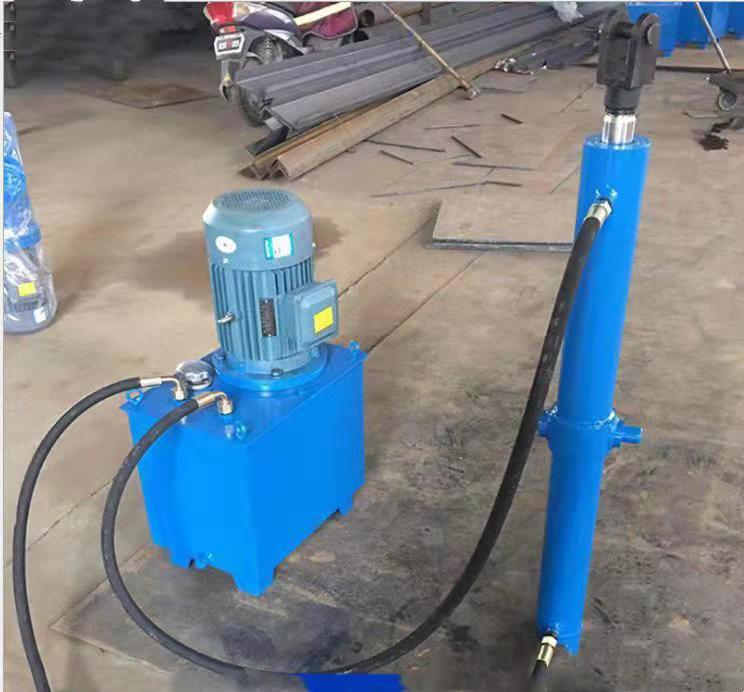
b. Detachable push rod; connect power to allow the hydraulic cylinder to reciprocate several times under no load, expelling air from the cylinder and oil lines
Electro-hydraulic Push Rod Maintenance
To ensure the service life of the high-pressure oil line, the pipe should be securely fastened with rubber.
2. Regularly filter or replace hydraulic oil, annually or as determined by actual working conditions.
3. Long-term unused, the motor should be inspected before being put into use. Origin inspection.
4. Simple troubleshooting
a. Initially, the machine cannot be operated; check if the motor is not running or if the oil level is insufficient.
b. After a period of use, if the mechanism fails to operate, remove the liquid-controlled plug, clean the valve core of the liquid-controlled valve, and replace the hydraulic oil.
After prolonged use, the push rod can slide without load but not when carrying a load. Replace the sealing ring in the piston hole of the oil cylinder. Seepage at the sealing surface, replace the seal.If oil drips from the oil plug rod extension, replace the shaft seal.