






Hydraulic Cylinder, Electric Actuator, Coal Plow Locking Hydraulic Push Rod
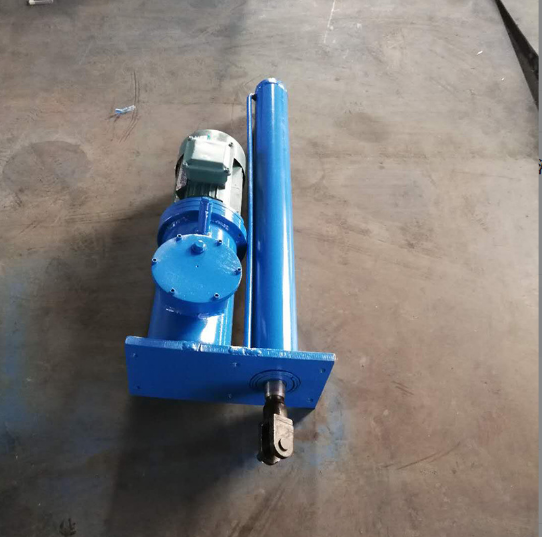
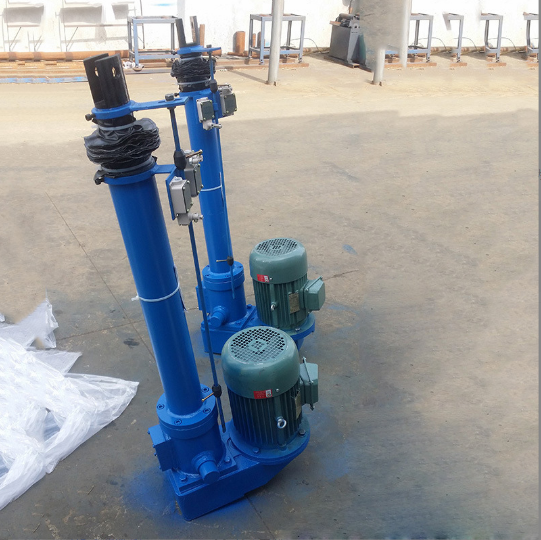
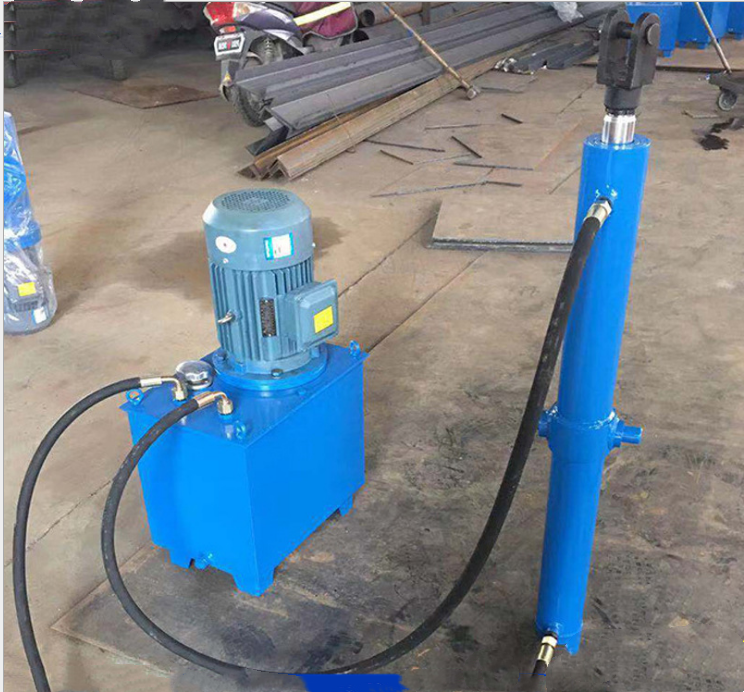
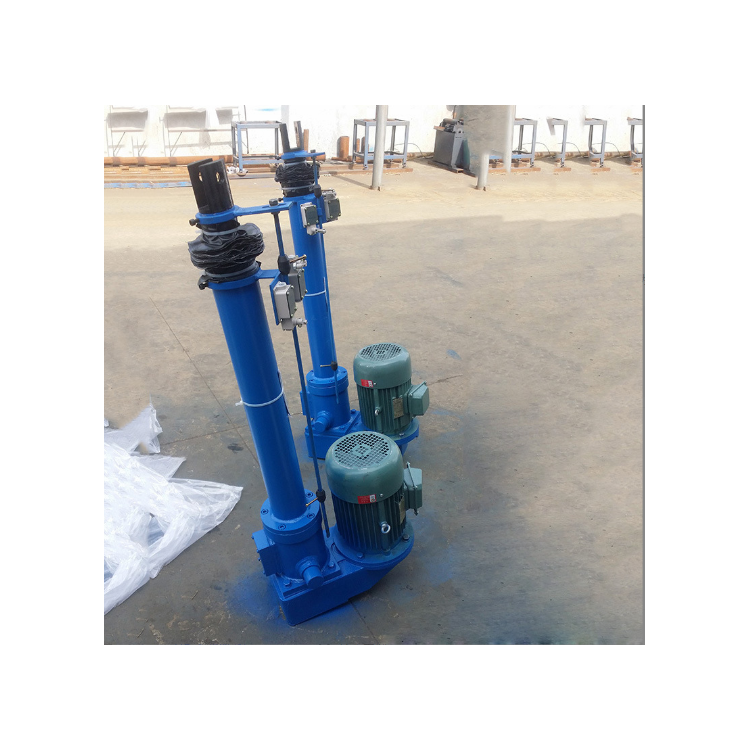
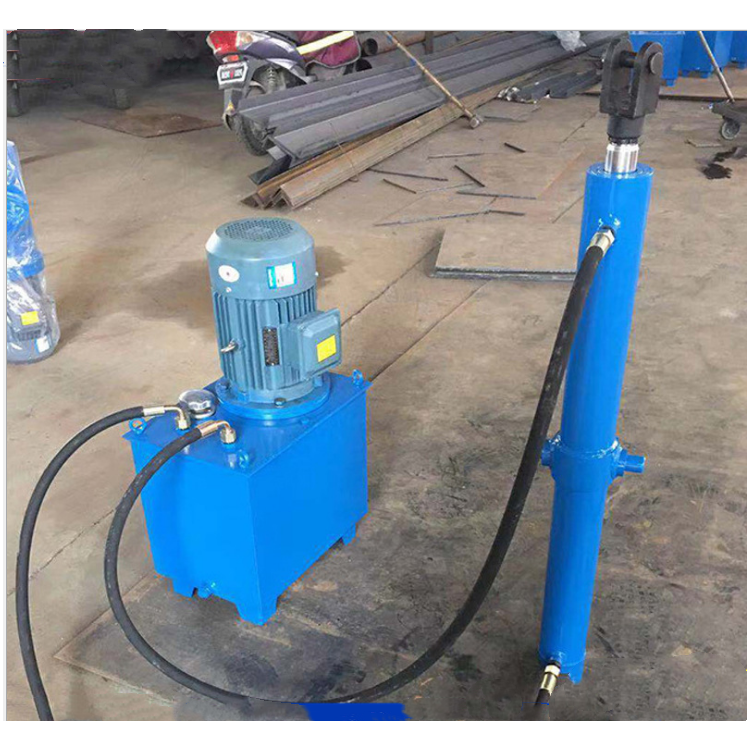
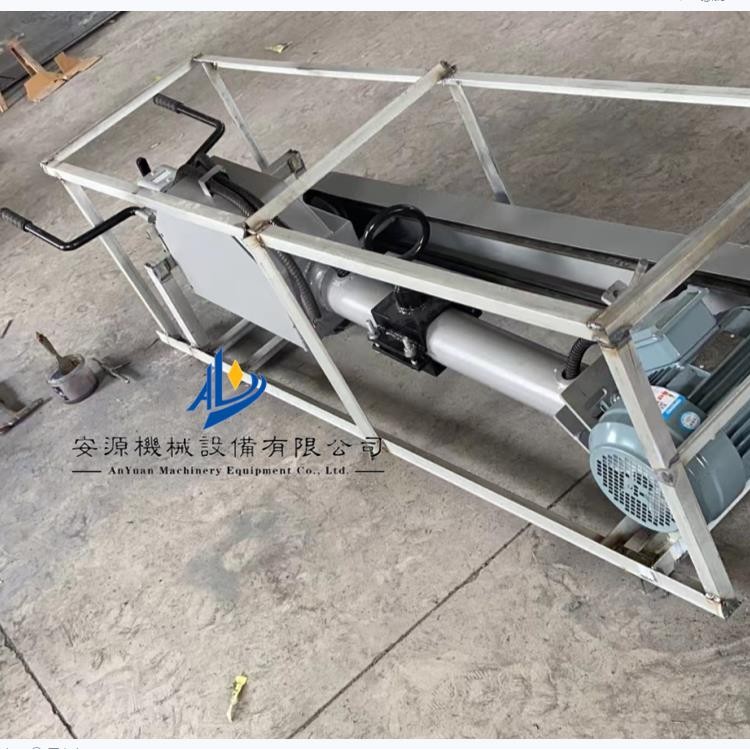
Electro-hydraulic push rod, also known as electric hydraulic push rod, suitable for reciprocating linear (or reciprocating rotational) push-pull. (Angle) Movement, suitable for applications requiring lifting, lowering, or clamping workpieces, as well as for distant and high-altitude hazardous areas. It can also be networked with computers for centralized (programmed) control. Now widely used in metallurgy, mining, coal, electricity, machinery, grain, cement, chemicals, water conservancy, transportation, and other departments, it is an indispensable general-purpose power source. Working Principle:
Electro-hydraulic push rods are powered by an electric motor, which, through its forward (reverse) rotation, drives the hydraulic oil to be output as pressure oil via a bidirectional gear pump. This pressure oil is then delivered through an integrated oil path to the working cylinder, thereby achieving reciprocating motion of the piston rod. Advantages:
1..Overload Automatic Protection Feature: During the operation of the electro-hydraulic push rod, if the external force on the piston rod exceeds the rated output force or the piston reaches the end position, the motor continues to rotate. At this point, the oil pressure in the oil circuit increases to the set pressure, and the overflow valve quickly and accurately overflows, achieving automatic overload protection. Although the motor is rotating, Will burn.2.Self-locking Function: The oil circuit module of the electro-hydraulic push rod is designed with a pressure self-locking mechanism. Once the motor stops rotating, the piston rod immediately remains stationary. At this position, the pressure oil is in a hold-pressure state.3.Continuous Adjustment: Can be infinitely adjusted within the designated speed, output force, and stroke range according to customer requirements.
Description of Design The electro-hydraulic push rod is primarily composed of six basic elements: the type of push rod, the protection grade of the motor, the rated output force, stroke, rated speed, and usage angle. It can also be customized according to customer requirements. Requirements: Three adjustment functions are required, namely: speed adjustment push/pull, force adjustment, and stroke adjustment (stroke switch positioning). In addition to the aforementioned three adjustment functions, when placing an order: Please fill in the six key elements carefully, except for any specific text notes, refer to the model compilation method for the rest. DYTZTypeOverall VerticalElectro-hydraulic Push Rod Technical Parameters (Selection Chart)
Model Rated Output Power (10NRated Speed (mm/sMotor Model - Stroke Manufacturing Range (mmTravel Manufacturing Range (mm)
Thrust Tensile Strength Propel Speed Lacing speed
DYTZ450-/110 450 310 110 140 Y802-4-0.75KW 50-800 10-110
DYTZ700-/110 700 510 110 140 Y90S-4-1.1KW 50-1500 10-110
DYTZ1000-/110 1000 750 110 140 Y90L-4-1.5KW 50-1500 10-110
DYTZ1750-/90 1750 1300 90 115 Y100L1-4-2.2KW 50-2000 10-90
DYTZ2500-/90 2500 2050 90 115 Y100L2-4-3KW 50-2000 10-90
DYTZ3000-/90 3000 2500 90 115 Y100L2-4-3KW 50-2000 10-90
DYTZ4000-/80 4000 2950 80 100 Y112M-4-4KW 50-2000 10-80
DYTZ5000-/60 5000 3300 60 90 Y112M-4-4KW 50-2000 10-60
DYTZ6000-/60 6000 3800 60 90 Y132S-4-5.5KW 50-2500 5-60
DYTZ7000-/50 7000 4500 50 75 Y132S-4-5.5KW 50-2500 5-50
DYTZ8000-/50 8000 5000 50 80 Y132M-4-7.5KW 50-2500 5-50
DYTZ10000-/40 10000 6500 40 60 Y132M-4-7.5KW 50-2500 5-40
DYTZ15000-/35 15000 11000 35 45 Y132M-4-7.5KW 50-2500 5-35
DYTZ20000-/25 20000 15000 25 35 Y132M-4-7.5KW 50-2500 5-25
Note:1The voltage ratings of the motors listed above are:380VIP ratingIP44, Origin gradeBGrade 2For journeys beyond the listed manufacturing range or speeds, please specify separately; otherwise, manufacturing will be based on the technical parameters listed in the table. 3The speed range in the table is for horizontal usage only; speeds when used vertically, either upwards or downwards, are half of the horizontal speed. 4The table lists the typical part numbers and power ratings, indicating that the rod of this model has a rated output force and speed of: Power at high values. Motor power is proportional to the push rod force and speed.