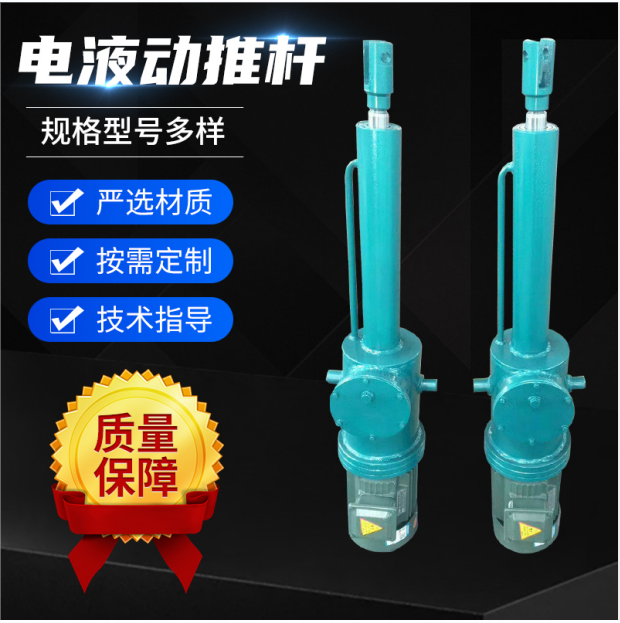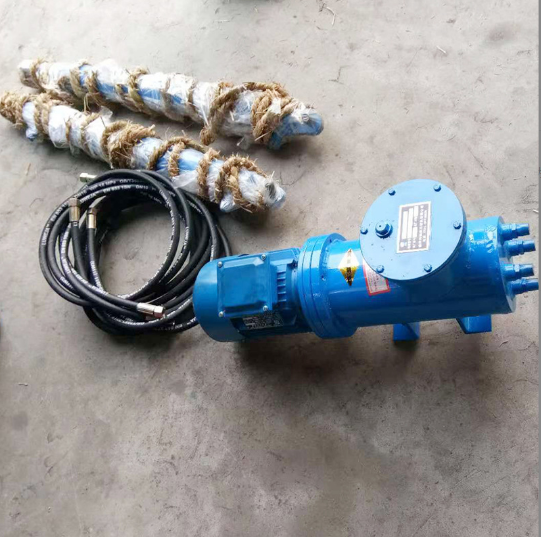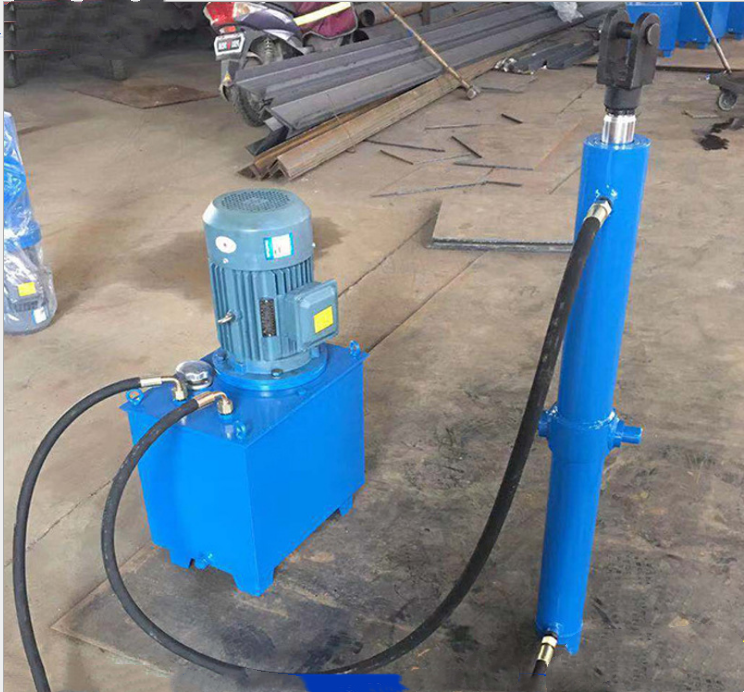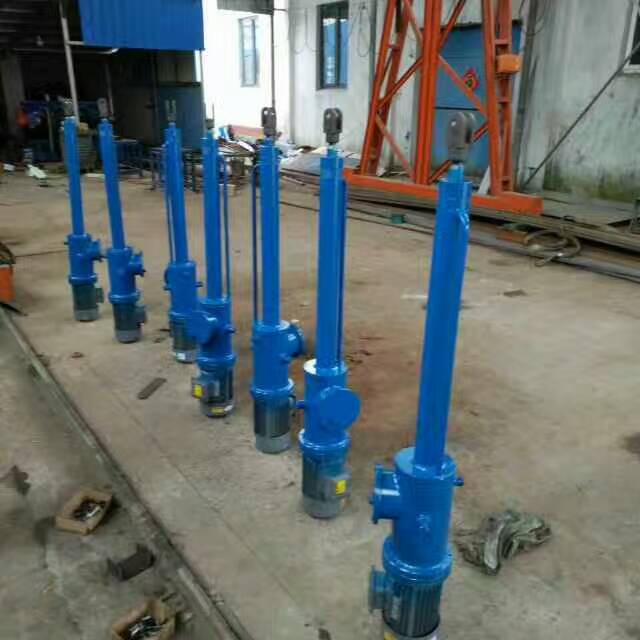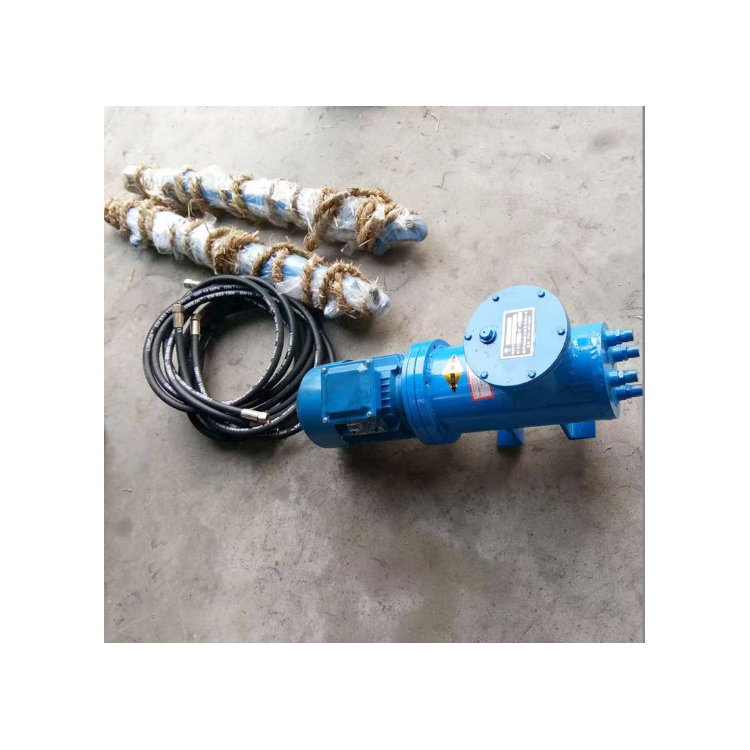







Three-way valve with push rod, DYTZ electro-hydraulic push rod, hydraulic cylinder
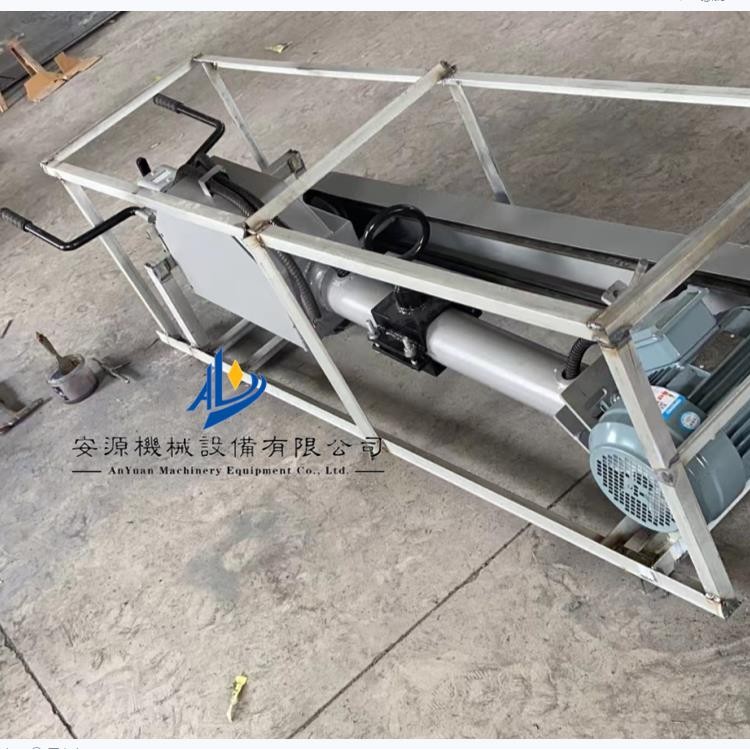
Electromagnetic TrolleyThe motor, after being reduced by a gear, drives a pair of screw nuts. The motor's rotation The motion becomes linear, utilizing the motor's forward and reverse rotation to complete the push rod action. Complex actions such as rotation and swinging can be achieved through various mechanisms like levers, cranks, or linkages. By adjusting the length of the lever arm, the stroke can be increased or decreased. The stroke control device features a worm gear and worm drive: the worm on the motor's gear drives the worm wheel to rotate, causing the small screw inside the worm wheel to move axially. This movement is transmitted to the limit rod via a connecting plate. When the required stroke is reached, the stroke switch is de-energized by pressing the limit block, stopping the motor (the control is the same for both directions). The gear drive system: the motor of the electric push rod, after passing through a reduction gear, drives the small screw installed inside the inner tube. It moves the nut connected axially. When the set stroke is reached, the nut's contact point closes the limit switch, cutting off power, and stopping the motor (the operation in reverse is the same). An optional positioner can be installed to display the stroke status of the push rod. An encoder can also be added to achieve the stroke in several steps (i.e., stop and start). The design features a small size, good self-locking performance, and hygiene. Direct motor drive is used, eliminating the need for pneumatic or oil lines. It is now widely used in various industries such as production lines, automobiles, ventilated windows, stages, textiles, wastewater treatment, and more.