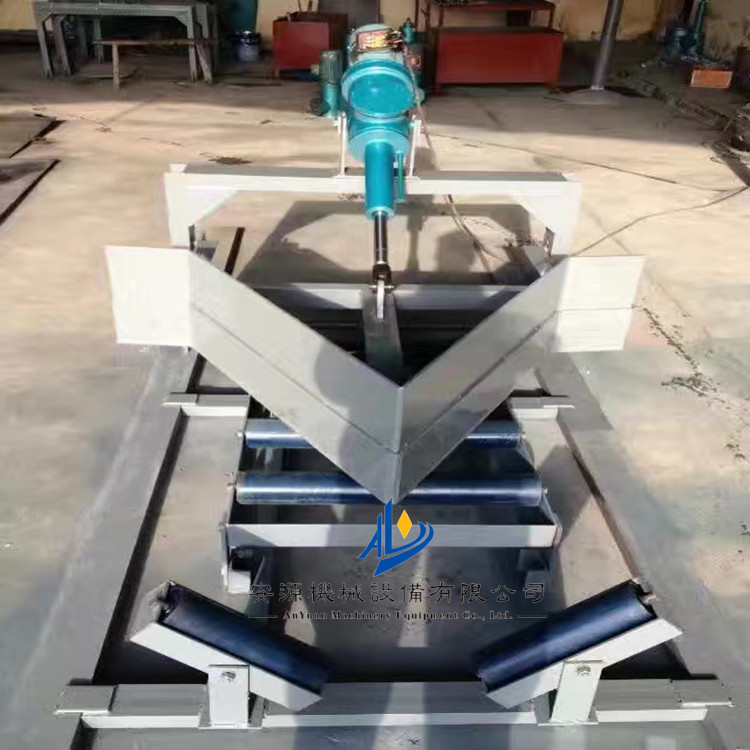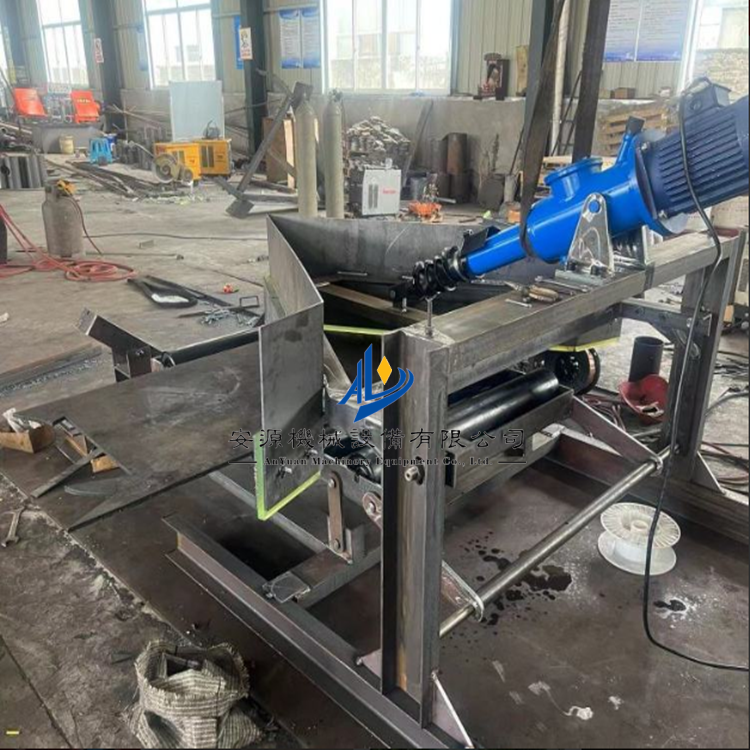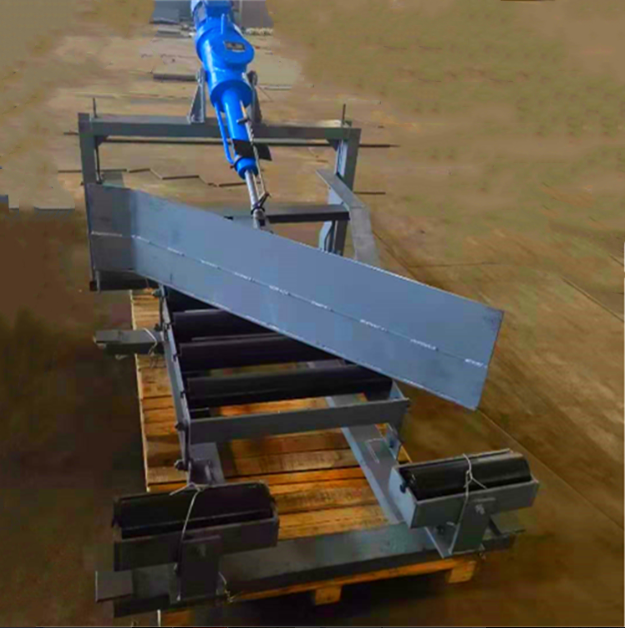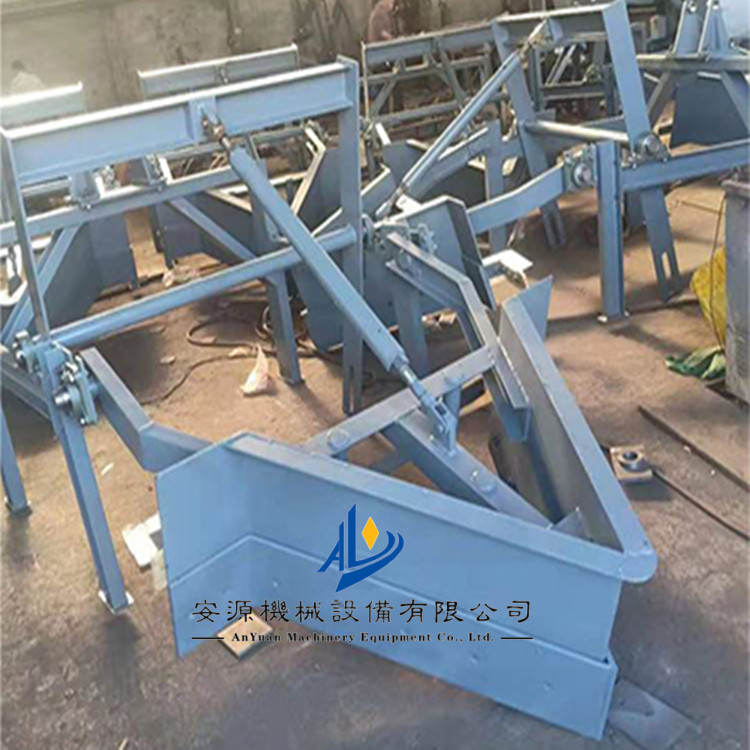













Electro-hydraulic plow-type unloading device, Coal plow, Belt conveyor variable slot angle unloader
I. Overview
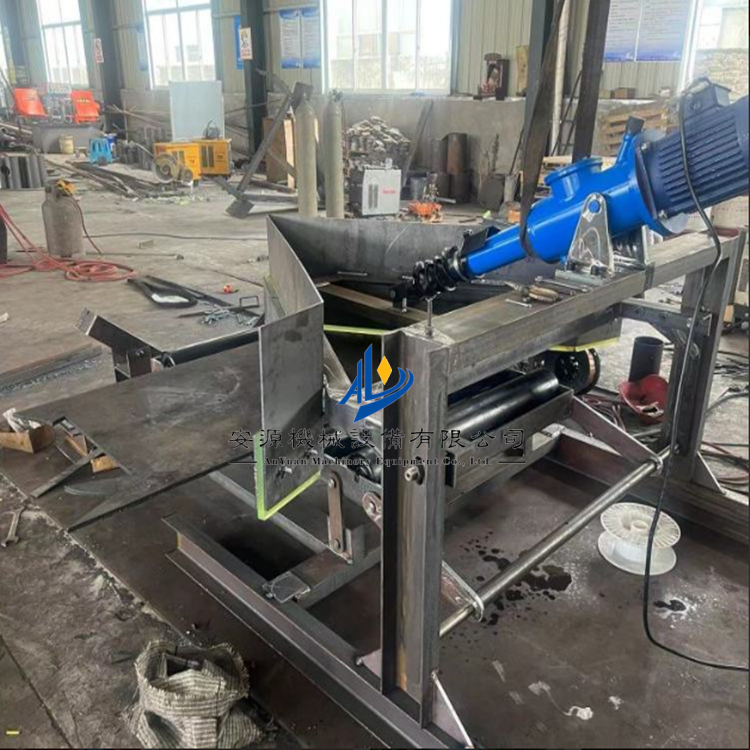
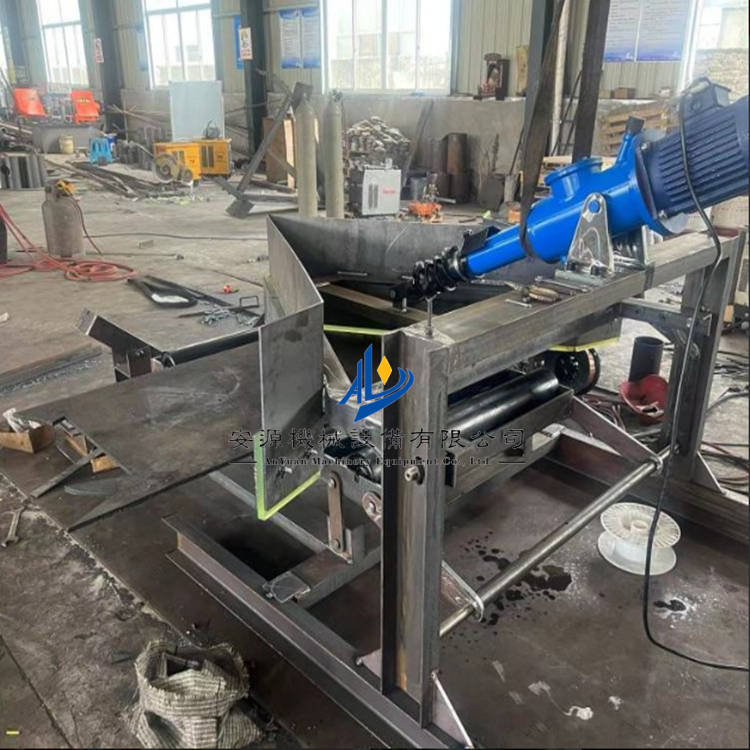
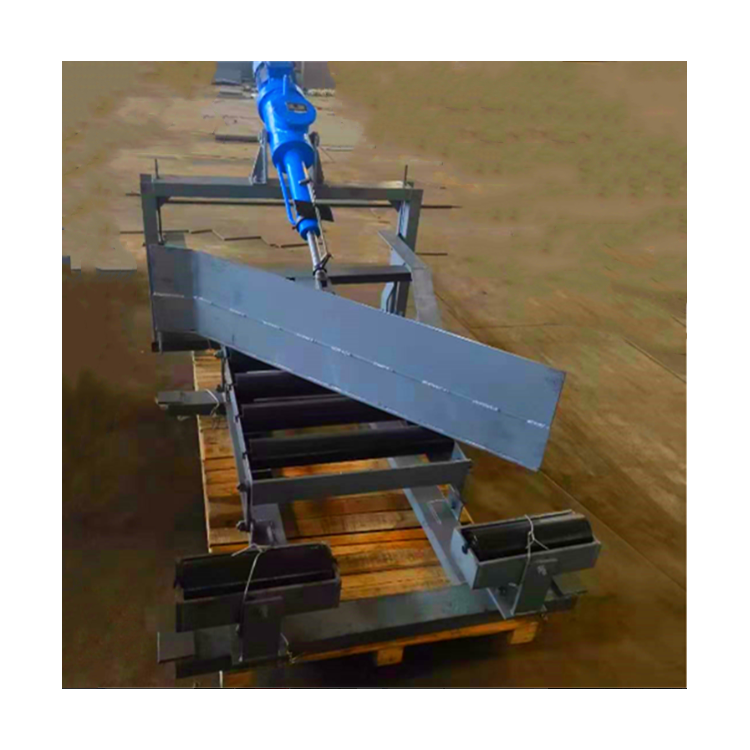
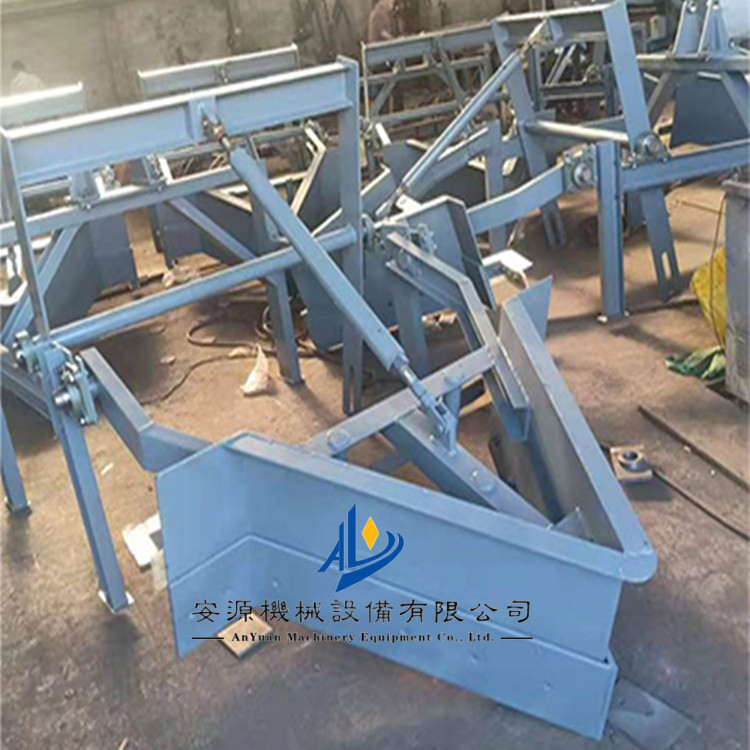
Single or double-sided electro-hydraulic犁-type unloaderWidely used for segmented unloading of conveyors in mines, metallurgy, power plants, coal yards, transshipment stations, and port docks. The hydraulic plow-type unloader is a mechanical product installed on the intermediate frame of a belt conveyor, responsible for unloading materials and controlling the flow and direction of material transport. It can uniformly and continuously unload the conveyed materials into a hopper or the required location. The electro-hydraulic plow-type unloader adds features like variable slot angles and auxiliary plow blades, and replaces the traditional power source with an electro-hydraulic push rod, overcoming the shortcomings of the old unloader, such as incomplete material plowing, scraping the belt, poor overload capacity, frequent motor burnout, bending of screw shafts, and easy mechanical damage.
II. Structural Features:
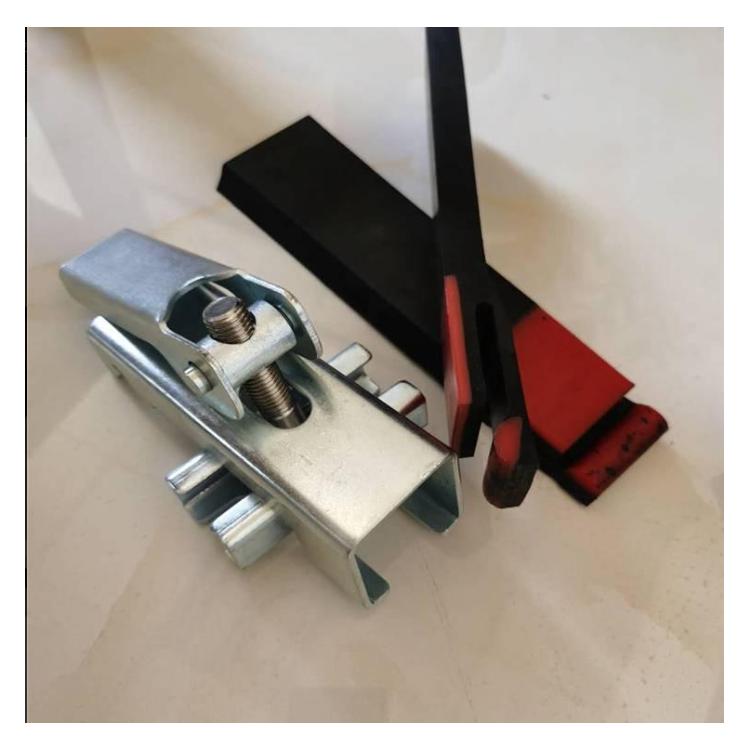
1. The plow can be single or double-sided. The front blade is made of chrome-nickel stainless steel, while the rear blade is crafted from high-density polyethylene board. Both blades are interchangeable, offering a design that effectively discharges material cleanly while protecting the conveyor belt.
2. The plow lock mechanism has been significantly improved for reliable locking. During operation, the plow head will not lift or vibrate, and the height of the plow head can be adjusted. Prime location near tape, no material leakage.
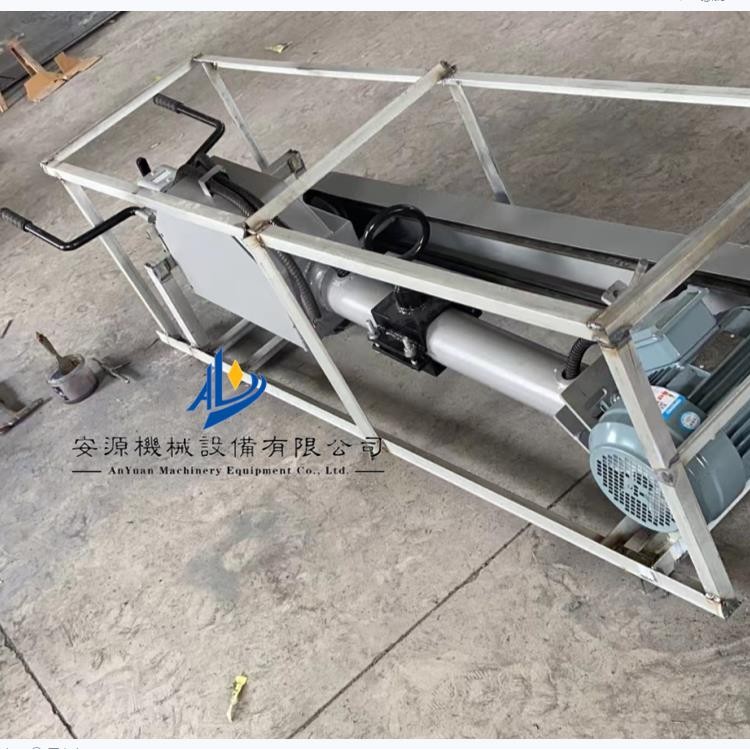
3. The drive unit employs an electro-hydraulic actuator, achieving mechanical and electrical integration. The circulating oil path is a fully sealed structure, capable of operating in harsh environments. According to customer requirements, we can provide dual-purpose electro-hydraulic actuators (hand and electric) or mechanical self-locking electro-hydraulic actuators.
4. Employing a deformed roller assembly synchronized with the mechanical actuator, the actuator completes one working cycle, where the roller assembly automatically transforms from troughed to flat and back to troughed.