








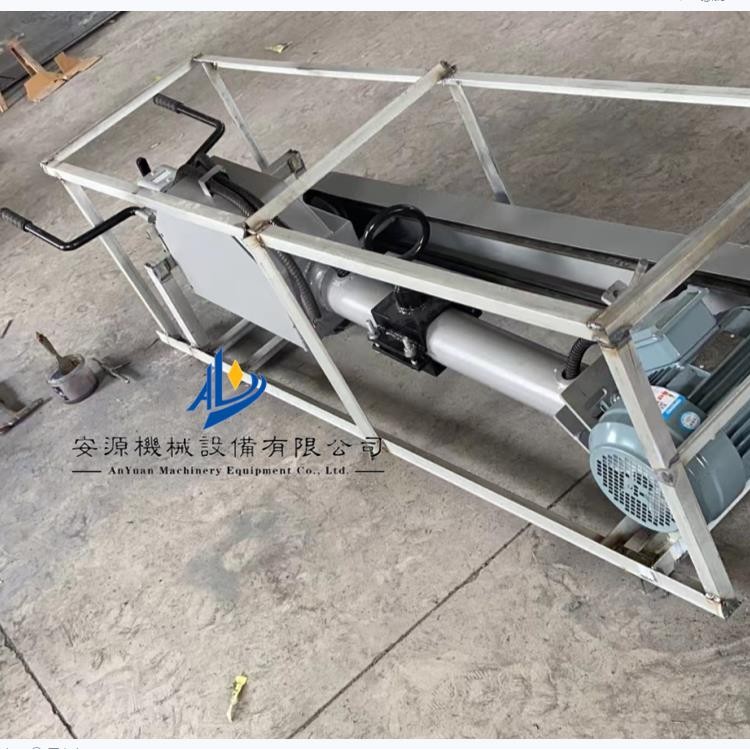
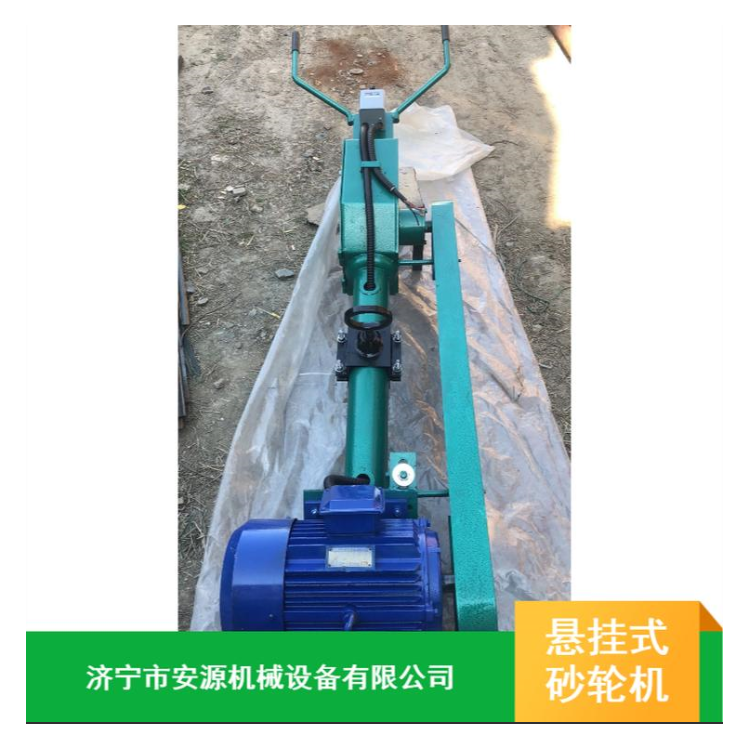
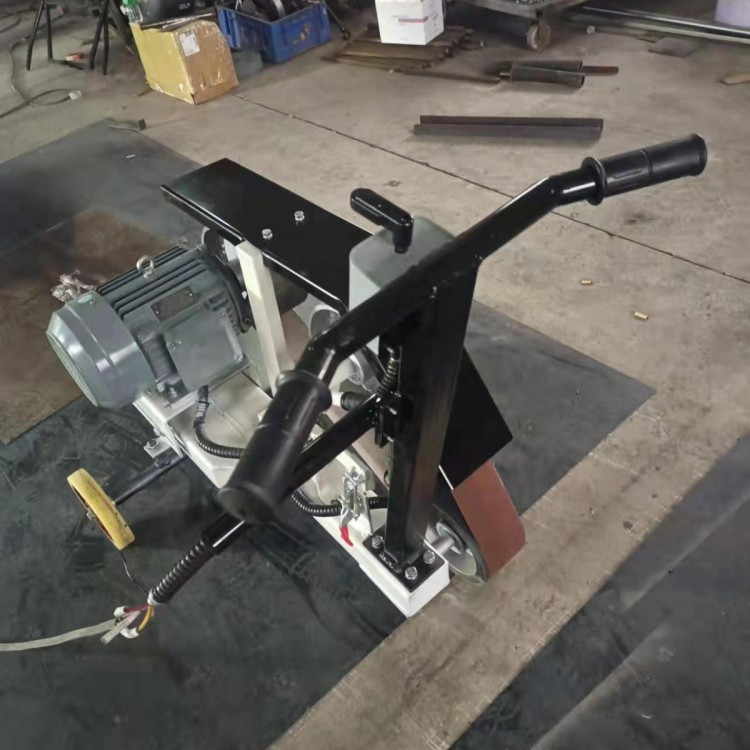
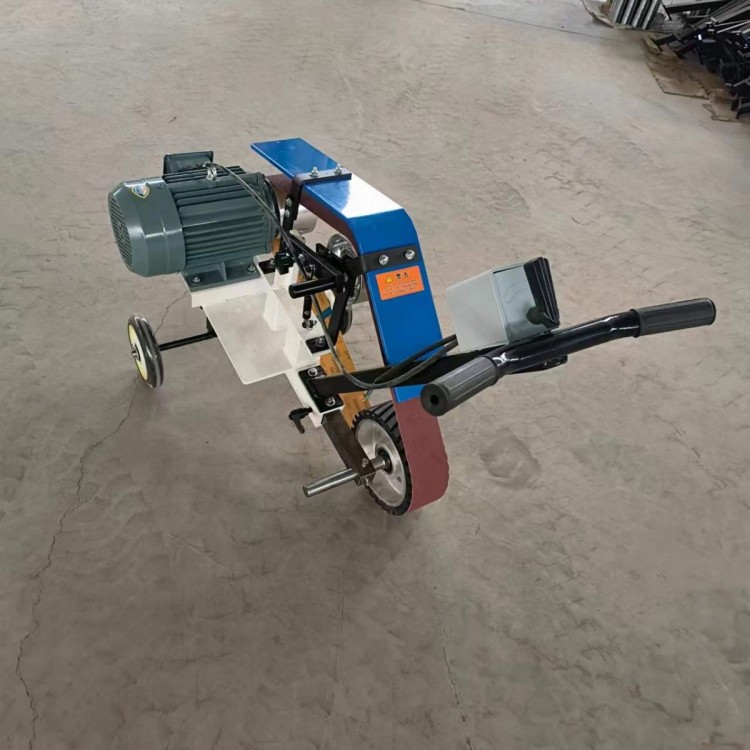
Ouyang Sluice Gates with Electric Push Rods, Electrohydraulic Push Rods, Electric Actuators
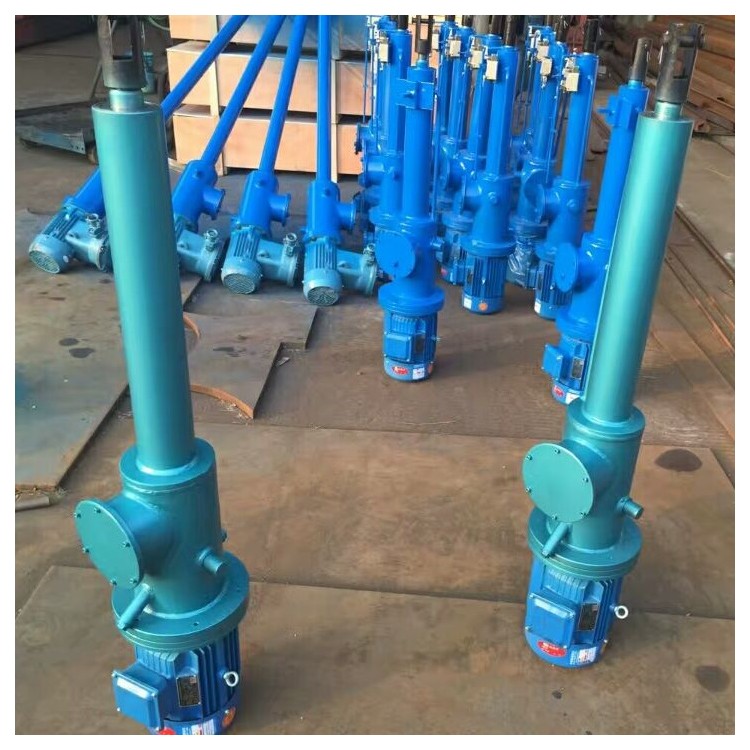
Section 1: DTSeries electric push rods are a versatile mechanical hand that converts electrical energy into reciprocating mechanical energy, suitable for various complex or simple process flows. They offer advantages such as compact structure, easy installation, reliable operation, simple maintenance, and energy-saving. Compared to hydraulic and pneumatic systems, they not only eliminate complex systems and reduce weight but also are not restricted by climate or environment, allowing for remote centralized or automatic control. They are widely used in metallurgy, mining, power, and other industries. Transportation, food, chemicals, building materials, and other departments.
Section IIElectromagnetic Actuator Structure and Performance:
Section 3:1Structure:
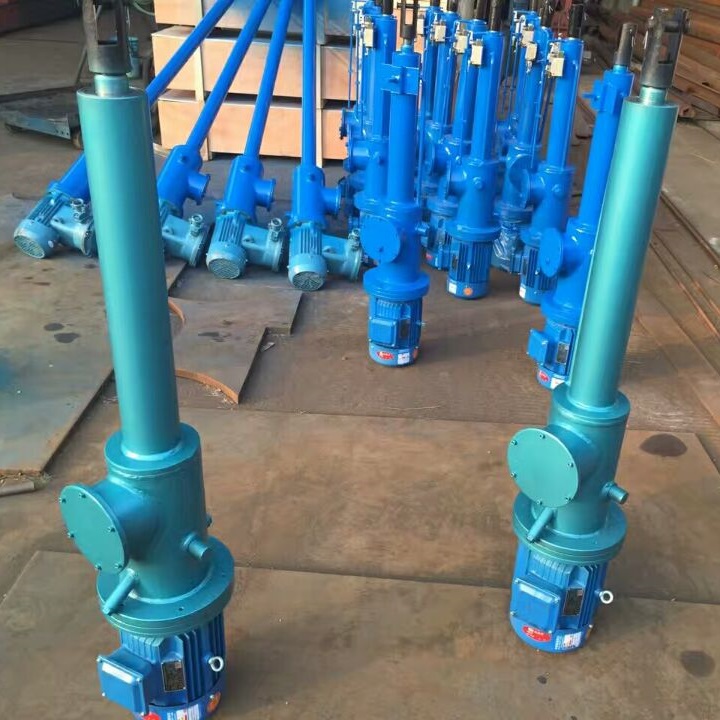
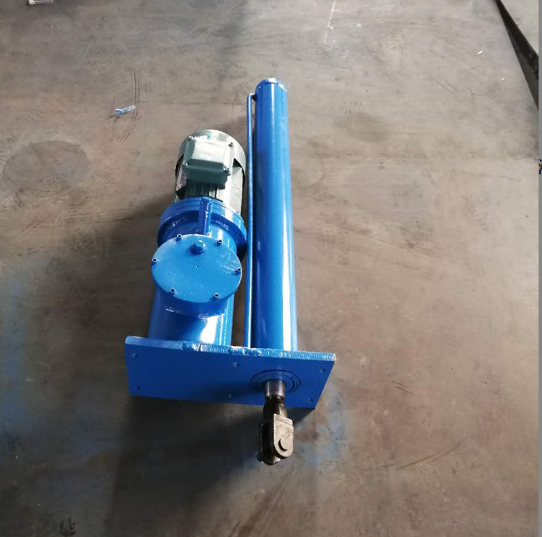
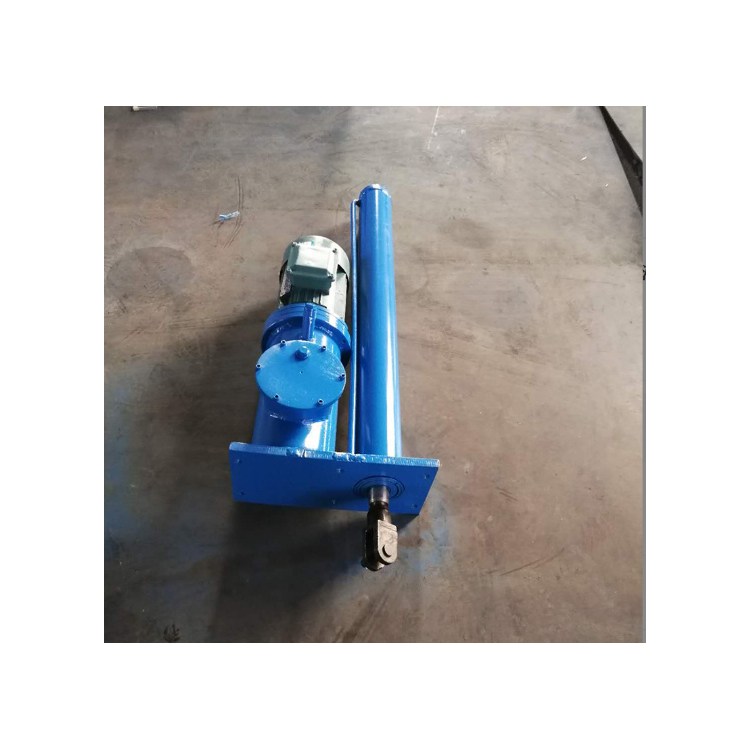
Four Electric push rod is composed of components such as motor, reduction gears, screw, copper nut, guide sleeve, piston rod, bearing housing, bearing housing, spring, cylinder base, connecting fork, and photoelectric proximity switch unit (optional by customer).
Five2Operating Principle:
Six. The motor drives the ball screw nut after being reduced by a first or second-stage gear, converting the motor's rotational Dynamic conversion to linear motion, benefit The rod reciprocates by using a motor to reverse its rotation. Output thrust and pull forces are equal. By adjusting the lever arm lengths, the travel distance can be increased. 3Overload Automatic Protection Function:
Section 7:Electromagnetic overload protection device inside the push rod, when the stroke of the push rod reaches Location or load exceeds rated thrust At values, push rod The power supply will automatically shut off, serving as a protective measure to prevent damage to the motor and other components; however, this should not be used as a limit during normal operation. The switch uses a position switch. Therefore, an external travel limit switch device must be configured separately on the machine. Our factory can provide photoelectric proximity switch configuration for the customer. Position to control the normal start and stop of the push rod.
One,Principles and Functions
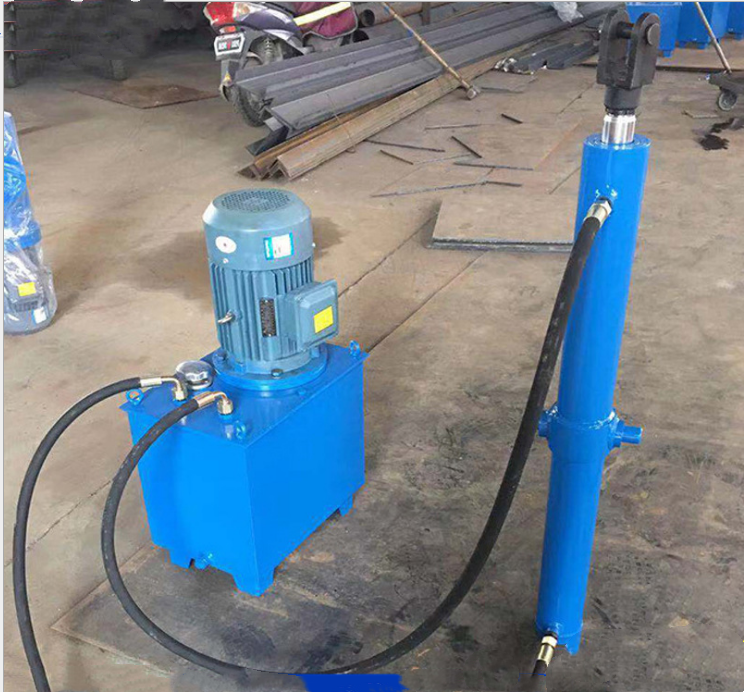
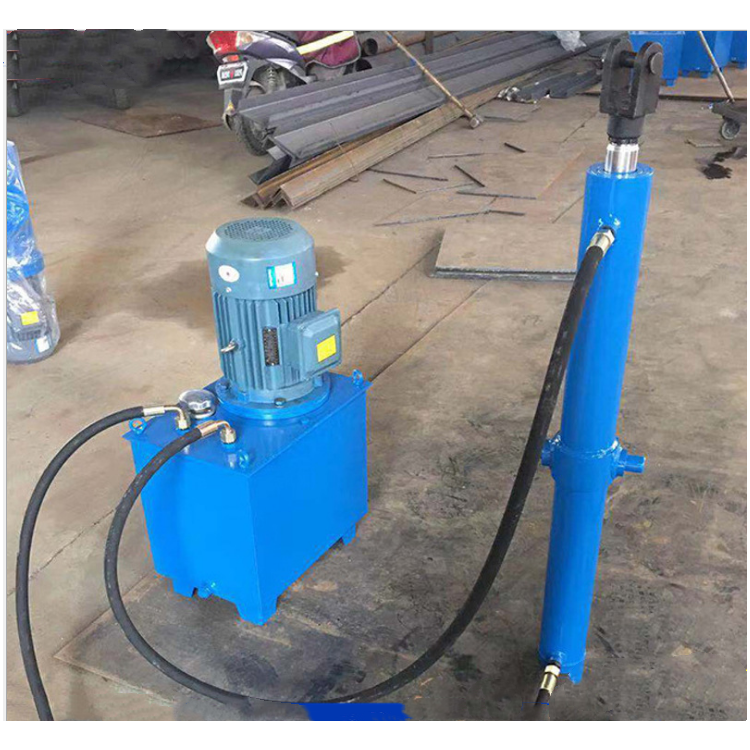
1、Operation Principle: The electro-hydraulic push rod is powered by an electric motor, which, through its forward (or reverse) rotation, drives hydraulic oil to be output as pressure oil via a bidirectional gear pump. The oil then flows through an oil circuit module to the working cylinder, enabling the reciprocating motion of the piston rod.
2、Overload Automatic Protection Function: During the operation of the electro-hydraulic push rod, if the external force on the piston rod exceeds the rated output force or the piston reaches the end position, the motor continues to rotate. At this point, the oil pressure in the oil circuit increases to the set pressure, and the overflow valve quickly and accurately overflows, achieving overload automatic protection. Although the motor is rotating, it will not be damaged.
3、Self-locking Function: The hydraulic circuit module of the electro-hydraulic push rod is equipped with a hydraulic self-locking mechanism, so when the motor stops, the piston rod immediately comes to a halt. At this location, the pressure oil is in a pressure-holding state.
4、The speed can be infinitely adjusted within the designated speed range, as per customer requirements.
5、Provide continuous adjustment of push and pull forces within the designated output power range.
6、The stroke can be infinitely adjusted within the specified stroke range via electrical control.
7、Electric Push Rods are currently categorized by their rated thrust.12 grades ranging from 25, 100, 300, 500, 700, 1000, 1600, 3200, 5000, 10000, 20000, to 30000 kg, with travel lengths of 100, 200, 300, 400, 500, 600, 700, 800, 900, 1000, 1100, 1200, and 1300 mm. Each travel length offers two speeds: 42 or 84, 50 or 100, and 26.6 or 53.2.