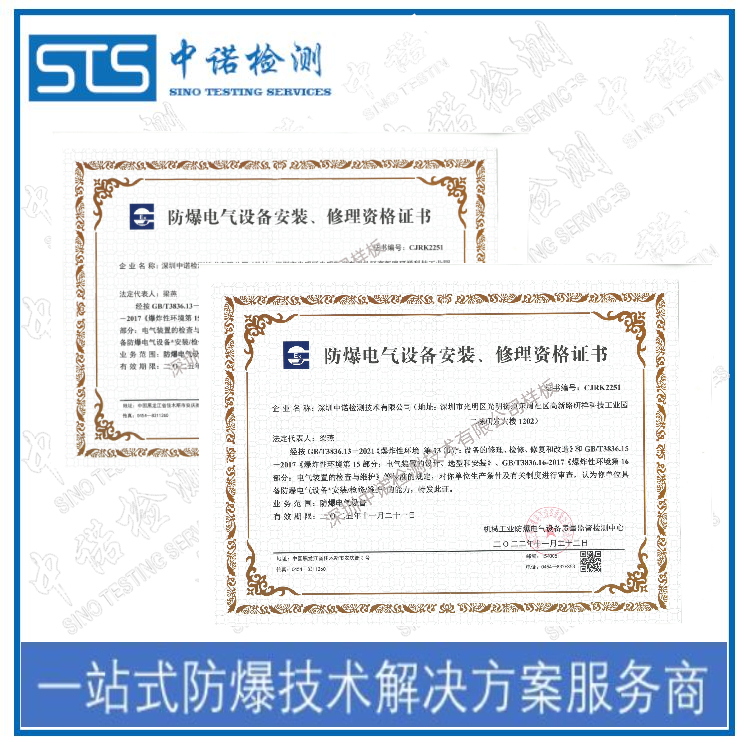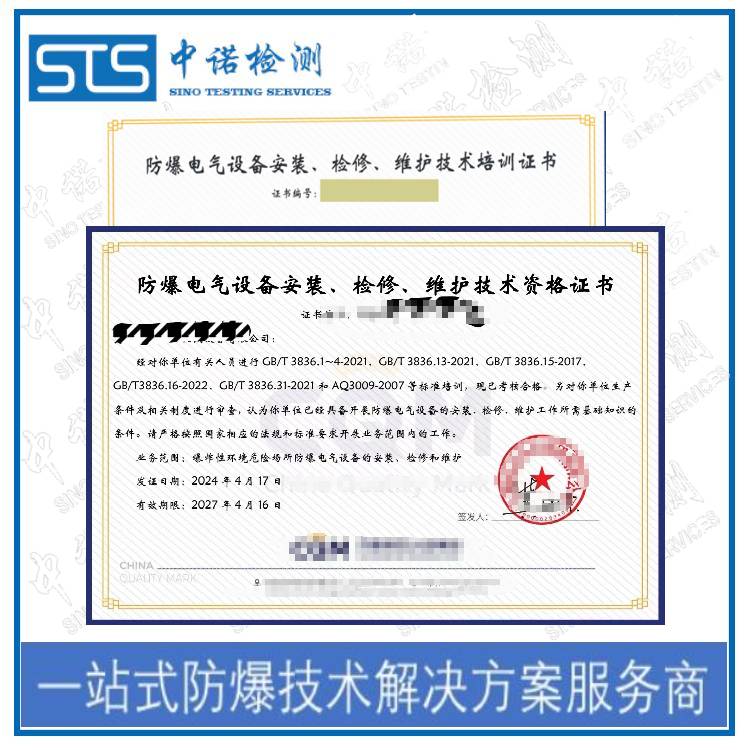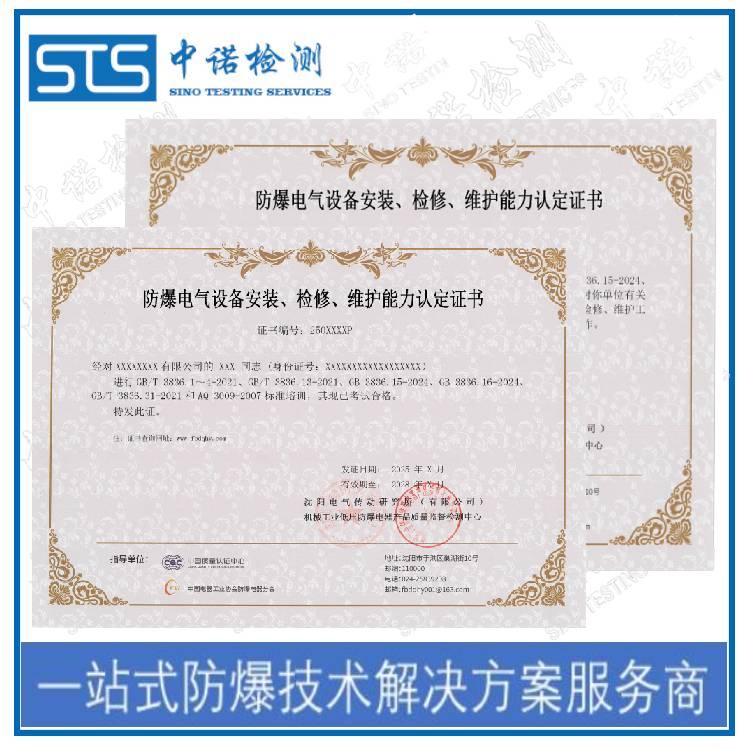
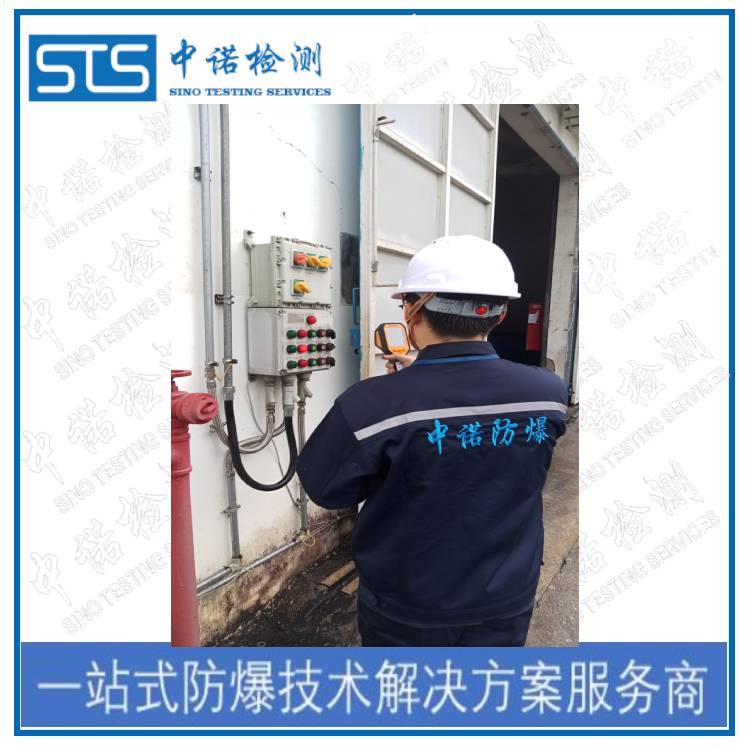
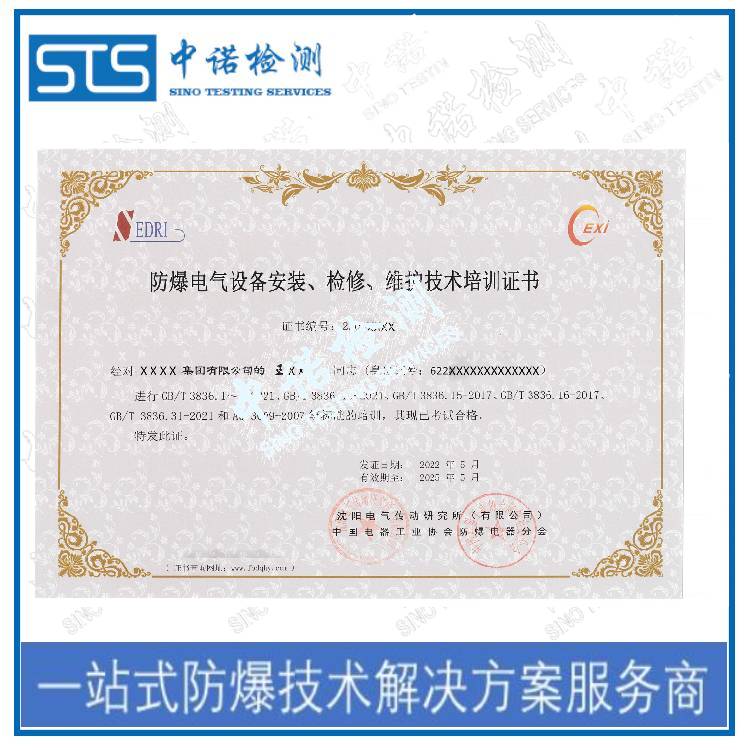
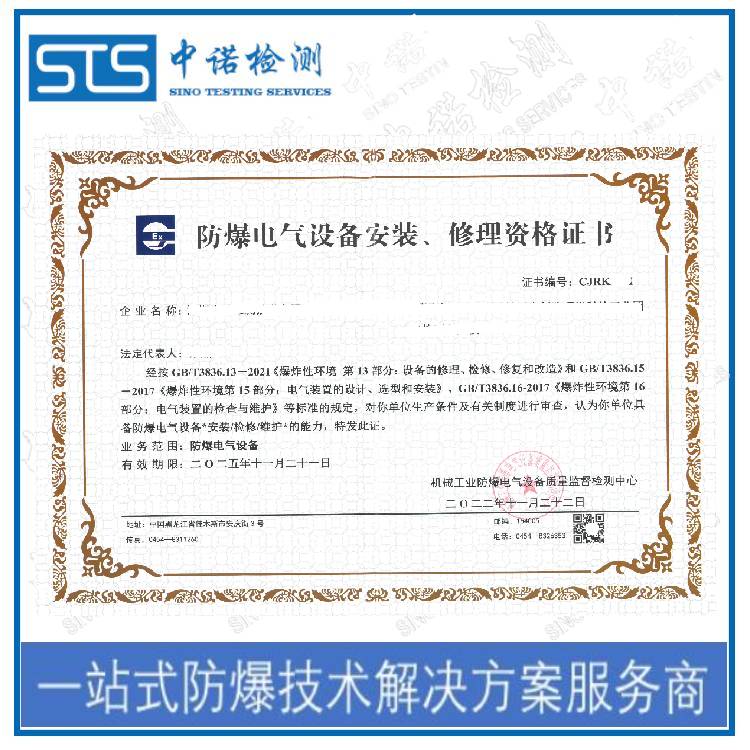
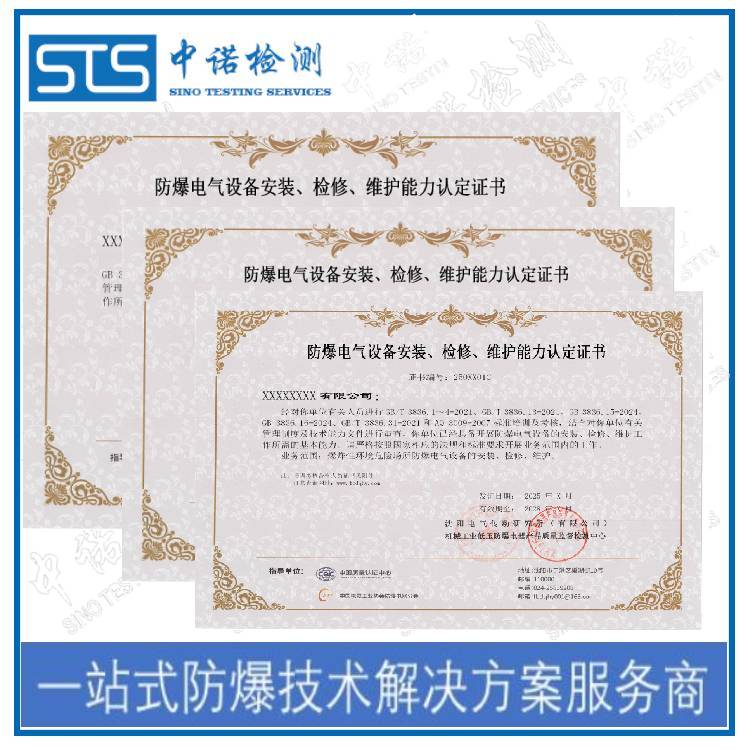





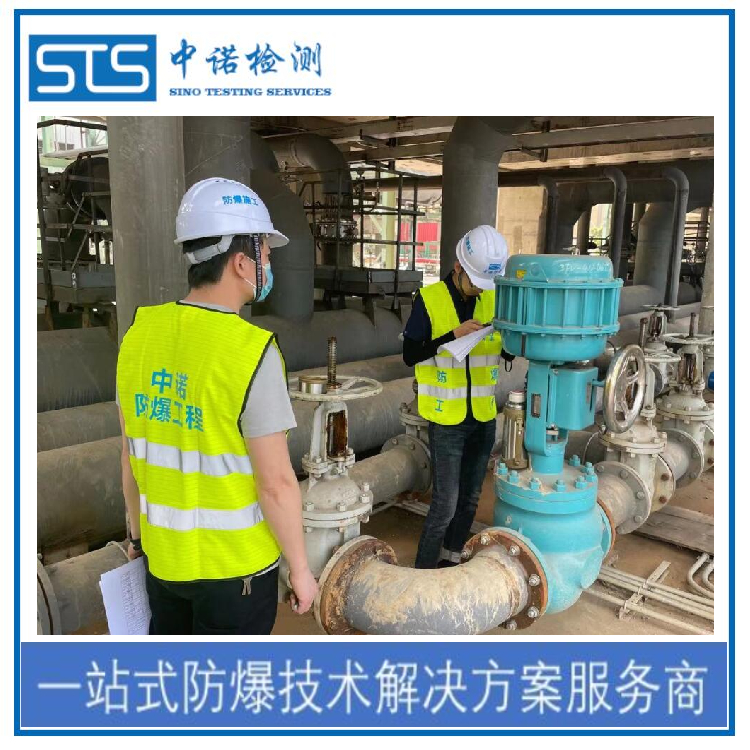
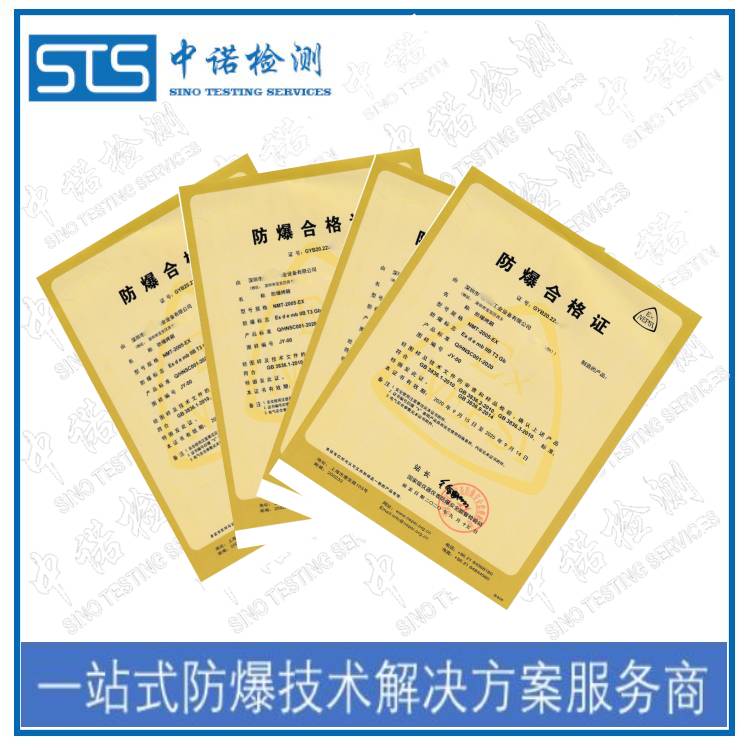
Shenzhen Zhongnuo Testing Technology Co., Ltd. specializes in the calibration, certification, and measurement services for equipment such as gas alarms, combustible gas detectors, and toxic gas detection instruments for various locations. We offer nationwide services, solving clients' electrical safety and explosion-proof fire prevention issues to facilitate safe production.
What factors can affect the calibration cycle of flammable gas detectors?
Manufacturer Requirements: Different manufacturers may have varying inspection cycle requirements for flammable gas detectors. Therefore, when purchasing equipment, carefully review the product manual to understand the specific requirements of the manufacturer.
Equipment Usage Environment: The operating environment of the alarm can directly affect its inspection cycle. If the equipment is frequently exposed to high concentrations of harmful gases, high or low humidity, or high or low temperatures, its inspection cycle may be shortened accordingly.
Equipment Maintenance Status: The condition of equipment maintenance is also a significant factor affecting the inspection cycle. If the equipment is consistently facing issues like battery depletion or sensor aging, the inspection cycle will accordingly be shortened.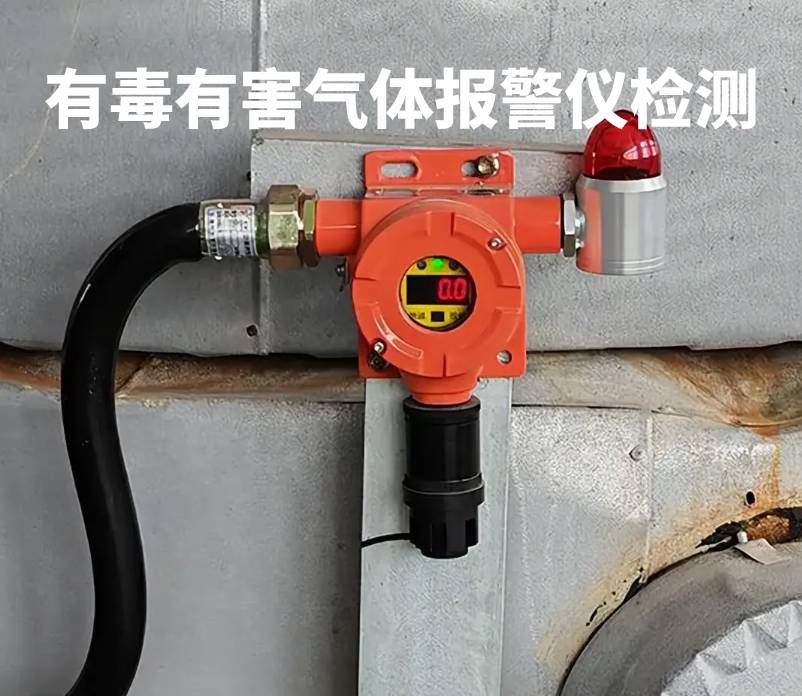
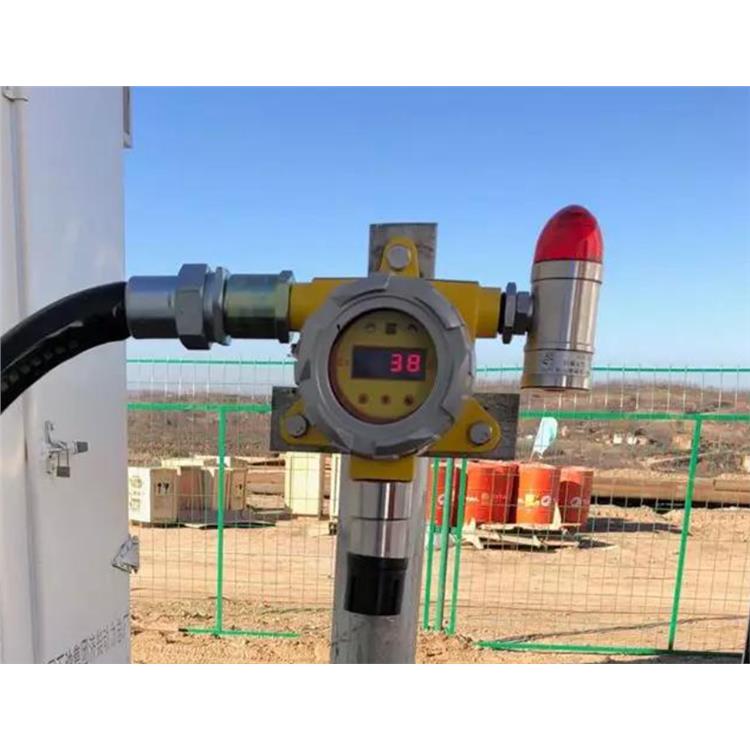
The principle of instrument detection mainly includes catalytic combustion, infrared absorption, and thermal conductivity types. Sampling methods include diffusion and aspiration. The instrument is mainly composed of detection elements, amplification circuits, alarm systems, and displays, used for monitoring the concentration of combustible gases in the environment.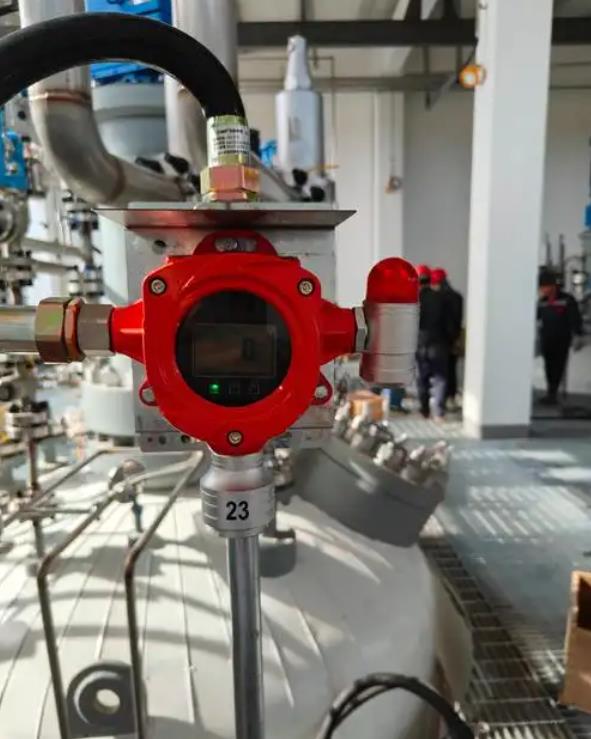
Regular Inspection Content for Gas Detectors
Installation spacing of inspection (probe) points
2. Installation Height of the Detector
3. Indicated Error (Concentration)
Repetitive (Concentration)
5. Alarm Error (Concentration)
6. Response Time (Seconds)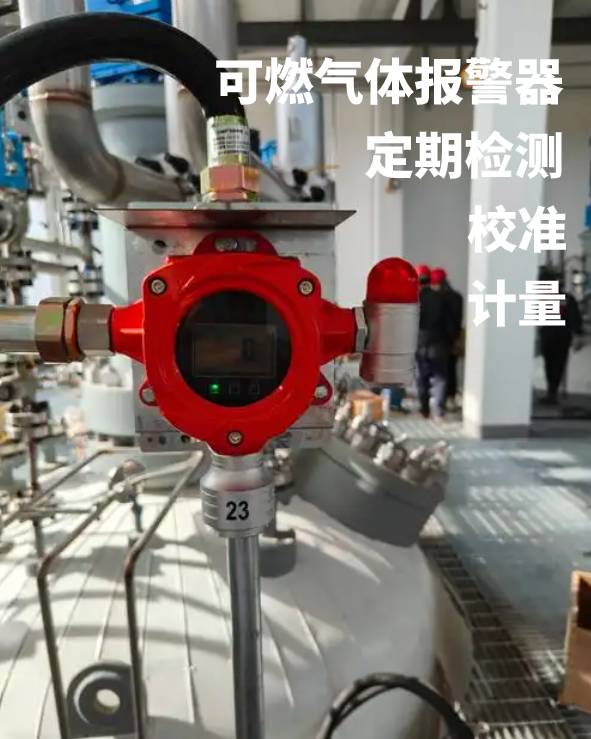
What are the contents included in the calibration report for flammable gas detectors?
The verification results should be reflected in the verification certificate or report, and the verification proof or report must include the following information.
Calibration Certificate or Calibration Report
② Laboratory Name and Address
③ Calibration Location (if not calibrated in the laboratory)
④ Standing proof or report (e.g., numbered), with page numbers and page count indicated on each page
5. Shipper's name and address
⑥ Describe and clearly identify the target school.
Calibration Date and Receipt Date
⑧ Technical specifications for calibration foundation, including names and codes;
Description of traceability and effectiveness of the measurement standards used for calibration.
⑩ Description of Calibration Environment
11. Calibration Results and Measurement Uncertainty Statement
12. Signature of the Issuer of Calibration Certificate or Calibration Report, Title or Equivalent Symbol, and Date of Issue
13. Calibration results are only applicable to the calibration object.
14. No part of the certificate or report may be copied without written consent from the laboratory.
Re-review interval
Instrument recalibration is typically every 1 year, determined by the sending unit based on actual usage. During the re-calibration process, if there are any doubts about the instrument's test data, or if the main components of the instrument are replaced, as well as after repairs, a re-calibration is required.
Shenzhen Zhongnuo Testing Technology Co., Ltd. is a third-party institution specializing in electrical safety, electrical explosion-proofing, gas alarms, and toxic gas detection instrument calibration, verification, and metrological services. We are certified to assist clients in resolving fire and explosion prevention issues.
WeChat Official Account

Scan to follow Official Account