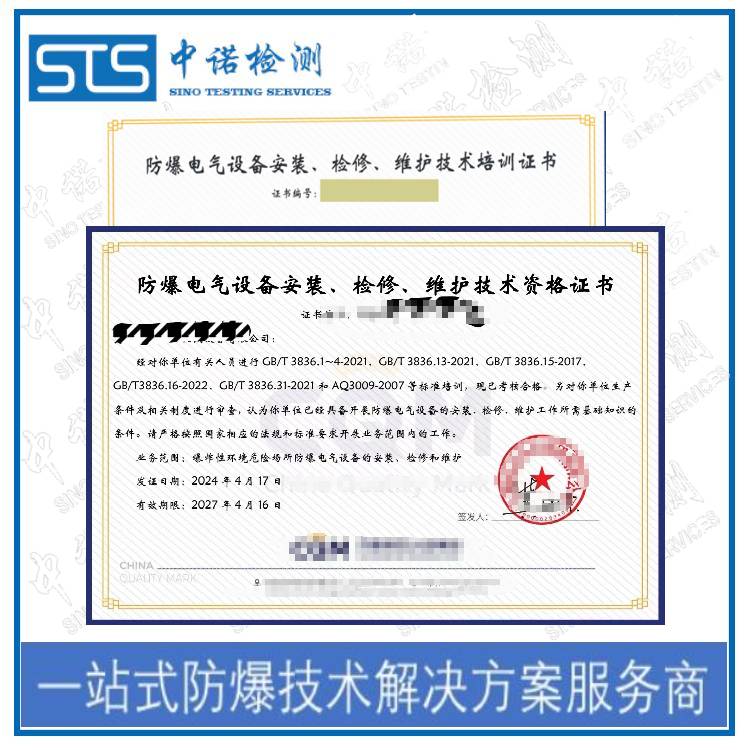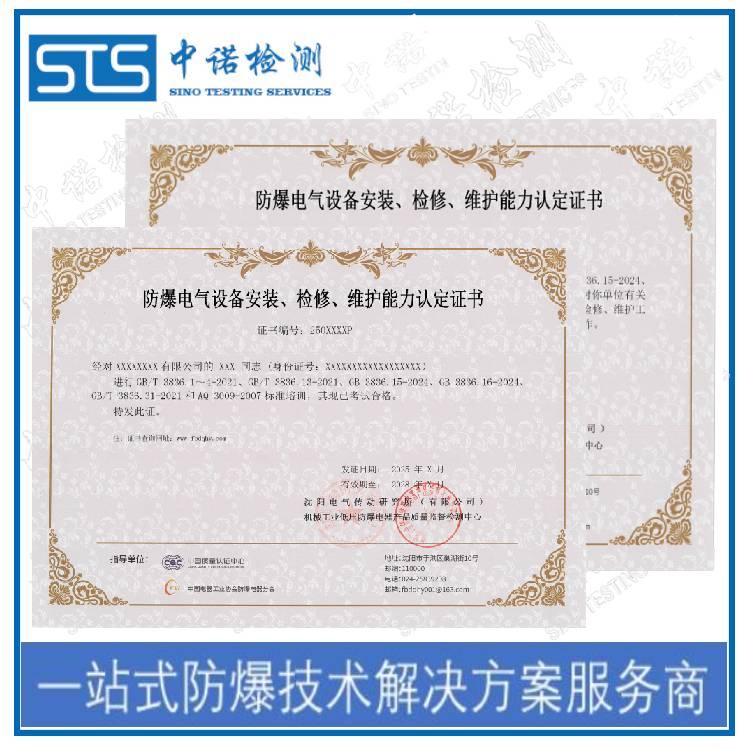
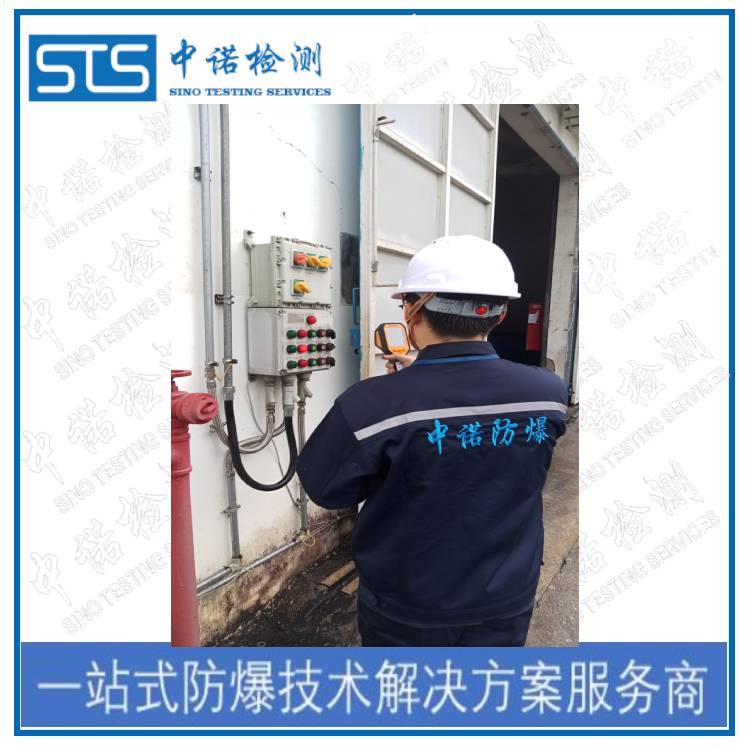
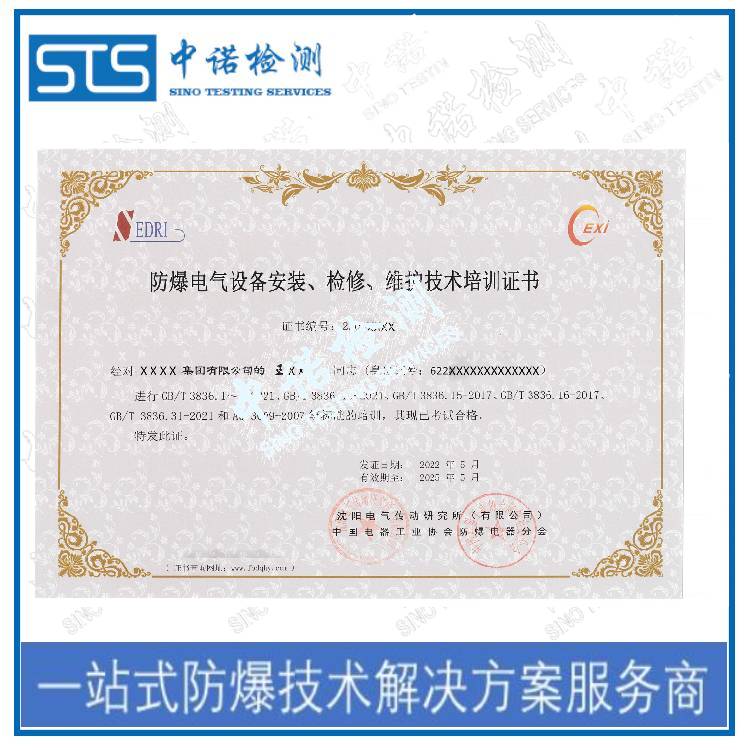
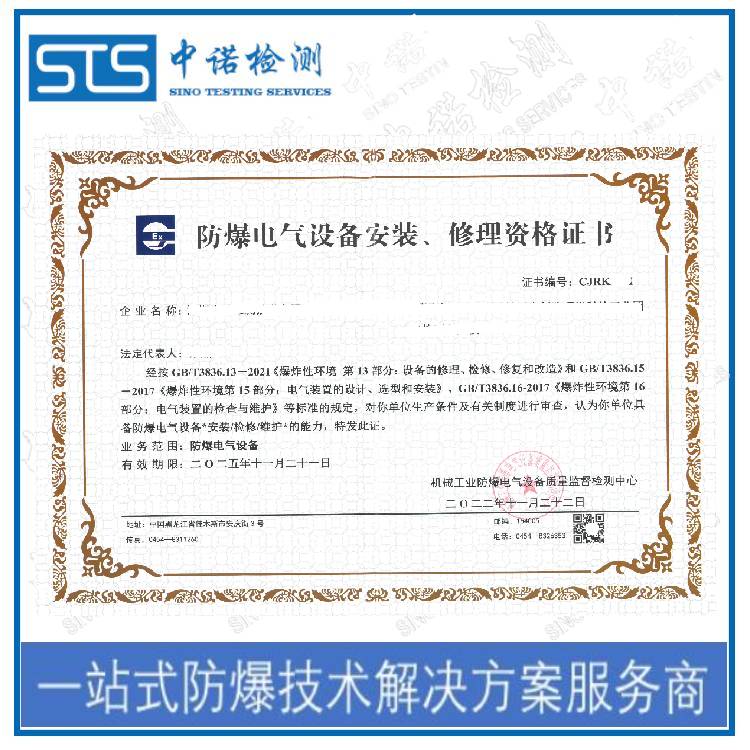
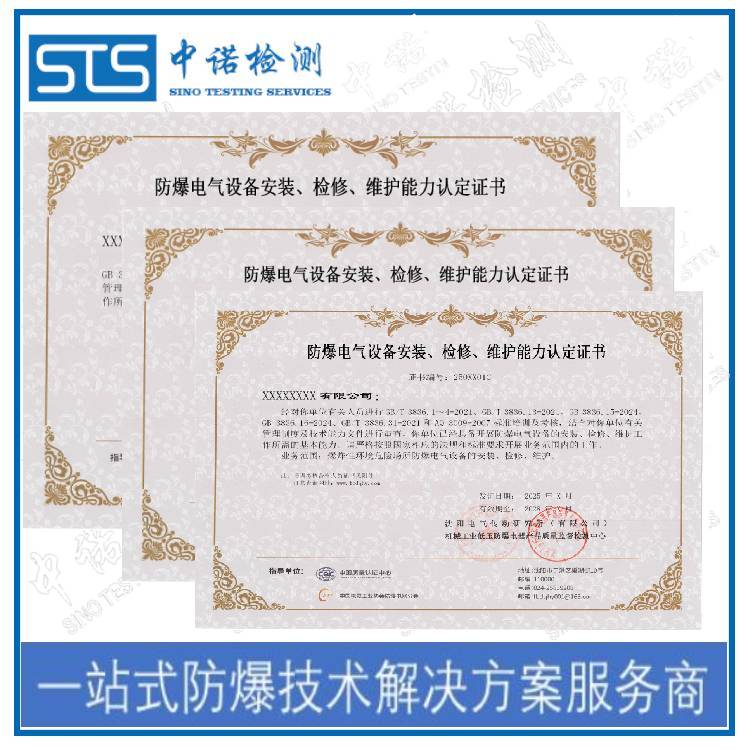





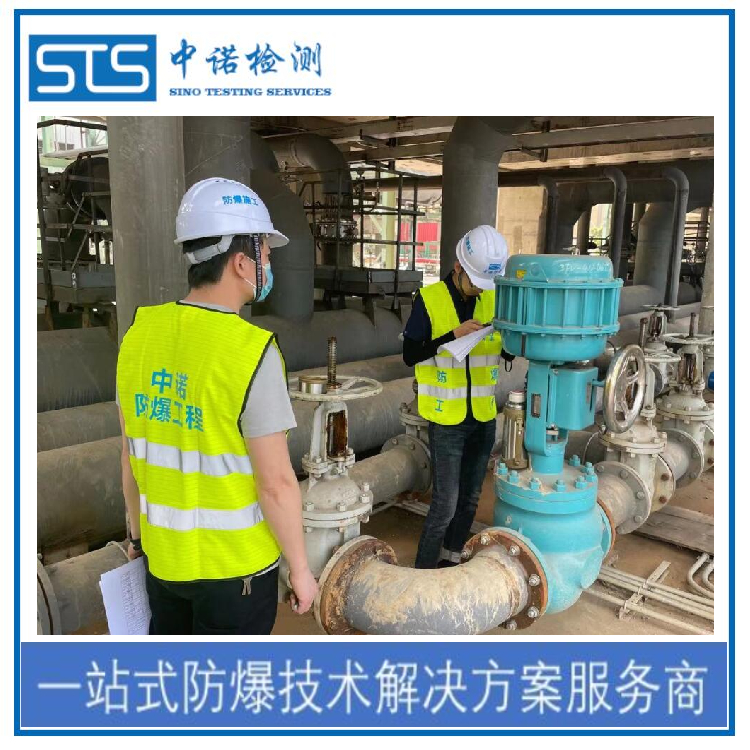
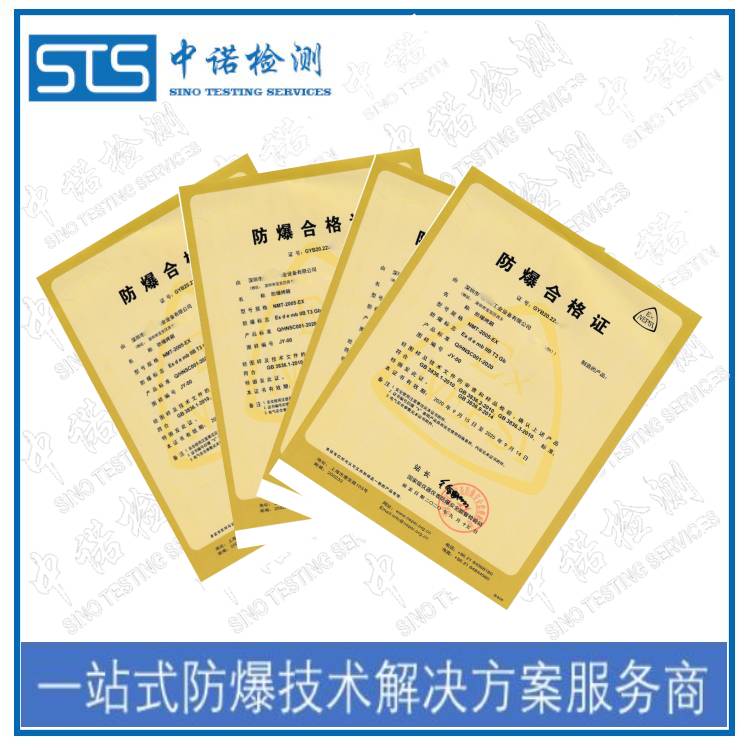
Shenzhen Zhongnuo Testing Technology Co., Ltd. is based in South China and specializes in explosion-proof certification and coal safety certification application consulting services, offering a one-stop explosion-proof technology consulting service.
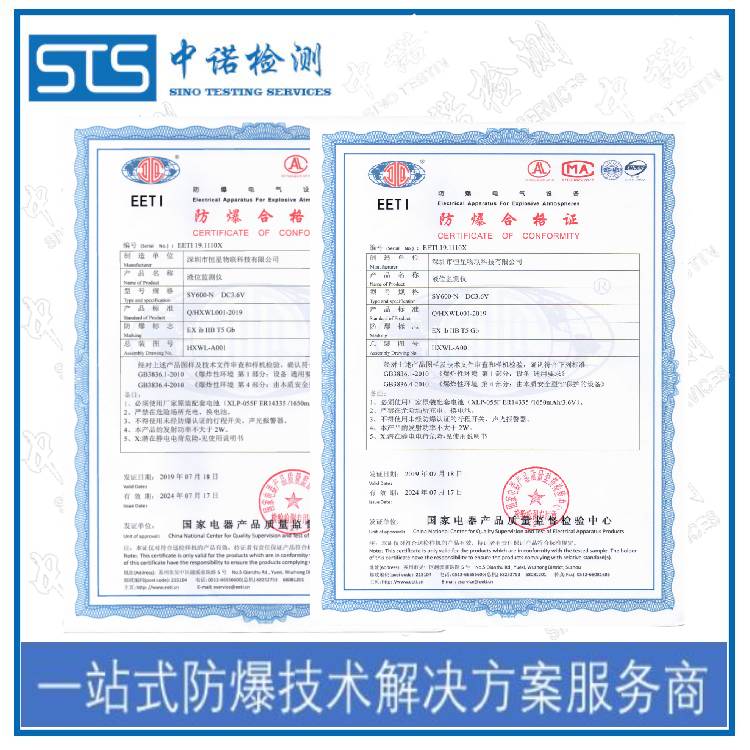
What products are eligible for application for the intrinsically safe explosion-proof certificate? What are the requirements?
Bain is one of the many explosion-proof protection types, which limits electrical energy so that the equipment remains safe even in the event of a fault.
A type of explosion-proof protection that the generated energy is not sufficient to ignite the surrounding explosive environment.
Therefore, intrinsic safety requirements limit the current, voltage, capacitance, inductance, etc., of electrical equipment, making it only suitable for low-power devices.
Additionally, specific requirements are in place for the power supply method of intrinsically safe equipment, plastic enclosures, and wireless transmitters.
The product application for intrinsic safety certification requires the submission of the product's schematic diagram, PCB layout, and other relevant documents.
ZhongNuo Inspection has dedicated engineers specializing in intrinsically safe circuit and structural design, offering technical consultation on explosion-proof circuit design, drafting, and modifications.
We have extensive design and certification experience for explosion-proof ratings of ia, ib, and ic.
If you need certifications in this area, welcome to DM Shenzhen ZhongNuo Testing Technology Co., Ltd.!
Market Access System for Explosion-Proof Products
1. Explosion-proof Certificate System: Applies to all explosion-proof products, utilizing the "type testing" method.
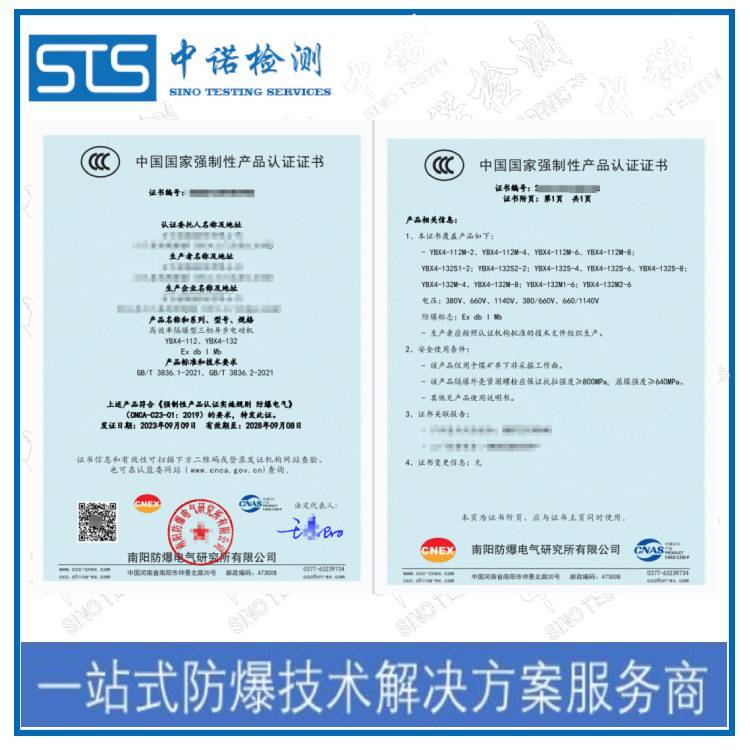
2. CCC Certification: Applicable only to certain explosion-proof products (excluding metrological products and explosion-proof lighting), utilizing the "Type Testing + Factory Inspection" method
3. Coal Safety Mark (MA): Suitable for mining products, adopts the "type testing + factory inspection" method
Is "intrinsically safe certification" the same as explosion-proof certification? What are the differences between them?
Explosion-proof certification refers to a type of safety certification for equipment and products used in explosive hazardous areas.
Products must meet explosion-proof certification standards, which requires implementing certain measures. We refer to this as an explosion-proof protective type.
Common explosion-proof protection types include intrinsic safety, flameproof, positive pressure, and increased safety, etc.
It is apparent that "ATEX" is just one type of explosion-proof protection.
Different explosion-proof protection types have varying design requirements for the product.
intrinsic safety is achieved by limiting electrical energy, even in the event of a fault.
A type of explosion-proof protection where the generated energy is insufficient to ignite the surrounding explosive environment.
Therefore, intrinsic safety requirements limit the current, voltage, capacitance, and inductance of electrical equipment, typically applicable to low-power devices.
Additionally, specific requirements are in place for the power supply method of intrinsically safe equipment, the material of the housing, and wireless transmission.
As a long-term specialized third-party consulting agency in the explosion-proof certification field,
ZhongNuo Inspection has dedicated engineers specializing in intrinsically safe circuit and structural design.
We offer technical consultation on explosion-proof circuit design, illustration, and modification.
Extensive design and certification experience with intrinsic safety levels ia, ib, and ic.
If you need certifications in this area, feel free to DM us!
Which explosion-proof rating, Ex db eb or Ex db, is higher?
Composite explosion-proof marking indicates that a single explosion-proof type is insufficient for the product's explosion-proof requirements; it must employ two or more explosion-proof types.
For example, explosion-proof equipment with antennas, the antenna section is usually intrinsically safe, making this device both explosion-proof and intrinsically safe.
Keep it up, generally the nozzle section belongs to Zone 0, which can only be made into intrinsic safety ia. Other sections can be made into Zone 1, suitable for intrinsic safety ib, or explosion-proof types.
Composite explosion-proof products do not necessarily mean that the product must meet all the requirements of different explosion-proof types simultaneously.
It's not necessarily true that the explosion-proof grade of a composite explosion-proof type is always higher than that of a single explosion-proof type.
The primary factor in determining a product's explosion-proof level is the gas/dust combination, temperature group, and equipment protection class.
Gas Mixture: II-C > II-B > II-A
Dust Composition: III-C > III-B > III-A
Temperature Grades: T6 > T5 > T4 > T3 > T2 > T1
Equipment Protection Combination: Ga > Gb > Gc, Da > Db > Dc
For more details, please contact Shenzhen ZhongNuo Testing Technology Co., Ltd. directly!
Explosion-proof Certification Application Consulting Services - Shenzhen ZhongNuo Testing Technology Co., Ltd.
WeChat Official Account

Scan to follow Official Account