









Detailed Description:
Processing Technology:
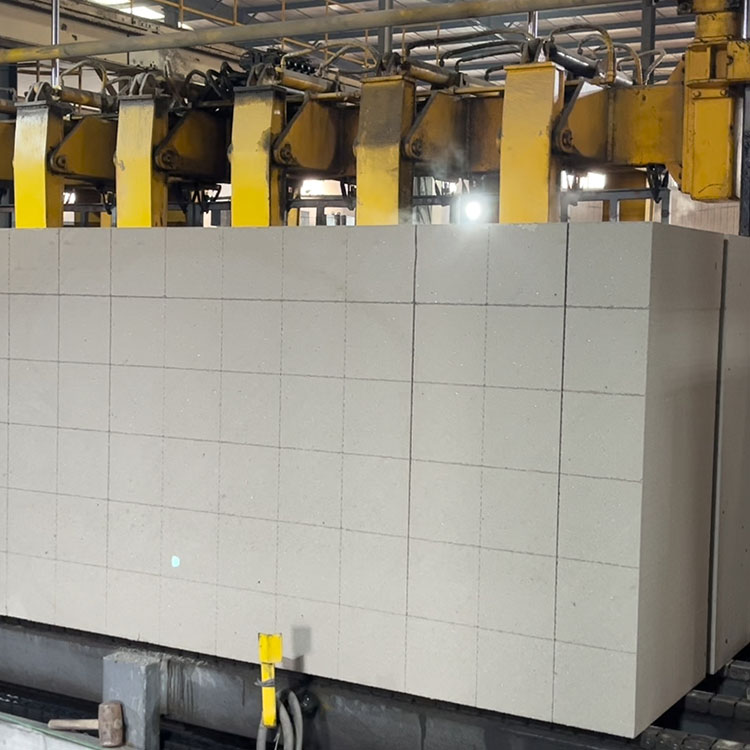
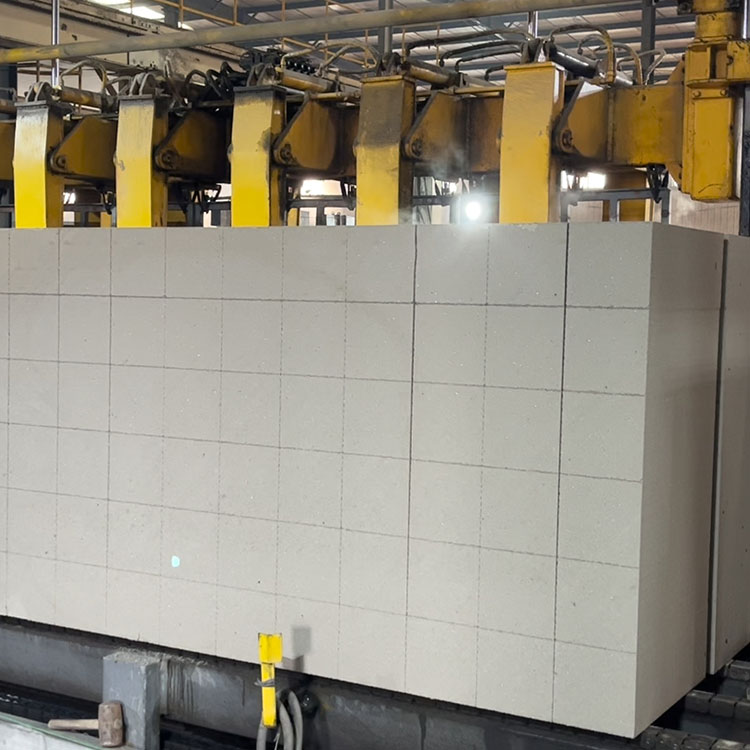
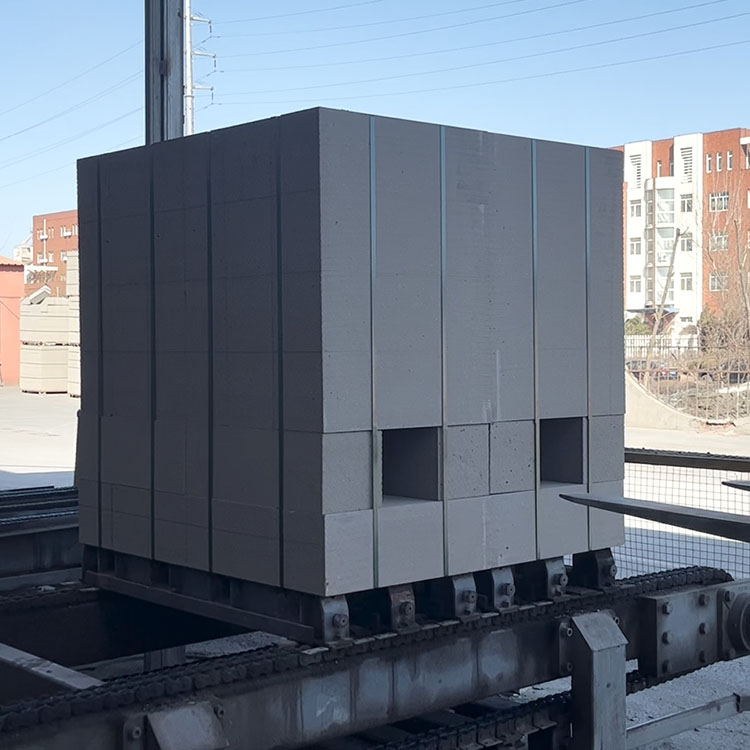
The production process of aerated concrete primarily consists of seven major steps: preparation of raw materials, batching, pouring, curing, cutting, steam curing, and discharging. The pouring process is a critical core step. It involves adding the batched materials, prepared in the batching process, into the pouring truck in a sequential order, then blending them uniformly and to specification using a pouring mixer. The mixed slurry is then poured into molds, where it undergoes gas expansion and a series of chemical and physical changes. After curing, the aerated concrete block is formed. The pouring process is crucial for the formation of a good pore structure in aerated concrete, and together with the batching process, it constitutes the core part of the production process.
Usage:
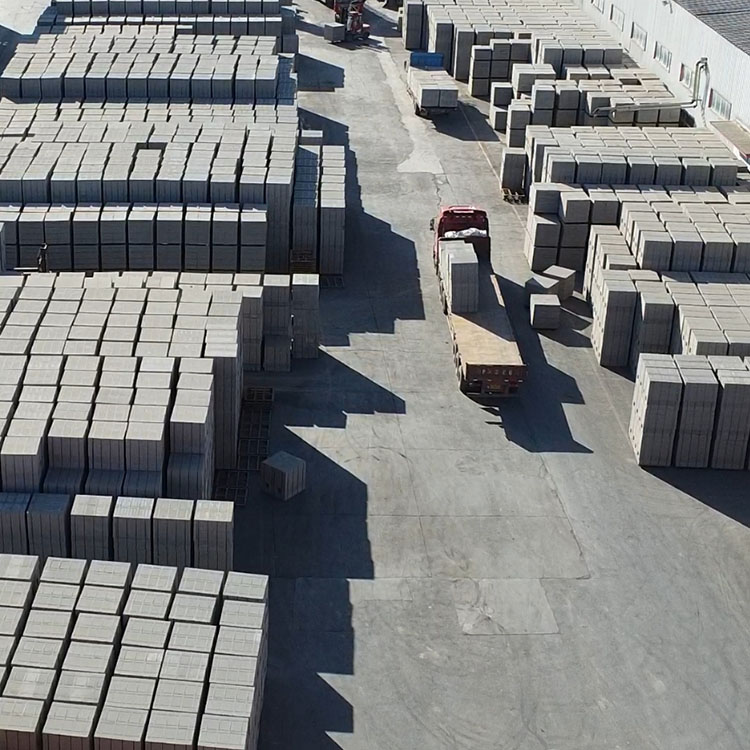
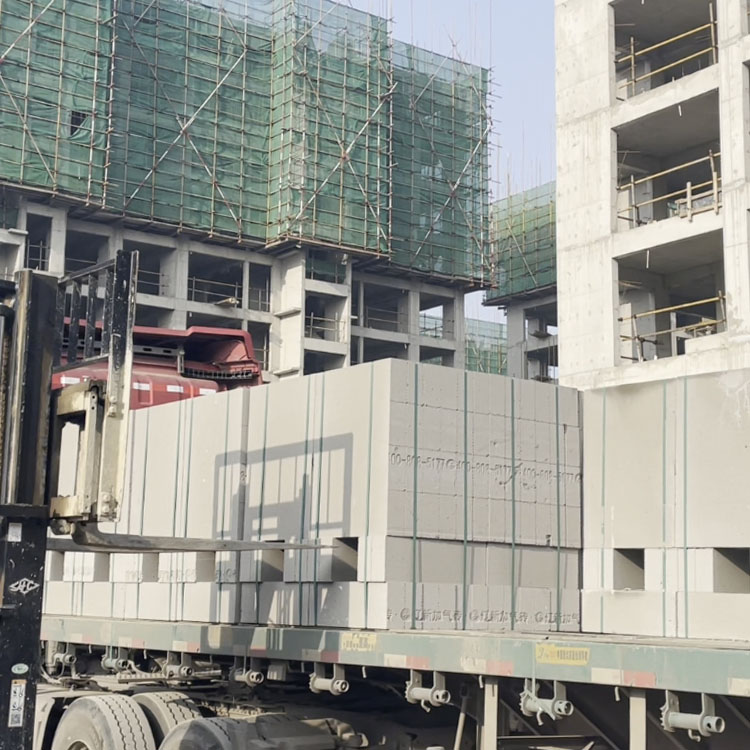
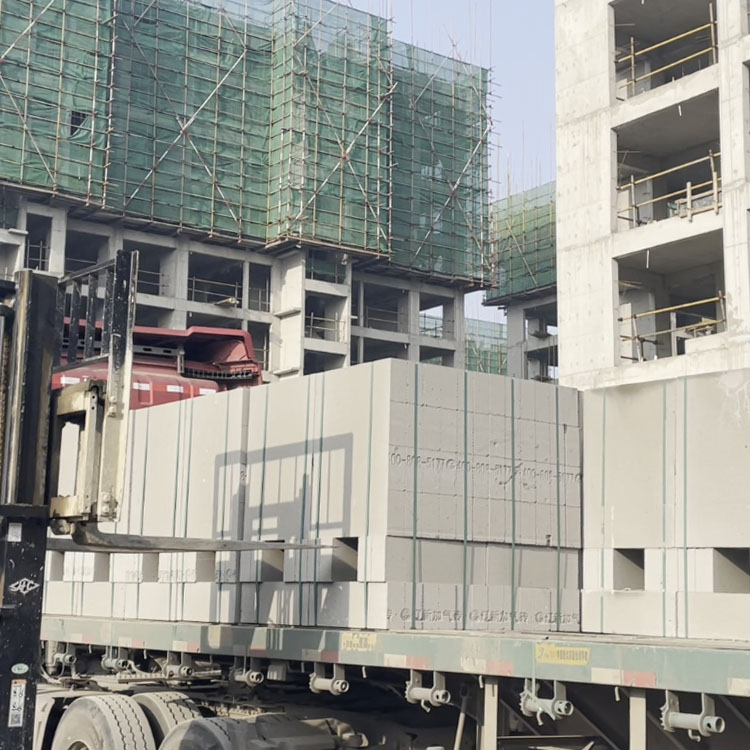
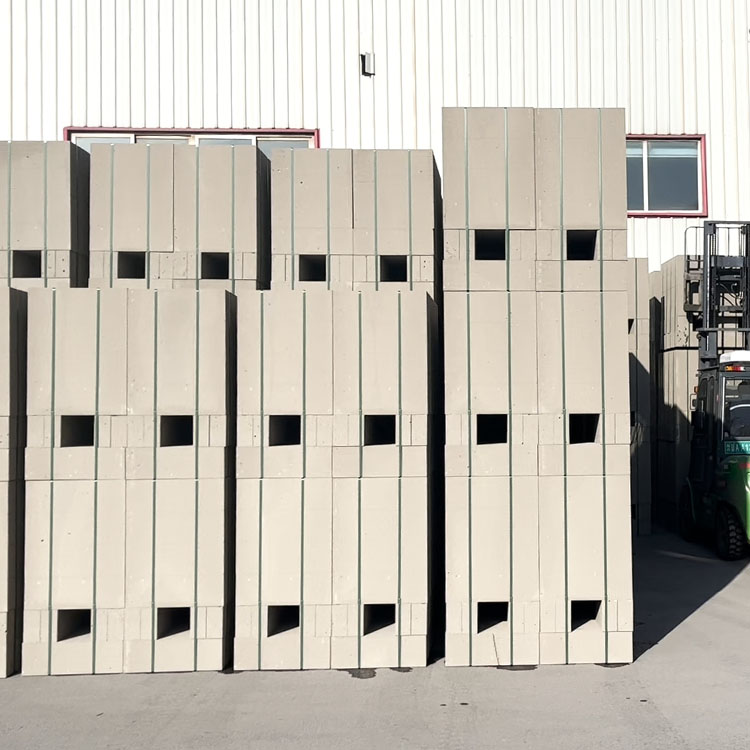
Autoclaved aerated concrete blocks, as a high-tech green product, are widely used in the interior and exterior walls, floors, and roofs of residential, office, commercial, and industrial buildings.
Features:
Autoclaved aerated concrete blocks are a new type of building material with excellent thermal insulation, heat preservation, fire resistance, and a certain seismic capacity. They can be produced in various sizes in factories, just like wood, and can be cut, planed, drilled, and nailed. Due to their large volume, construction speed is also relatively quick, making them suitable as filling materials for general buildings.
Advantages:
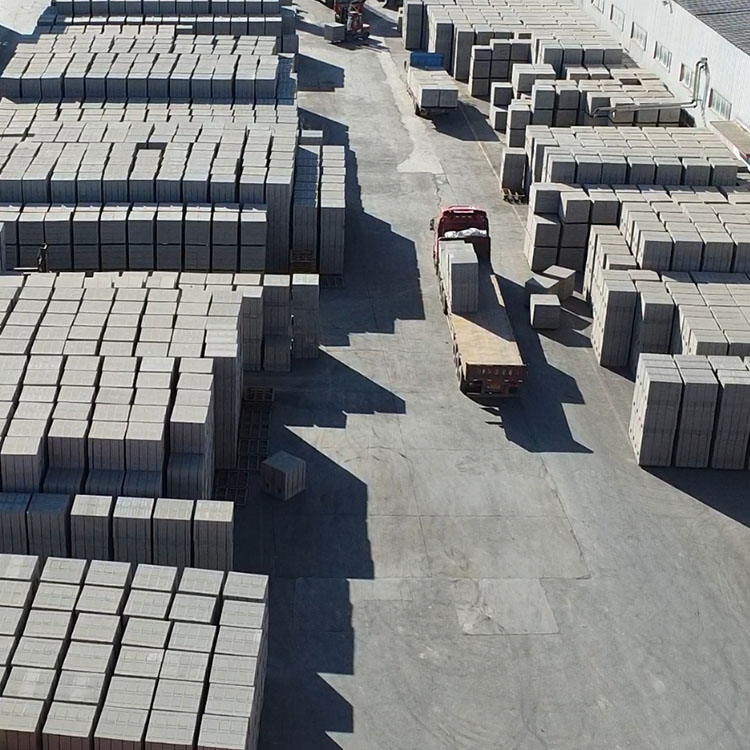
● The product is lightweight for easy transportation.
Excellent thermal insulation performance
● Excellent seismic performance
Highly machinable for easy worker handling
High-temperature resistant
Good sound insulation
● Mechanization
● Environmental friendliness