









Detailed Description:
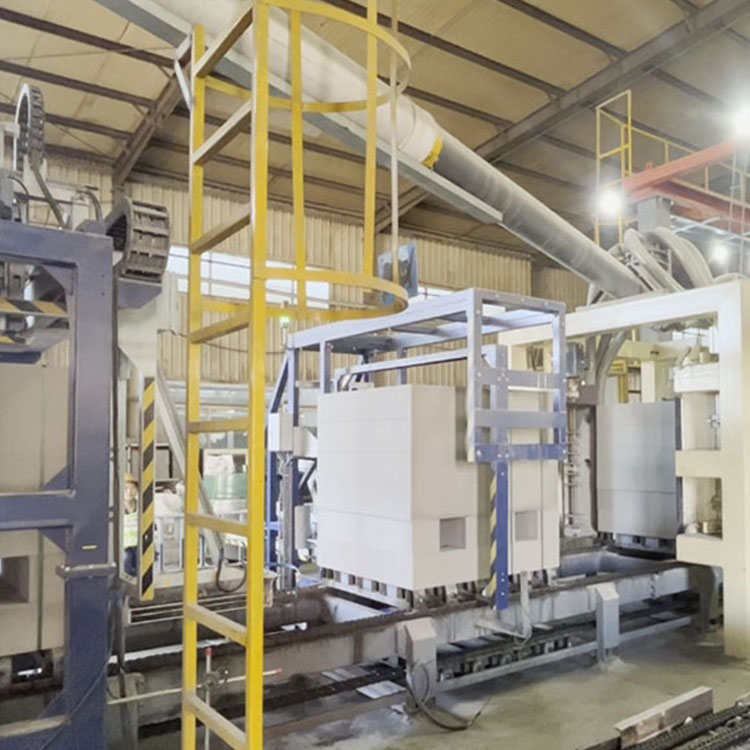
Processing Technology:
The thermal conductivity of aerated concrete is generally 0.11-0.18 W/m·K, which is only 1/4-1/5 of particle soil bricks and fly ash bricks (the thermal conductivity of particle soil bricks is 0.4-0.58 W/m·K; fly ash bricks is 0.528 W/m·K), about 1/6 of ordinary concrete. Practical evidence shows that a 20 cm thick aerated concrete wall has the same insulating effect as a 49 cm thick clay brick wall, and its heat insulation performance is much better than that of a 24 cm brick wall. This significantly reduces the thickness of the walls, thereby expanding the effective usable area of the building, saving on the thickness of construction materials, improving construction efficiency, reducing the cost of construction, and lightening the building's weight.
Usage:
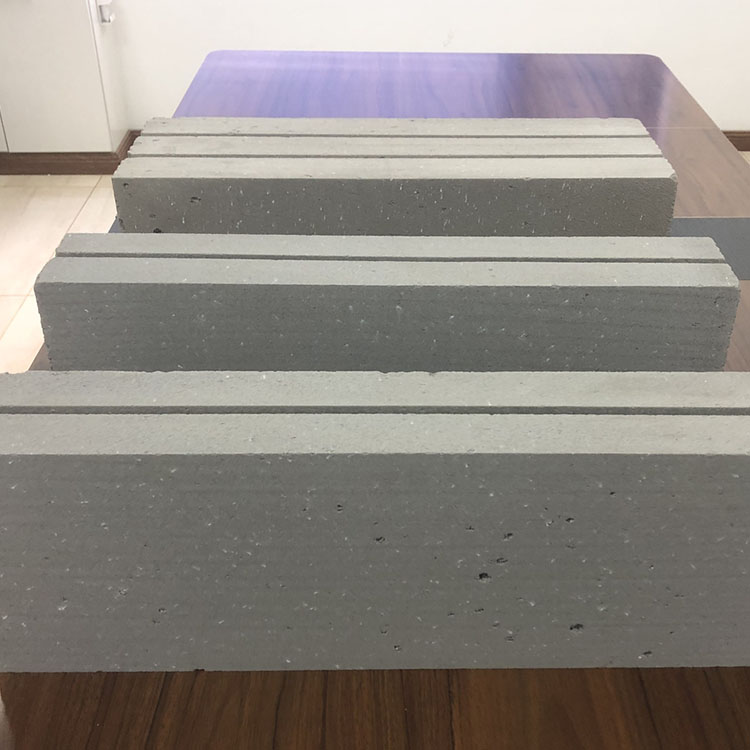
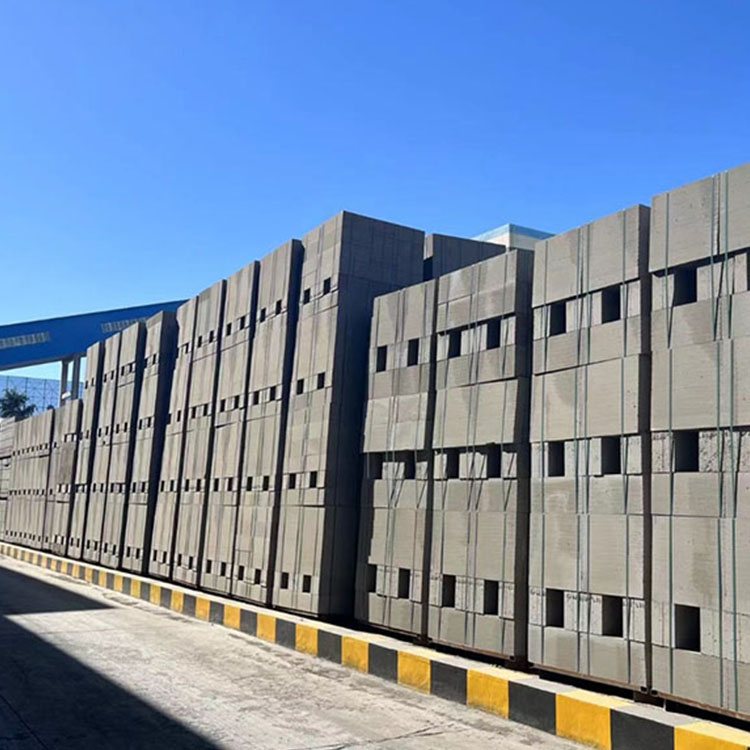
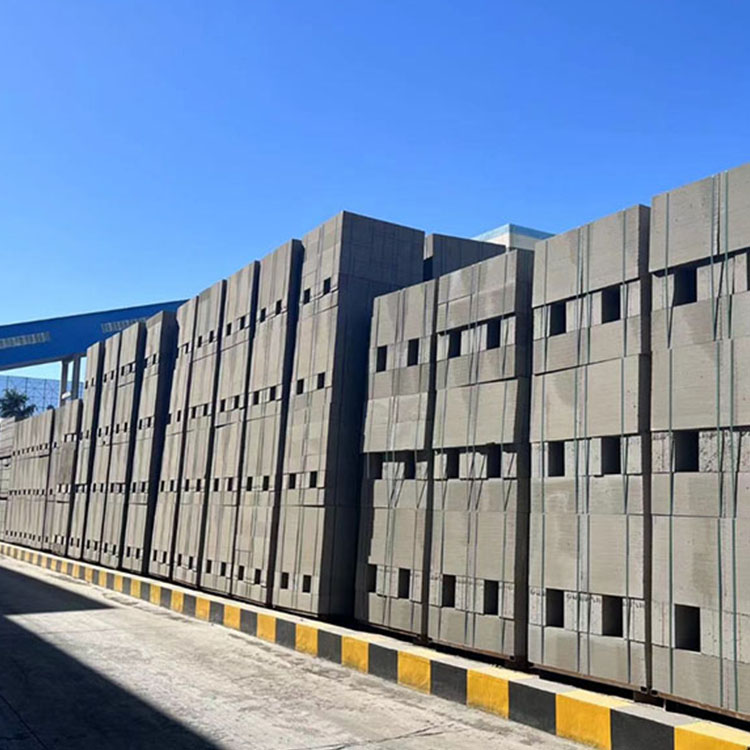
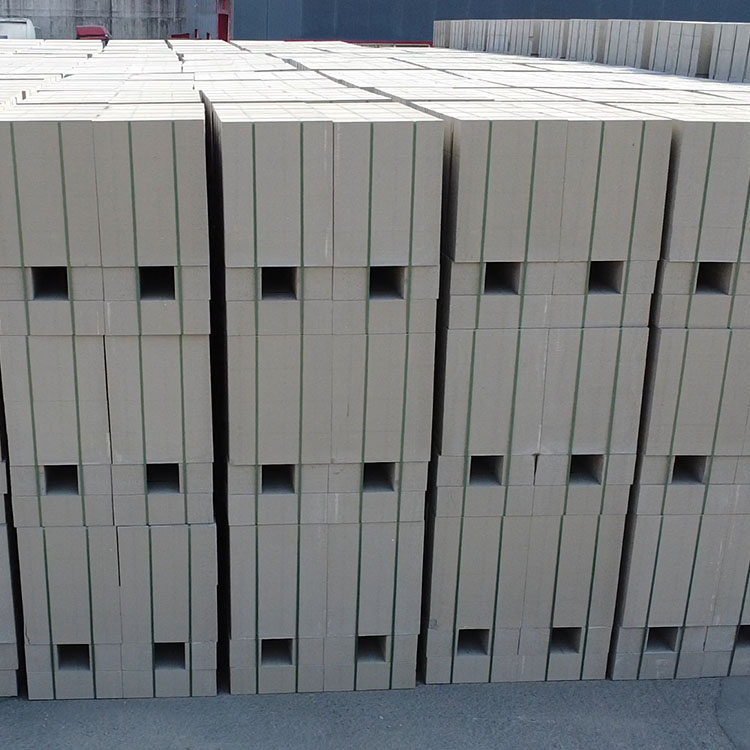
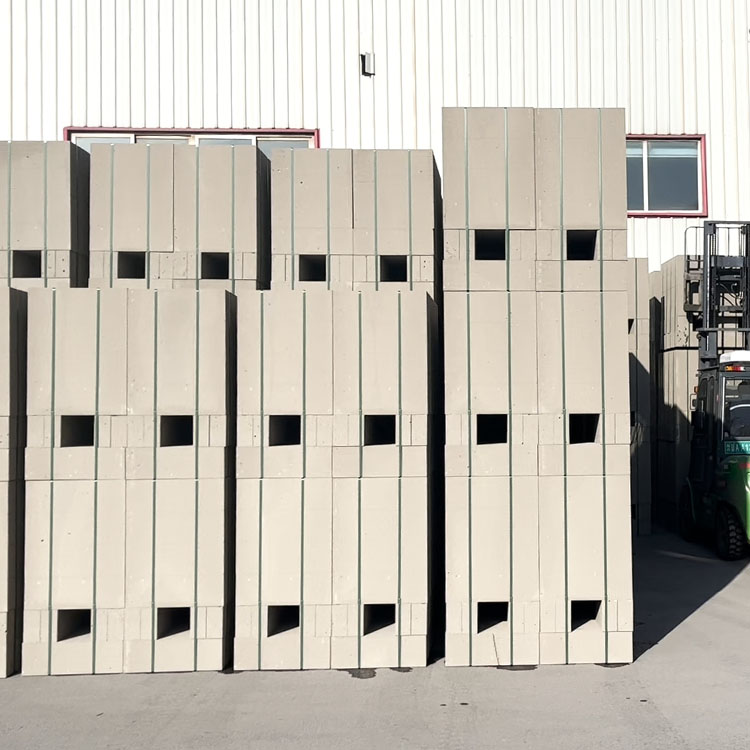
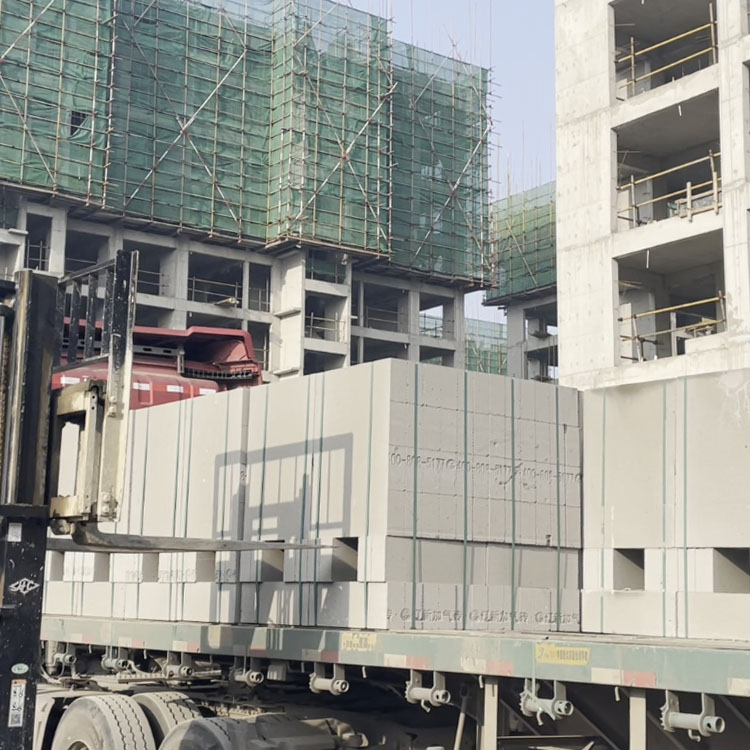
Gray thermal insulation aerated bricks are widely used in high-rise frame structure buildings.
Features:
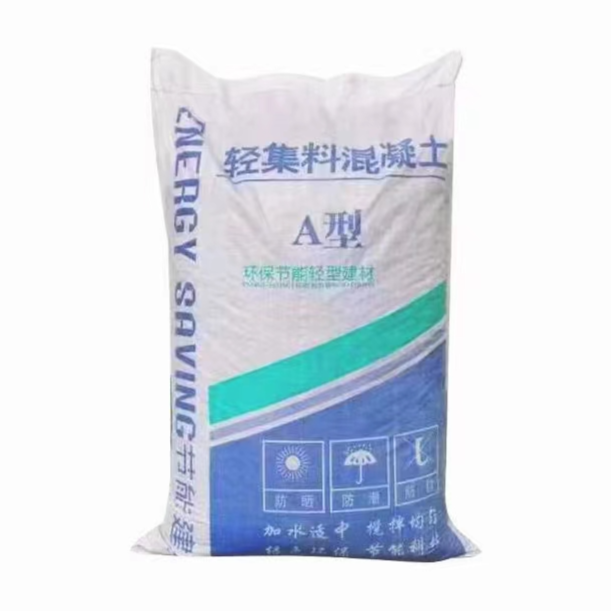
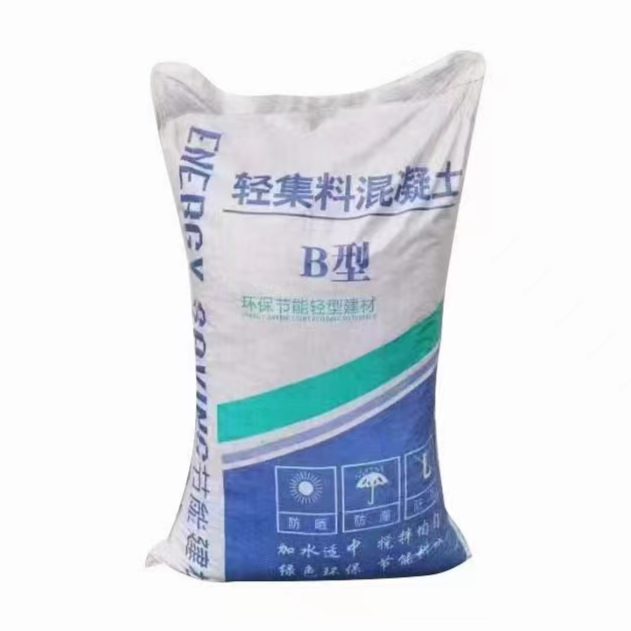
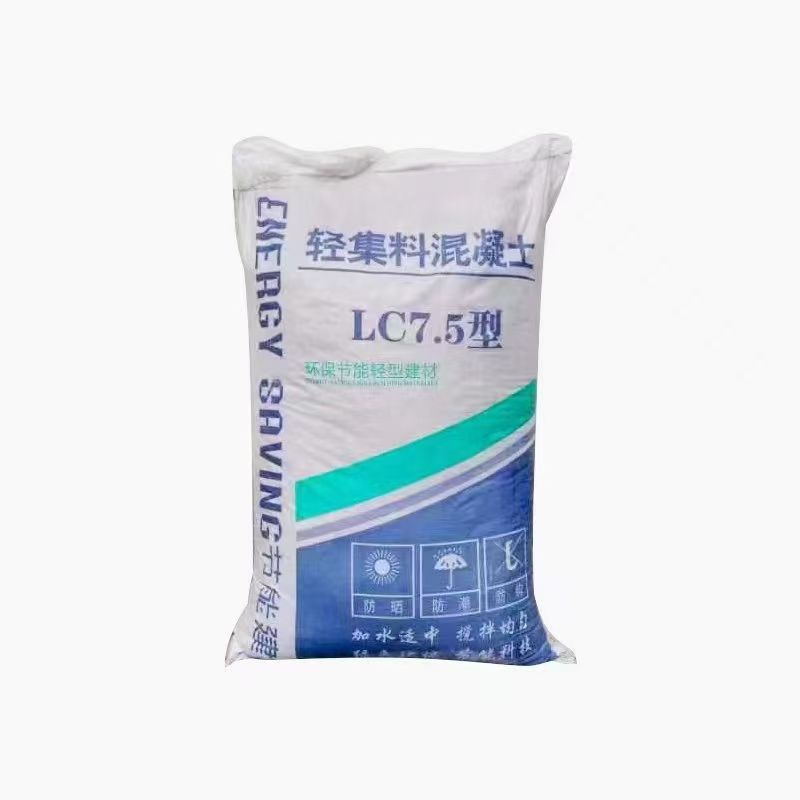
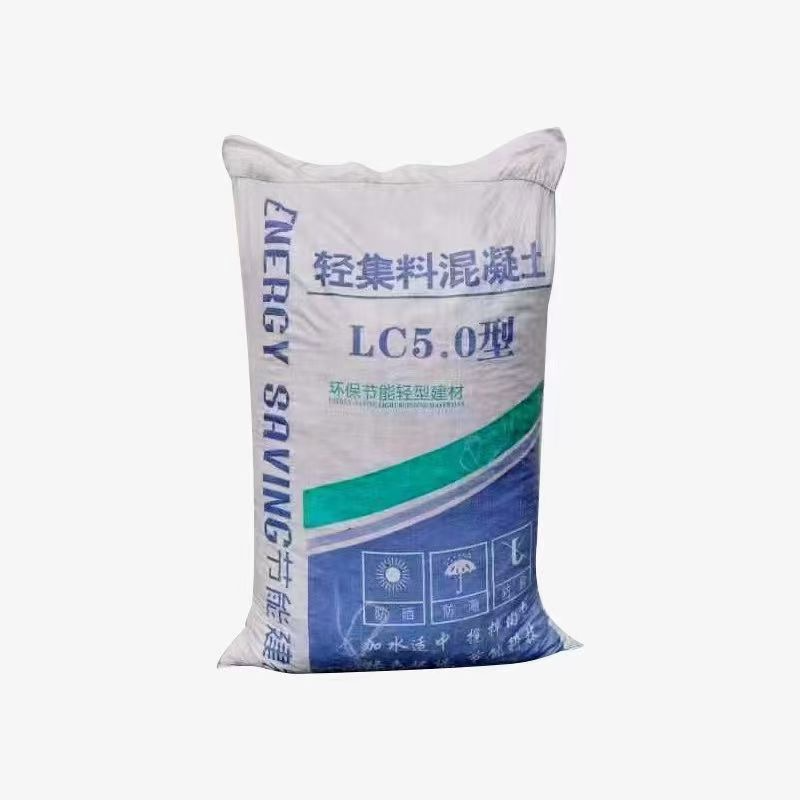
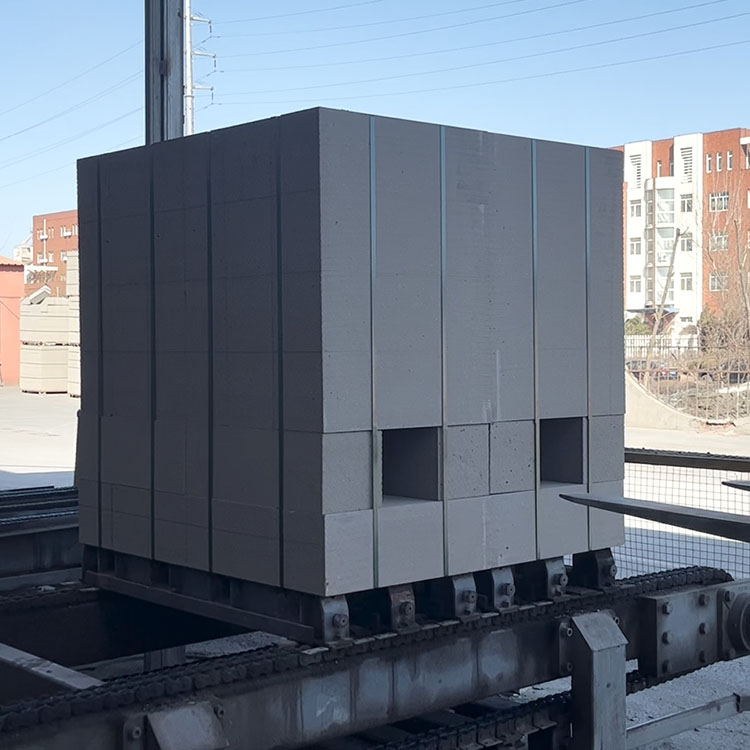
Autoclaved aerated concrete blocks are a new type of building material that is lightweight, porous, with excellent thermal insulation and fire resistance, and can be nailed, sawed, and planed, as well as having a certain seismic resistance. As early as the early 1930s, China began producing this product, which is a superior new building material with environmental protection advantages.
Advantages:
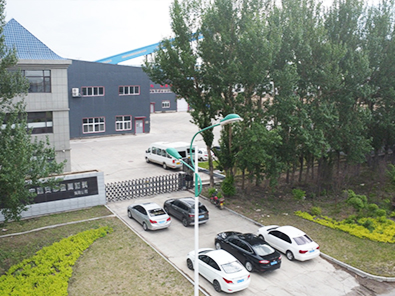
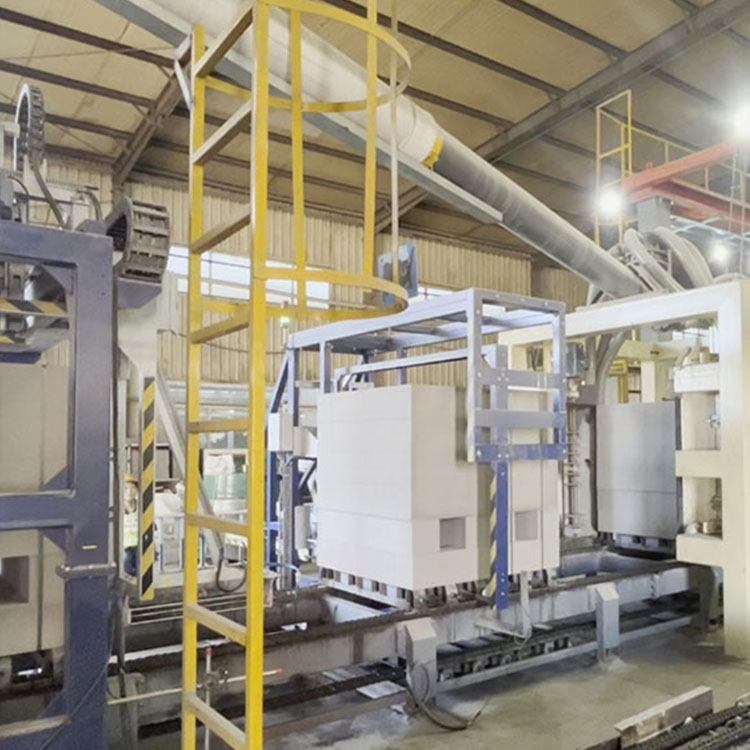
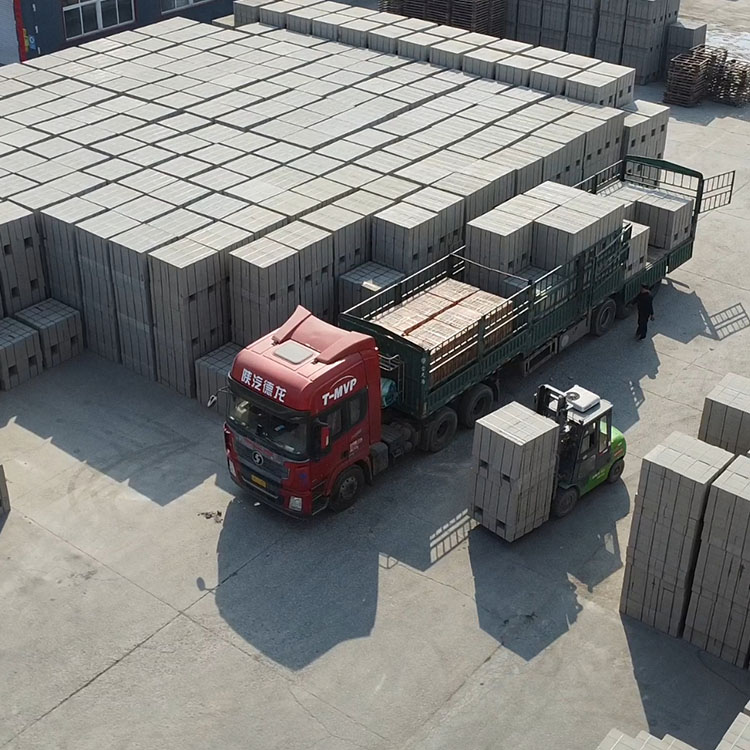
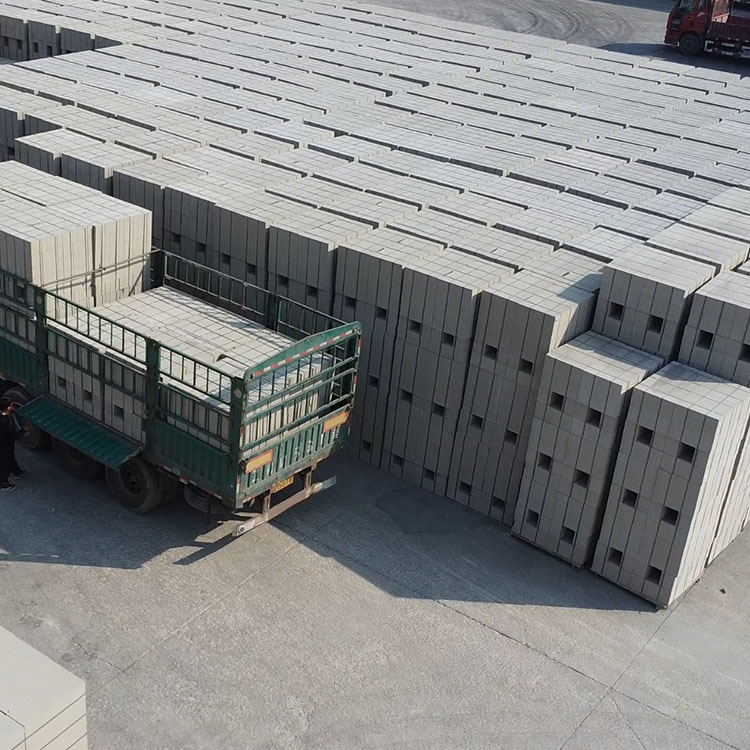
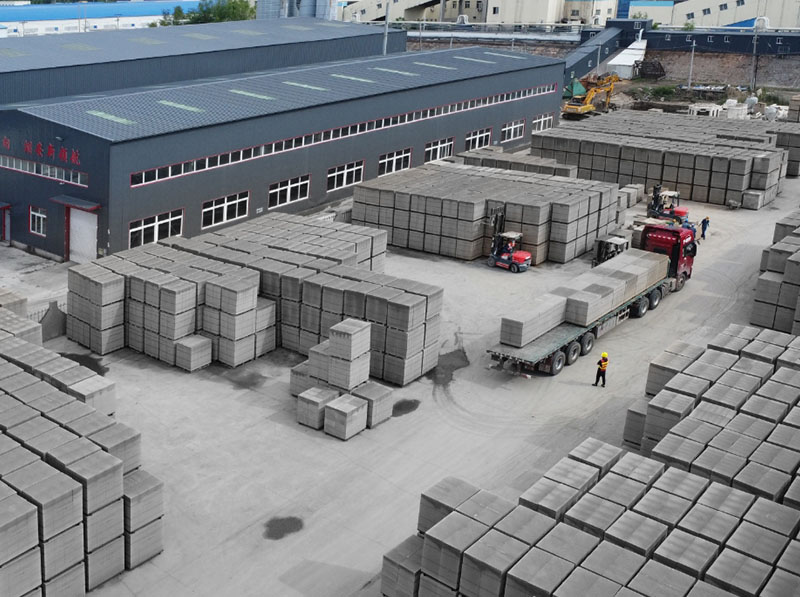
Liaoning Yi'an Non-Metallic Material Co., Ltd. utilizes advanced domestic production lines for processing, offering products at exceptional prices. The company's location is convenient, being near cities such as Shenyang and Changchun.