













Nano-powder Filtration Purification Technology
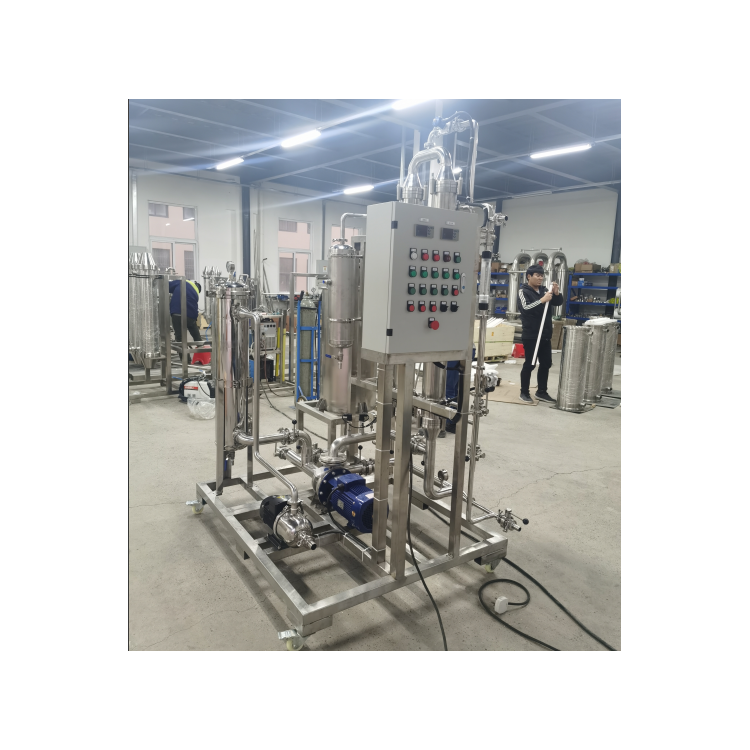
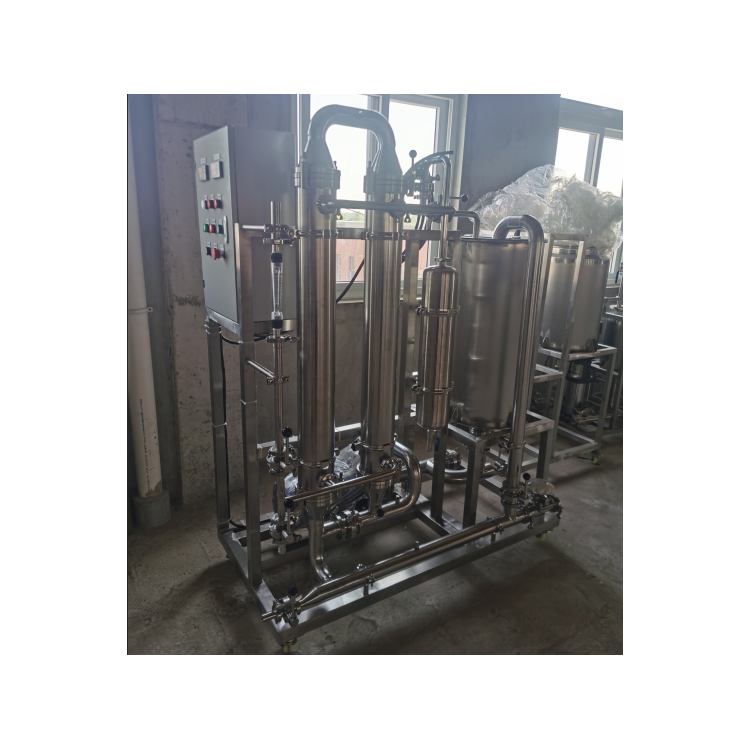
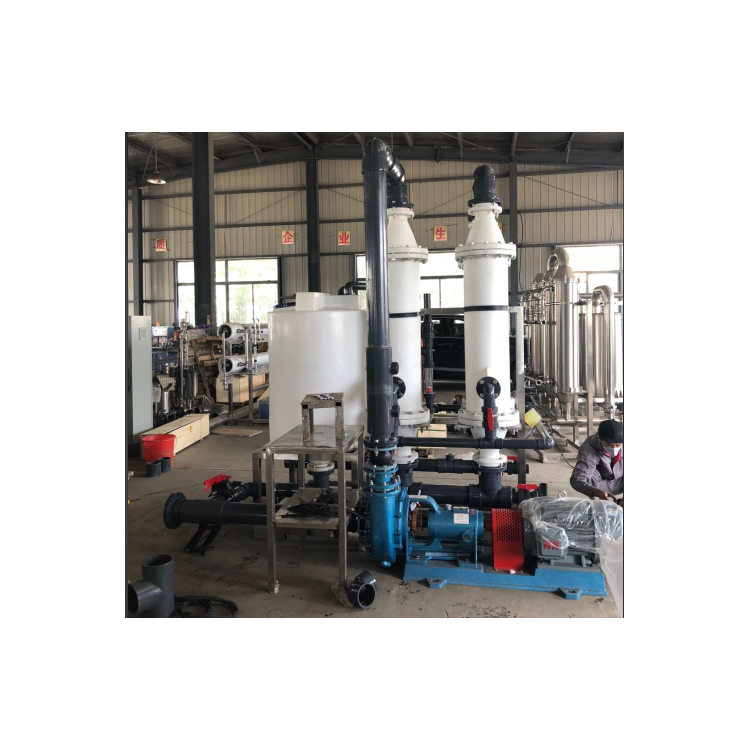
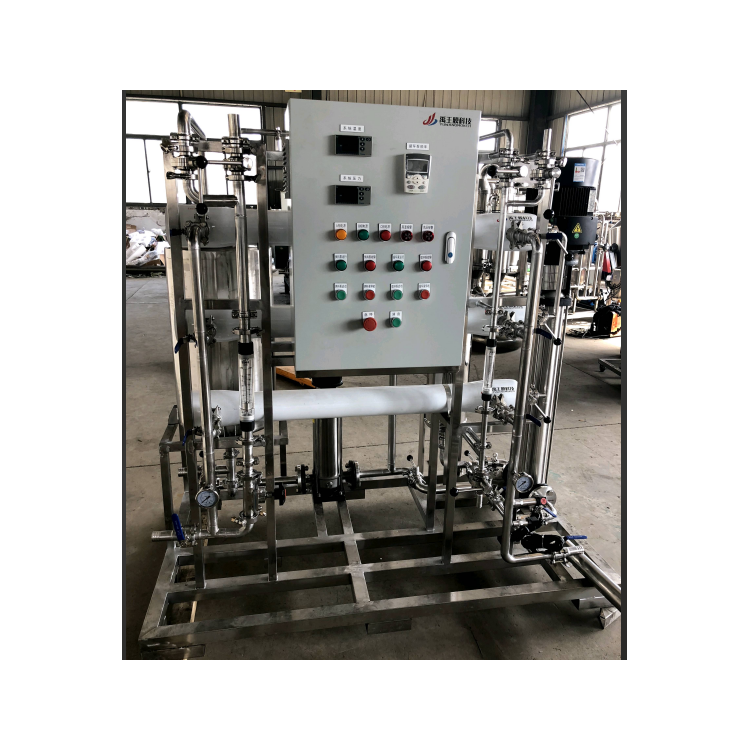
Membrane separation equipment integrated with nanometer powder production technology
Membrane separation equipment integrated with the nanofiber production process technology has resolved technical bottlenecks such as solid-liquid separation of nanoflake suspensions, impurity removal, and process continuity. Process optimization design for the application system has enhanced filtration flux and long-term operational stability. Methods for washing and purification of oxide or elemental nanoflakes of titanium, yttrium, aluminum, silicon, silver, zirconium, iron, calcium, niobium, nickel, cobalt, etc. have been developed, yielding significant technical, economic, and social benefits.
Process Features:
1. High filtration accuracy. Filtration pore size >= 20 nm
2. High retention rate for ultra-fine powder particles. Virtually no loss or spillage.
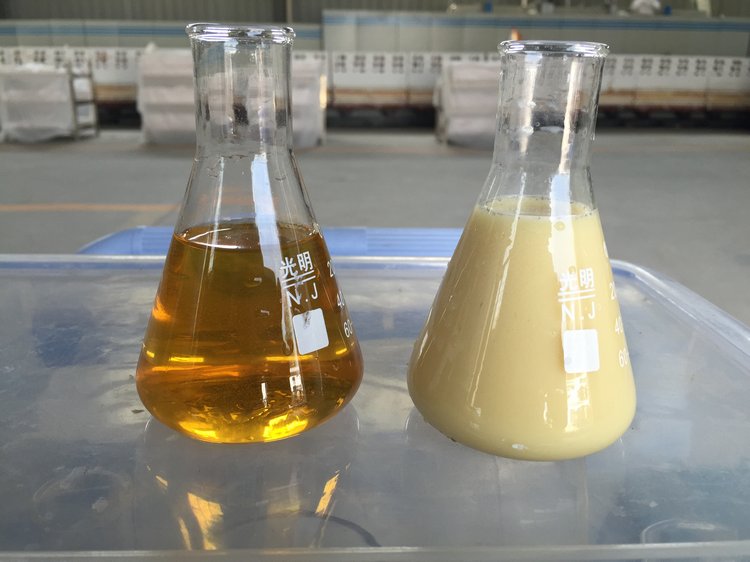
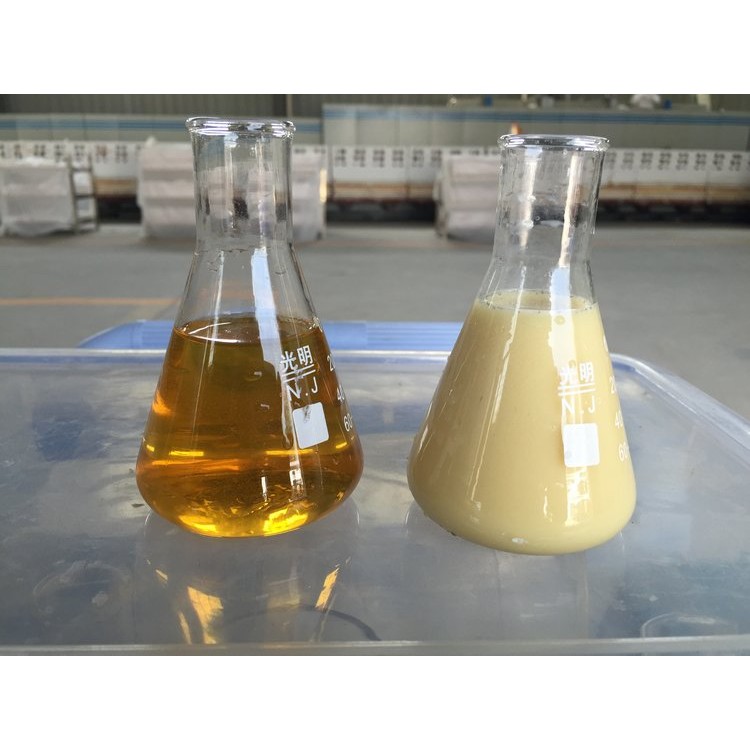
3. Excellent cleaning results, low impurity content, suitable for producing high-purity fine powders
4. Clear and transparent with no impurities, suitable for reuse
5. The equipment has fewer blind spots, making cleaning convenient.
6. Low water usage
7. The process parameters of the washing process are controllable, which helps to improve the dispersibility of the powder.
8. The main body of the equipment is made of stainless steel or high polymer composite materials, meeting the needs of different systems, with fewer wear parts and simple maintenance.
9. PLC full automatic control available, low labor intensity
10. Compatible with special concentrated equipment for recycled water preparation to produce pure water, with overall low operation costs.
Application Fields
Nano-titanium oxide, zirconium oxide, zinc oxide, aluminum oxide, and other oxide purification
Nano barium titanate, barium carbonate, and other nano inorganic salts washing and purification
Nano-antibacterial material washing purification
Nano diamond, silver powder cleaning and purification
Nano kaolin, montmorillonite, and other mineral washing purification
Nano-drug washing and purification
Nano Titanium Silicate Molecular Sieve Washing Purification
Nano-catalyst washing, purification, and retention
Core Technology:
Inorganic ceramic membranes are porous ceramic filtration materials made by high-temperature sintering of materials like alumina, titanium oxide, and zirconia. The porous support layer, transition layer, and microporous membrane layer are asymmetrically distributed, covering filtration precision from microfiltration to ultrafiltration. Ceramic membrane filtration is a "crossflow filtration" process for fluid separation: raw liquid flows at high speed within the membrane tubes, driven by pressure, the clarified permeate containing small molecular components permeates outward perpendicular to the membrane, while the turbid concentrate containing large molecular components is retained by the membrane, achieving the purpose of separation, concentration, and purification of the fluid.
Targeting the characteristics of different material systems in industries such as biochemical engineering, water treatment, chemical, and petrochemical, we design the micro-layered structure and material of ceramic membranes. By adjusting the composite formulations of different ratios of α-Al2O3, ZrO2, and TiO2 membrane materials, we optimize the permeability, anti-fouling performance, and cleaning recovery properties of ceramic membranes, thus developing special ceramic filter membrane elements. These elements feature high resistance to strong acids and alkalis, solvent erosion, oxidation, high temperature, and high mechanical strength, with a narrow pore size distribution.
Average Membrane Pore Size: 1000 nm, 800 nm, 500 nm, 200 nm, 100 nm, 50 nm
Film Material: α-Al2O3, ZrO2, TiO2 composite formula
Supporting Body Material: α-Al2O3
Process Description
Ultra-fine powder slurry requiring washing is added to the raw material circulating tank; start the mixing agitator to prevent sedimentation of the ultra-fine powder, which could affect the washing efficiency, and also to prevent the powder material from caking and encapsulating impurities; after filling, start the circulating pump to regulate system pressure through the reflux device; once the equipment runs stably, adjust the water flow rate of the equipment based on the membrane permeate flow rate to achieve balance; after washing, transfer the slurry to the next process through the discharge port.