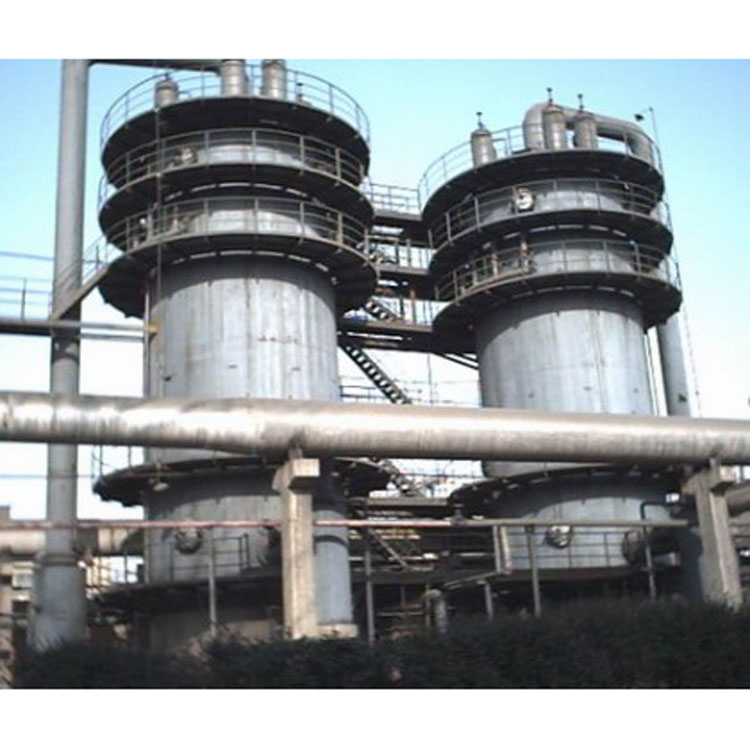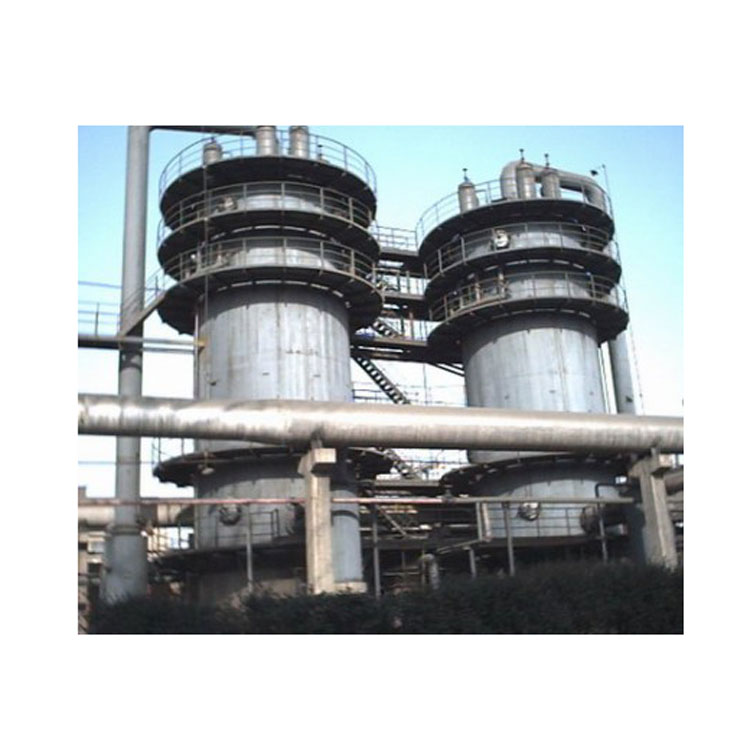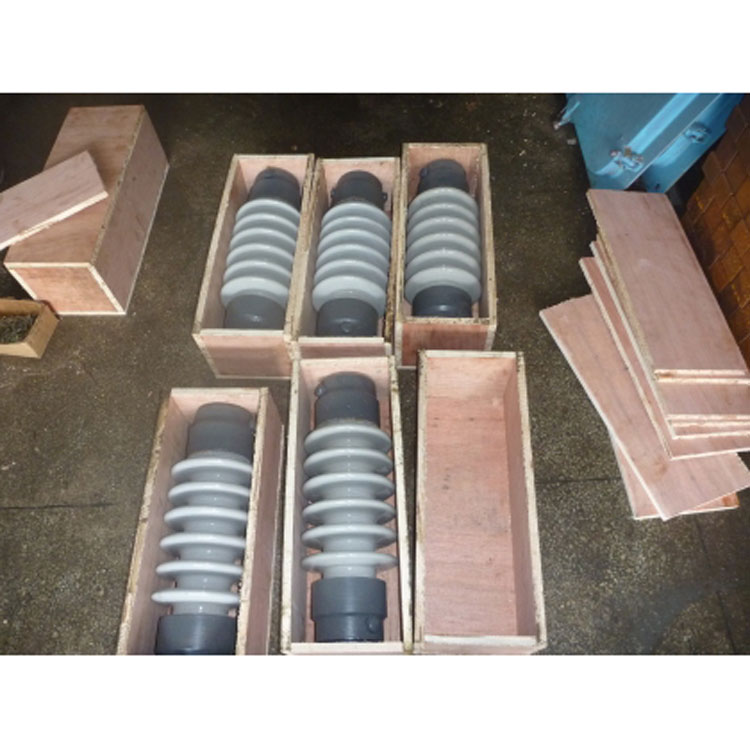


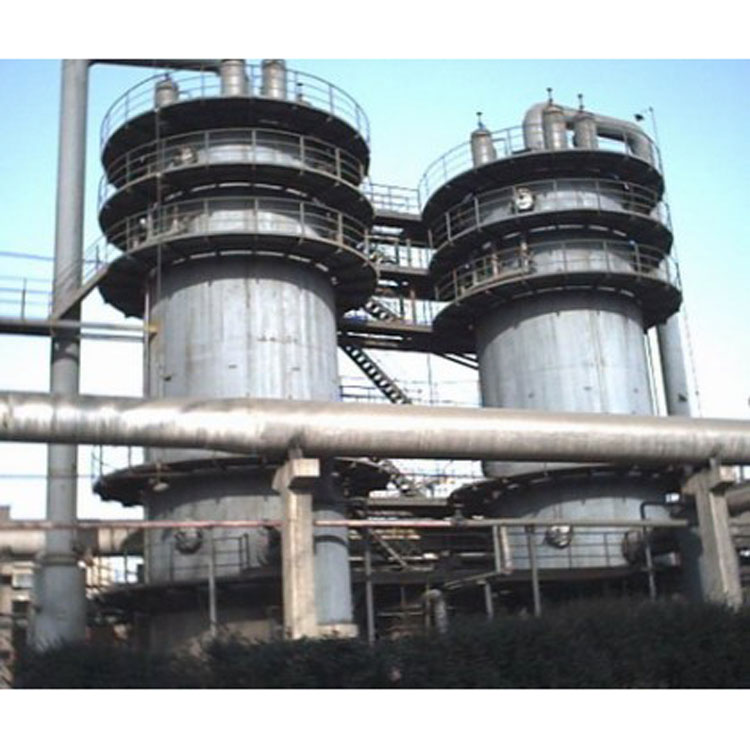
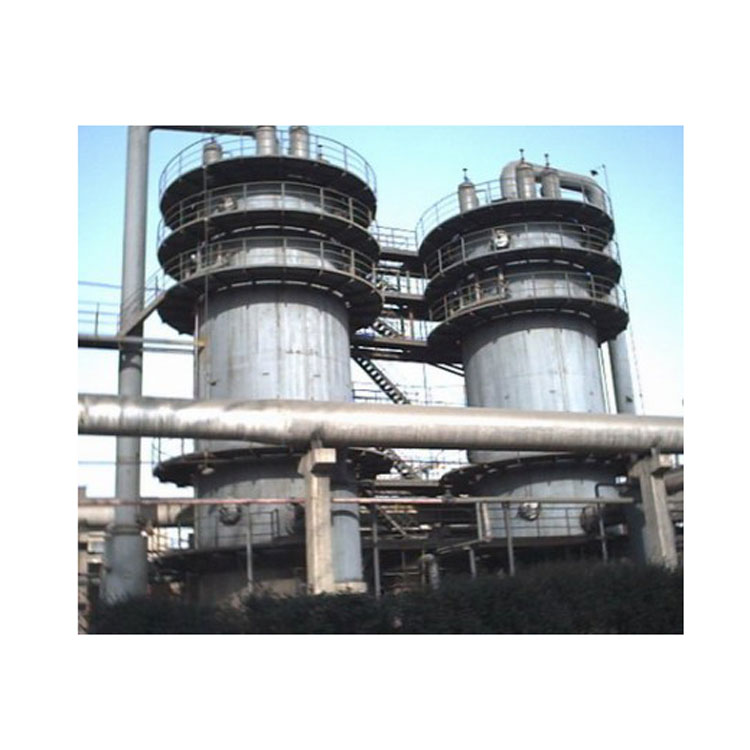


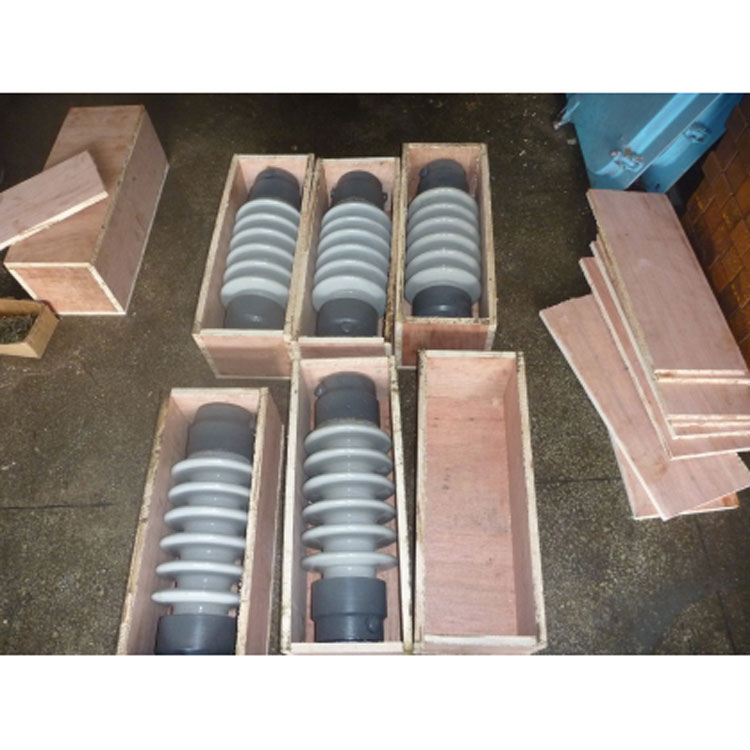





WESP Wet-type Electrostatic Precipitator
Product Description
Wet electrostatic precipitators, commonly abbreviated as WESP, operate on the same basic principle of dust removal as dry electrostatic precipitators, involving three stages: charging, collection, and cleaning.
Structure and Classification
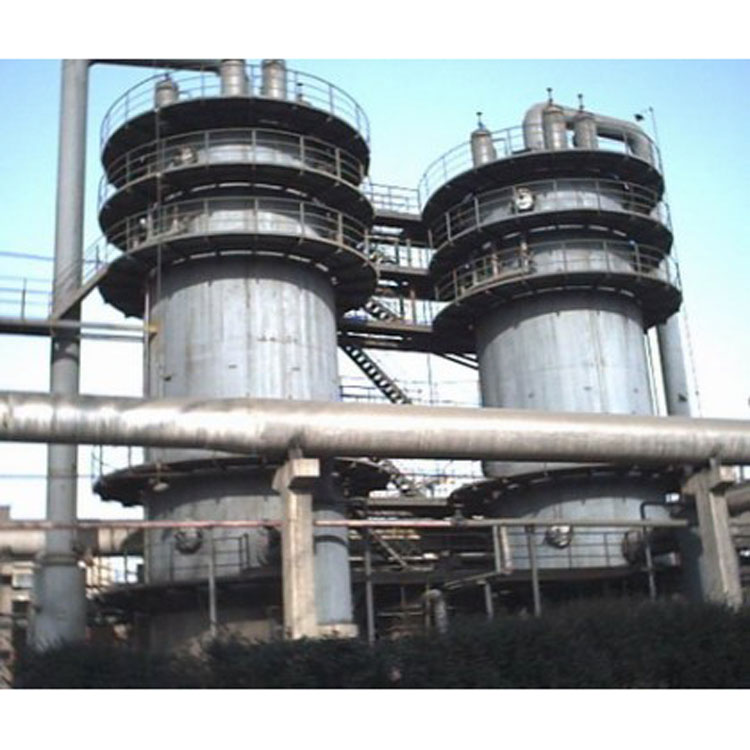
Wet-type electrostatic precipitators come in various structural forms. One type uses corrosion-resistant conductive materials (which can be either non-metallic materials with excellent conductivity or metallic materials with corrosion resistance) for the dust collection electrodes, while another employs non-conductive materials that form a conductive water film through spray or overflow water. Wet-type electrostatic precipitators can also be categorized into cross-flow (horizontal) and up-flow (vertical) types. The cross-flow models are mostly plate-like structures with gas flow in a horizontal direction, similar to dry-type electrostatic precipitators. The up-flow models are typically tubular in design with vertical gas flow. Generally, the efficiency of up-flow wet-type electrostatic precipitators is twice that of cross-flow models under the same ventilation cross-sectional area. Dust settled on the electrode plates can be washed off with water. Wet cleaning prevents the re-aerosolization of collected dust, achieving high dust removal efficiency. Without a vibration device, operation is also more reliable. Devices that use spray or overflow water to form a conductive film on the dust collection electrodes face issues with corrosion, sludge, and wastewater treatment, and are only used when dust concentrations in the gas are low and high dust removal efficiency is required. Wet-type electrostatic precipitators using corrosion-resistant conductive materials for the dust collection electrodes do not require continuous spraying or overflow water; they are simply flushed periodically based on system operation, consuming only a small amount of water that can be recycled, thus minimizing secondary pollution in the dust collection system.
Dust Collection Principle
Wet electrostatic precipitators operate on the same dust collection principle as dry electrostatic precipitators, relying on high-voltage corona discharge to charge the dust particles, which then migrate to the dust collection plate/tube under the influence of the electric field. Dry electrostatic precipitators primarily handle dry gases with very low moisture content, while wet electrostatic precipitators are designed for wet gases with higher moisture content, even up to saturation. There is a significant difference in the dust removal methods between WESP and DESP. Dry electrostatic precipitators typically use mechanical impact or ultrasonic cleaning to remove dust buildup from the electrodes, whereas wet electrostatic precipitators employ regular flushing to clear dust particles as they flow with the washing fluid.