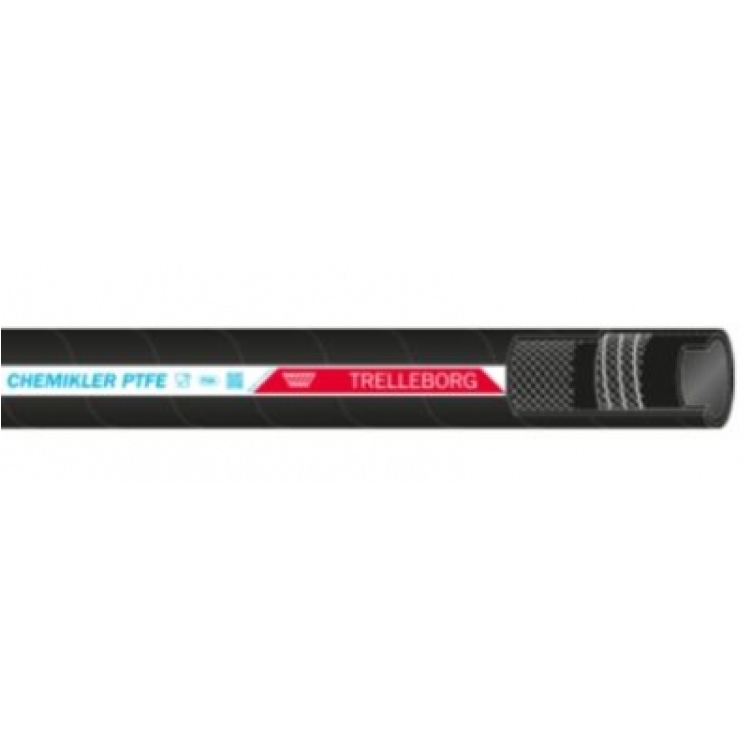


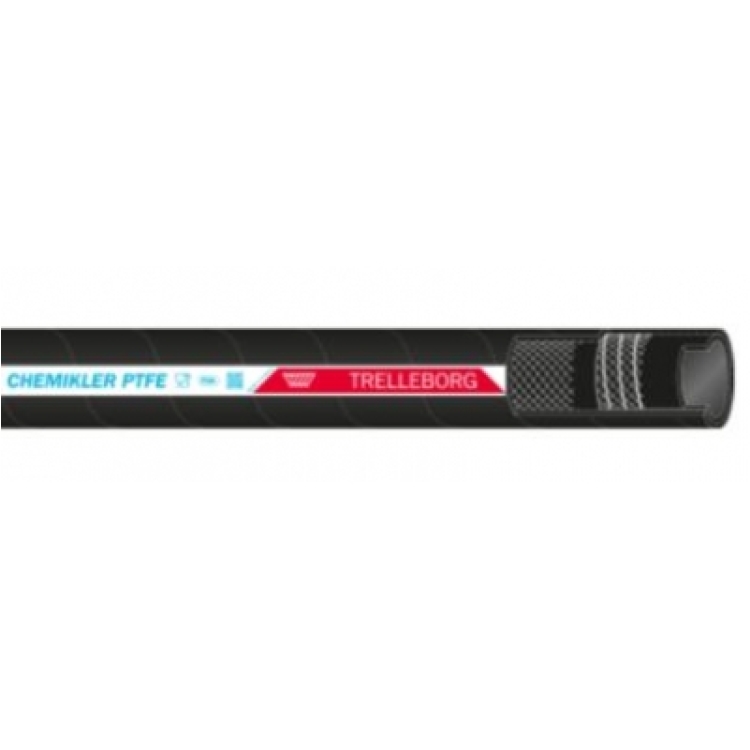
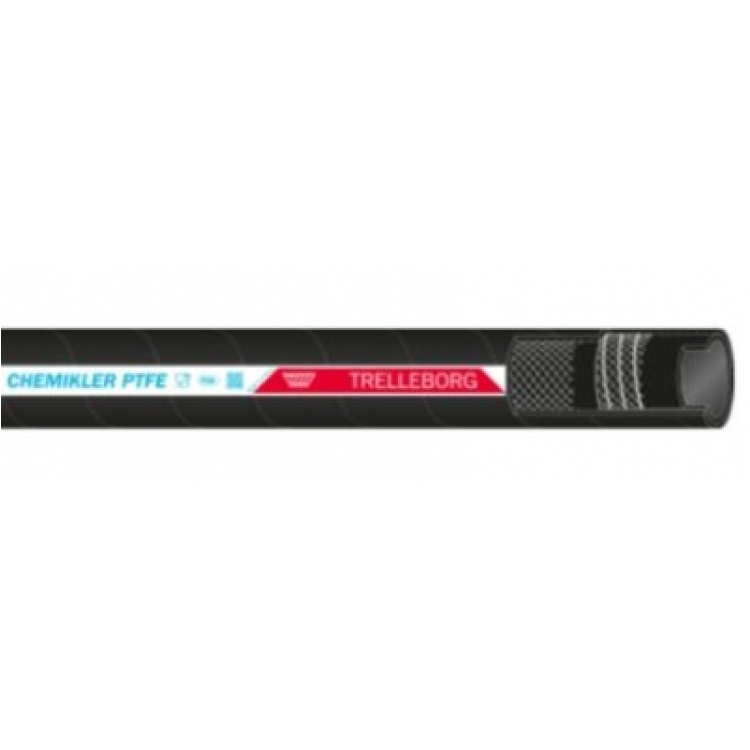







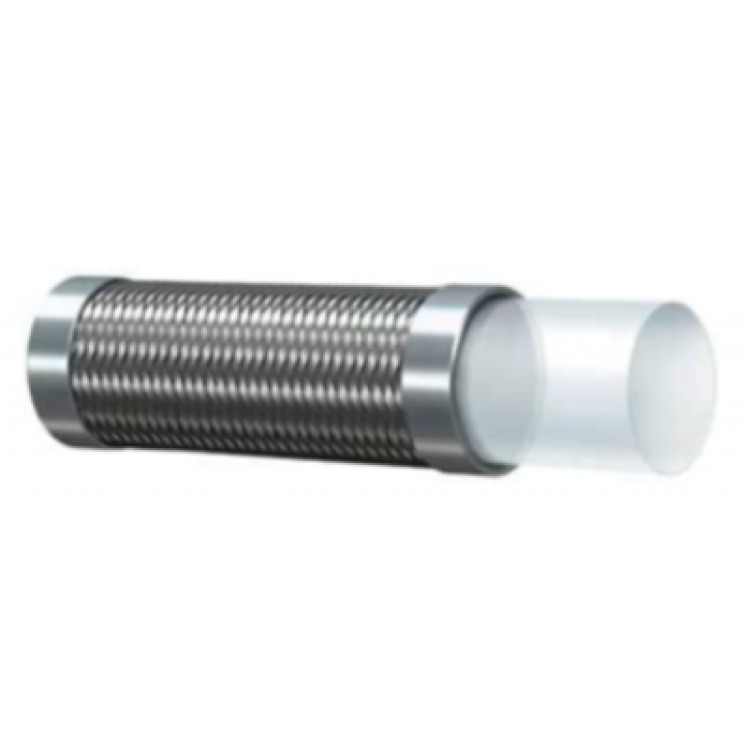
CKP Conductive Teflon Rubber Tubing (FDA/USP VI) Abbreviation: CKP
Product Attributes Key Features
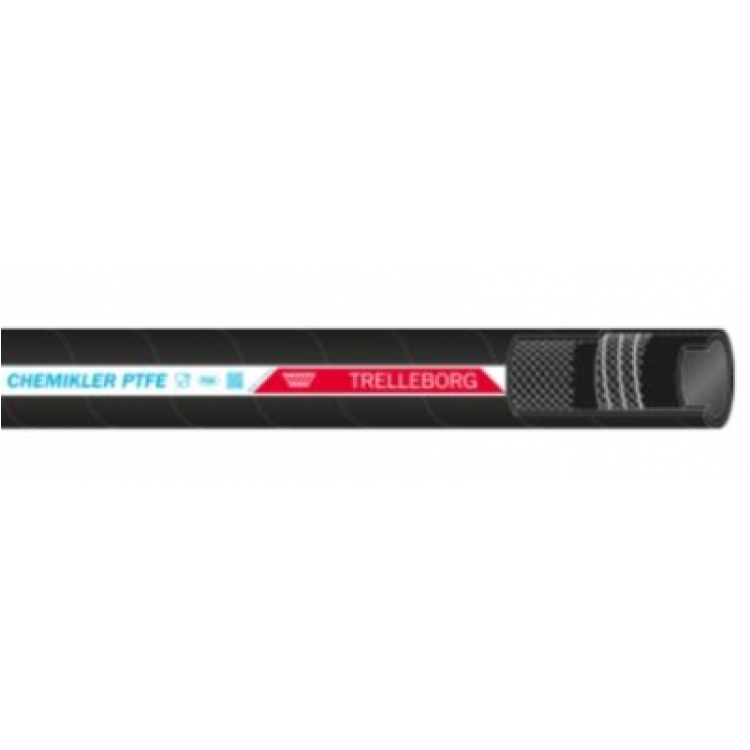
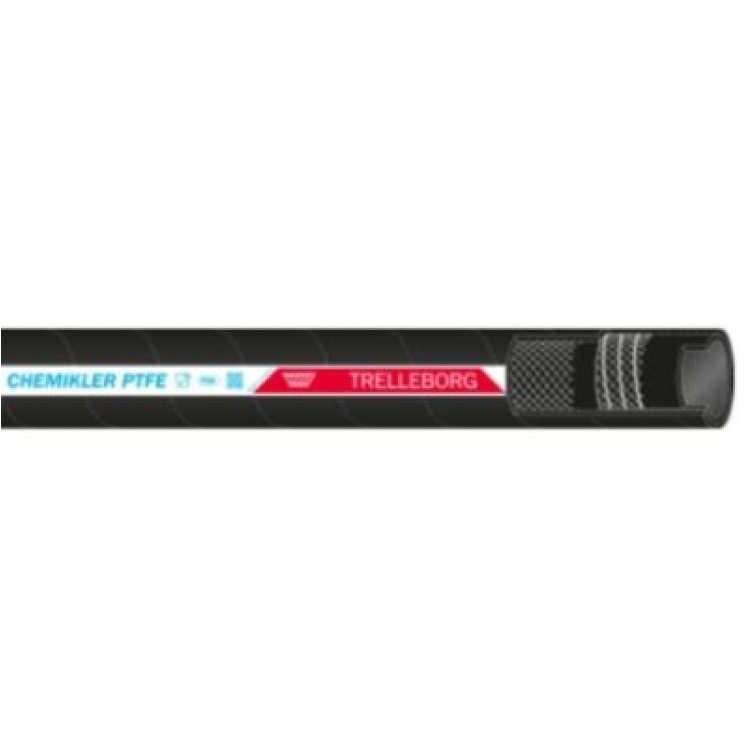
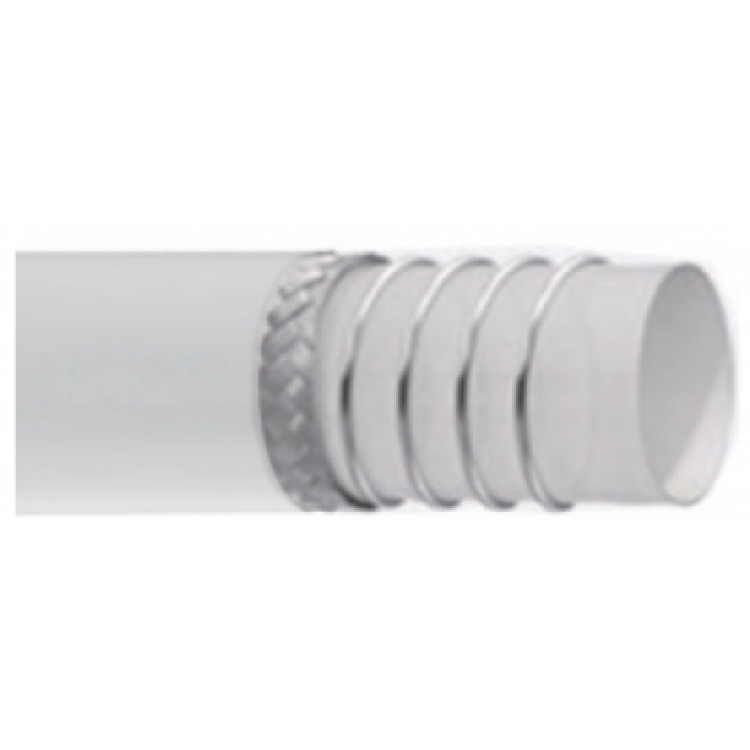
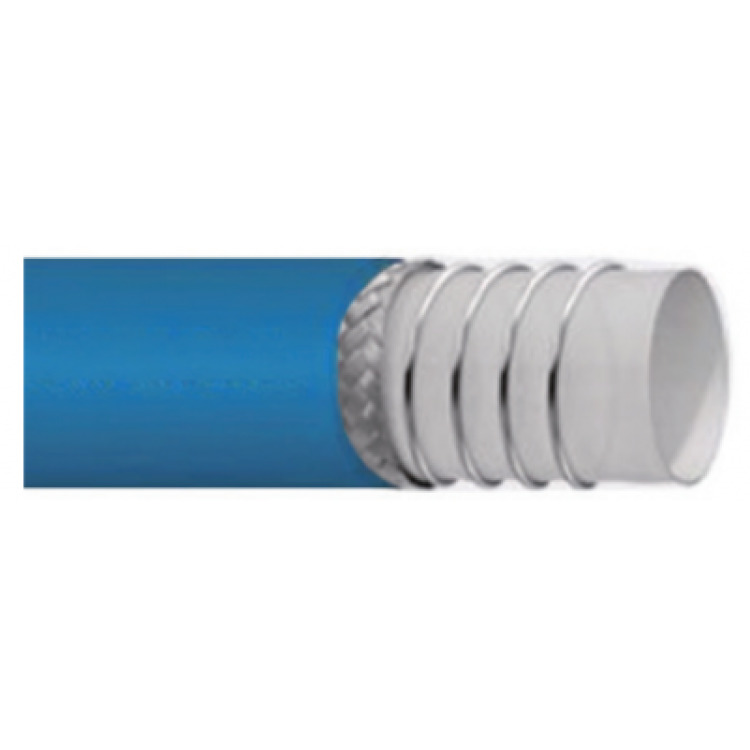
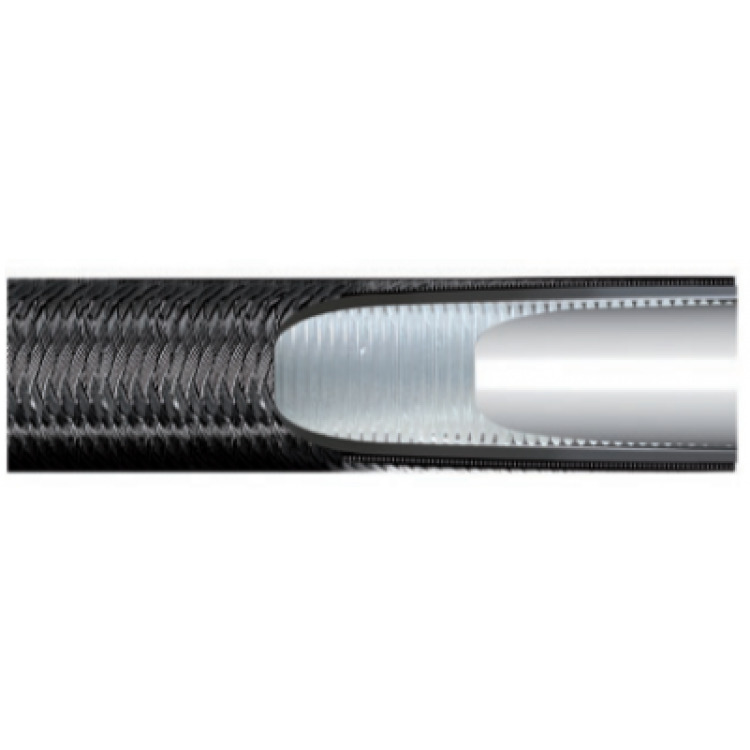
Inner Layer: Black smooth conductive PTFE (R≤1MΩ) meets FDA and USP VI requirements
Enhanced Layer: High-tensile fiber woven mesh and spiral steel wire
Outer Layer: Black chemical-resistant, abrasion-resistant, and aging-resistant rubber
Operating Temperature: -40℃ to +150℃
Applications
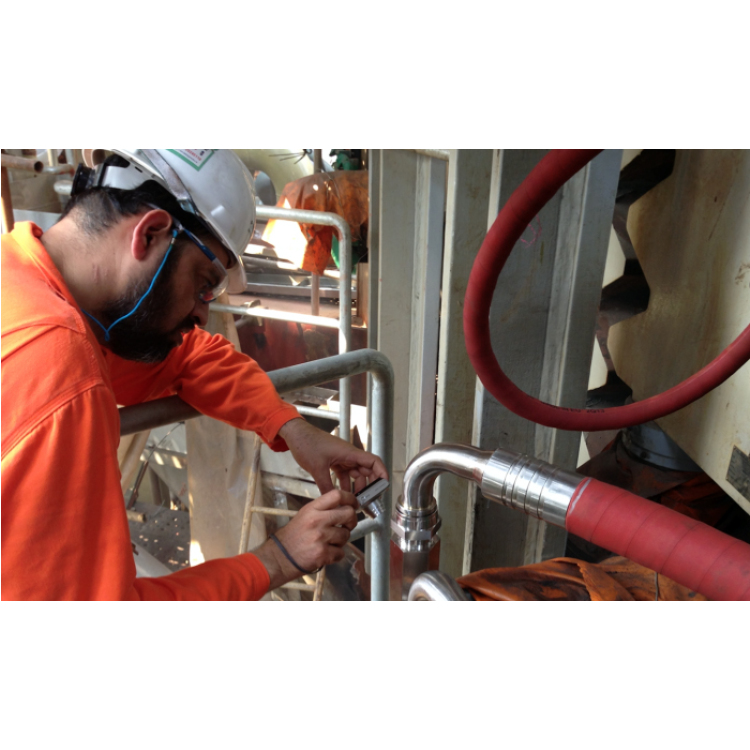
Suitable for loading, unloading, conveying, and pipeline connections of almost all chemical materials and solvents in industries such as chemicals, active pharmaceutical ingredients, and cosmetics. Ideal for exhausting corrosive materials like strong acids, high aromatic solvent, chlorinated or oxidizing solvents, and various aromatics. Also capable of conveying various food, pharmaceutical, and cosmetic materials. Recommended for use in ATEX explosion-proof areas, it can transport various high-resistance fluids to prevent static electricity generation. Not suitable for conveying chlorofluoride, dry fluorine gas, difluorine oxide, and molten alkali metals such as sodium.
Product Advantages Availability
The conductive PTFE (R≤1MΩ) inner layer of CKP meets FDA and USP VI grade requirements, ensuring the cleanliness of materials being conveyed. Its smoothness simplifies cleaning, withstands steam up to 150°C, and can transport almost all chemicals and chemical solvents. The outer rubber layer is chemically and aging-resistant, completely non-polluting.
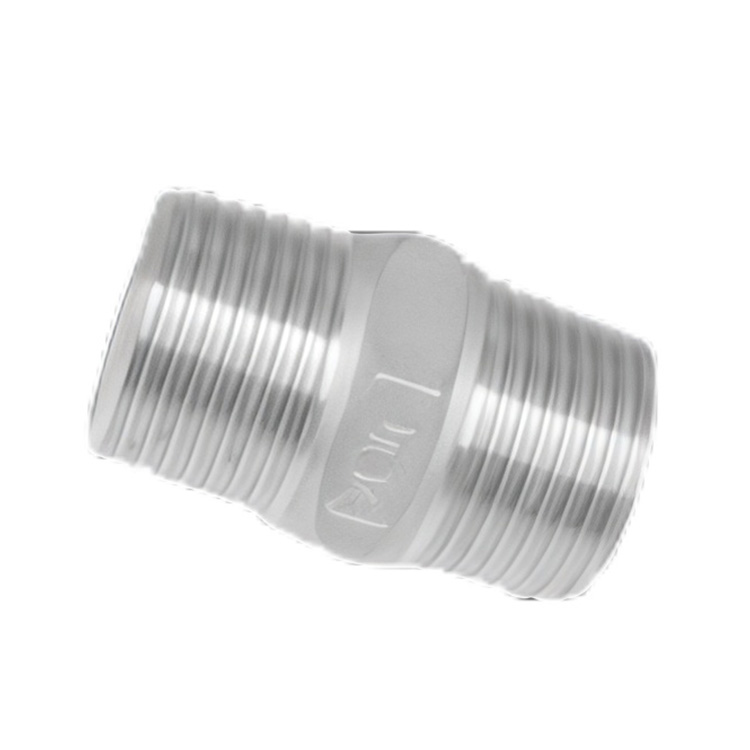
* Inner and outer layers made of antistatic material (R≤1MΩ)* Meets FDA and USP VI grade requirements* Keeps conveyed materials clean* Smooth inner layer for easy cleaning* Free of plasticizers* Smooth inner layer ensures unobstructed flow* Withstands steam sterilization at 150℃* Resistant to almost all chemicals and solvents* Outer layer is wear and aging resistant* Easy to assemble various connectors
Certification and Standards
Food grade certified by FDA, compliant with 21 CFR 177.1550.
GB4806 Food Contact Material Approval
GB31604 Non-Phthalate Report
USP Class Vi
EN12115
For safe use in ATEX areas