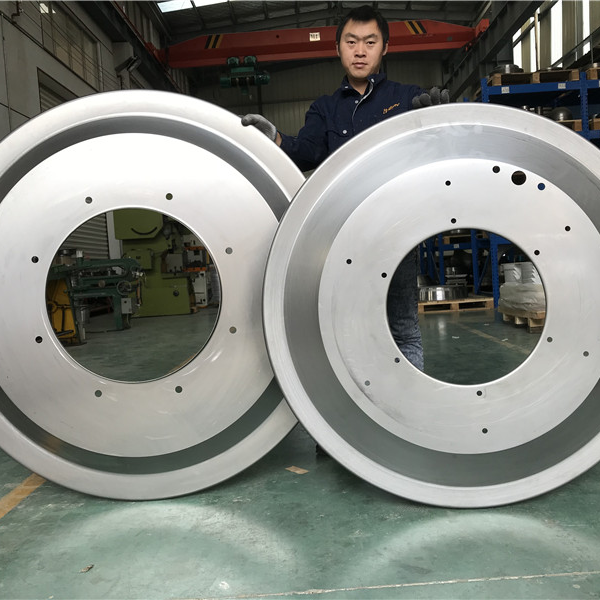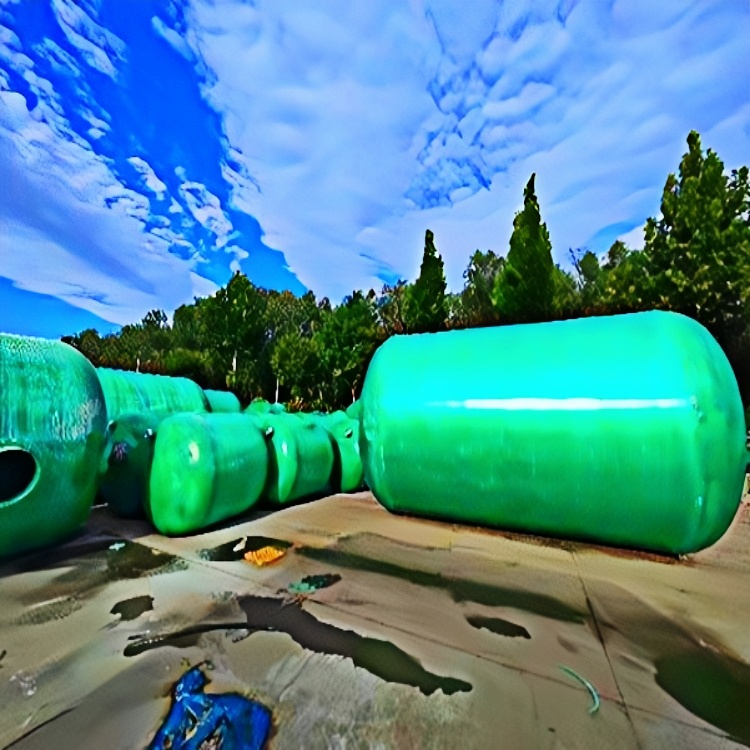


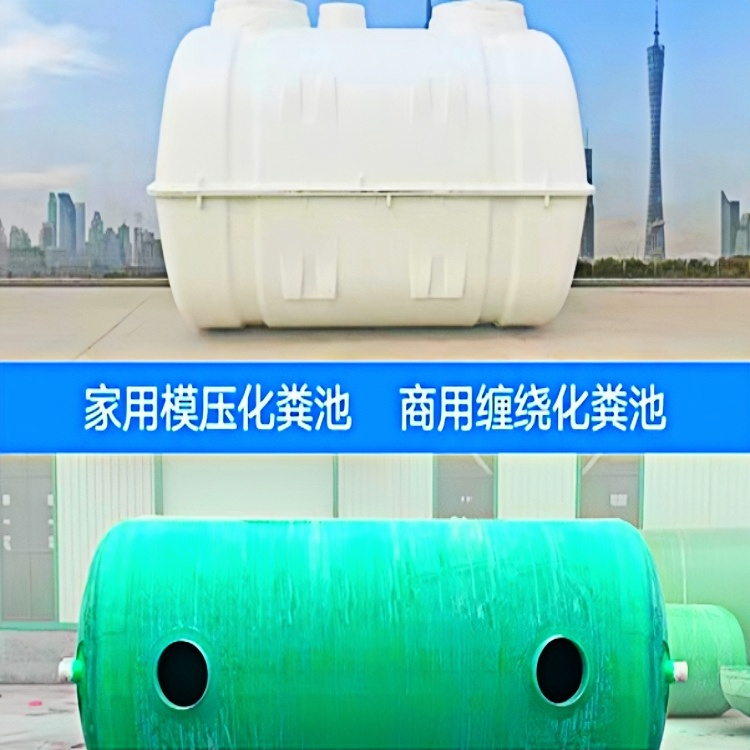
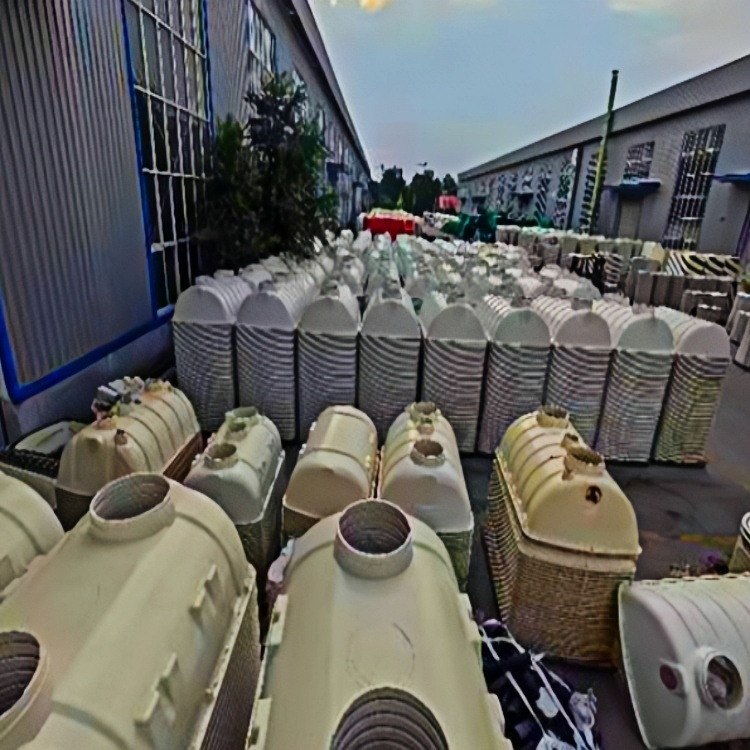














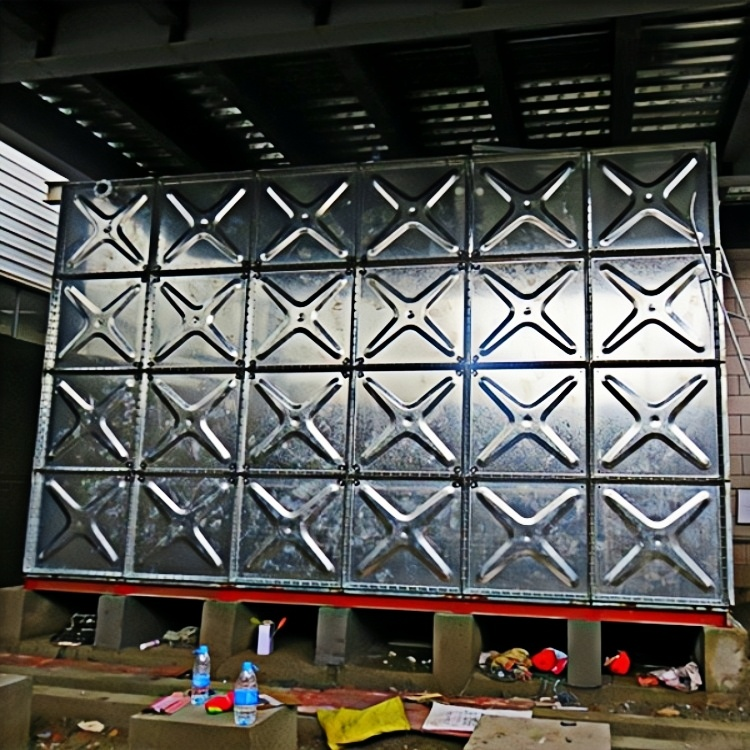
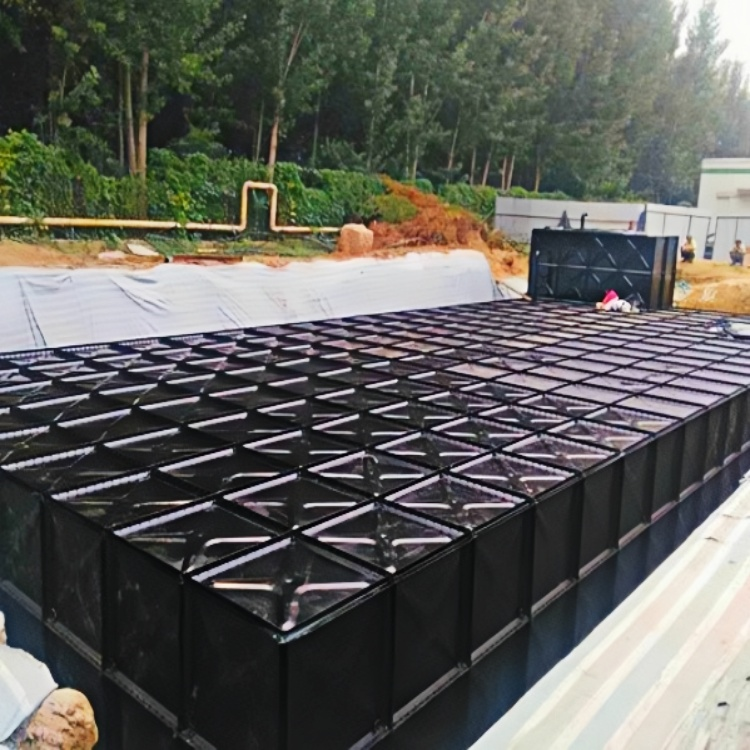
Glass fiber reinforced plastic septic tanks are primarily made of high-strength glass fiber composite materials, utilizing advanced glass fiber winding technology to create a cylinder with a B-convex wheel-shaped head. The wall thickness of the cylinder and the spacing of the added plates are optimized for strength and rigidity through ANSYS structural calculation software, featuring unique structural design and cutting-edge technology. These tanks are characterized by their light weight, high strength, excellent corrosion resistance, zero leakage, no secondary pollution, good formability, and long service life. Both ends of the tank are equipped with inlets and outlets, and a manhole cover is provided on the tank top. The tank interior is divided by partition plates, and an overflow water circulation device is installed to increase the retention time of wastewater and enhance decomposition efficiency.
Operating Principle:
A septic tank is a primary treatment structure that utilizes sedimentation and anaerobic fermentation to remove suspended organic matter from domestic wastewater. Domestic wastewater contains a large amount of feces, paper debris, pathogenic parasites, and other impurities, with suspended solids concentrations ranging from 100-350 mg/L and organic matter concentrations (BOD5) between 100-400 mg/L, including suspended organic matter BOD5 concentrations of 50-200 mg/L. Wastewater enters the septic tank and undergoes 12-24 hours of sedimentation, removing 50%-60% of the suspended solids. The sludge settled out is then subjected to more than 3 months of anaerobic digestion, decomposing organic matter into stable inorganic substances, transforming easily decomposable raw sludge into stable mature sludge, altering the sludge structure, reducing its moisture content, and is periodically cleaned out and transported for landfilling or use as fertilizer.
Application Scope:
Residential community buildings, office buildings, schools, industrial workshops, living quarters, and other civil and industrial buildings: preliminary treatment of domestic and fecal wastewater.
Performance and Features:
The product is made of high-quality glass fiber reinforced plastic composite materials, featuring acid and alkali resistance, tensile and compressive strength, shock resistance, and high strength, with a service life that can match the building's lifespan.
· Sealed well, no leakage, preventing pollution caused by traditional septic tanks' groundwater leakage. Also improves the damage to buildings from地基 (subsoil) softening and sinking, offering good environmental benefits.
· This equipment features a unique structural design and membrane packing, offering high removal efficiency with minimal land area required. It is versatile in site selection and particularly suitable for reconstructing the sewage system and setting up septic tanks within existing urban areas.
· Product is lightweight for easy transportation. Entirely formed for no assembly required, installation is quick.
· High compressive strength; suitable for installation in green lawns and beneath roads.
Selection Method:
1. Septic tank selection is based on the varying water usage of different buildings, along with different cleaning cycles, determined by the individual engineering designer.
Design parameters are calculated by the staff.
2. The location for the septic tank should be set in a way that it does not affect the building foundation: As this product is leak-proof, there is a wide range of location options and flexible placement. Generally, it should be at least 10 meters away from the potable water reservoir and at least 30 meters away from the underground water intake structures. When the building foundation plane is higher than the septic tank foundation plane, the clear distance from the septic tank exterior wall to the building exterior wall should not be less than 2 meters. When the building foundation plane is lower than the septic tank foundation plane, the clear distance from the septic tank exterior wall to the building exterior wall should not be less than 5 meters. Both placement methods should not affect the building foundation.
3. Overall, the septic tank should have a small cover soil of 0.3m, and the soil cover should not exceed 3m. In cold regions, when the temperature is below -10°C, the soil depth of the septic tank should be no less than 1.2m. In areas where the average monthly temperature in the cold months is below -13°C, when designers consider the depth of the septic tank, it is advisable to set the water level below the freezing line of the region.
4. Septic tanks can be installed under green belts, lawns, and sidewalks, with the soil cover not exceeding 1.5 meters; they can also be placed along roadways. If the total load on the top of the septic tank exceeds 10 tons, the designer should inform the manufacturer and conduct on-site research for protective measures.
Please apply.
5. Manhole Covers: For vehicles not exceeding the carriageway, use a locked lightweight double-layer manhole cover and base; for vehicles that do, use a locked heavy-duty double-layer. For septic tanks, considering the needs of community greening or road广场 paving, cast iron or high polymer manhole covers are flush with the ground. In paved areas, the manhole covers can be appropriately lowered below the paving bricks. However, the paving bricks on the manhole cover must be removable when the cover needs to be opened.
6. If the septic tank volume exceeds 100m3, it can be set up in parallel or series with two single tanks. If in series, the designer and the user must notify the manufacturer in advance for pre-arrangement, with the outer wall spacing of the tanks not less than 500mm.
Laminated backfill
After the septic tank is in place, backfill it promptly. Fill the lower perimeter of the tank with sand and soil (the height should not be less than one-third of the tank's diameter). It is strictly prohibited to use construction waste as backfill soil. Stones in the backfill soil should be removed, and the backfill soil should be compacted layer by layer, with each layer being 30mm thick. It is preferable to use manual compaction. Avoid using excessive force locally during backfilling (such as using pneumatic compactors), ensuring the backfill soil around the tank is compacted evenly.
Well cleaning
After backfilling meets construction specification requirements, the upper part of the pool can be lined with a cleaning well (inspection well). There are two types of cleaning wells: brick-lined wells and composite prefabricated reinforced concrete wells. Designers can choose according to specific conditions.
Manholes are required to prevent leakage from brick-lined walls. The inner and outer walls of the well must be coated with waterproof mortar (20mm thick, 1:2 waterproof mortar with 5% of the waterproofing agent by weight of cement), and a 45° bevel is applied at the corners, 50mm thick. When there is groundwater, apply two coats of hot asphalt (or other waterproof coating) to the well outer wall facing, and then backfill to the ground level requirements.
Construction Precautions:
When excavating the foundation trench, geological conditions should be understood. If there is groundwater with a high water table, well-point dewatering or direct drainage from a collection pond can be used. The fiberglass tank should be placed on a solid and even foundation; otherwise, the foundation should be treated before installing the tank.
The septic tank should be set and buried strictly according to the design requirements, with accurate marking and positioning.
* After the septic tank is in place, it should be backfilled with soil promptly, and the tank should be filled with water to prevent displacement. The backfill soil must be sifted.
No sharp-edged stones or construction waste. Compaction to a soil density of 0.95 when there is no groundwater. Pay special attention to filling the bottom and sides of the tank with plain soil or yellow sand. When there is groundwater, fill the bottom of the tank with plain soil or yellow sand, ensuring even distribution of force on the fixed position of the tank.
*When constructing during the rainy season, drainage measures must be in place to prevent the foundation pit from flooding and the slope from collapsing. Additionally, fill the tank with water to prevent it from floating and causing displacement.
* Construction shall be conducted in accordance with the specifications for engineering construction and acceptance.