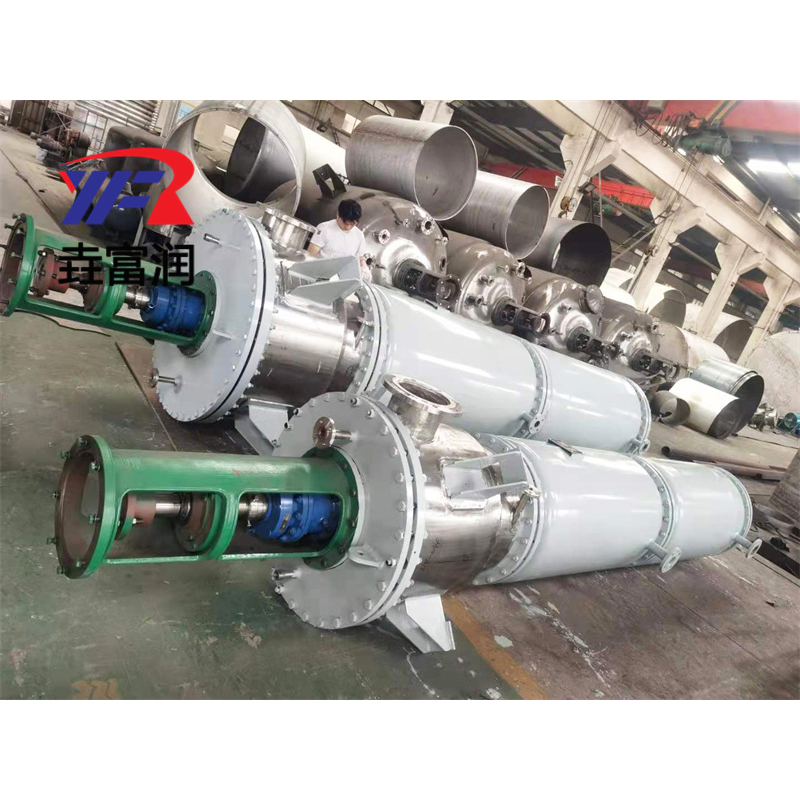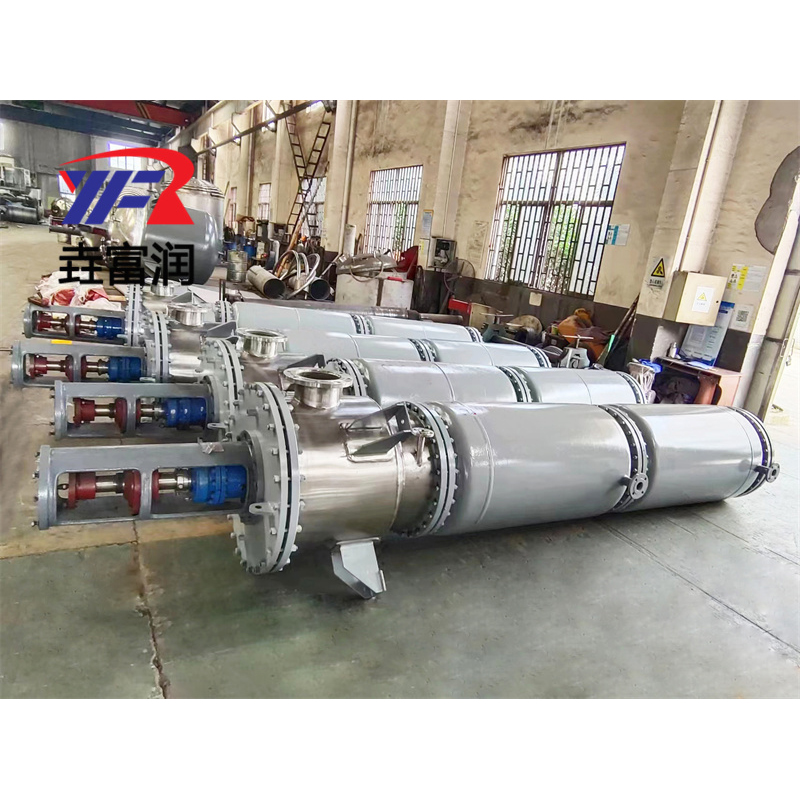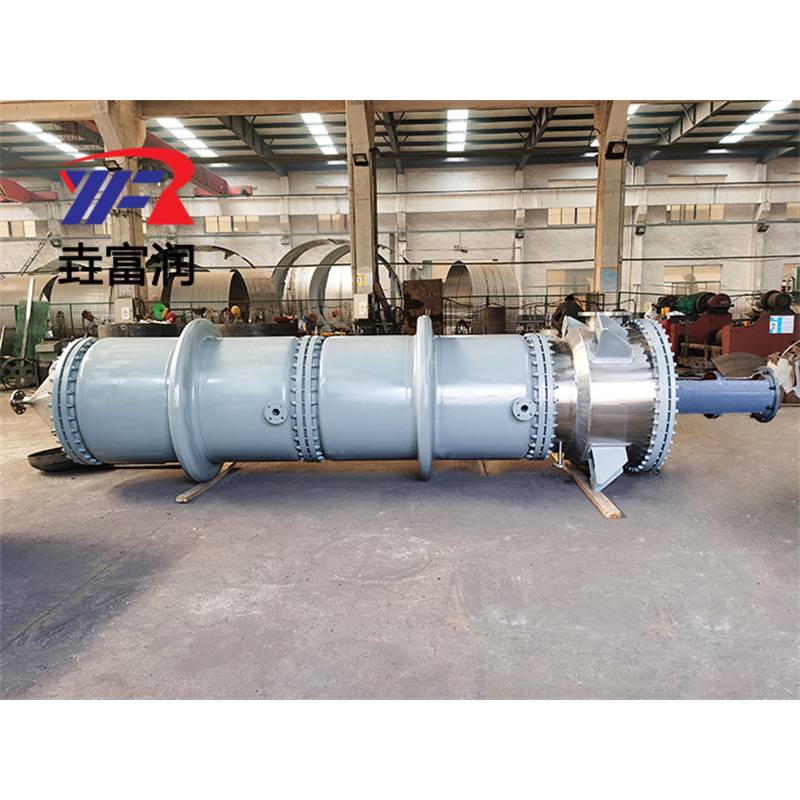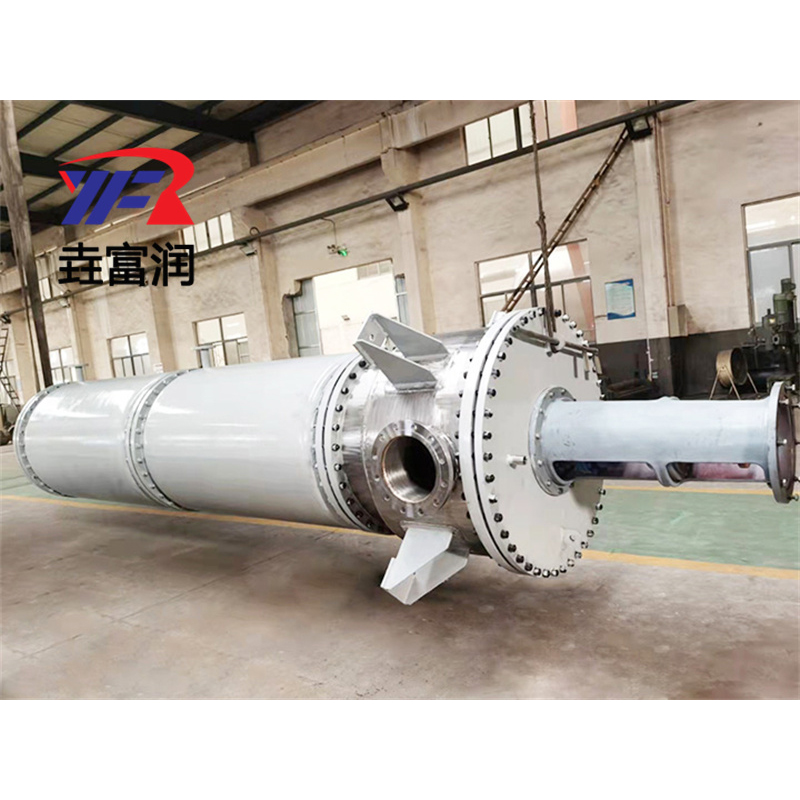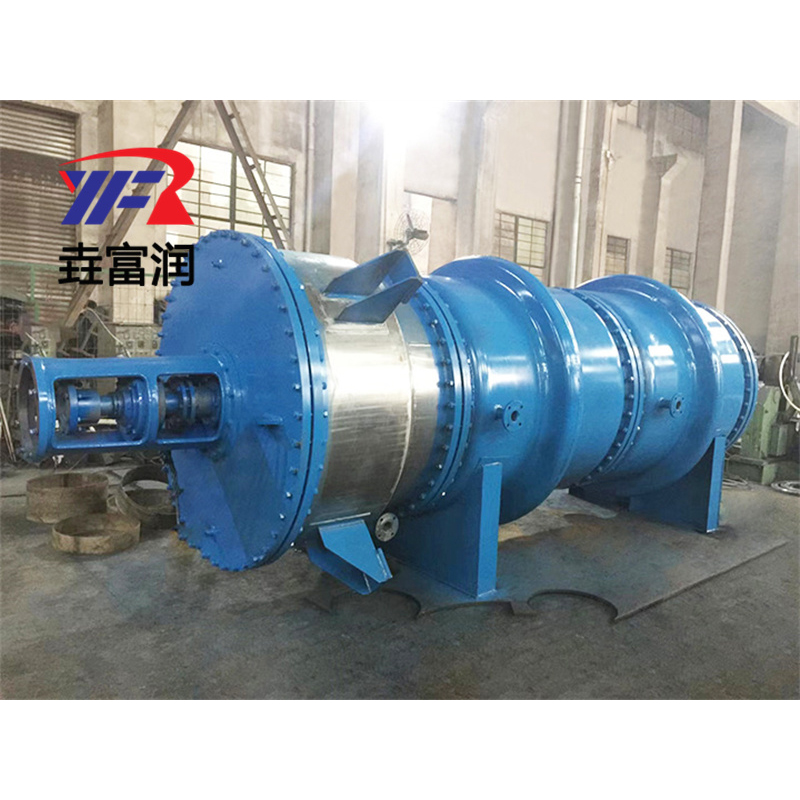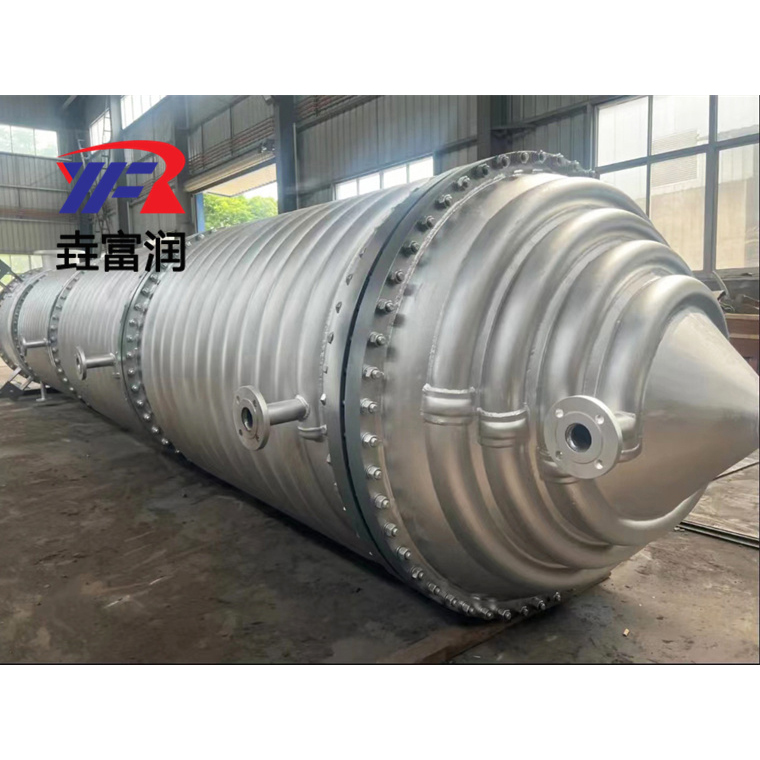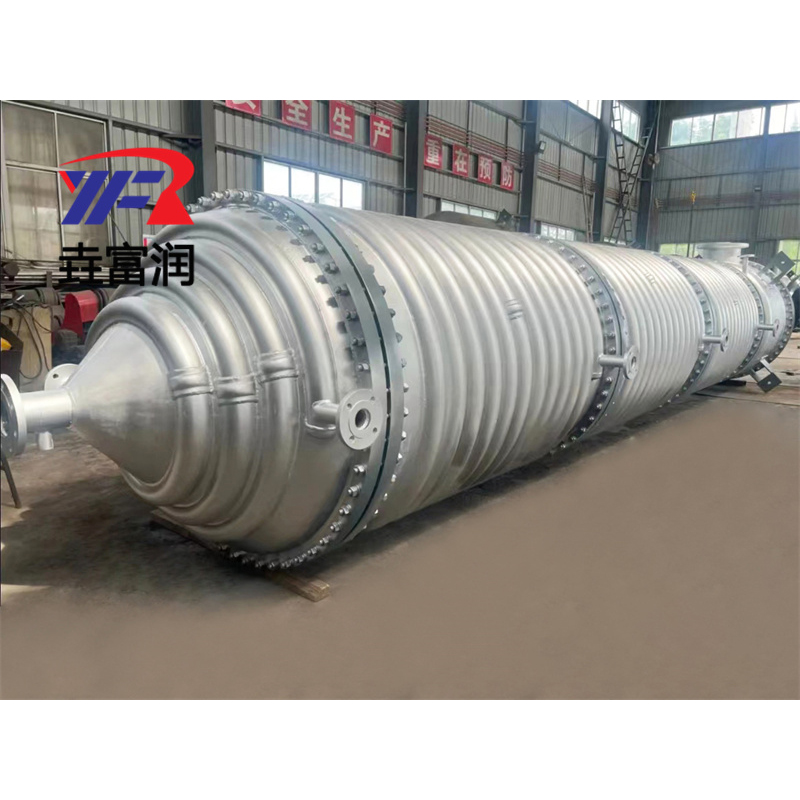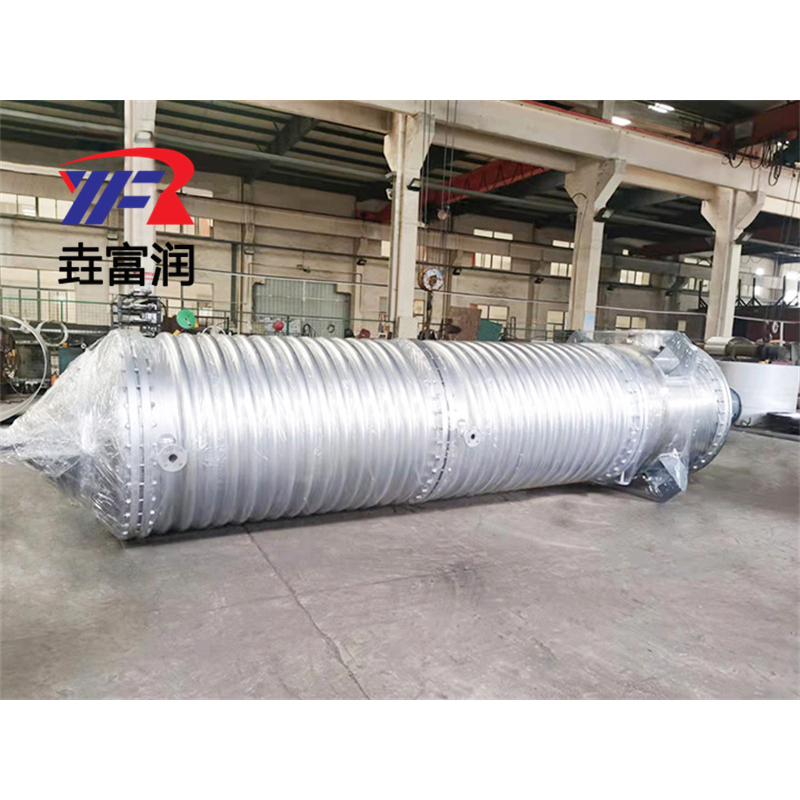




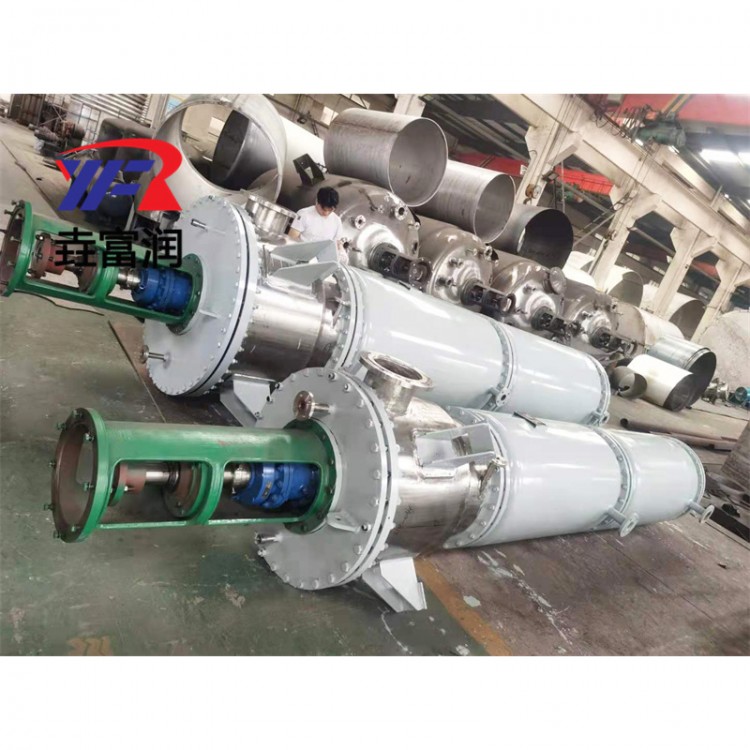
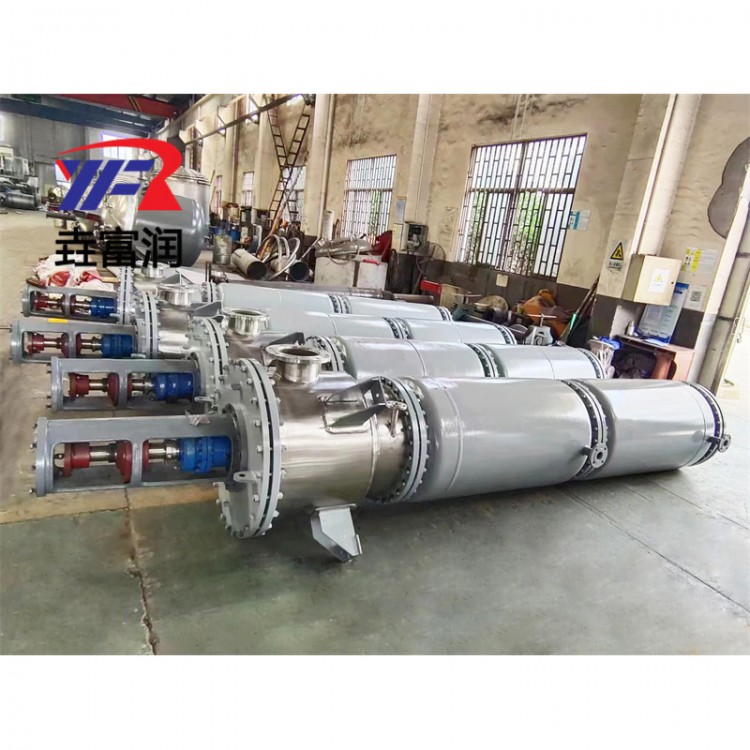
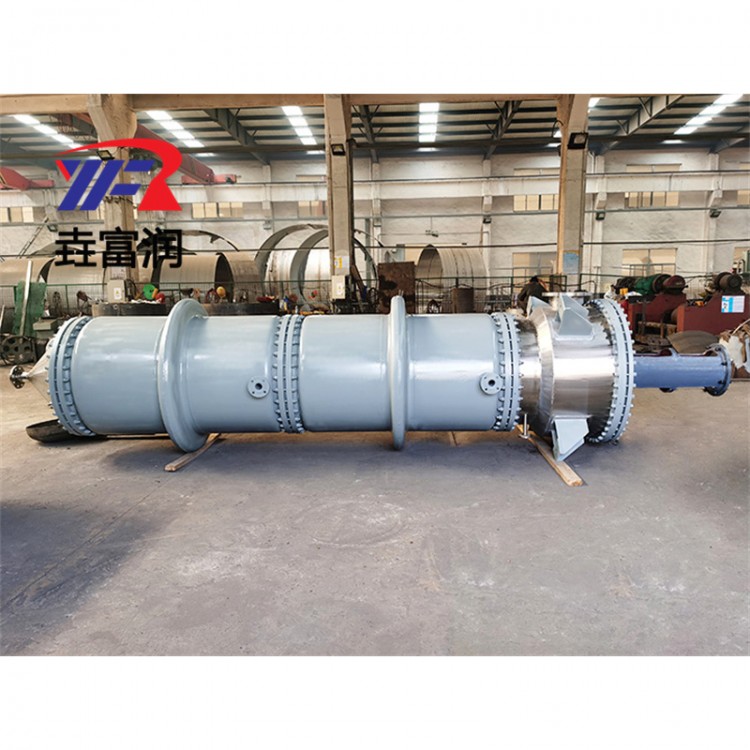
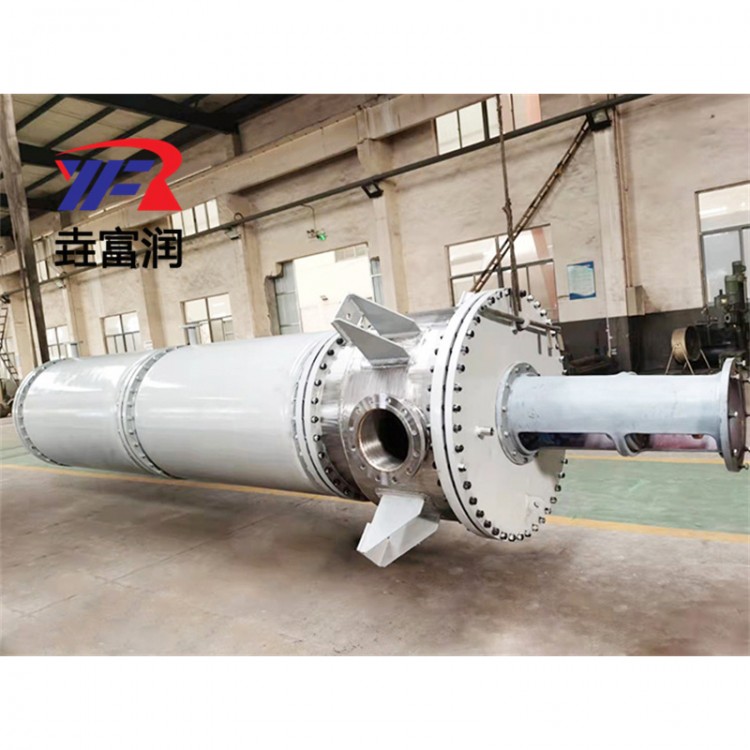





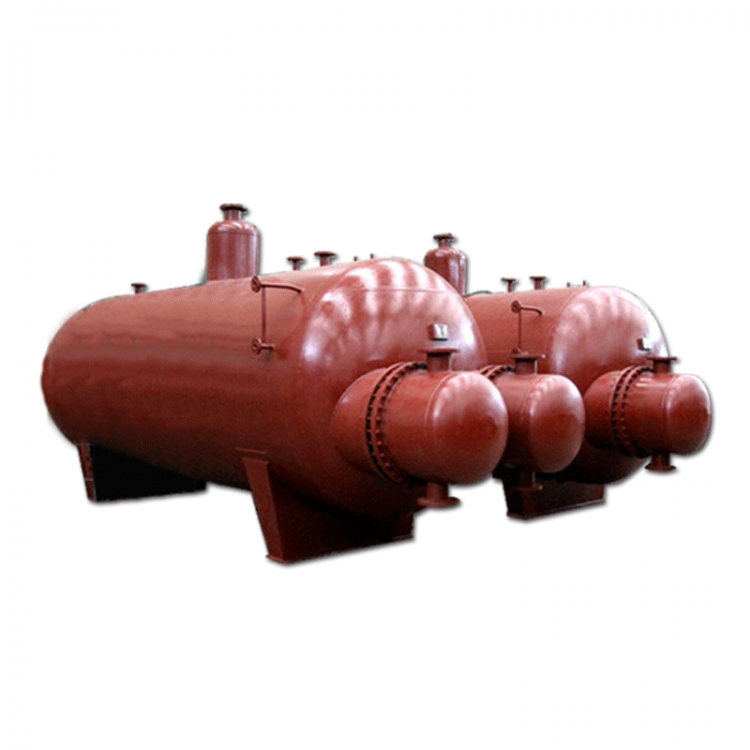


Thermal Oil Steam Generator
Equipment Introduction
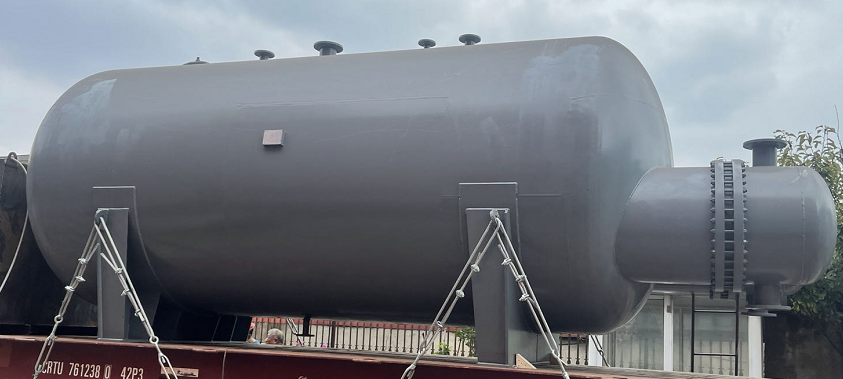
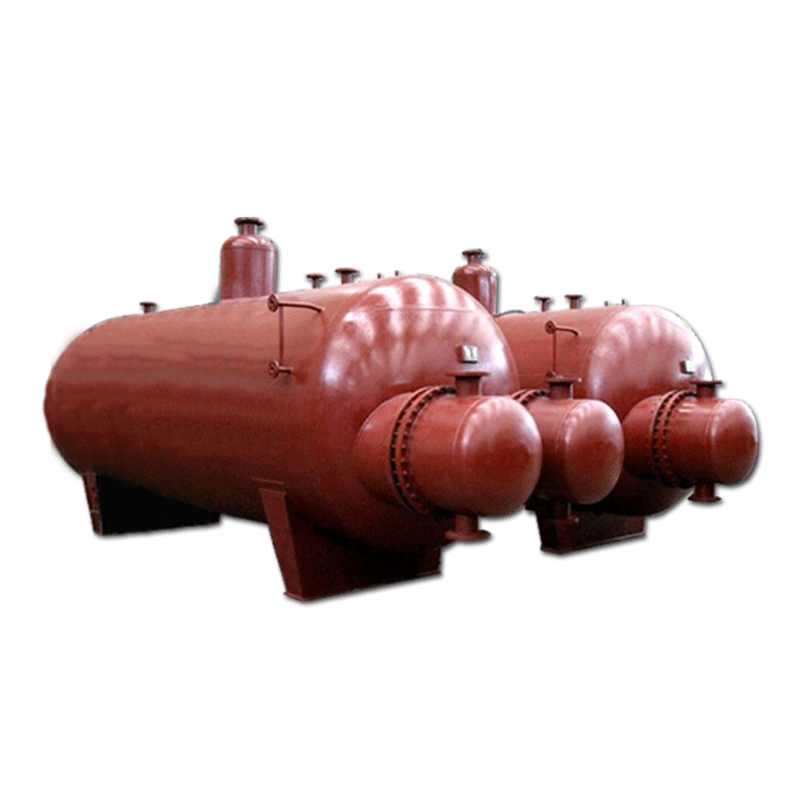
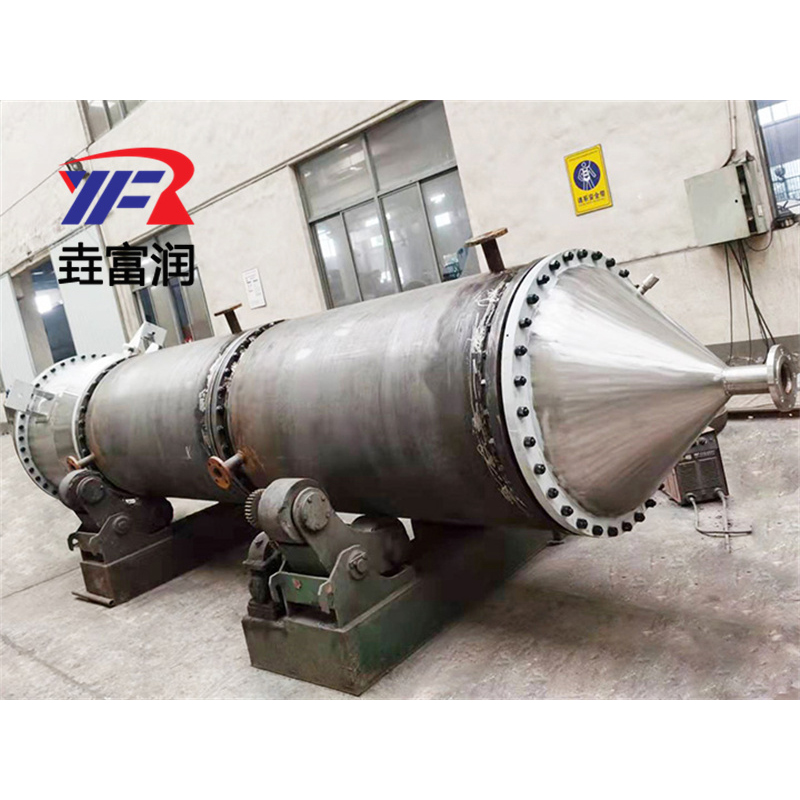
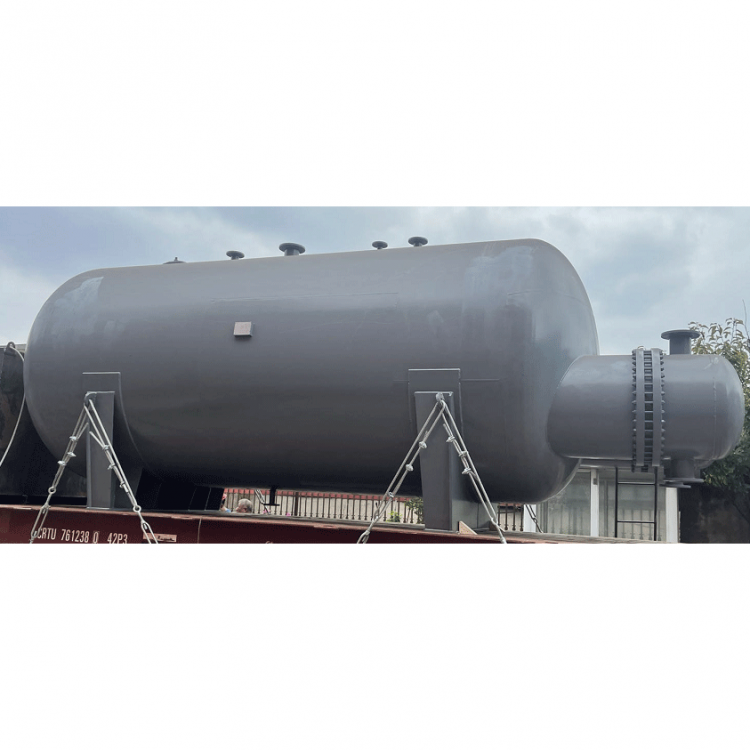
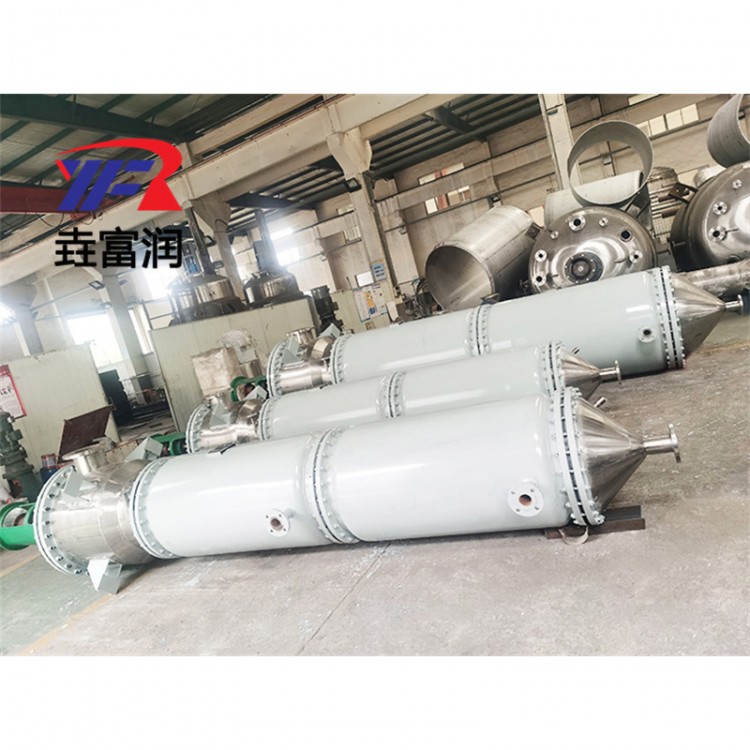
Our company was among the earliest to design and produce ZFQ (horizontal) and ZF (vertical) type steam generators that are compatible with organic carrier heating furnaces. We offer a range of specifications including 0.1t, 0.2t, 0.3t, 0.5t, 0.8t, 1.0t, 1.5t, 2t, 3t, 4t, 5t, 6t, 8t, 10t, and 12t, among others. Custom designs and manufacturing can also be accommodated based on customer requirements. The design of this product utilizes the principle of pot-type heating and evaporation, allowing for continuous or intermittent steam production according to actual operating conditions, rather than direct flame heating equipment. The structural forms include vertical and horizontal options. This steam generator is safe, reliable, cost-effective in terms of investment and energy, reduces operating costs, is compact in structure, easy to install and maintain, simple to operate, and user-friendly. The structural forms are vertical and horizontal, and the design and manufacturing of the products comply with the relevant provisions of the "Safety Supervision Regulations for Pressure Vessels."
The organic heat carrier heating furnace is paired with our steam generator, providing not only high-temperature medium to users but also the required steam, meeting production needs and expanding the application scope. The steam generator is widely used in industries such as textile dyeing, food processing, rubber, wood processing, oil and fat, and chemical engineering, satisfying the industrial requirement for mature steam with just one organic heat carrier furnace, while saving on equipment investment and labor.
Operating Principle
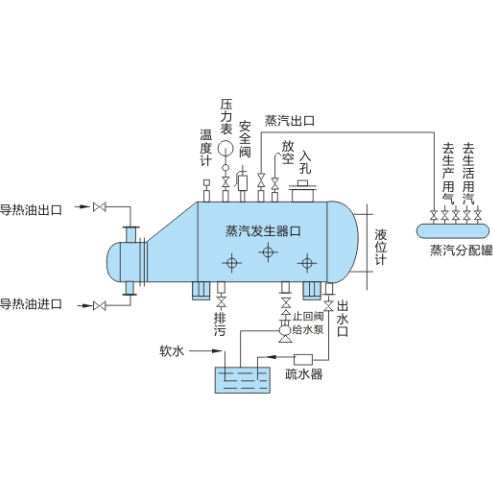
This evaporator consists of two parts: the hot oil section and the steam generator.
The hot oil section involves high-temperature thermal oil passing through a thermal oil pump or directly from a heat carrier furnace into the tube bundle of the steam generator. The heat inside the tubes is transferred to the external pot water through the tube walls at a certain flow rate and temperature, heating the water and cooling the thermal oil, which then returns to the furnace to be reused in a cyclic process.
Steam generators use softened water; preheating it can increase the evaporation capacity. Water enters the evaporator from the bottom, is heated by natural convection on the heating surface to produce steam, which then becomes unsaturated steam through the submersible plate and level steam plate, and is sent to the steam separator to supply gas for production and daily use.