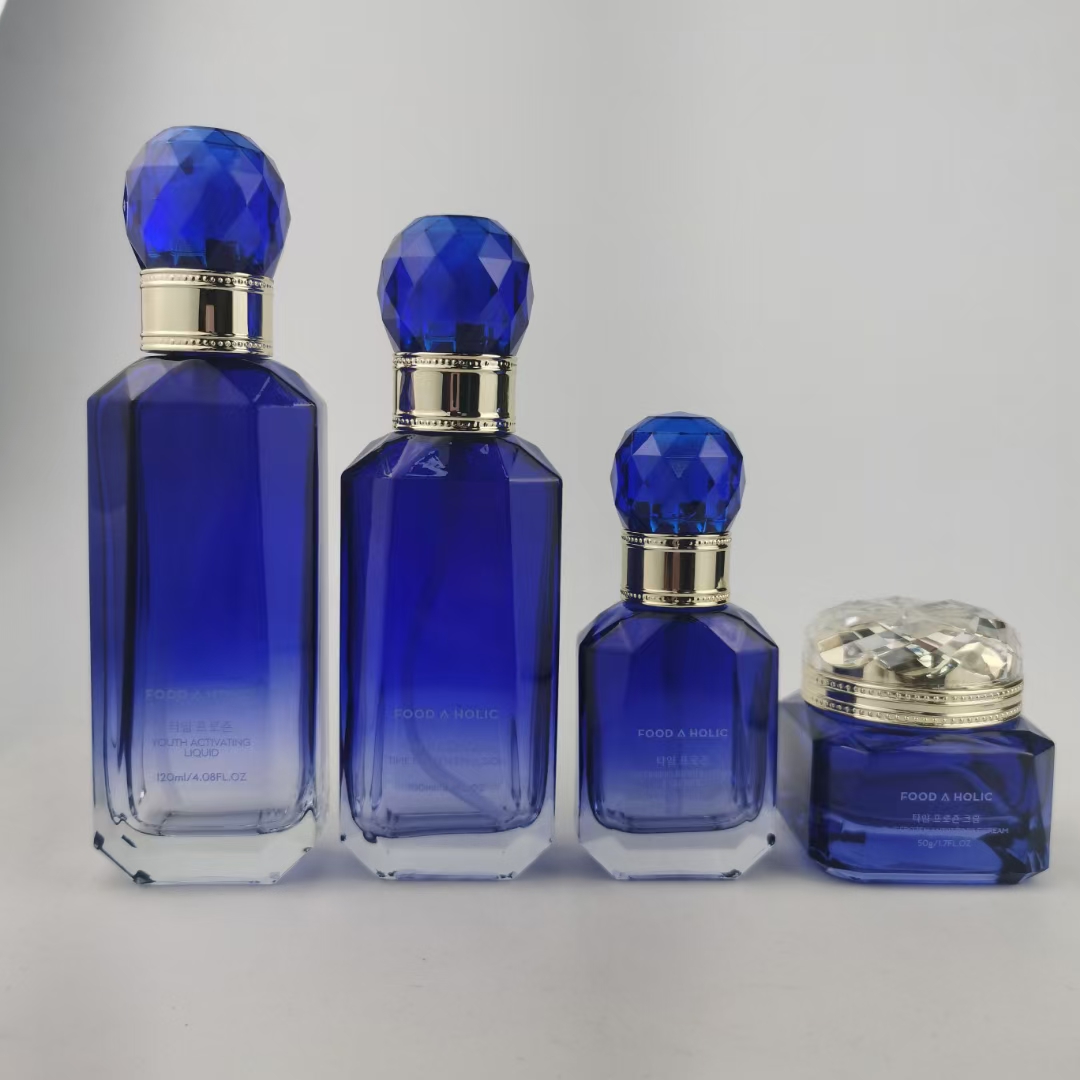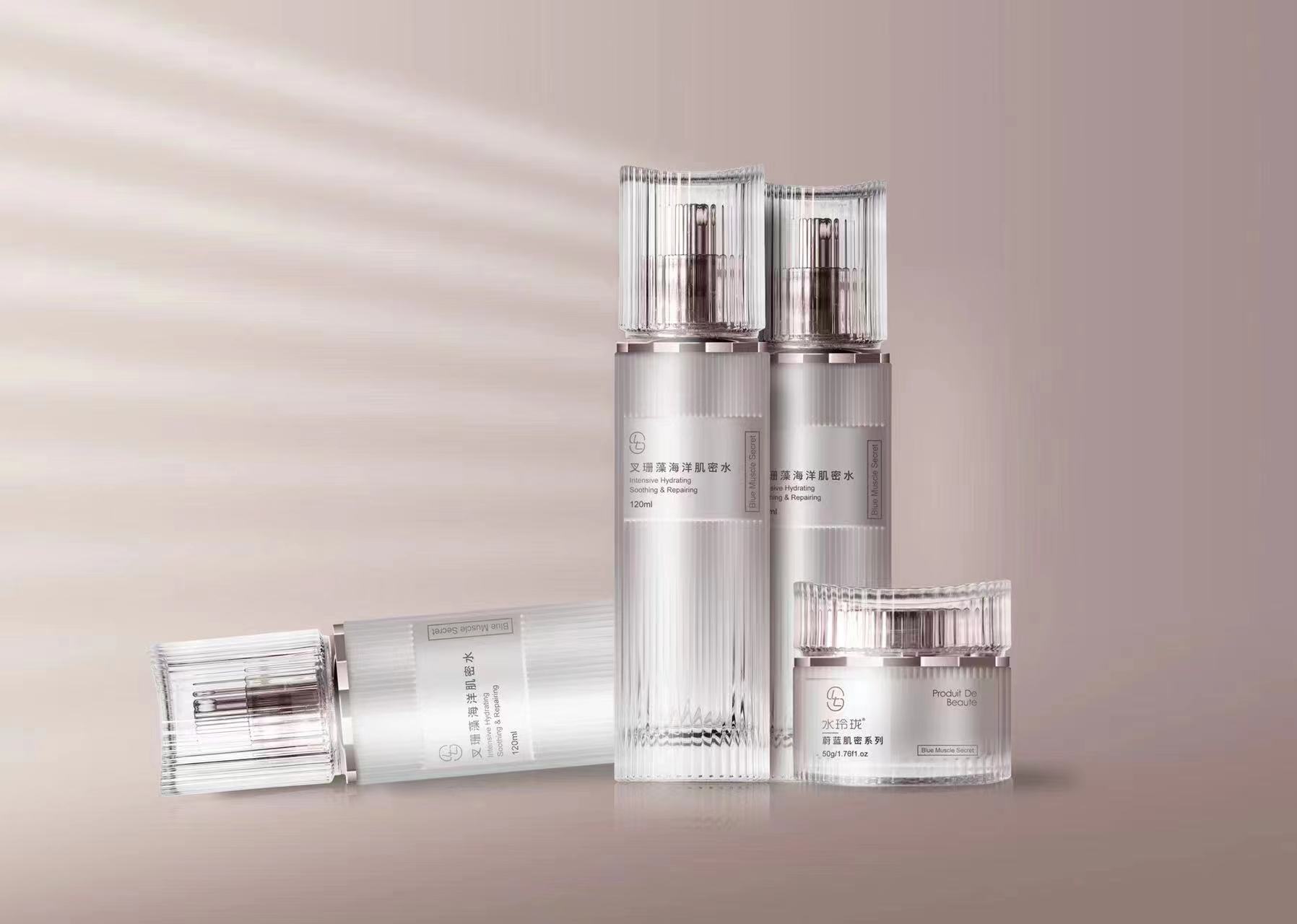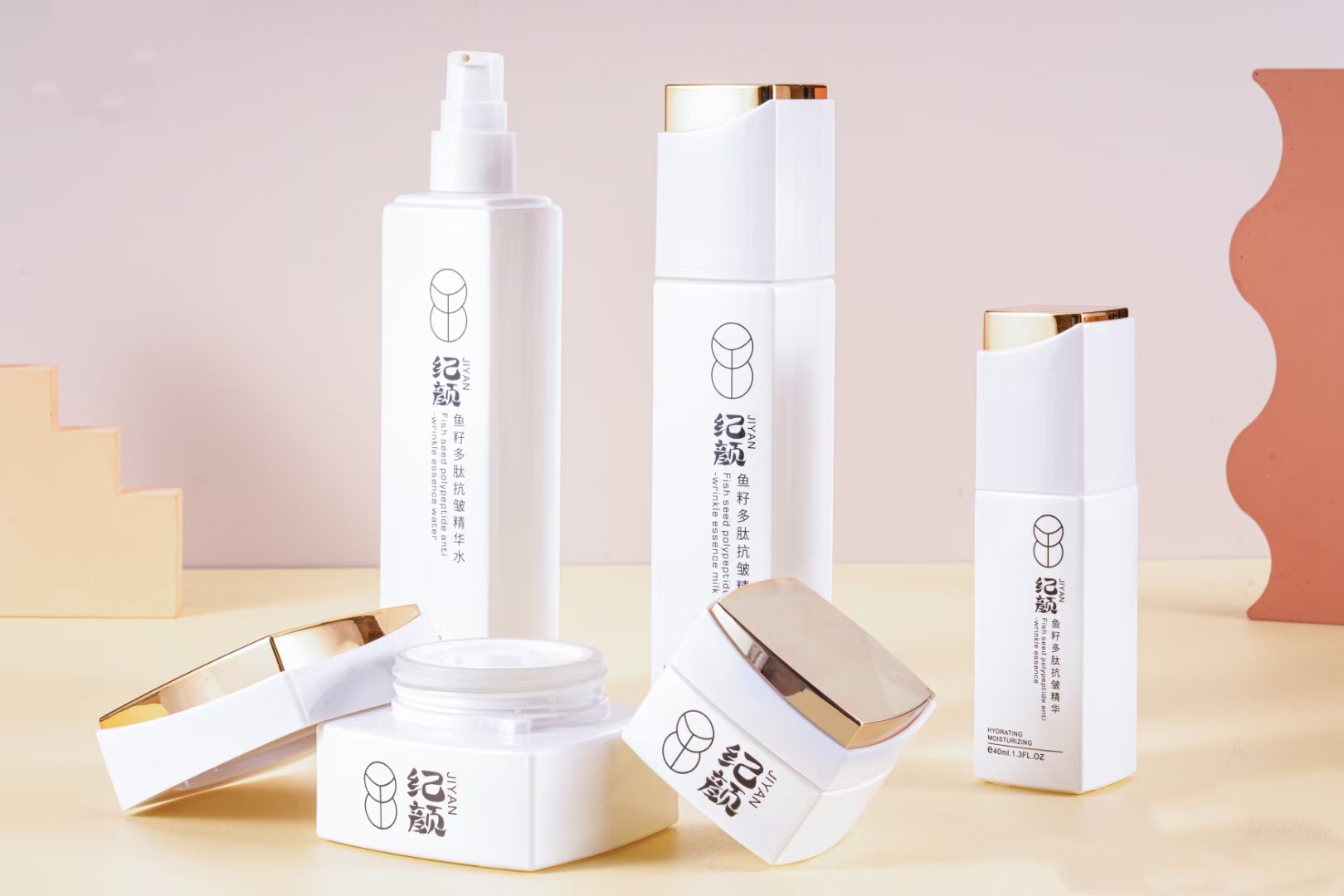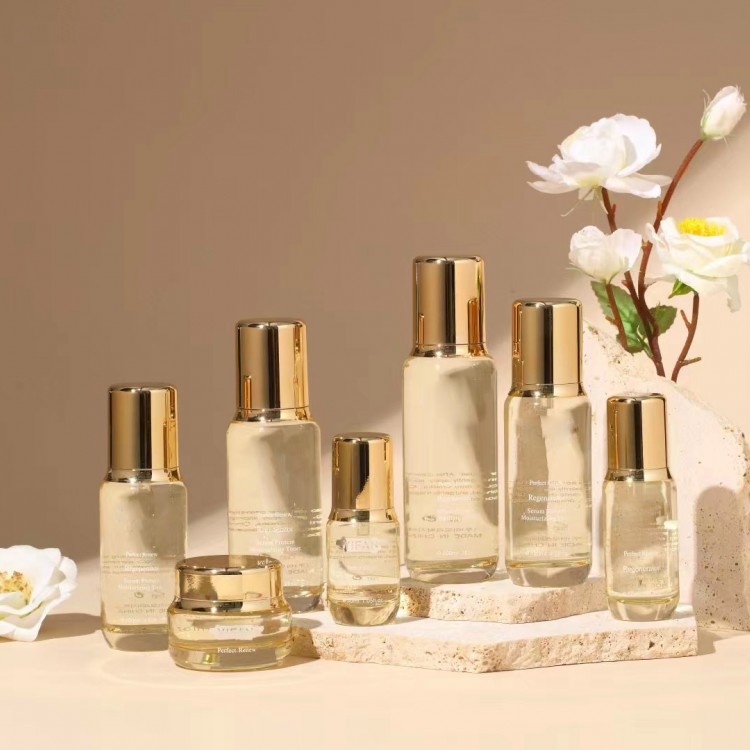

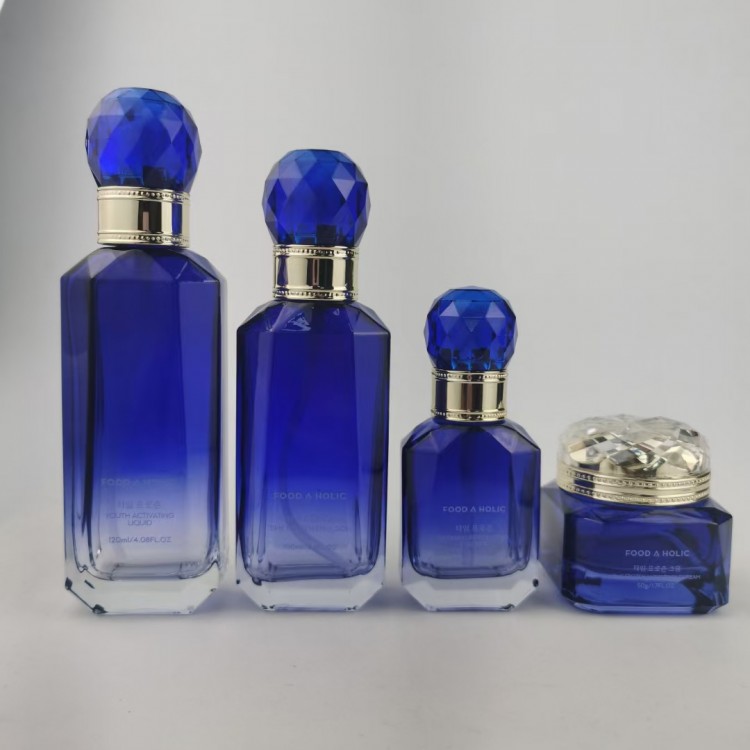

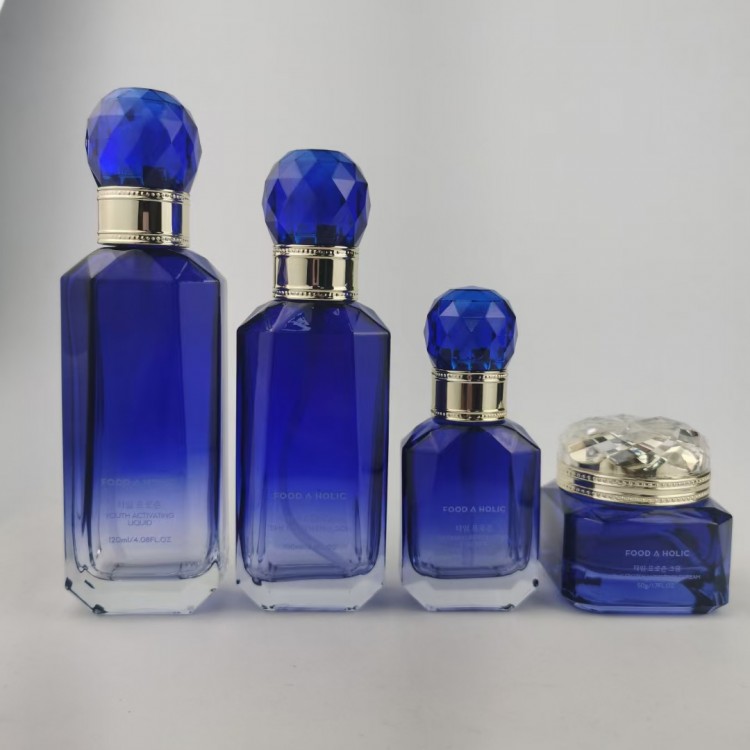
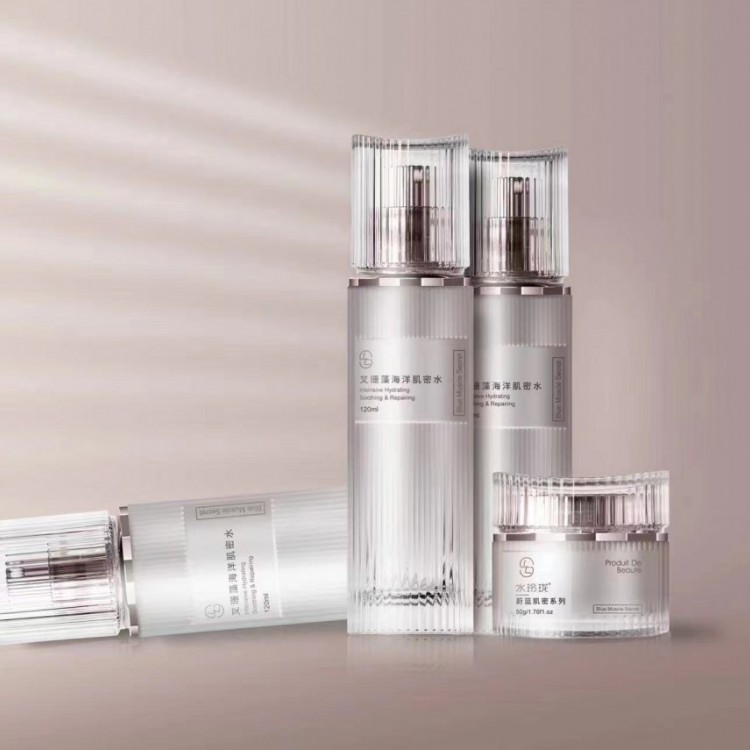












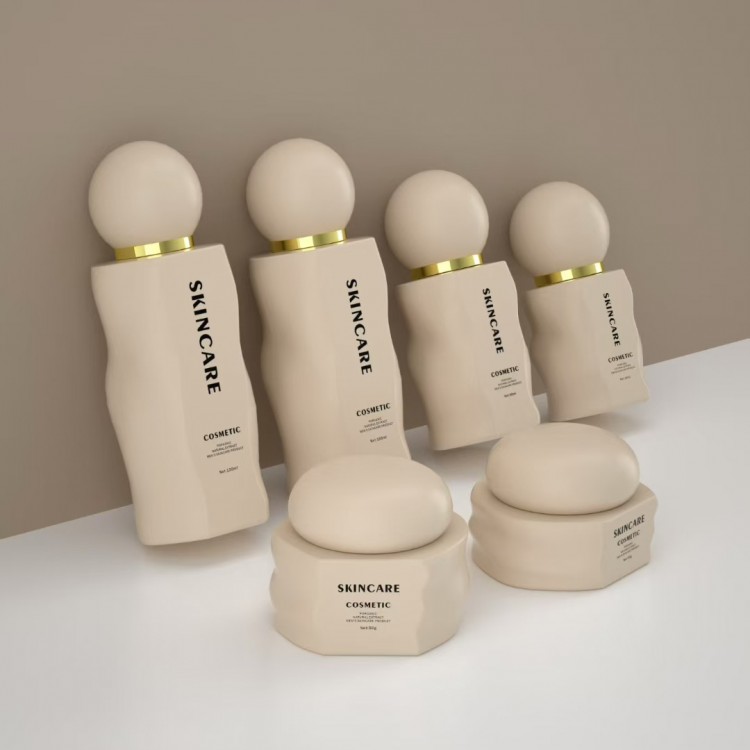
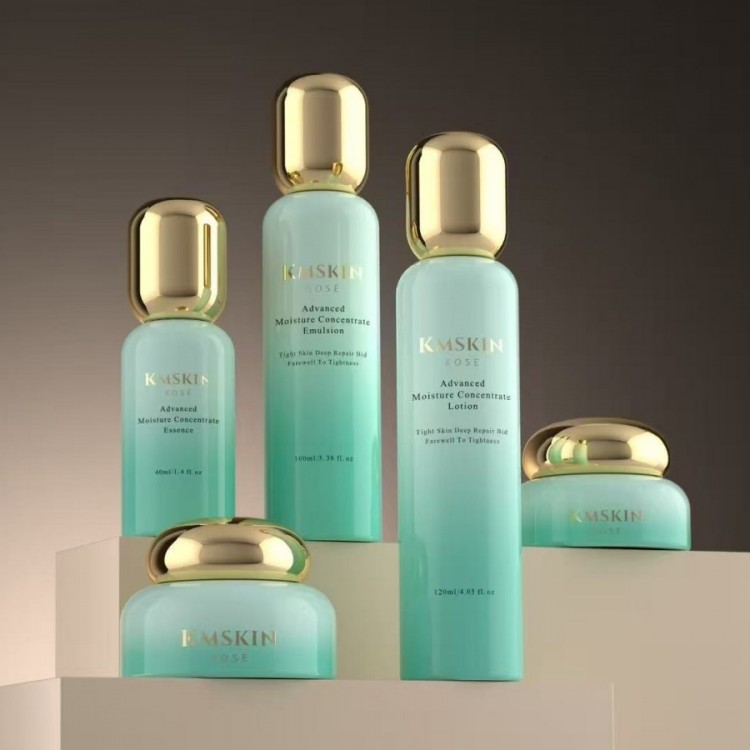
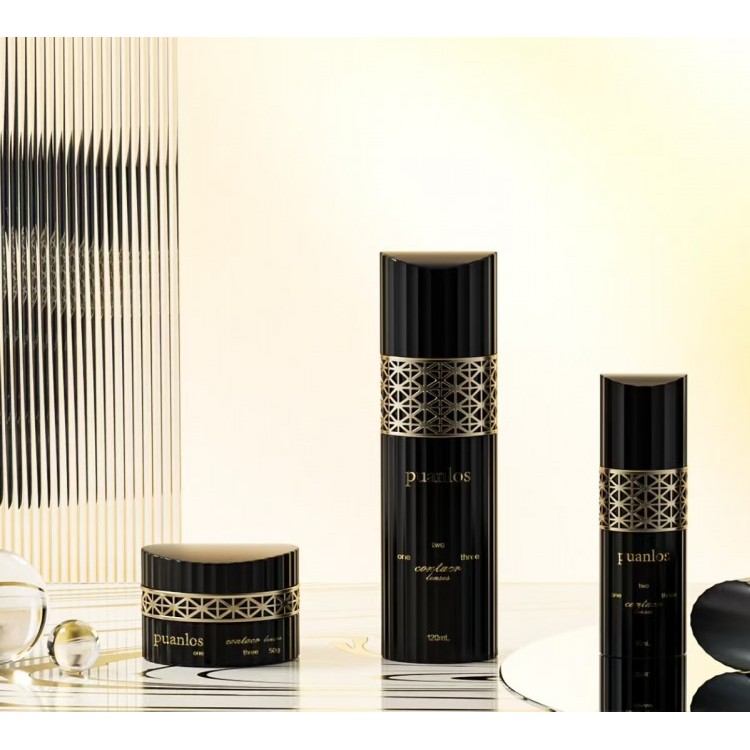
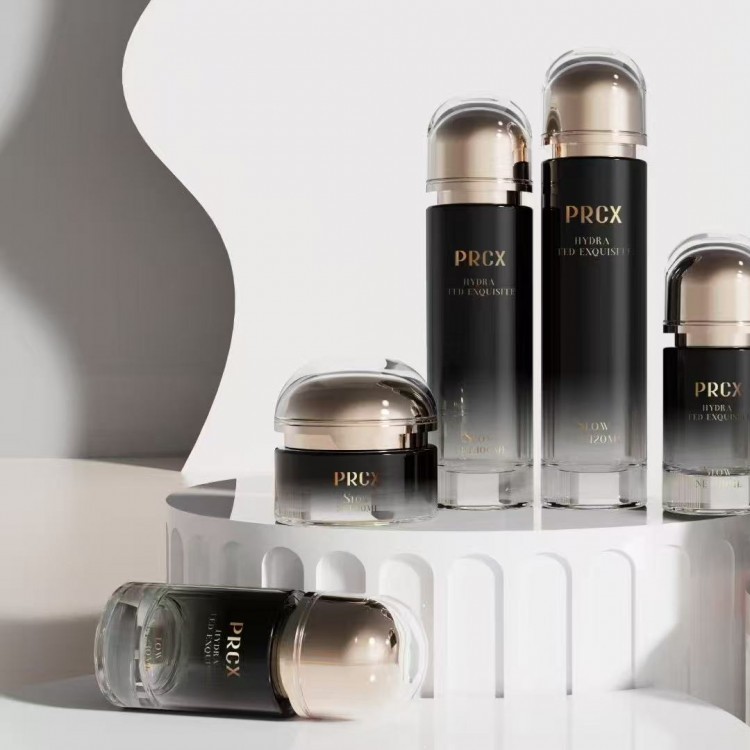
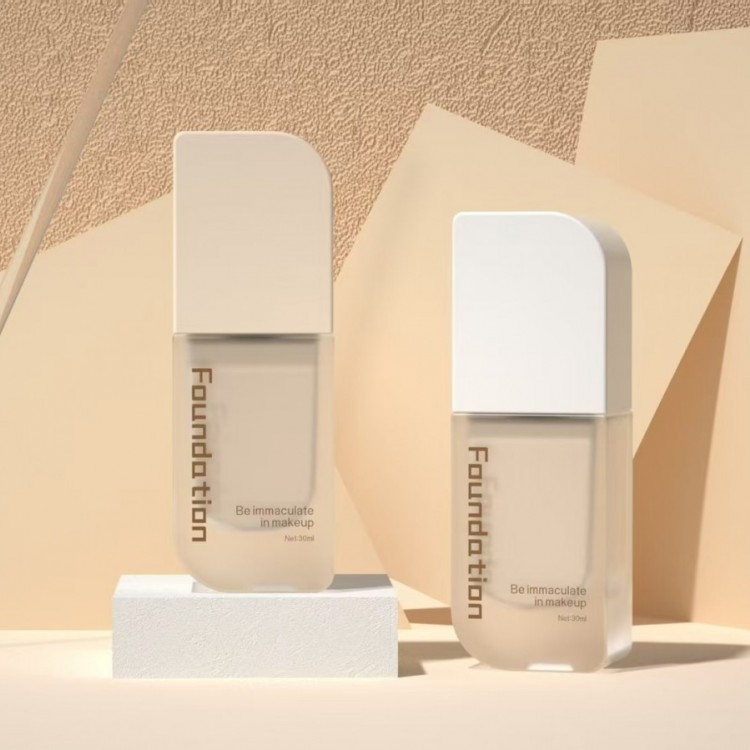
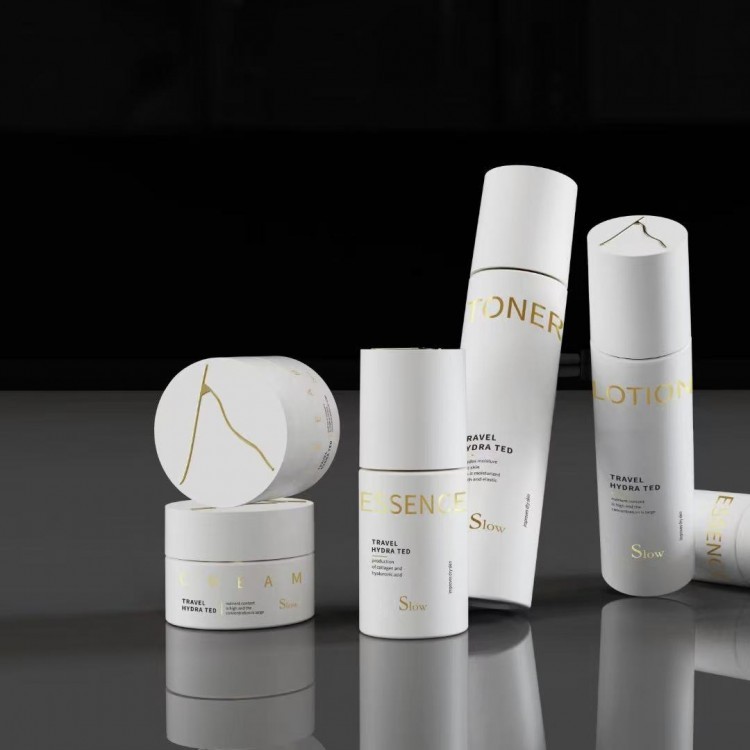
Cosmetic bottle sandblasting is a type of glass cold processing method that creates a frosted finish on the glass surface, resulting in a more uniform light scattering when light passes through the lampshade. The principle of cosmetic glass bottle sandblasting involves using high-speed sand streams to clean and roughen the base surface. Compressed air is used as the power source to form high-speed jet streams, which then propel the abrasive material at high speed onto the surface of the workpiece, altering its surface texture or shape.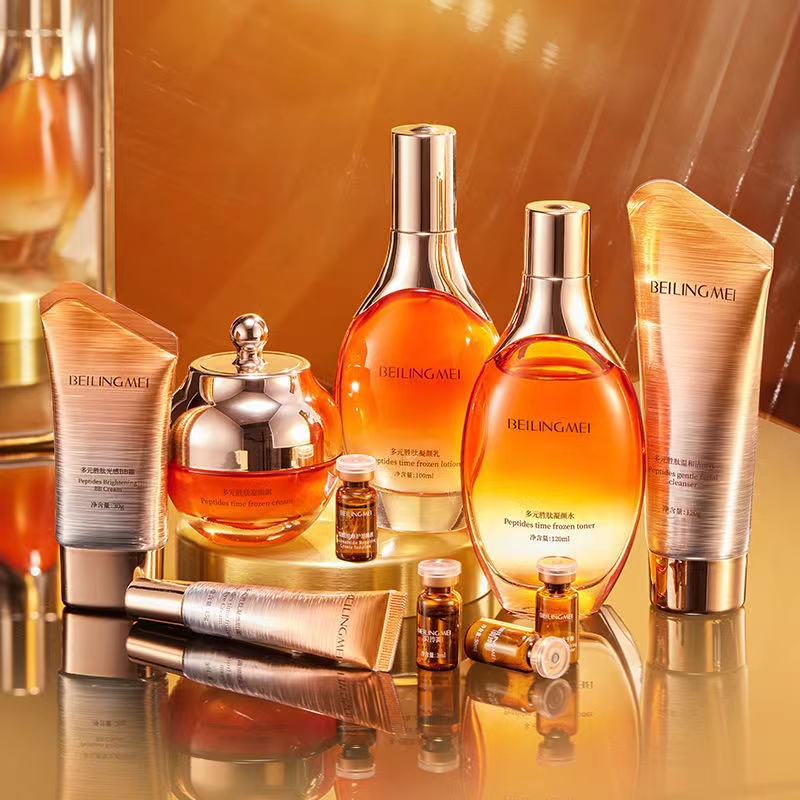
Due to the abrasive impact and cutting action on the workpiece surface, it achieves a certain level of cleanliness and varying roughness, thereby improving the surface properties of the workpiece. This enhances the fatigue resistance of the workpiece, increases the surface adhesion of the product, and boosts frictional force on the contact surface. This enables surface strengthening and various decorative treatments for the workpiece. Sandblasting is an ideal process for decorating and engraving glass products. Sandblasting on glass surfaces can be categorized into two types: internal sandblasting and external sandblasting.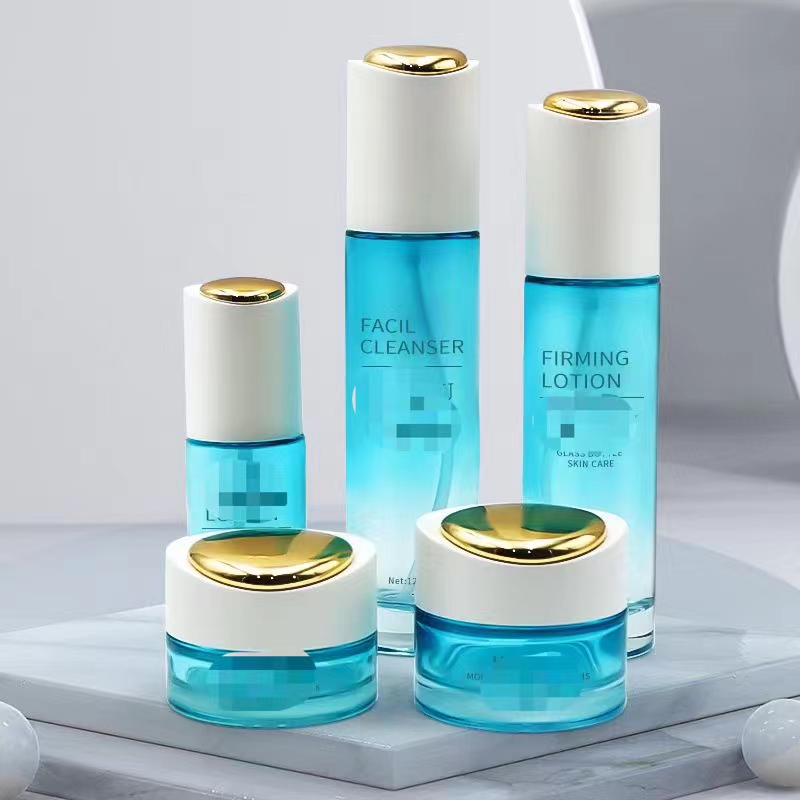
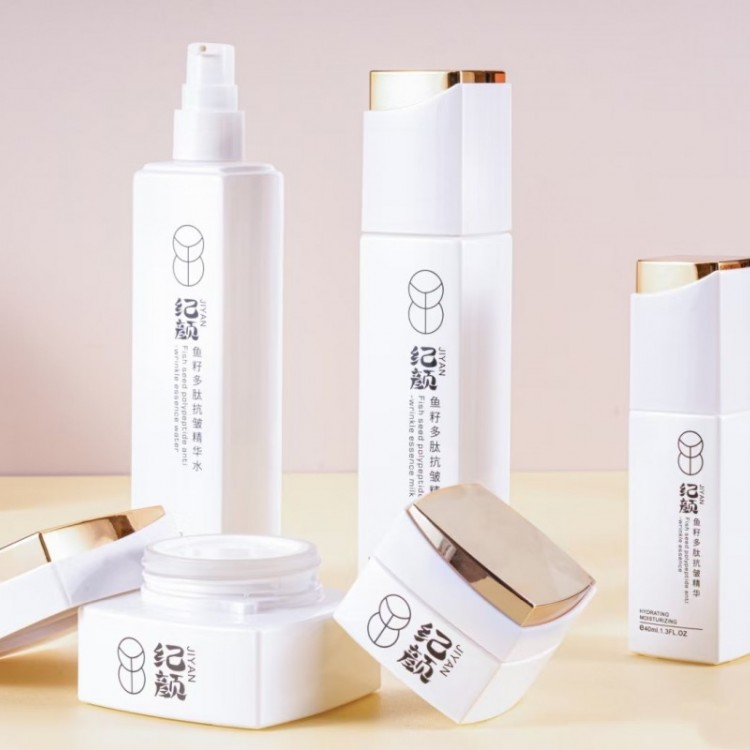
Cosmetic Bottle Silk Screening: Some glass bottles undergo this process as the customer wants certain patterns, logos, etc., printed on them. Silk screening includes high-temperature and low-temperature methods, with high-temperature silk screening taking place before the cosmetic packaging stage. The silk screening room must be relatively clean to prevent impurities from contaminating the inks, ensuring a superior print quality. Cleaning, Inspection, and Packaging: The glass cosmetic bottles must pass the inspector's examination to be approved. Defective bottles are selected out, some are discarded, and others can be reprocessed.