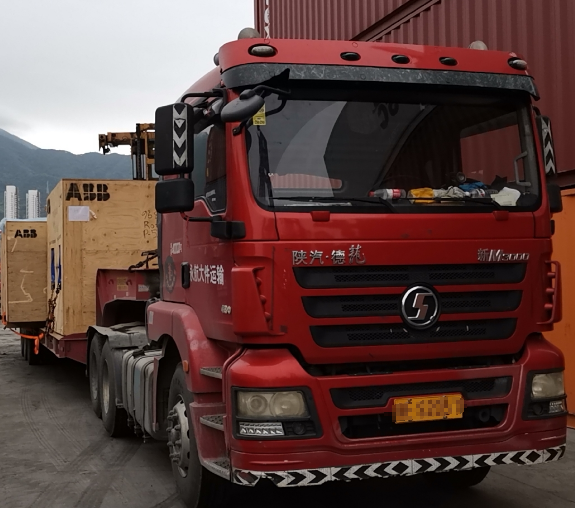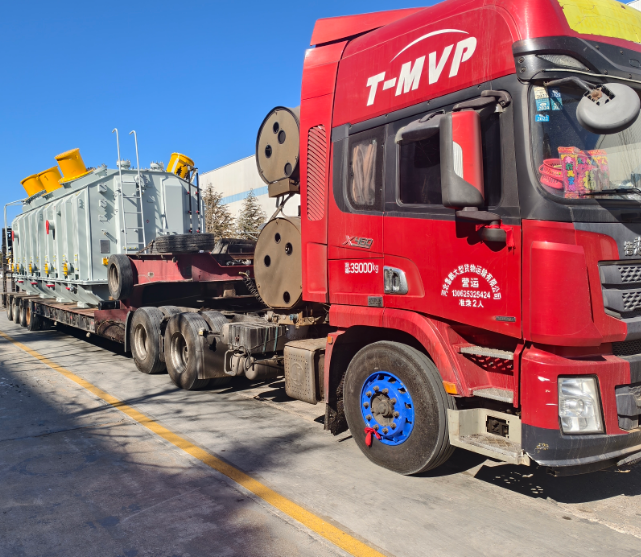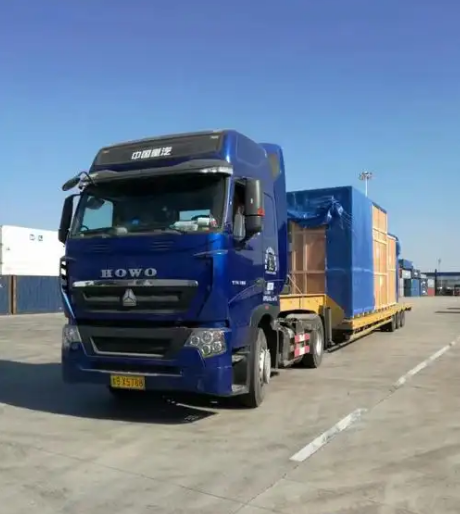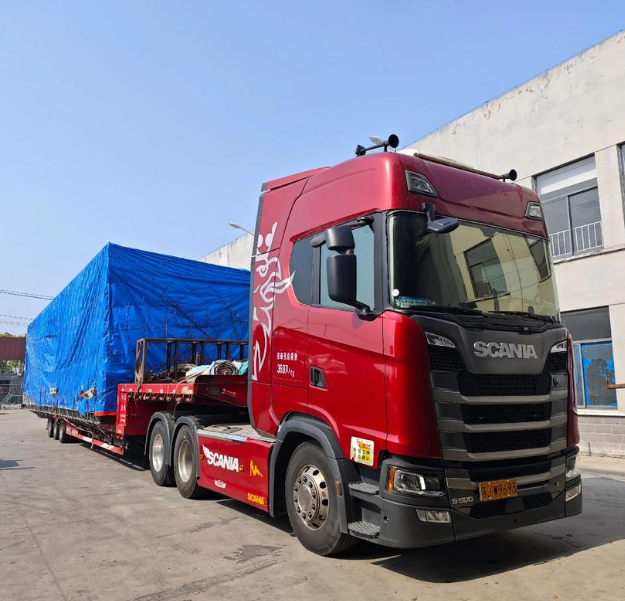









Collection and ConsolidationCustomers place orders with freight forwarders or express companies, who then arrange for personnel to pick up the goods and consolidate them at domestic warehouses. In the warehouse, the goods are sorted, organized, and undergo initial inspection to ensure the packaging is intact and information is accurate.
Customs DeclarationFreight forwarders prepare the necessary documents for customs clearance, such as commercial invoices, packing lists, and customs declarations, to declare the goods to customs. Customs reviews the documents and the goods, releases them upon verification, and this process must adhere to strict customs regulations to ensure legal export of the goods.
Booking of space and transportationFreight forwarders book space with airlines to confirm flight details. Goods are transported to the airport, loaded onto the plane, and then flown to the U.S. destination airport. Transit time typically ranges from 1 to 5 days, subject to flight scheduling and weather conditions.
Customs clearanceUpon arrival at the U.S. airport, the freight forwarder's agent or collaborating customs broker in the U.S. will submit documents to handle customs clearance according to U.S. customs requirements. Customs will inspect the goods, verify information, and tax payment status, then release them upon approval. Clearance typically takes 1-3 days, but may be extended in special circumstances.
DeliveryAfter customs clearance, the goods are dispatched by a local courier or logistics partner in the United States. The courier delivers the package to the recipient's address, where the recipient signs for it, completing the shipping process. Customers can track the shipment in real-time using the tracking system provided by the freight forwarder or courier company.