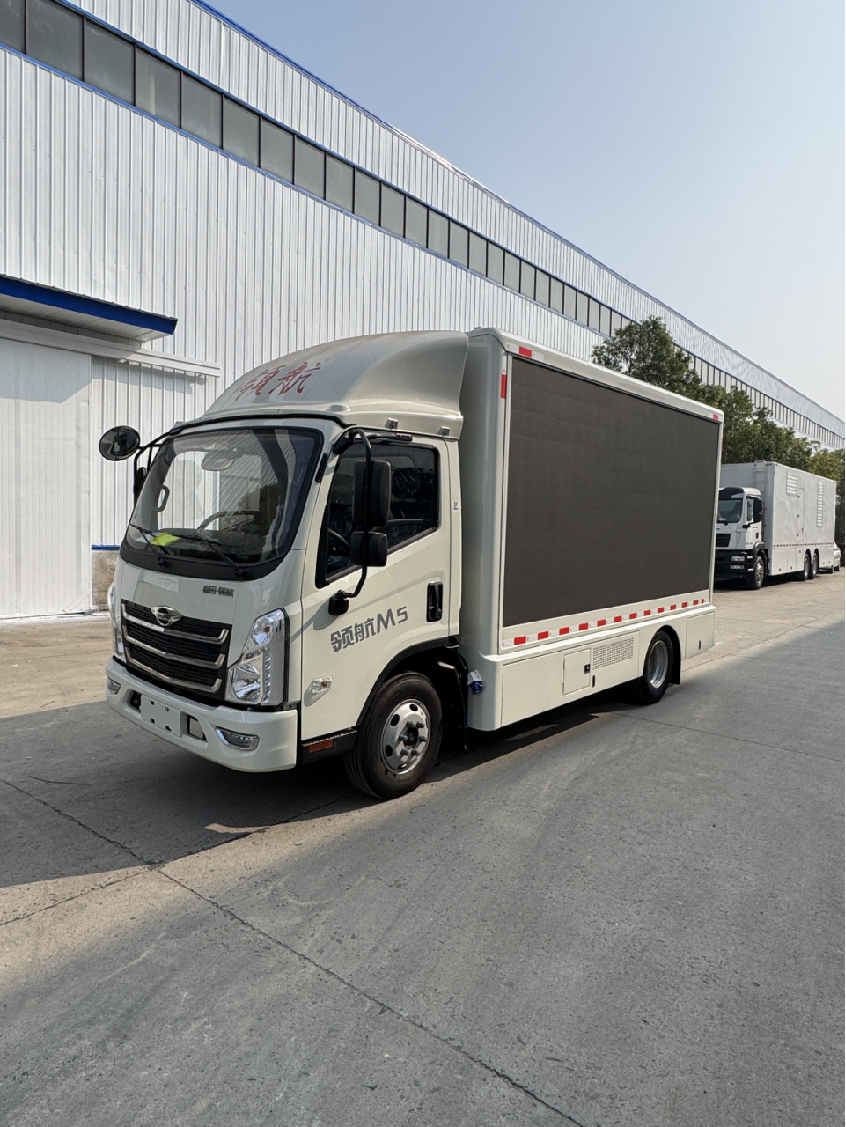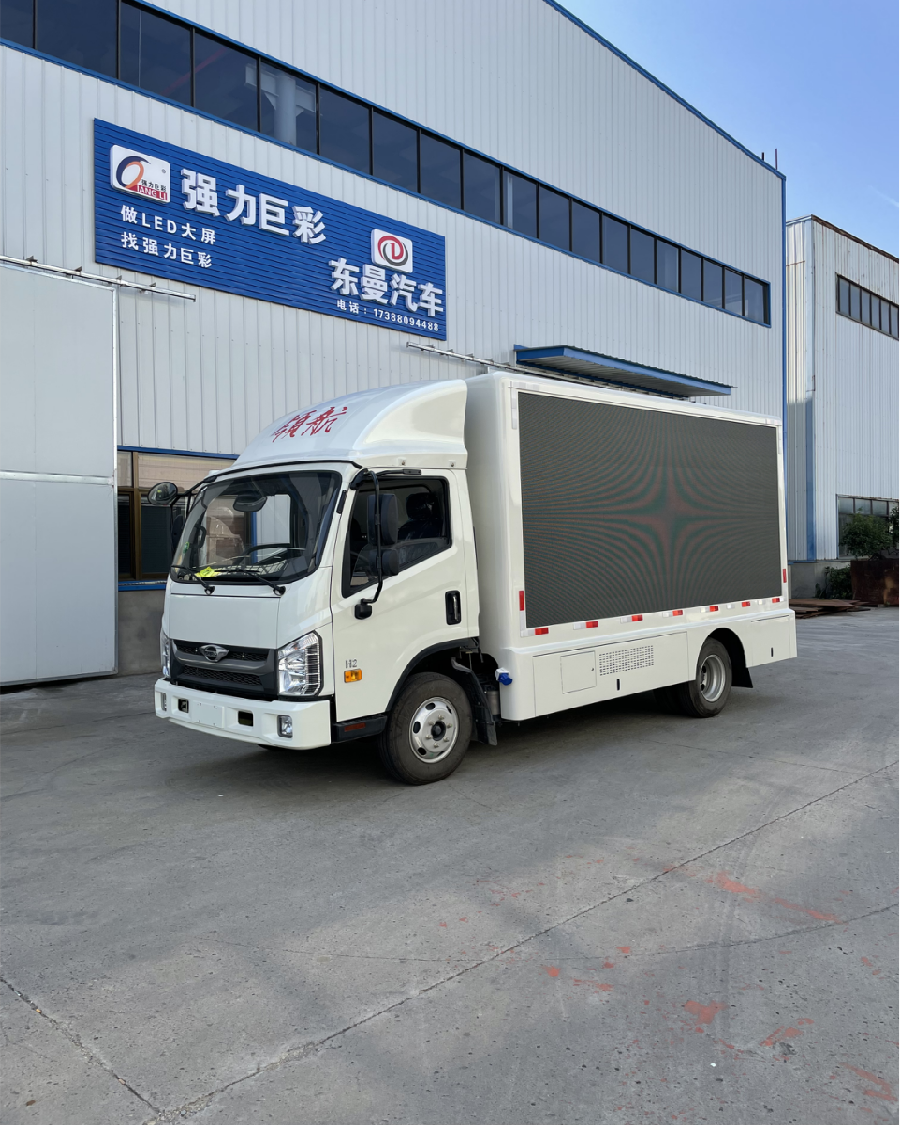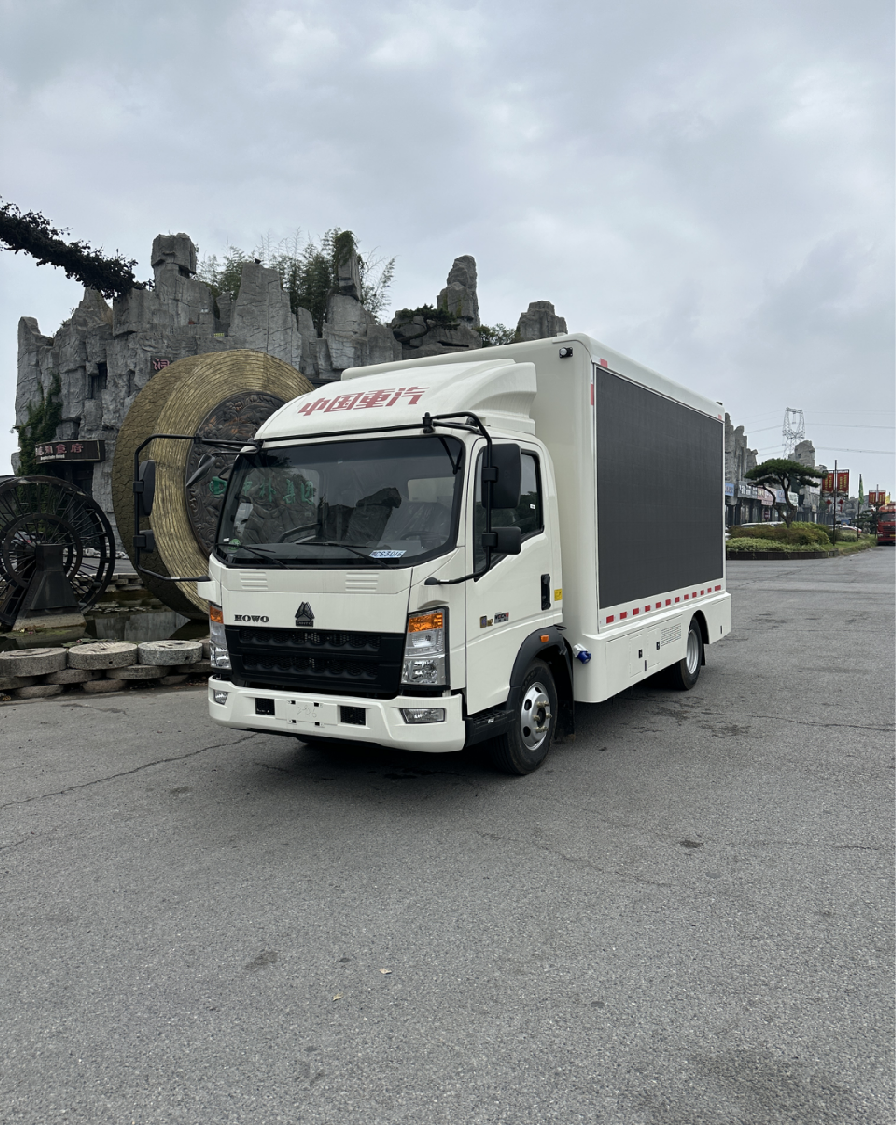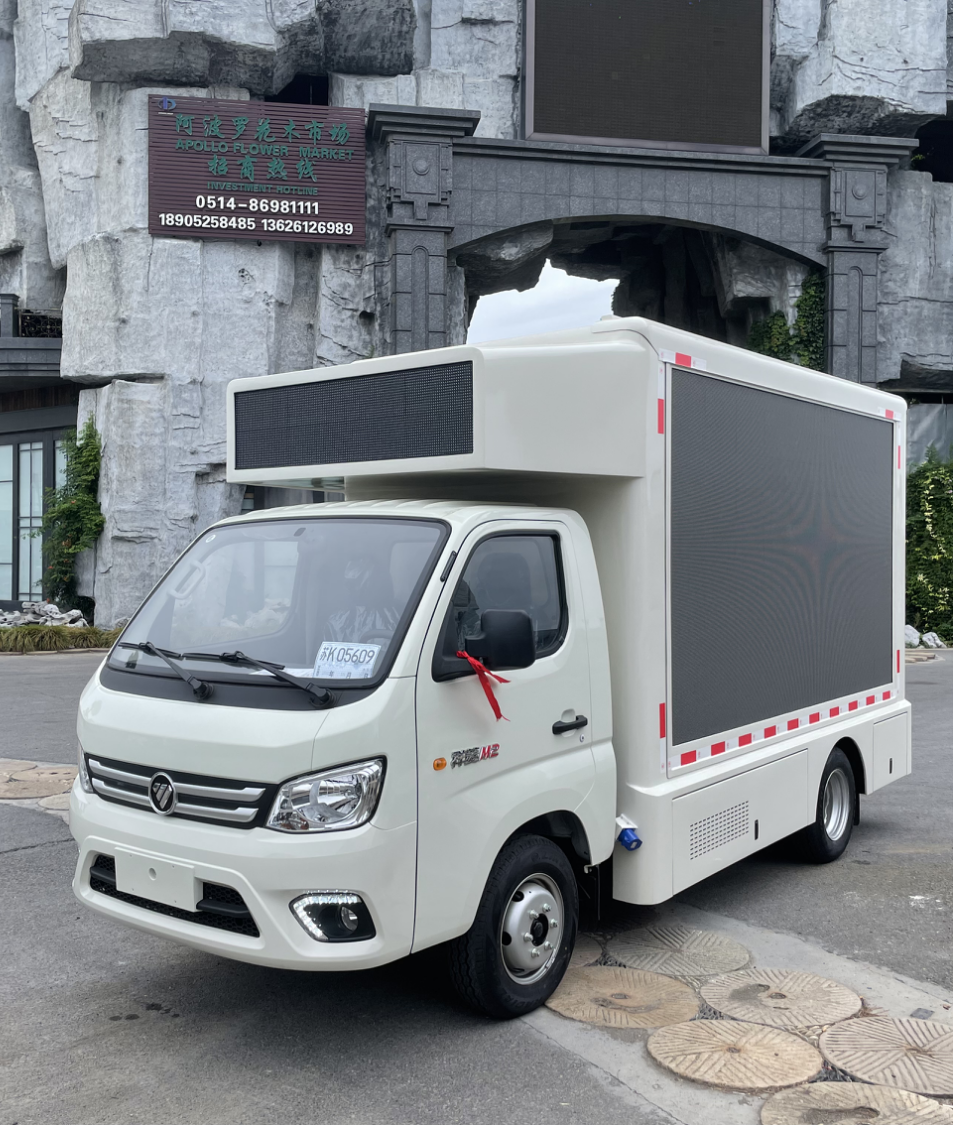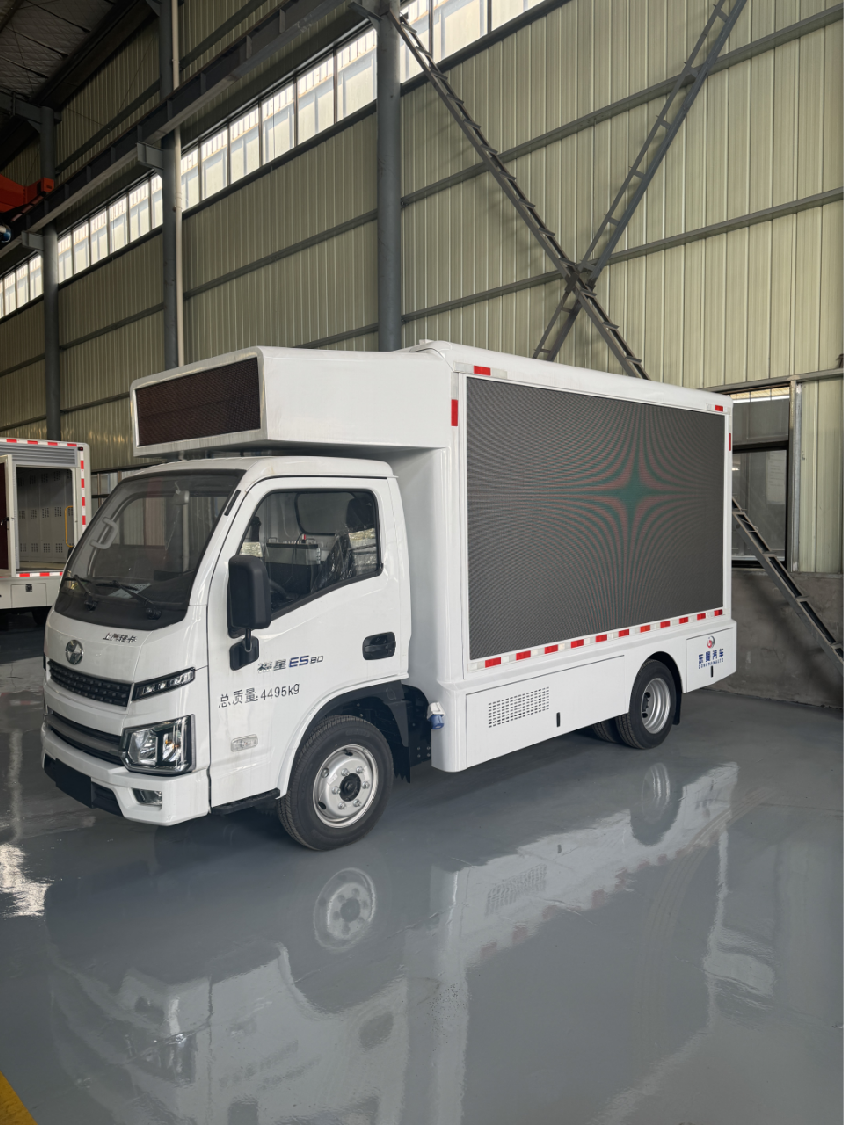



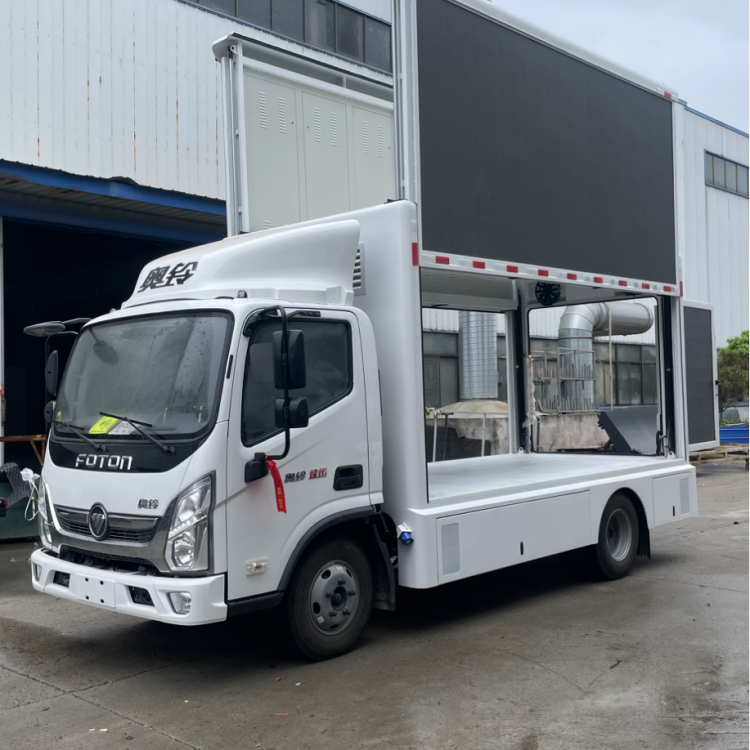
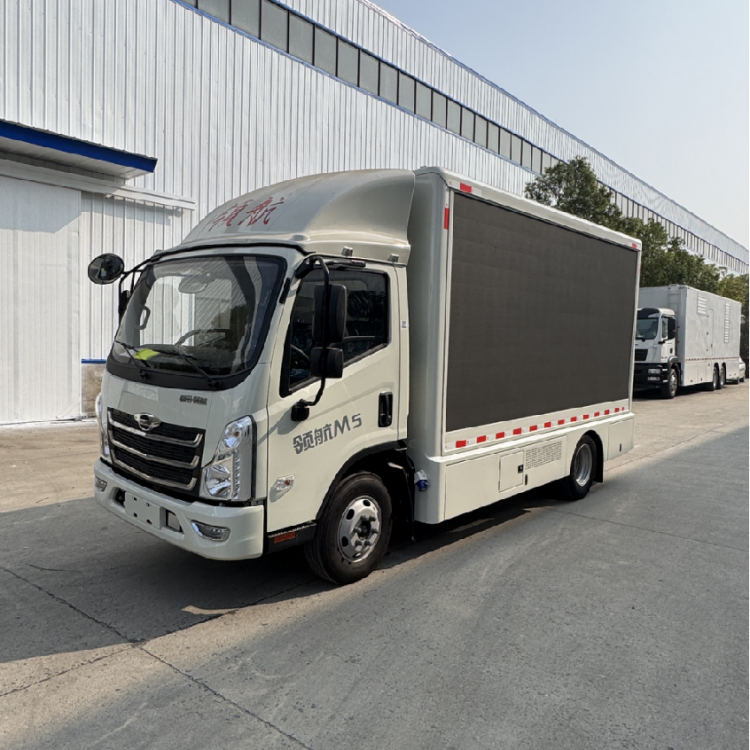
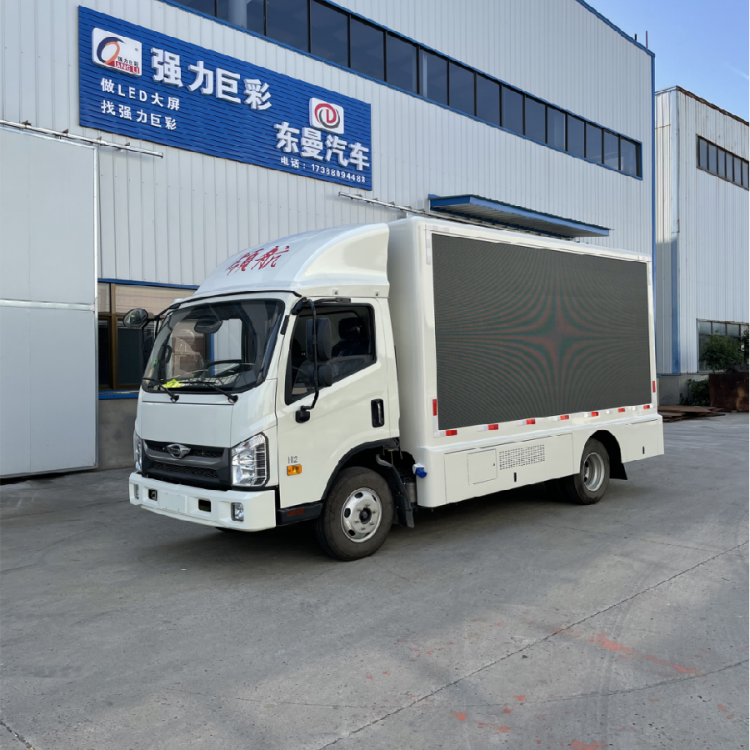
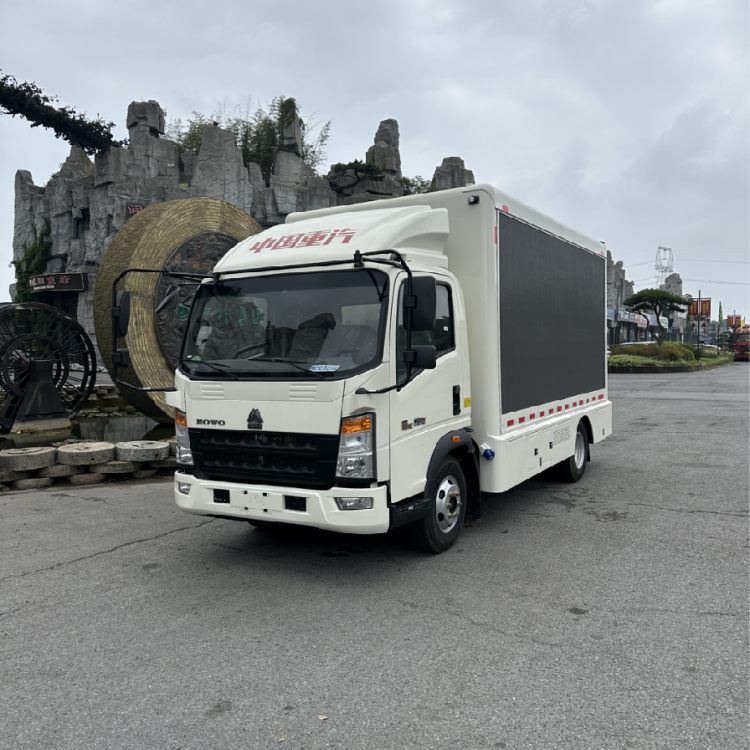





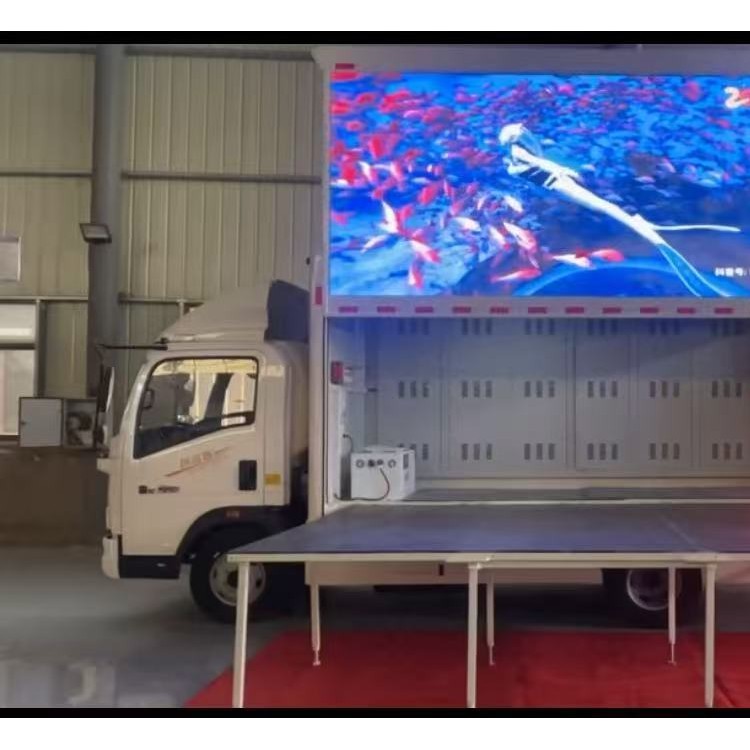
We are designated改装 partners for Foton, JAC, and Jiefang, among others!
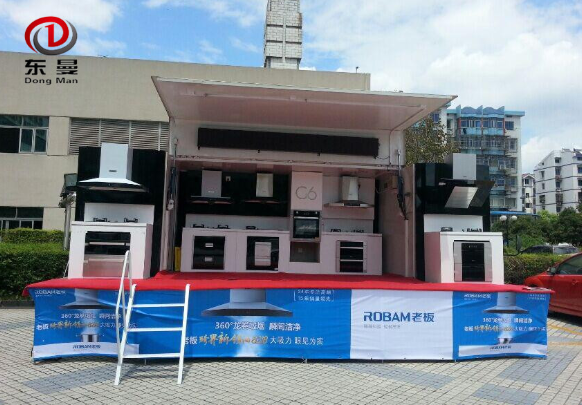
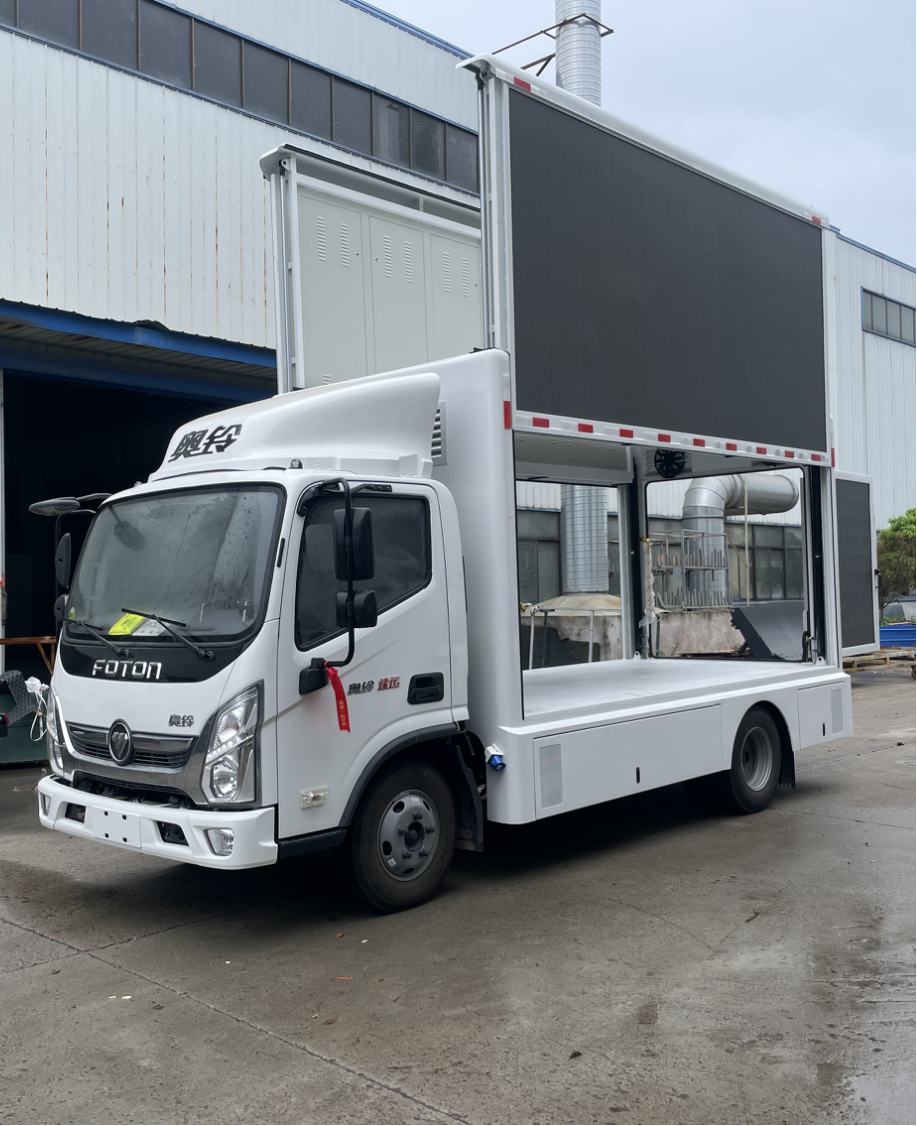
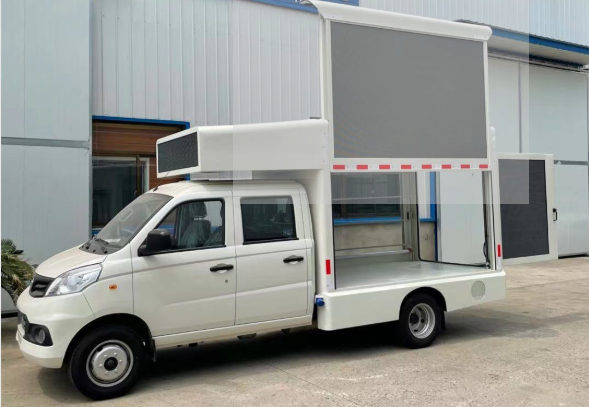
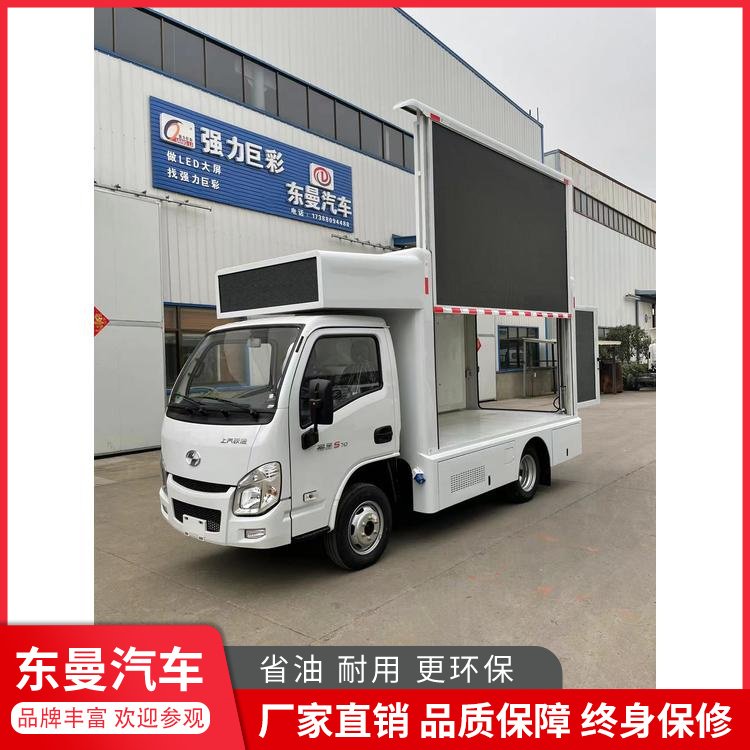
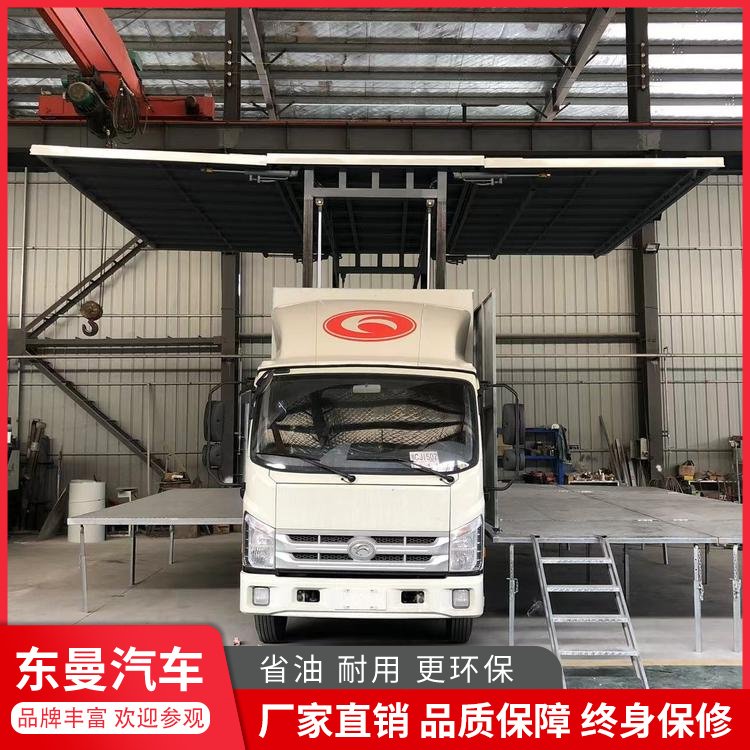
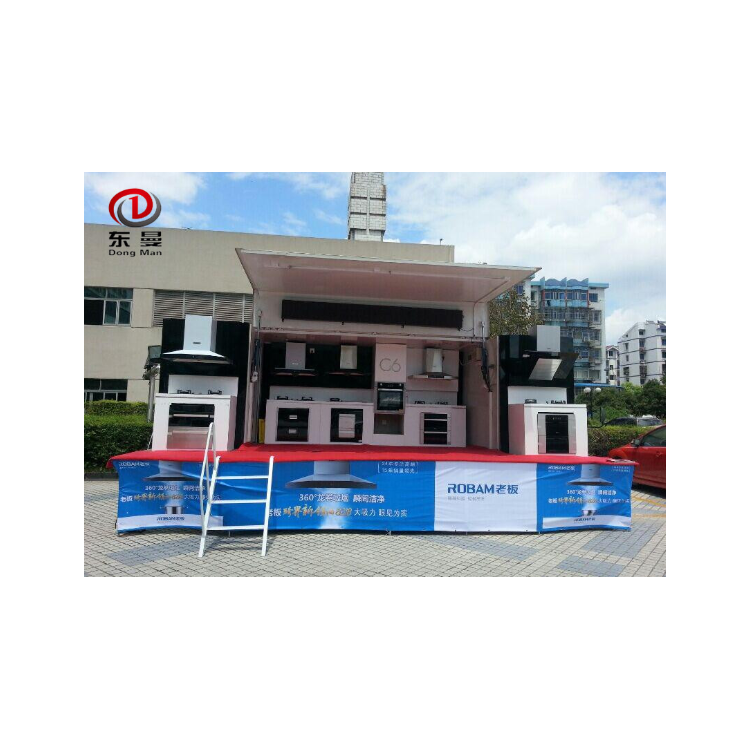
A mobile stage vehicle is a portable stage designed for on-the-go performances, which can be unfolded to serve as a specialized car for stage use.
Combining transportation, stage, and rest areas, this is a product that integrates advanced stage technology with cutting-edge automotive technology. It embodies multiple advanced technologies and offers professionalism, safety, usability for performances, durability, cost-effectiveness in maintenance, and excellent service, compared to fixed stages. Moreover, the mobile stage vehicle eliminates the traditional staging process, saving time and effort, featuring ease of operation, reliability, comprehensive functionality, and an attractive appearance. Therefore, mobile performance stages have a vast market potential.
Comparison Analysis of Mobile Stage Vans and Temporary Stage Construction
Safety coefficient during stage use has significantly improved.
Temporary stages constructed on-site commonly utilize iron frame, wooden frame, sand-soil mixed iron frame, and wood mixed iron frame structures, etc., which are assembled using "well" pattern lattices for greater stability. However, their lifespan is limited, and after multiple uses, they may develop issues like aging and deformation. Mobile stage trucks employ a box-type special vehicle chassis, with the support structure using hydraulic jacks to bear the ground load, reducing the main beam's burden and enhancing stability and safety. The top box is equipped with a lifting structure, significantly improving the safety compared to temporary stage roofs. Moreover, the entire stage truck is lighter than a temporary stage and made of more durable materials, making it less prone to aging and with a longer service life.
2. Significant breakthroughs in the design and artistic nature of stage scenery
The temporary stage surface is made of wooden composite material, which lacks stability and is prone to warping when exposed to moisture, potentially affecting the performance of actors. The mobile stage vehicle's stage boards consist of steel frames, wooden joists, and wooden flooring, suitable for performances. They are divided into fixed and movable stage boards, offering a long service life, stable performance, and resistance to warping and breaking. Additionally, a unified design has been implemented for stage sound setup, lighting arrangement, and control desk layout, maximizing the stage space and enhancing the scope of performance and scenic decoration.
3. There has been a significant improvement in stage setup.
The temporary stage setup requires fewer uses, involves significant engineering work, and is cumbersome to maintain and transport, leading to high costs. In contrast, a mobile stage vehicle can be quickly assembled with just a few operators, creating a professional stage suitable for a wide range of applications in a short period. Under high-performance frequency, the cost of using a mobile stage vehicle is significantly lower than that of temporary stage setup, alleviating costs for performing units, increasing the number of shows, and conveniently serving the public. Temporary stage setups face challenges post-use, such as difficulty in recovery, transportation issues, and maintenance costs. Mobile stage vehicles offer an integrated recovery and transportation process post-performance, leaving no stubborn setup traces or debris at the performance site, representing a substantial breakthrough compared to temporary stage setups.