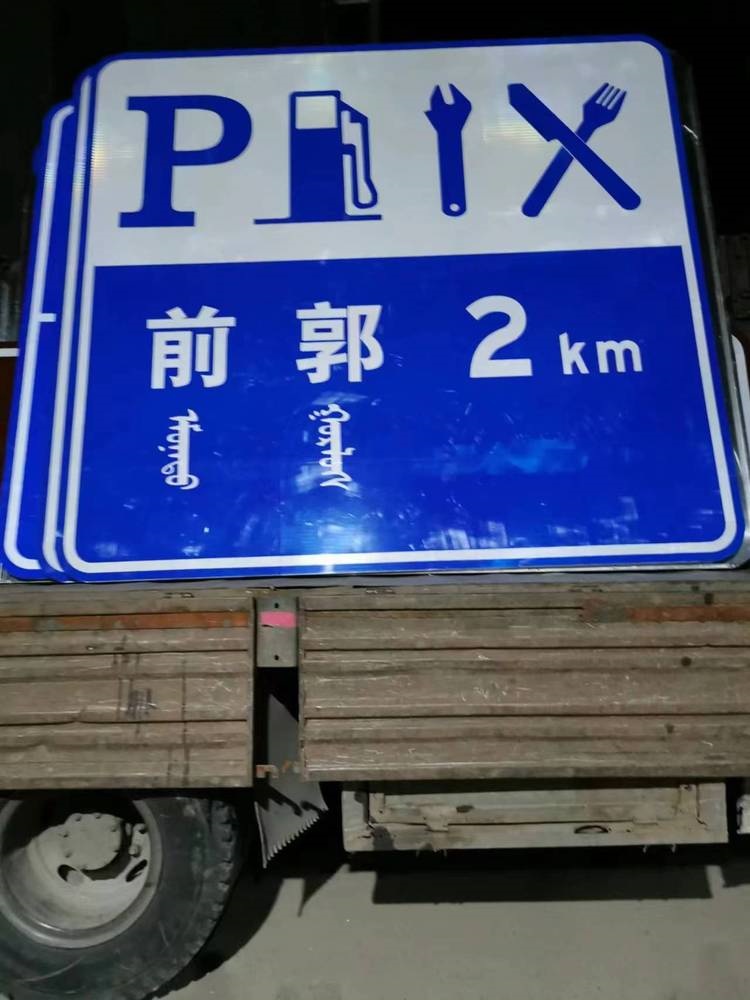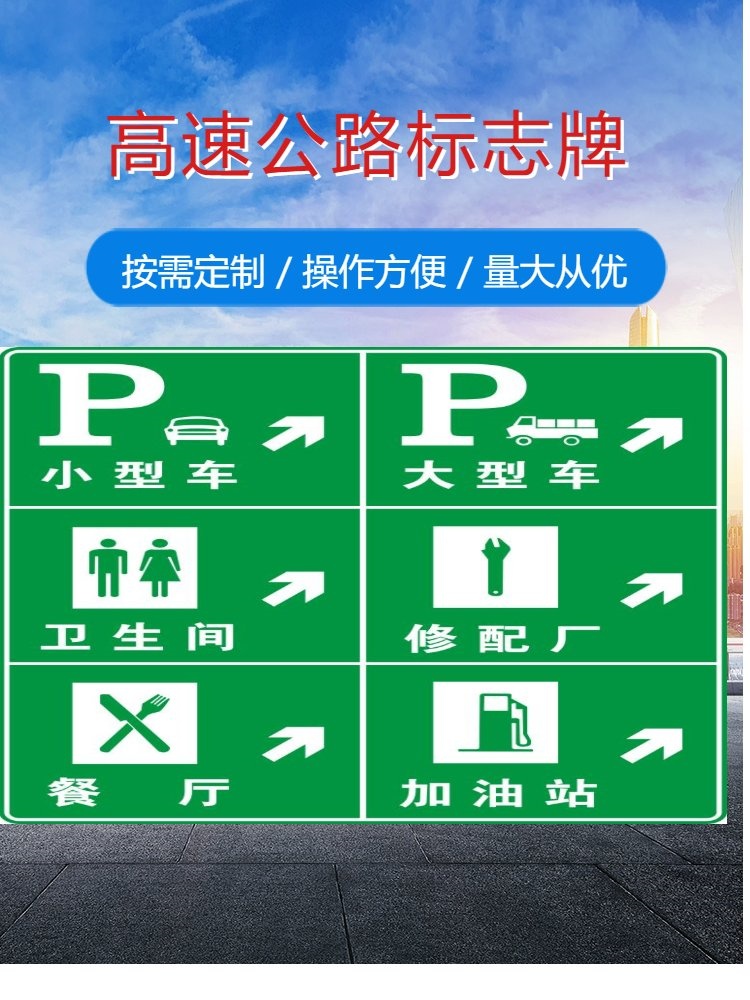


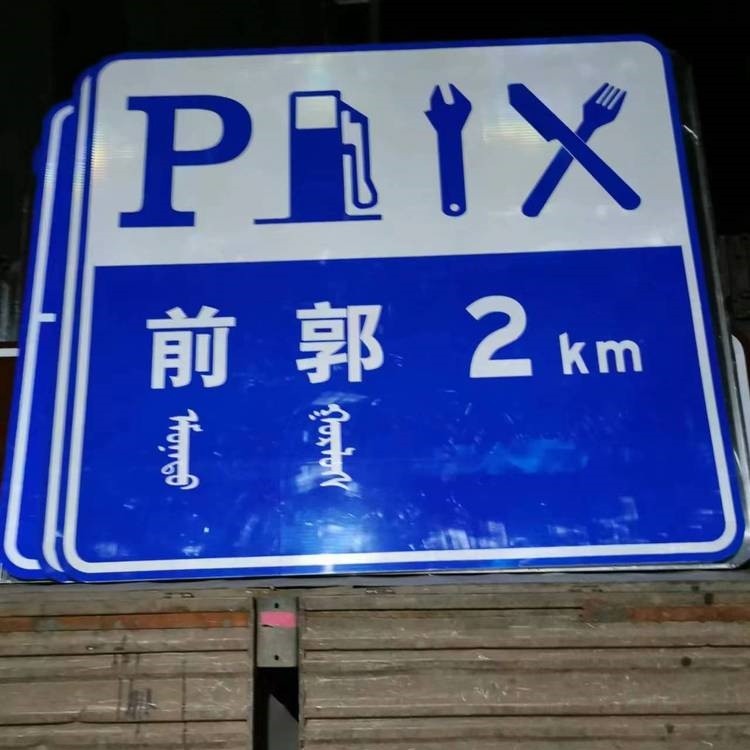
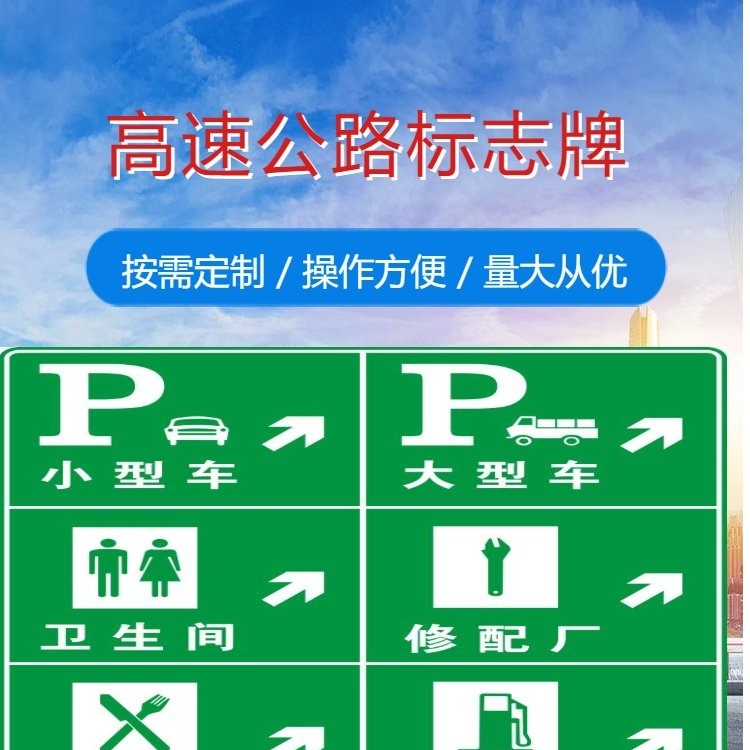
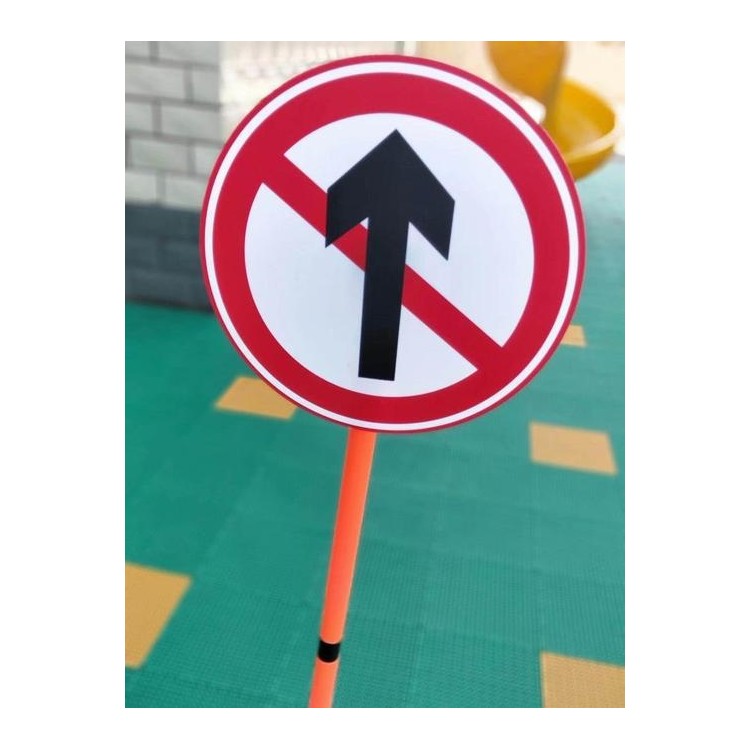










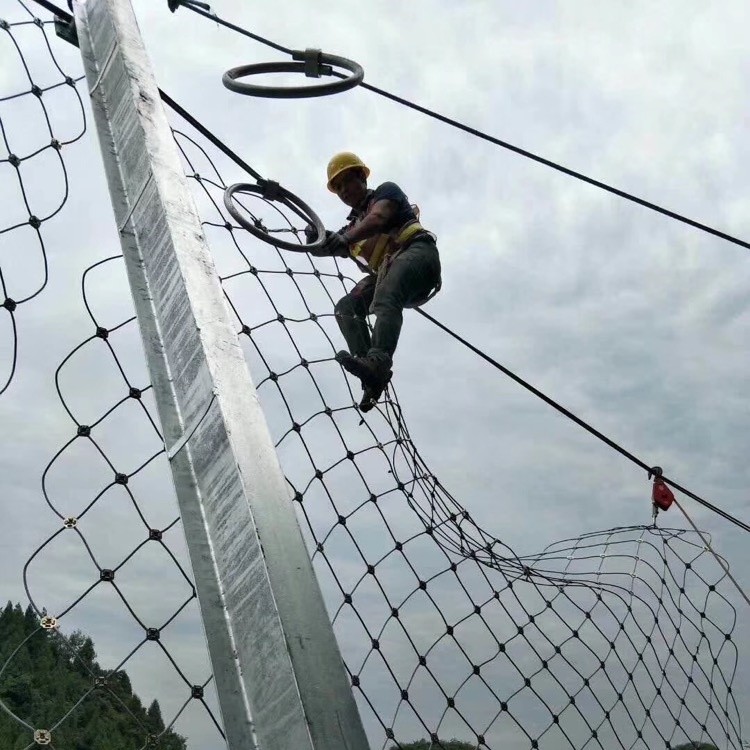
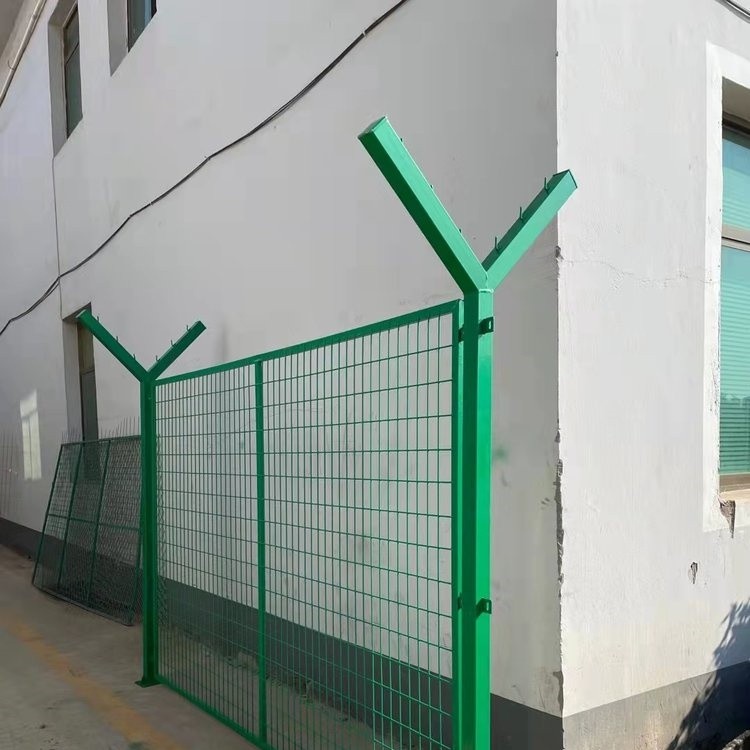
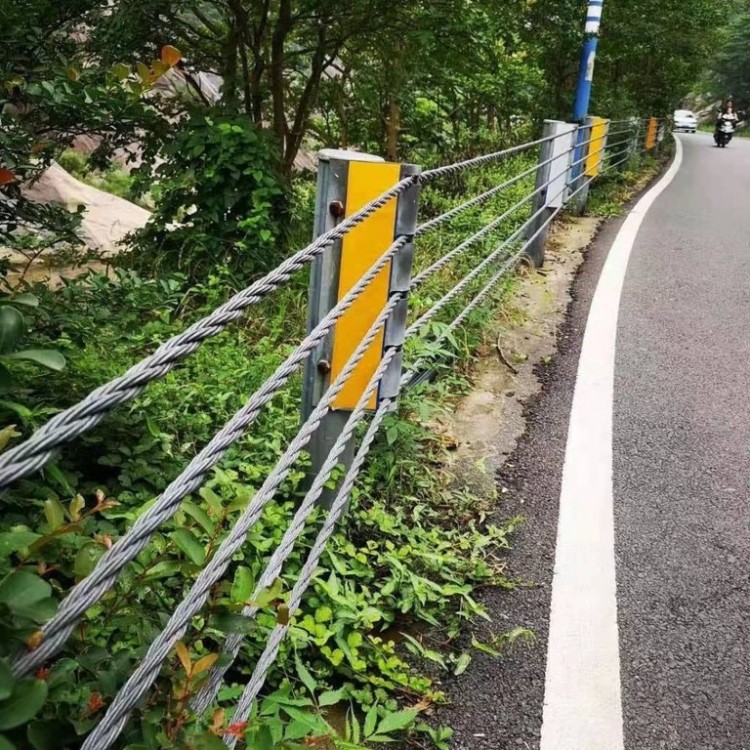
Sichuan Signboard Factory, equipped with relevant production facilities. Over many years of production practice, it has developed into a team with high-level design, production, and installation capabilities. Yonghui Signage's design, production, and product quality have consistently been recognized by customers and the market. Through this, Yonghui Signage has established a good long-term cooperative relationship with numerous units, infrastructure construction entities, and various suppliers.
Our company is an integrated manufacturer of traffic sign posts and signs, encompassing research and development, production, sales, and installation. With extensive experience in R&D and production, as well as tens of thousands of project implementations, we have been recognized by the Municipal Administration for Market Regulation, the Municipal Private Economy Bureau, the Municipal Transportation Bureau, and the Municipal Science and Technology Bureau multiple times for our "Contract-Compliant and Creditworthy Enterprise," "Civilized and Trustworthy Enterprise," "Traffic Facilities Cooperation Unit," and "Technology Enterprise" honors.
Road Traffic Sign Manufacturing - Highway Directional Signs -- Traffic Pole Manufacturers, Traffic Facilities Manufacturers, Highway Sign Manufacturers, Price of Traffic Sign Poles, Traffic Sign Manufacturers, Traffic Pole Manufacturers, Highway Directional Sign Production, Road Traffic Sign Company, Traffic Sign Pole Customization, Manufacturing Plants.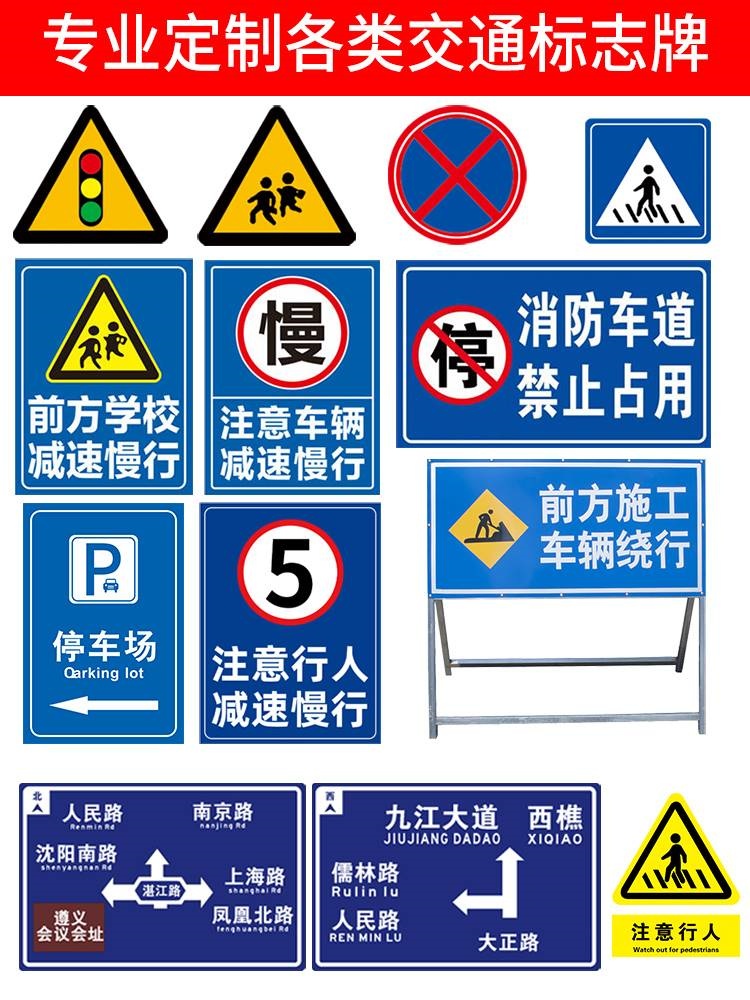
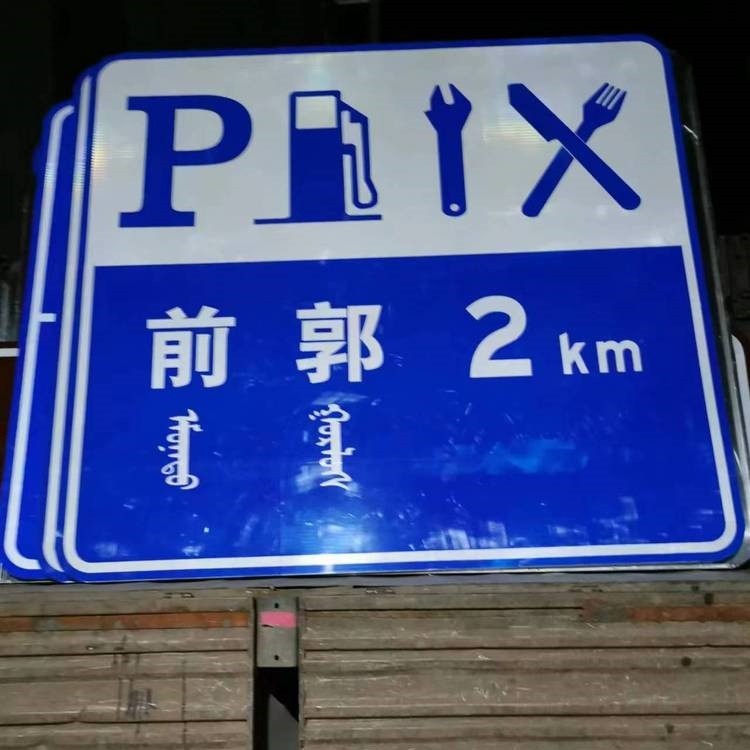
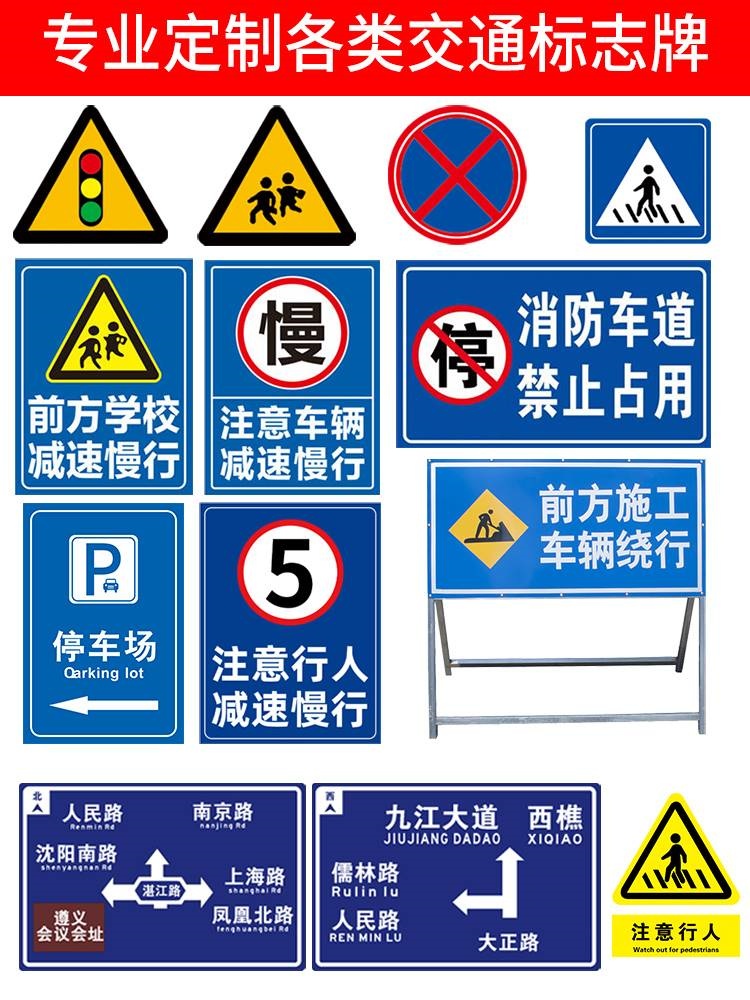 Modern urban development trends towards urbanization, and matching signage should also evolve in tandem, without falling behind, and even with a degree of foresight. It's not particularly difficult to reflect identity on signage; on one hand, the investment in signage is a relatively small portion of the total urban construction costs; on the other hand, modern methods of signage production can achieve this. The identity is based on practicality and scientific principles. Techniques that do not use or violate scientific logic are not applicable. For instance, traffic signage on highways, which uses reflective markers, is a practical and scientific design. The signboards in Shizuishan utilize the principle of focused reflection, focusing the nearly vertical incident light source through numerous small spheres, and then reflecting the focused light beam back towards the incident direction (also known as recursive reflection) to provide vehicles with bright identification information. Therefore, using reflective films as signage materials on highways, whether it's microbead reflection or microcrystal cube reflection, involves a certain level of technology. They are used for traffic information signage and signboards, indeed. This is due to practicality—vehicles on the road require signage that can provide night vision functionality, and vehicles naturally have the condition of light source incident. The need for practicality and possibility to be combined has created the characteristic of this type of signage.
Signage Engraving
Hand-carved craftsmanship.
Carving techniques have been present in Chinese history for a long time, and after thousands of years of development, they have reached an extremely high level. The artistic quality and carving techniques have long been regarded as precious treasures, widely applied across various fields of society.
Engraved signs are made by engraving techniques, typically using materials like two-color acrylic boards and other non-metallic raw materials. The benefits of engraving are that the signs are less prone to damage due to their depth, and the materials are relatively resistant to discoloration, making engraved signs quite durable.
As society rapidly develops and technology levels and material types continue to increase, hand-carving can no longer meet the needs of societal advancement, as evidenced by the following three aspects:
Bulk Production:
Due to the increased social demand, hand carving can no longer meet the needs of mass production.
Consistency of Products:
Handmade production inevitably has limited precision and cannot maintain product consistency, thus failing to meet the increasingly high usage demands of consumers.
III. Material Adaptability:
With the continuous emergence of various new materials, hand carving cannot keep up with the requirements of these new materials. The characteristics of materials differ, and the required processing intensity varies. Of course, this does not mean that hand carving will be phased out by society. For instance, in some fields, hand carving still holds an irreplaceable position.
WeChat Official Account

Scan to follow Official Account