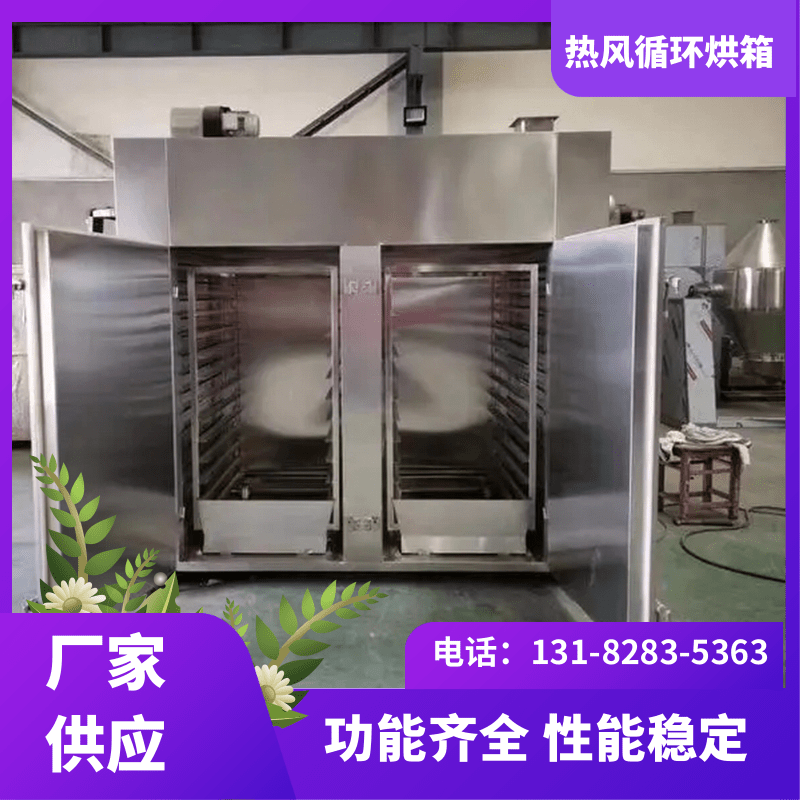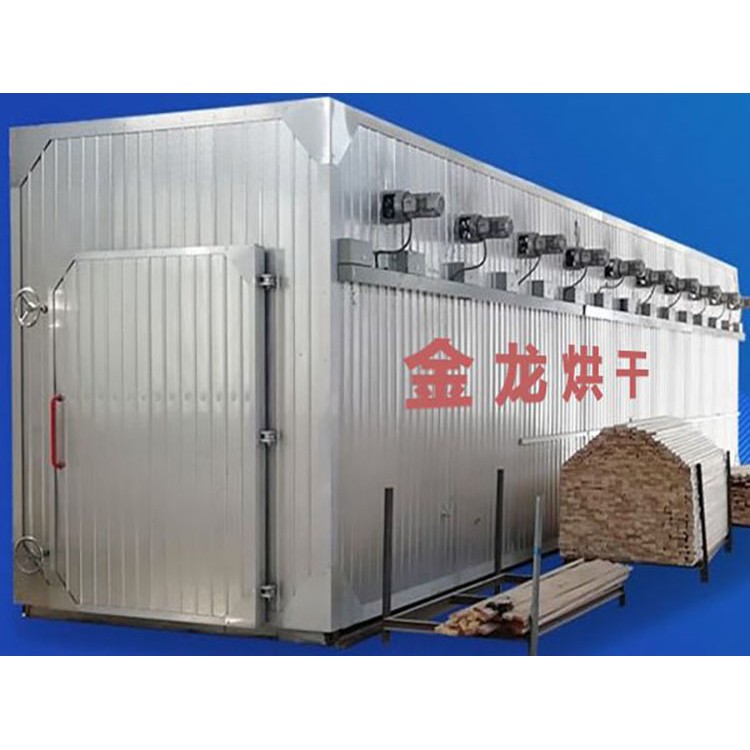


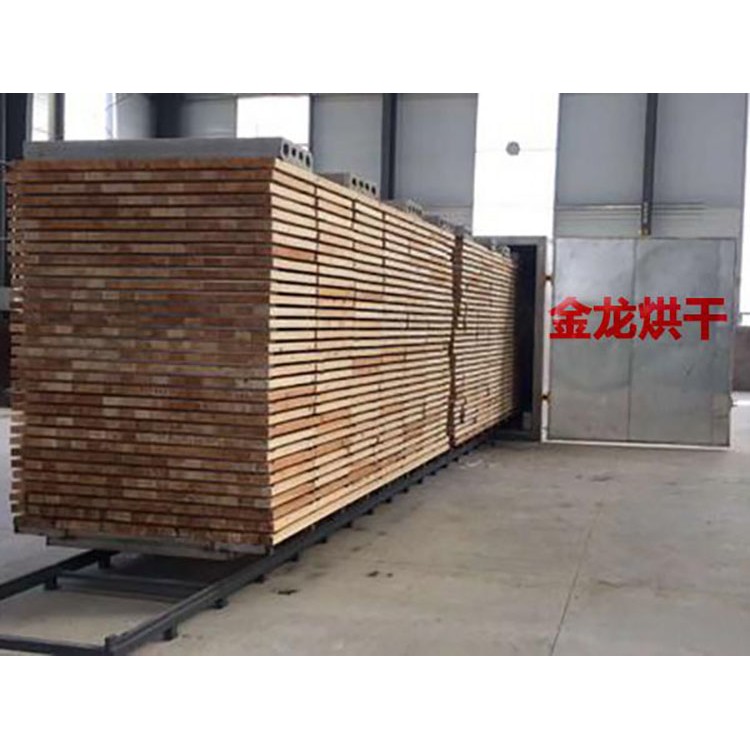
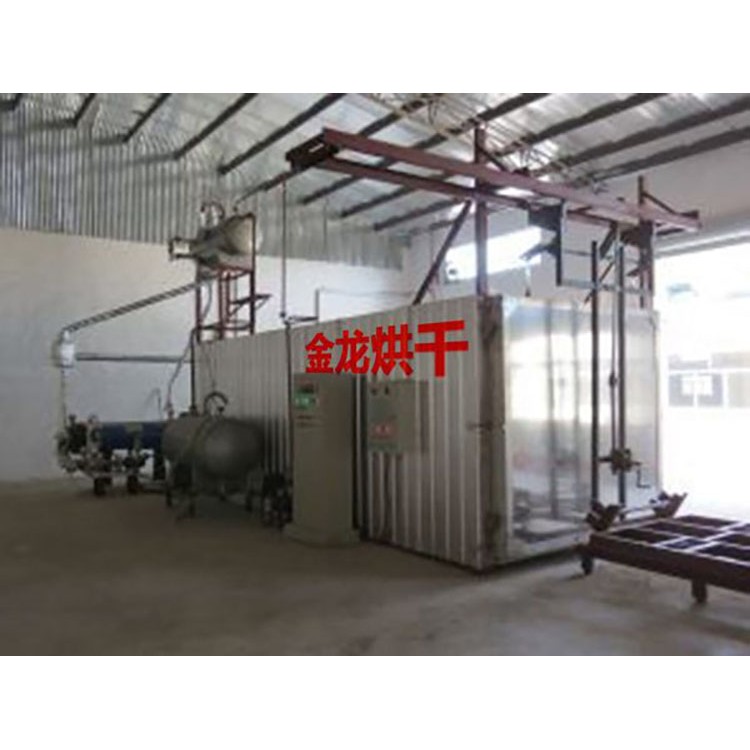


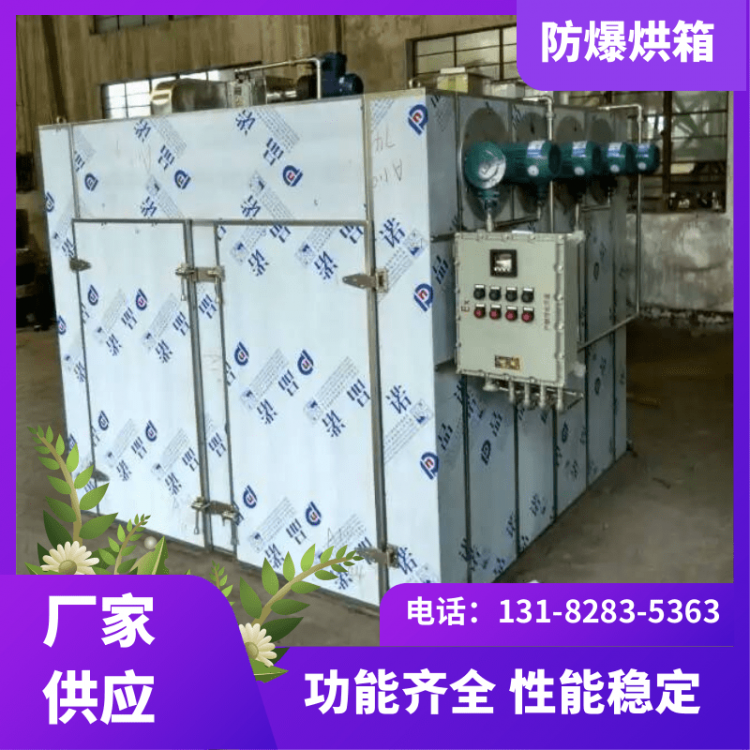





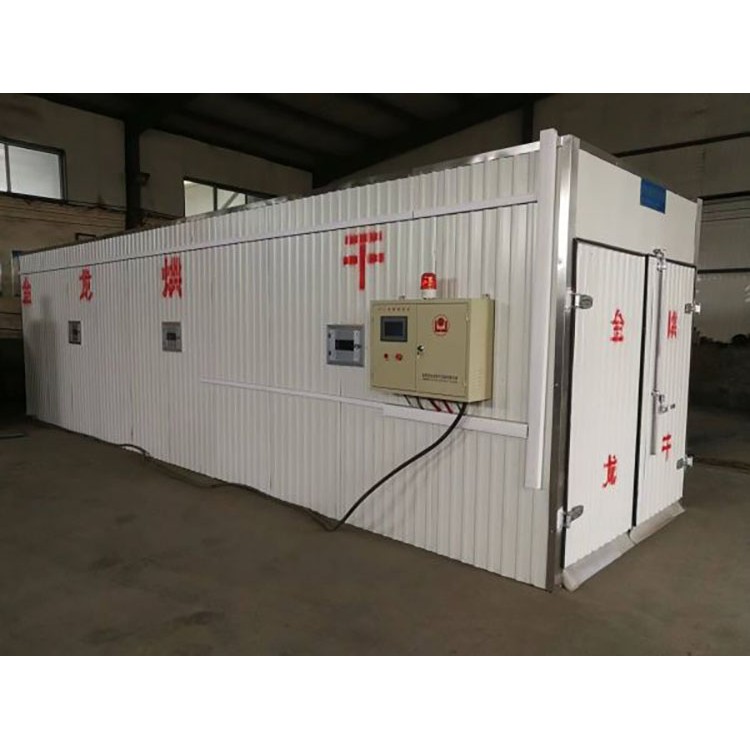
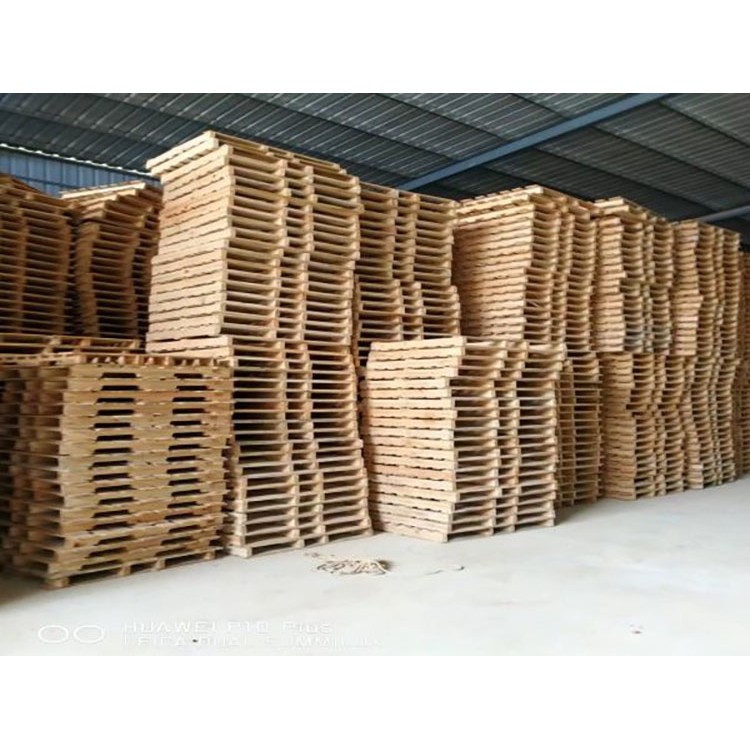
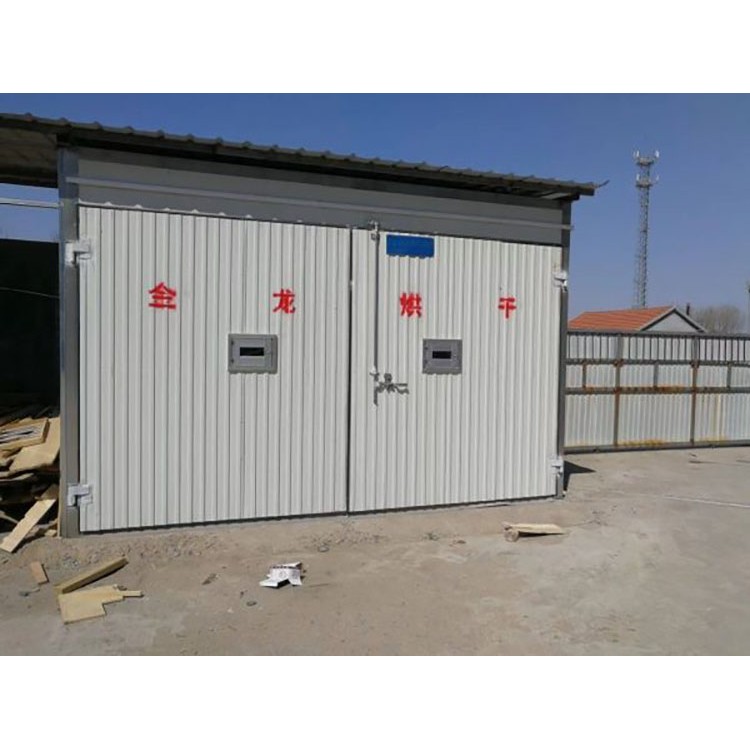

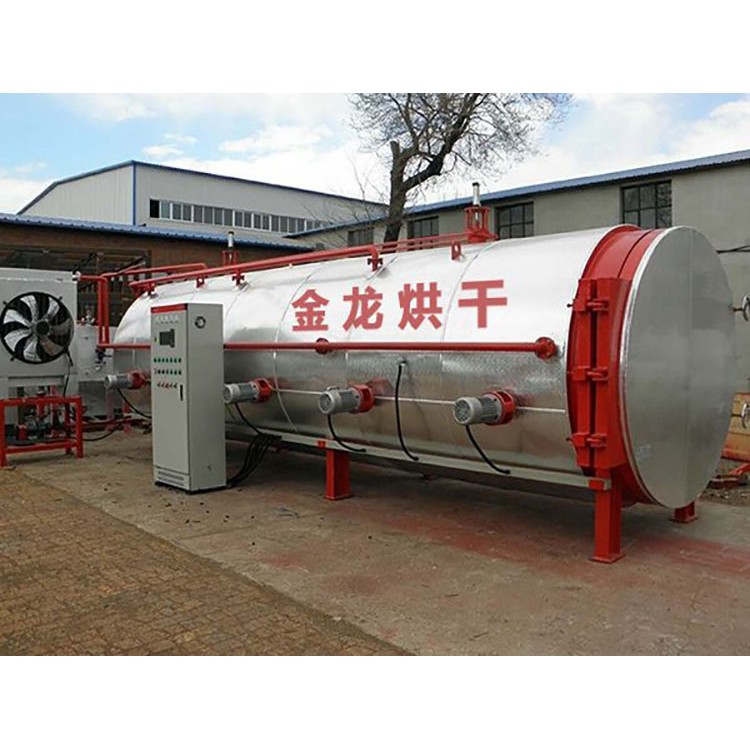
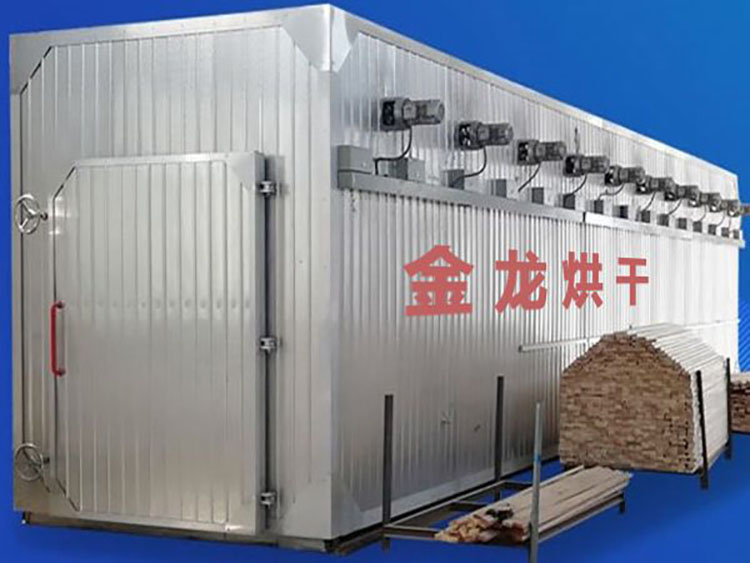

Drying, hardening, and carbonization equipment for wood
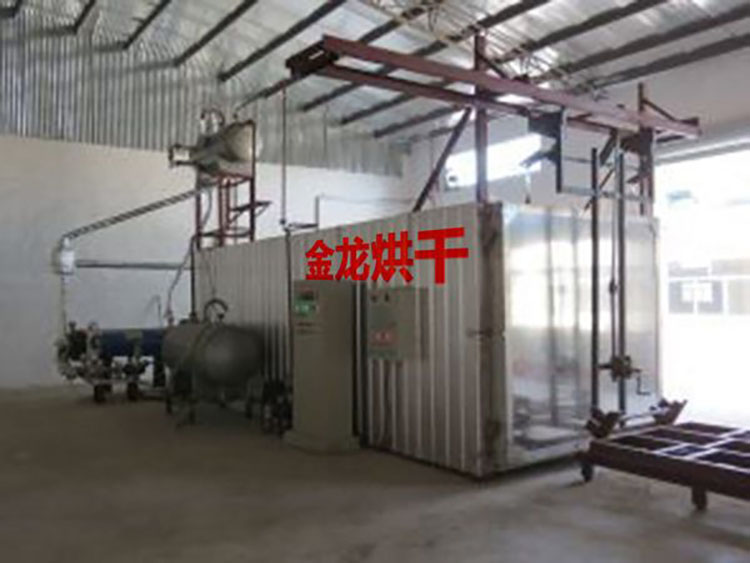
Wood drying, hardening, and carbonization equipment
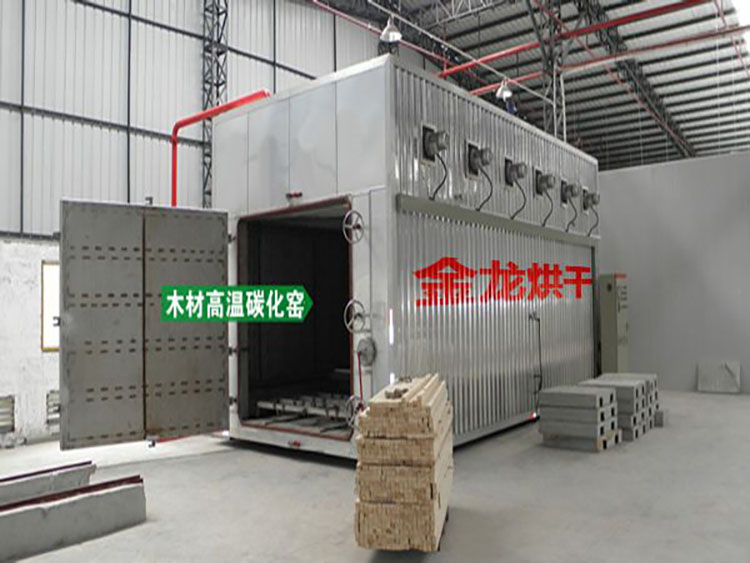
Wood drying, hardening, and carbonization equipment
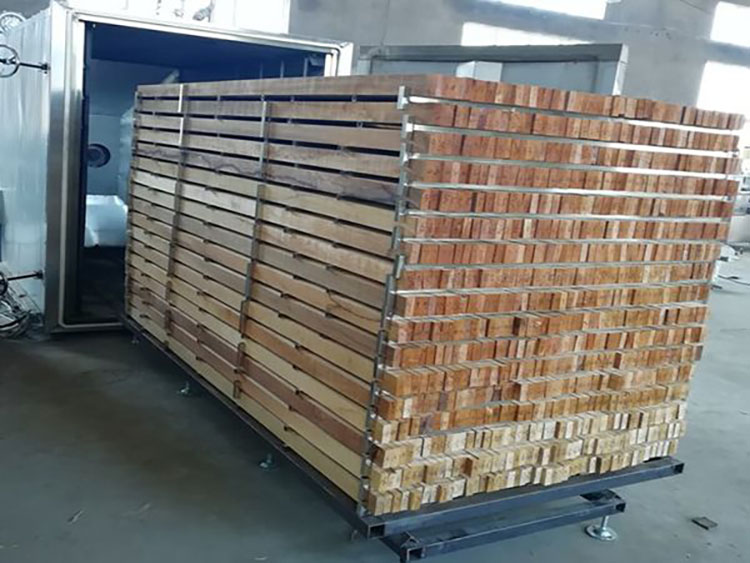
Wood drying, hardening, and carbonization equipment
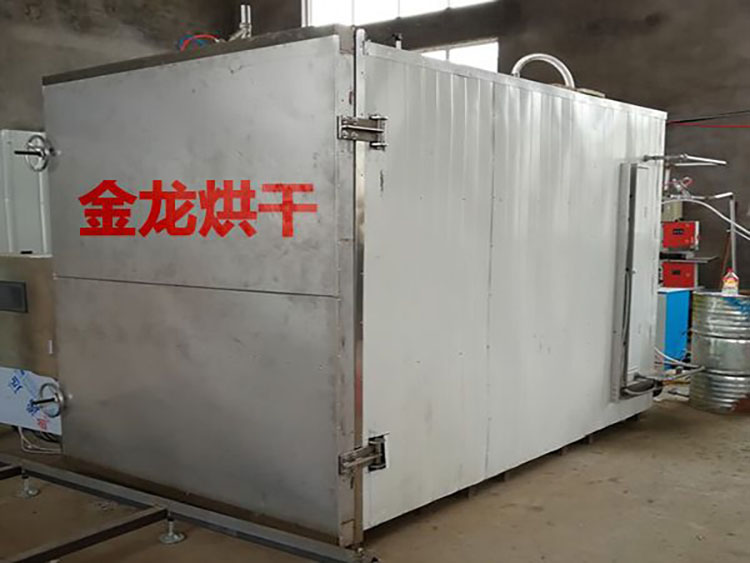
Wood drying, hardening, and carbonization equipment
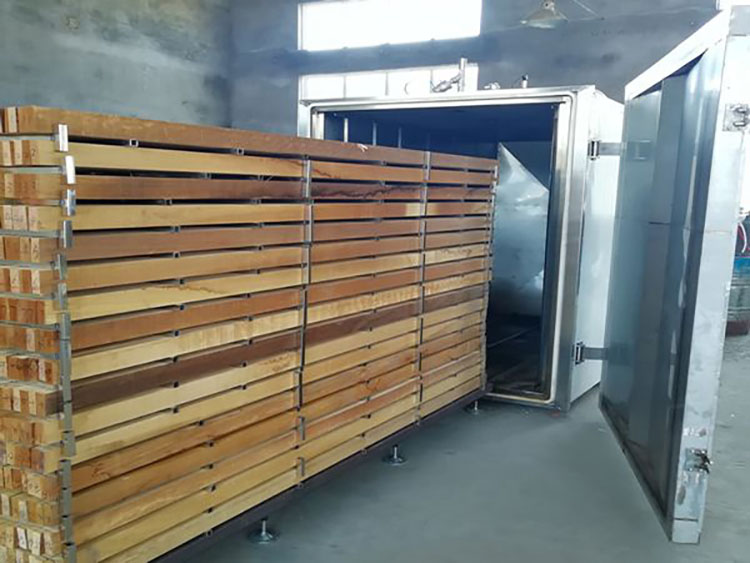
Wood drying, hardening, and carbonization equipment
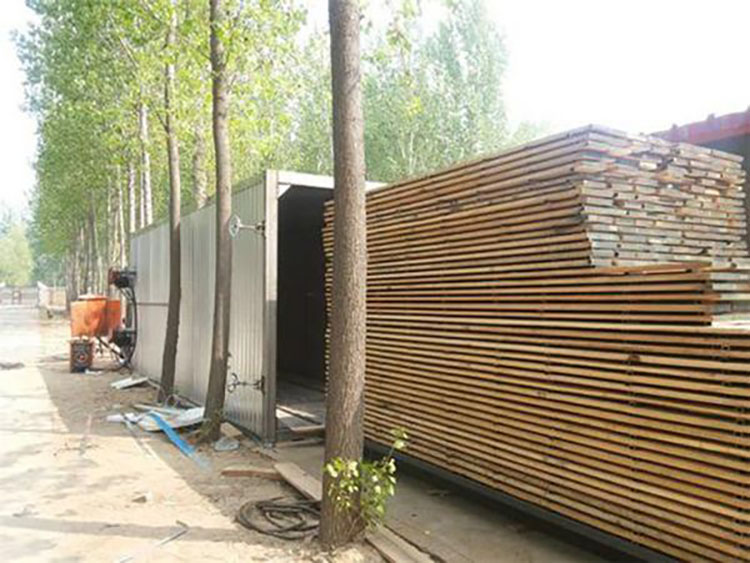
Wood drying, hardening, and carbonization equipment

Wood drying, hardening, and carbonization equipment
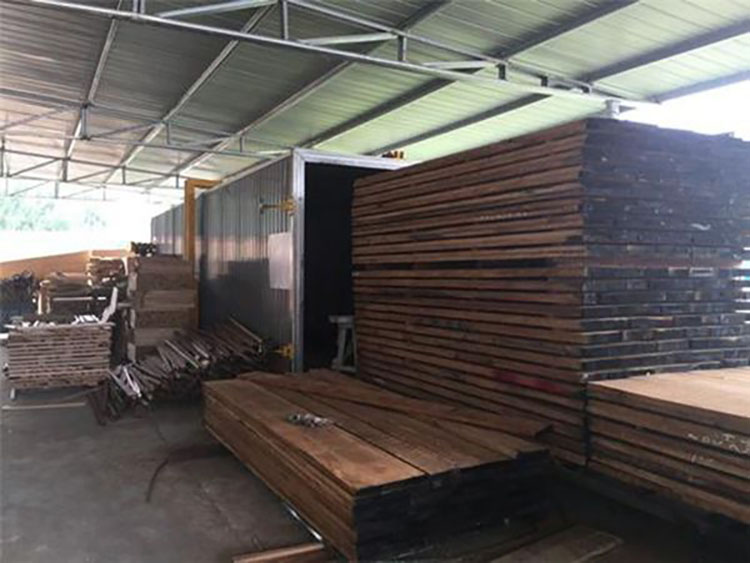
Wood drying, hardening, and carbonization equipment

Drying, hardening, and carbonization equipment for wood
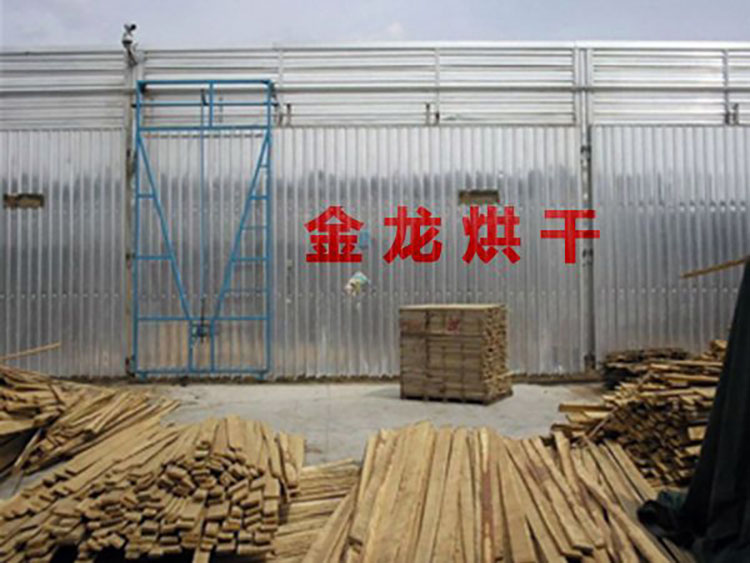
Drying, hardening, and carbonization equipment for wood
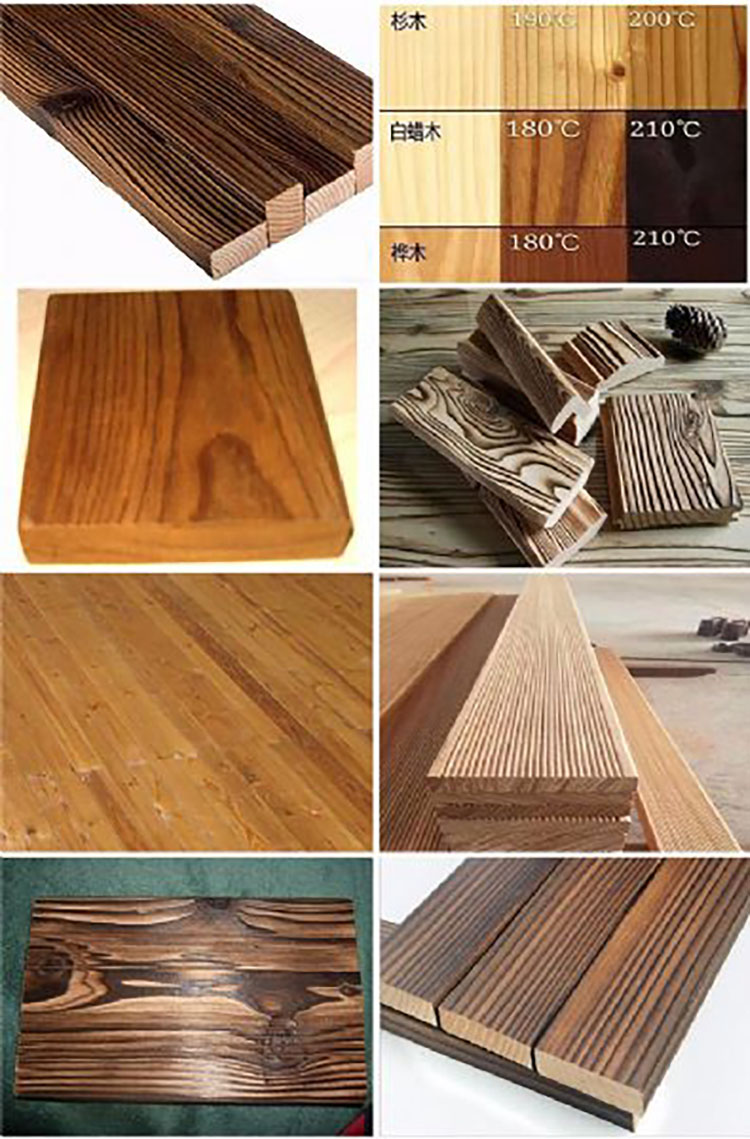
Drying Effect Demonstration
One. Wood Drying:
It is the process of separating moisture from wood, which is divided into primary drying, secondary drying, and maintenance balancing. Generally, heating in an environment below 100 degrees Celsius causes moisture to turn into vapor and evaporate, resulting in a reduction in volume and weight. During the production process, moisture absorption can lead to deformation, bulging, and cracking due to the addition of moisture (glue) during bonding. To address this fundamentally, we take two approaches: first, secondary drying and maintenance balancing to regulate moisture content; second, through high-temperature hardening to alter the wood fiber characteristics, eliminate residual stresses in the wood, stabilize its properties, and remove adverse factors.
II. Wood Hardening:
The wood fiber molecules transition from tubular structures to a networked crystal atomic structure within the range of 150-200 degrees. The proportion of change is determined by the temperature and duration. The wood is a hybrid between wood and charcoal, with manufacturers deciding the ratio based on their specific applications. Indoor materials are typically only hardened, with the wood fiber molecules undergoing only mild high-temperature treatment to remove some activity, alleviate residual stress in the wood, and maintain stability without deformation. It also retains elasticity and impact resistance.
III. Wood Carbonization:
The wood fiber molecules transition from a tubular structure to a reticular crystal atomic structure within the range of 200-250 degrees Celsius. The proportion of change is determined by the temperature and duration, placing the wood between wood and charcoal. Manufacturers decide the ratio of wood to charcoal based on their specific applications. Outdoor materials typically opt for charcoalization, which is categorized into light, medium, and deep. Light charcoalization is usually on the surface, used for color adjustment and shaping; medium charcoalization is suitable for outdoor wood products, with strong adaptability to the environment; deep charcoalization is less commonly used in wood products due to its fragility, lower strength, poor nail holding, and difficulty in contacting soil and water. Benefits include high stability, no color variation, anti-corrosion, environmental friendliness, and ease of reprocessing after oil and fat removal.
Four: Compliant with wood product processing requirements:
Our company, after market research and drawing on advanced domestic and international experiences, has developed high-temperature hardening equipment. Within a range of 150-200 degrees Celsius, it controls the hardening degree of wood through computer operation, achieving good results. This not only maintains the wood's effective physical properties, including elasticity, impact resistance, and strength, but also ensures high stability, preventing deformation and cracking. Additionally, it avoids the defects of carbonization, which makes the wood prone to brittleness and breakage.
V. Multi-functional Kiln:
Can be dried, re-dried, balanced, hardened, and carbonized for different purposes. It can be categorized into kiln-type atmospheric carbonization and drum-type vacuum carbonization. The PLC touch screen intelligent control system (user-friendly) allows for one-touch settings for drying, re-drying, balancing, hardening, and carbonization programs.
Furnace Carbonization Equipment Product Introduction
Safe and natural, low-carbon and environmentally friendly. The 212°C deep carbonization wood uses natural wood and the production process does not add any harmful chemicals, nor does it cause environmental pollution.
2. Durable and anti-corrosion, termite-proof. The 212°C deep carbonized wood, with its nutrients destroyed, breaks the essential nutrient chain for wood decay, providing anti-corrosion and termite-proof properties that extend the wood's lifespan, aligning with the country's sustainable development policy; waste material after use is also non-toxic.
3. Non-warped and non-cracked, with stable dimensions. The 212°C deep carbonized wood, due to the reorganization of the hydrophilic/wet functional groups of hemicellulose, significantly improves the wood's performance, such as reduced water absorption/water swelling and enhanced dimension stability. As a result, carbonized wood products are almost non-deformable, non-cracking, and maintain stable dimensions.
4. Degreasing is beneficial for painting, while modification is advantageous for processing. The deep carbon wood processing at 212°C boasts good performance, overcoming the drawback of the product's surface being prone to fluffing; due to complete degreasing, the paint application is convenient and will not peel off.
5. Vibrant coloration with adjustable tones. The 212°C deep carbonized wood maintains consistent color on both sides, exuding a soft, silk-like luster, with the grain becoming more pronounced and the texture feeling smooth.
Characteristics of Kiln-type Carbonization Equipment
Research and developed PLC control system ensures reliable control.
► Utilizing high-efficiency fans to ensure even heat treatment
► Suitable for both drying equipment and carbonization heat treatment; temperature adjustable between 160-220℃ when used as a carbonization heat treatment device
Safety System
Stainless steel and aluminum alloy shell, extra thick insulation, waterproof construction and installation
► Suitable for mass production, high efficiency
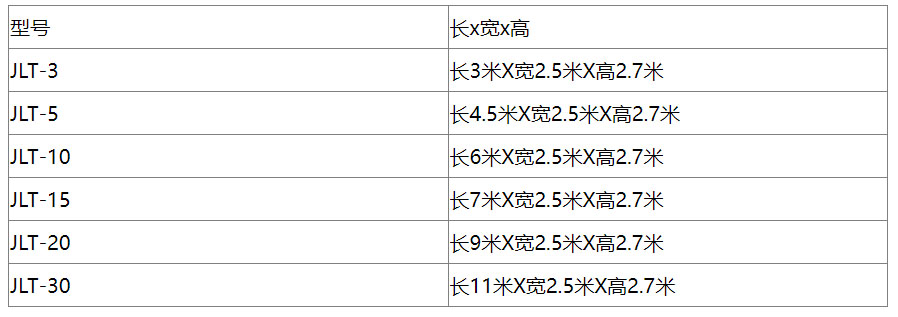
Golden Dragon Square Wood Carbonization Equipment Technical Specifications: