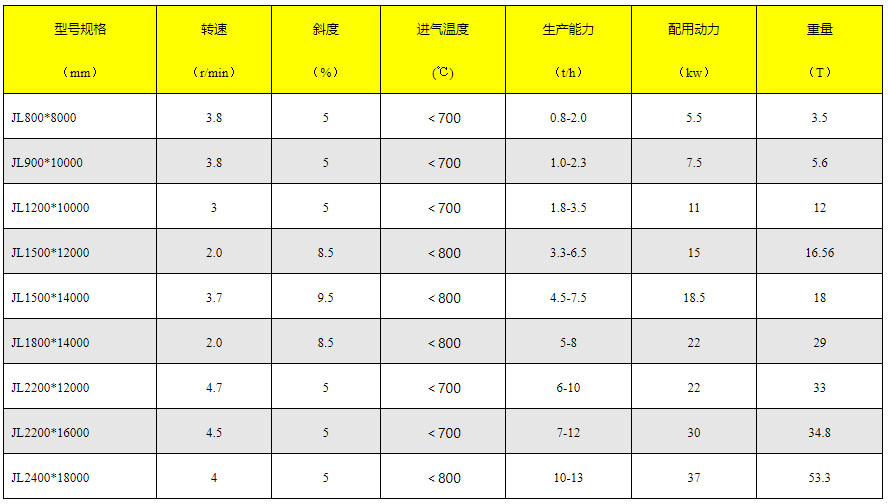











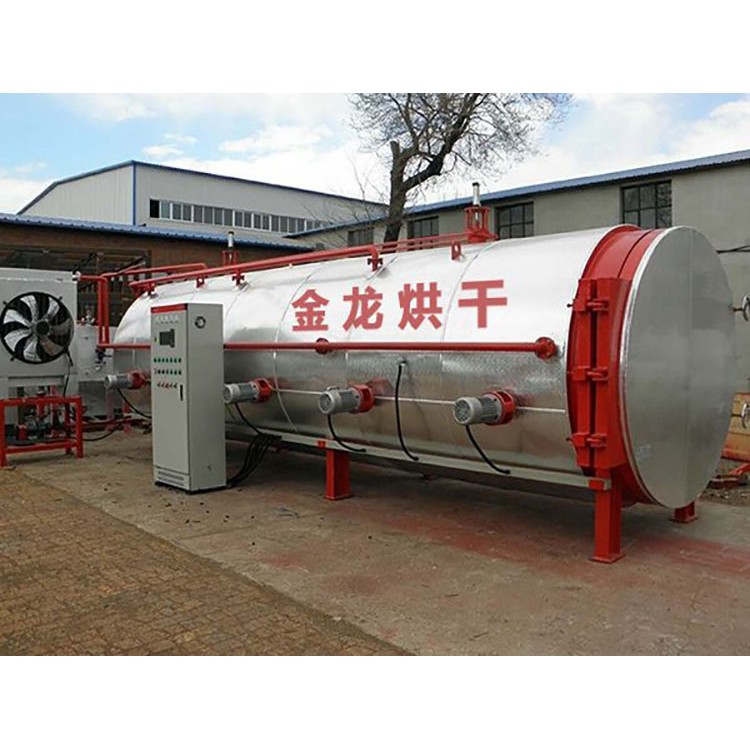


Product Features:
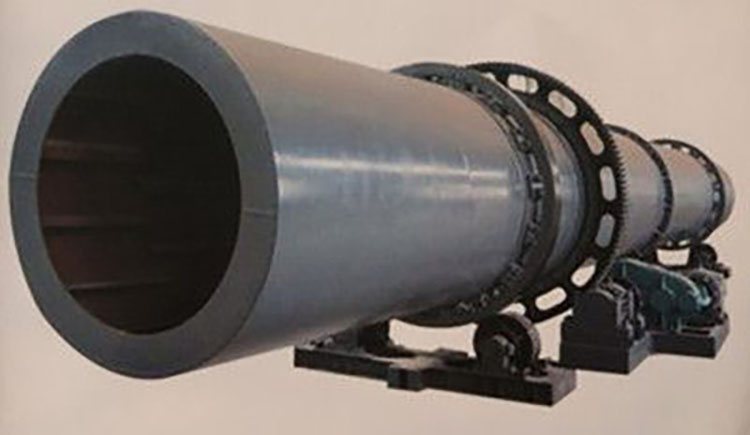
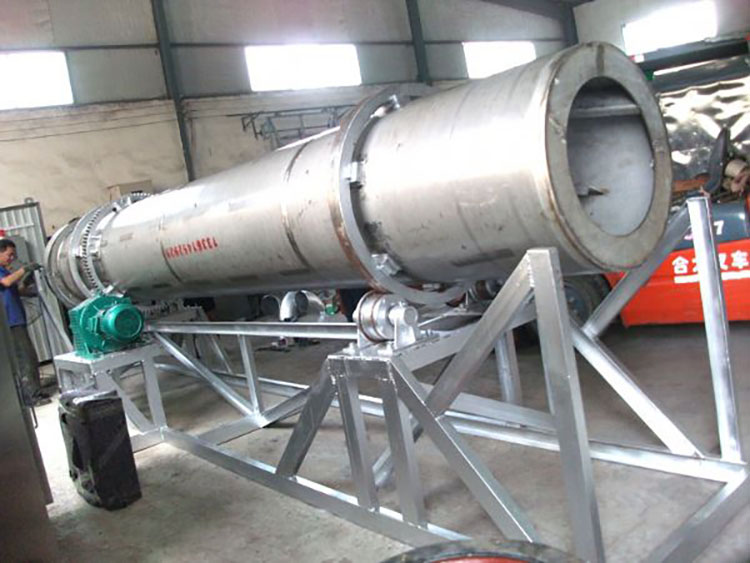
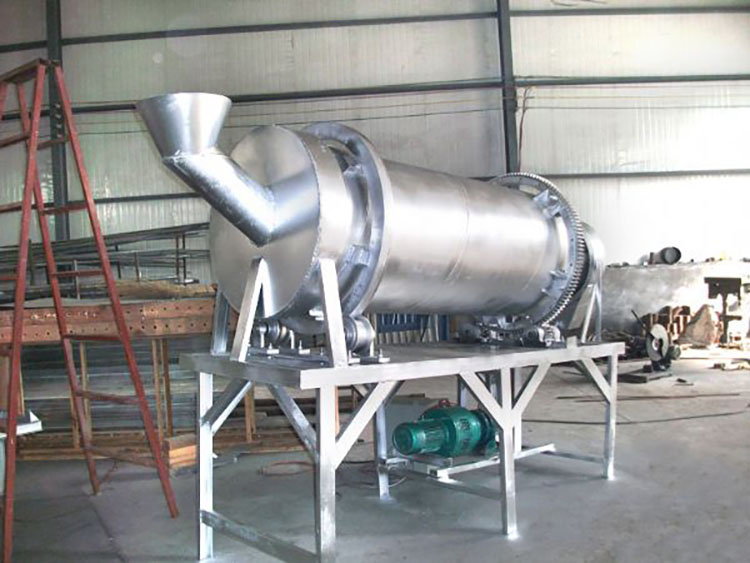
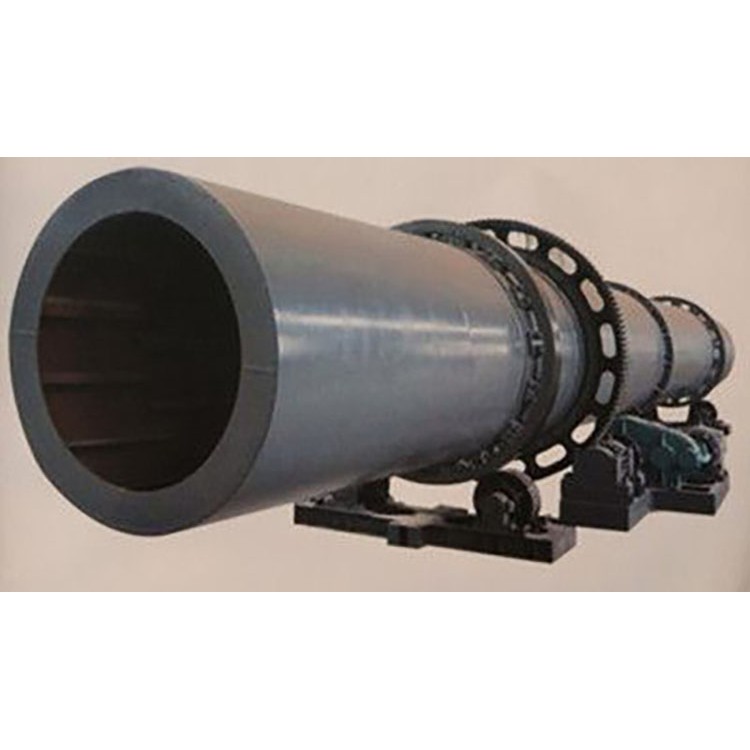
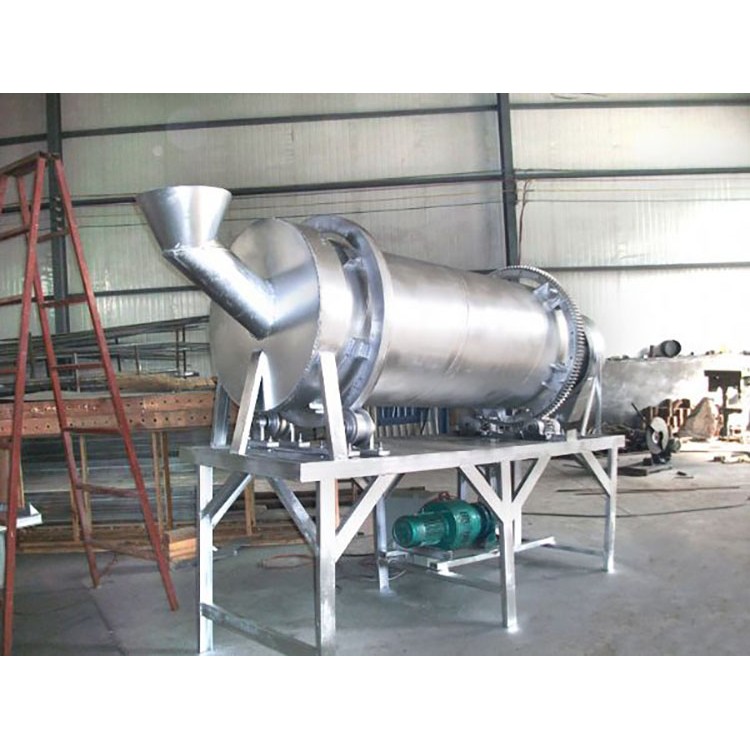
Quartz sand is conveyed to the hopper by a belt conveyor or a bucket elevator, then it is fed into the charging end through the charging pipe by the hopper's charging machine. The slope of the charging pipe must be greater than the natural angle of repose of the material to ensure smooth flow into the dryer. The dryer cylinder is a rotating cylinder slightly inclined from the horizontal line. Material is added from the higher end, while the heat carrier enters from the lower end, contacting the material in a countercurrent manner; there are also instances where the heat carrier and material flow into the cylinder together. As the cylinder rotates, the material is moved by gravity to the lower end. During its forward movement within the cylinder, the wet material is directly or indirectly heated by the heat carrier, allowing it to dry. Then, it is discharged at the outlet end via a belt conveyor or a screw conveyor. Scrapers are installed on the inner wall of the cylinder, which function to lift and scatter the material, increasing the contact surface area with the airflow to enhance drying speed and promote material movement. Heat carriers typically include hot air, flue gas, etc. After passing through the dryer, the gas is usually captured using a cyclone separator to remove the carried material. To further reduce the dust content in the exhaust gas, it should be passed through a baghouse or a wet scrubber before being released.
Technical Specifications: