







Equipment Introduction
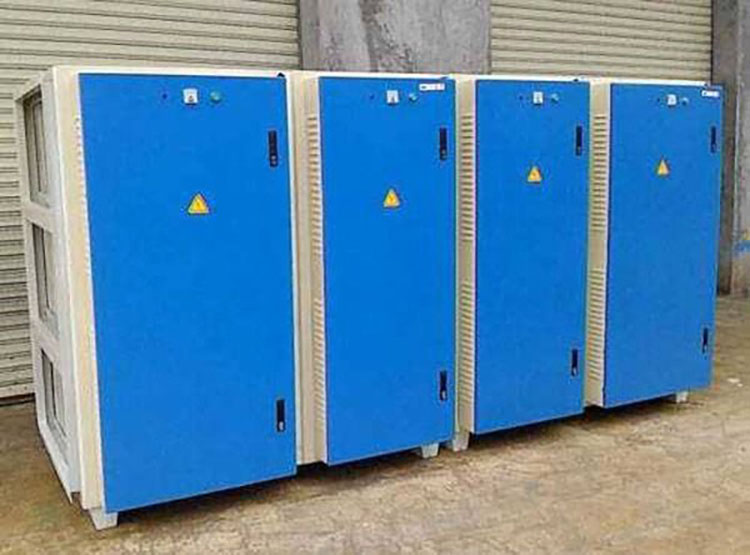
Activated carbon adsorption involves both physical and chemical adsorption. The adsorption capacity of activated carbon depends on both its pore structure and chemical composition.
Activated carbon not only contains carbon but also has trace amounts of oxygen and hydrogen, chemically bonded to functional groups such as carbonyl, carboxyl, phenolic, lactone, quinone, and ether. These surface oxides and complexes, some derived from the raw material derivatives and others formed during or after activation due to the action of air or steam, are sometimes accompanied by surface sulfides and chlorides. During activation, the minerals present in the raw material concentrate in the activated carbon, forming ash, which primarily consists of salts of alkali and alkaline earth metals, such as carbonates and phosphates.