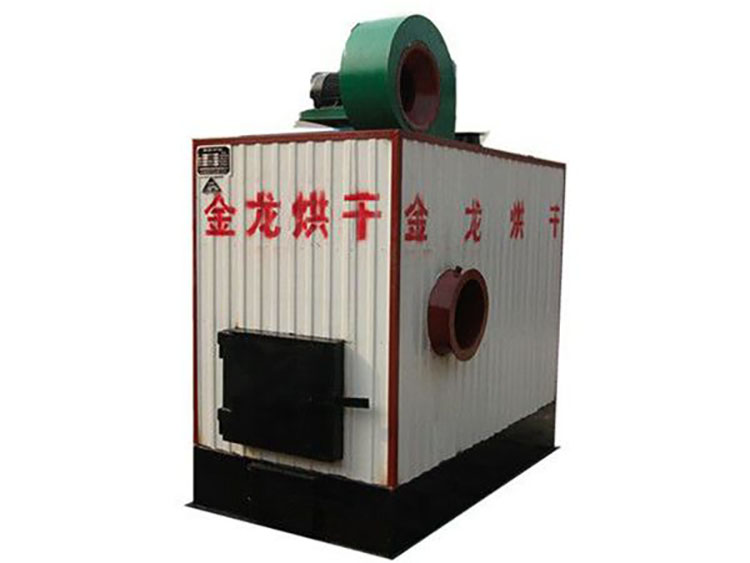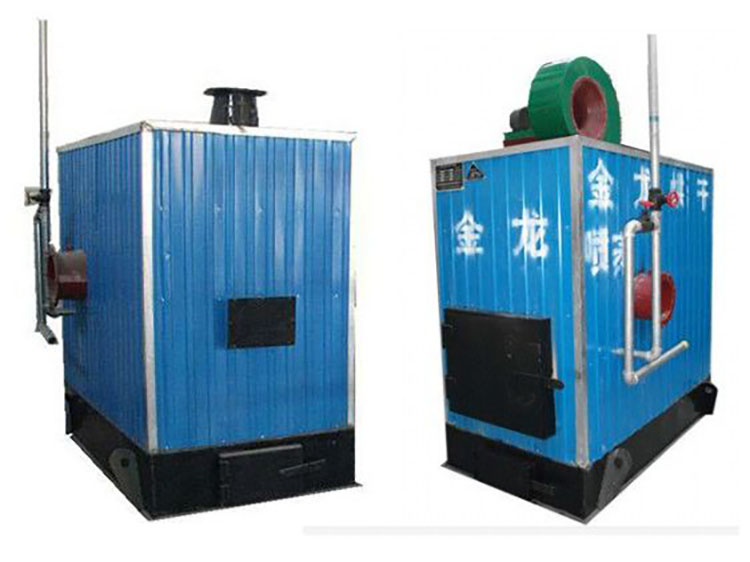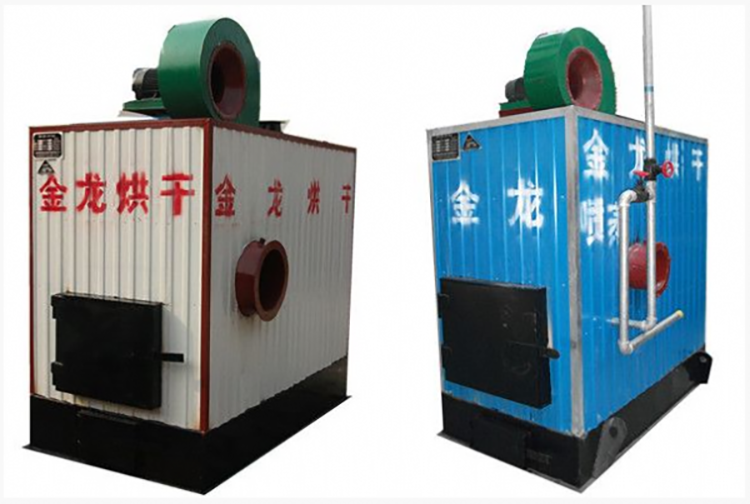








JLM Series Hot Air Heater
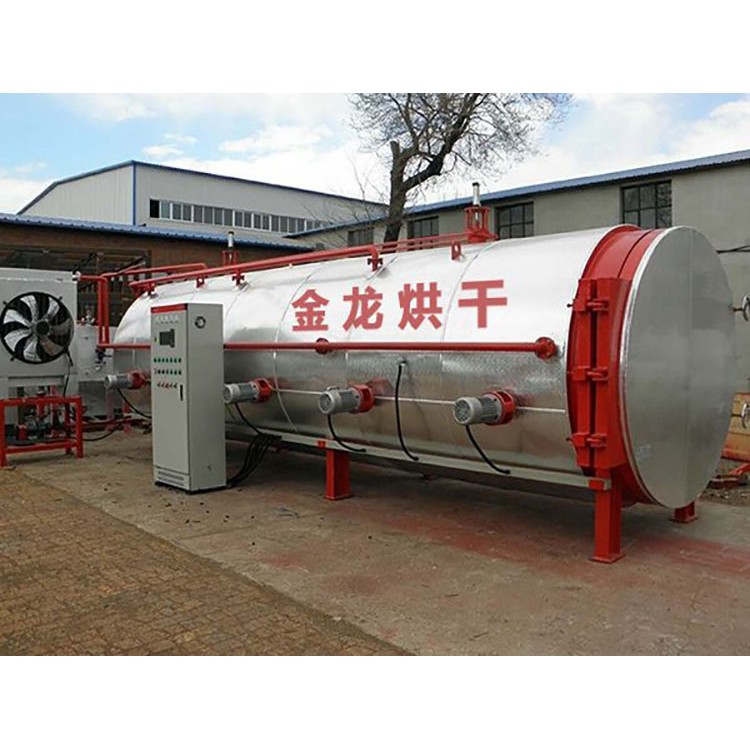
Main Structure: The JLM hot air furnace is divided into two sections, the combustion section, and the heat exchange section, which operate independently of each other.
Equipment Features
1. Energy-saving. Air heating does not require water, eliminating the need for pipelines, radiators, and circulating pumps. Instead, it directly delivers warm air to the heating points and spaces, resulting in minimal heat loss and a relatively low investment in auxiliary equipment. Air heating also achieves a quick temperature rise.
2. Low operation costs. Compared to steam hot water heating, heating efficiency can be increased by over 60%, energy savings can reach over 70%, and the investment and maintenance rate can be reduced by approximately 60%, demonstrating significant economic benefits.
3. User-friendly and reliable, this unit is a pressure-free hot air furnace with adjustable temperatures. It operates without pressure, eliminating the need for a full-time boiler operator. Its flexibility allows for easy on-off control and versatile operation.
4. Wide heating range. The airspeed, airflow, and wind pressure can be configured according to the heating area to accommodate the varying needs of different heating spaces, heights, and lengths.
5. Fast air circulation. Facilitates the exhaust of harmful gases, purifies the ambient air, and also allows for humidification of hot air, regulating the ambient humidity.
6. Comprehensive equipment investment savings, easy to operate, safe and reliable, virtually no maintenance costs, easy to install, and excellent heating performance make it the ideal heating equipment for offices, workshops, greenhouses, vegetable sheds, and animal husbandry industries.
Working Principle
1. The fan heater can deliver clean air into the hot air stove via internal and external air intake, utilizing a reciprocating heating cycle to produce high-temperature air. This air is then expelled through a high-pressure blower, boasting high thermal efficiency and rapid temperature rise, with the potential for secondary energy recovery to reduce costs. Heat exchange is conducted through pipes to input various heating points and spaces.
2. Fuel Types: Coal, wood chips and sawdust, light and heavy oils, liquefied gas.

Application Scope
1. Large shopping malls, exhibition halls, swimming pools, and gymnasiums.
2. Industrial factories and office spaces
3. Offices and stores in various shops, as well as markets.
4. Poultry, livestock, and fish farming greenhouses; vegetable and flower greenhouses.
Technical Specifications: