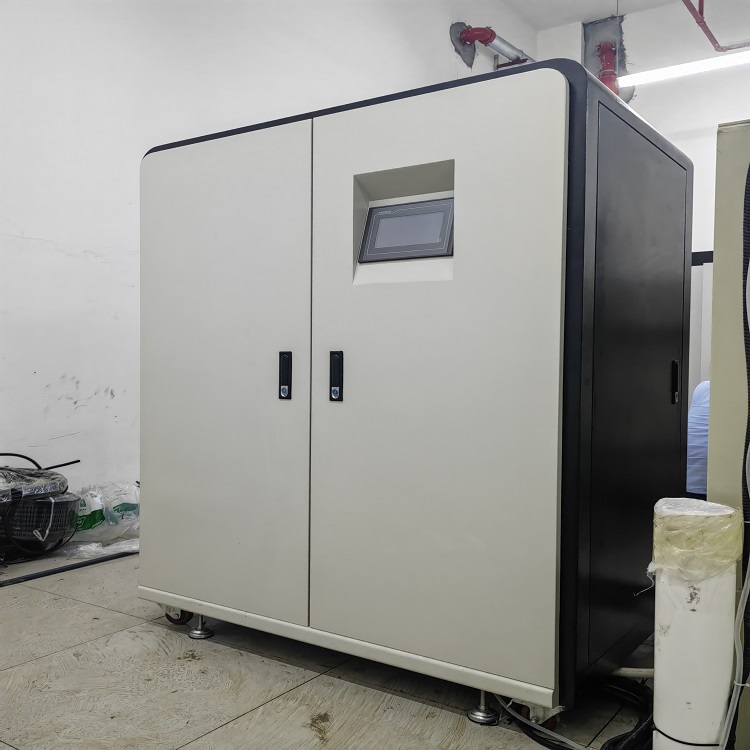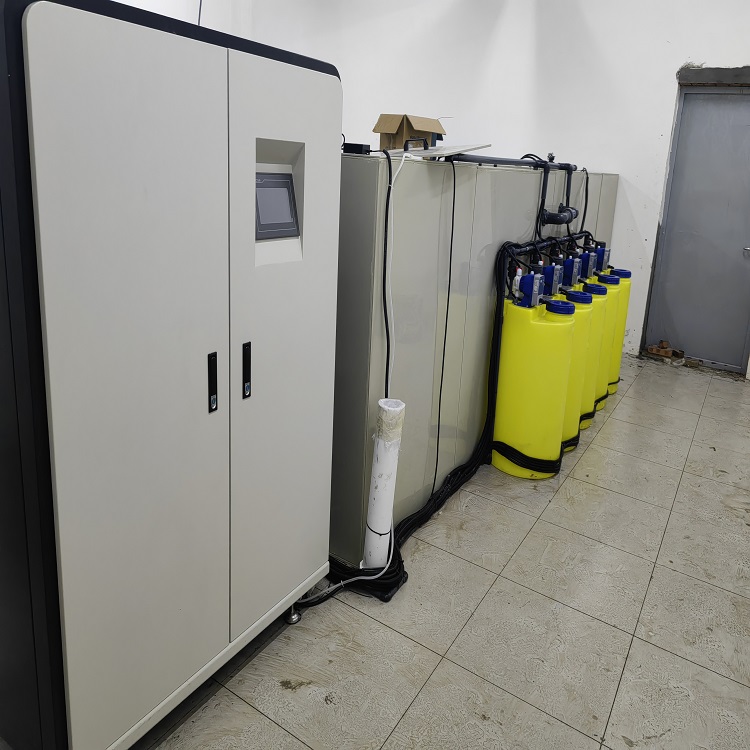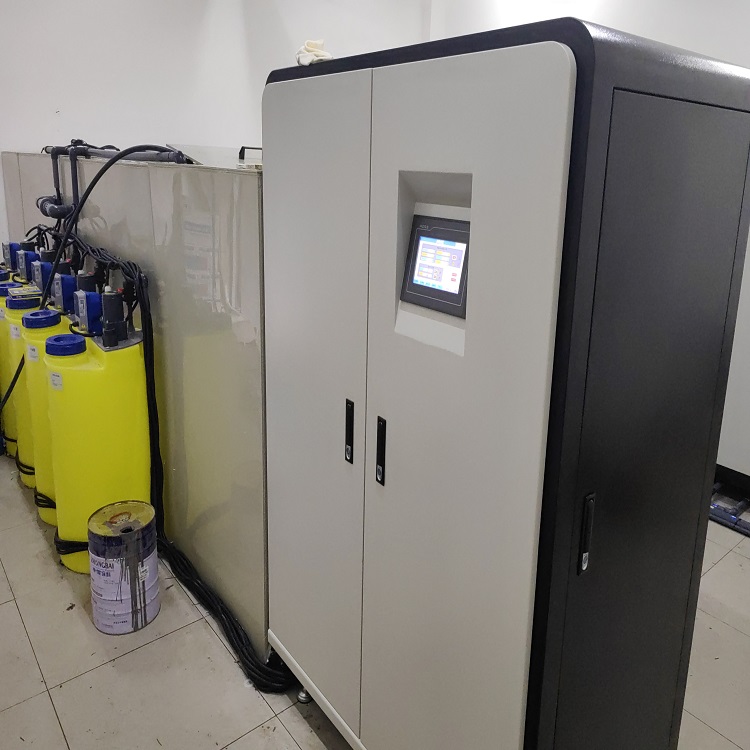

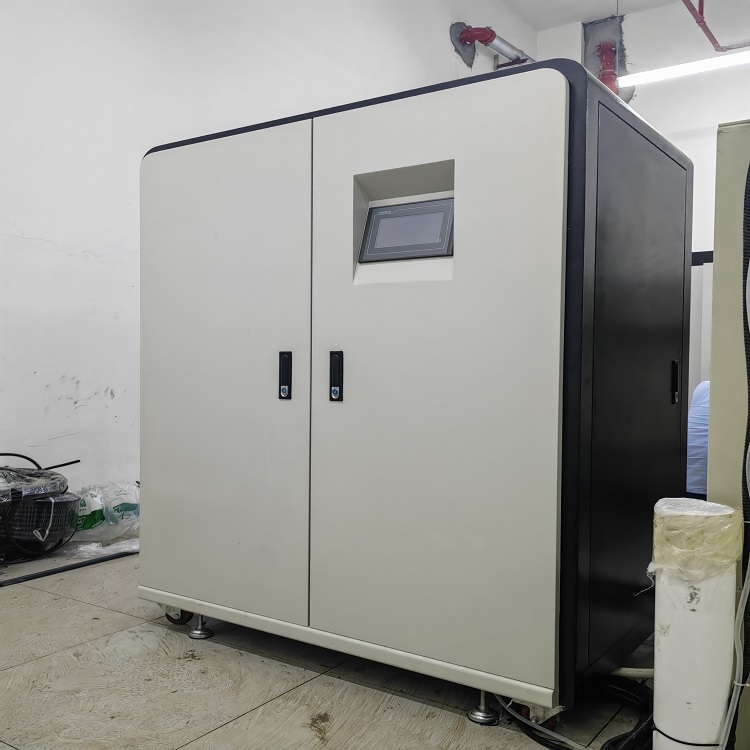

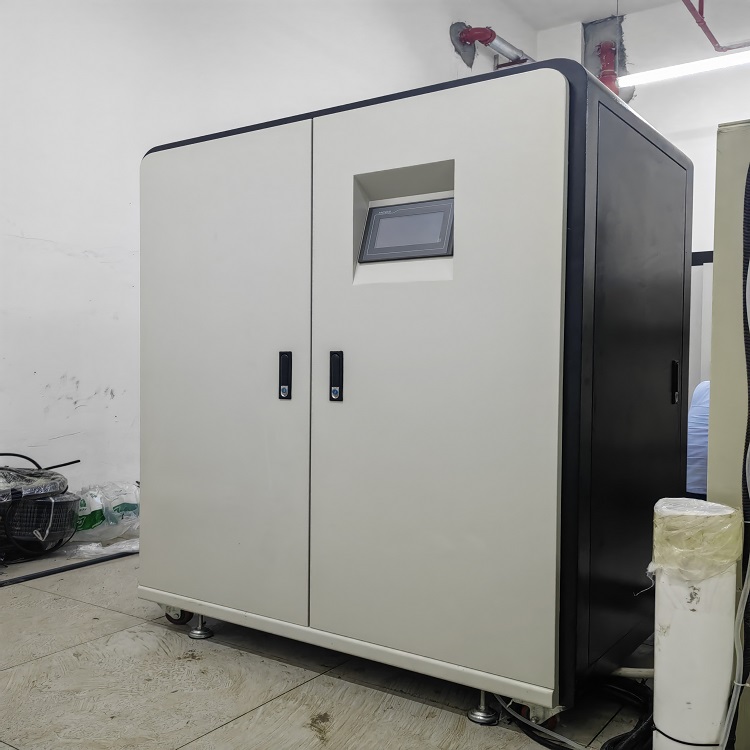
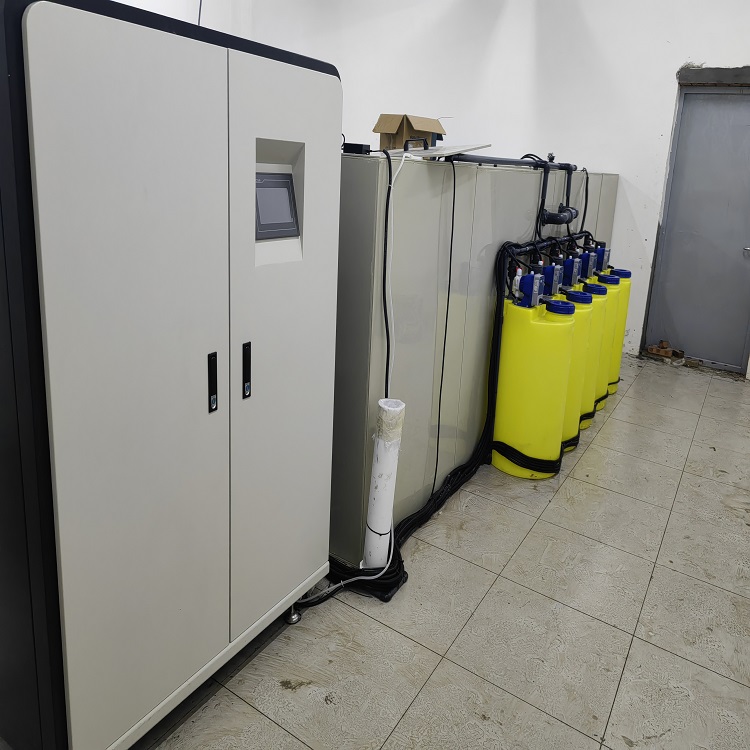
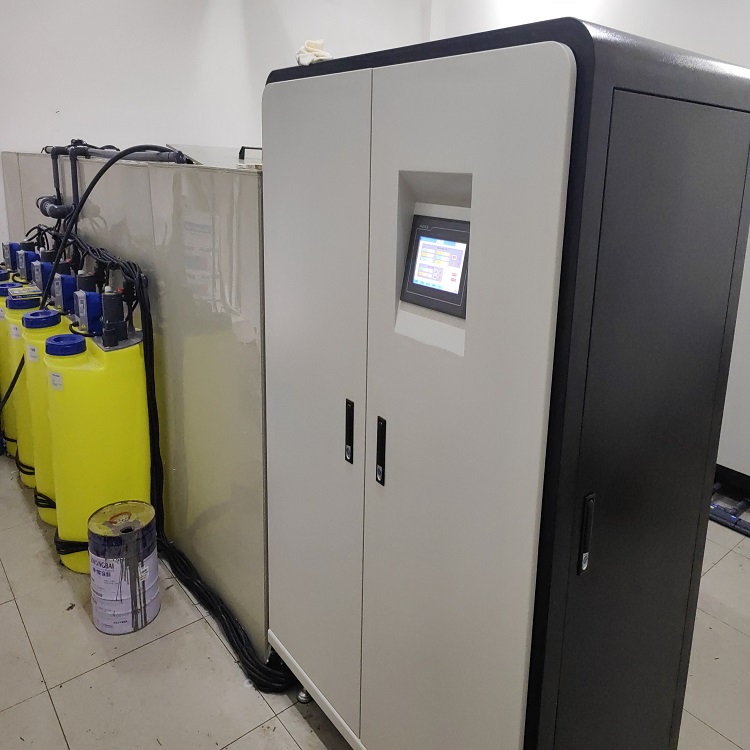












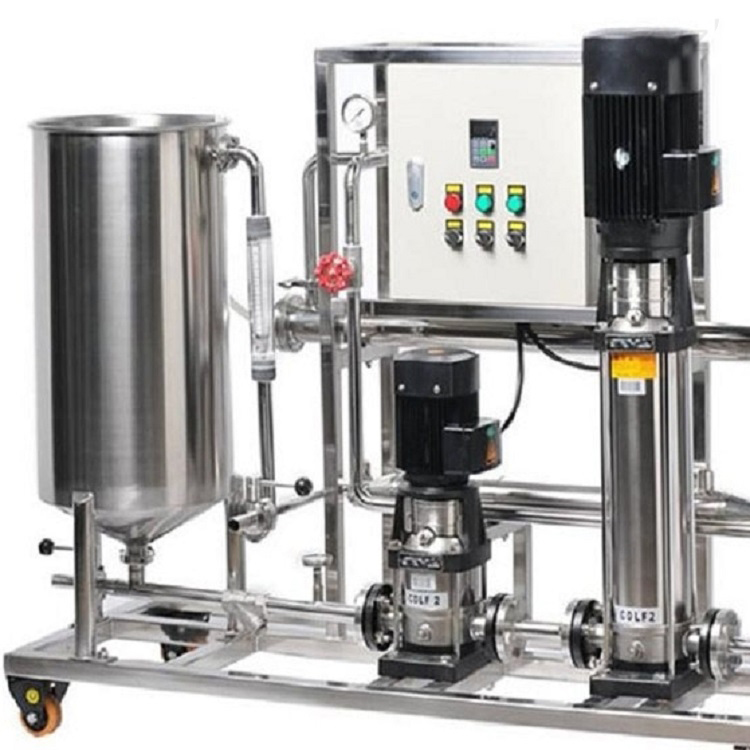
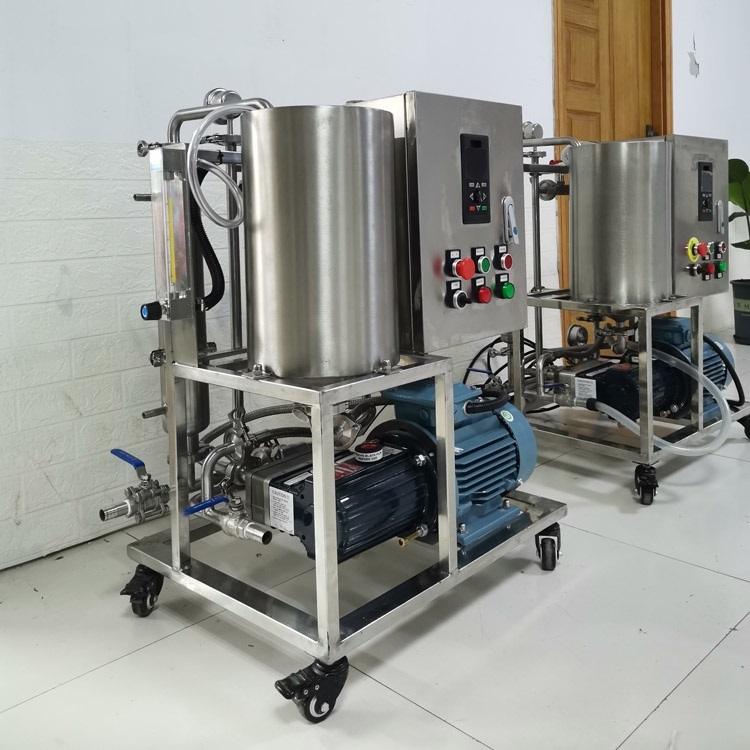
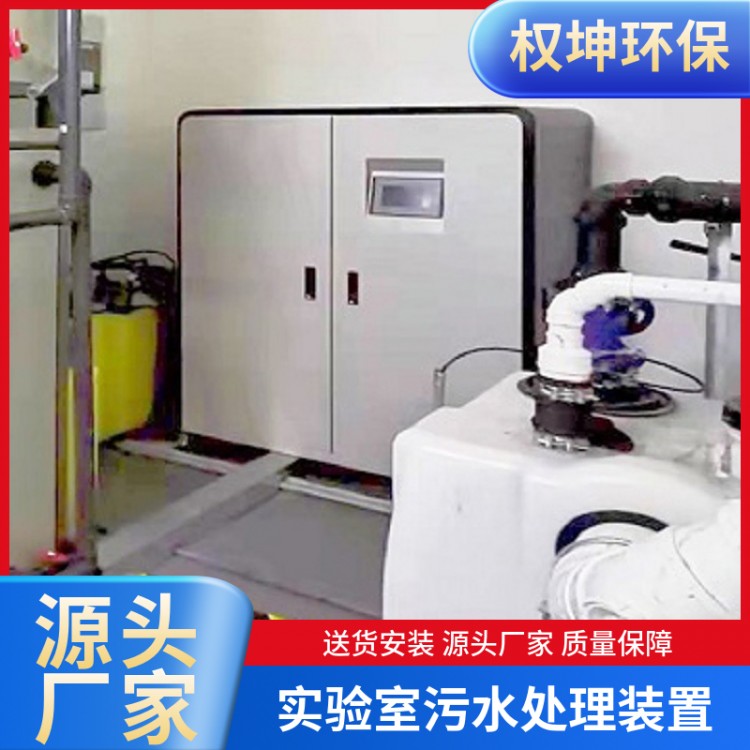
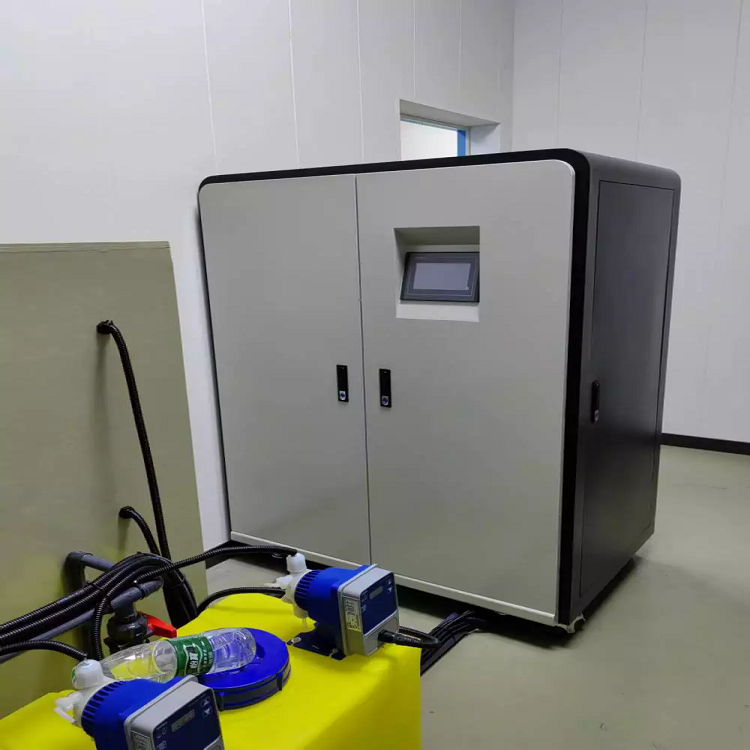
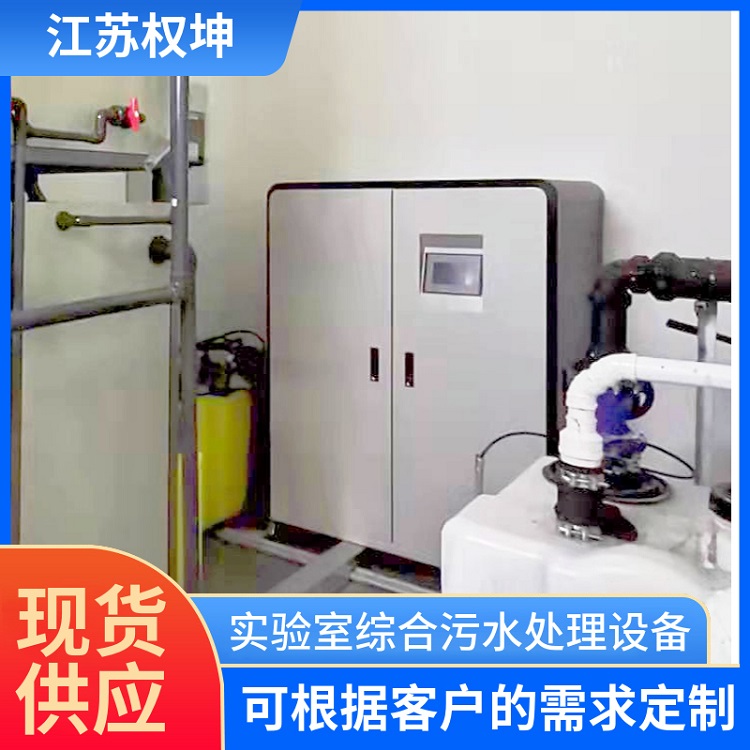
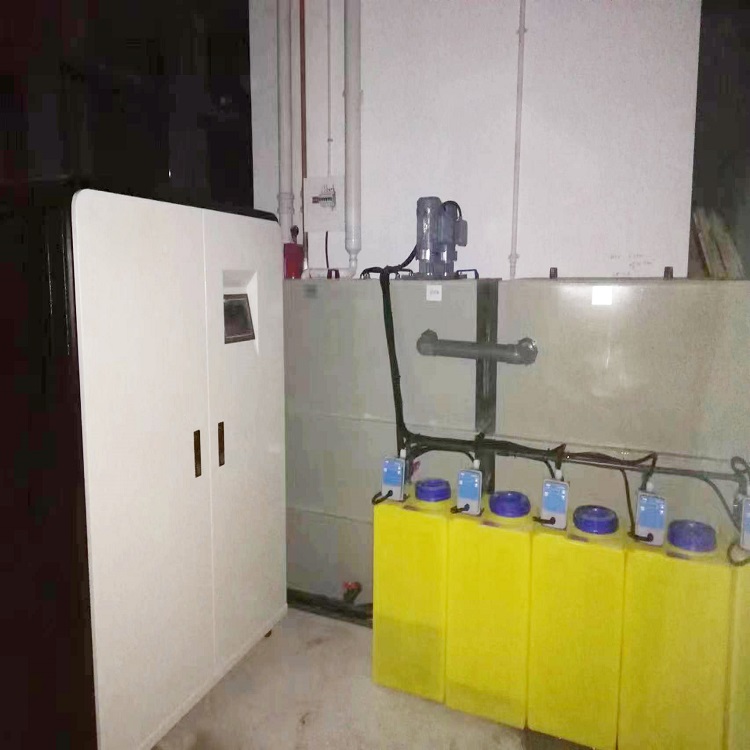
Integrated Wastewater Treatment System - Laboratory Wastewater Treatment Integrated Unit - Quankun Customized
The basic principle of laboratory wastewater treatment equipment is to remove or convert harmful substances in wastewater into harmless ones through physical, chemical, and biological methods, thereby achieving the goal of wastewater purification. Physical treatment primarily includes steps such as filtration, sedimentation, and centrifugation, which can remove suspended particles and plankton from wastewater; chemical treatment adjusts the pH value and adds chemicals to decompose, precipitate, or convert chemical substances in wastewater; biological treatment utilizes the metabolic action of microorganisms to convert organic matter in wastewater into harmless substances.
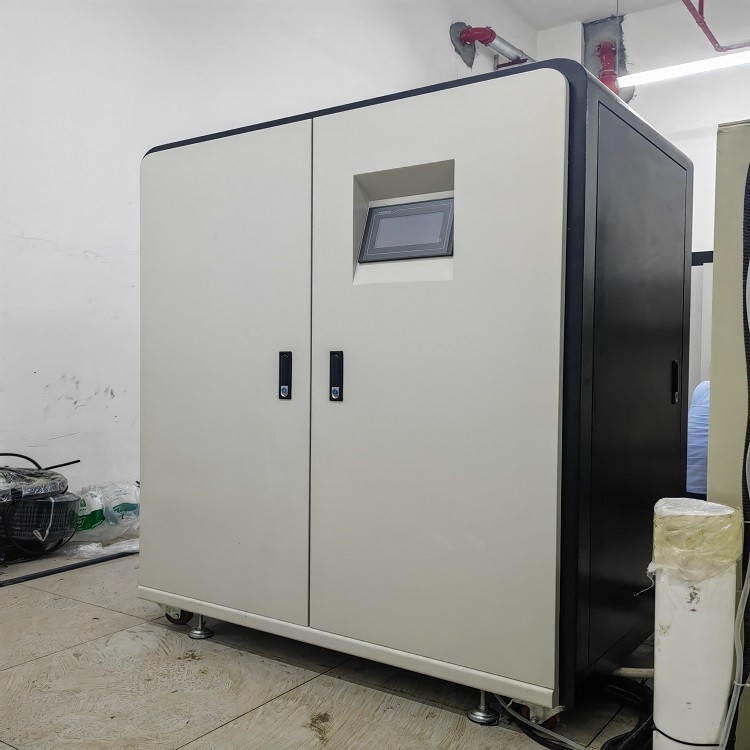
Features of Laboratory Water Treatment Equipment:
1. Capable of denitrification and phosphorus removal, able to meet the requirements for treating industrial wastewater, domestic wastewater, and urban wastewater through adjusting the equipment structure.
2. The equipment has strong impact load resistance, with an average residence time of over 6 hours in the contact oxidation process.
3. Equipment produces stable water quality with minimal sludge output and easy handling.
4. The contact oxidation tank is equipped with an aeration blower for aeration, which allows fibers to continuously float and ensures uniform aeration. This promotes the growth and maturation of microorganisms within the tank, exhibiting characteristics of the activated sludge process.
5. Water treatment equipment can be placed above ground or buried underground. Reduces land footprint and saves on land usage area. When buried underground, the top can be covered with green vegetation.
6. The equipment not only employs conventional silencing measures with blowers but also features new sound-absorbing materials installed on the interior walls of the blower room, ensuring that the noise level during operation is below 50 decibels, thereby minimizing the impact on the surrounding environment.
7. Submersible pumps can be installed within the equipment, saving costs.
8. Simple and convenient to operate, saving labor; manual operation or automatic operation is available.


Based on different treatment methods and application scenarios, wastewater treatment equipment for testing laboratories can be categorized into the following types:
1. Physical Treatment Equipment: Such as sedimentation tanks, filters, etc., which remove suspended solids and sediments from wastewater through physical processes.
2. Chemical Treatment Equipment: Including dosing systems, reactors, etc., used for removing soluble harmful substances from wastewater through chemical reactions.
3. Biological Treatment Equipment: Such as activated sludge ponds, biofilm reactors, etc., which utilize the metabolic action of microorganisms to degrade organic matter in wastewater.
4. Integrated Treatment Equipment: Combines physical, chemical, and biological treatment methods to form an efficient and energy-saving wastewater treatment system.
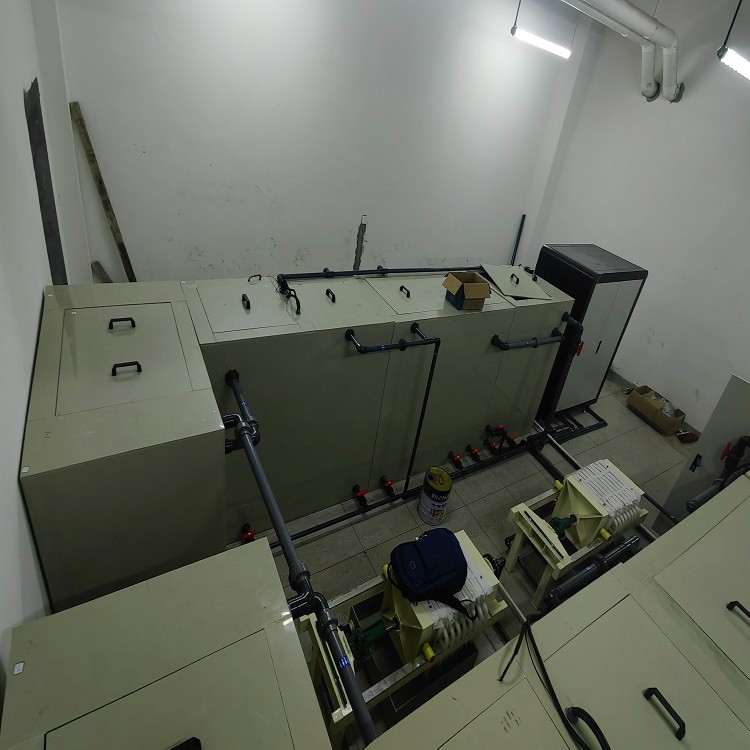
Operating Principle:
Wastewater Collection System: Equipped with dedicated wastewater collection containers, capable of collecting various types of acidic and alkaline wastewater.
2. Wastewater Pretreatment System: This system is capable of removing large particles and certain harmful microorganisms from wastewater.
3. Neutralization Reaction System: The equipment is equipped with a neutralization reactor that can neutralize acidic and alkaline substances, converting them into neutral matter.
4. Filtration System: Through the filter, fine particles and various harmful substances in the wastewater can be further removed.
5. Emission System: Treated wastewater is discharged into the public drainage system after meeting the emission standards through the emission system.

Integrated Sewage Treatment Package - Lab Sewage Treatment System - Quankun Customized
Application Scope:
Laboratory wastewater treatment equipment is widely used in universities, colleges, research institutions, medical facilities, biopharmaceuticals, disease control centers, environmental supervision, product quality inspection, inspection and quarantine, drug inspection, blood stations, animal husbandry, hospitals, petrochemical industries, and various laboratories and chemical laboratories for wastewater treatment. After treatment, the wastewater meets the first, second, and third-level standards of the Comprehensive Wastewater Discharge Standard [GB8978-1996]. Treated wastewater can be discharged into the municipal wastewater network or reused through further treatment processes.