



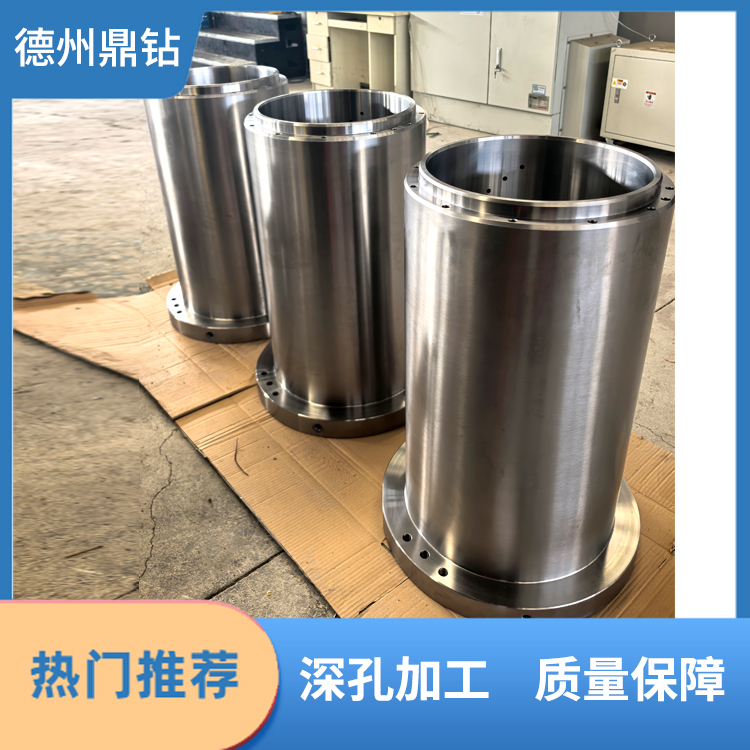
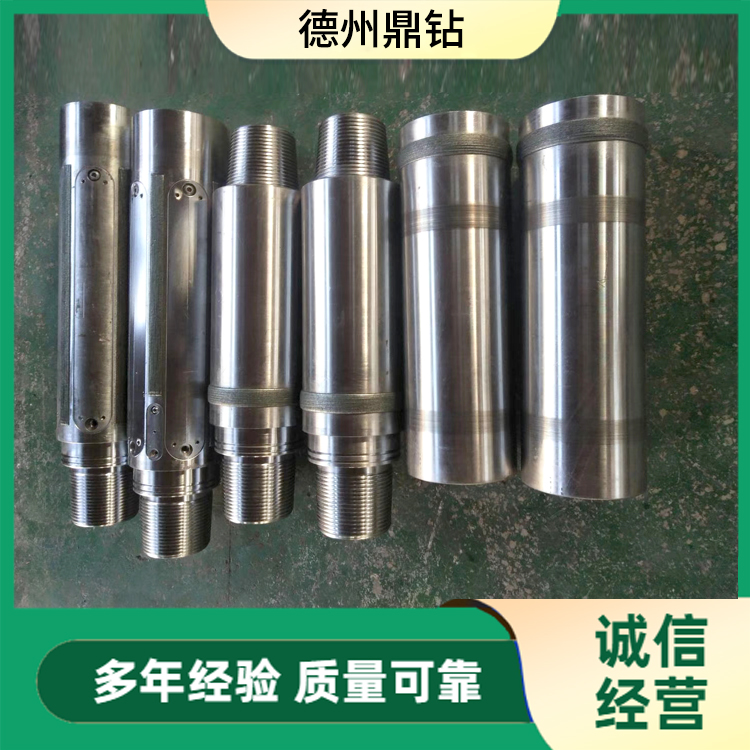
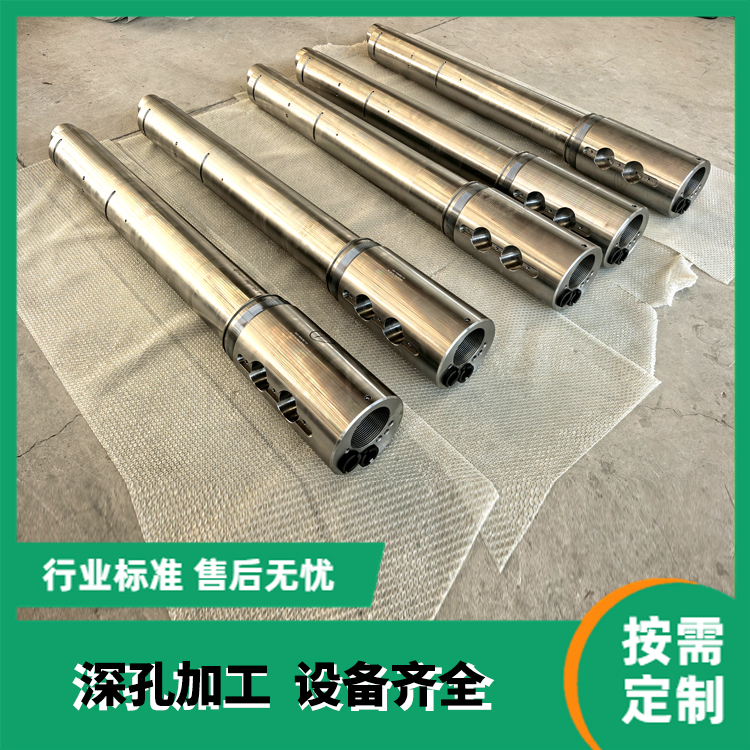
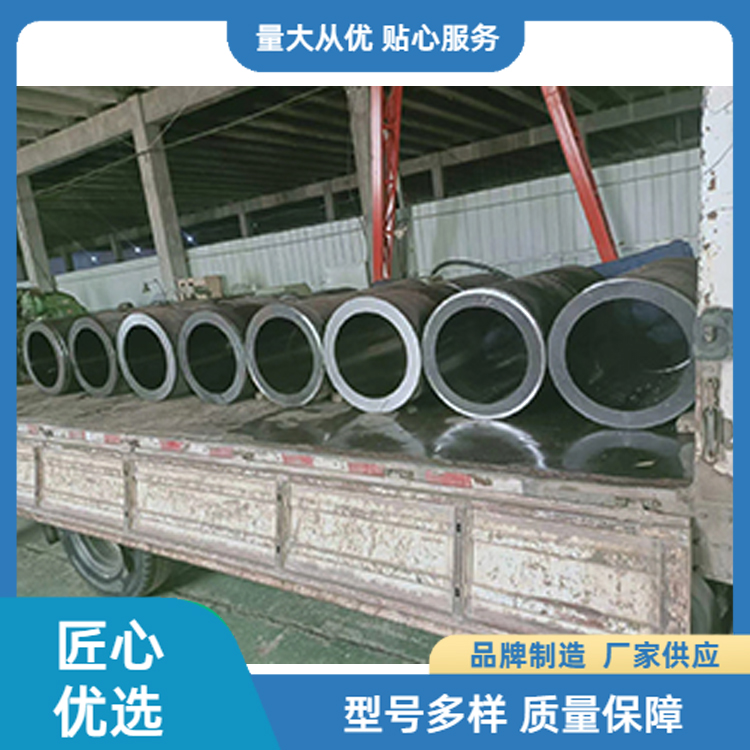





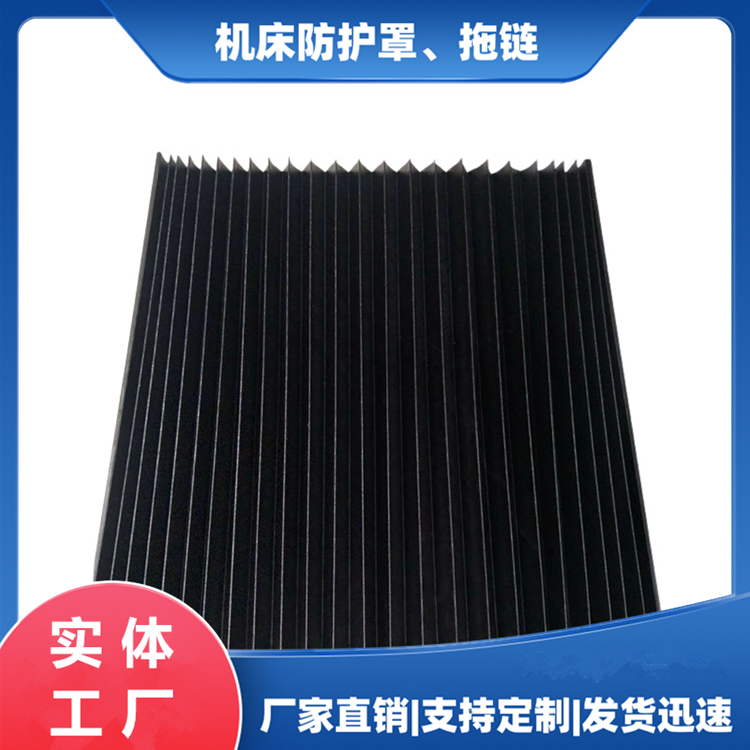
Introducing Oil Cylinder Protective Sleeves
Section 1:Definition and Core Functions
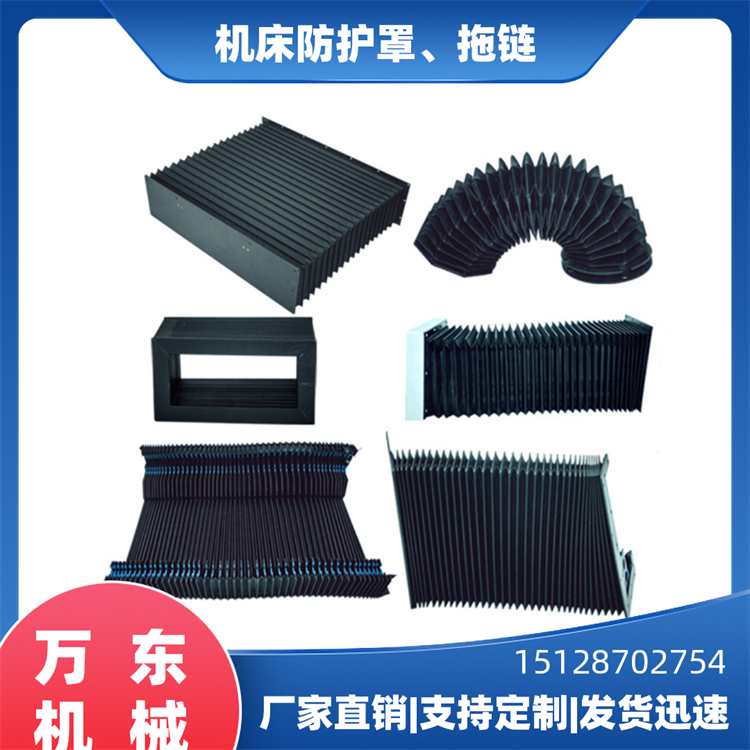
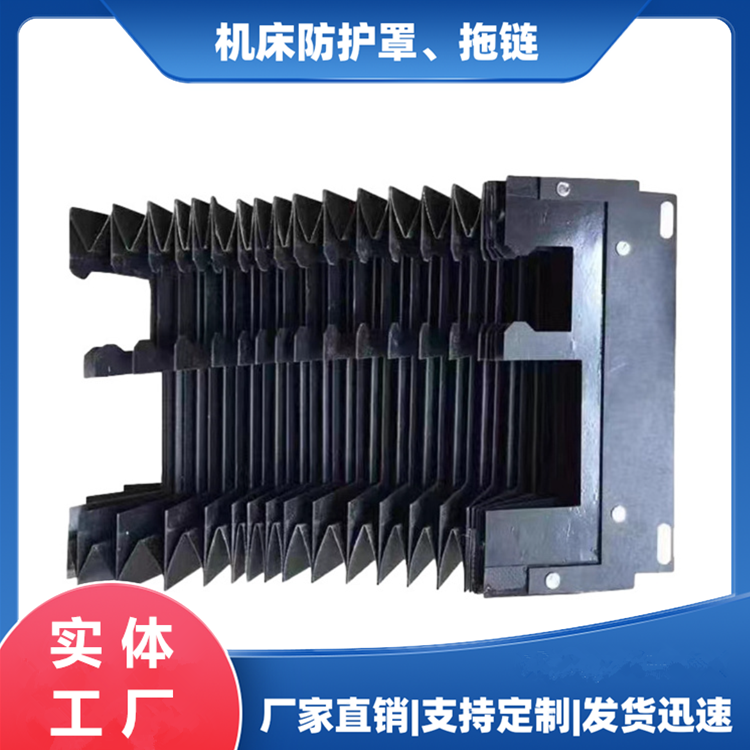
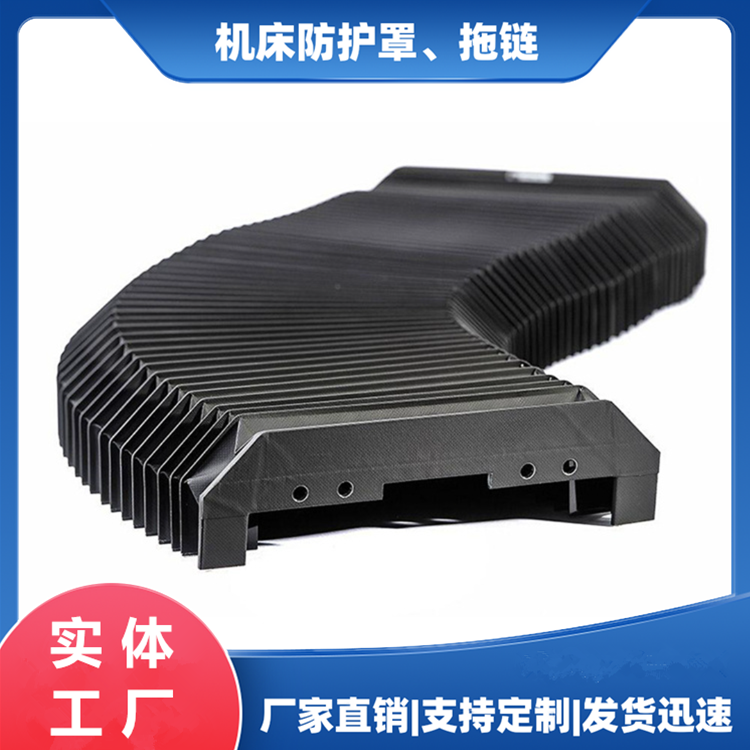
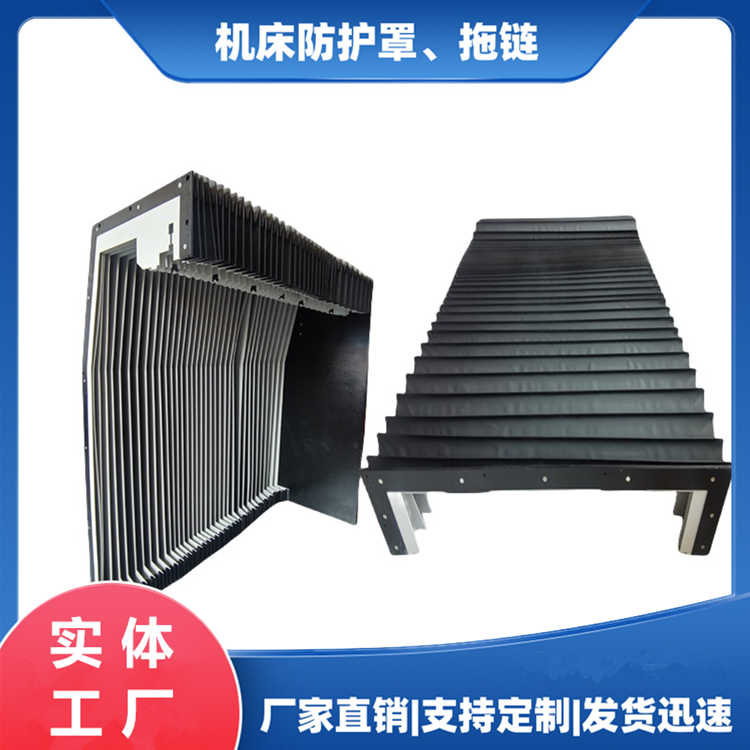
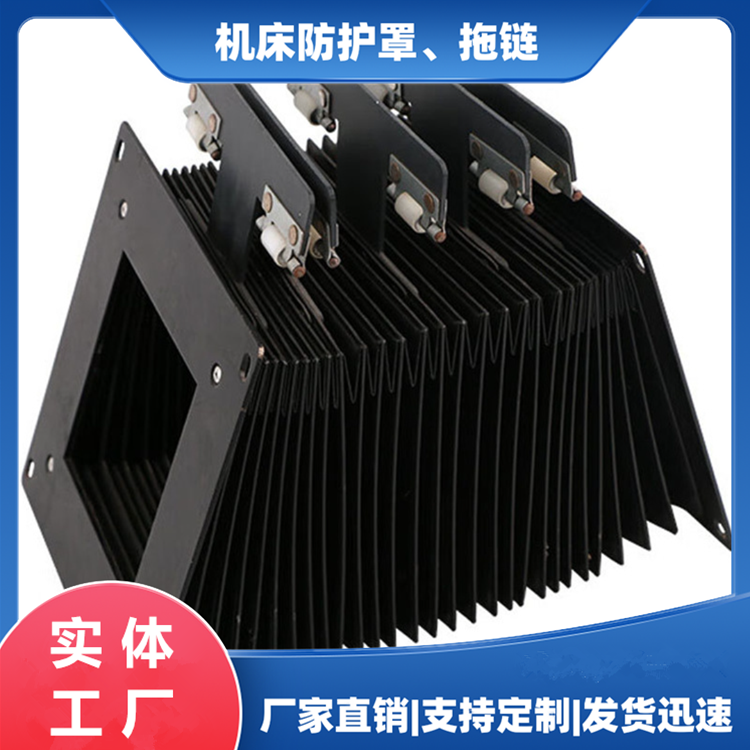
The cylinder protector is a protective device for hydraulic cylinders, pneumatic cylinders, and other equipment, primarily serving functions such as dust, water, oil, and chemical corrosion resistance, as well as adaptability to high/low temperature environments.It isolates external contaminants (such as metal shavings, dust, liquids, etc.) to ensure the cleanliness of the oil cylinder interior, enhancing equipment stability and extending its service life.
Section IIPrimary Types
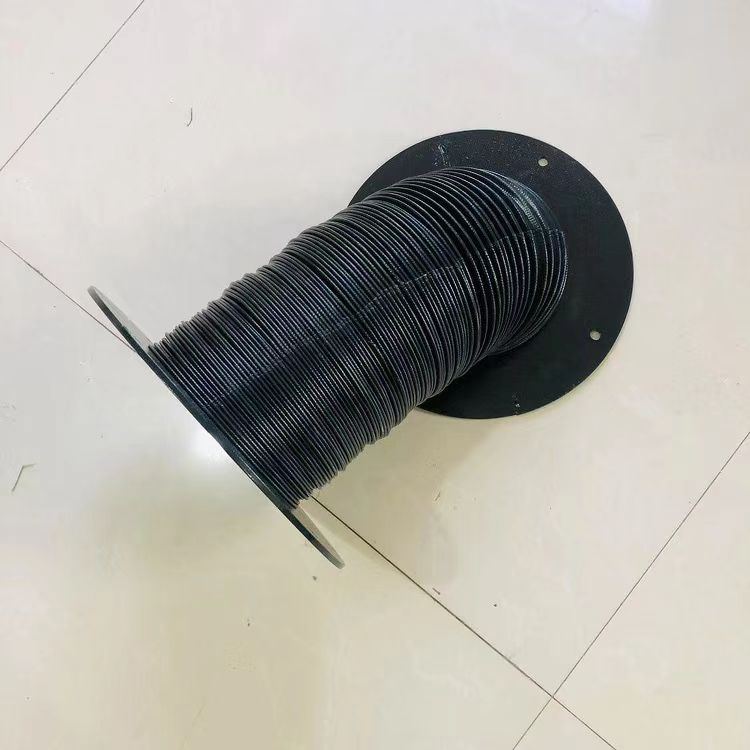
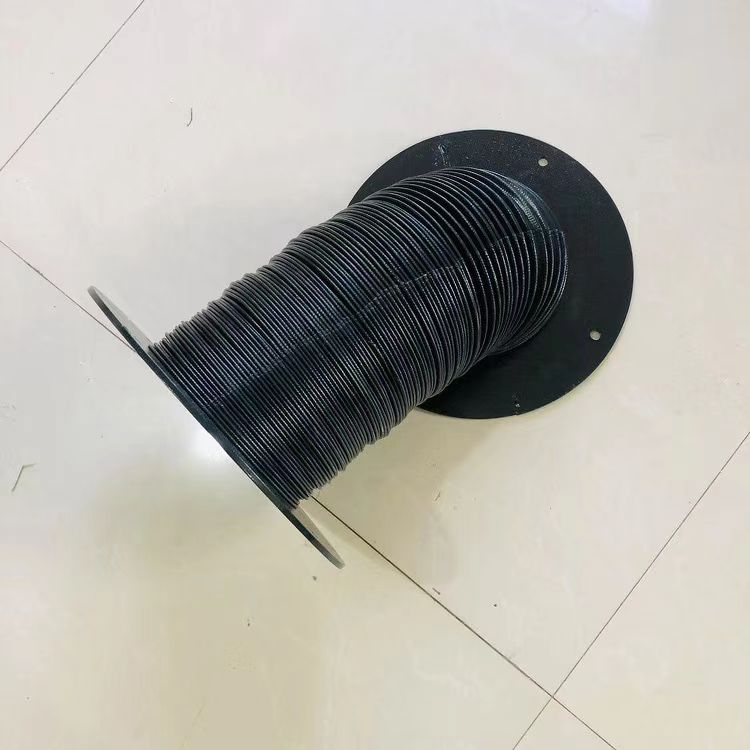
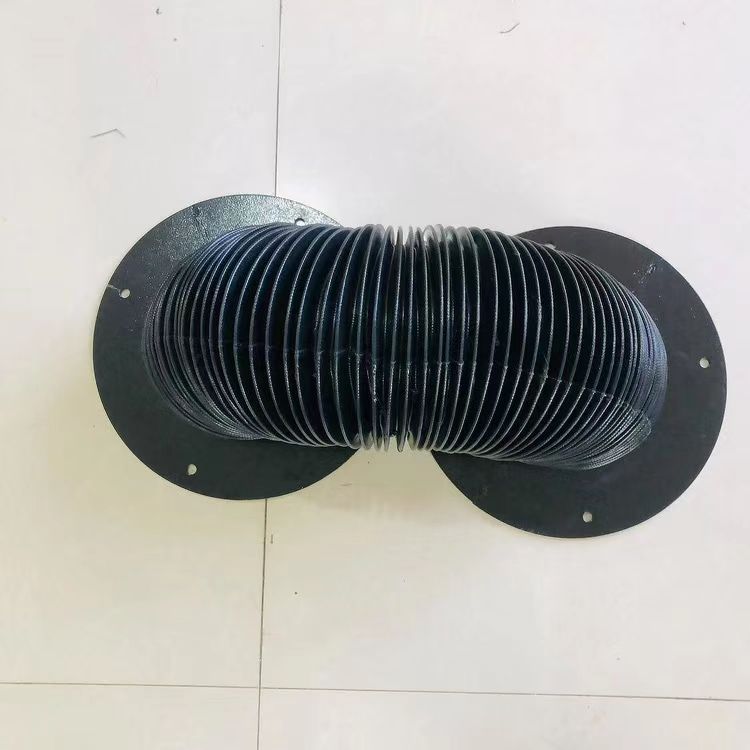
Steel Ring Supported
Internally reinforced with a steel wire spiral, available in high-temperature (110℃) or low-temperature (-40℃) resistant fabrics, suitable for harsh environments.
Features: Neat appearance, strong resistance to deformation, customizable sizes.
Sewn type
The stamped round pieces are secured through sewing techniques, available in integral, zipper, or detachable sticker styles for easy disassembly and maintenance.
Advantages: Strong in the horizontal direction, with options for wear-resistant and tear-resistant fabric materials.
Zipper adjustable伸缩带
Engineered for screw and solid shafts, adjustable for component expansion and movement, supports both vertical and horizontal installation, often paired with PVC flanges or metal rings for enhanced stability.
Section 3:Common Materials and Characteristics
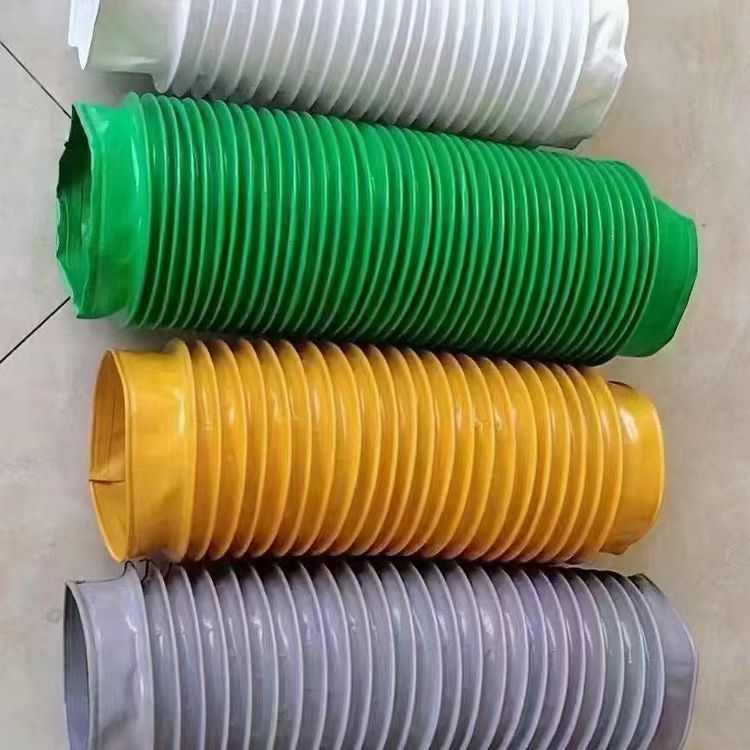
| Rubber | High elasticity, wear-resistant, suitable for medium to low temperature environments; prone to aging, not suitable for high temperature/high load conditions. | Small to medium-sized equipment, low-temperature environments. |
| Polyurethane (PU) | High-temperature, oil-resistant, and chemically resistant; suitable for heavy-duty equipment; higher cost. | High temperature, high pressure, and chemical environments. |
| Plastic (PVC) | Corrosion and high-temperature resistant, with high hardness; needs to fit the shape of the hydraulic cylinder. | General industrial environment. |
| Fabric | Lightweight, soft, cost-effective, but with lower protection; suitable for light-duty equipment. | Light machinery with no high-temperature requirements. |
FourDesign Features and Installation Methods
- Structural Design
Utilizing high-frequency hot-sealing or stitching techniques, we offer customization in various shapes such as cylindrical, conical, or lighthouse designs.
- Installation Method
Including clamp connections, flange fastening, or adhesive bonding, some models support quick disassembly (such as zipper-style).
- Enhanced Protection
Some cases feature an internal metal ring or a multi-layer structure to enhance crush resistance and wear resistance.
FiveApplication Value and Significance
- Extend equipment lifespan
Reduce wear on hydraulic cylinders caused by contamination and corrosion, thereby lowering maintenance costs.
- Enhance reliability
Maintain equipment stability in high-temperature, high-pressure, or high-speed friction environments.
- Economic benefits
Reduce downtime and maintenance frequency to enhance production efficiency.
Through proper selection (such as material and structure) and installation, hydraulic cylinder protectors can significantly enhance the overall performance and durability of machinery.