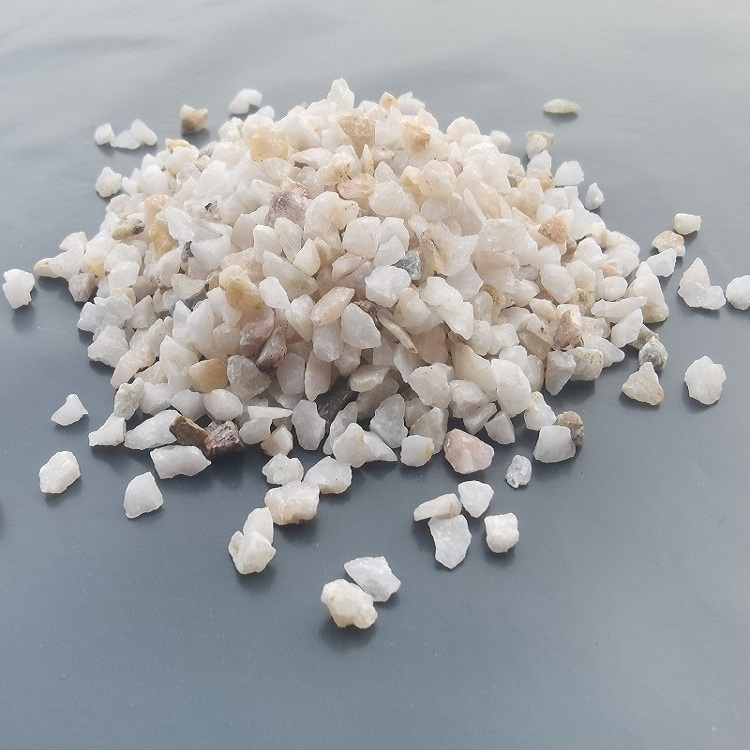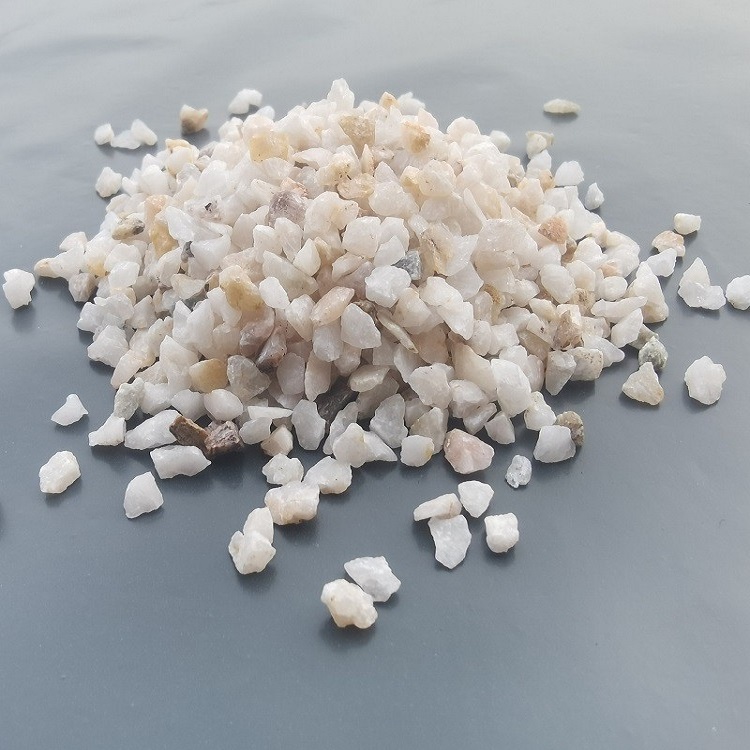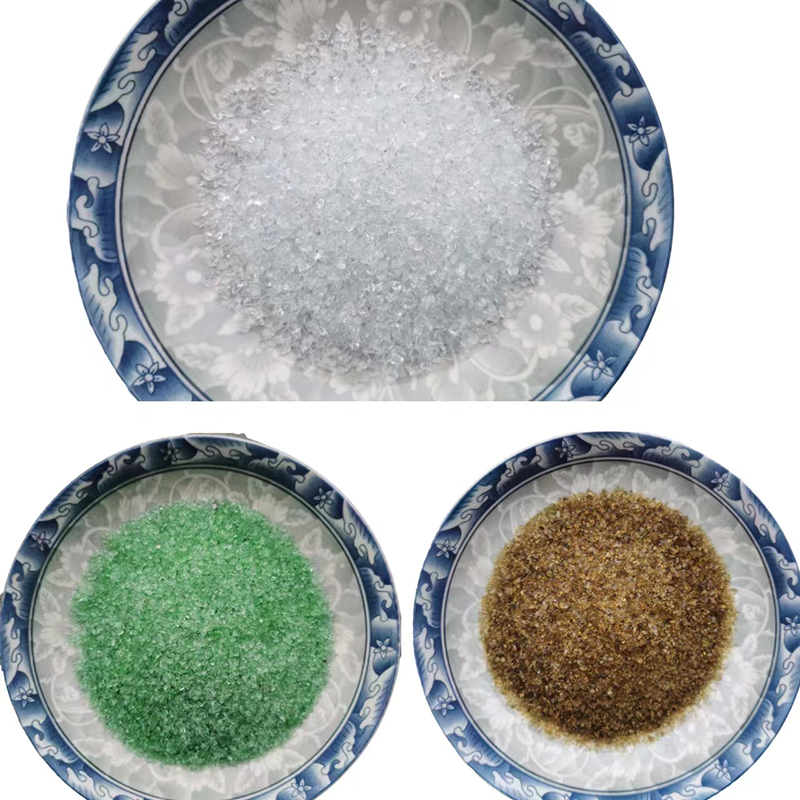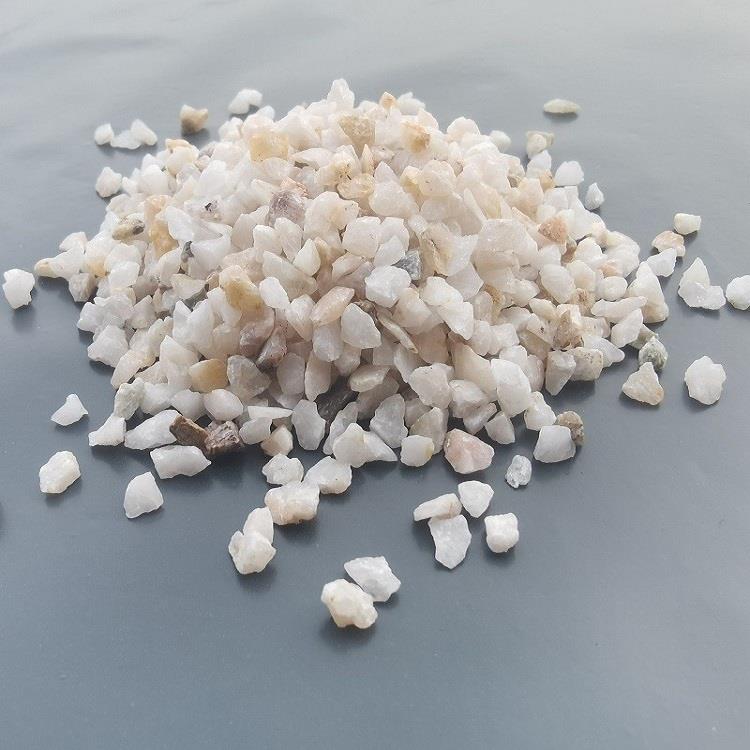

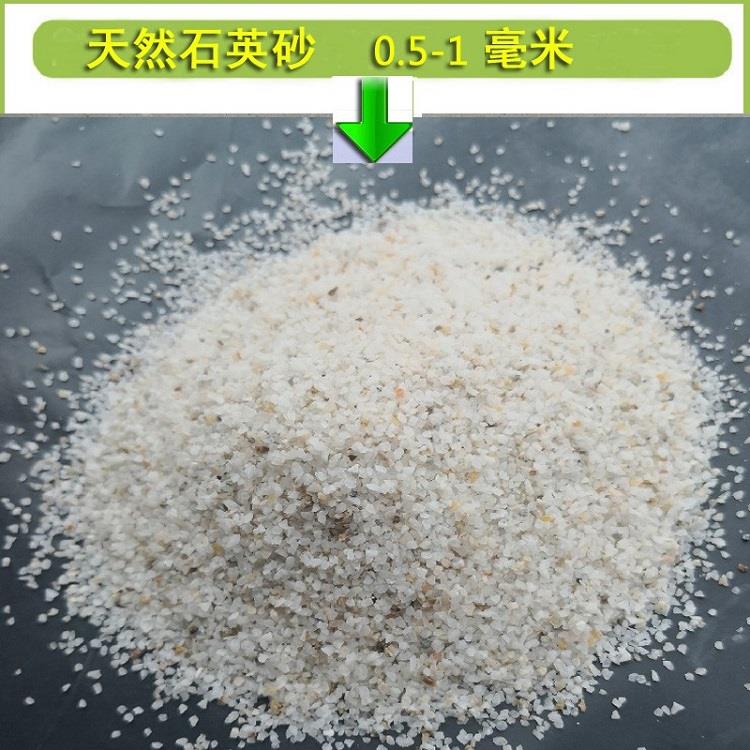
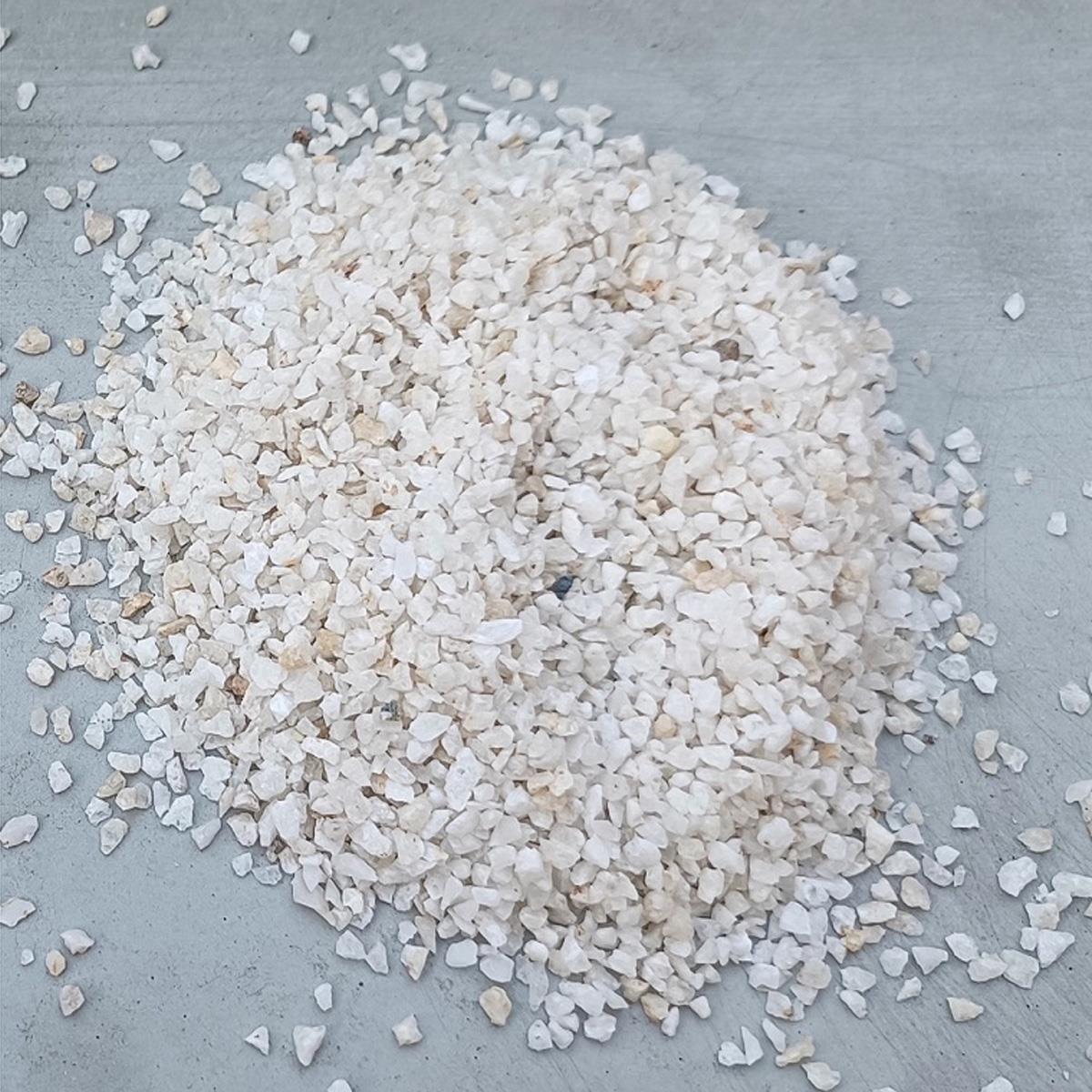


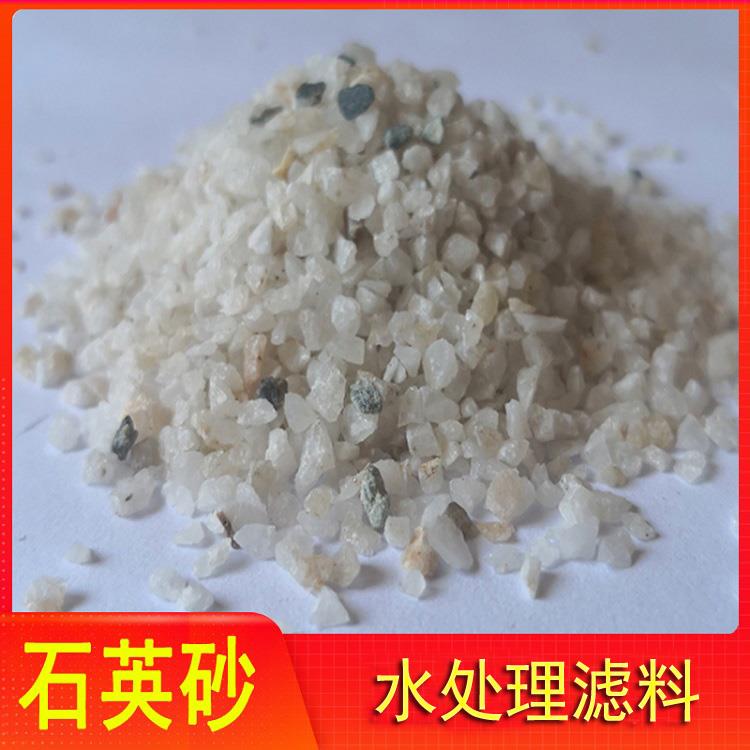
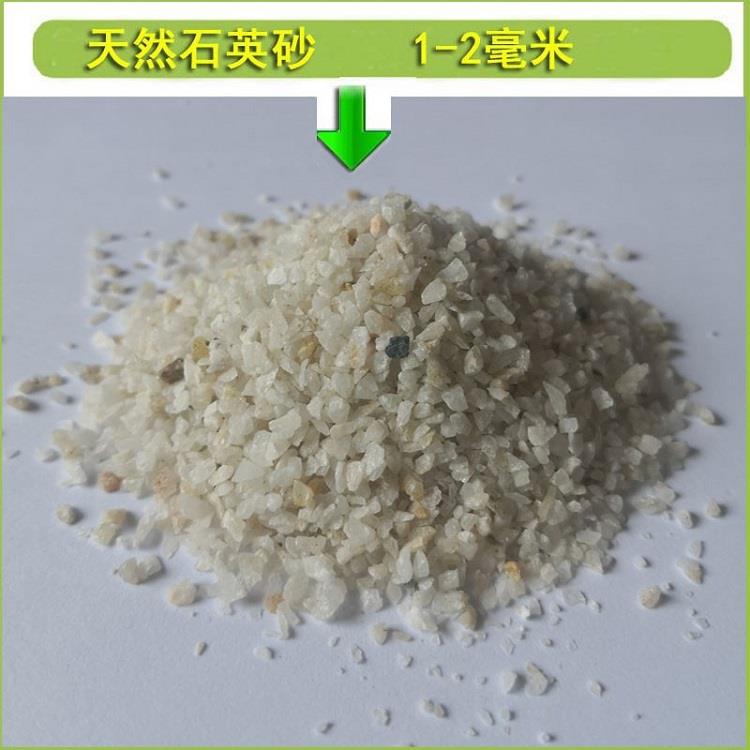
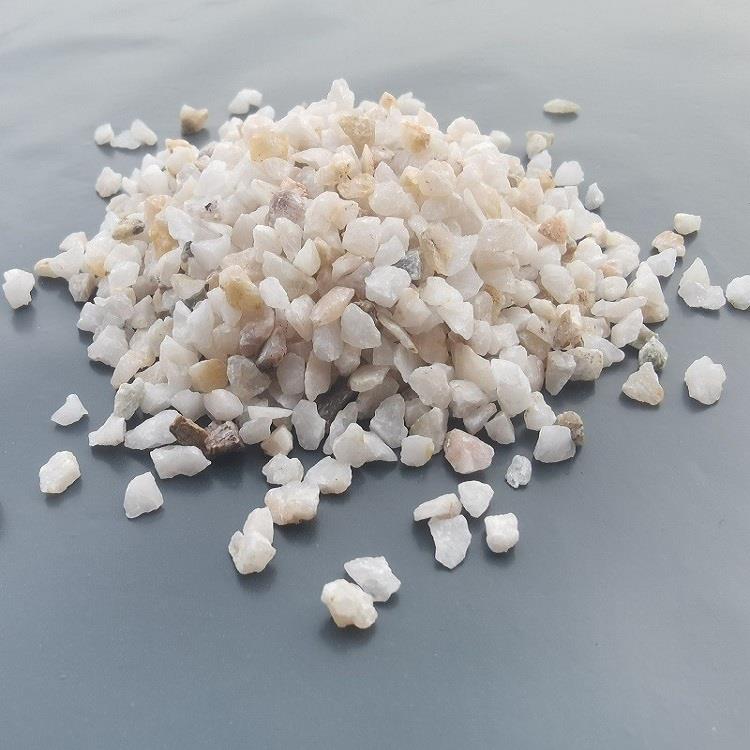
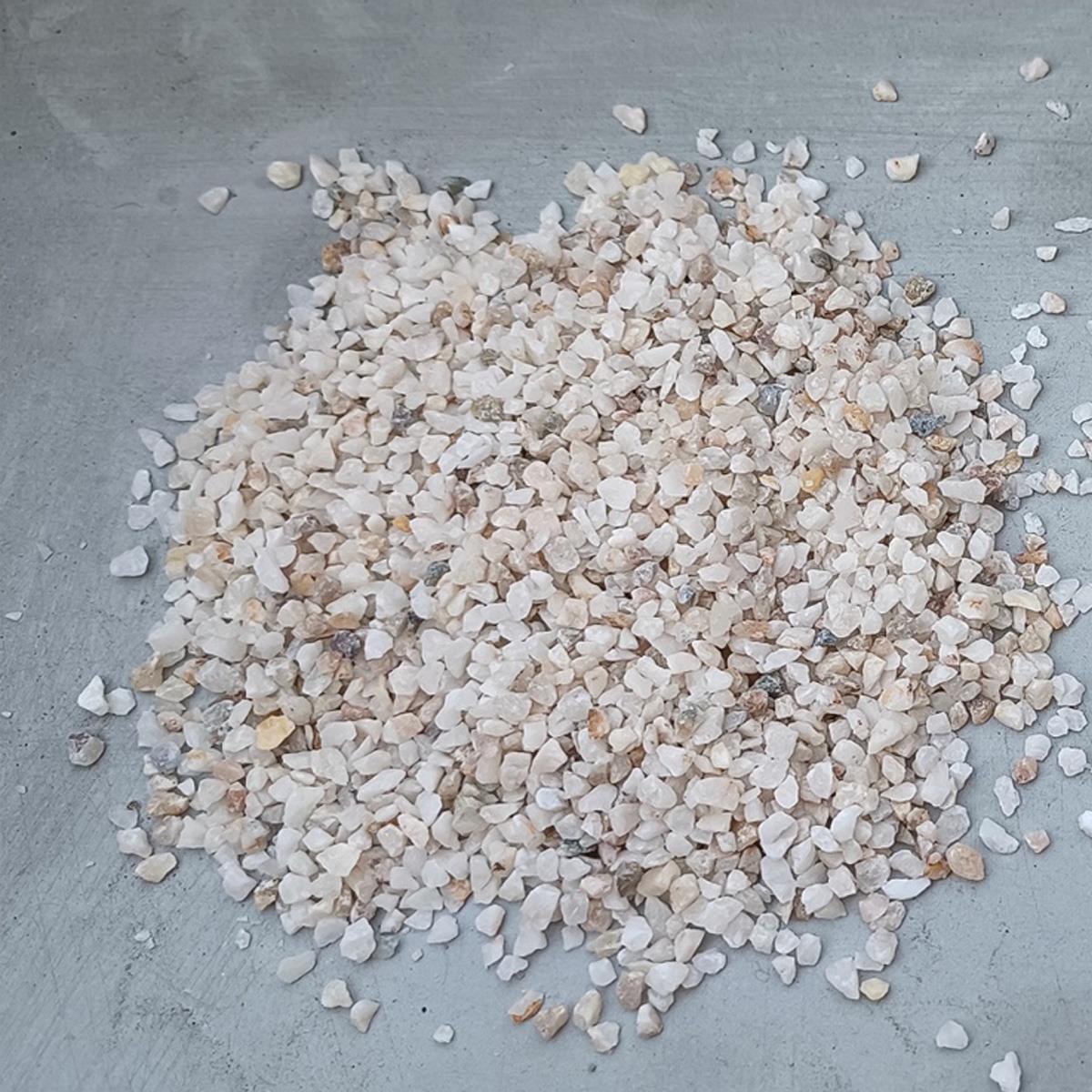





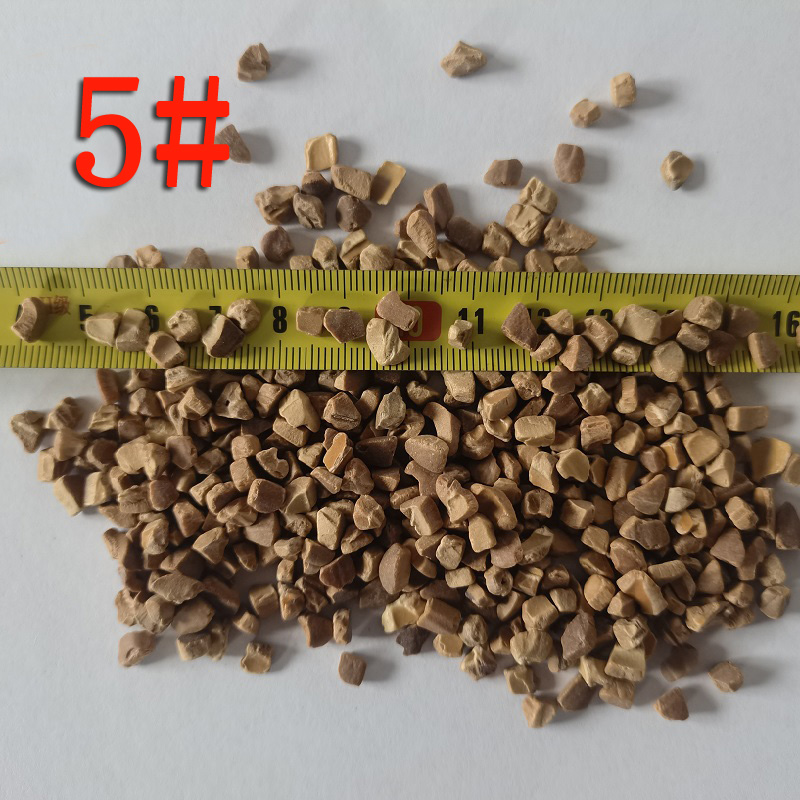
Water treatment quartz sand filter media has uniform particle size, a large specific surface area, and is mostly white or nearly transparent. It has stable chemical properties, is resistant to both acids and alkalis, and is unlikely to react chemically with other substances. The main component of quartz sand filter media is silicon dioxide, with a content typically exceeding 98%. This ensures that it does not easily erode in complex water treatment environments, thereby guaranteeing that water quality is not further polluted due to the filter material.
Filtering is one of the crucial functions of quartz sand in the water treatment process. In a water filtration system, quartz sand is filled to a designed height as the filter layer. As turbid water flows downward through the quartz sand filter layer, suspended particles, silt, algae, and other impurities are intercepted by the tiny pores between the quartz sand grains. These pores vary in size, creating a multi-layered filtration effect. Larger impurities are blocked first by the larger pores on the surface, while finer particles penetrate deeper into the filter layer and are intercepted by smaller pores. After passing through the quartz sand filter medium, the originally turbid water becomes clear and transparent, significantly reducing the content of suspended matter, providing a solid foundation for subsequent deep treatment. For instance, in wastewater treatment plants, quartz sand filtration is a critical step that effectively removes most impurities from the raw water, ensuring the basic clarity of drinking water for residents.
In addition to filtering suspended impurities, water treatment quartz sand can also remove some harmful substances from water through adsorption. Although the adsorption capacity of quartz sand is relatively weaker than that of activated carbon and other adsorbents, its surface is not completely smooth, featuring some microscopic undulations and charge distribution. These microscopic structures enable quartz sand to adsorb certain heavy metal ions and a small amount of organic pollutants in water. When water containing these harmful substances flows through the quartz sand filter layer, some ions and pollutants are adsorbed onto the surface of the quartz sand, thereby reducing the concentration of harmful substances in the water. Although its adsorption capacity is limited, quartz sand is not used alone in the entire water treatment process but is combined with activated carbon filter materials and other filtration materials. This synergistic effect, in conjunction with other treatment processes, significantly enhances the improvement of water quality.