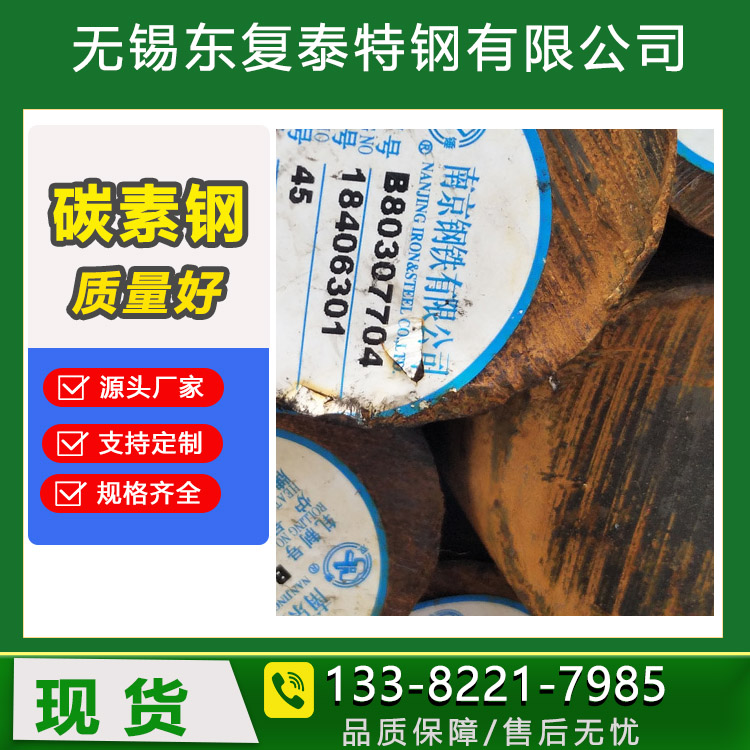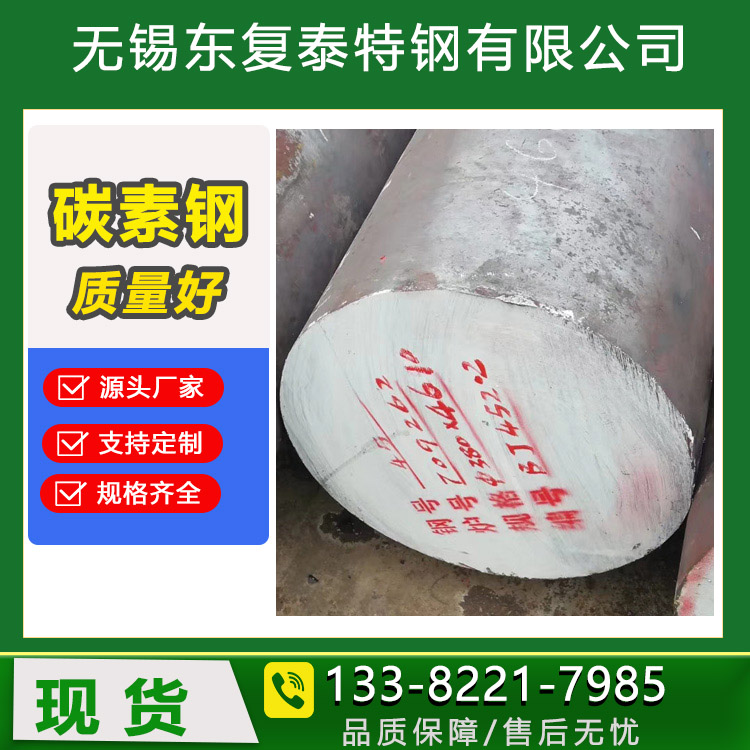















45No. steelMedium carbon carbon structural steel, commonly known as "oil steel"45Carbon content of No. steel0.45%Therefore, it is named45#Steel45#Steel is widely used in the manufacturing of mechanical parts due to its moderate hardness and ease of machining. After appropriate heat treatment, it can achieve certain toughness, ductility, and wear resistance, such as...45#After quenching, steel exhibits excellent comprehensive mechanical properties, widely used in manufacturing small-section quenched parts that bear heavy loads, large-section normalized parts with low stress, and surface-hardened parts with minimal core strength requirements, such as pins, guide columns, and surface needles, among other components.
Refer to the corresponding steel grade: ChinaGBStandard Steel Grade45JapanJISStandard Steel GradeS45C/S48CGermanyDINStandard Material Steel Grade1.0503GermanyDINStandard Steel GradeC45United KingdomBSStandard Steel GradeIC45/080A47FranceAFNORStandard Steel GradeCC45FranceNFStandard Steel GradeC45ItalyUNIStandard Steel GradeC45BelgiumNBNStandard Steel GradeC45-1SwedenSSStandard Steel Grade1650; Spanish Standard Steel GradesF.114U.S.AISI/SAEStandard Steel Grade1045International Organization for StandardizationISOStandard Steel GradeC45E4。
Carbon structural steel and ordinary carbon structural steel have lower contents of sulfur, phosphorus, and other non-metallic inclusions. Depending on the carbon content and application, this type of steel is roughly divided into three categories:Less than0.25%CFor低碳钢, especially those with carbon content below0.10%The08F,08AlExtensively used for deep-drawing applications such as automotive parts, can manufacturing, etc., due to its excellent deep drawing and welding properties.20GIt is the main material for manufacturing ordinary boilers. In addition, low-carbon steel is widely used as carburizing steel in the machinery manufacturing industry. ②0.25~0.60%CFor medium carbon steel, often used in quenched and tempered condition, to manufacture parts for the mechanical manufacturing industry. ③ Greater than0.6%CFor high-carbon steel, commonly used in the manufacture of springs, gears, rolling mill rolls, etc. Diversified into different manganese content types based on varying manganese content.(0.25~0.8%)With higher manganese content(0.7~1.0%And0.9~1.2%)Two steel groups. Manganese can improve the quenchability of steel, strengthen the ferrite, and enhance the yield strength, tensile strength, and wear resistance of steel. Typically, a mark is appended to the grade number of high-manganese steel."Mn", such as15Mn、20MnTo differentiate from carbon steel with normal manganese content.
45The chemical composition of the No. steel is as follows:
CarbonCContent:0.42%-0.50%
ChromiumCrContent: ≤0.25
NickelNiContent: ≤0.25
SiliconSiContent:0.17%-0.37%
ManganeseMnContent:0.50%-0.80%
PhosphorusPContent: ≤0.035%
SulfurSContent: ≤0.035%
45#Round Steel Mechanical Properties
Tensile Strength:σbMpa:≥600
Yield Strength:σsMpa:≥355
Tensile elongation:δ5%:≥16
Section reduction rate:ψ%:≥40