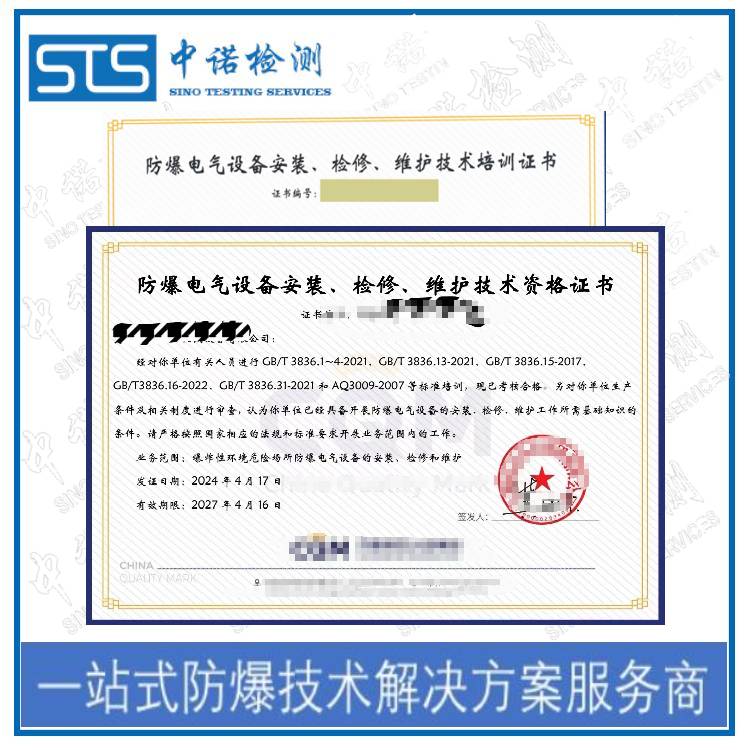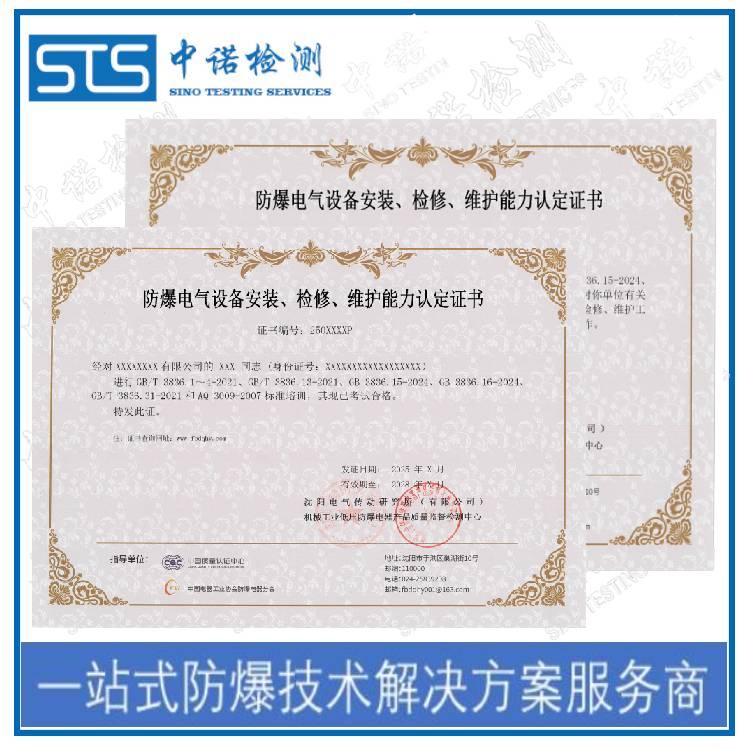
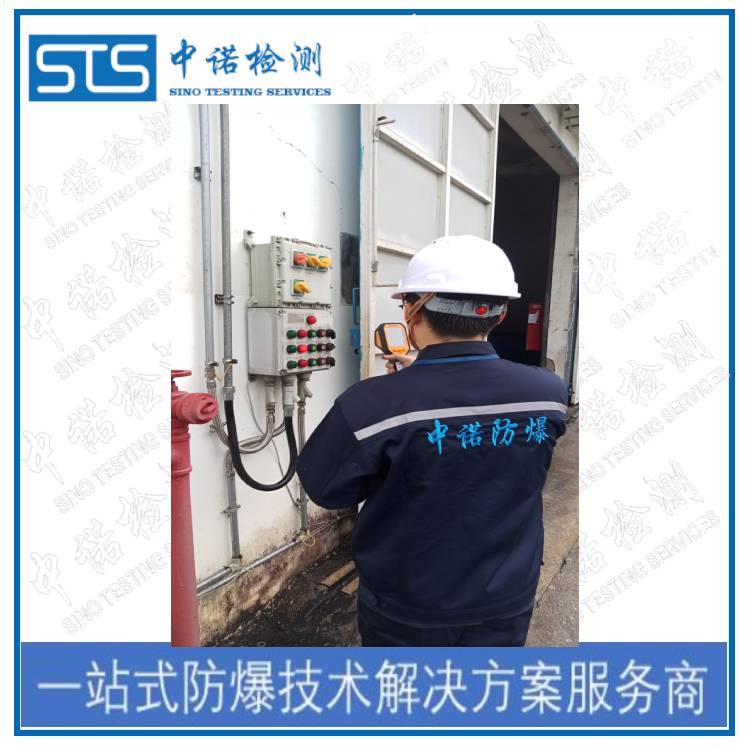
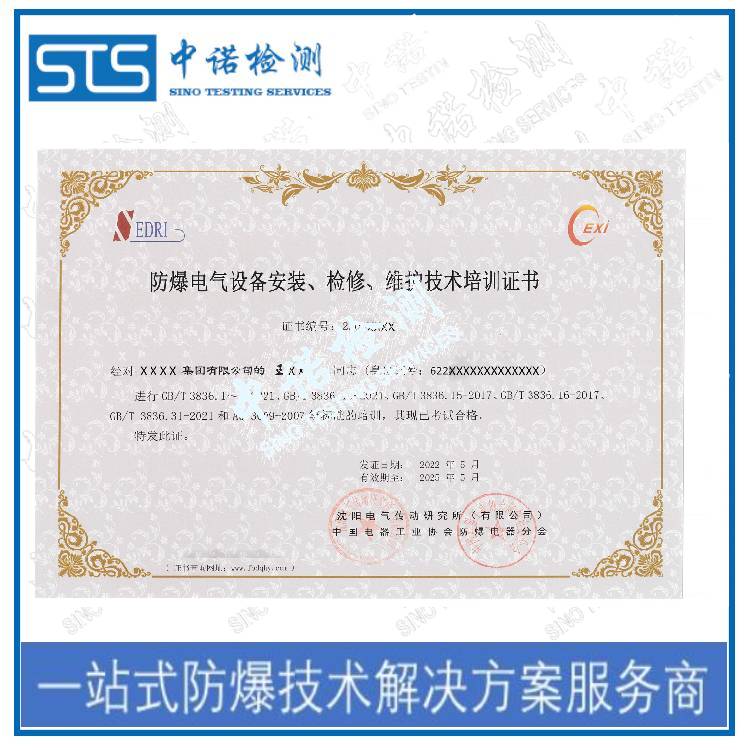
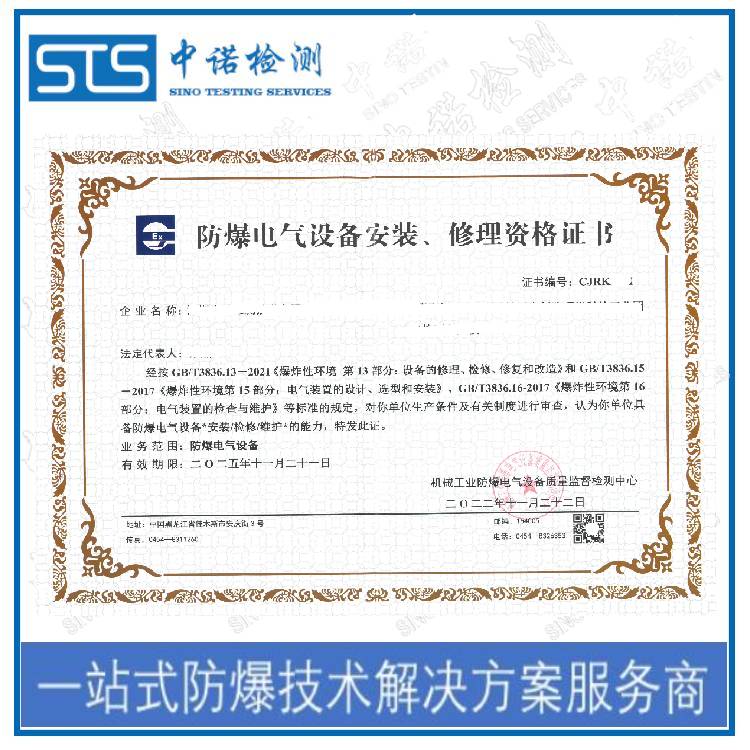
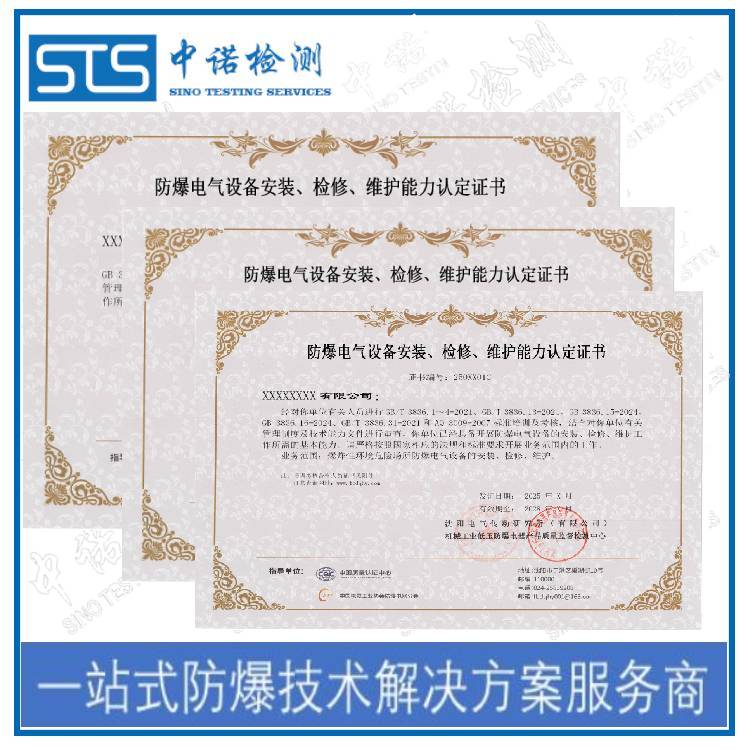





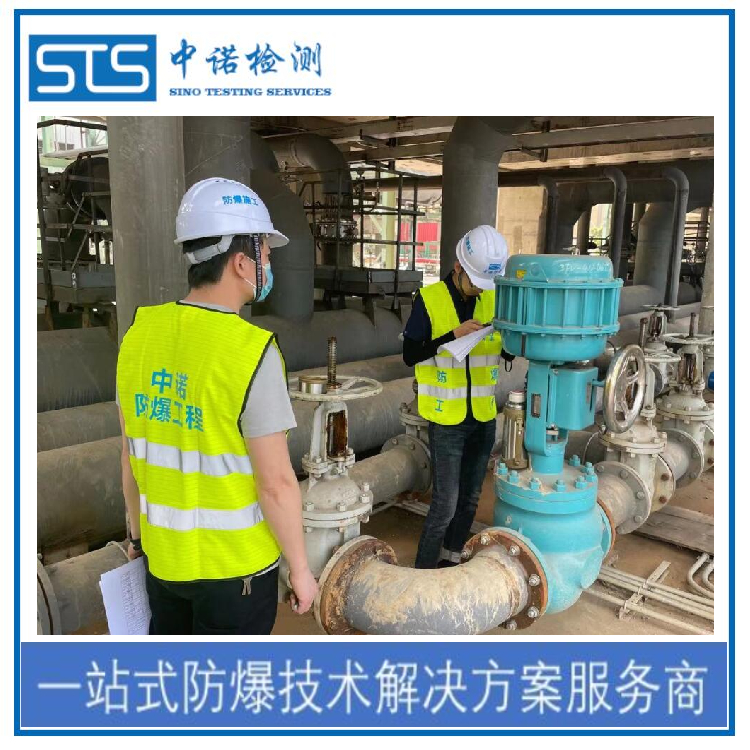
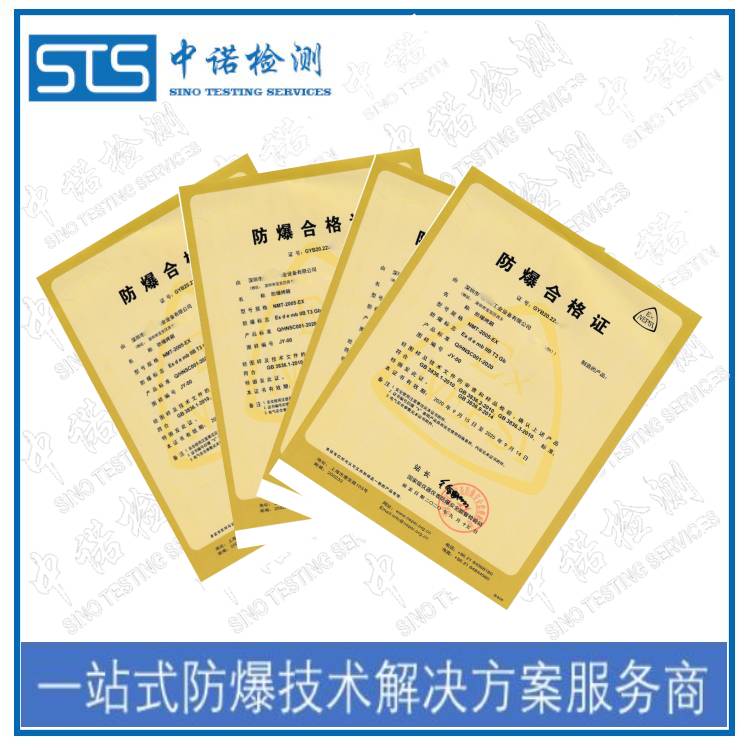
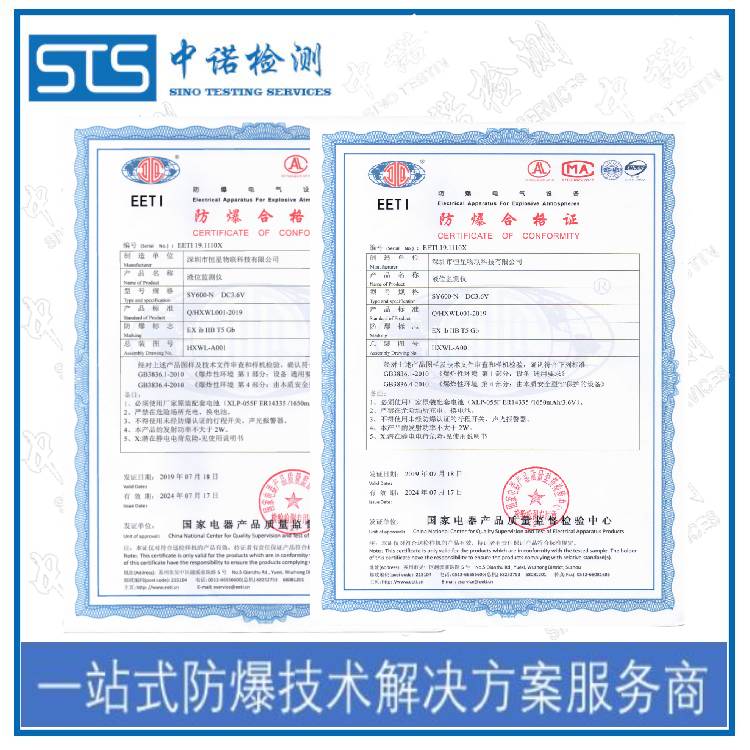
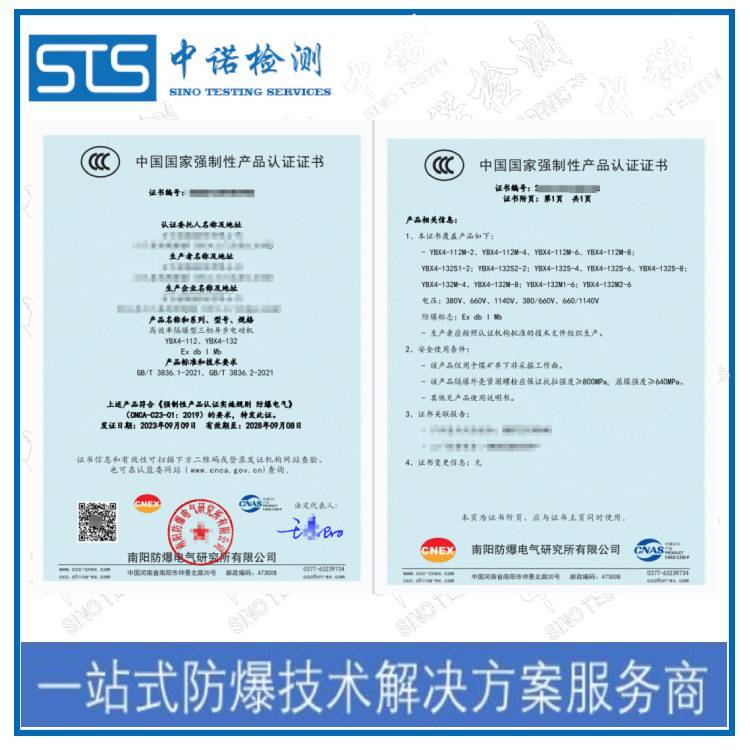
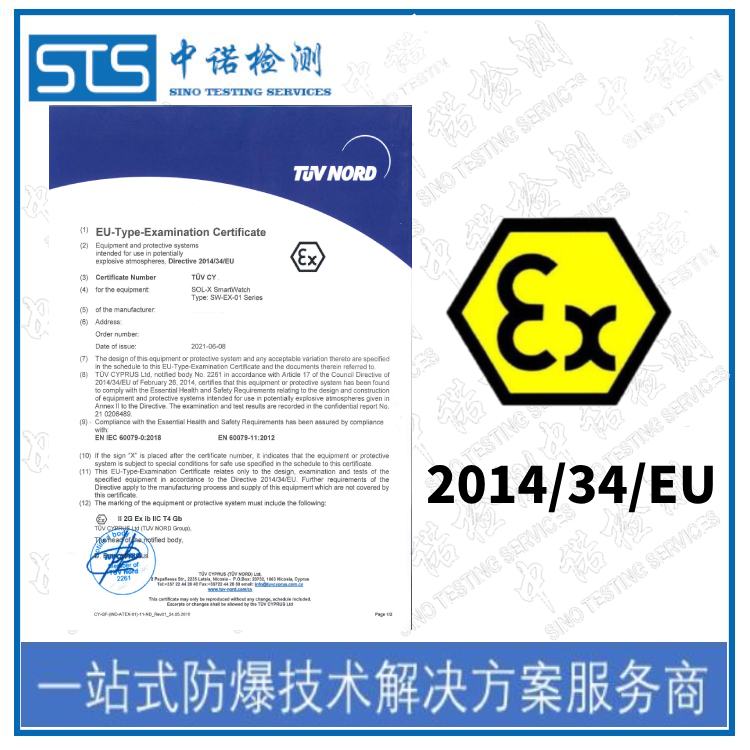
Shenzhen Zhongnuo Testing Technology Co., Ltd. is based in South China and specializes in explosion-proof certification and coal safety certification application consulting services, offering one-stop explosion-proof technology consulting services.
Limitation requirements for surface resistance of non-metallic外壳on explosion-proof equipment
In hazardous areas with explosive dust or gases/vapors, such as coal powder, flour, etc., static electricity may cause fires or explosions, posing a significant risk. Therefore, it is advisable to minimize the use of insulating materials in explosive hazard areas. When selecting electrical insulating materials, consider maintaining a low insulation resistance to prevent discharge when non-metallic components come into contact with charged components. For non-metallic insulating materials, the antistatic ability of the equipment can be assessed by measuring the surface resistance of the equipment's housing.
Surface Resistance, measured in ohms (Ω), refers to the resistance between two electrical contacts on the measuring surface.
In accordance with the requirements of the IEC 60079 series standards:
In Class II explosive gas environments, when the surface area of a non-metallic shell of an electrical device exceeds a certain limit (as shown in Table 1), a surface resistance test of the non-metallic material must be conducted to verify that: by selecting the material, the surface resistance meets at least one of the following requirements when measured in accordance with IEC 60079-0 26.13:
At ≤1 GΩ, (505)% relative humidity;
At ≤100 GΩ, (305)% relative humidity.
2. In environments with Class III explosive dust, if the surface area of the non-metallic housing of electrical equipment does not exceed 500 mm², the risk of static electricity can be disregarded. If it exceeds this limit, a surface resistance test must be conducted for verification. The requirements for assessment are the same as those for the surface resistance test limits in Class II gas environments. For fixed installation equipment that cannot meet the surface resistance limits, an "X" can be added after the "Explosion-Proof" marking, a corresponding warning sign should be placed on the equipment, and the user should be informed in the user manual.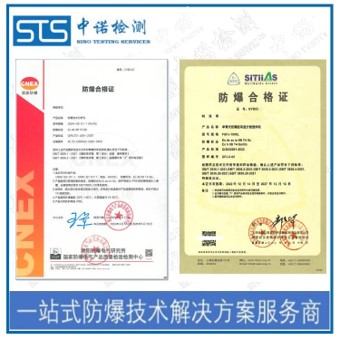
What documents are required for an explosion-proof certification application?
1. Product Drawings and Documents: When applying for an explosion-proof certification for intrinsically safe electrical equipment, the applicant should provide assembly drawings, circuit diagrams, printed circuit board drawings, silk-screening diagrams, material lists of components, and label drawings, etc. For non-intrinsically safe electrical equipment, the technical documents submitted for testing should include drawings that reflect the explosion-proof performance of the sample (including assembly drawings and component drawings). If the assembly drawing can clearly indicate the explosion-proof parameters and structure of the product, only the assembly drawing needs to be submitted for testing.
2. Technical Documentation: Includes corporate standards/technical requirements. The corporate standards/technical requirements for the product should be written in the specified format, and their content should not only include performance requirements of the product but also cover relevant aspects of explosion-proof: such as basic parameters, explosion-proof markings, operating environmental conditions, explosion-proof performance requirements, relevant tests for explosion-proof performance, and markings related to explosion-proof.
3. Additional Information: For products with adhesive bonding or casting, provide the model names, performance descriptions, and relevant process documents for the adhesives and casting agents. For plastic shell products, supply the material type and corresponding performance documents. Battery-operated products require the provision of battery specifications.
Certification standards for explosion-proof equipment used in environments with explosive gas:
GB/T 3836.1-2021 Explosive Atmospheres, Part 1: Equipment, General Requirements
GB/T 3836.2-2021 Explosive Atmospheres, Part 2: Equipment protected by a flameproof "d" enclosure
GB/T 3836.3-2021 Explosive Atmospheres, Part 3: Equipment protected by intrinsic safety "i"
GB/T 3836.4-2021 Explosive Atmospheres – Part 4: Equipment protected by intrinsic safety “i”
GB/T 3836.5-2021 Explosive Atmospheres, Part 5: Equipment protected by positive pressure enclosures "p"
GB/T 3836.6-2017 Explosion-proof Environment Part 6: Equipment protected by liquid immersion type “o”
GB/T 3836.7-2017 Explosive Atmospheres, Part 7: Equipment protected by filling with sand type “q”
GB/T 3836.8-2021 Explosive Atmospheres, Part 8: Equipment protected by "n" type protection
GB/T 3836.9-2021 Explosive Atmospheres, Part 9: Equipment protected by "m" type enclosures
Division of explosion-proof areas in explosive gas environments
In explosion-proof certification, hazardous areas are divided into explosive gas environments and combustible dust environments based on the different states of matter present at the location. According to the duration of presence of hazardous substances in the location, these areas with different states of matter are further divided into three zones based on the length of time the dangerous substances are present.
That is: for explosive gas environments, Zones 0, 1, and 2.
Areas with continuous or long-term explosive gas environments, typically exceeding 1000 hours per year.
Zone 1 - Areas where explosive gas environments may occur during normal operation, typically 10-1000 occurrences per year.
Zone 2 - Under normal operating conditions, explosive gas atmospheres are not likely to occur or, if they do, they are only occasional and of short duration, generally less than 10 hours per year.
explosion-proof certification application consulting service - Shenzhen ZhongNuo Inspection & Testing Technology Co., Ltd.
WeChat Official Account

Scan to follow Official Account