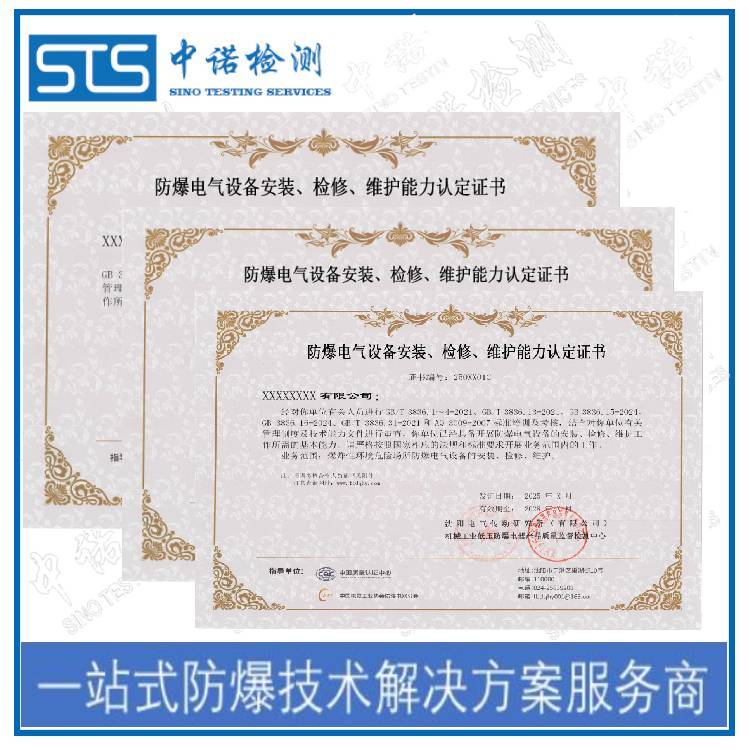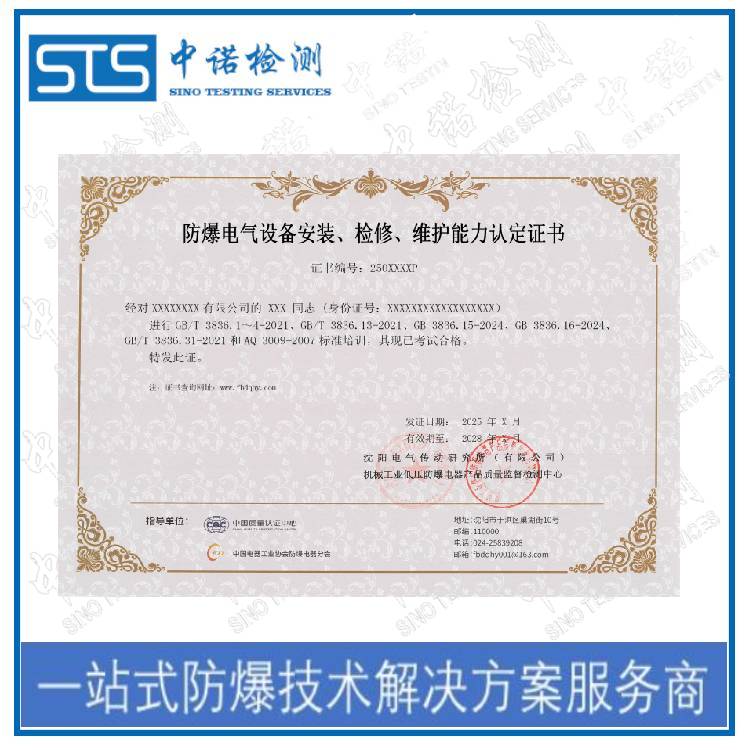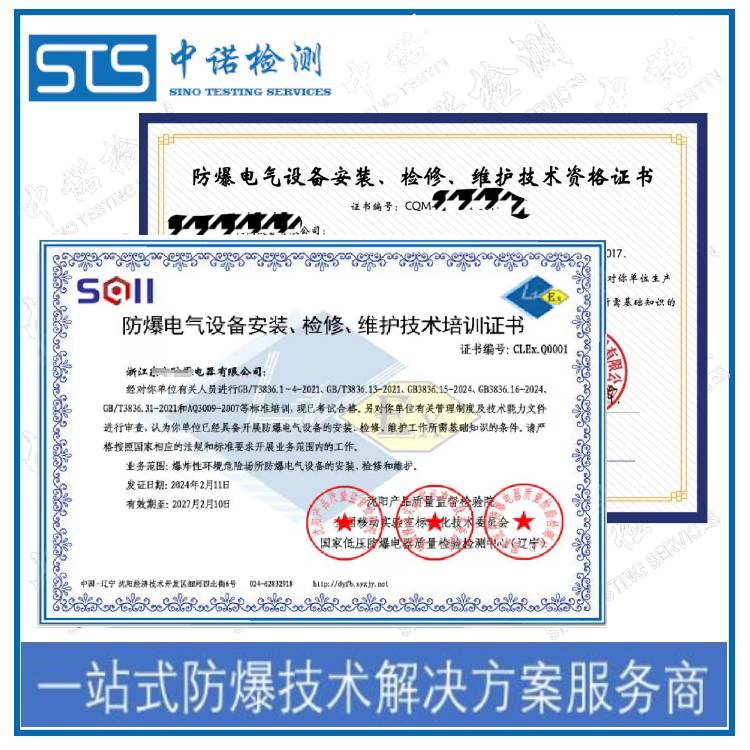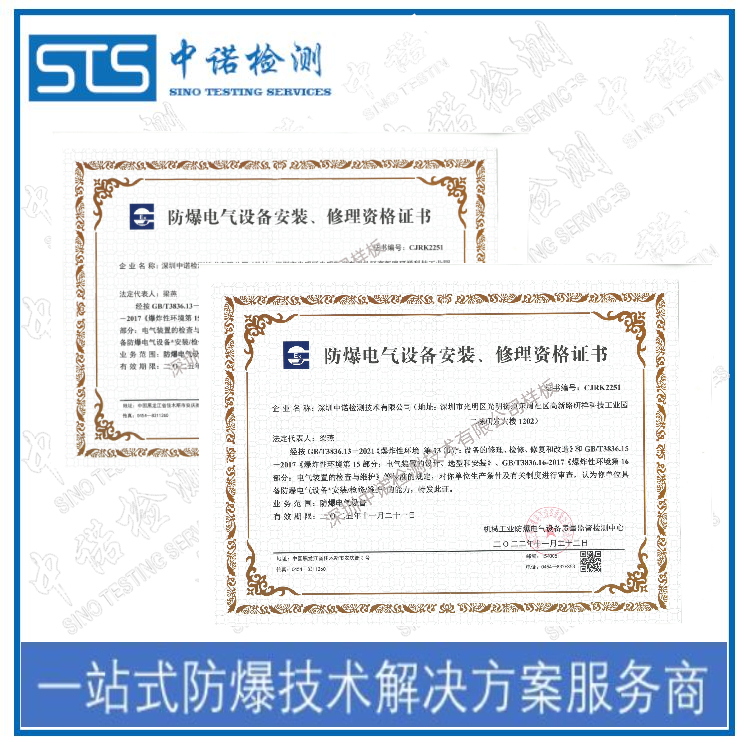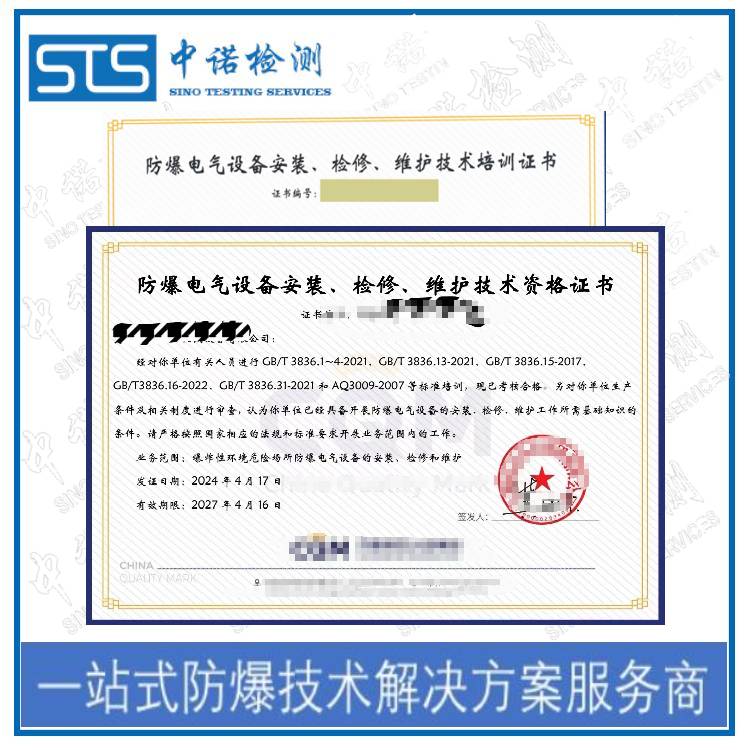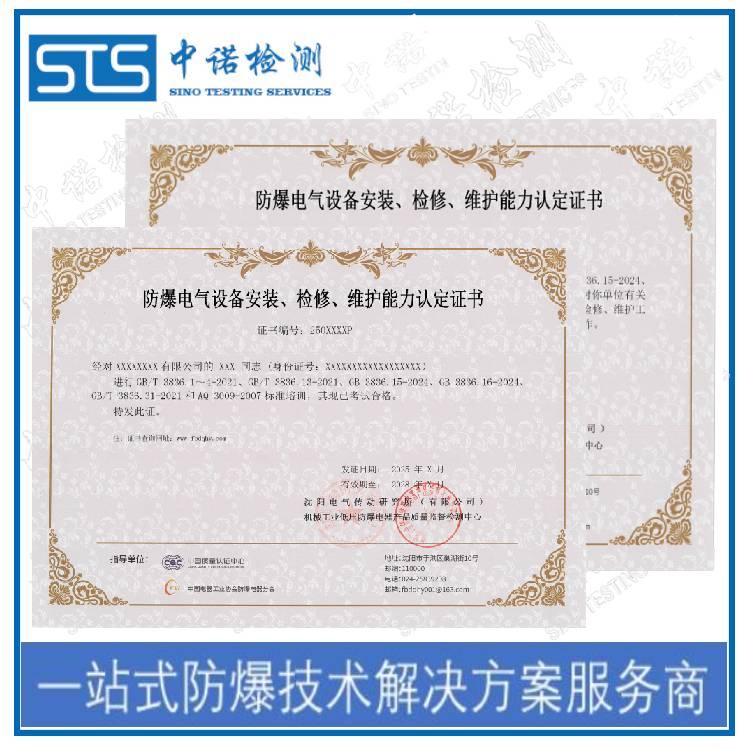
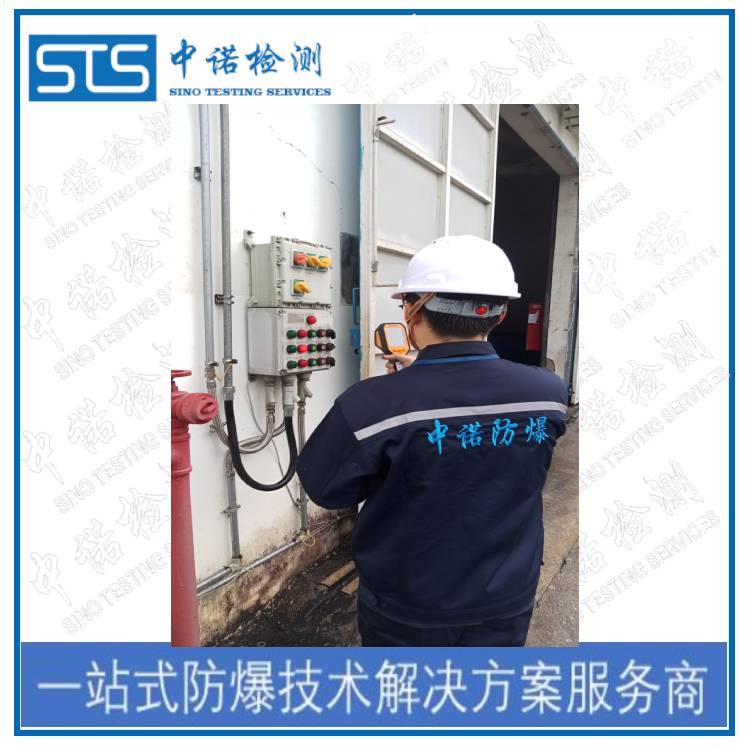
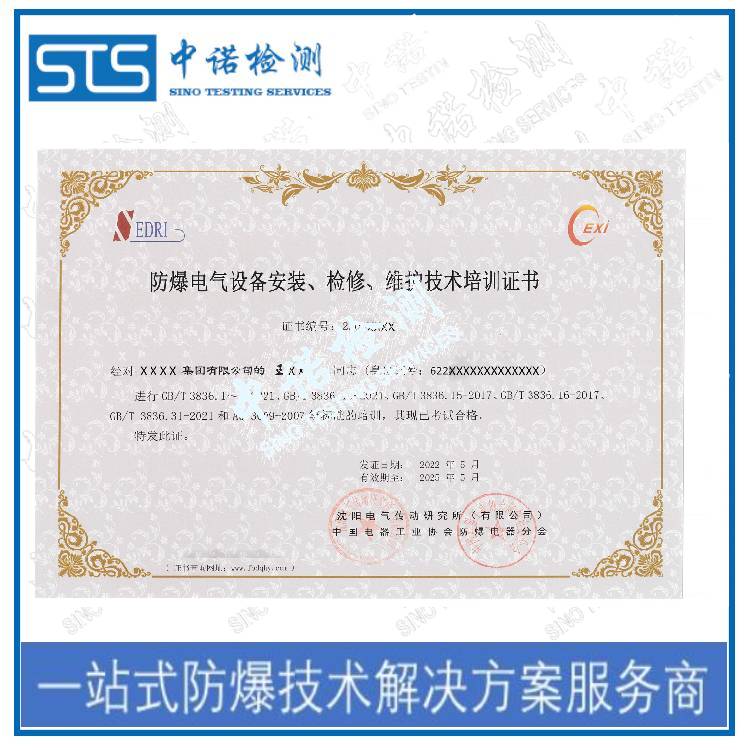
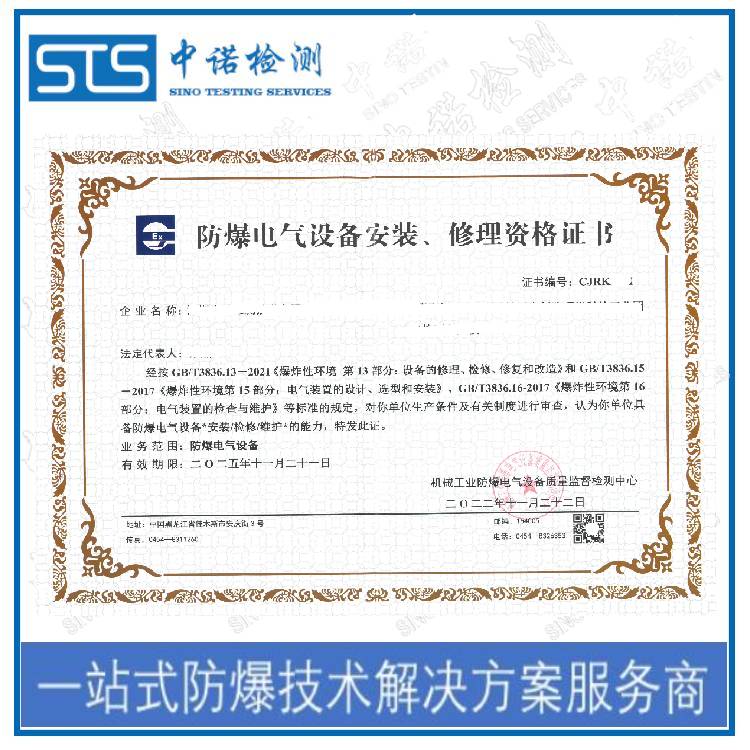
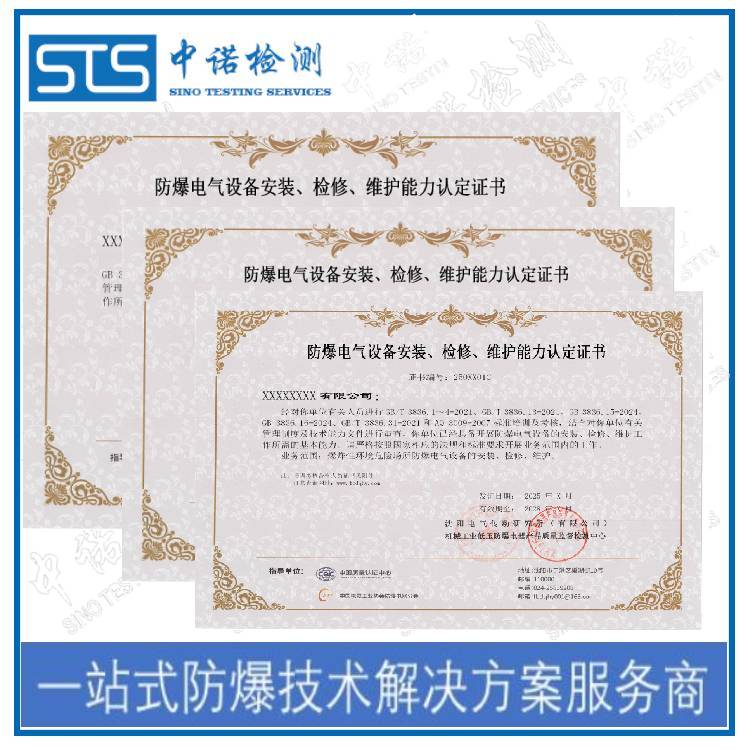





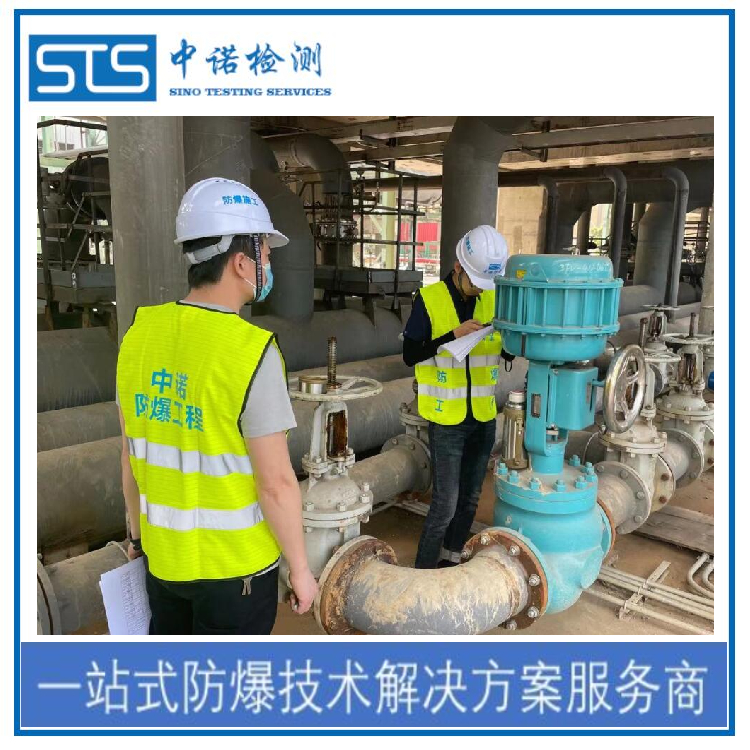
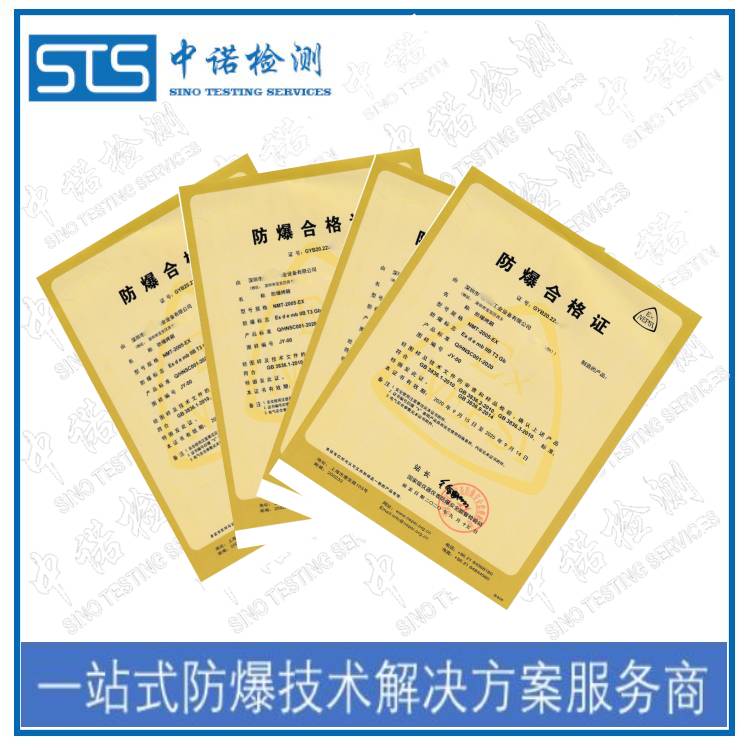
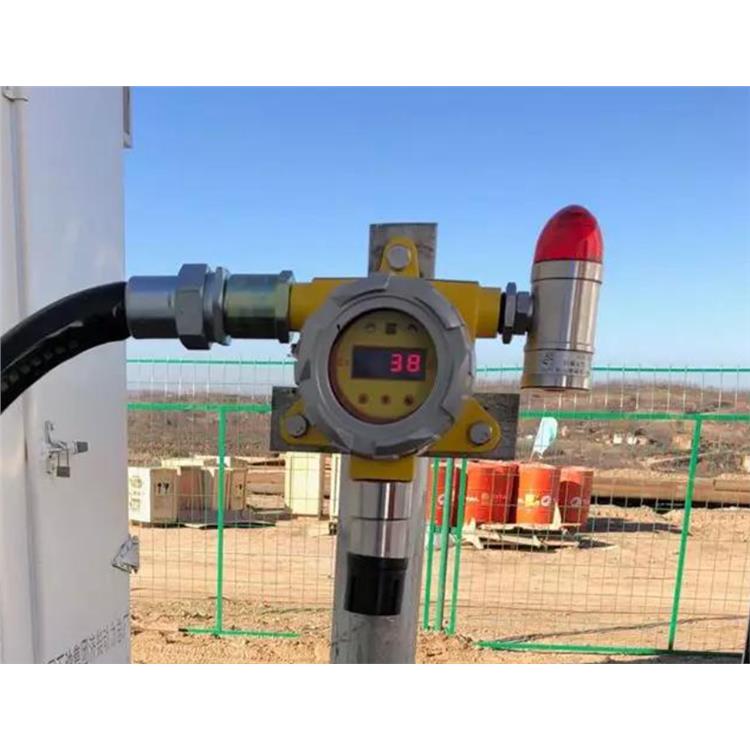
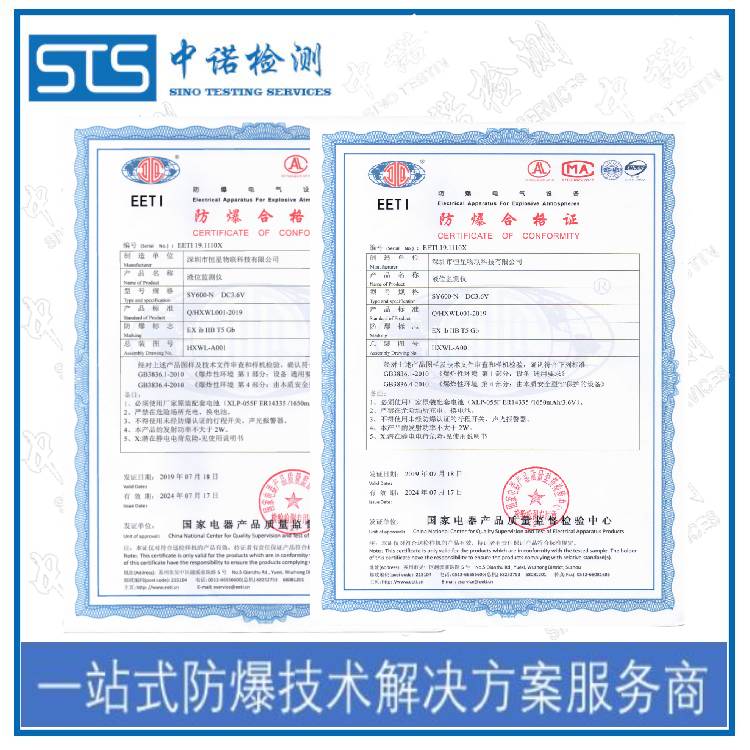
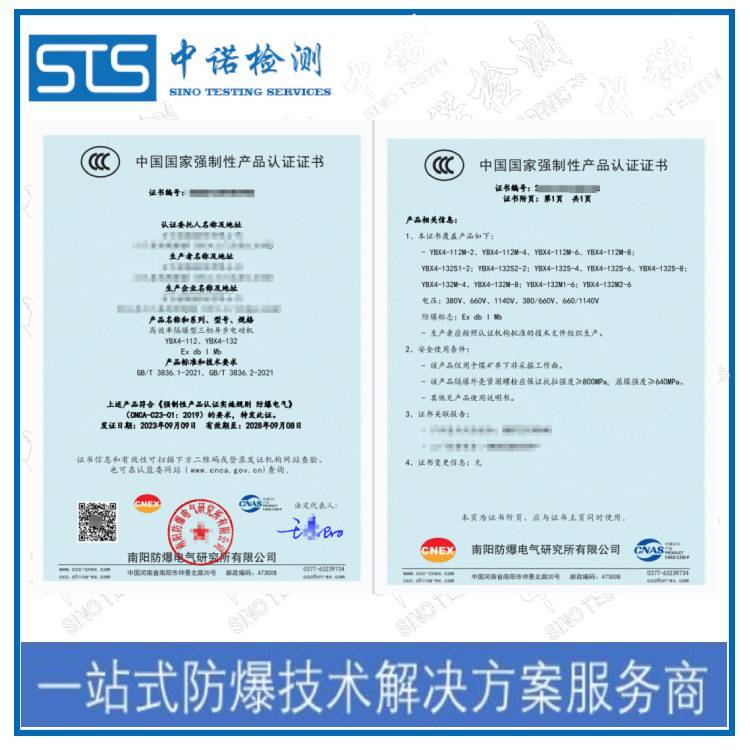
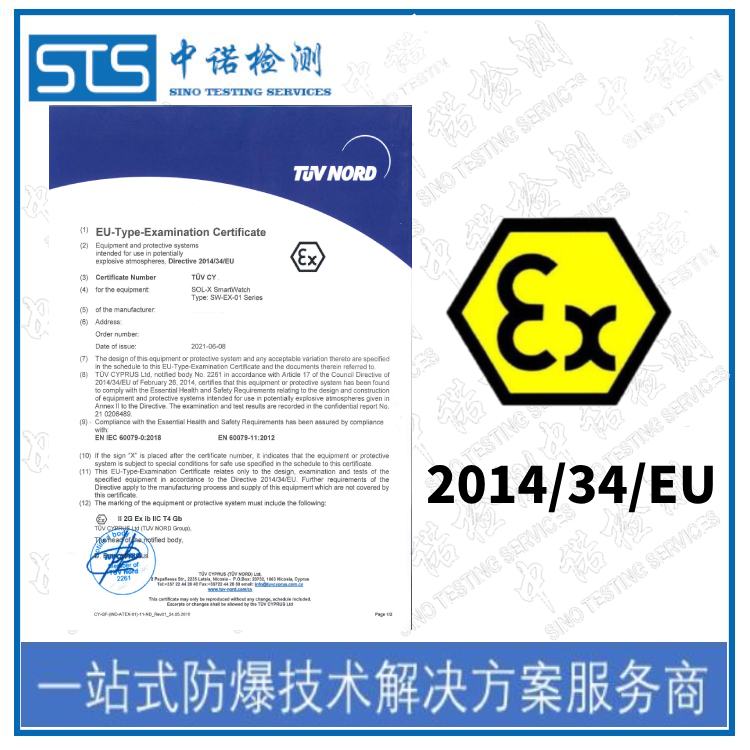
Shenzhen Zhongnuo Testing Technology Co., Ltd. is based in South China and specializes in explosion-proof certification and coal mine safety certification application consulting services, offering one-stop explosion-proof technology consulting services.
List of Domestic Explosion-Proof Certification Institutions:
Nanyang CNEX
2. Shanghai Coal Research Institute
3. National Electrical Appliance Quality Supervision and Inspection Center
4. Guangdong CQCEx National Explosion-Proof Equipment Quality Supervision and Inspection Center
5. National Coal Mine Explosion-Proof Safety Product Quality Supervision and Inspection Center
6. Jiamusi Explosion-Proof Institute
7. Tianjin PCEC
8. Shanghai NEPSI
9. Beijing Coal Research Institute CCRI, etc.
For applicants, what type of explosion-proof and what level of explosion-proof to choose is actually the same across all authorized institutions. They are all state-certified and authorized institutions, possessing testing conditions that meet standard requirements, adhering to the same standards, and conducting the same testing. Under the same conditions, the trend is to choose institutions offering more cost-effective services at more affordable prices, which is also a significant reason for the increasing popularity of emerging explosion-proof enterprises.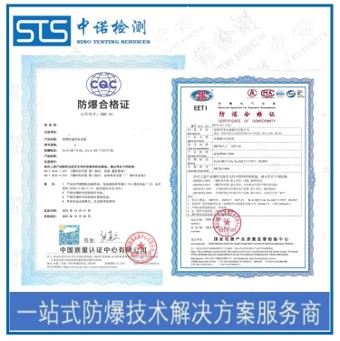
Limitation requirements for surface resistance of non-metallic casings of explosion-proof equipment
In hazardous areas with explosive dust or gases/vapors, such as coal powder and flour, static electricity can cause fires or explosions, posing significant risks. Therefore, it is advisable to minimize the use of insulating materials in explosive hazardous areas. When selecting electrical insulating materials, consider maintaining a low insulation resistance to prevent discharges when non-metallic components come into contact with charged components. For non-metallic insulating materials, the antistatic capability of the equipment can be assessed by measuring the surface resistance of the equipment's housing.
Surface Resistance, measured in ohms (Ω), refers to the resistance between two electrical contacts on the measuring surface.
In accordance with the requirements of the IEC 60079 series standards:
1. In Class II explosive gas environments, when the surface area of a non-metallic enclosure of an electrical equipment exceeds a certain limit (as shown in Table 1), a surface resistance test must be conducted on the non-metallic material to ensure that: by selecting the material, the surface resistance meets at least one of the following requirements when measured in accordance with IEC 60079-0 26.13:
At ≤1 GΩ, (505)% relative humidity;
At ≤100 GΩ, (305)% relative humidity.
2. In environments with Class III explosive dust, if the surface area of the non-metallic housing of electrical equipment does not exceed 500 mm², the risk of static electricity can be disregarded. If it exceeds this limit, a surface resistance test must be conducted for verification. The criteria for determination are the same as those for the surface resistance test limits in Class II gas environments. For fixed installations that cannot meet the surface resistance limits, a "X" can be added after the "Explosion-Proof" symbol, a corresponding warning sign should be placed on the equipment, and users should be informed in the user manual.
Certification standards for explosion-proof equipment used in environments with explosive gas:
GB/T 3836.1-2021 Explosive Atmospheres, Part 1: Equipment, General Requirements
GB/T 3836.2-2021 Explosive Atmospheres – Part 2: Equipment protected by explosion-proof enclosures “d”
GB/T 3836.3-2021 Explosive Atmospheres, Part 3: Equipment protected by intrinsic safety "i"
GB/T 3836.4-2021 Explosive Atmospheres, Part 4: Equipment protected by intrinsic safety "i"
GB/T 3836.5-2021 Explosive Atmospheres, Part 5: Equipment protected by positive pressure enclosure "p"
GB/T 3836.6-2017 Explosion-proof environment, Part 6: Equipment protected by liquid immersion type “o”
GB/T 3836.7-2017 Explosive Atmospheres Part 7: Equipment protected by filling with sand type “q”
GB/T 3836.8-2021 Explosive Atmospheres Part 8: Equipment protected by "n" type of protection
GB/T 3836.9-2021 Explosive Atmospheres Part 9: Equipment protected by "m" type encapsulation
Is the explosion-proof grade Ex db eb higher than Ex db?
Composite explosion-proof marking indicates that a single explosion-proof type is insufficient for this product and that two or more explosion-proof types must be used.
For instance, explosion-proof devices with antennas, the antenna section is typically intrinsically safe, making this equipment both explosion-proof and intrinsically safe.
Additionally, the fuel nozzles, typically the nozzle part belongs to Zone 0, which can only be made into intrinsic safety IA. Other parts can be made into Zone 1, suitable for intrinsic safety Ib, or explosion-proof types.
Composite explosion-proof products do not mean that the product must meet all requirements of different explosion-proof types simultaneously, nor does it necessarily imply that the explosion-proof level of a composite explosion-proof type is always higher than that of a single explosion-proof type.
The primary factor in determining a product's explosion-proof rating is the gas/dust combination, temperature group, and equipment protection level.
Gas Mixture: ⅡC > ⅡB > ⅡA
Dust Composition: ⅢC > ⅢB > ⅢA
Temperature Groups: T6 > T5 > T4 > T3 > T2 > T1
Equipment Protection Combination: Ga > Gb > Gc, Da > Db > Dc
For more details, please contact Shenzhen ZhongNuo Testing Technology Co., Ltd. directly!
Explosion Proof Certification Application Consulting Services - Shenzhen Zhongnuo Testing Technology Co., Ltd.
WeChat Official Account

Scan to follow Official Account