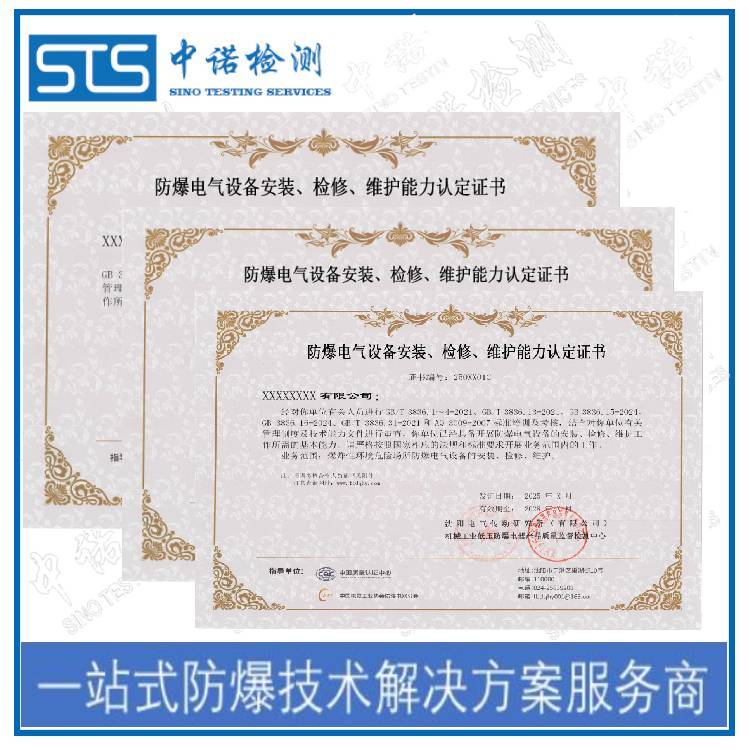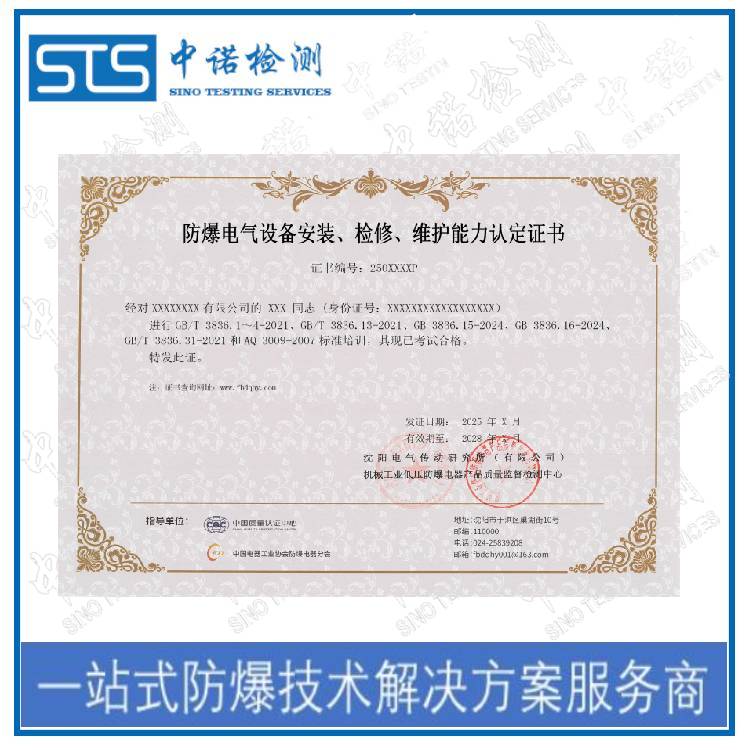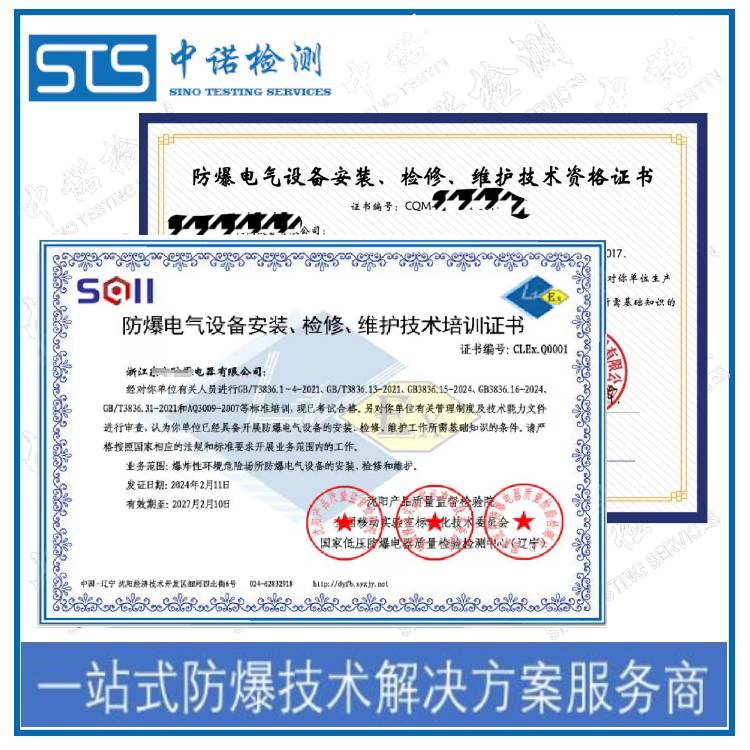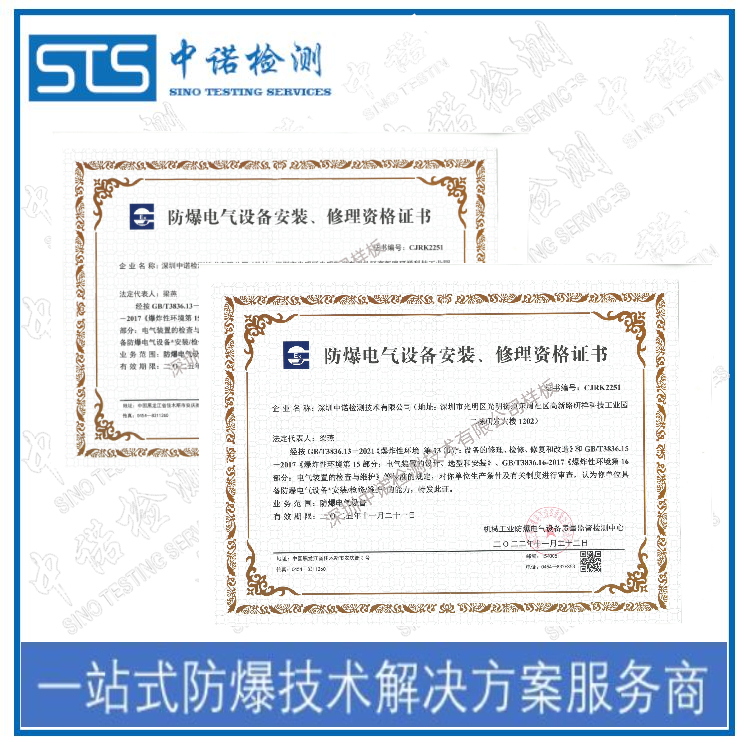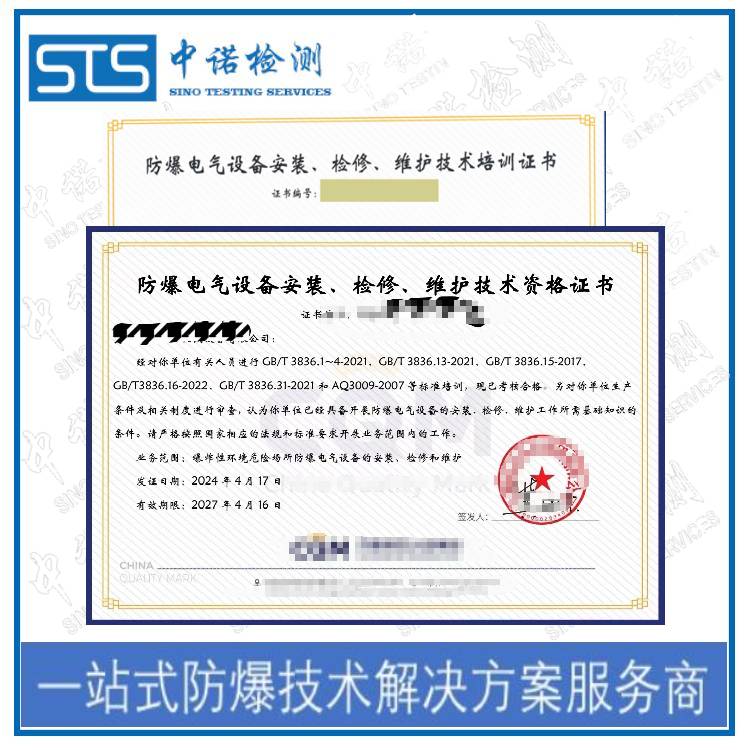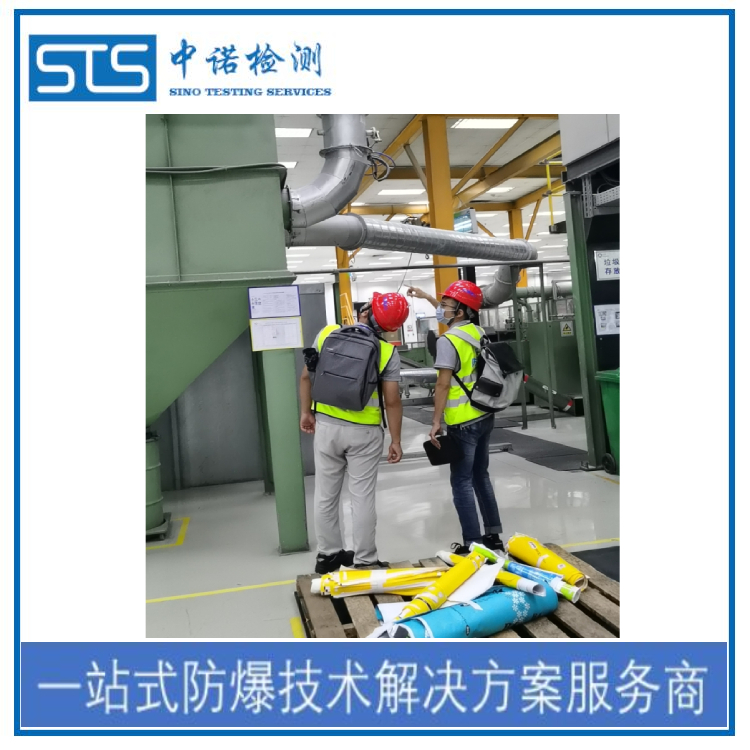

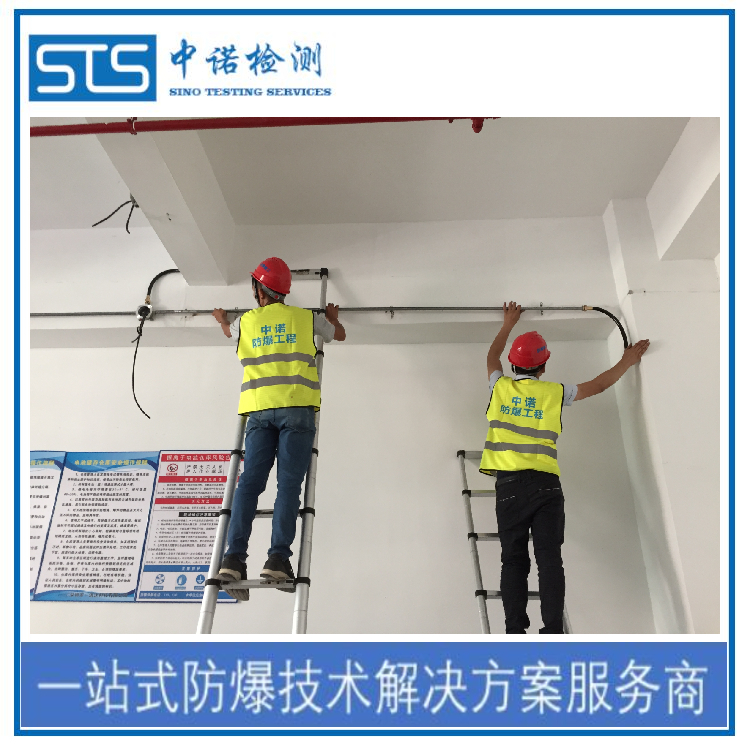
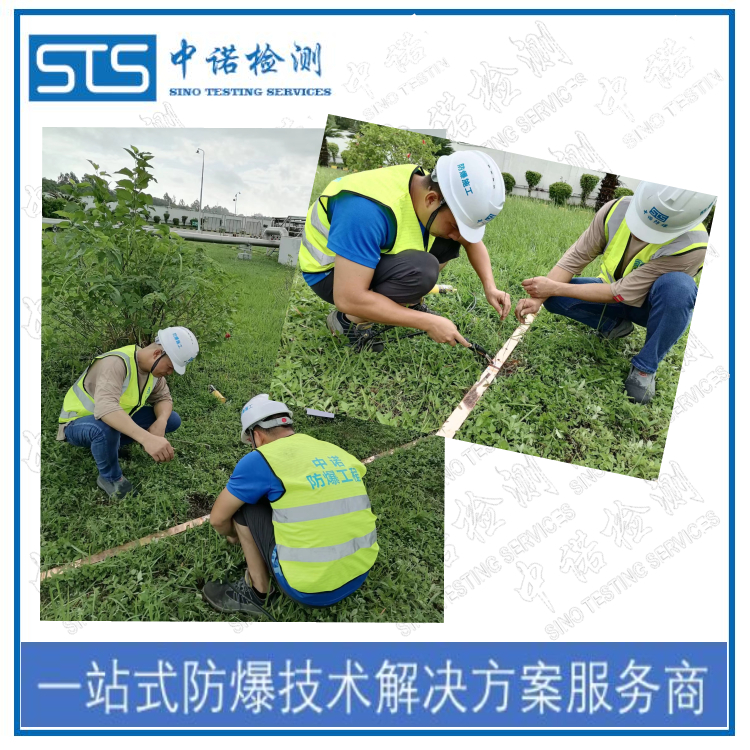


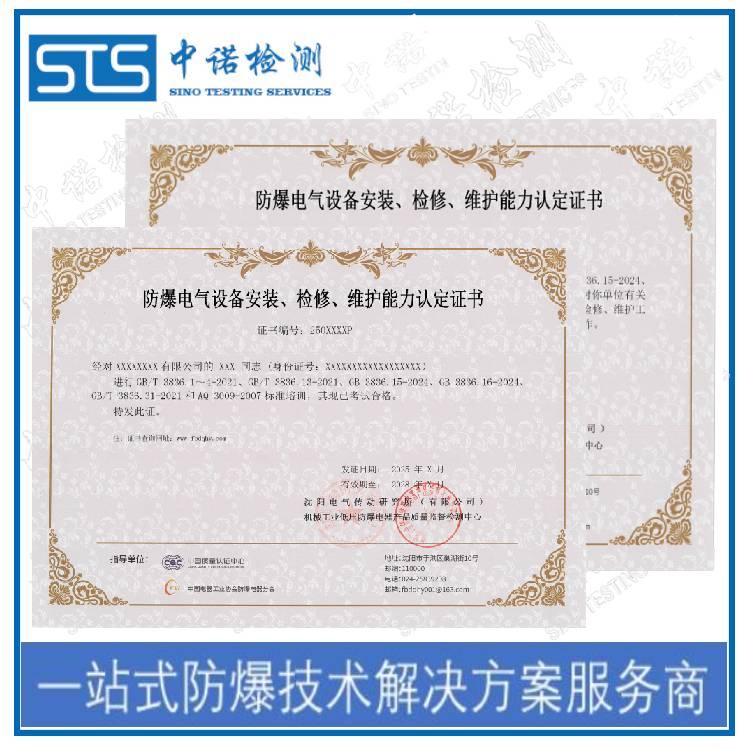
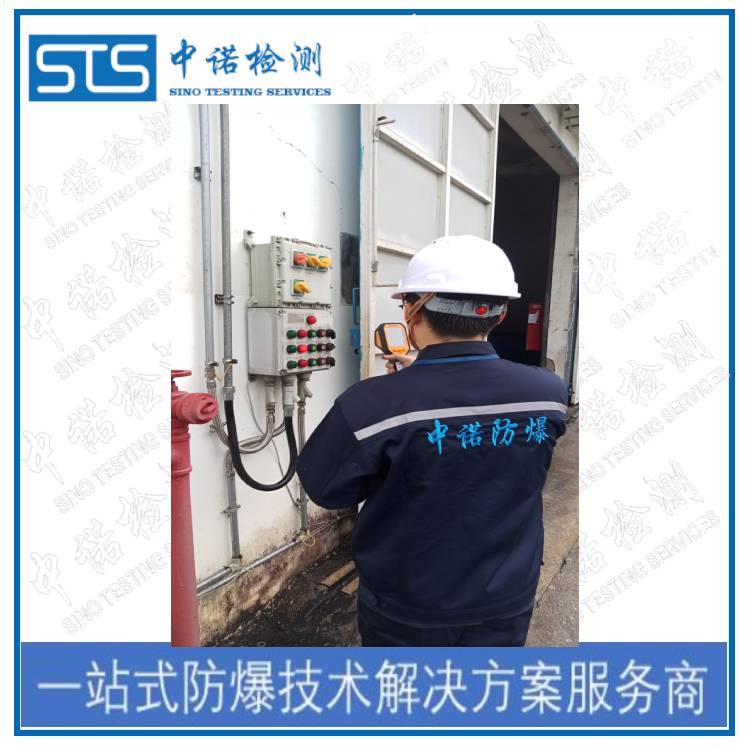
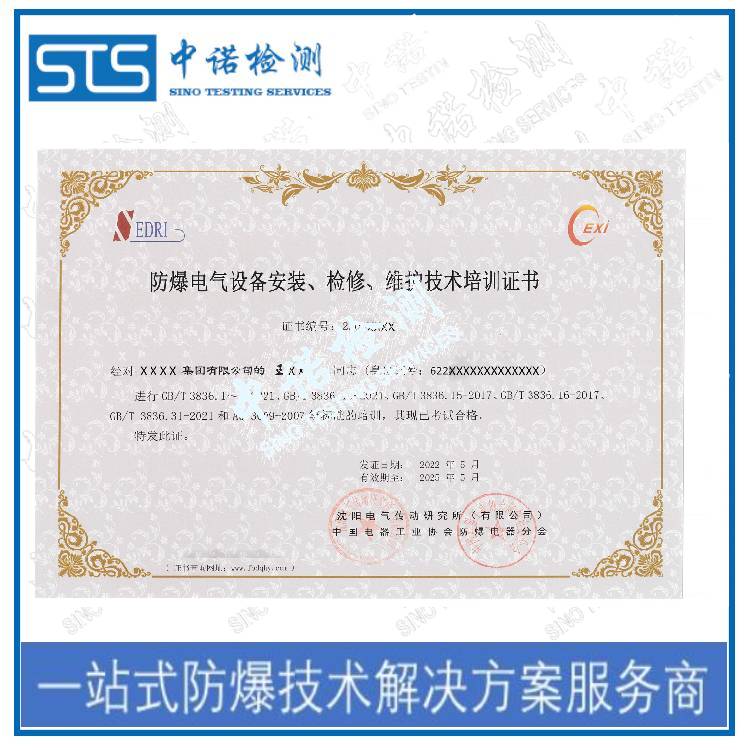
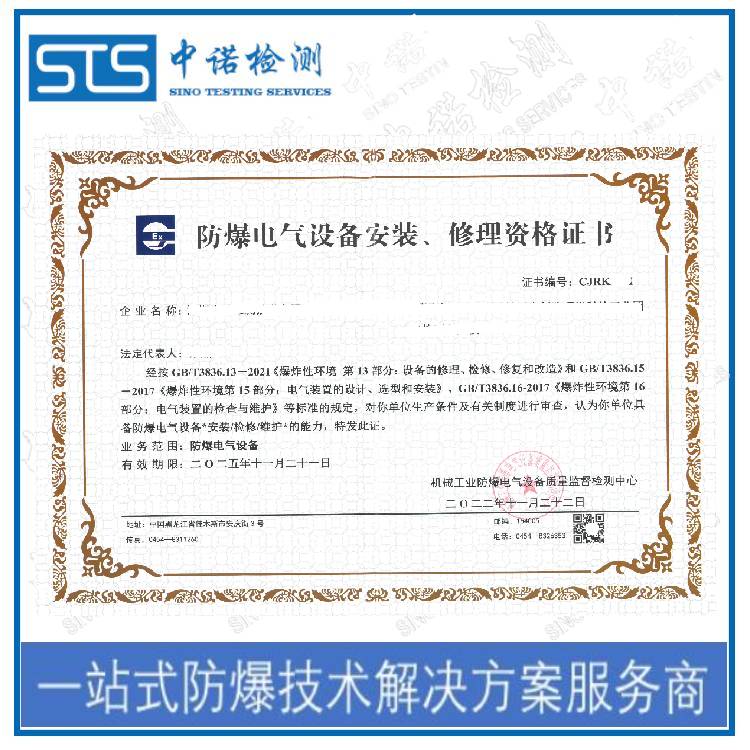
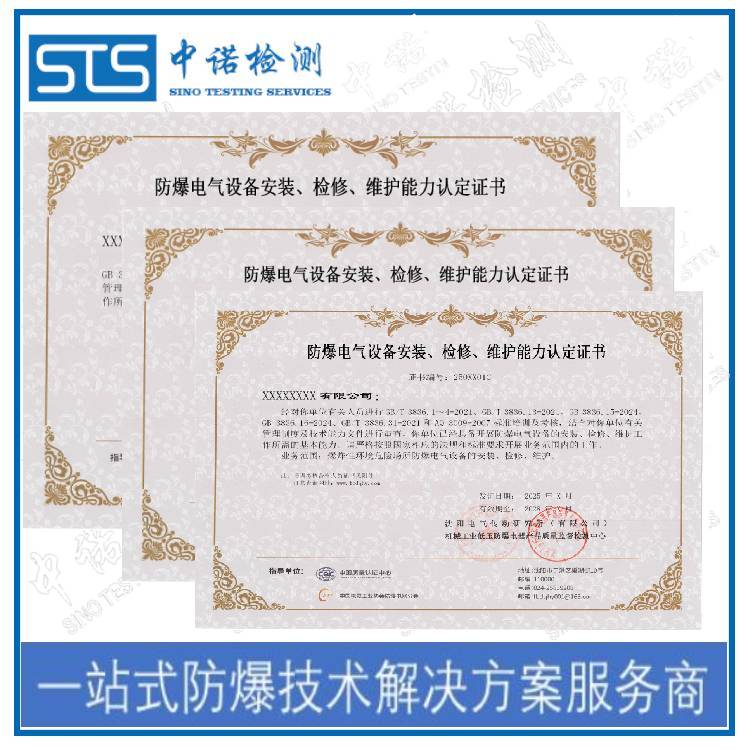





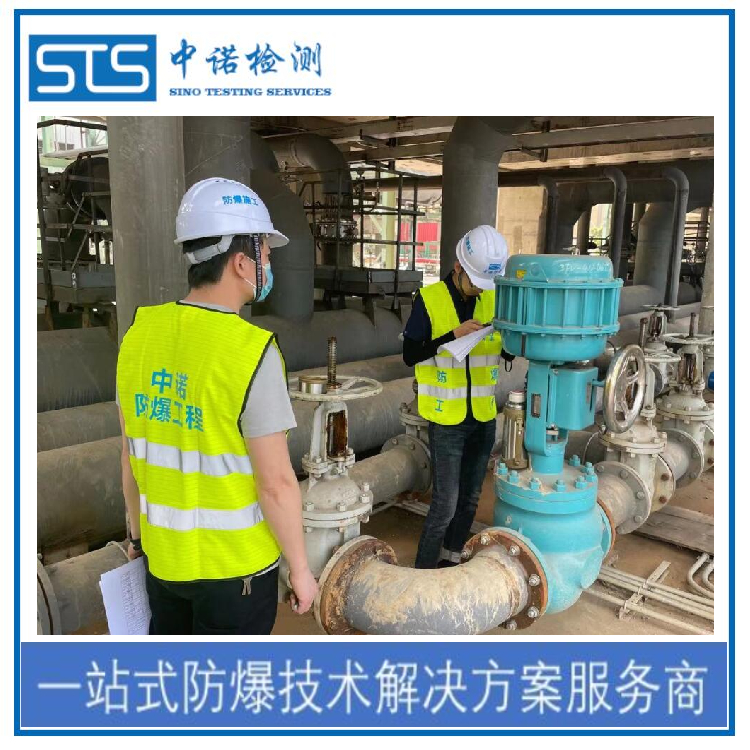
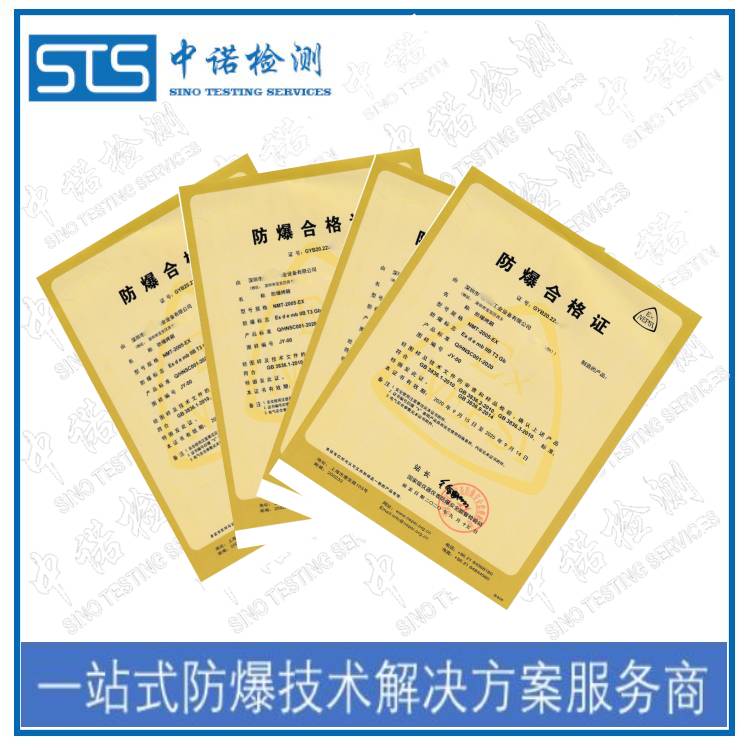
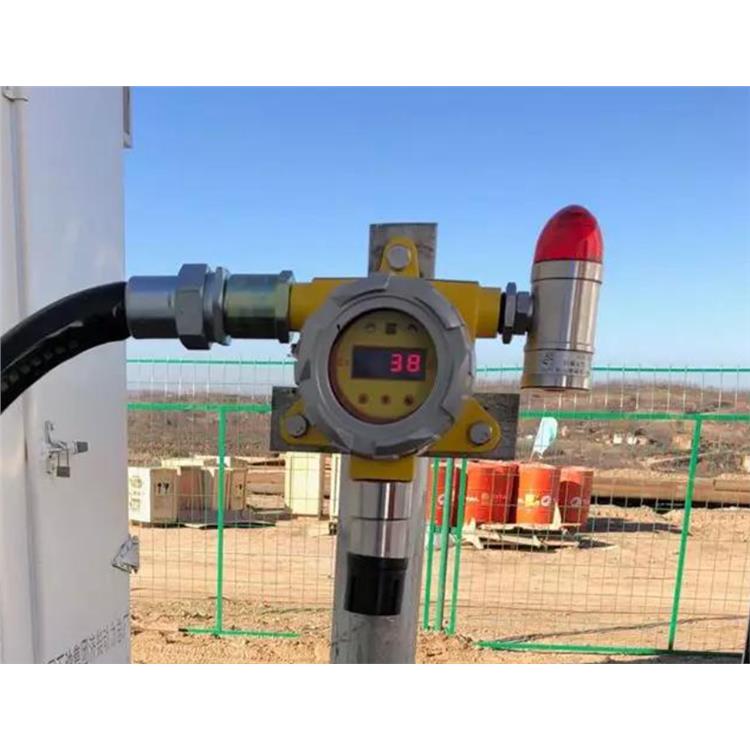
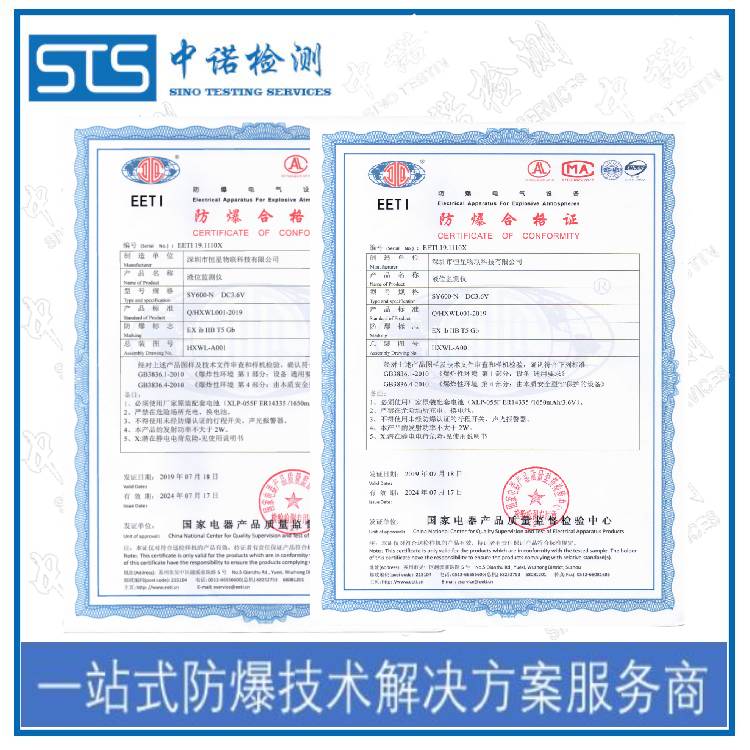
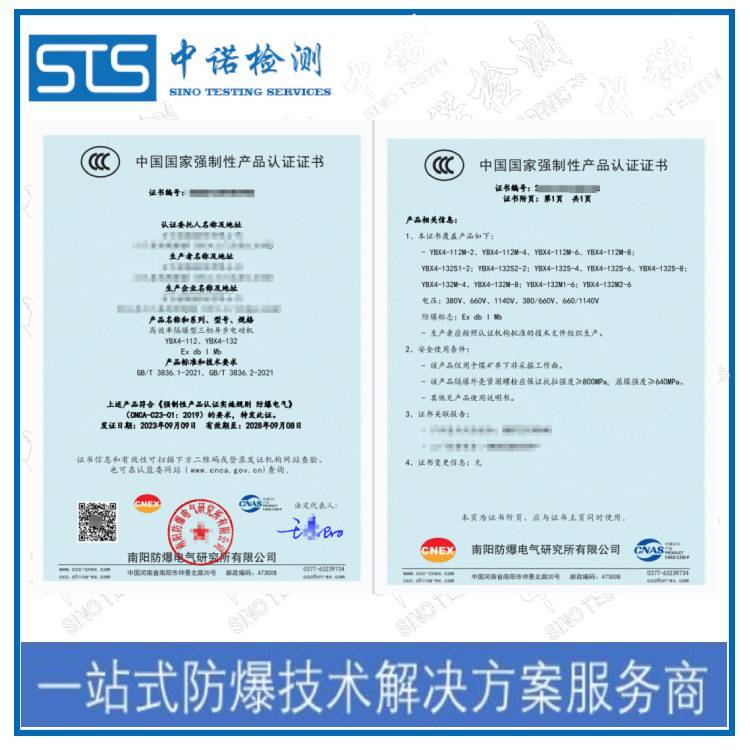

Shenzhen Zhongnuo Inspection & Technology Co., Ltd. is based in South China and offers explosion-proof technology consulting services, including on-site construction, safety inspections, renovations, project acceptance, and installation. We are well-versed in explosion-proof construction standards, with experienced teams and extensive construction background. We've served major corporations such as PetroChina, LG, Hanlan Environment, BOE, and Sinovac, earning consistent positive feedback and trust from our clients!
Basic Dust Explosion Proof Construction Standards
In facilities where explosive dust is present, such as flour mills, feed factories, grinding workshops, and plastic production plants, the requirement for explosion-proofing on-site is particularly crucial. Explosion-proof wiring, installation and use of electrical equipment, dust removal systems, structural layout, and explosion-proof venting must all comply with the relevant dust explosion-proof standards. Based on a wealth of explosion-proof electrical construction and retrofitting cases, Shenzhen Zhongnuo Testing Technology Co., Ltd. has summarized the following points:
Structure and layout of buildings
(1) Processes or structures containing equipment with a dust explosion hazard or combustible dust should be separated from other buildings. The fire protection distances should comply with the relevant provisions of GB50016.
(2) The building should be a single-story structure, with a lightweight roof design preferred.
(3) Structural requirements for multi-story buildings are as follows:
A. Multi-story buildings are best suited for frame structures.
B. Buildings without frame structures must be equipped with explosion relief openings in compliance with requirements.
C. If windows or other openings are used as blast relief ports, they must be calculated and ensured to effectively release pressure during an explosion.
(4) Evacuation routes must meet the following requirements:
Work areas should have evacuation routes, and the number and location of these routes should comply with the provisions of GB50016.
B. The door should open outward and no threshold should be installed.
C. Detailed road signs and emergency lighting should be set up for evacuation routes.
2. Process Equipment
If there is a process equipment in the factory with a risk of dust explosion, it should be located at a higher position in the building and near the outer wall.
(2) Equipment with potential explosive hazards should be located in outdoor areas outside of buildings.
(3) Equipment or devices that come into direct contact with dust (such as light sources, heating sources, etc.) should have surface temperatures lower than the respective dust's low ignition temperature.
(4) In areas where flammable dust is present, the transmission mechanisms of the equipment and installations shall comply with the following regulations:
The bearings of the process equipment should be dust-proof and sealed. If there is a possibility of overheating, a detector capable of continuously monitoring the bearing temperature should be installed.
B. Belt drive is not recommended. If belt drive is used, a speed difference sensor and an automatic anti-slip protection device should be installed. In case of sliding friction, the protection device should ensure automatic shutdown.
(5) At the input of the process flow, install magnets, pneumatic separators, or screens capable of removing impurities mixed with the material to prevent collisions between debris and equipment.
(6) Effective measures should be taken to prevent sparks from being generated when stainless steel rubs against metal powders such as aluminum, zirconium, or powders containing these metals.
(7) In the event of an explosion, protective stopping should be achieved by installing several power supply control boxes that can interlock with each other, based on the size of the workshop. In emergency situations, the power supply to all motors should be able to be cut off promptly.
(8) All joints, inspection doors, baffles, and explosion vent covers of the process equipment should be sealed tightly
(9) The equipment housing should be made of non-flammable materials.
(10) The moving parts of the equipment should operate smoothly without any scratching, bumping, jamming, or rubbing.
(11) If the strength of the process equipment is insufficient to withstand the overpressure generated by internal dust explosion under actual working conditions, explosion relief ports should be installed, and the size of the relief ports should comply with the relevant provisions of GB/T15605.
(12) The vent location should be near the potential explosion source, and it should be as high as possible, preferably at the top or upper part of the containment structure. Venting should not be directed towards flammable and explosive hazard areas to prevent ignition of others, and it should not be towards public spaces to avoid injury from venting explosions.
3. Lightning and static electricity protection
Hazardous dust explosion areas should adopt corresponding lightning protection measures in accordance with the relevant provisions of GB50057. When static electricity hazards are present, the following regulations should be observed:
All metal equipment, device casings, metal pipes, brackets, components, parts, etc., are generally grounded statically via direct grounding. For those that are not convenient or not allowed to be grounded directly due to the process, grounding can be achieved indirectly through conductive materials or products.
(2) Equipment for containing electrostatic dust, such as conveying pipes (belts) for the dust, should be made of metal or antistatic materials.
(3) All metal pipe joints should be bonded across.
(4) Operators should take anti-static precautions.
(5) Do not use direct grounding metal conductors or screens in contact with high-speed flowing powders to dissipate static electricity.
Based on the basic requirements of GB 15577 "Safety Code for Dust Explosion Prevention," the防爆construction and modification in explosive dust environments mainly involve the following five explosion-proof measures (shared by Shenzhen ZhongNuo Testing Technology Co., Ltd.).
Explosion-Proof
1. Definition: A suppression technology that allows the containment to withstand the explosive pressure during an explosion in a confined space with combustible dust and gaseous oxidizers or air, preventing the containment from being destroyed.
2. Objective: By enhancing container wall thickness and improving materials, external damage can be minimized even in the event of a dust explosion.
3. Basic Requirements:
When producing and handling powders that can cause explosions, if there is no explosion suppression device and no pressure relief measures, all process equipment should be designed to be explosion-proof and capable of withstanding the overpressure generated by internal explosions without bursting.
(2) Connections between various process equipment components (such as pipes, flanges, etc.) should possess the same strength as the equipment itself. For connections between high-strength and low-strength equipment, explosion-proof devices should be installed.
(3) Equipment with explosion-proof pressure and explosion-proof pressure impact resistance should meet the requirements of GB/T 24626.
2. Bursting Relief
1. Definition: A suppression technology that prevents the destruction of an enclosed package by expelling high-temperature, high-pressure combustion products and unburned materials through pre-set weak points in the package's body, before the explosion pressure reaches the package's limiting strength, thereby releasing the explosion's force in a safe direction.
2. Purpose: To reduce explosion losses by installing explosion relief devices.
3. Methods: Two explosion relief methods, flammable and non-flammable.
4. Basic Requirements:
When the strength of the process equipment is insufficient to withstand the overpressure generated by internal dust explosion under actual operating conditions, a blast relief port should be installed. The blast relief port should face a safe direction, and its size should comply with the requirements of GB/T 15605.
(2) Dust explosion hazard equipment installed indoors should release pressure through pressure relief conduits towards a safe outdoor direction. The pressure relief conduits should be as short and straight as possible, with a cross-sectional area not less than that of the pressure relief opening, and their strength should be no less than the strength of the container of the protected equipment.
(3) Equipment within the room that cannot vent explosive pressure to the outside via a pressure relief conduit should be fitted with flameless venting caps.
(4) Process equipment with inline pipelines should be designed to withstand at least 0.1 MPa of internal overpressure.
3. Explosion Suppression
1. Definition: At the initial stage of an explosion, fire is extinguished and the development of dust explosion is suppressed (prevented) through physical and chemical means.
2. Objective: To pre-detect and extinguish fires, as well as suppress explosions through the installation of an explosion suppression device.
3. Basic Requirements:
Process equipment with a risk of dust explosion should be protected with explosion suppression devices.
(2) If a monitored explosion suppression device is used, it should comply with the requirements of GB/T 18154.
(3) Design and application of explosion suppression systems should comply with the requirements of GB/T 25445.
Four, explosion-proof
1. Definition: Technology used to prevent the propagation of an explosion through physical and chemical actions after the explosion occurs.
2. Purpose: To prevent the spread of flame through pipes or other conduits
3. Basic Requirements:
(3) Equipment and facilities with a dust explosion hazard that are interconnected via pipelines should be equipped with explosion-proof devices on the pipelines.
(2) Equipment and facilities with dust explosion hazards that are interconnected via pipelines should ideally be equipped with explosion suppression devices. The shutoff direction should be in alignment with the direction of explosion propagation.
Five: Inertizing
For processes such as crushing, grinding, drying powders, and pneumatic conveying through pipelines in sealed containers, inert gases like nitrogen, carbon dioxide, halogenated hydrocarbons, argon, helium, and steam are introduced, as well as inert dusts such as fire extinguishing powder, chemical dry powder, and mineral rock powder. This is to dilute combustible components and reduce the oxygen content in the environment.
Basic Knowledge and Requirements for Cable Use in Explosion-Proof Construction Sites (Shared by Shenzhen ZhongNuo Testing Technology Co., Ltd.)
Installation methods for electrical wiring in explosive gas environments can be categorized into cable wiring and conduit wiring methods.
Note: The installation of inherently safe circuits may not be in accordance with the provisions of this article.
7.1 General Provisions
7.2 Electrical wiring should be installed in areas with low explosion hazard or at a greater distance from the source of release, avoiding locations prone to mechanical damage, vibration, corrosion, dust accumulation, and those with hazardous temperatures. If avoidance is not possible, preventive measures should be taken.
7.3 The selected low-voltage cables or insulated conductors must have a rated voltage higher than the line working voltage and not less than 500V. Insulated conductors must be laid inside conduits.
7.4 No overhead lines rated 10kV or lower are permitted to cross explosive gas environments; the horizontal distance between the overhead lines and the explosive gas environment should not be less than 1.1 times the height of the tower.
7.5 Cables and their accessories shall be installed in a position that prevents them from being damaged by external mechanical forces, corrosion, or chemical influences (such as the effects of solvents), as well as from the effects of high temperatures (also see 6.1.2.4.4 for this safety circuit). If such conditions cannot be avoided, protective measures shall be taken during installation, such as using conduits or selecting cable types (armored cables, shielded wires, seamless aluminum sheathed cables, mineral insulated metal sheathed cables, or semi-rigid sheathed cables, etc., to minimize damage).
7.6 Single-core wire without sheath should not be used for conductive wiring unless they are installed within a distribution board, enclosure, or conduit system.
Fundamental knowledge for explosion-proof electrical construction should include the following points:
1. Classification, grouping of explosive materials, and categorization and zoning of explosive hazard areas.
Explosive gases should be classified based on their Maximum Experimental Safe Gap (MESG) or Minimum Ignition Current Ratio (MICR), and grouped by their ignition temperature. Combustible dust can be divided into conductive and non-conductive types based on its electrical conductivity, and grouped by its low ignition temperature. Hazardous areas with explosive risks are classified into two categories: gas explosion hazard areas and dust explosion hazard areas. These areas are further divided into three zones (0, 1, and 2) based on the frequency and duration of the presence of explosive gas environments. For combustible dust/air mixtures, the zones are categorized into three levels (20, 21, and 22) based on the frequency, duration, and thickness of the dust layer.
Section II: Selection of Explosion-Proof Electrical Equipment for Hazardous Areas.
The selection principle for explosion-proof electrical equipment is safety and reliability, as well as economic rationality. It should be selected based on the grade of the explosion hazard area and the category, grade, and group of the hazardous explosive substances. Refer to the specific selection table in standard AQ3009-2007 for details.
Section 3: Installation of electrical circuits and explosion-proof electrical equipment in hazardous explosive areas.
Installation methods for electrical wiring in explosive gas environments can be categorized into cable wiring and conduit wiring methods. Electrical wiring should be installed in areas with lower explosion hazards or at a greater distance from the source of release, avoiding locations prone to mechanical damage, vibration, corrosion, dust accumulation, and those with hazardous temperatures. If avoidance is not possible, preventive measures should be taken. The low-voltage cables or insulated conductors used must have a rated voltage higher than the working voltage of the circuit and not less than 500V. Insulated conductors must be installed within conduits. For more details, please refer to training courses on explosion-proof electrical installation, maintenance, and repair.
Four: Inspection and maintenance of explosion-proof electrical equipment in hazardous areas.
To minimize the ignition hazard of electrical equipment in hazardous areas, initial inspections should be conducted before the equipment is put into operation during the handover acceptance of the engineering completion. To ensure that electrical equipment remains in good condition for long-term use in hazardous areas, continuous supervision and periodic inspections should be carried out. Initial and periodic inspections should be entrusted to safety production testing and inspection institutions with explosion-proof qualifications.
Inspections and maintenance of explosion-proof electrical equipment should be conducted by qualified personnel meeting specified requirements. These individuals must undergo professional training covering subjects such as explosion-proof types, installation practices, relevant regulations and procedures, as well as the general principles of hazardous area classification. They should also receive appropriate continuing education or regular training and hold relevant experienced-trained qualifications. Continuous supervision and regular inspections should be implemented. Maintenance requirements should propose reasonable corrective measures and equipment replacement procedures.
Explosion-proof electrical renovations and on-site explosion-proof construction consulting services for hazardous areas - Shenzhen Zhongnuo Testing Technology Co., Ltd.
WeChat Official Account

Scan to follow Official Account