







I. System Introduction
Many perovskite solar cells have achieved laboratory efficiencies that are equal to or exceed those of crystalline silicon solar cells. In terms of photovoltaic conversion efficiency, perovskite cells are fully commercializable and have lower production costs than traditional crystalline silicon cells. The main obstacle to the commercialization of perovskite cells is their long-term stability. One direct approach within the industry to address this issue is to modify the perovskite material itself to enhance its intrinsic stability. Another viable method is to isolate the cells from external unstable factors through process and engineering means, such as excluding water and heat, thereby reducing or avoiding the impact of these external factors on the materials and devices.
There is no internationally unified standard for stability testing of perovskite solar cells at present. The common practice in the industry is to connect the perovskite solar cells to a characterization device, subjecting them to standard lighting conditions (usually 1 sun intensity, or 1000 W/m2), and then continuously adjust the voltage operating point of the cells through an MPPT controller to maintain their ability to output high power. Monitor and record for a period, such as continuous testing for 1000 hours or even longer, to observe changes in the cell's power output.
During testing, it's essential to control the intensity, uniformity, and stability of lighting to ensure the accuracy and reproducibility of test results. Simultaneously, monitor and record battery parameters such as voltage, current, and power in real-time for subsequent analysis. Temperature is also a critical factor; the battery temperature should be maintained within a specific range (usually room temperature or a specific operating temperature) as temperature variations can affect battery performance. Additionally, it may be necessary to simulate different environmental conditions, such as humidity and atmospheric composition, to assess the stability of the battery in various practical application scenarios.
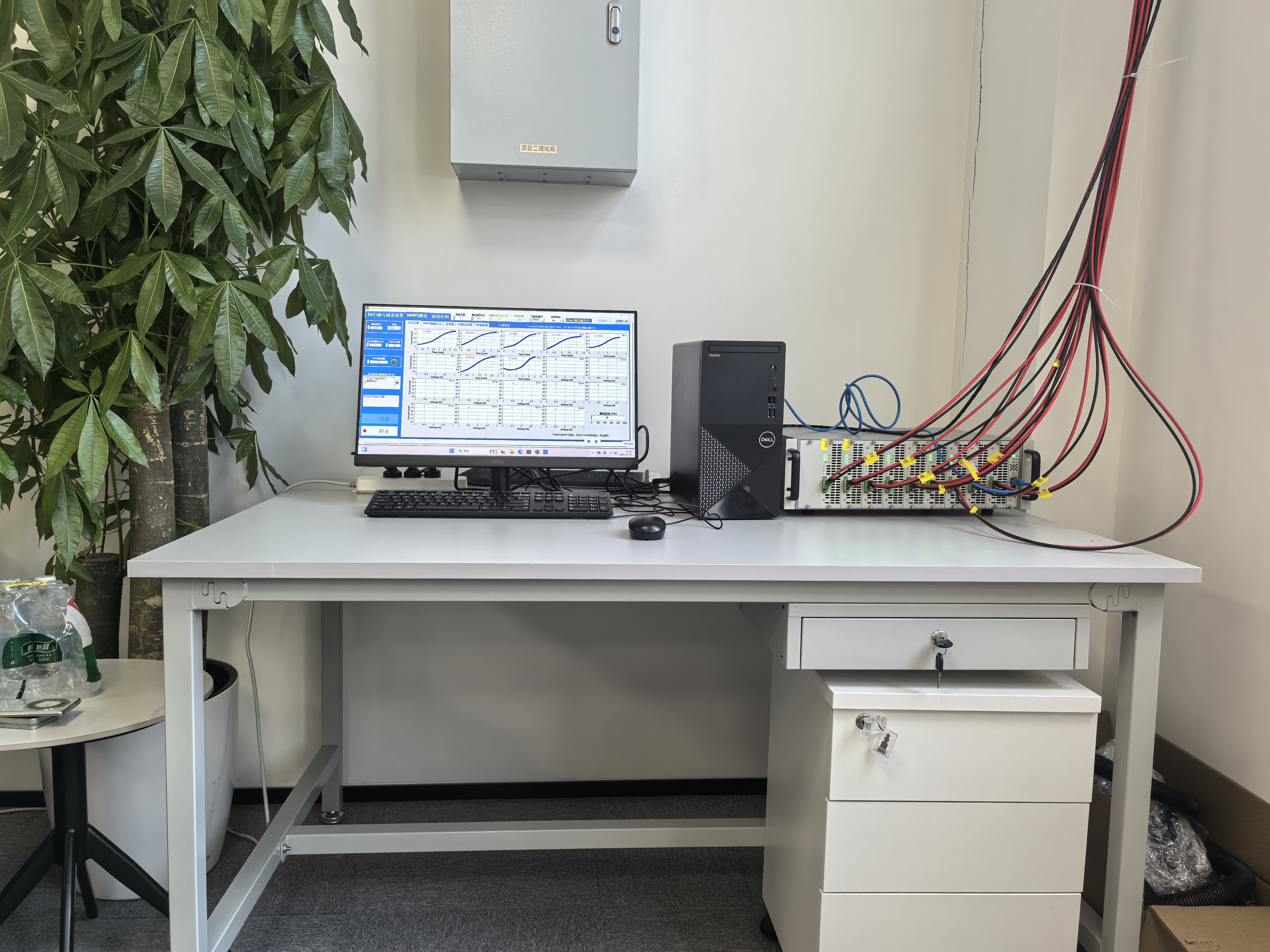
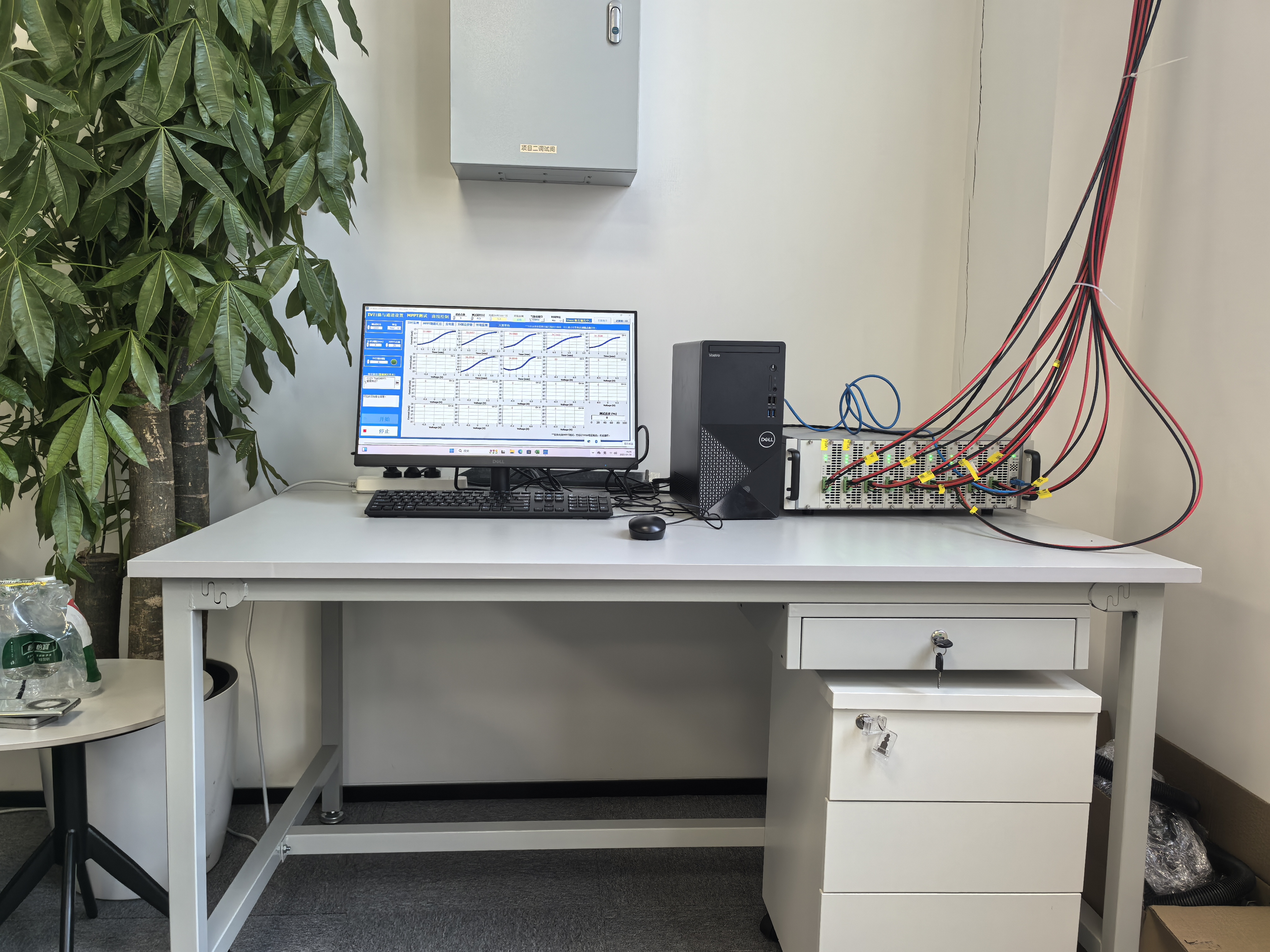
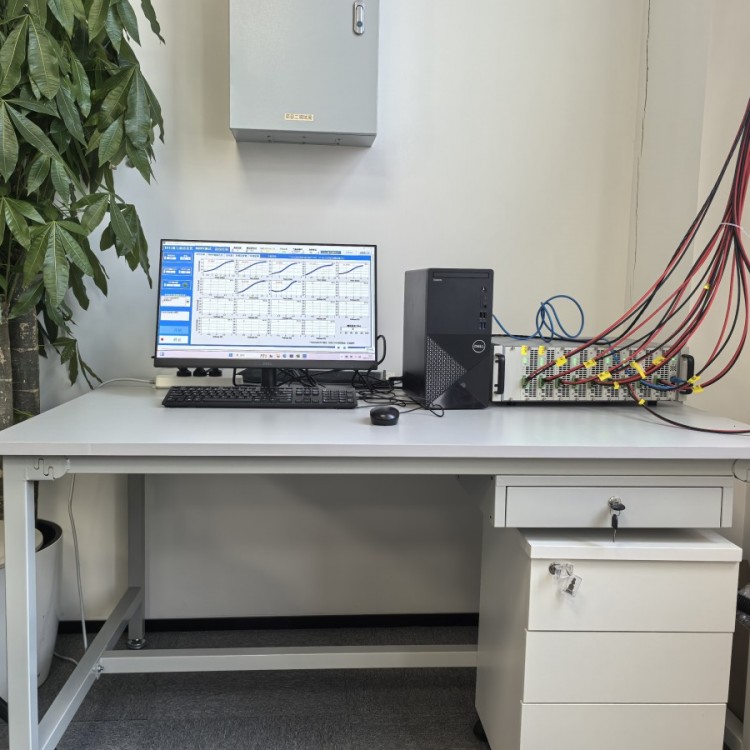
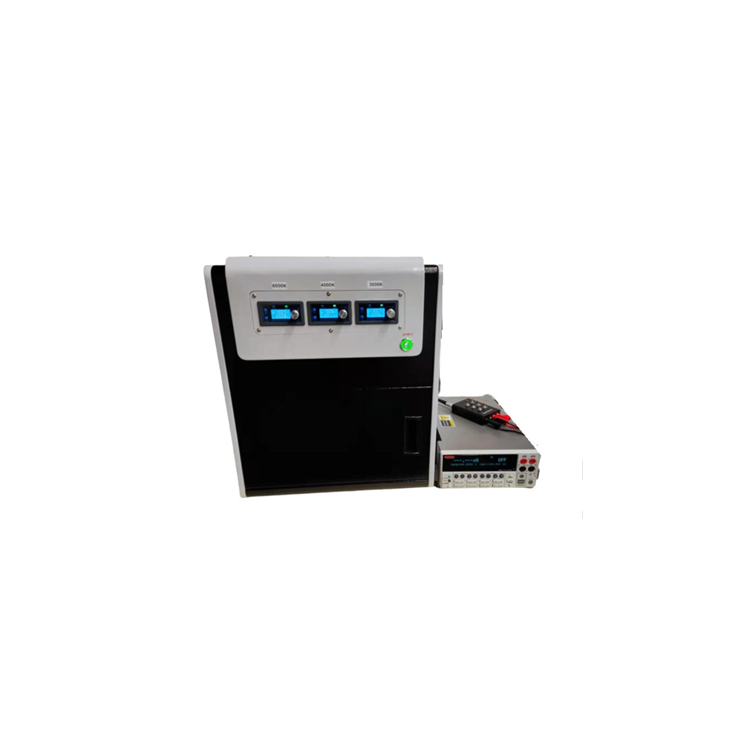
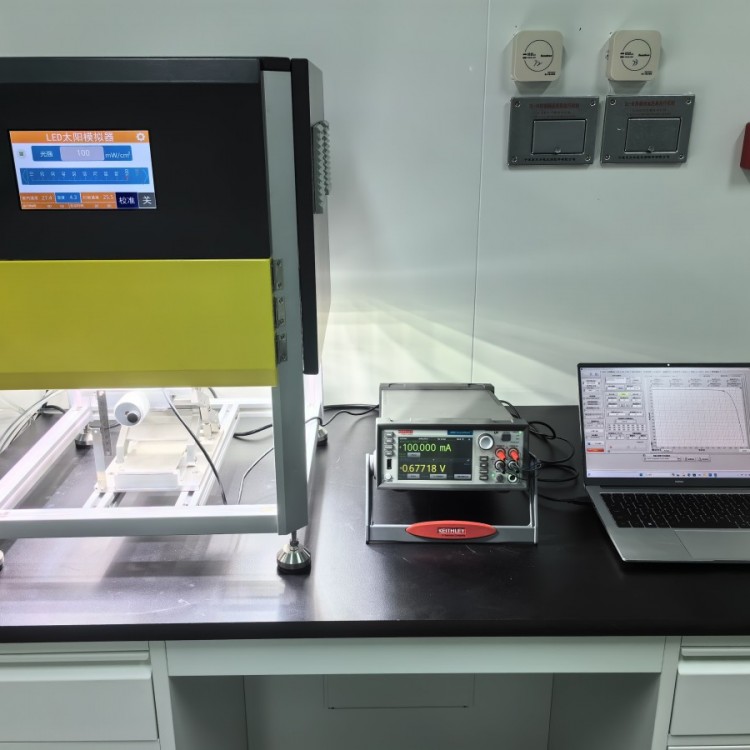
This system is a powerful and comprehensive multi-channel solar cell and component stability testing system, specifically designed for researchers in perovskite solar cell studies. It utilizes LED light sources as aging light sources, allowing for temperature control and environment atmosphere regulation (N2, dry air, constant temperature and humidity, etc.) of the batteries through various methods. It can conduct long-term stability tests on multiple battery sets simultaneously. In addition to the traditional MPPT mode, it also includes constant voltage (such as open-circuit voltage) and constant current aging (such as short-circuit current) modes to enhance the flexibility of stability research. It is also integrated with a powerful data analysis software that enables real-time viewing and comparison of various performance indicators of different samples.
Section II: System Composition
2.1Hardware System
2.1.1Aged lighting source
This system is available for optional configuration.3AGradeLEDSolar Simulator and White LightLEDMonochromatic light sources, the following sections introduce the two types of light sources respectively.
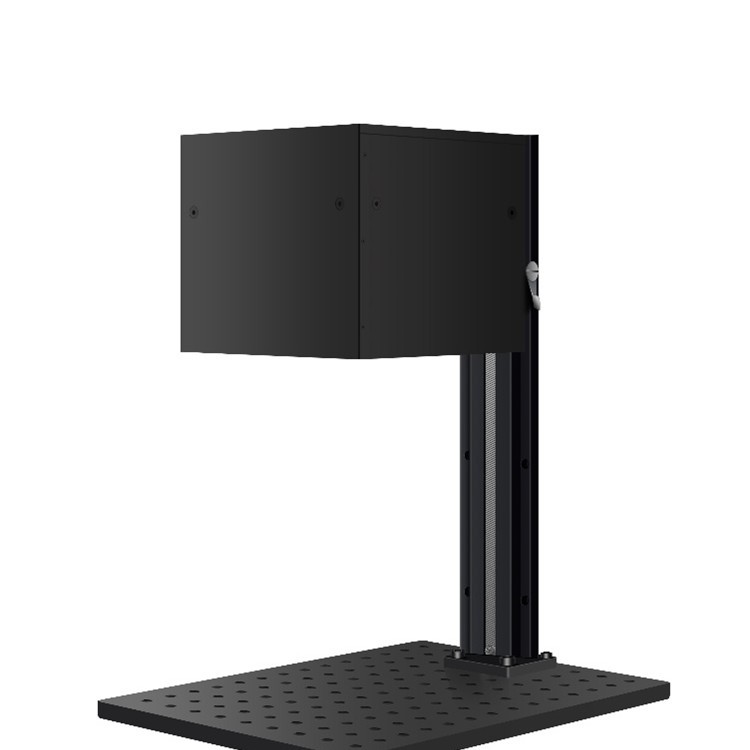
1. 3AGradeLEDSolar Simulator 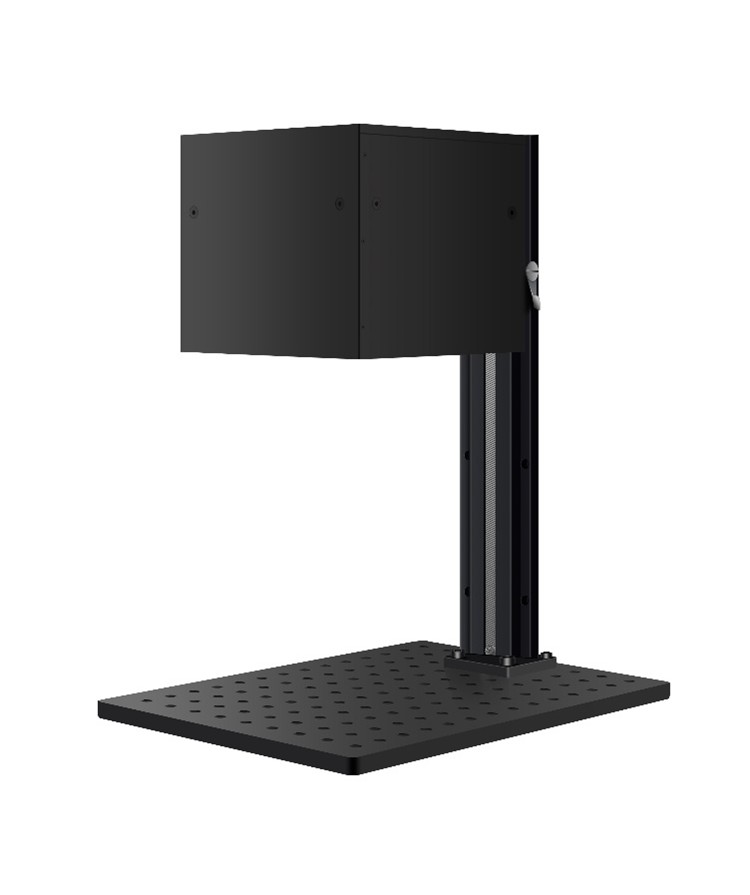
BG-LED-AAASeriesLEDThe Sun Simulator is an ideal sunlight source for scientific research, serving as an upgraded and replacement product for the current Xenon lamp sunlight simulator. Its superior features make it more suitable for research on solar cells, semiconductor materials, and biological sciences.
Product Features:
• Meets IEC 60904-9, JIS 8904-9, and ASTM E927-10 requirements for A+ spectral match, A radiation spatial uniformity, and A+ time stability.
• Utilizing imported high-power LED chips, employing various different wavelengths of LEDs for spectral fitting, achieving a more accurate simulation of sunlight.
The light source has a lifespan of over 10,000 hours, eliminating the need for regular replacement of expensive and hazardous bulbs.
7-inch LCD touch screen control with a graphical interface for quick and easy operation.
Technical Specifications:
Model | BG-LED-AAA-100 | BG-LED-AAA-300 |
Light Source Type | Steady stateLEDLight Source | |
Spectral Range | 350~1100 | |
Effective Light Spot Area | 100mm×100mm | 300mm×300mm |
Spectral match accuracy | A+ | |
Uniformity | A | |
Unpredictable timing | A+ | |
Luminaire lifespan | >10000hour | |
Typical Output Power | 100 to 1100 W/m2 (0.1 to 1.1 SUN) Adjustable | |
Supply Voltage | AC220V/50HZ | |
Spectral Chart:


2. LEDWhite Light Source

Light Source Features
Large area
② LED Board Area: Effective Illumination Area: 300×300mm²
Super-sized lighting area LED bead array PCB, grade B uniformity
Long-lasting
Stability: 10,000 hours
The component features high-stability, long-life imported LEDs, custom high thermal capacity aluminum alloy heat sinks, and a combination of compressed refrigerant and water cooling for dual heat dissipation, ensuring the lifespan of the light source under continuous operation. This design not only maintains the light intensity of the source but also significantly delays the degradation of the light output.
• Intensity adjustable:
0.1-4 Sun equivalent light intensity adjustable; 20W-900W adjustable power range, approximately 180W generates the current output under a simulator for perovskite solar cells.
Wavelength Range
Single Wavelength 450nm
Customizable:
Intense light intensity is available for non-standard customization, with the shipped PCBs boasting an equivalent light intensity as high as 7 suns; PCB area is also customizable to non-standard sizes, with the shipped PCBs as large as 1000mm x 600mm, and even larger options are available.
• Safe and reliable:
Leakage Protection & Overvoltage/Overcurrent Protection System.
• Light Source Spectral Plot
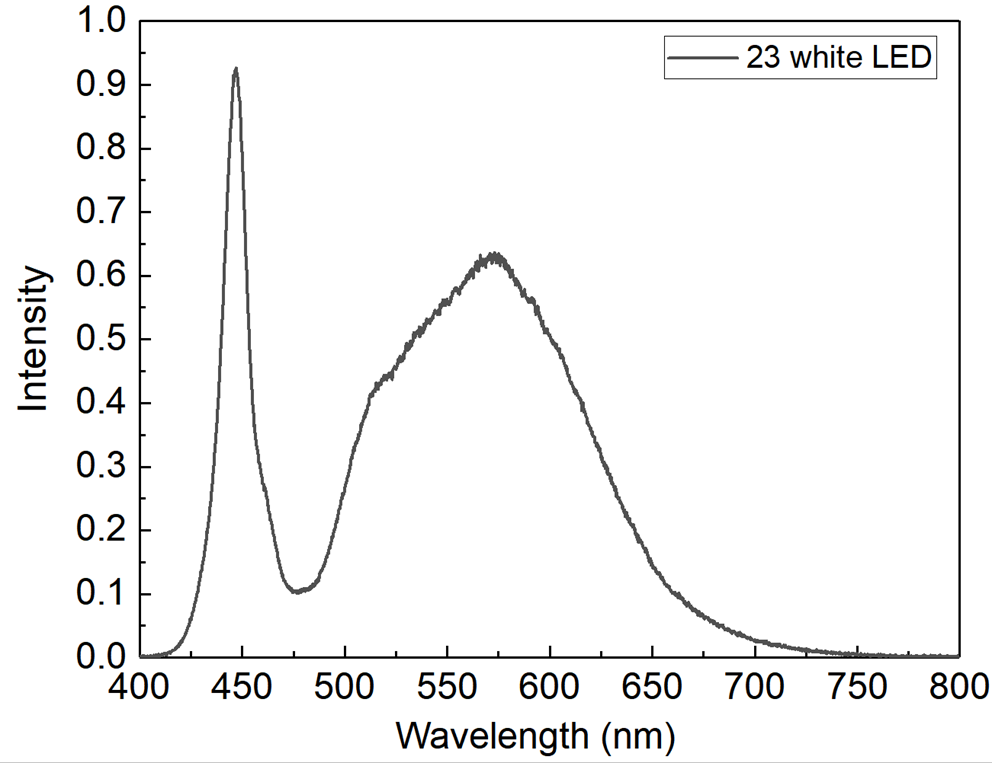
White Light Source - Broad Spectrum Light Source
(Select the above light sources according to actual requirements.)
2.1.2Testing System
This system is configured with a low-power programmable digital source meter as the characterization device, with a single unit supporting up to19Parallel channel testing
Multi-Channel Parallel Test System
Utilizing low-power programmable electronic loads with high precision, reliability, full functionality (constant current, constant voltage, constant power, constant resistance), and ease of integration.OCP/OVP/OPP/OTPMultiple protection, equipped with high-speedLANInterface, particularly suitable for university and research institutions.
Product Features:
• Power Range: 20W/50W
Voltage Range: 0~20V/0~60V/
Voltage Range: 0~1A/0~5A/0~10A
• Single machine with 19 channels, channels isolated
• Multi-layer protection of OCP/OVP/OPP/OTP
• Current Range: 0~1A / 0~5A / 0~10A
Voltage and Current Measurement Accuracy: 0.02% + 0.02% F.S
• Operation Modes: CC, CV, CP, CR, CCD
• Supports LAN communication, dual LAN interfaces
• Supports functions such as simulated short circuit, with/without load latching:
2.1.3Test Fixture
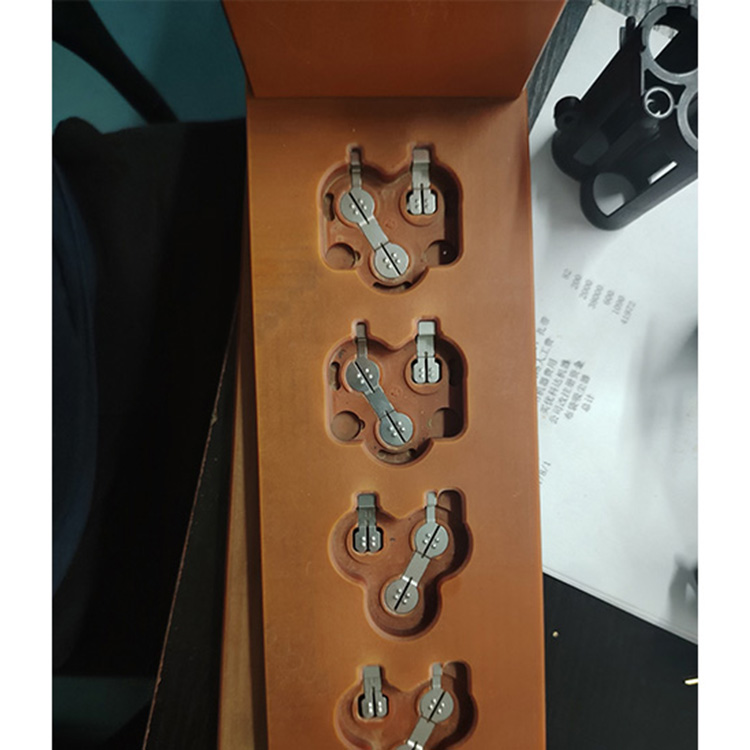
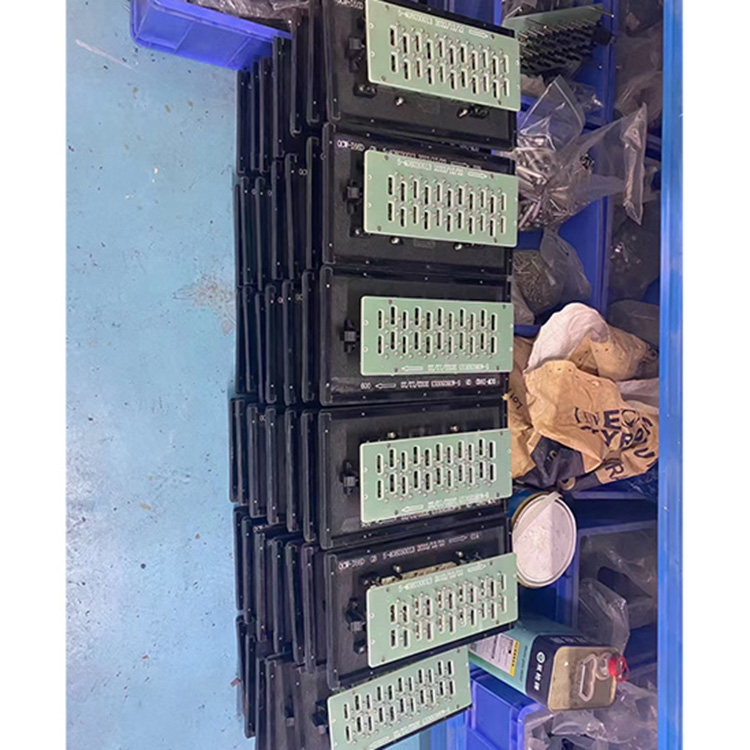
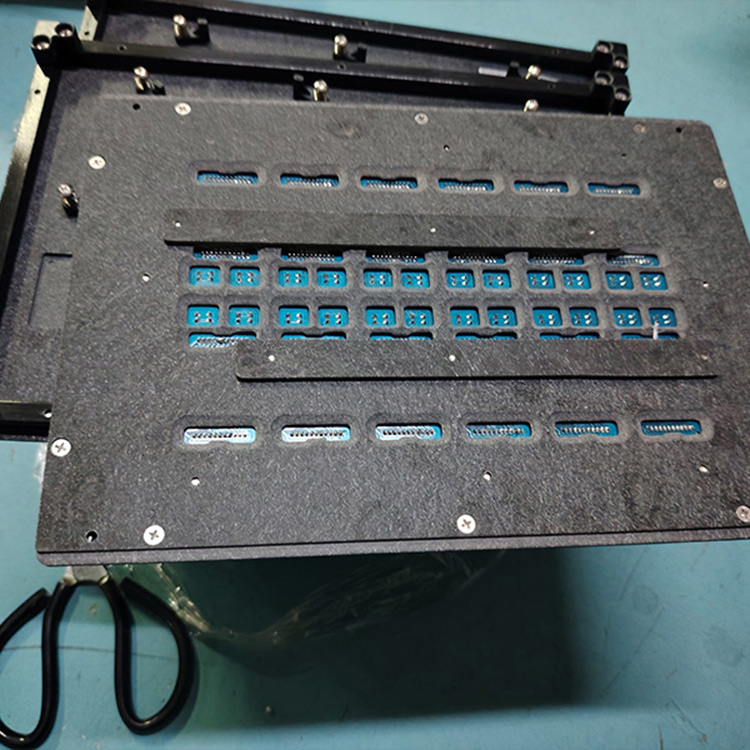
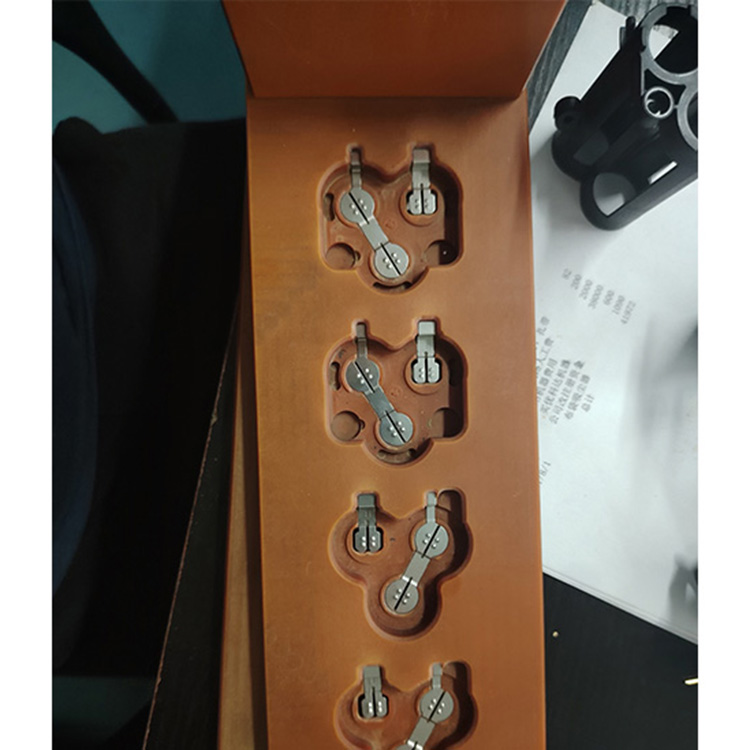
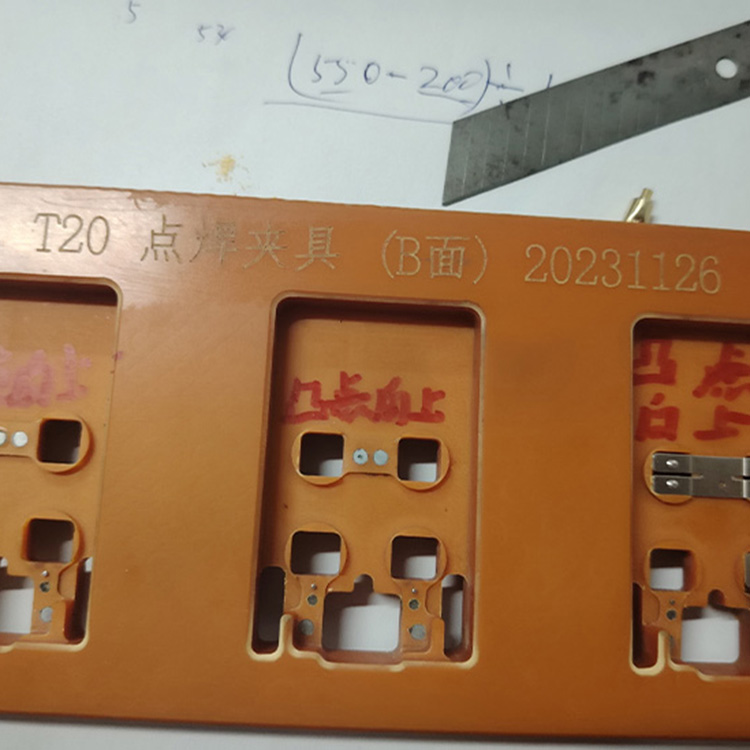
Our company can customize N2 sample cavity, sealed to prevent leakage with a sealing ring, and electrically connect the wire inside the cavity through a gas-tight multi-core power cord. This method is easier to operate.
1. Multi-channel split-type nitrogen-sealed temperature control fixture
Regulated temperature control under normal conditions: Requires testing for self-contained, controllable封装 battery packaging; temperature control of the battery through water-cooled plates and heating plates, with a water-cooled testing base.5℃-35℃Precision±1℃Temperature Control Heating Test BenchRT-120℃Precision±0.5℃Our company can customize water cooling plates and heating plates in any size.
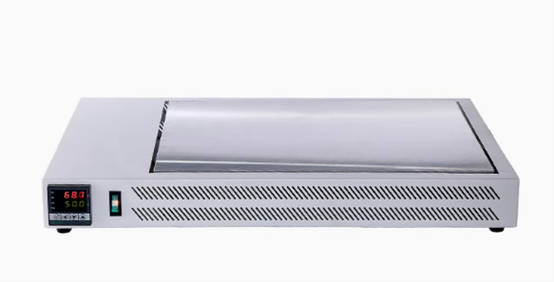
Temperature-controlled heating platform

Temperature Control Cooling Bench
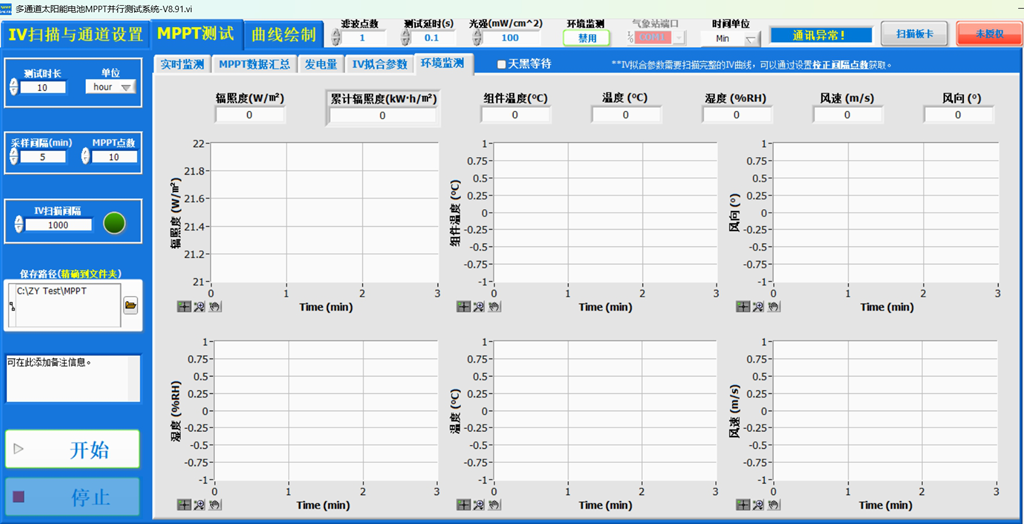
3.2Software System
3.2.1Software Function Description
• IVScanning Test

• MPPTData Consolidation

• IVData Aggregation

• Electricity Generation Statistics

• Weather sensor integration for outdoor field testing